Brasserie Le Landersheim
Our verdict
A village brasserie on the Route de Saessolsheim in Landersheim, Alsace, Brasserie Le Landersheim represents the kind of rooted, regional dining that the Bas-Rhin countryside does quietly and without fanfare. The setting and tradition of Alsatian hospitality place it within a distinct tier of rural French dining that prioritises locality and seasonal produce over metropolitan visibility.

Pearl is the En Primeur Club membership app — saves, bookings, and concierge access live there. Same editors, same standards.
- Address
- 1 ter, Brasserie Le, Rte de Saessolsheim, 67700 Landersheim, France
- Phone
- +33388817396
- Hours
- Mon–Thu 12–2 PMFri 12–2 PM, 6:30–9 PMSat–Sun Closed
- Website
- facebook.com
- Directions
- Get directions
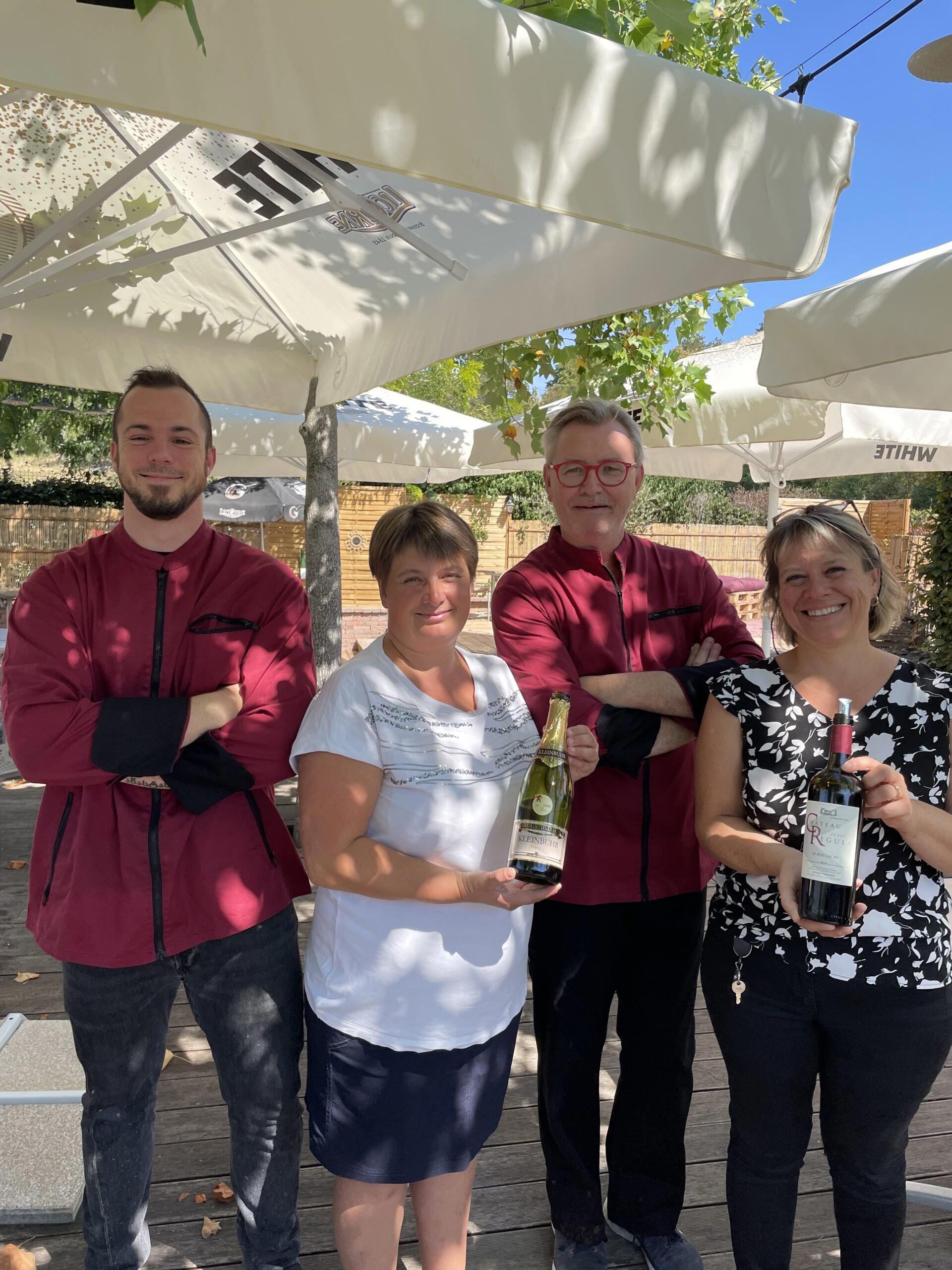
The menu
What to order
- Tartare
- Carpaccio de thon aux girolles et pesto
- Burger maison au fromage
Alsace at the Table: What Rural Brasserie Dining Actually Means
The villages strung along the Bas-Rhin plain between Strasbourg and the Vosges foothills form one of France's most coherent regional dining cultures. Unlike the starred rooms that draw visitors to Auberge de l'Ill in Illhaeusern or the alpine ambition of Flocons de Sel in Megève, the brasseries and winstubs of the Alsatian plain operate on a different register entirely: local loyalty, seasonal rhythm, and a cuisine built around what the surrounding farms and forests actually produce. Brasserie Le Landersheim, on the Route de Saessolsheim in the village of Landersheim, sits squarely in that tradition.
Landersheim is a small commune roughly twenty kilometres northwest of Strasbourg, in a stretch of country where the farming calendar still shapes what appears on menus. The brasserie format here is not the Parisian variety — zinc bar, steak-frites, and a wine list calibrated to tourist spend. It is something older and more specific: a place where the sourcing geography is short, the clientele is largely regional, and the kitchen's relationship with the surrounding countryside is structural rather than decorative.
The Physical Setting and What It Signals
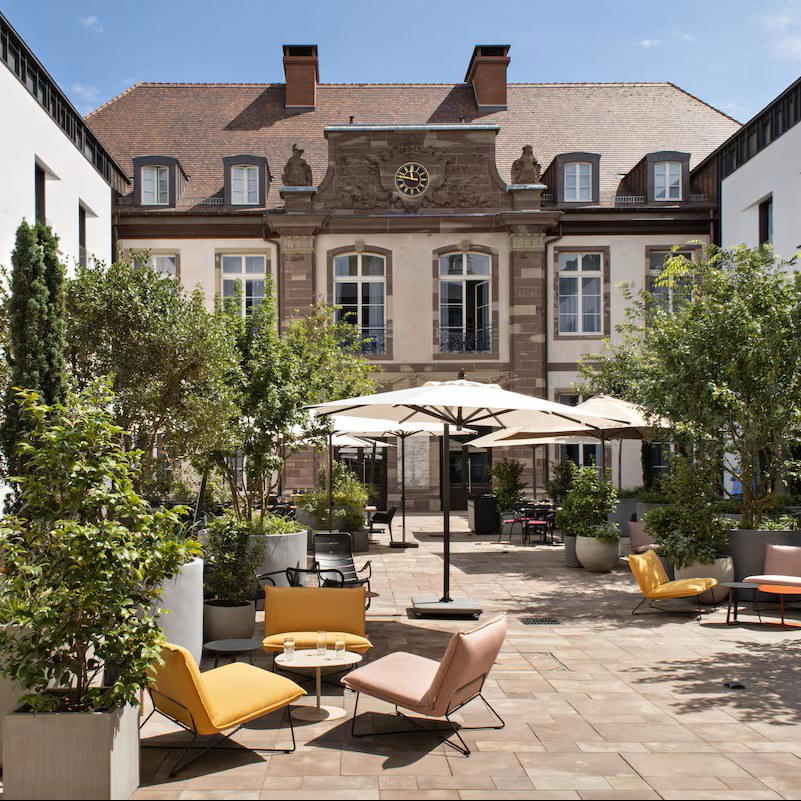
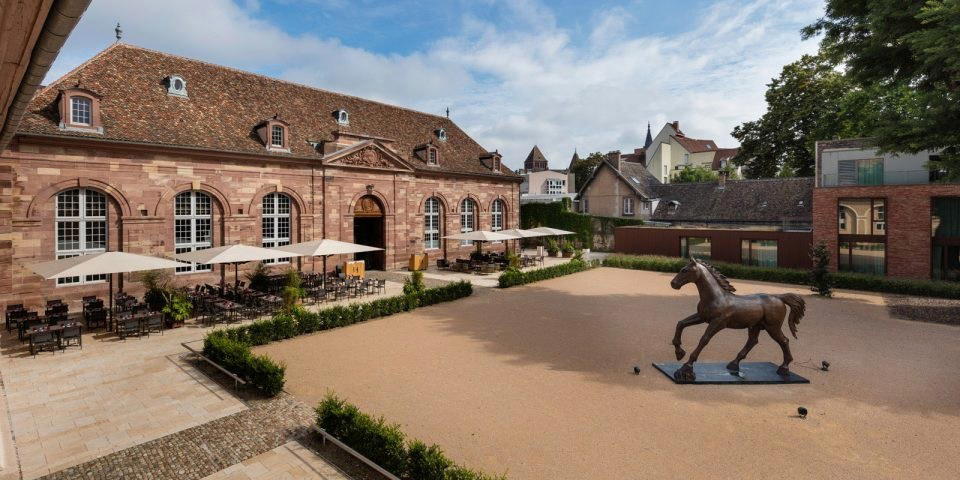
Approaching along the Route de Saessolsheim, the address places Brasserie Le Landersheim in the working fabric of the village rather than on any kind of gastronomic circuit. That positioning is itself informative. Alsatian rural dining establishments of this kind typically occupy historic buildings — half-timbered auberge architecture, heavy oak interiors, tiled floors, that carry the weight of decades of use. The physical environment of a well-maintained Alsatian brasserie communicates continuity: this is a room that has served the same surrounding community across multiple generations, adapting its menu to seasonal availability while holding its format constant.
That format matters. In a region where places like Maison Lameloise in Chagny or Les Prés d'Eugénie in Eugénie-les-Bains represent the highest register of French provincial fine dining, the honest village brasserie serves a different but equally important function. It is where Alsatian cooking is practised without the pressure of external validation, where choucroute garnie is made from locally fermented cabbage because that is simply how it is done, not because a menu writer has framed it as a heritage experience.
Ingredient Sourcing as the Core Logic of Alsatian Cooking
The Alsatian kitchen is, at its foundation, an ingredient-led tradition. The region's cooking draws from a tight geography: game from the Vosges, freshwater fish from the Rhine tributaries, pork and charcuterie from local farms, white wines from the vineyards running north to south along the wine route, and baking traditions that make the region's bakeries a category of their own. A brasserie operating in a village like Landersheim does not need to construct a farm-to-table narrative, that proximity to source material is simply the baseline condition of doing business here.
This is meaningfully different from the sourcing frameworks that restaurants in larger French cities must construct deliberately. When Bras in Laguiole or Auberge du Vieux Puits in Fontjoncouse built their identities around the specific terroir of their respective regions, they were making an argument. For a working brasserie in the Bas-Rhin, sourcing locally is not an argument, it is the path of least resistance. The supply chains are short, the seasonal produce is abundant, and the regional palate expects the flavours of the surrounding land.
Alsatian cuisine's ingredient logic also explains its resistance to trends. While kitchens in Paris like Alléno Paris au Pavillon Ledoyen or Mirazur in Menton work at the intersection of fine dining innovation and sourcing philosophy, the Alsatian brasserie holds a different position: it is the custodian of a cuisine that was already regional and seasonal before those terms acquired prestige. Riesling-braised dishes, flammekueche with farm fromage blanc, baeckeoffe slow-cooked in a sealed terrine, these preparations exist because the region's ingredients and climate produced them organically over centuries.
Where It Sits in the Broader Picture of French Rural Dining
France's rural dining map divides, roughly, between establishments that have accumulated external recognition and those that function primarily within a local economy of regulars and regional visitors. The starred and celebrated rooms, Troisgros in Ouches, Georges Blanc in Vonnas, Paul Bocuse in Collonges-au-Mont-d'Or, draw destination diners and operate under the weight of institutional reputation. The village brasserie occupies an entirely different position in that structure, one that is less scrutinised but not less serious about the food it sends out.
For the reader planning a trip through Alsace, that distinction is worth holding onto. The regional experience of eating well in the Bas-Rhin is not only available at the tables with starred credentials. Much of what defines Alsatian cuisine, its directness, its generosity of portion, its confidence in fermentation, smoke, and fat, is more faithfully expressed in rooms like this than in kitchens that have been shaped by the expectations of an international dining public. Travellers visiting Le 1947 à Cheval Blanc in Courchevel or La Vague d'Or in Saint-Tropez are encountering a version of French dining that has been refined into a global luxury idiom. The Alsatian village brasserie is something different: cuisine as local institution.
Planning a Visit
Landersheim sits in the northern Alsace plain, accessible from Strasbourg in under thirty minutes by road, making it a practical lunch or dinner destination for those using the city as a base. The village is also within range of the Alsatian wine route, which runs through a string of communes to the south. For visitors combining a broader tour of the region with meals that reflect the Bas-Rhin's agricultural identity, the area around Landersheim connects logically to that itinerary. Advance contact with the brasserie directly is advisable, as rural establishments in France of this character typically operate on hours and closure patterns shaped by the local week rather than visitor demand. Our full Landersheim restaurants guide covers additional options in the area for those building a multi-stop itinerary across the region.
Frequently asked questions
What kind of setting is Brasserie Le Landersheim?
The brasserie sits on the Route de Saessolsheim in the village of Landersheim, on the northern Alsace plain between Strasbourg and the Vosges foothills. It is a working village address rather than a destination property staged for tourism. Expect the physical character of a Bas-Rhin brasserie embedded in its local community.
Is Brasserie Le Landersheim a good lunch stop on a drive through northern Alsace?
Landersheim sits on the Route de Saessolsheim in the Bas-Rhin plain, accessible from Strasbourg in under thirty minutes by road, which makes the brasserie a geographically logical midpoint on a northern Alsace circuit. The village brasserie format is conventionally suited to unhurried midday meals rather than quick stops.
What should I eat at Brasserie Le Landersheim?
Alsatian brasserie cooking in this part of the Bas-Rhin draws on a tight regional geography: game from the Vosges, freshwater fish, charcuterie, and fermented cabbage preparations that reflect centuries of Franco-German overlap. The kitchen tradition here is ingredient-led rather than technique-driven.
How do I find Brasserie Le Landersheim?
Brasserie Le Landersheim is located at 1 ter, Brasserie Le, Rte de Saessolsheim, 67700 Landersheim, France, Landersheim.
How hard is it to get a table at Brasserie Le Landersheim?
Village brasseries in the Bas-Rhin plain can fill quickly at weekend lunch, when Strasbourg day-trippers account for a significant share of covers. Contacting the venue directly to confirm availability before making the thirty-minute drive from Strasbourg is practical.
What's the standout thing about Brasserie Le Landersheim?
Its position in the working fabric of Landersheim rather than on a tourist circuit is the defining characteristic. The Bas-Rhin plain between Strasbourg and the Vosges foothills produces one of France's most coherent regional dining cultures, and a village brasserie operating inside that tradition offers something distinct from the Strasbourg city-centre restaurant scene.
At-a-Glance Comparison
Comparable venues nearby, for context on price, style, and recognition.
| Venue | Cuisine | Price | Notes |
|---|---|---|---|
| Brasserie Le LandersheimThis venue — the venue you are viewing | French Brasserie with Mediterranean Influences | $30–50 | Not listed |
| Pfifferbriader | Traditional Alsatian Winstub | $30–50 | Centre |
| La Nouvelle Poste | French Brasserie | $20–30 | Centre |
| Le Bistrot d'Antoine | Traditional French Bistro | $30–50 | Centre |
| La Vignette | French Bistro | $30–50 | Robertsau |
| L’aventure | French Mountain Grill | $30–50 | Oz en Oisans |
Continue exploring
More in Landersheim
Restaurants in Landersheim
Browse all →

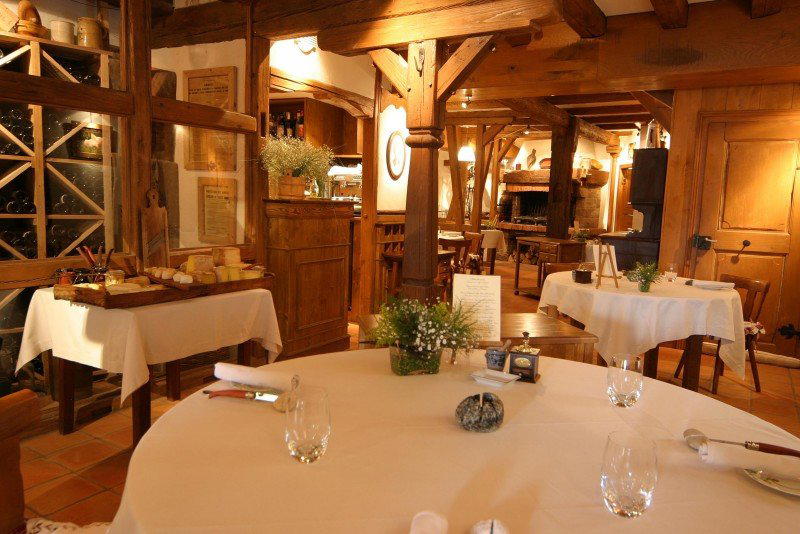
Bars in Landersheim
Browse all →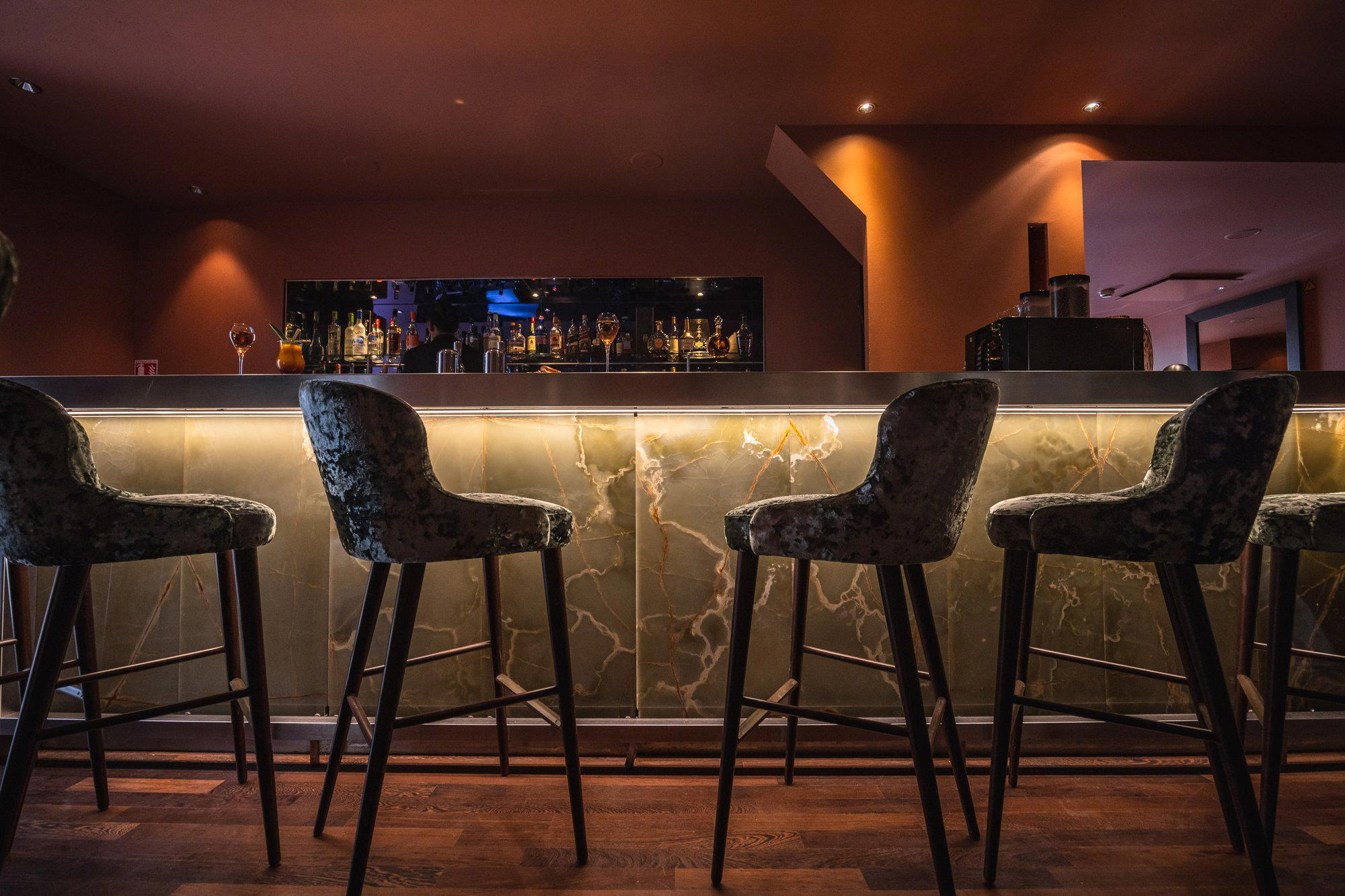
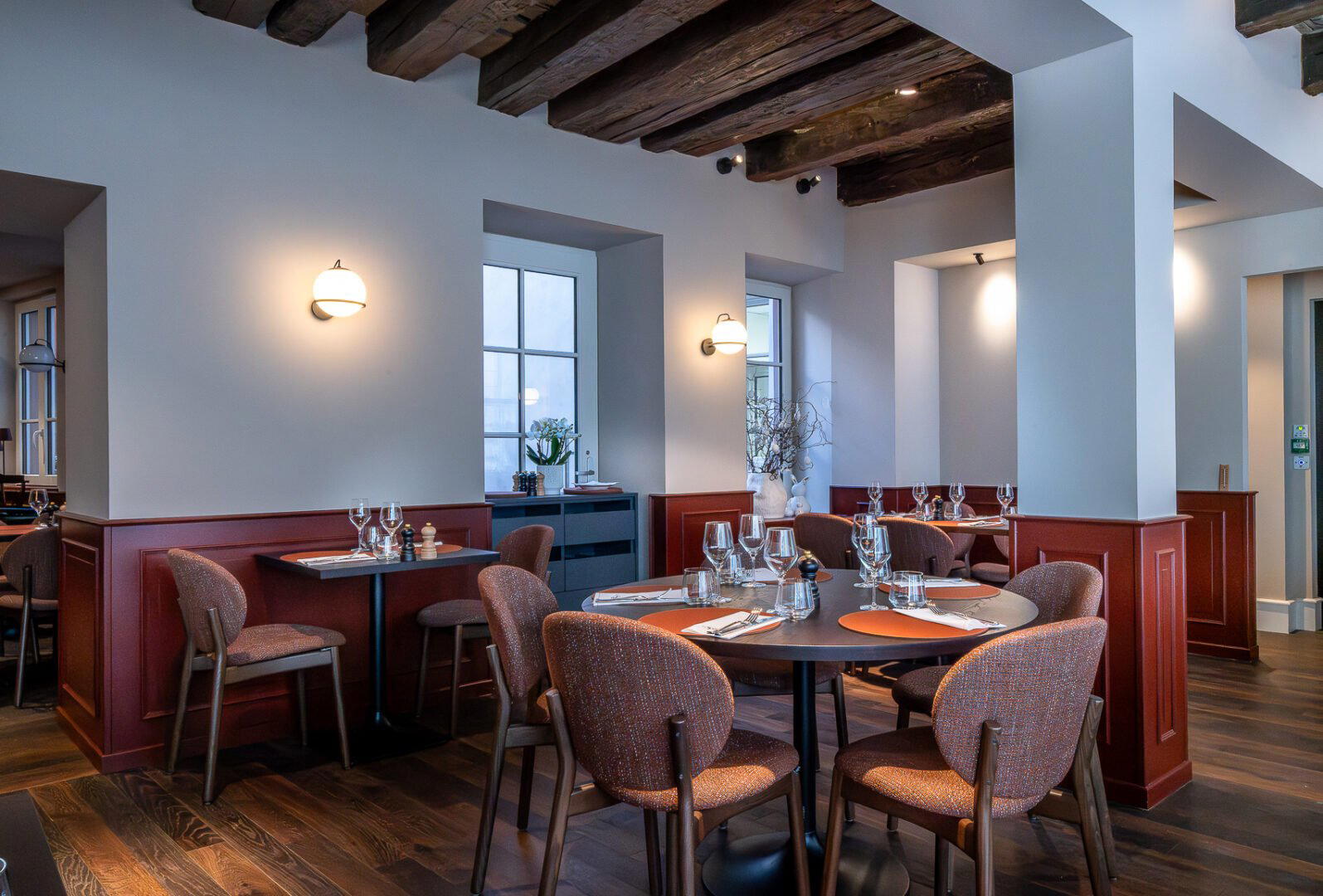
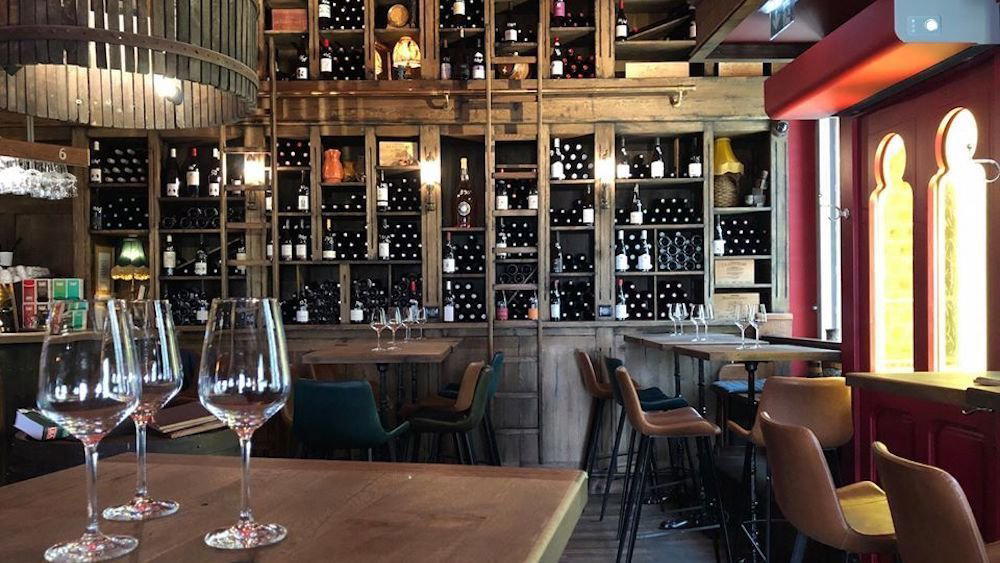
Hotels in Landersheim
Browse all →

Brasserie Le Landersheim
The wine
- Wine program
- Exceptional wine program
- Extensive wine list
- Sommelier-led
Details
- Classic
- Cozy
- Elegant
- Casual Hangout
- Group Dining
- Business Dinner
- Wine Cellar
- Historic Building
- Extensive Wine List
- Sommelier Led
- Local Sourcing
- A La Carte
- Set Menu
- Wine
- Vegetarian Friendly
Current opening hours
- Monday
- 12–2 PM
- Tuesday
- 12–2 PM
- Wednesday
- 12–2 PM
- Thursday
- 12–2 PM
- Friday
- 12–2 PM, 6:30–9 PM
- Saturday
- Closed
- Sunday
- Closed
Hours can change for holidays and private events. Last verified .
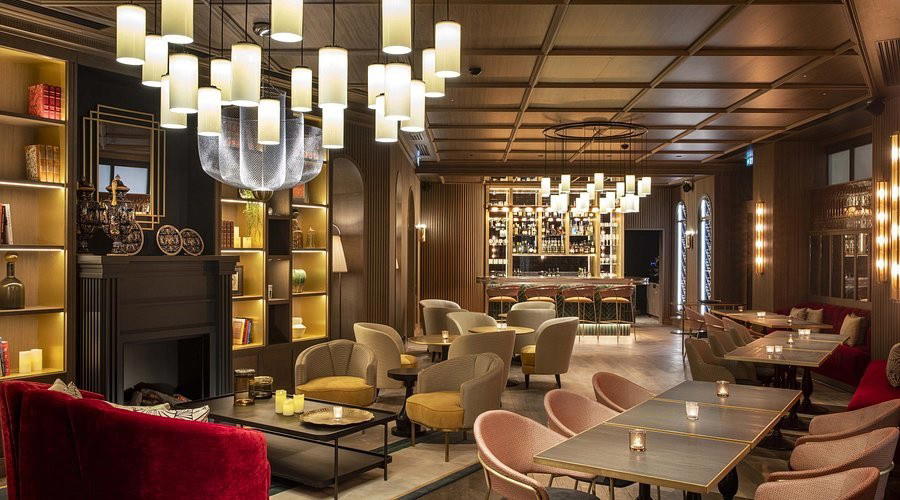
Quiet, relaxed atmosphere with a mignon décor that allows guests to unwind; warm and welcoming service.