Carisma serves authentic Italian fine dining at 15 Toronto St, with an extensive wine list and leisurely pacing for lunch or dinner.
Pearl is the En Primeur Club membership app — saves, bookings, and concierge access live there. Same editors, same standards.
- Address
- 15 Toronto St, Toronto, ON M5C 2E3, Canada
- Phone
- +14168647373
- Website
- carismarestaurant.com
- Directions
- Get directions
 Saves & bookings on Pearl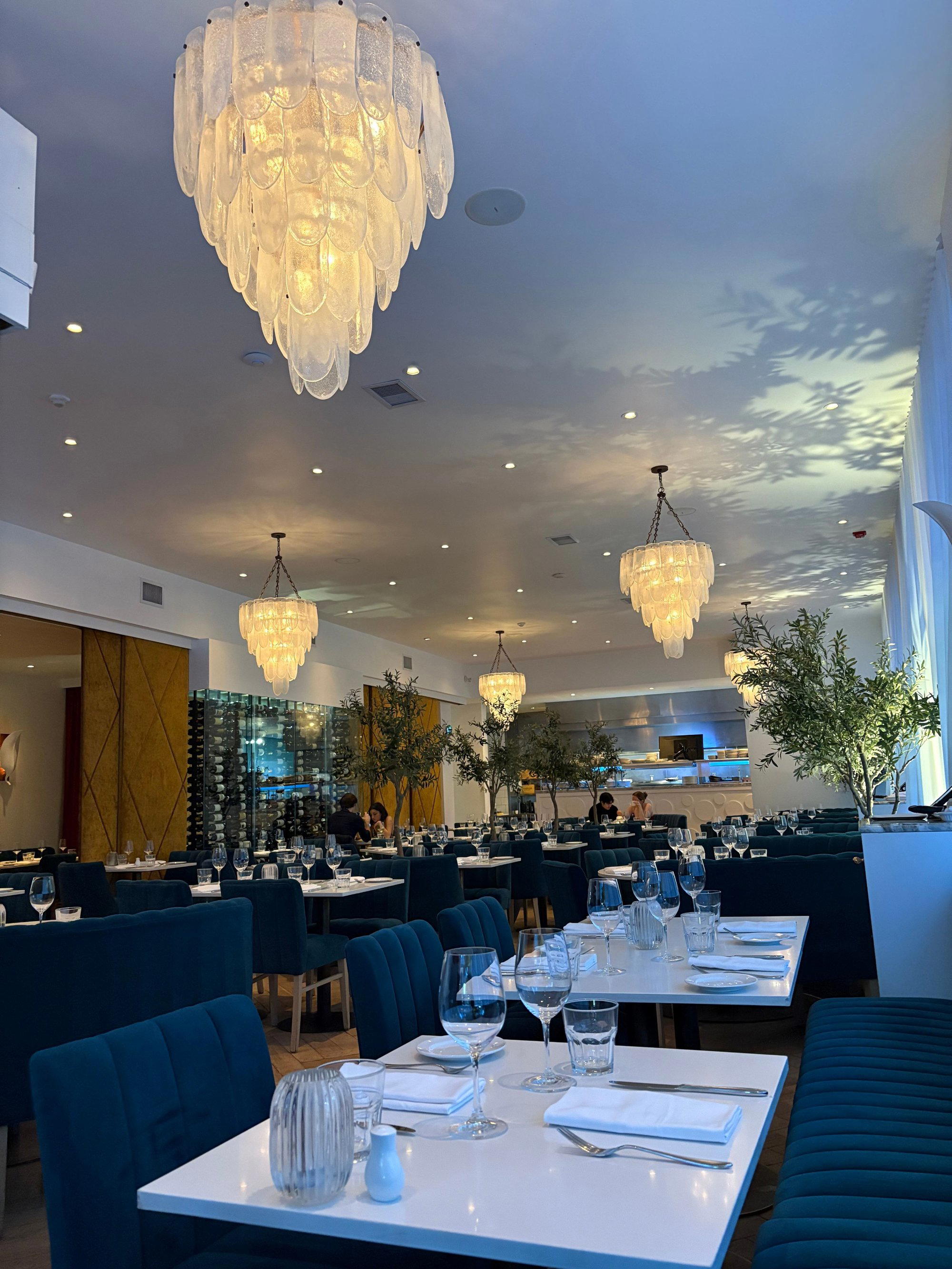
Toronto Street, Dressed for Dinner
Toronto Street, a short block running between King and Adelaide in the Financial District, carries a quieter register than the city's louder dining corridors. The Victorian commercial buildings here have thick masonry and high ceilings, and restaurants that occupy them tend to inherit a certain gravity. It sits within that inherited formality without leaning on it. The address signals something deliberate before you reach the door.
Toronto's premium Italian dining tier has grown more crowded and more varied over the past decade. At the leading end, you find properties like Don Alfonso 1890, which carries a fine-dining Italian lineage with formal service conventions, and DaNico, which operates in a more contemporary idiom. Carisma occupies the Financial District end of this tier, serving a lunch and dinner crowd whose baseline expectation is a meal that runs properly, from first course to final coffee, without shortcuts in pacing or presentation.
The Ritual of the Meal Here
How a room handles the structure of a meal tells you more than any single dish can. In dining traditions where the sequence matters, the kitchen's discipline shows up in transitions: the pause between courses, the temperature of a plate, the moment a wine pour happens relative to a dish arriving. Italian cooking, in its formal register, is a tradition with strong convictions about sequence. Antipasto, primo, secondo, dolce is not arbitrary; it maps the arc of appetite, building and resolving over the course of an evening.
At Carisma, that sequence functions as the operating logic. The pacing reads as unhurried in the deliberate sense: courses are given room to land rather than stacked for efficiency. In a Financial District lunch context, where tables often have hard stops, this is a meaningful choice. It positions the restaurant as an evening destination as much as a business lunch option, and it shapes the kind of hospitality that the room projects. Guests who arrive expecting a fast turnaround are likely to find the rhythm instructive rather than accommodating.
This approach connects to a broader pattern visible in Toronto's upper-tier Italian rooms. The comparison points are instructive: at Alo, sequencing is codified into a tasting format with no substitution pressure; at Aburi Hana, the kaiseki structure imposes its own temporal discipline. What these properties share is a commitment to letting the meal unfold rather than compress. Carisma works within that sensibility from an Italian-inflected position.
The Italian Table in a Canadian Context
Italian cuisine in Canada has a complicated positioning. At one end, there are long-running neighbourhood trattorias with loyal followings and no pretension to formal dining. At the other, there are rooms attempting to replicate the cooking of specific Italian regions with sourced ingredients and trained technique. The middle ground, which is where most restaurant-goers spend their evenings, often blurs the distinction between comfort and ambition.
What separates the more serious Italian rooms from that middle ground is usually ingredient discipline and kitchen confidence: a willingness to let a good product speak without over-complicating it. This is the Italian kitchen at its most demanding, because there is nowhere to hide. The same distinction operates in Canadian restaurants working from different traditions. Eigensinn Farm in Singhampton and Restaurant Pearl Morissette in Lincoln both demonstrate what happens when a kitchen commits fully to its source materials. Tanière³ in Quebec City applies a similar rigour to regional terroir. The ambition, in each case, is legibility: you should be able to taste where the food comes from.
Italian cooking in a Toronto context carries an additional layer of complexity, because the city has one of the largest Italian diaspora communities in North America. The reference point is not just Italy but decades of Italian-Canadian culinary identity. Serious Italian restaurants here operate in conversation with that history, whether they acknowledge it or not.
Positioning Within Toronto's Premium Tier
The Financial District location places Carisma in a competitive dining context that includes expense-account rooms. It is a different context from the restaurant-row density of King West or the neighbourhood depth of Dundas West. The clientele arriving at Toronto Street tends to arrive with purpose rather than impulse, which shapes the service register and the menu's construction.
Across Toronto's premium dining tier, Italian and Japanese formats account for a disproportionate share of the upper-bracket rooms. Sushi Masaki Saito sits at the extreme end of the Japanese tier in terms of both price and formality. On the Italian side, the field is broader and less codified. Carisma's location and address suggest it has positioned itself toward the more formal end of that field, which is a specific editorial choice about who the room is for and how it wants to be used.
For comparison outside Toronto, the formal Italian register appears in properties like Jérôme Ferrer - Europea in Montreal and at the technique-forward end of North American dining at Le Bernardin in New York City. The shared quality is a service model that treats the sequence of the meal as load-bearing rather than decorative.
What to Know Before You Go
Reservations: Recommended, especially for dinner and weekend evenings. Dress: The address and room character suggest smart casual as a floor; business attire is common given the district. Budget: Expect roughly $50 per person. Getting there: Toronto Street is a short walk from King Station on Line 1. Timing: The room reads as an evening destination; allow the full arc of the meal rather than planning against a hard stop.
Beyond the city, Canadian restaurants setting a comparable level of ambition include AnnaLena in Vancouver, Fogo Island Inn Dining Room in Joe Batt's Arm, and The Pine in Creemore. For a different pace and register, Busters Barbeque in Kenora and Cafe Brio in Victoria illustrate how regional conviction operates outside major urban centres. Narval in Rimouski is another property that rewards the detour. In San Francisco, Lazy Bear demonstrates how a formal tasting structure can carry warmth alongside precision.
Recognition, Side-by-Side
Comparable venues nearby, for context on price, style, and recognition.
| Venue | Cuisine | Price | Notes |
|---|---|---|---|
| CarismaThis venue — the venue you are viewing | Authentic Italian Fine Dining | $$$ | Not listed |
| Edna + Vita | Modern Italian Trattoria | $$$ | Financial District |
| Primadonna | Italian-American | $$$ | Fashion District |
| Positano Restaurant | Authentic Neapolitan Italian | $$$ | Davisville Village |
| Piano Piano | Modern Italian | $$$ | Davisville Village |
| Vaticano Restaurant | Traditional Italian | $$ | Yorkville |
Continue exploring
More in Toronto
Restaurants in Toronto
Browse all →
Bars in Toronto
Browse all →
Hotels in Toronto
Browse all →
Wineries in Toronto
Browse all →
At a Glance
- Romantic
- Elegant
- Cozy
- Sophisticated
- Modern
- Date Night
- Special Occasion
- Business Dinner
- Wine Cellar
- Private Dining
- Extensive Wine List
Current opening hours
- Monday
- 12–2:30 PM, 5–10 PM
- Tuesday
- 12–2:30 PM, 5–10 PM
- Wednesday
- 12–2:30 PM, 5–10 PM
- Thursday
- 12–2:30 PM, 5–10 PM
- Friday
- 12–2:30 PM, 5–10 PM
- Saturday
- 5–10 PM
- Sunday
- Closed
Hours can change for holidays and private events. Last verified .
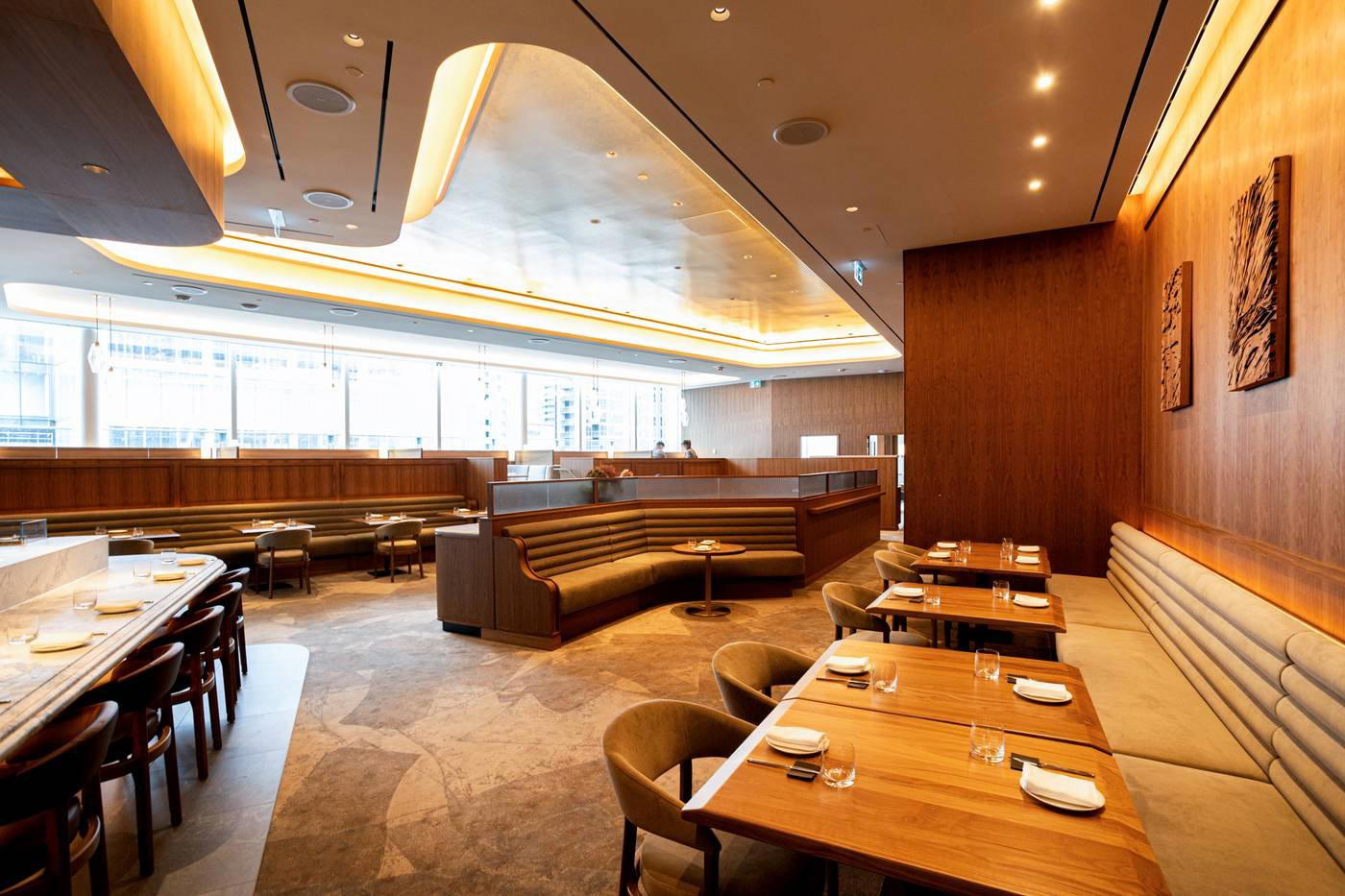
Soft lighting, plush seating, and cozy decor with dramatic fixtures creating a sophisticated and romantic setting.