
Byblos Downtown occupies a prominent address on Duncan Street in Toronto's Entertainment District, where eastern Mediterranean cooking meets a room designed for lingering. The kitchen draws on the grain-forward, herb-scented traditions of the Levant and Anatolia, placing it in a category distinct from Toronto's broader Mediterranean offerings and closer in ambition to the city's serious mid-to-upper dining tier.
Pearl is the En Primeur Club membership app — saves, bookings, and concierge access live there. Same editors, same standards.
- Address
- 11 Duncan St, Toronto, ON M5V 3M2, Canada
- Phone
- +1 647 660 0909
- Website
- byblosdowntown.com
- Directions
- Get directions
 Saves & bookings on Pearl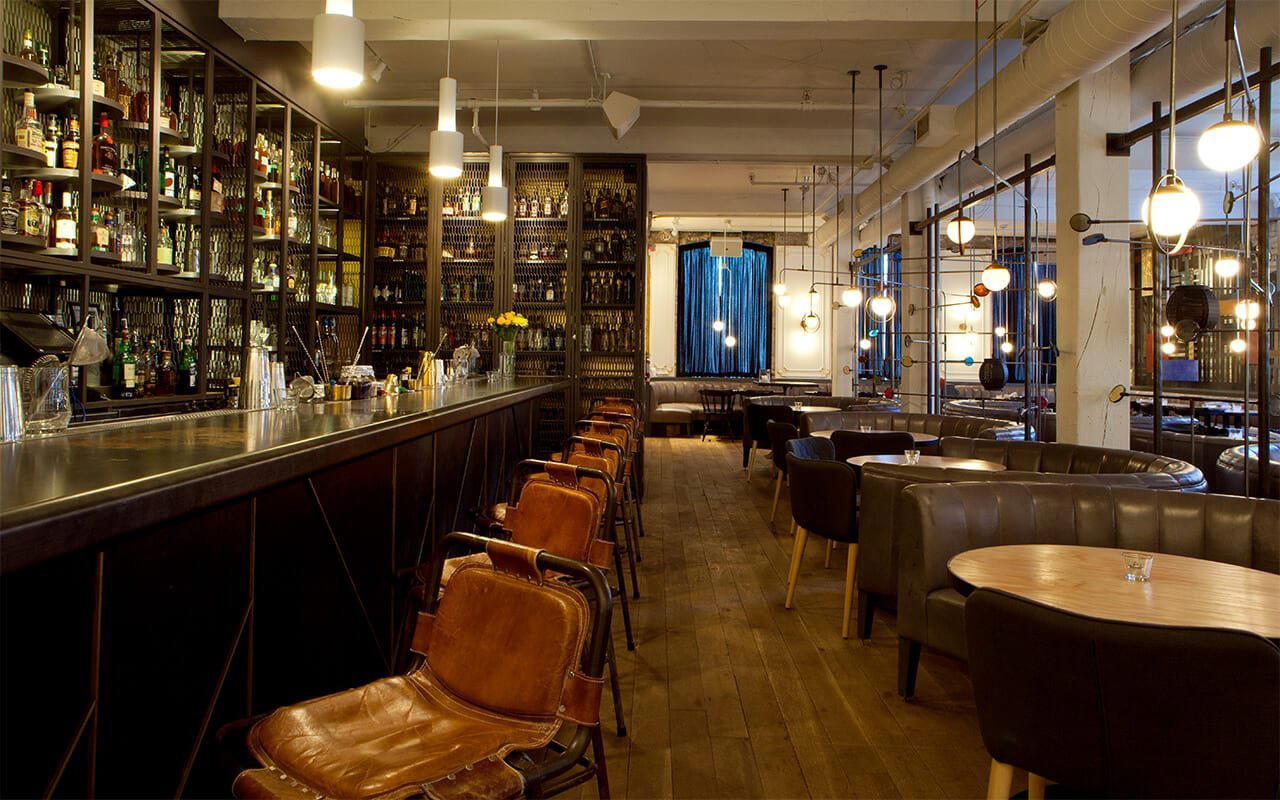
Duncan Street and the Eastern Mediterranean Room
Byblos Downtown is a Toronto restaurant serving Eastern Mediterranean cuisine. The room leans toward a measured approach to Eastern Mediterranean cooking. The address at 11 Duncan Street places it at a crossroads that sees pre-theatre crowds, late-night diners, and downtown professionals share the same space, and the kitchen has to hold its register across all of them.
Eastern Mediterranean cooking in this tier of Toronto tends to divide between casual hummus-and-kebab formats and a smaller group of restaurants that take the traditions of the Levant, Turkey, and the Persian Gulf seriously as a culinary project. Byblos Downtown belongs to the latter group. Where the broader market leans on familiar preparation shortcuts, the kitchen here draws on spice traditions, fermentation, and slow-cooking methods that carry genuine regional specificity.
Where the Ingredients Come From and Why That Shapes the Menu
Eastern Mediterranean cuisine is, structurally, an ingredient-sourcing tradition before it is a cooking tradition. The flavour architecture of the region depends on specific agricultural inputs: particular dried limes from Oman, pomegranate molasses from the Levant, za'atar that varies by geography, sumac whose tartness shifts with terroir, and grains whose presence in the diet predates modern restaurant categories by centuries. When these ingredients are treated as substitutable commodities, the cooking collapses into generic "Mediterranean." When they are sourced with specificity, the flavour profile becomes something the palate can locate with precision.
Toronto has built a reasonably deep network of import channels for Middle Eastern and Mediterranean ingredients, driven partly by a large diaspora community that maintains demand for quality outside the restaurant context. That infrastructure benefits kitchens like Byblos Downtown in ways that would not have been available a decade ago. The city's access to properly produced preserved lemons, high-quality labneh, and single-origin olive oils from Greece, Lebanon, and Turkey has improved markedly, and restaurants in this category are the direct beneficiaries. Toronto's equivalent strength is its import depth rather than its local terroir, and that difference shapes what a menu in this category can credibly claim.
The grain and legume tradition is particularly relevant here. Dishes built around bulgur, farro, lentil preparations, and chickpea-based applications require sourcing decisions at the ingredient level that produce results invisible to the diner who isn't looking for them but immediately apparent to one who is. The difference between a properly hydrated chickpea from a quality dried source and a tinned substitute is not subtle in the finished dish. Kitchens in this tier make those sourcing decisions as a matter of practice.
Positioning in Toronto's Serious Dining Tier
Toronto's premium dining tier has consolidated around a small number of formats. The tasting-menu counter, represented at its most demanding by Alo in the Contemporary category and Sushi Masaki Saito at the high-commitment Japanese end, operates at price points and booking timelines that require deliberate planning. Kaiseki formats like Aburi Hana sit in a similarly structured tier. The Italian segment has its own serious operators, including DaNico and Don Alfonso 1890.
The restaurant positions itself in a different part of this map: a sharing-format, mezze-adjacent structure that allows tables to move through more dishes and more flavour registers in a single sitting than a conventional plated progression permits. This format has its own logic. It suits the ingredient-sourcing approach well because it lets the kitchen showcase individual components across multiple preparations rather than subordinating them to a single composition. A good sumac-dressed salad, a properly seasoned kebab, and a grain dish that showcases the kitchen's legume sourcing can coexist on the same table without competing for attention in the way they would if each were a standalone course.
For readers mapping Canadian fine dining more broadly, the ingredient-sourcing conversation looks different across regions. Tanière³ in Quebec City and Restaurant Pearl Morissette in Lincoln are built around hyper-local sourcing as a philosophical anchor. Eigensinn Farm in Singhampton takes that logic to its operational extreme. Fogo Island Inn Dining Room is built around ocean proximity as a defining sourcing condition. The restaurant's sourcing argument is of a different kind: it depends on the quality and authenticity of imported ingredients rather than geographic proximity, which is an equally valid but distinct editorial claim.
Planning a Visit: Practical Notes
The Duncan Street address places it in Toronto's Entertainment District. The Entertainment District's density means pre-theatre timing is competitive most nights, and weekend evenings at the later sittings tend to fill earlier in the week.
Other Canadian reference points in adjacent categories include Jérôme Ferrer - Europea in Montreal, Cafe Brio in Victoria, Narval in Rimouski, Busters Barbeque in Kenora, and The Pine in Creemore, each of which represents a different regional approach to ingredient-led cooking in a Canadian context.
A Quick Peer Check
Comparable venues nearby, for context on price, style, and recognition.
| Venue | Cuisine | Price | Notes |
|---|---|---|---|
| Byblos DowntownThis venue — the venue you are viewing | Eastern Mediterranean | $$$ | Not listed |
| Byblos | Modern Eastern Mediterranean | $$$ | Entertainment District |
| Ricarda's Toronto | Modern French-Inspired Mediterranean | $$$ | Queen West |
| The Berczy | New Canadian Bistro with Mediterranean Influences | $$$ | Church-Yonge Corridor |
| 156 Cumberland | Modern Korean Fine Dining | $$$ | Queen West |
| Tulum Mexican Restaurant | Authentic Mexican | $$$ | Entertainment District |
Recognition history
Dated appearances from independent guides and award organizations, with the underlying list record or original source where available.
Opinionated About Dining Casual in North America Recommended
Opinionated About Dining
Continue exploring
More in Toronto
Restaurants in Toronto
Browse all →

Bars in Toronto
Browse all →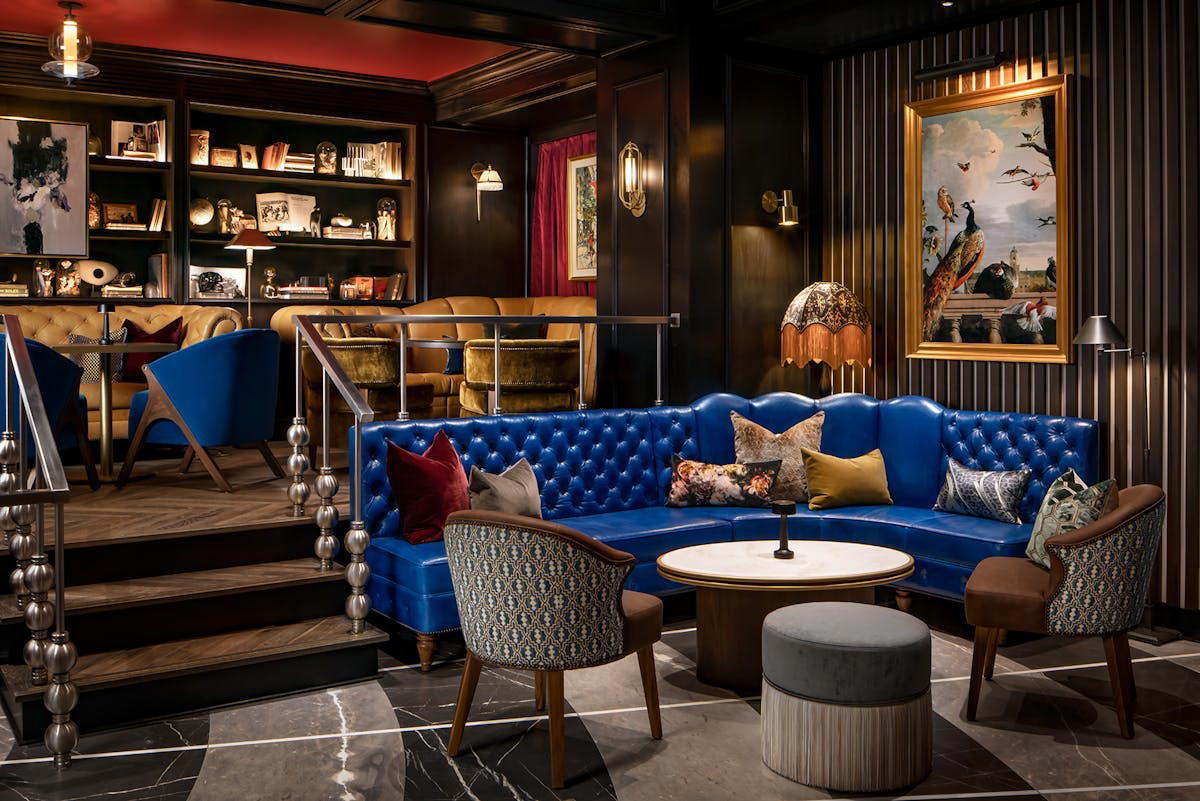
Hotels in Toronto
Browse all →

At a Glance
- Lively
- Elegant
- Trendy
- Energetic
- Sophisticated
- Date Night
- Group Dining
- Special Occasion
- Late Night
- Private Dining
- Local Sourcing
Current opening hours
- Monday
- 5–10 PM
- Tuesday
- 5–10 PM
- Wednesday
- 5–10 PM
- Thursday
- 5–11 PM
- Friday
- 5–11 PM
- Saturday
- 5–11 PM
- Sunday
- 5–10 PM
Hours can change for holidays and private events. Last verified .
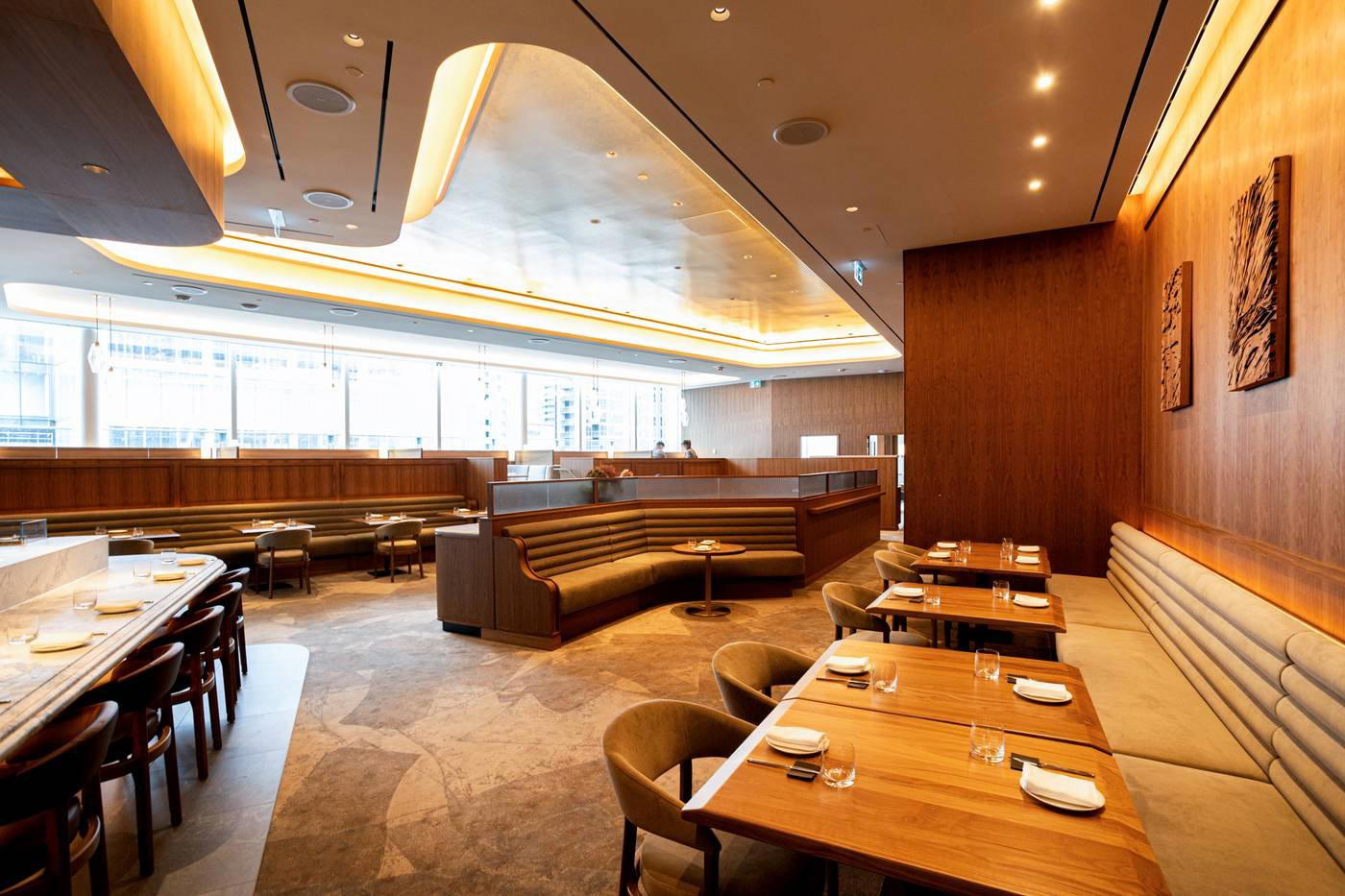
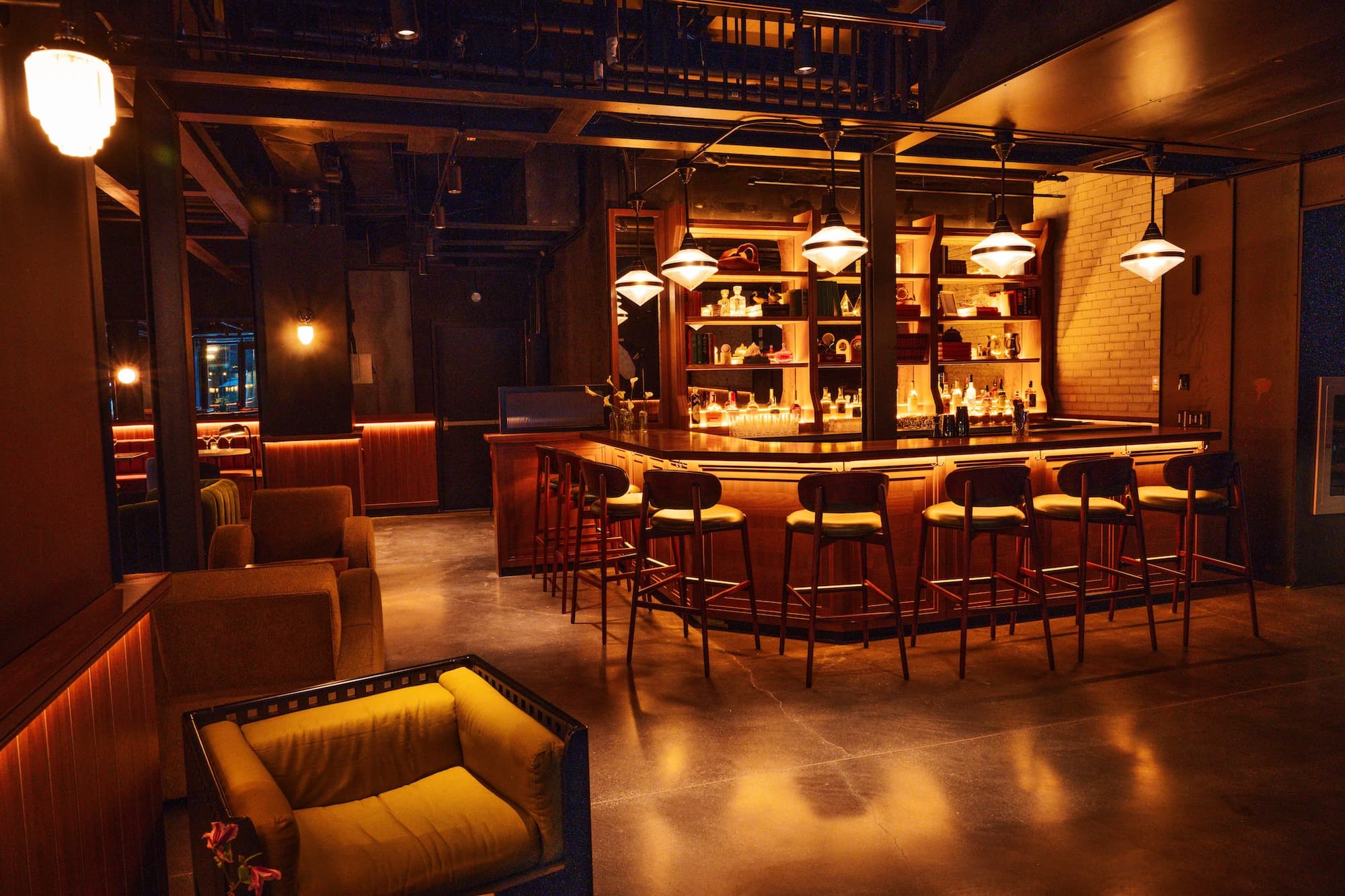
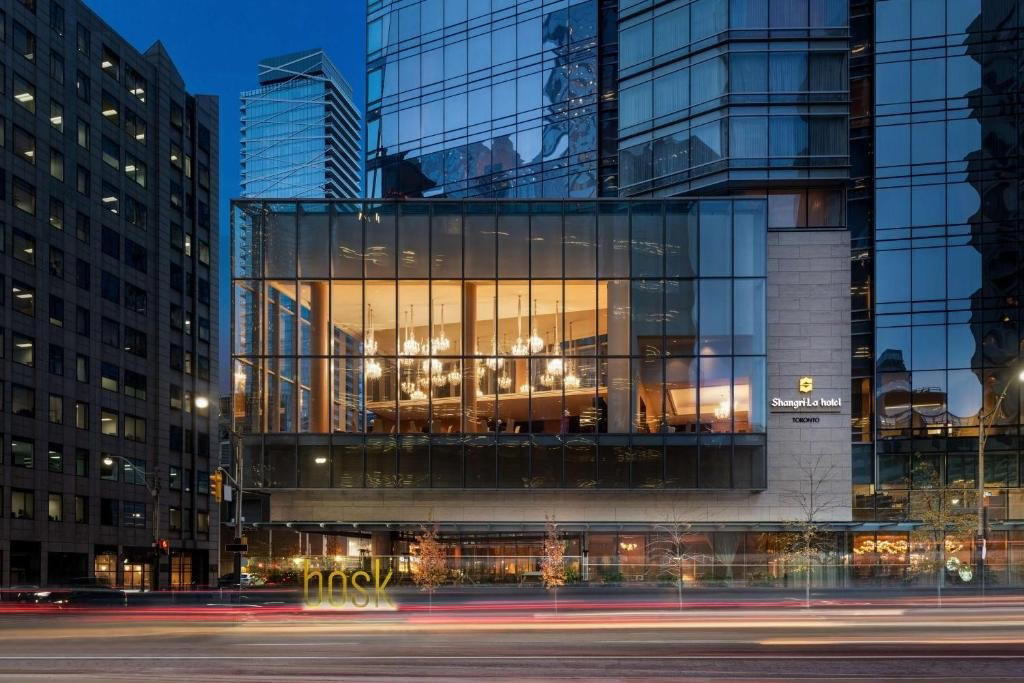
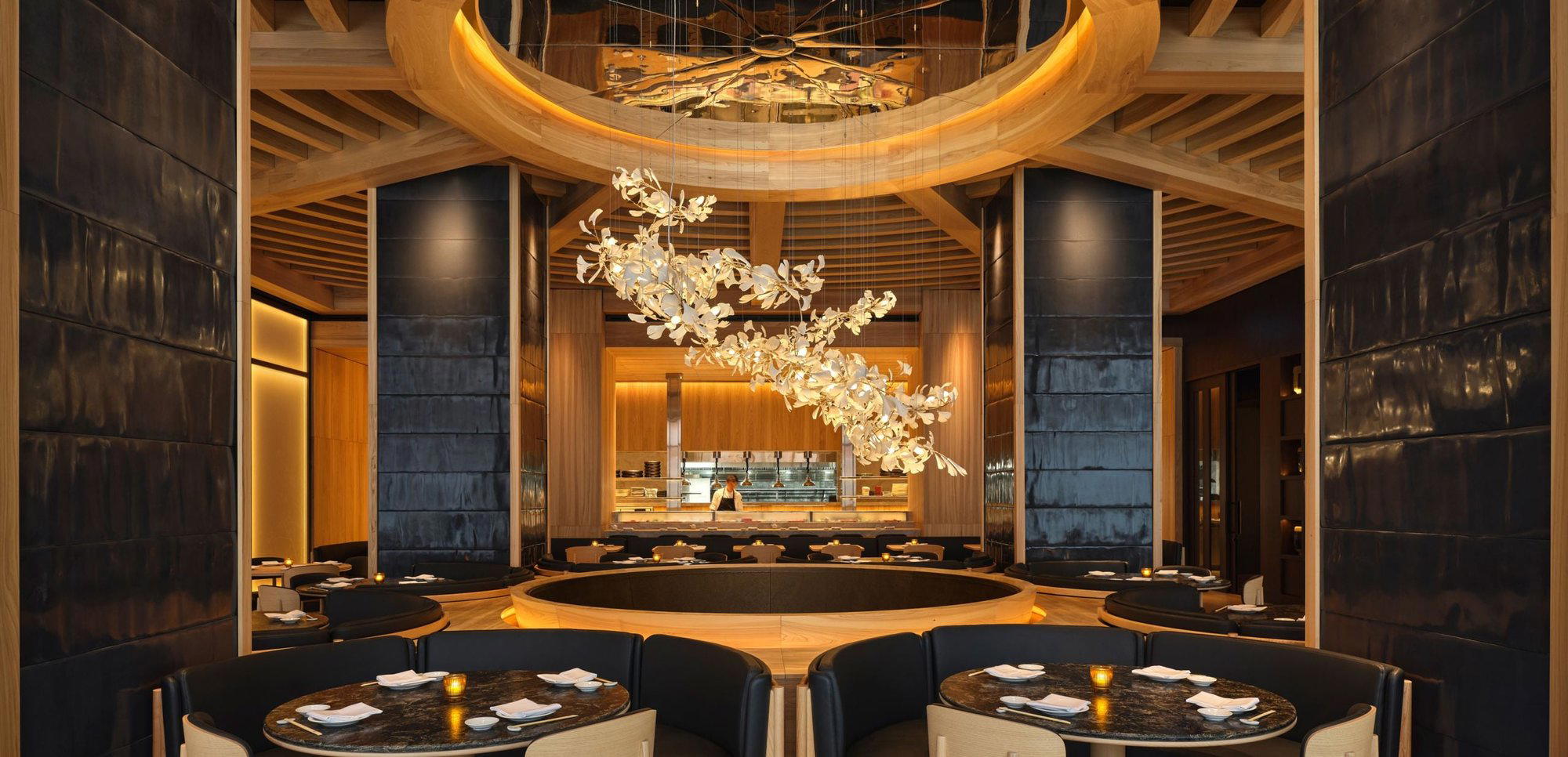
Stylish Art Deco-inspired interior with energetic and convivial atmosphere, carefully illuminated for an upscale yet lively feel.