




Perched on the 45th floor of the Ritz-Carlton Tokyo in Akasaka, Héritage by Kei Kobayashi holds a Michelin star and an 81-point La Liste 2026 ranking for its French fine dining shaped by Japanese sensibility. The kitchen pairs classical techniques, pâté en croûte, roast pigeon, vacherin, with lighter, ingredient-forward arrangements, set against floor-to-ceiling skyline views over the city.
Pearl is the En Primeur Club membership app — saves, bookings, and concierge access live there. Same editors, same standards.
- Address
- Japan, 〒107-6245 Tokyo, Minato City, Akasaka, 9 Chome−7−1 東京ミッドタウン 45階
- Phone
- +81 3-6434-8711
- Website
- heritagebykei.com
- Directions
- Get directions
 Saves & bookings on Pearl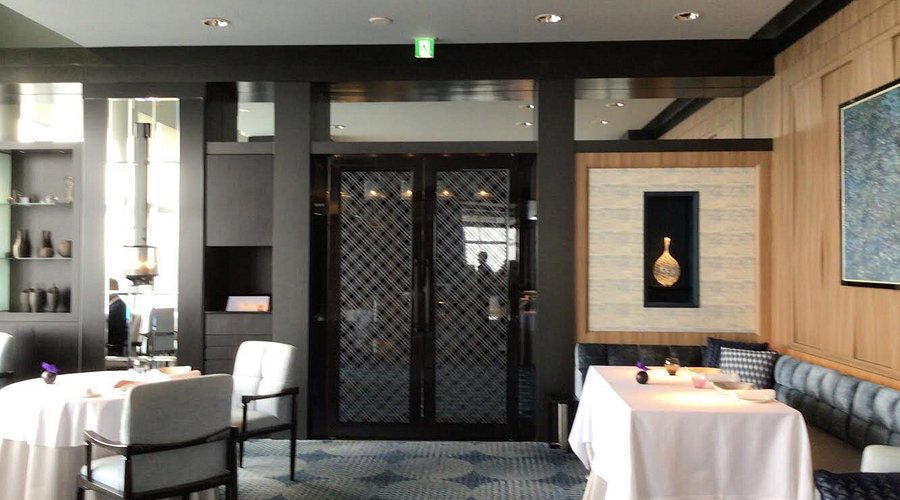
Forty-Five Floors Above the City
Tokyo's fine-dining tower restaurants occupy a specific position in the city's hierarchy, removed from the street-level friction that gives neighbourhood restaurants their energy, but compensated by a physical drama that few ground-floor rooms can match. From the 45th floor of Tokyo Midtown in Akasaka, the cityscape spreads without interruption toward the bay on clear evenings, and the Ritz-Carlton's dining room has been configured so that every table faces the windows. It is a deliberate spatial decision, one that places the view in dialogue with the food rather than treating it as incidental. Guests arriving through the hotel's upper-floor lobby encounter a formal room with white tablecloths and oversized floral arrangements that signals classical French intent before a menu arrives.
From Paris to Tokyo Midtown: A Reinvention in Progress
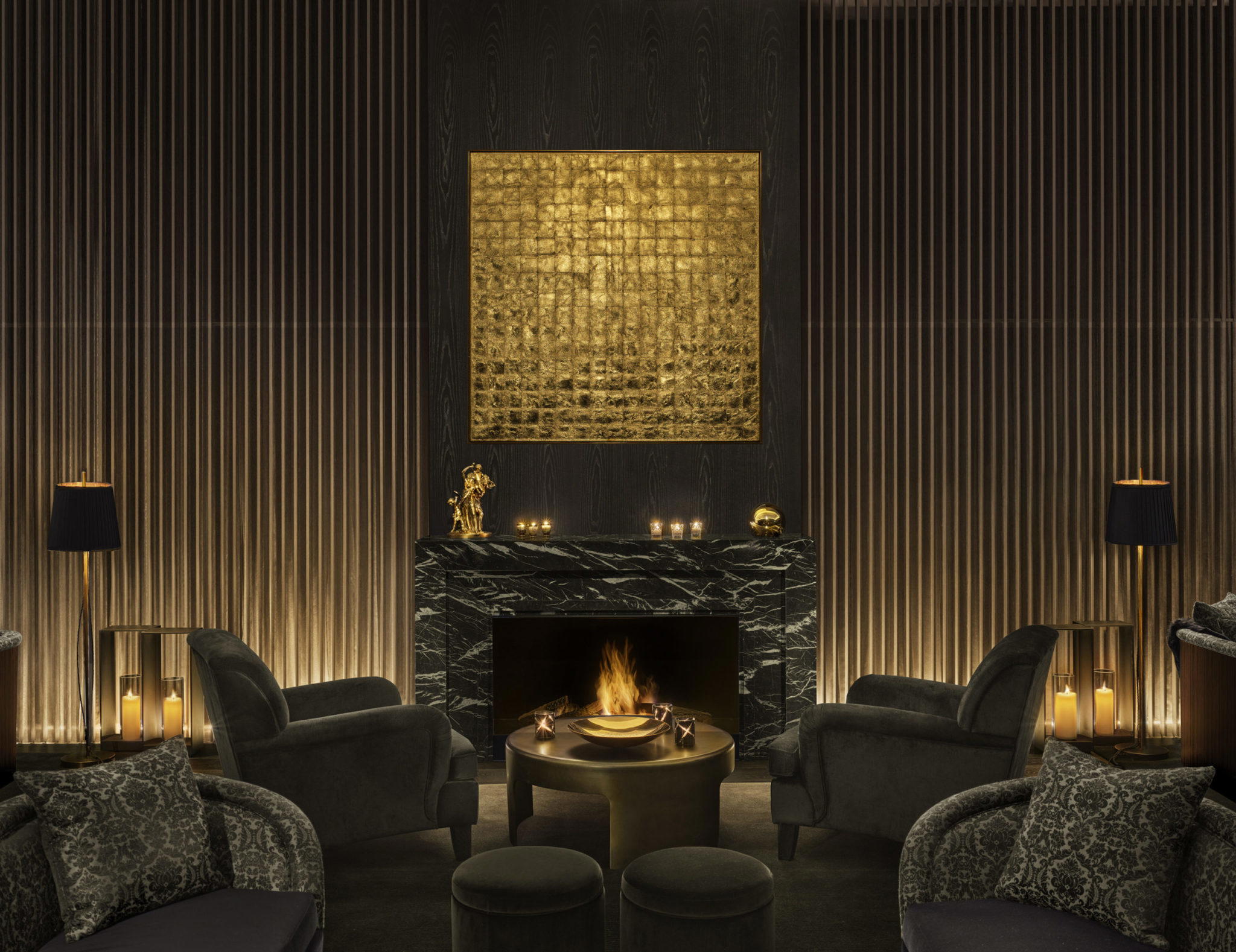
The evolution that led to Héritage by Kei Kobayashi is worth understanding before considering the menu. Kei Kobayashi opened Restaurant Kei in Paris in 2011, and over the following years that address became one of the more discussed examples of a Japanese chef working inside, rather than around, the classical French tradition. The Tokyo outpost represents a different phase of that project: a return to Japan while maintaining the French foundation, now filtered through a kitchen team that includes Japanese-born, French-trained chefs Teruki Murashima and Mayumi Kobori. The name carries the weight of that intent explicitly. "Héritage" in this context signals transmission, the passing of French culinary culture forward, rather than nostalgia for it. The recently revamped interiors reinforce this shift toward a new chapter: the room now reads as a formal French dining space adapted for a Tokyo setting.
Within Tokyo's French fine-dining tier, this positioning is specific. Venues like L'Effervescence and Sézanne pursue a contemporary French idiom that foregrounds seasonal Japanese produce and personal interpretation. ESqUISSE occupies a similar register. Héritage operates with a more explicitly classical orientation: the benchmark dishes are drawn from the French canon, pâté en croûte, roast dovelet, vacherin, and the kitchen's stated purpose is to execute those forms with fidelity before applying modern arrangement. That distinction in approach places Héritage in a comparable set closer to Château Restaurant Joël Robuchon than to the produce-led contemporaries, even if the sensibility in the dining room carries a Japanese lightness that separates it from purely Eurocentric execution.
The Kitchen's Logic: Restraint as Technique
The direction the kitchen follows at Héritage reflects a wider shift inside Tokyo's French fine-dining scene. Where the dominant model through the 1990s and 2000s leaned on reduction-heavy sauces and rich classical preparations as markers of craft, a growing cohort of kitchens has moved toward lighter constructions that let primary ingredients carry more of the argument. At Héritage, that principle is applied to classical French material rather than to Japanese-ingredient-led dishes: the menu features lighter versions of dishes that could otherwise be ultra-rich, allowing produce to come forward without the sauce work overwhelming it. This is a technically demanding approach, restraint in French cuisine requires precise sourcing and timing, and it is different from the fusion orientation that sometimes attaches to Japanese chefs working in French forms. Florilège pursues a comparable lightness from a different angle, emphasising Japanese vegetables inside French structure. The comparison is useful because it illustrates how diverse the reasoning behind "lighter French" can be across Tokyo kitchens.
The signature roasted pigeon with liver sauce is cited consistently in the restaurant's documentation as an anchor dish. The preparation uses every part of the bird, an approach that speaks to a broader industry shift toward whole-animal cooking that emerged partly from sustainability reasoning and partly from the technical prestige attached to extracting full flavour from a single ingredient. The venerable classics, vacherin, pâté en croûte, appear in traditional execution but with contemporary plating, a format that places craft knowledge on display before editorial decisions about arrangement. This is different from deconstruction, which dismantles the original form. Here the form is respected and then dressed for a modern room.
Credentials and Competitive Position
Héritage holds a Michelin star (awarded 2024). For a restaurant described as "newly debuted" in the La Liste commentary, that dual recognition signals a kitchen that arrived at a credible level quickly.
Within the city's French tier, the price positioning at ¥¥¥ places Héritage below the ¥¥¥¥ ceiling occupied by comparison venues like L'Effervescence or RyuGin. For guests weighing French fine dining options in Tokyo, that gap is meaningful: Héritage offers Michelin-recognised classical French in a Ritz-Carlton setting at a price point that undercuts several direct competitors.6 rating across 312 reviews.
Who Comes Here, and When
Tower dining in Tokyo attracts a different social mix than neighbourhood restaurants, and that affects the room's atmosphere in ways worth noting. Business dinners, hotel guests, and visitors marking occasions make up a larger share of covers than they would at street-level addresses like Florilège or ESqUISSE. That is not a critique, it is a condition of the format, and the room has been designed to accommodate it. The formal setting and skyline position make Héritage a credible choice for occasion dining among Tokyo's international visitor pool. Lunch and dinner are both available. Reservations are essential.
The restaurant sits within Tokyo Midtown, which positions it within the broader Akasaka-Roppongi corridor, an area that concentrates a disproportionate share of the city's international hotel infrastructure and fine-dining addresses.
Planning Your Visit
| Venue | Cuisine | Price | Location | Key Award |
|---|---|---|---|---|
| Héritage by Kei Kobayashi | French (classical) | ¥¥¥ | Akasaka / Roppongi, 45F | Michelin 1 Star (2024), La Liste 81pts (2026) |
| L'Effervescence | French (contemporary) | ¥¥¥¥ | Nishi-Azabu | Michelin 2 Stars |
| Sézanne | French (seasonal) | ¥¥¥¥ | Marunouchi | Michelin 2 Stars |
| Château Restaurant Joël Robuchon | French (classical) | ¥¥¥¥ | Yebisu Garden Place | Michelin 3 Stars |
Dress code expectation sits at smart casual. Private dining is available for groups.
For broader context across Japan's French fine-dining circuit, HAJIME in Osaka, akordu in Nara, and Gion Sasaki in Kyoto represent the range of what Japan's non-Tokyo fine-dining addresses are doing. Further afield, Goh in Fukuoka, 1000 in Yokohama, and 6 in Okinawa extend the picture further. For the European classical French tradition that Héritage draws from directly, Hotel de Ville Crissier in Crissier and Les Amis in Singapore sit within the same lineage. Our full Tokyo restaurants guide maps the wider scene, and our full Tokyo experiences guide and Tokyo wineries guide cover the broader city beyond the table.
What Dish Is Héritage by Kei Kobayashi Famous For?
The dish most consistently associated with Héritage by Kei Kobayashi is the roasted pigeon with liver sauce, a preparation that uses the whole bird to maximise depth. It is the dish that most directly encodes the kitchen's philosophy: a classical French technique applied with precision, lightened in execution, and anchored in full-ingredient cooking rather than supplementary richness. The Michelin star awarded in 2024 and the La Liste 2026 recognition at 81 points both reflect a kitchen that has found a coherent identity around that approach from its earliest days of operation.
Peers You’d Cross-Shop
Comparable venues nearby, for context on price, style, and recognition.
| Venue | Cuisine | Price | Notes |
|---|---|---|---|
| Héritage by Kei KobayashiThis venue — the venue you are viewing | Modern French Fine Dining | $$$$ | Not listed |
| abysse | Modern French Seafood | $$$$ | Shibuya |
| Tour D'argent Tokyo | Classic French Fine Dining | $$$$ | Chiyoda |
| La Gloire | Modern French Fine Dining | $$$$ | Minato |
| L'Atelier de Joël Robuchon Tokyo | Modern French Fine Dining | $$$$ | Minato |
| Saucer | Modern French Fine Dining | $$$$ | Shibuya |
Recognition history
Dated appearances from independent guides and award organizations, with the underlying list record or original source where available.
Forbes 4-Star
Forbes
La Liste Top Restaurants
La Liste
Michelin 1 Star
Michelin
Opinionated About Dining Top Restaurants in Japan Recommended
Opinionated About Dining
Forbes 4-Star
Forbes
Tabelog 100 #37 · No. 37
Tabelog · Tabelog 100 - French - TOKYO - 2025
Michelin 1 Star
Michelin










At a Glance
- Elegant
- Sophisticated
- Intimate
- Date Night
- Special Occasion
- Business Dinner
- Hotel Restaurant
- Panoramic View
- Private Dining
- Extensive Wine List
- Sake Program
- Sommelier Led
- Local Sourcing
- Skyline
- Waterfront
Current opening hours
- Monday
- 12–4 PM, 6–10:30 PM
- Tuesday
- Closed
- Wednesday
- Closed
- Thursday
- 12–4 PM, 6–10:30 PM
- Friday
- 12–4 PM, 6–10:30 PM
- Saturday
- 12–4 PM, 6–10:30 PM
- Sunday
- 12–4 PM, 6–10:30 PM
Hours can change for holidays and private events. Last verified .
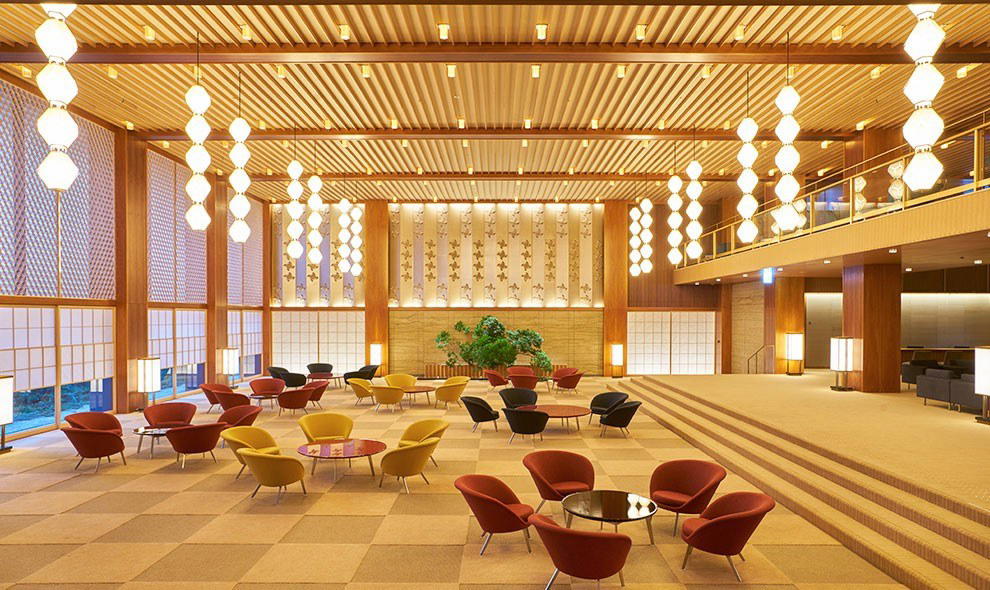
Refined and elegant atmosphere with deep brown and blue tones, fresh florals, and nearly floor-to-ceiling windows offering far-reaching Tokyo skyline and bay views.