Latschenwirt sits in the village of Großgmain, just west of Salzburg, where the Salzburg-Bavaria border dissolves into farmland and alpine foothills. The kitchen draws on the tight geography of the Salzburger Land, placing local sourcing at the centre of a menu rooted in the Gasthaus tradition. For visitors moving through the Salzburg region, it offers a grounded counterpoint to the city's more formal dining circuit.
Pearl is the En Primeur Club membership app — saves, bookings, and concierge access live there. Same editors, same standards.
- Address
- Buchhöhstraße 122, 5084 Großgmain, Austria
- Phone
- +43624784476
- Website
- latschenwirt.at
- Directions
- Get directions
 Saves & bookings on Pearl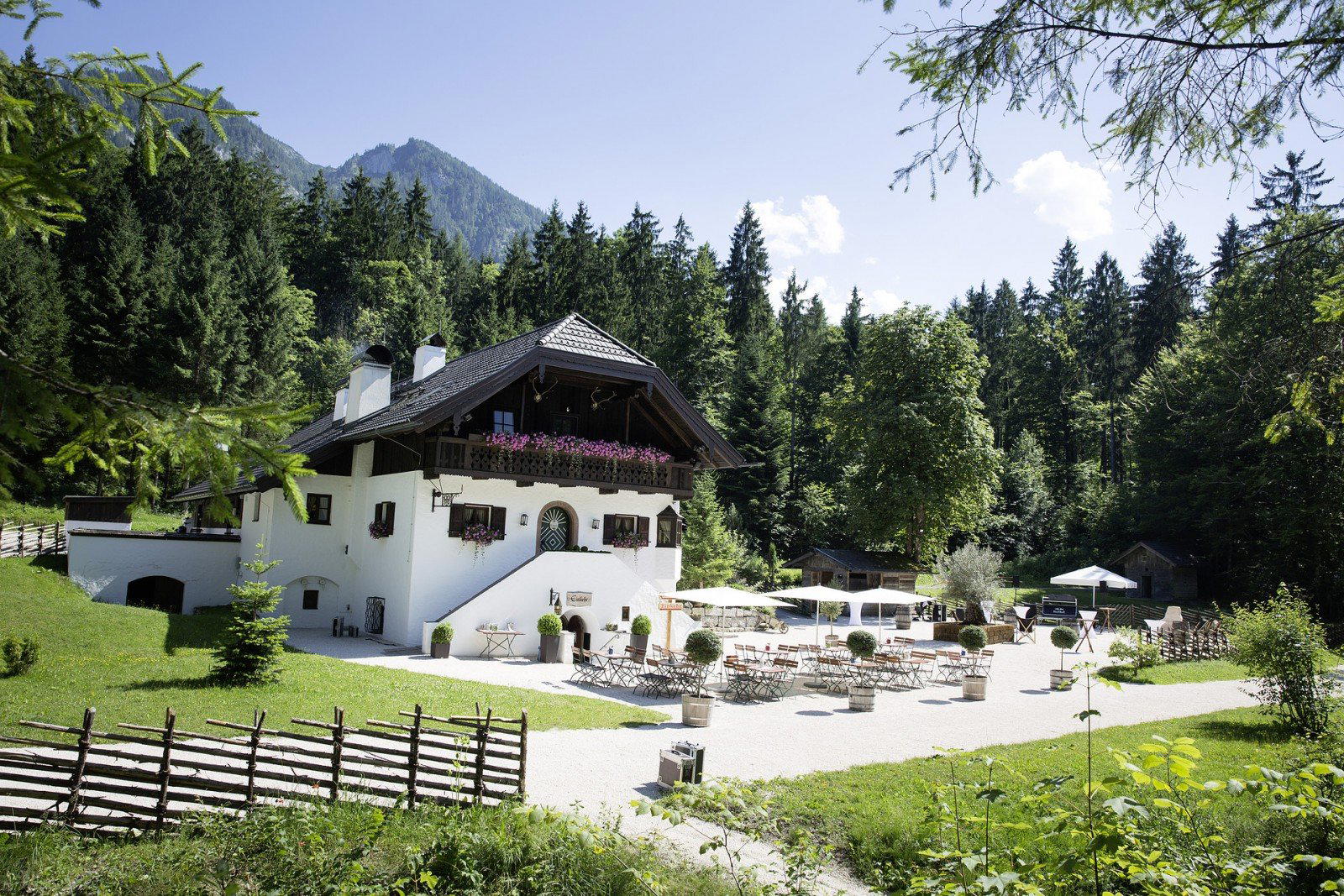
Where the Salzburg Plain Meets the Kitchen
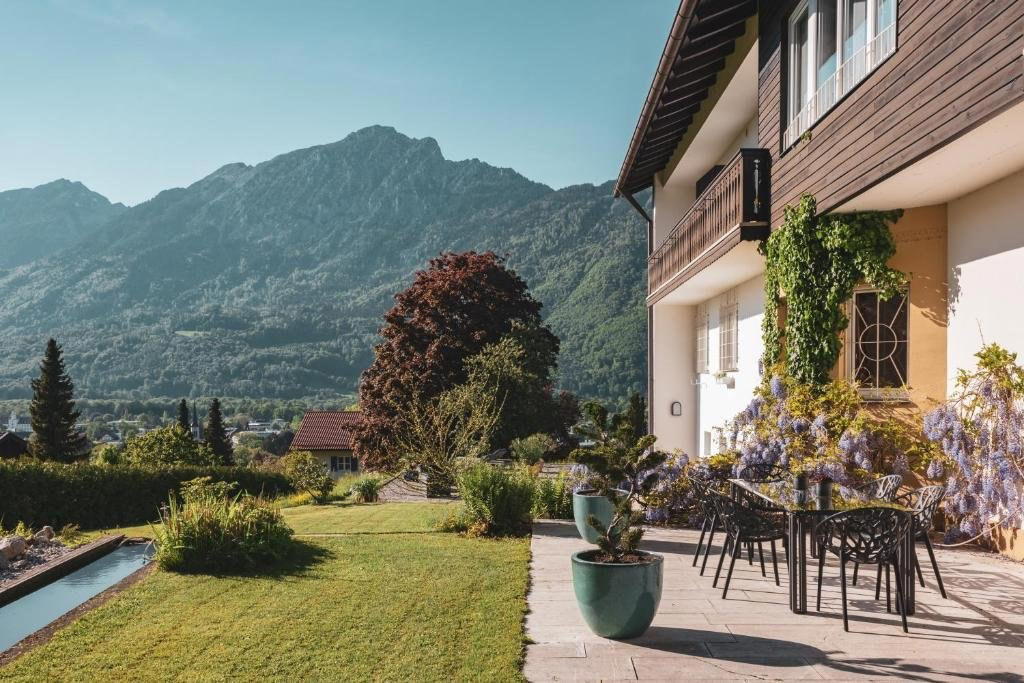
The road through Großgmain runs between the Untersbergmassif to the south and the broad agricultural plain that stretches toward Salzburg's western edge. Villages along this corridor have supplied the city's markets for centuries, and the rhythm of that relationship still shapes what ends up on tables in the area. Latschenwirt, at Buchhöhstraße 122, sits inside that geography rather than above it. The setting reads as a working Gasthaus in a farming village, not a destination dining room engineered for architectural effect. The approach and the address together communicate something specific: this is a place calibrated to its surroundings, not imported from somewhere else.
That physical anchoring matters more in the Salzburger Land than in most Austrian regions because the area produces an unusually dense range of ingredients within a short radius. The Flachgau lowlands carry dairy and grain agriculture; the Tennengau valleys to the south push into higher pasture; and the forested slopes of the Untersberg support foraging traditions that have fed local kitchens for generations. A Gasthaus that takes its geography seriously has more raw material to work with here than almost anywhere else in the country.
Sourcing as Structure: What the Region Provides
Austrian cooking at its most coherent is an argument about provenance. The classic formats, Zwiebelrostbraten, Tafelspitz, Steirisches Kürbiskernöl on salad, are not accidental constructions. They evolved around what specific regions reliably produced: the right breeds of cattle, the right pumpkin varieties in the right soil, the right lake fish at the right altitude. The Salzburg region's contribution to that tradition runs through dairy above all else: the alpine pastures of the Salzkammergut and the Pinzgau supply milk and cheese of a quality that defines the local cooking register. Lard-cured pork preparations, freshwater fish from the Salzach and the lakes, and mushrooms from the beech and spruce forests complete the core palette.
A Gasthaus operating at this address has access to suppliers that a Vienna restaurant would need to negotiate carefully to reach. That proximity is a structural advantage, and it tends to show in the kitchen's relationship with seasonality. When your mushroom forager is forty minutes away rather than in a logistics warehouse, the menu moves with the season in a different, more granular way. This is the logic behind a strand of Austrian regional cooking that sits outside the Michelin-starred tier occupied by venues like Döllerer in Golling an der Salzach or Ikarus in Salzburg, but shares their underlying commitment to regional ingredient identity.
The Gasthaus Tier in Austrian Dining
Austria's dining culture has always maintained a productive tension between the formal Gourmetrestaurant and the Gasthaus. The latter is not a lesser category; it is a different contract with the guest. Where tasting-menu restaurants like Steirereck im Stadtpark in Vienna or Kräuterreich by Vitus Winkler in Sankt Veit im Pongau build around a multi-course arc, the Gasthaus format centres on individual plates chosen from a printed card, eaten in a room where locals and visitors share the same space without a dress protocol separating them.
That format has come under pressure across Europe as overheads have risen and the middle tier of restaurant culture has thinned. In Austria, the Gasthaus has proved more durable than in most comparable markets, partly because it carries genuine cultural status rather than being positioned as a budget alternative to fine dining. The comparison venues at the other end of the Austrian spectrum, Landhaus Bacher in Mautern an der Donau, Taubenkobel in Schützen am Gebirge, Obauer in Werfen, exist in the same national food culture but operate in a distinct register. Understanding which register you want matters before you book.
Other strong regional venues worth considering in Austria's alpine corridor include Gourmetrestaurant Tannenhof in Sankt Anton am Arlberg, Griggeler Stuba in Lech, Stüva in Ischgl, and Schwarzer Adler in Hall in Tirol, each operating with its own relationship to alpine ingredient traditions. Further afield, Restaurant 141 by Joachim Jaud in Mieming, Ois in Neufelden, Artis in Graz, and Atelier Fischer in Sankt Gilgen represent different facets of Austria's regional dining range. For contrast at the international end of the spectrum, the sourcing discipline visible in venues like Le Bernardin in New York City and Atomix in New York City reflects how seriously ingredient provenance is now treated across price tiers globally.
Planning a Visit to Großgmain
Großgmain sits approximately twelve kilometres west of Salzburg's old town, straddling the Austrian-Bavarian border. The village is accessible by regional bus from Salzburg, and the drive from the city takes roughly twenty minutes depending on traffic at the Bergheim junction. The Untersberg cable car base station is a short distance away, making Latschenwirt a practical stop for walkers descending from the mountain or visitors spending a day on the plain. For those moving between Salzburg and Berchtesgaden on the German side, the village sits directly on that transit corridor.
The broader Salzburg region rewards careful sequencing. Dining in Großgmain fits naturally into a programme that uses Salzburg as a base and rotates out to smaller villages rather than concentrating every meal in the city. For those building a more complete picture of Austrian regional cooking across the Salzach valley, our full Gro Gmain restaurants guide maps the village's options in context.
Side-by-Side Snapshot
Comparable venues nearby, for context on price, style, and recognition.
| Venue | Cuisine | Price | Notes |
|---|---|---|---|
| LatschenwirtThis venue — the venue you are viewing | Austrian Gastropub | $$ | Not listed |
| Weitblick | Regional Austrian Organic | $$ | Kaprun |
| Rübezahl-Alm | Traditional Tyrolean | $$ | Ellmau |
| Wildseeloderhaus | Modern Tirolean | $$ | Fieberbrunn |
| Osttiroler Gaumengaudi | East Tyrolean Cuisine | $$ | Lienz |
| Gasthof Alte Wacht | Traditional Tyrolean Cuisine | $$ | Jochberg |
Continue exploring
More in Gro Gmain
Restaurants in Gro Gmain
Browse all →
Bars in Gro Gmain
Browse all →
At a Glance
- Rustic
- Cozy
- Classic
- Group Dining
- Casual Hangout
- Standalone
Current opening hours
- Monday
- Closed
- Tuesday
- Closed
- Wednesday
- Closed
- Thursday
- 5–10 PM
- Friday
- 5–10 PM
- Saturday
- 11:30 AM–10 PM
- Sunday
- 11:30 AM–10 PM
Hours can change for holidays and private events. Last verified .
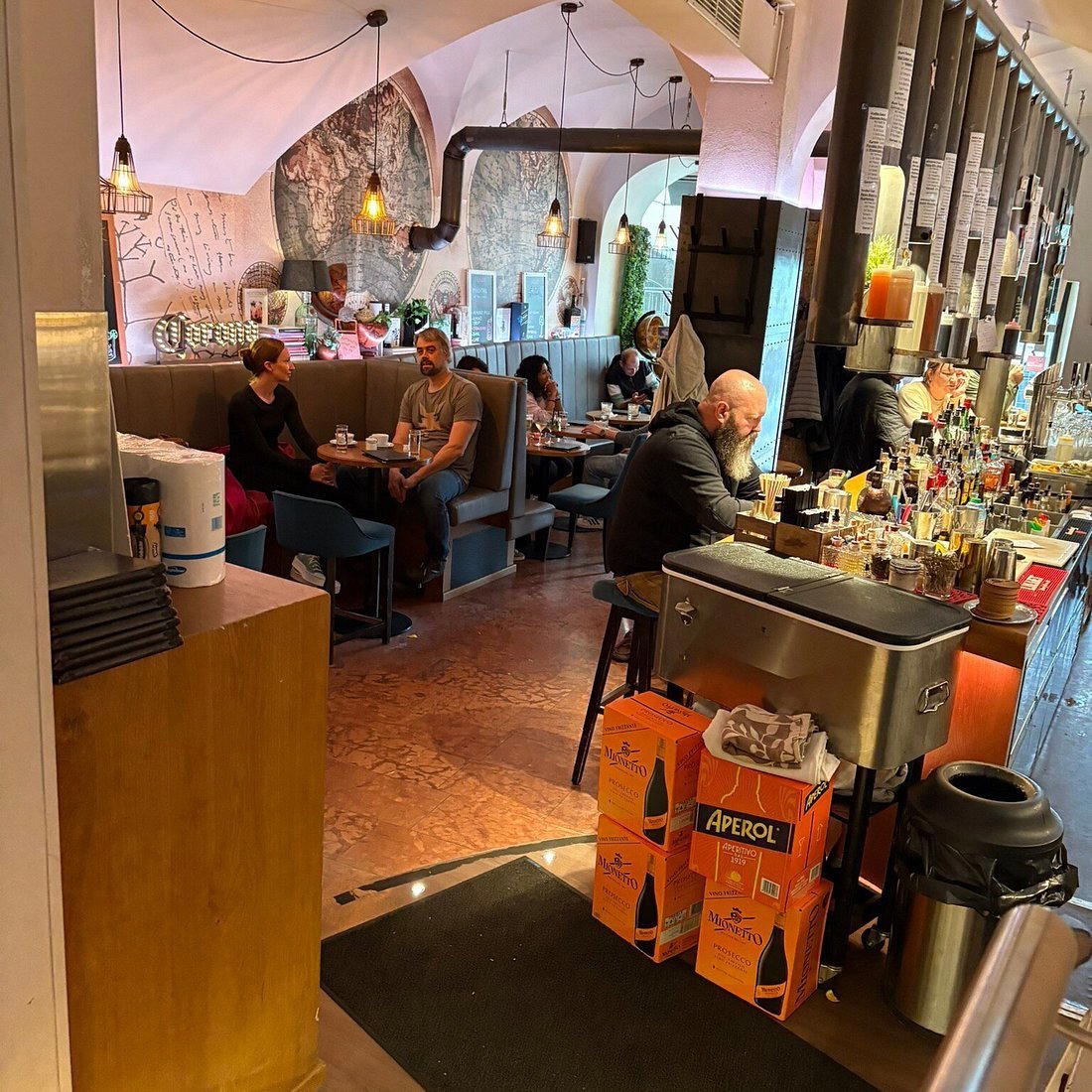
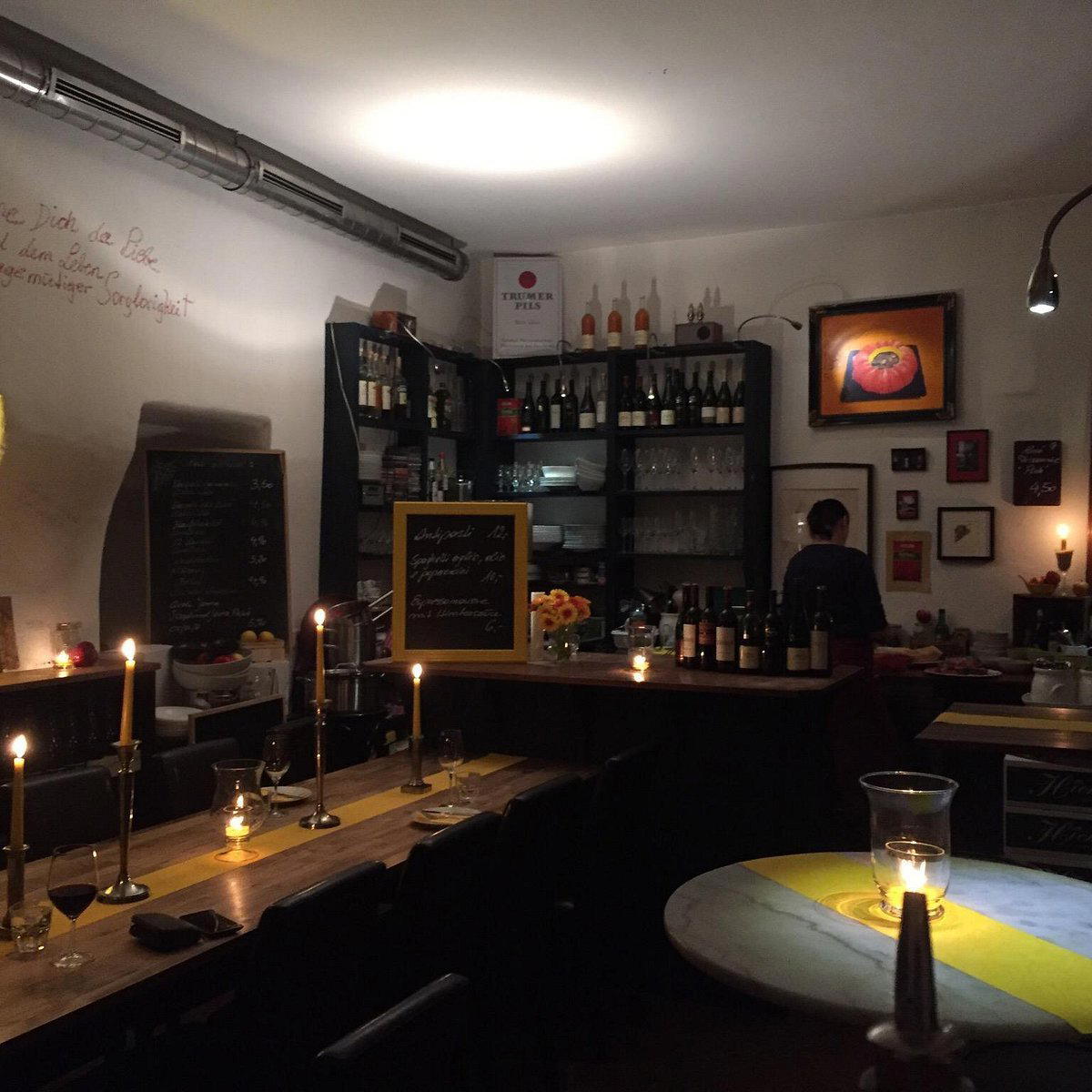
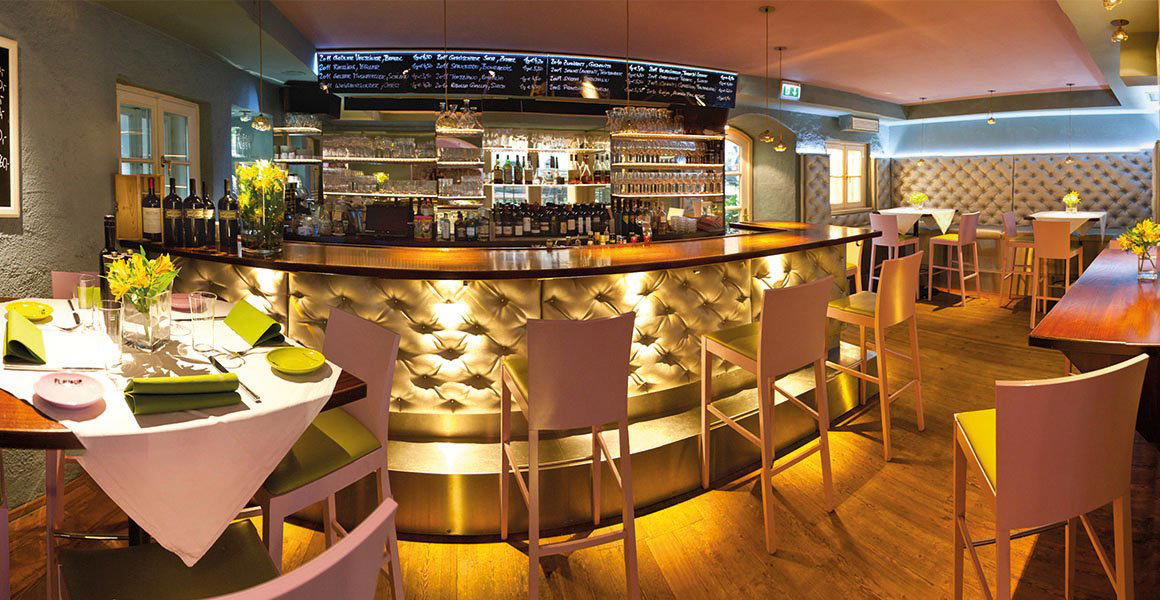
Cozy and welcoming with rustic alpine charm, featuring traditional Austrian hospitality and a warm, inviting environment.