Weitblick sits on Nikolaus-Gassner-Straße in Kaprun, a small Alpine town where the Kitzsteinhorn glacier defines both the horizon and the culinary identity of its restaurants. Dining here places you inside a tradition of ingredient-led mountain cooking that draws from high-altitude farms, valley producers, and a broader Salzburgerland pantry that serious Austrian kitchens have long treated as a competitive asset.
Pearl is the En Primeur Club membership app — saves, bookings, and concierge access live there. Same editors, same standards.
- Address
- Nikolaus-Gassner-Straße 4, 5710 Kaprun, Austria
- Phone
- +43508388715050
- Website
- weitblick-bruendl.at
- Directions
- Get directions
 Saves & bookings on Pearl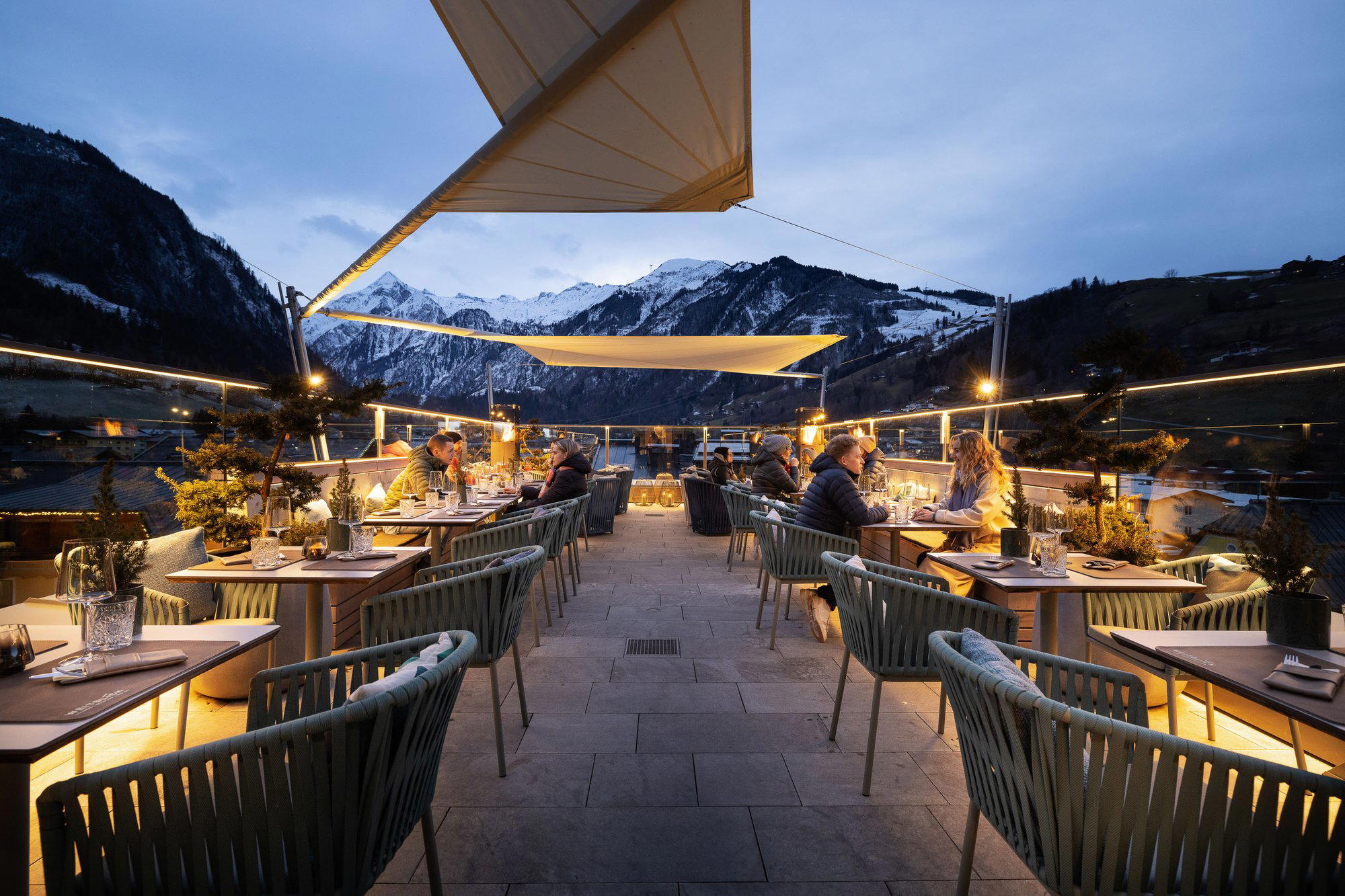
Where the Glacier Shapes the Plate
Kaprun sits at roughly 800 metres above sea level, with the Kitzsteinhorn rising to over 3,000 metres directly above the town. That vertical range is not incidental to how restaurants here cook. The altitude, the snowmelt, and the short but intense growing season of the surrounding Salzach valley produce dairy, beef, and herbs that carry a distinctly concentrated character, the kind of ingredient quality that Alpine kitchens in Austria have positioned as their primary competitive argument against urban fine dining for decades. Weitblick, on Nikolaus-Gassner-Straße, sits inside that tradition.
The address itself signals something about how the town organises its dining. Kaprun is not a large resort in the Lech or Ischgl mould. It is a compact, working Alpine community where the glacier draws visitors year-round, in winter for ski access, in summer for hiking and high-altitude lake swimming, and where restaurants serve a genuinely mixed audience of locals, long-stay guests, and day visitors arriving from Zell am See, eight kilometres to the north. That audience mix shapes what a kitchen here must deliver: range without compromise, and a legible connection to place.
The Sourcing Logic of the Salzach Valley
Austrian Alpine cooking at its most considered is essentially a sourcing argument. Particularly closely watched kitchens in the region, from Döllerer in Golling an der Salzach to Obauer in Werfen, have built their reputations on demonstrably local supply chains: named farms, specific valley varieties, high-pasture dairy. The logic is that when your growing window is compressed to a few intense summer months, what comes out of that window carries an authenticity that is difficult to replicate with imported product. Mountain herbs, in particular, develop a concentration of volatile compounds at altitude that lowland cultivation simply does not match.
The Pinzgau region, in which Kaprun sits, has its own strong producer identity. Pinzgauer cattle, a dual-purpose breed well-adapted to steep terrain, are among the older regional livestock breeds in the eastern Alps, and Pinzgauer cheese has a long history in local markets. Restaurants in this valley that draw on those producers are making a specific geographical statement, not just a general farm-to-table gesture. That specificity is what separates serious ingredient-led mountain cooking from the category's more generic versions.
For context on how high this bar can be set in the broader Salzburg state, Kräuterreich by Vitus Winkler in Sankt Veit im Pongau has built an international profile almost entirely on hyper-local herb and alpine plant sourcing. Further afield in Tyrol, Gourmetrestaurant Tannenhof in Sankt Anton am Arlberg and Griggeler Stuba in Lech represent the upper tier of the Alpine fine-dining category, with sourcing programs that function as core editorial material on their menus. The competitive frame for any serious Kaprun kitchen sits somewhere in this constellation.
Kaprun's Dining Scene: What the Town Offers
Within Kaprun itself, the restaurant tier is more compressed than in larger resorts. FinESSEN (Seasonal Cuisine) operates at the €€€ price point with an explicitly seasonal focus, making it the directly comparable kitchen in town in terms of ambition. Dorfstadl and Hilberger's Beisl round out the local offer at different register and price points. Collectively, the town punches above its size in dining terms, a function of the glacier's year-round draw creating a guest base with higher average spend than a purely seasonal ski village would sustain.
For readers building a broader Austrian Alpine dining itinerary, the reference points extend well beyond the immediate valley. Stüva in Ischgl and Schwarzer Adler in Hall in Tirol operate in the Tyrolean tradition, while Restaurant 141 by Joachim Jaud in Mieming represents the kind of format-conscious, ingredient-driven kitchen that has been gaining traction across the Austrian west. In Vienna, Steirereck im Stadtpark remains the country's most closely observed fine-dining address, and its sourcing philosophy, hyper-regional, seasonally strict, has filtered through Austrian kitchen culture for years. Ikarus in Salzburg takes a different path entirely, rotating guest chefs monthly, including international figures from programs like Le Bernardin in New York City and Atomix in New York City. For smaller-format destinations further afield, Ois in Neufelden and Landhaus Bacher in Mautern an der Donau show what the Austrian regional dining tradition looks like at its most classically rooted.
At-a-Glance Comparison
Comparable venues nearby, for context on price, style, and recognition.
| Venue | Cuisine | Price | Awards | Notes |
|---|---|---|---|---|
| WeitblickThis venue — the venue you are viewing | Regional Austrian Organic | $$ | Not listed | Not listed |
| Hilberger's Beisl | Modern Austrian Beisl | $$ | Not listed | Kaprun |
| Dorfstadl | Traditional Austrian | $$$ | Not listed | Kaprun |
| FinESSEN | Modern Regional Austrian Fine Dining | $$$$ | Michelin Plate | Kaprun |
| Gasthof Auwirt | Traditional Austrian & Tyrolean | $$ | Not listed | Aurach bei Kitzbuhel |
| Herzlstubn | Authentic Austrian Cuisine | $$ | Not listed | Saalbach-Hinterglemm |
Continue exploring
More in Kaprun
Restaurants in Kaprun
Browse all →
Bars in Kaprun
Browse all →


Hotels in Kaprun
Browse all →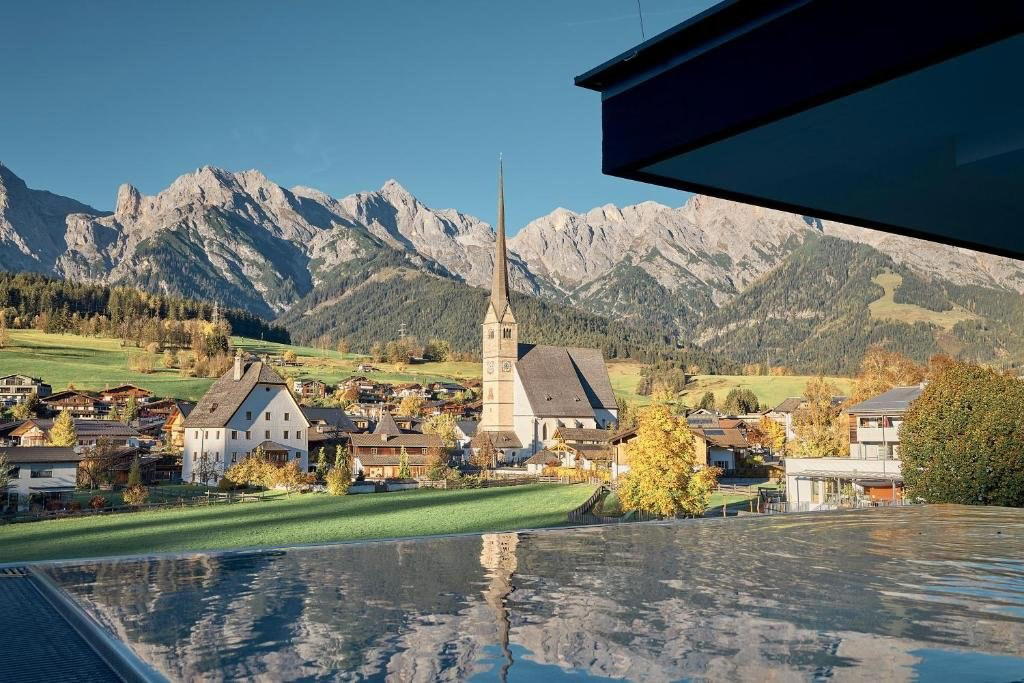
Wineries in Kaprun
Browse all →
At a Glance
- Scenic
- Cozy
- Modern
- Rustic
- Brunch
- Casual Hangout
- Rooftop
- Terrace
- Panoramic View
- Hotel Restaurant
- Organic
- Local Sourcing
- Mountain
Current opening hours
- Monday
- 9 AM–6 PM
- Tuesday
- 9 AM–9 PM
- Wednesday
- 9 AM–9 PM
- Thursday
- 9 AM–9 PM
- Friday
- 9 AM–9 PM
- Saturday
- 9 AM–9 PM
- Sunday
- 9 AM–6 PM
Hours can change for holidays and private events. Last verified .
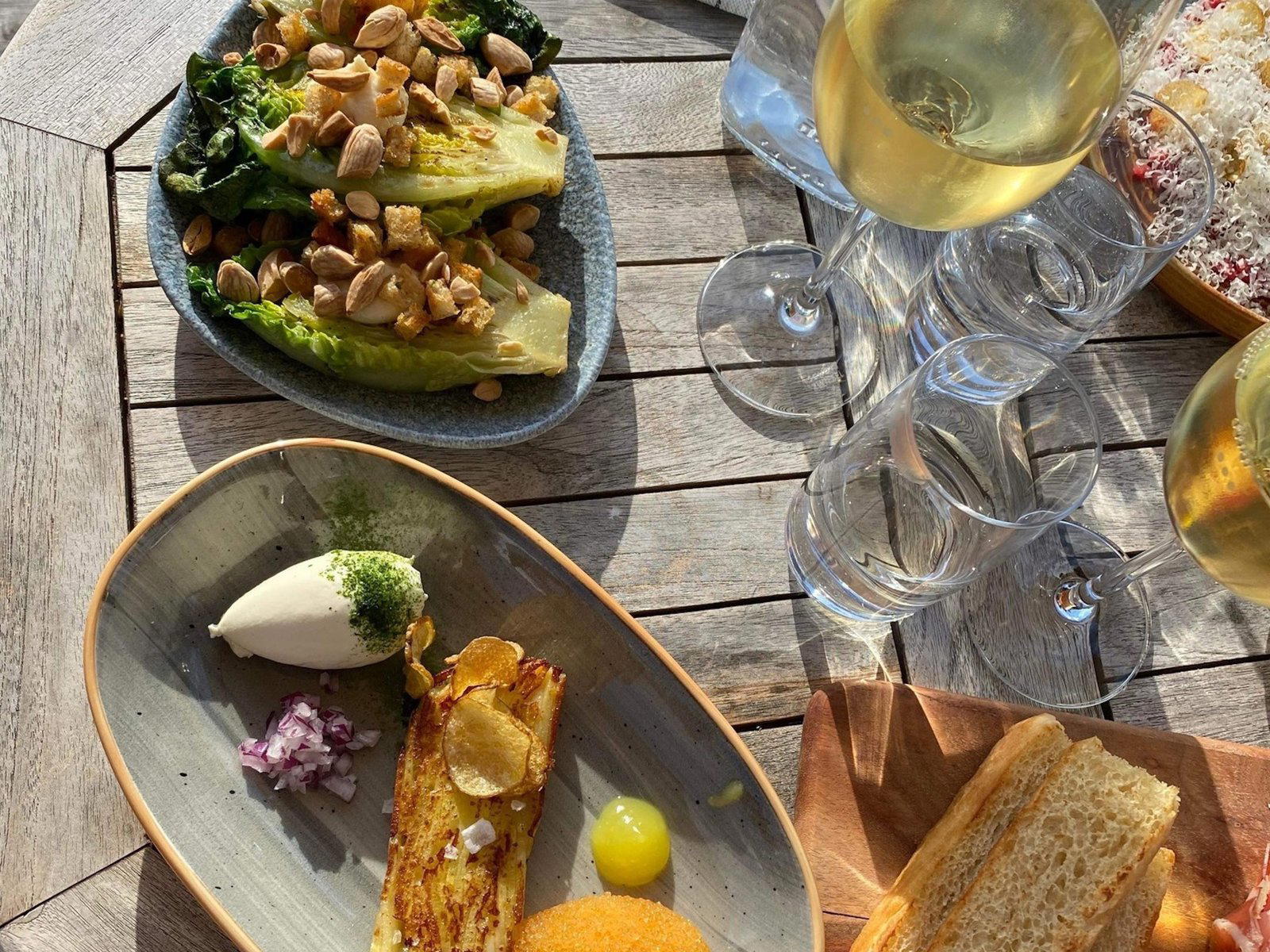
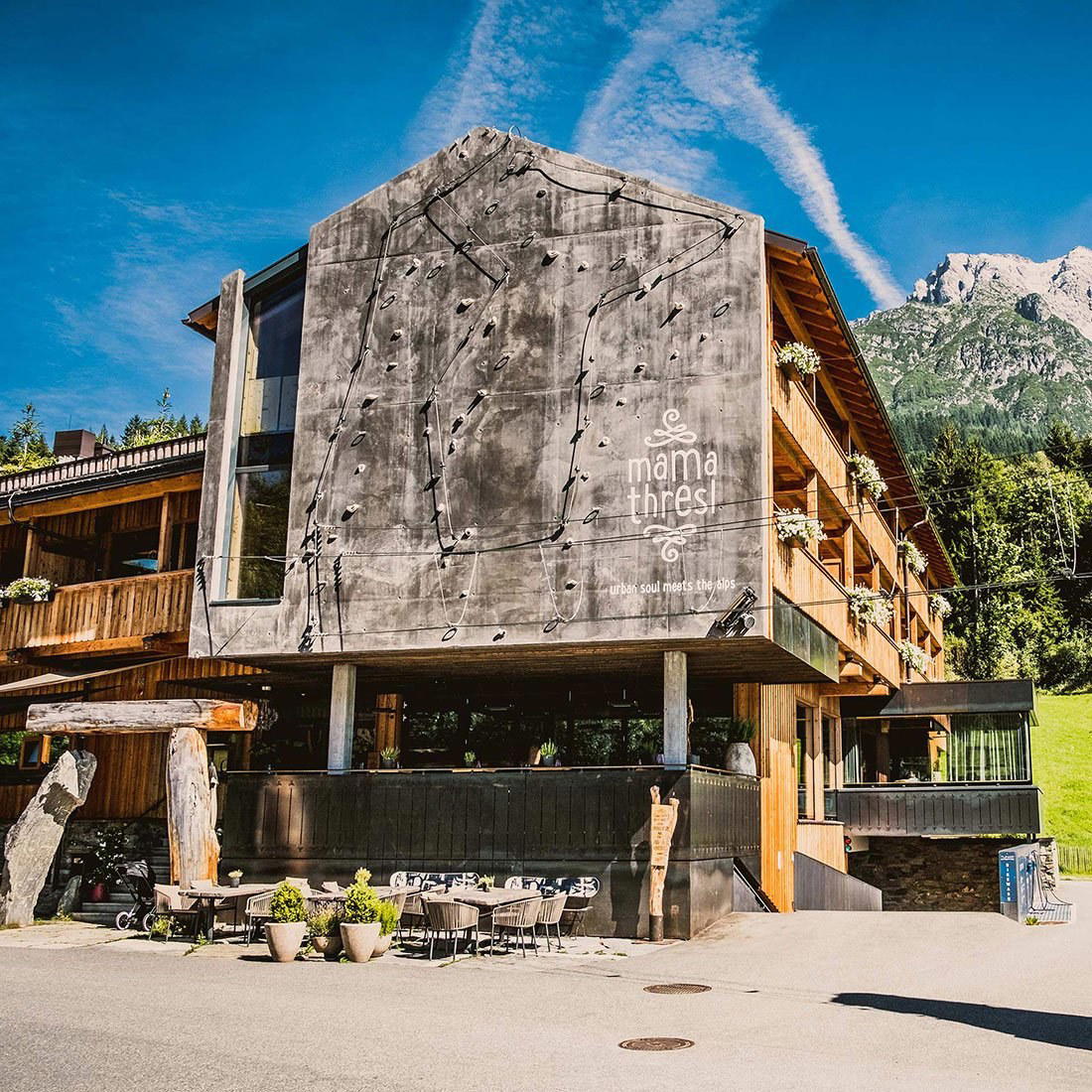
Inviting modern ski hut atmosphere with blue tiled bar and kitchen areas, bright rooftop terrace, and panoramic mountain views.