A mountain hut address on the slopes above Ellmau, Rübezahl-Alm occupies the kind of high-altitude setting that defines Tyrolean alpine dining at its most elemental. The cooking draws on the region's pastoral traditions, served in the unhurried rhythm that characterises Austria's alm culture. For visitors arriving from the Wilder Kaiser ski area, it represents a natural pause point between the mountain and the valley.
Pearl is the En Primeur Club membership app — saves, bookings, and concierge access live there. Same editors, same standards.
- Address
- Faistenbichl 42, 6352 Ellmau am Wilden Kaiser, Austria
- Phone
- +43 5358 2646
- Website
- ruebezahlalm.at
- Directions
- Get directions
 Saves & bookings on Pearl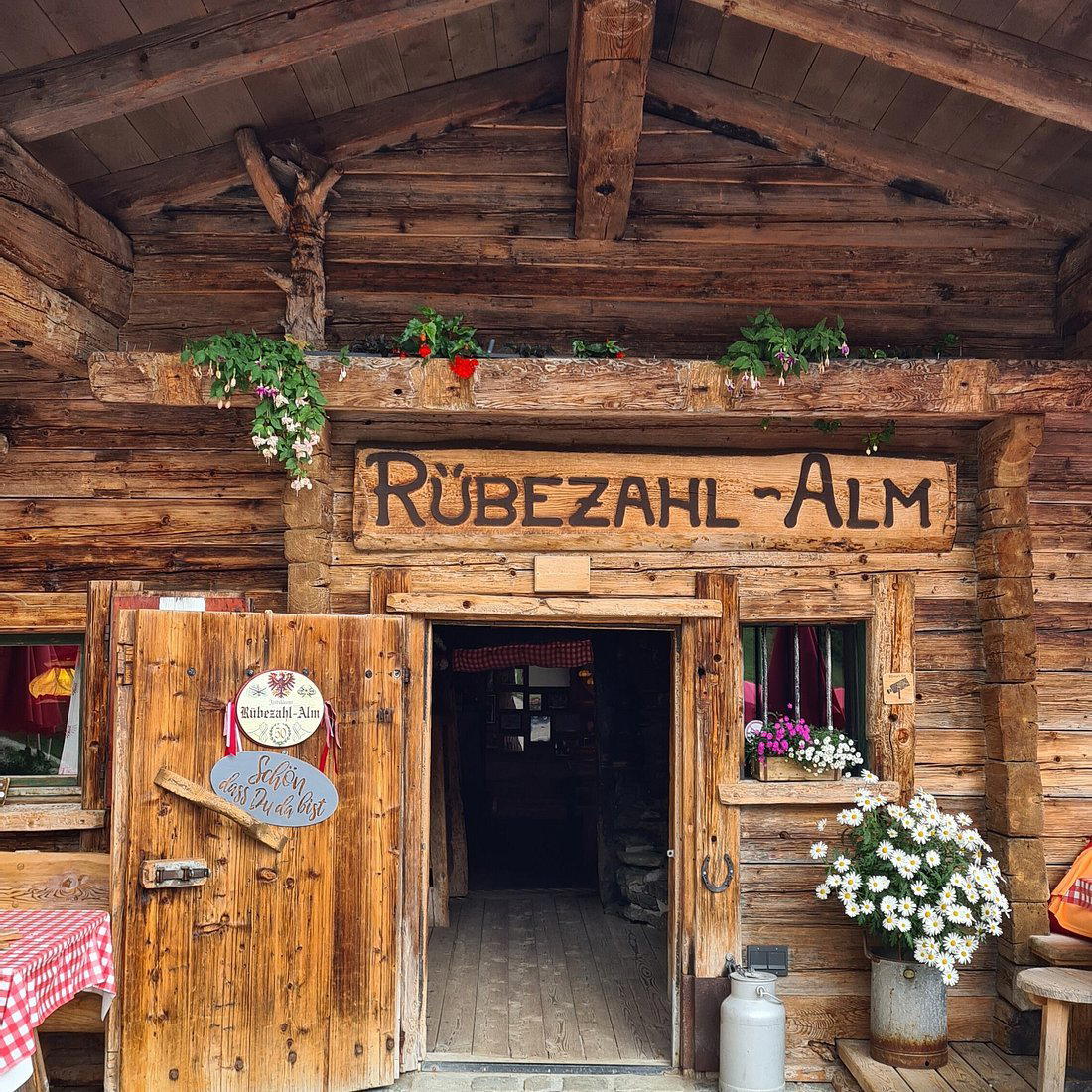
Where the Mountain Sets the Pace
At altitude, dining operates on different terms. The approach to an alm, a traditional alpine pasture hut, often involves a walk through snow, a chairlift descent, or a switchback road that narrows as the treeline thins. That physical context is not incidental to the meal. It shapes appetite, slows the body, and reorients expectations away from city-restaurant formality toward something older and more elemental. Rübezahl-Alm, located at Faistenbichl 42 in Ellmau am Wilden Kaiser, sits within that long tradition of alpine hospitality where the setting does as much work as the kitchen.
Ellmau occupies the western edge of the Wilder Kaiser massif, a stretch of the Tyrolean Alps that draws skiers in winter and hikers in summer without ever quite reaching the commercial saturation of Kitzbühel or St. Anton. That relative quietness is part of the character of eating here. The alm format, a hut that functions as both shelter and gathering point, predates the modern restaurant concept by centuries, and venues that carry the name honestly tend to reflect those origins in their pacing, their portions, and their relationship to the surrounding terrain.
The Ritual of the Alm Meal
Austrian mountain dining has its own customs, and they are worth understanding before arriving. The alm meal is not structured around tasting menus or elaborate sequencing. It tends to follow a logic of sustenance: hearty, warming, portioned for people who have been outdoors. Dishes common to the tradition include Tiroler Gröstl (a pan-fried hash of potatoes, meat, and egg), Kasnocken (cheese dumplings with browned onion), and various preparations built around locally sourced dairy and cured meat. These are not dishes designed to be photographed; they are designed to restore.
The pace of an alm lunch or dinner is deliberately unhurried. Tables fill slowly, conversations stretch, and the transition from arrival to departure is rarely governed by a turning schedule. This is a cultural norm across alpine Austria, and it applies with particular force to mountain-hut settings where the alternative to a second glass of wine is simply stepping back into the cold. For visitors accustomed to urban dining rhythms, the adjustment is the point.
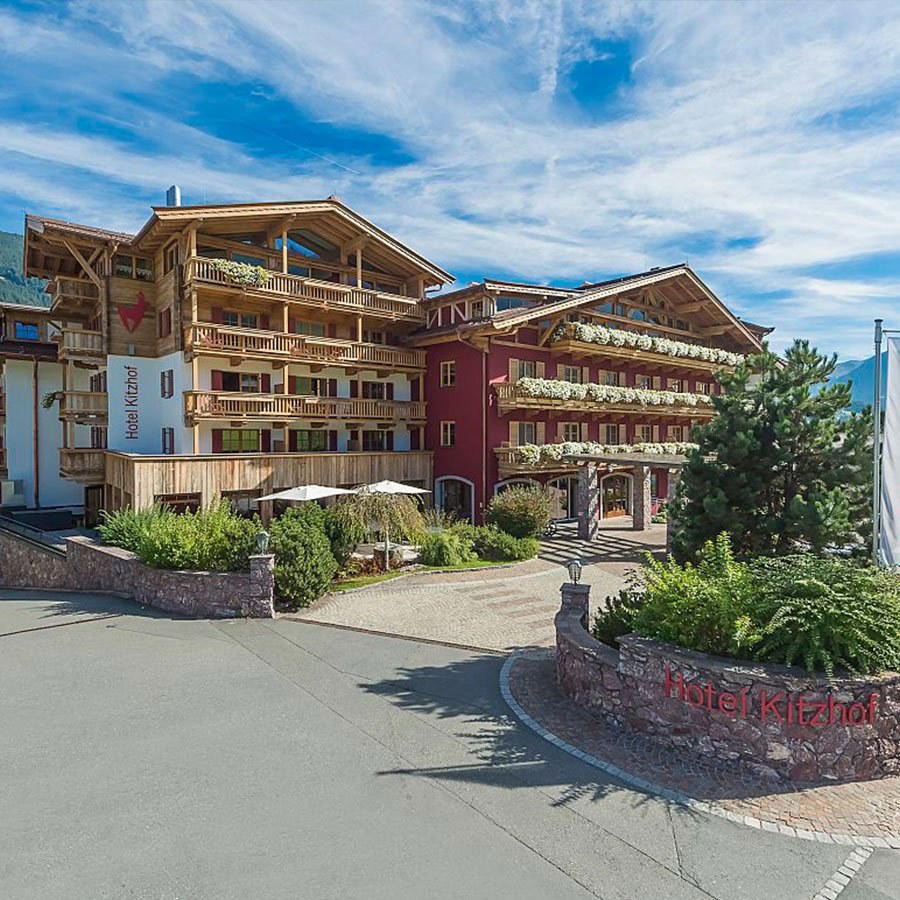
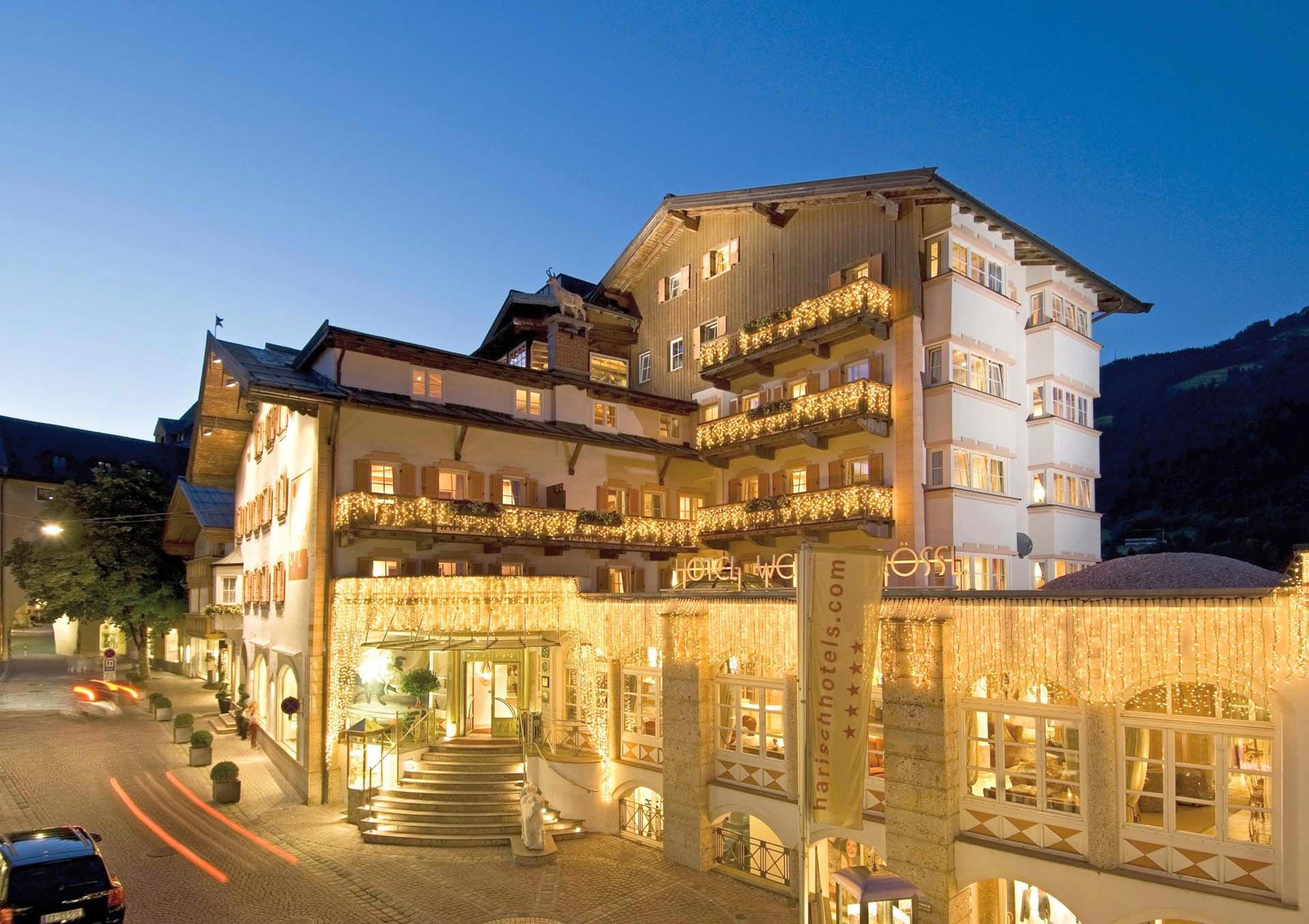
In this respect, the alm tradition functions as a counterweight to the formal Tyrolean dining that operates in the valley hotels below. While addresses like Hotel Kaiserblick, Kaiserhof, and Memory in Ellmau represent the polished end of local hospitality, the alm format belongs to a different register, one that values directness over refinement and communal warmth over choreographed service. You can read a broader map of where each fits in our full Ellmau restaurants guide.
Ellmau in the Context of Austrian Alpine Dining
Austria's mountain restaurant culture spans a wide range of ambition. At one end sits destination fine dining: Griggeler Stuba in Lech and Stüva in Ischgl represent the Michelin-recognised tier of ski-resort cooking, where tasting menus run long and wine lists lean on Austrian producers with serious cellar depth. At the other end, the alm format operates with no such pretension, and that is precisely its function. The two formats do not compete; they serve different moments in the same trip.
Further afield, the Austrian fine dining scene consolidates around a handful of well-documented addresses: Steirereck im Stadtpark in Vienna sets the national reference point, while regional anchors like Döllerer in Golling an der Salzach, Obauer in Werfen, and Ikarus in Salzburg define what serious Austrian cooking looks like outside the capital. Tyrolean addresses such as Gourmetrestaurant Tannenhof in Sankt Anton am Arlberg and Schwarzer Adler in Hall in Tirol extend that tradition into the mountain corridor. An alm like Rübezahl-Alm sits at a different coordinate on that map, serving the tradition of everyday alpine eating rather than its ceremonial peak.
For context from other parts of Austria, Kräuterreich by Vitus Winkler in Sankt Veit im Pongau, Landhaus Bacher in Mautern an der Donau, Restaurant 141 by Joachim Jaud in Mieming, and Ois in Neufelden illustrate the breadth of Austria's regional dining, from Salzburg's herb-focused approach to the Danube valley's wine-country cooking. The alm tradition feeds into none of those genres directly; it predates all of them.
For international reference, the contrast is even sharper. The technical ambition of Le Bernardin in New York City or the fermentation-led precision of Atomix in New York City represent dining as a constructed artistic event. The alm meal represents something closer to the opposite: cooking as a response to geography, season, and physical need.
Planning a Visit
Rübezahl-Alm's address, Faistenbichl 42, 6352 Ellmau am Wilden Kaiser, places it in the mountain terrain above the village. Ellmau is accessible by road from Kufstein (roughly 20 kilometres to the north) and sits within the SkiWelt Wilder Kaiser-Brixental network, one of the larger interconnected ski areas in the Tyrol. Seasonal access and operating hours for mountain huts in this area reflect the ski season and summer hiking calendar.
The alm format generally suits a midday visit, arriving after a morning on the slopes or trails, when appetite and cold have done their preparatory work. Evening visits are less common at altitude in this format, though not unknown during peak season. Dress is, by definition, practical rather than formal.
Cuisine Context
Comparable venues nearby, for context on price, style, and recognition.
| Venue | Cuisine | Price | Notes |
|---|---|---|---|
| Rübezahl-AlmThis venue — the venue you are viewing | Traditional Tyrolean | $$ | Not listed |
| Hotel Kaiserblick | Tyrolean Gourmet with International Influences | $$$ | Ellmau |
| Memory | Italian Pizza and Mediterranean | $$ | Dorf |
| Kaiserhof | Award-Winning Austrian Gourmet | $$$$ | Ellmau |
| Hornköpflhütte | Traditional Tyrolean Alpine Cuisine | $$ | Kitzbüheler Horn |
| Gasthof Auwirt | Traditional Austrian & Tyrolean | $$ | Aurach bei Kitzbuhel |
At a Glance
- Rustic
- Cozy
- Scenic
- Family
- Casual Hangout
- Terrace
- Historic Building
- Panoramic View
- Beer Program
- Local Sourcing
- Mountain
Current opening hours
- Monday
- 9 AM–5 PM
- Tuesday
- 9 AM–5 PM
- Wednesday
- Closed
- Thursday
- 9 AM–5 PM
- Friday
- 9 AM–5 PM
- Saturday
- 9 AM–5 PM
- Sunday
- 9 AM–5 PM
Hours can change for holidays and private events. Last verified .
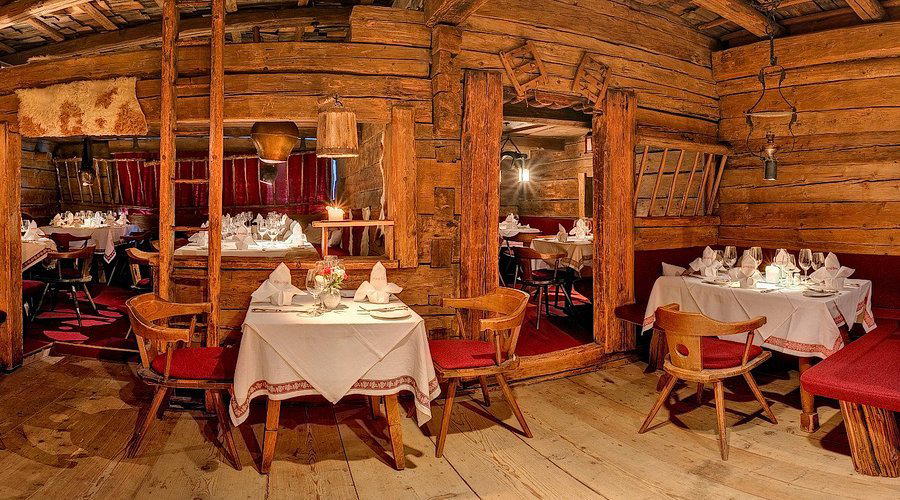
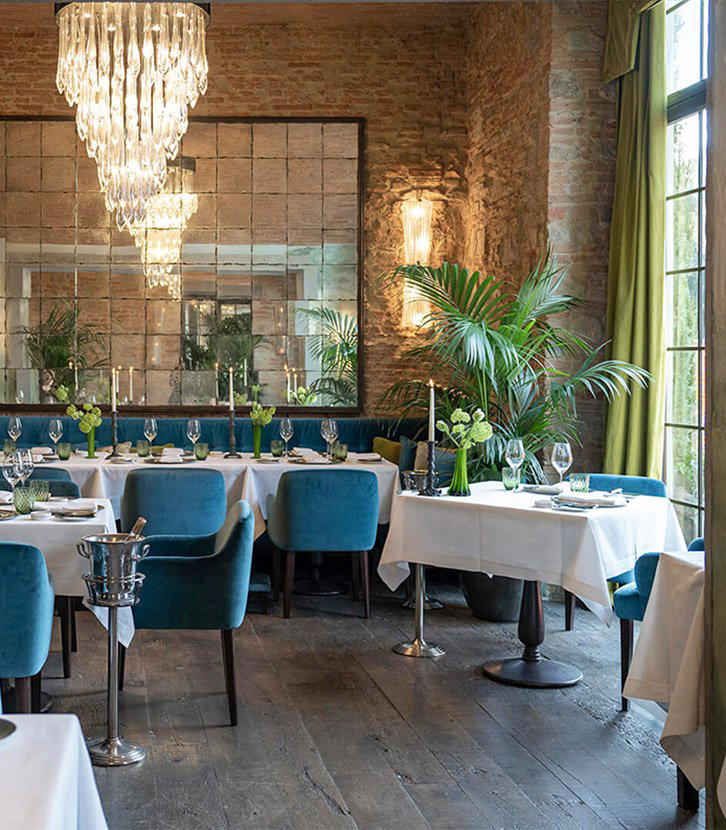
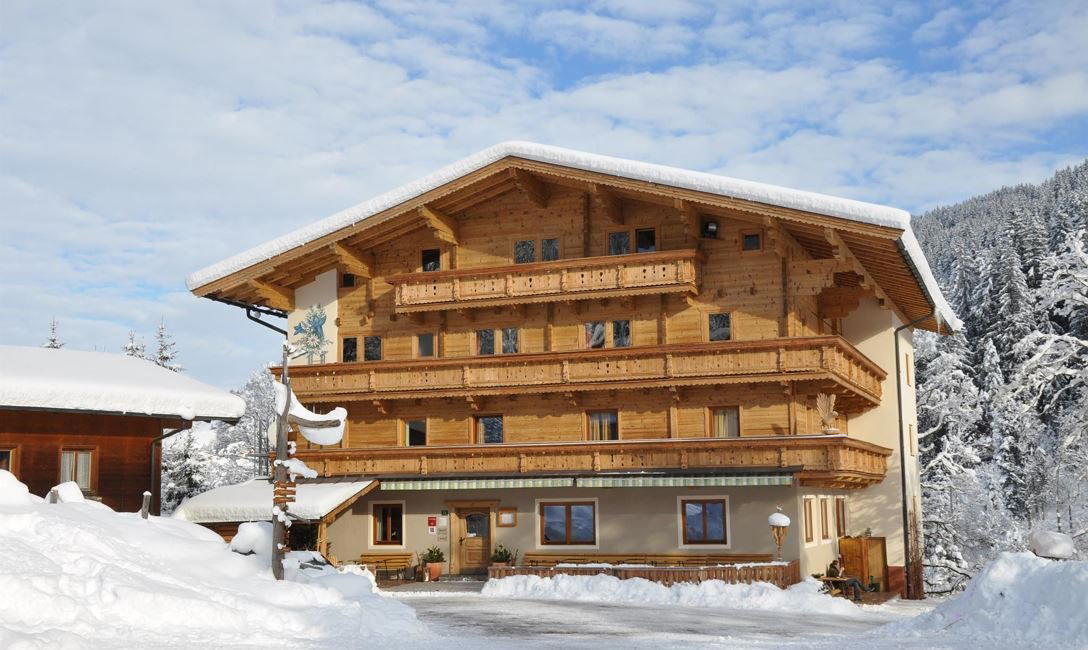
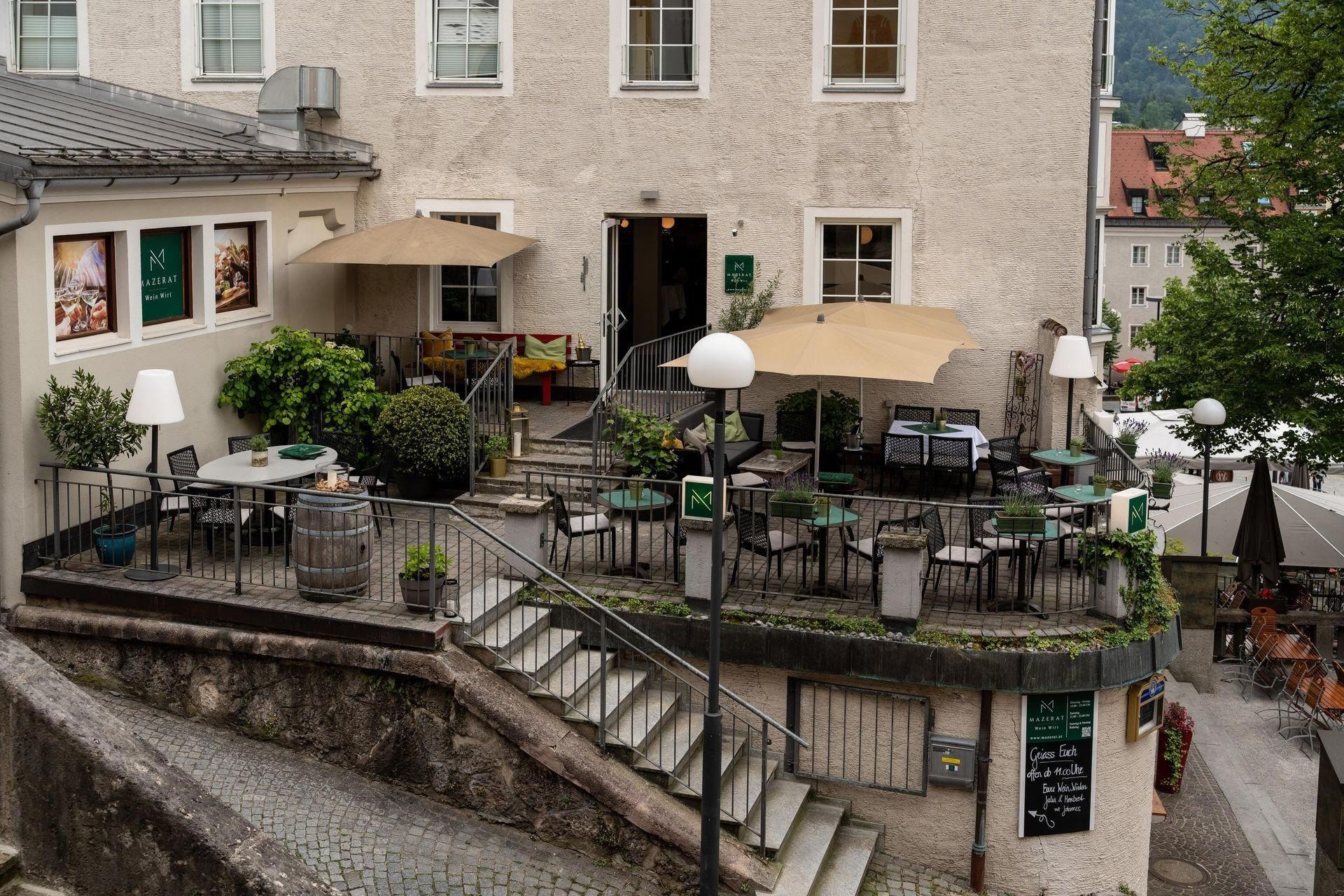
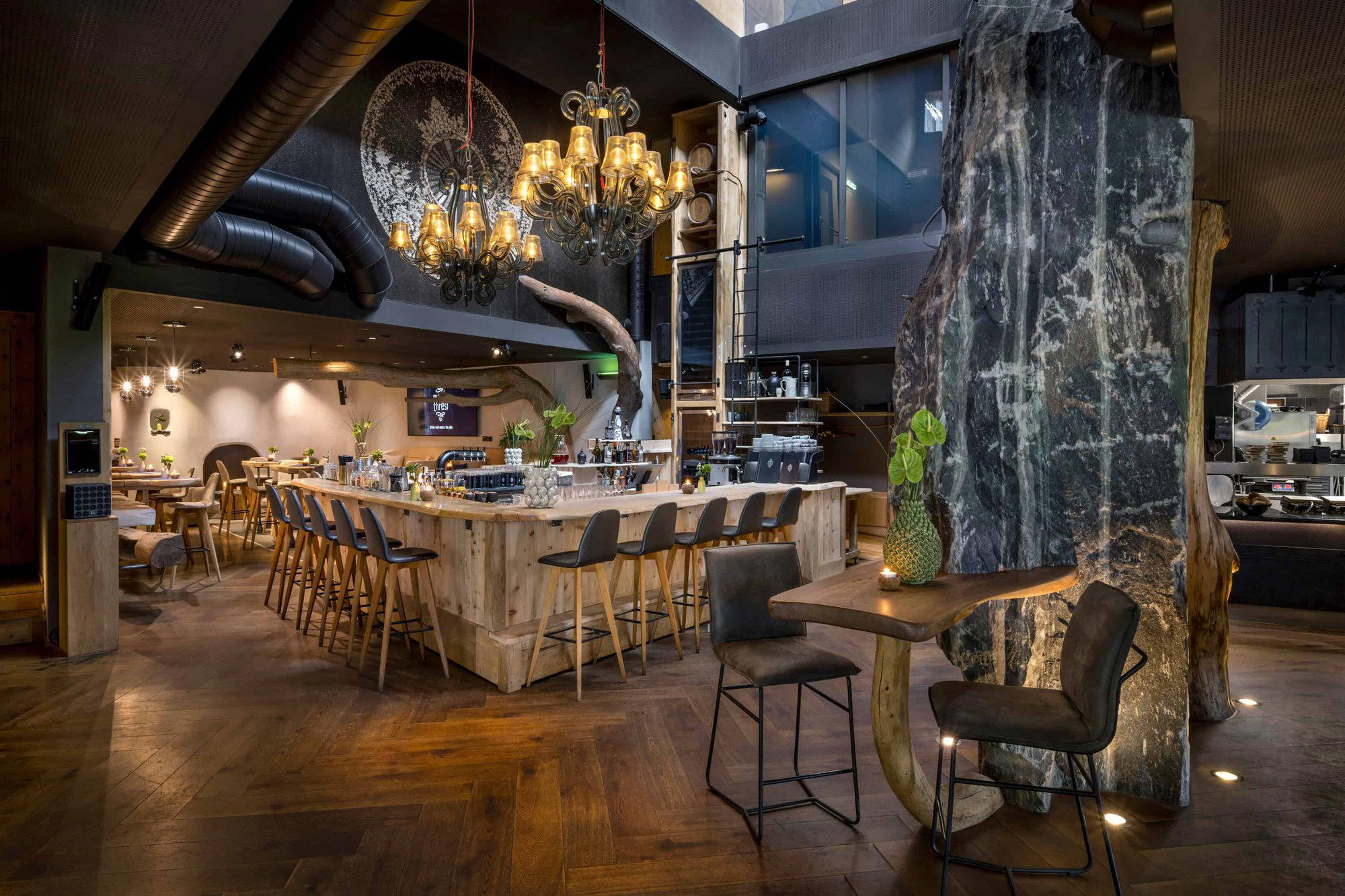
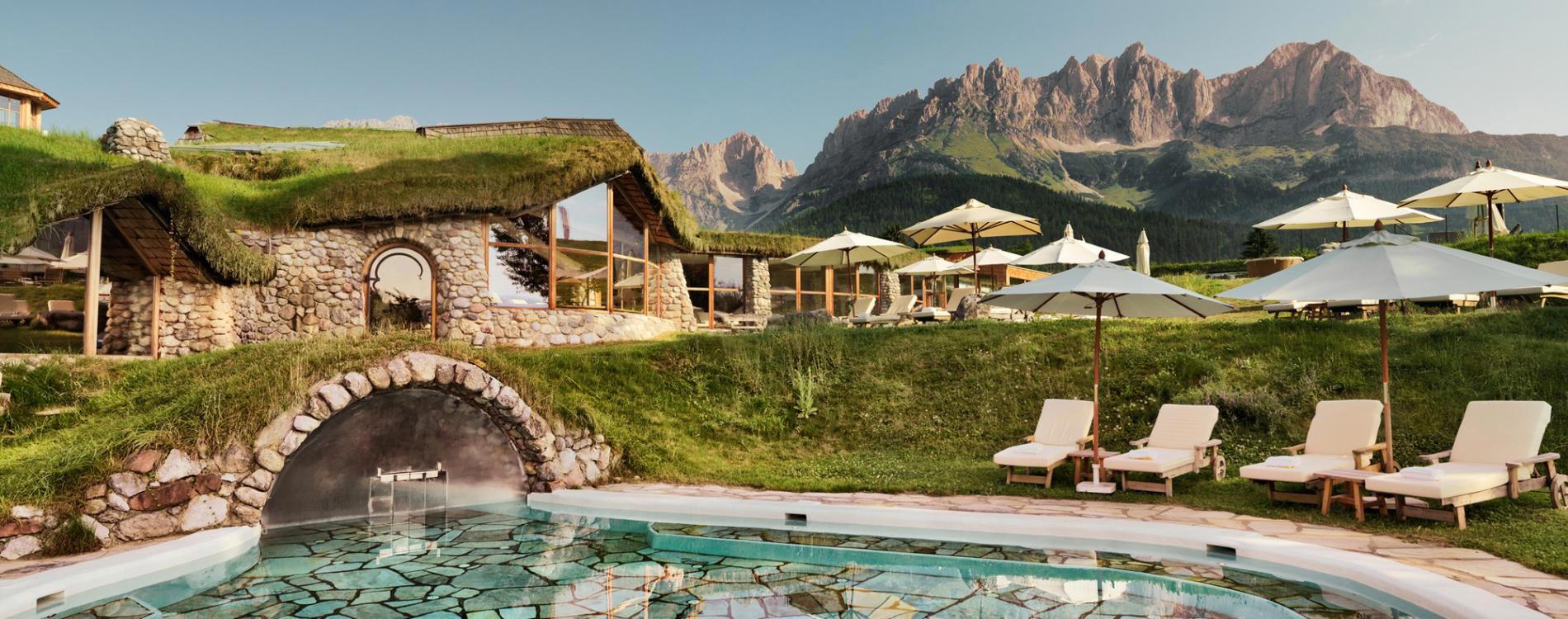
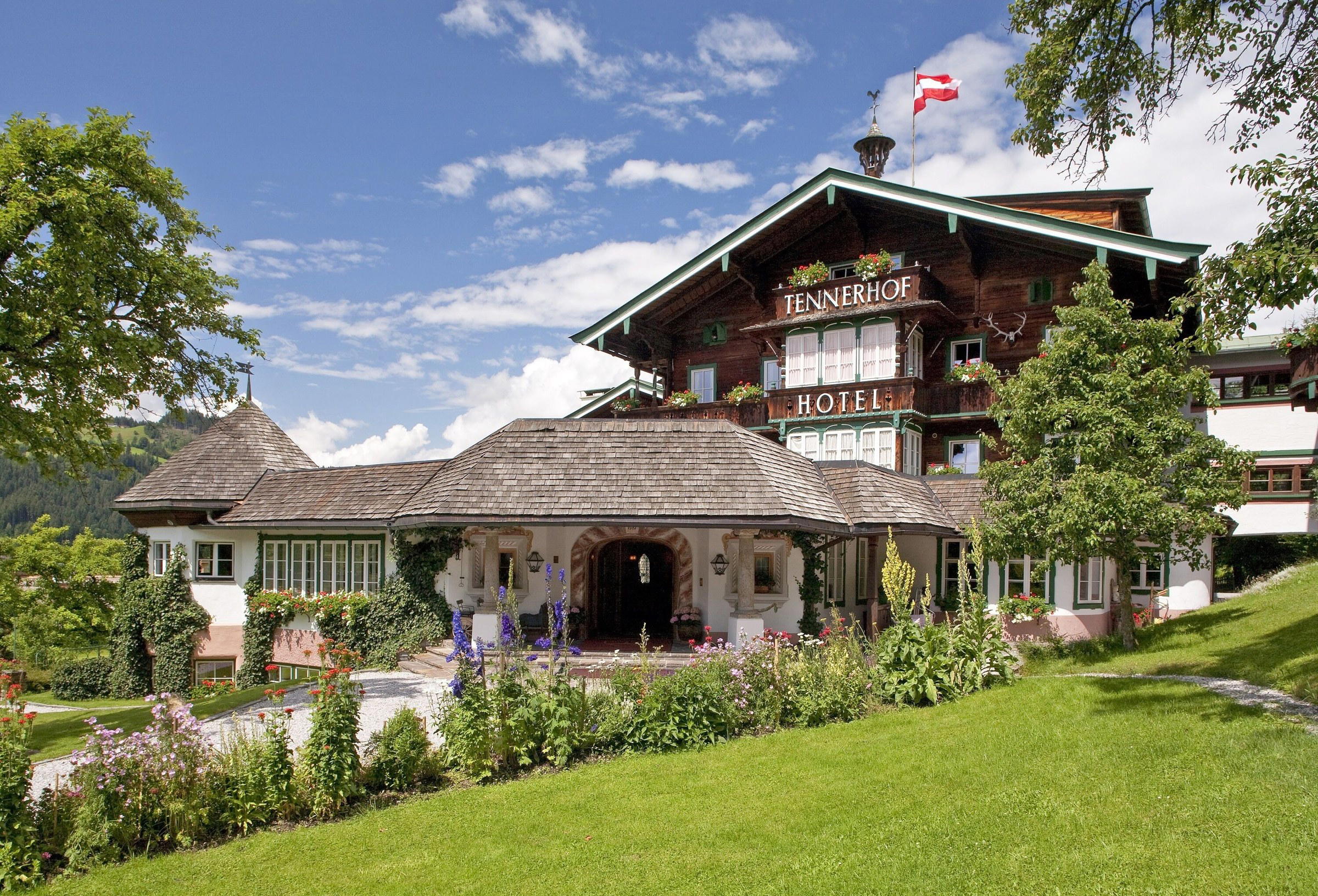
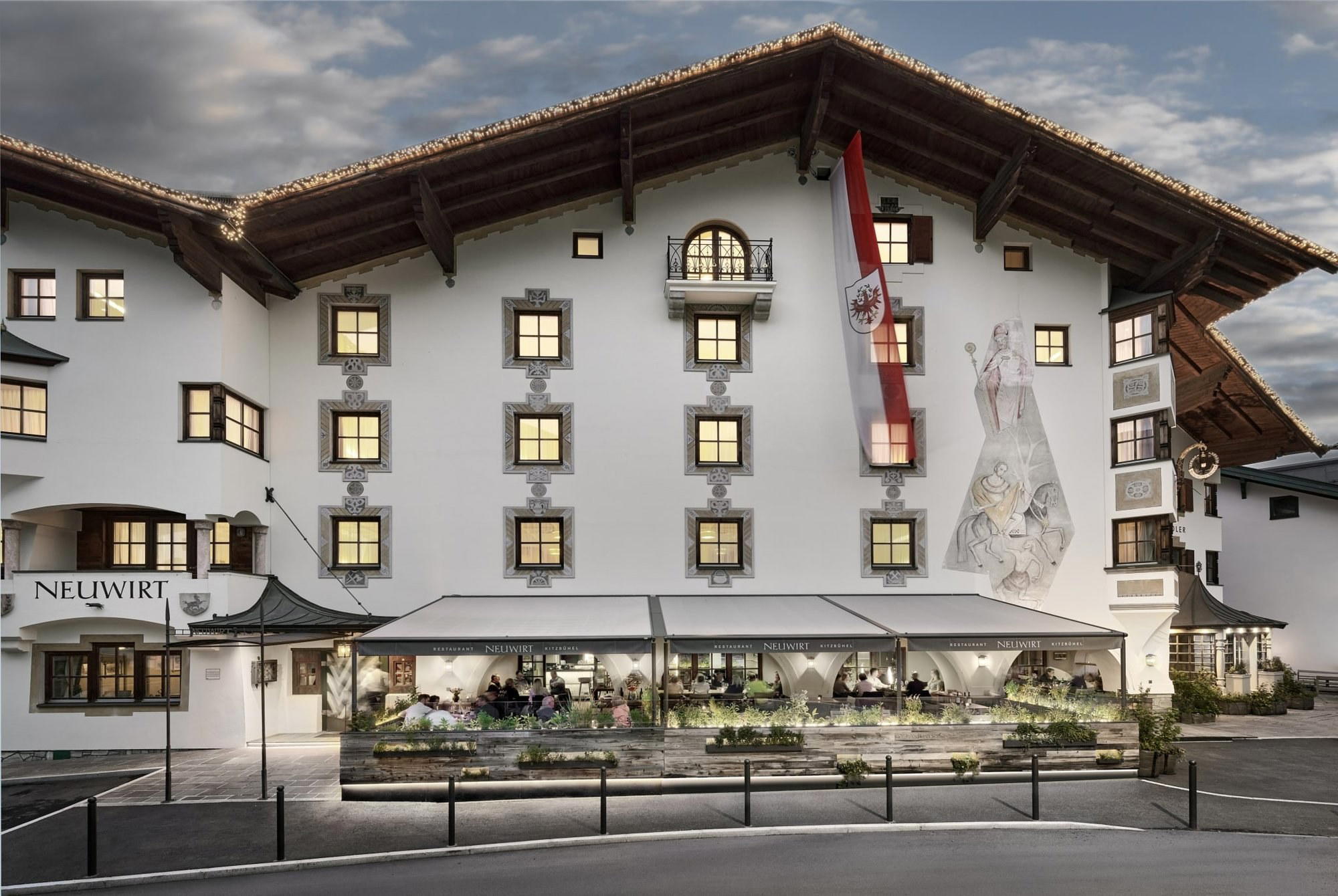
Cozy, rustic chalet with wooden interiors, historic decor, warm fireplace, and lively terrace ambiance.