Wildseeloderhaus
Wildseeloderhaus sits at altitude above Fieberbrunn in the Tyrolean Alps, operating in a tradition of mountain Alm dining that anchors Austrian highland culture. The address at Almen 52 places it within the working landscape of seasonal alpine pasture. For context on the broader Fieberbrunn dining scene, see our full restaurant guide.
Pearl is the En Primeur Club membership app — saves, bookings, and concierge access live there. Same editors, same standards.
- Address
- Almen 52, 6391 Fieberbrunn, Austria
- Phone
- +436643400717
- Website
- wildseeloderhaus.at
- Directions
- Get directions
 Saves & bookings on Pearl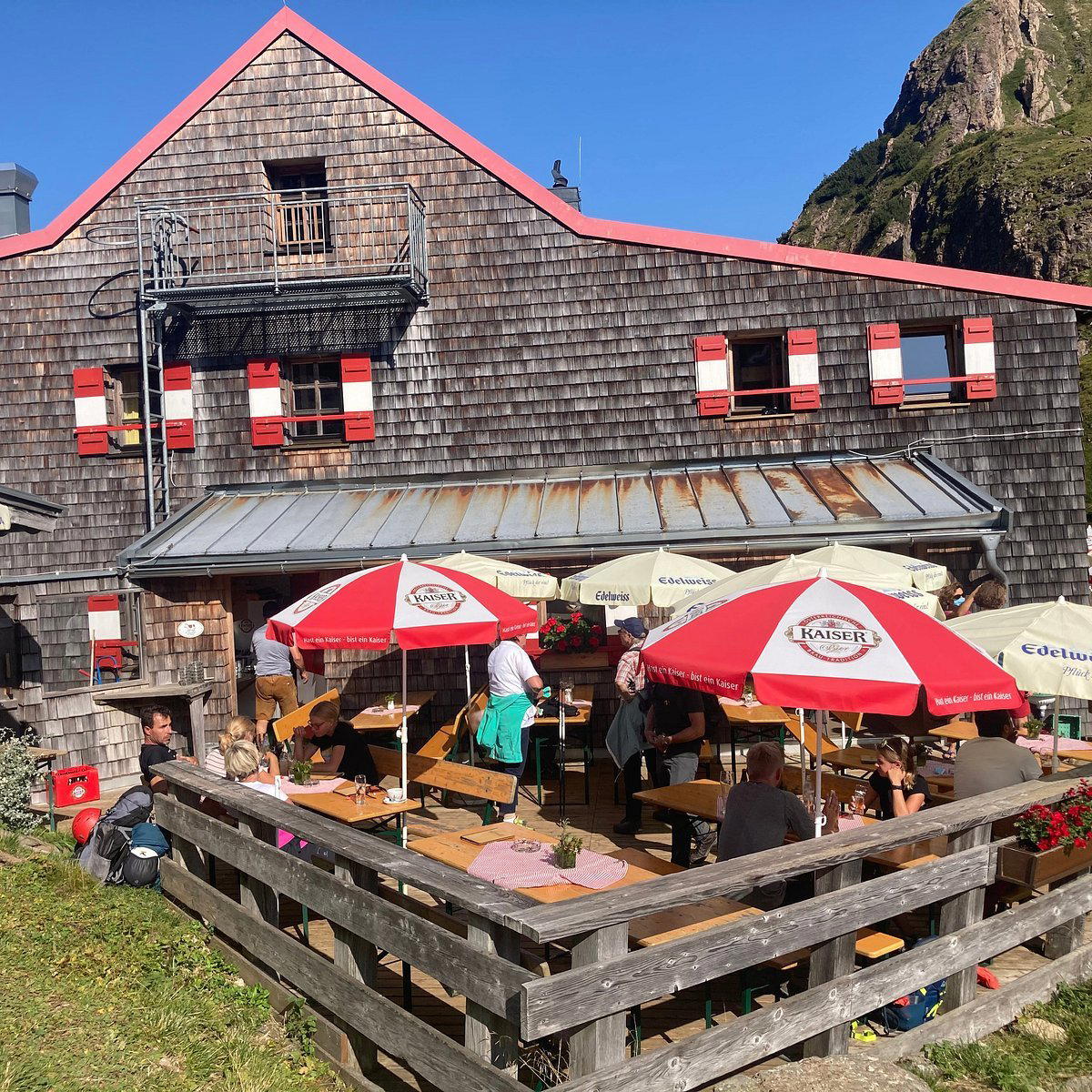
Where the Alm Tradition Holds Its Ground
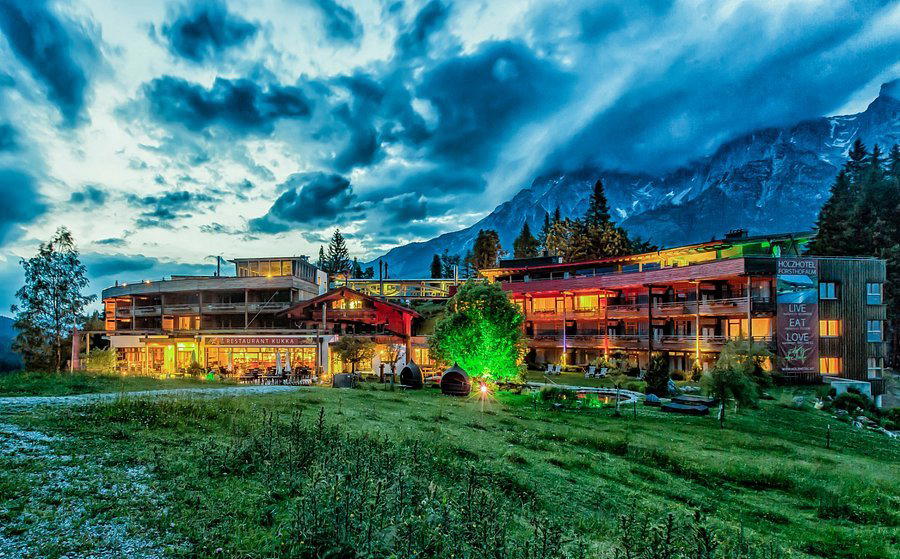
Wildseeloderhaus is a restaurant in Fieberbrunn, Austria, serving Modern Tirolean cuisine in a casual setting. The Alm, the high mountain hut or farmstead used during summer grazing seasons, has fed shepherds, farmers, and later hikers for centuries across Tyrol, Salzburg, and the Vorarlberg. What happens at these altitudes is less a restaurant experience in the conventional sense and more a continuation of a functional food culture that predates modern hospitality. Wildseeloderhaus, addressed at Almen 52 in Fieberbrunn, sits inside that tradition, positioned above the valley floor in terrain that frames the meal before you arrive.
Fieberbrunn itself occupies a particular niche in the Tyrolean tourist map. It belongs to the PillerseeTal region, adjacent to St. Johann in Tirol, and draws both winter ski traffic and summer hiking visitors. The town is quieter and more local in character than the high-spend resort poles of Ischgl or Lech, where destinations like Stüva in Ischgl and Griggeler Stuba in Lech represent the fine-dining end of alpine resort hospitality. Fieberbrunn operates at a different register, and Wildseeloderhaus reflects that: the draw is the mountain itself, the route to the Wildseeloder peak, and the culture of stopping mid-hike at a hut that has been provisioning walkers for generations.
The Cultural Architecture of the Austrian Mountain Hut
To understand what a place like Wildseeloderhaus represents, it helps to understand the Schutzhaus and Almhütte traditions that the Austrian Alpine Club and generations of mountain farming families have maintained. These structures are not restaurants that happen to be in the mountains. They are mountain infrastructure, shelter, food, and community, that developed a hospitality function over time. The food served at altitude in these settings reflects what can be transported, stored, and prepared at elevation: dairy products from nearby herds, preserved meats, bread, warming soups. The regional specificity is enforced by logistics as much as by culinary intent.
In Tyrol specifically, the alpine food tradition centers on dishes like Tiroler Gröstl (pan-fried potatoes with meat and egg), Kasnocken (cheese dumplings), Speckbrettl (cured meat boards), and Apfelstrudel. These are not simplified versions of a broader Austrian cuisine but the original functional form of it, designed for caloric density, warmth, and the use of preserved or locally available ingredients. The same cultural logic that governs what arrives on the table at a Tyrolean Almhütte today governed it a hundred years ago. At establishments operating within this tradition, that continuity is the point.
This positions Wildseeloderhaus in a completely different category from the alpine fine-dining circuit that has developed in Austria's premium ski destinations. Venues like Gourmetrestaurant Tannenhof in Sankt Anton am Arlberg represent mountain dining translated into high-technique contemporary cuisine. Wildseeloderhaus, by contrast, is engaged with the pre-modern version of mountain hospitality, the version that existed before Michelin inspectors reached altitude. For a benchmark of where Austrian creative cuisine operates at its most decorated urban level, Steirereck im Stadtpark in Vienna represents the national standard, and the contrast clarifies just how distinct the Almhütte tradition is as its own category.
Fieberbrunn in the Wider Austrian Dining Picture
Austria's serious restaurant culture clusters in predictable places: Vienna, Salzburg, and the premium resort towns. The country's Michelin-recognized kitchens include properties like Döllerer in Golling an der Salzach, which has built a reputation on contemporary Austrian cuisine with strong regional sourcing, and Obauer in Werfen, a long-running family kitchen that has held recognition for decades. Ikarus in Salzburg takes a different approach, rotating guest chefs through a format that connects Austrian hospitality infrastructure to international culinary talent.
Fieberbrunn sits outside this circuit. That is not a weakness in this context, it is a description. The village and its surrounding mountain terrain offer something these urban or resort-anchored kitchens do not: access to the experience of the alpine pasture as a working, living environment. The Wildalpgatterl is another point of reference within Fieberbrunn itself, and together these establishments represent what the area offers to visitors whose appetite is for the terrain as much as the table.
Elsewhere in Austria, rural and regional kitchens have found ways to position traditional formats with contemporary credibility. Kräuterreich by Vitus Winkler in Sankt Veit im Pongau channels alpine herb culture into a precise modern kitchen. Landhaus Bacher in Mautern an der Donau has maintained a classic Austrian dining standard over multiple generations. Taubenkobel in Schützen am Gebirge represents the Burgenland wine country version of serious regional cooking. These are all expressions of the same underlying impulse: Austrian cuisine understood through its landscape and its seasons, rendered at different levels of technical ambition. Wildseeloderhaus operates at one elemental point on that spectrum.
Getting There and Planning Your Visit
The address at Almen 52 above Fieberbrunn indicates a mountain approach rather than a valley-floor location. Visitors typically reach mountain huts in this region on foot, following marked hiking trails from the valley, or in some cases via lift infrastructure depending on the season and the specific property. The Wildseeloder is a named peak and trail destination in the PillerseeTal area, and Wildseeloderhaus takes its name from that geography. The PillerseeTal region is accessible from Innsbruck via the A12 motorway, with Fieberbrunn itself served by the Salzburg-Innsbruck rail corridor.
A Pricing-First Comparison
Comparable venues nearby, for context on price, style, and recognition.
| Venue | Cuisine | Price | Notes |
|---|---|---|---|
| WildseeloderhausThis venue — the venue you are viewing | Fieberbrunn, Modern Tirolean | $$ | Not listed |
| Wildalpgatterl | Not listed | $$ | Fieberbrunn, Traditional Tyrolean Mountain Cuisine |
| KrallerAlm | Rain, Alpine Austrian Grill & Pizzeria | $$ | Not listed |
| Bärstattalm | Gaisberg, Traditional Tyrolean | $$ | Not listed |
| Jedermann's | Innsbruck city center, Austrian | $$ | Not listed |
| Zottahof | Alpbach, Authentic Tyrolean | $$ | Not listed |
Continue exploring
More in Fieberbrunn
Restaurants in Fieberbrunn
Browse all →
Bars in Fieberbrunn
Browse all →

At a Glance
- Rustic
- Cozy
- Scenic
- Family
- Casual Hangout
- Historic Building
- Standalone
- Local Sourcing
- Mountain
Cozy rustic mountain hut atmosphere with hearty regional dishes and welcoming service.