Solo Du

1 Michelin Star
Our verdict
Solo Du holds a Michelin star in Bischofswiesen, a small Bavarian alpine town near Berchtesgaden, under chef Michelle Weaver. The €€€€ modern cuisine menu places it in the same award tier as Germany's most recognized fine dining addresses, making it a compelling reason to linger in a region better known for hiking than haute cuisine.

Pearl is the En Primeur Club membership app, where members save venues, book tables and use the concierge.
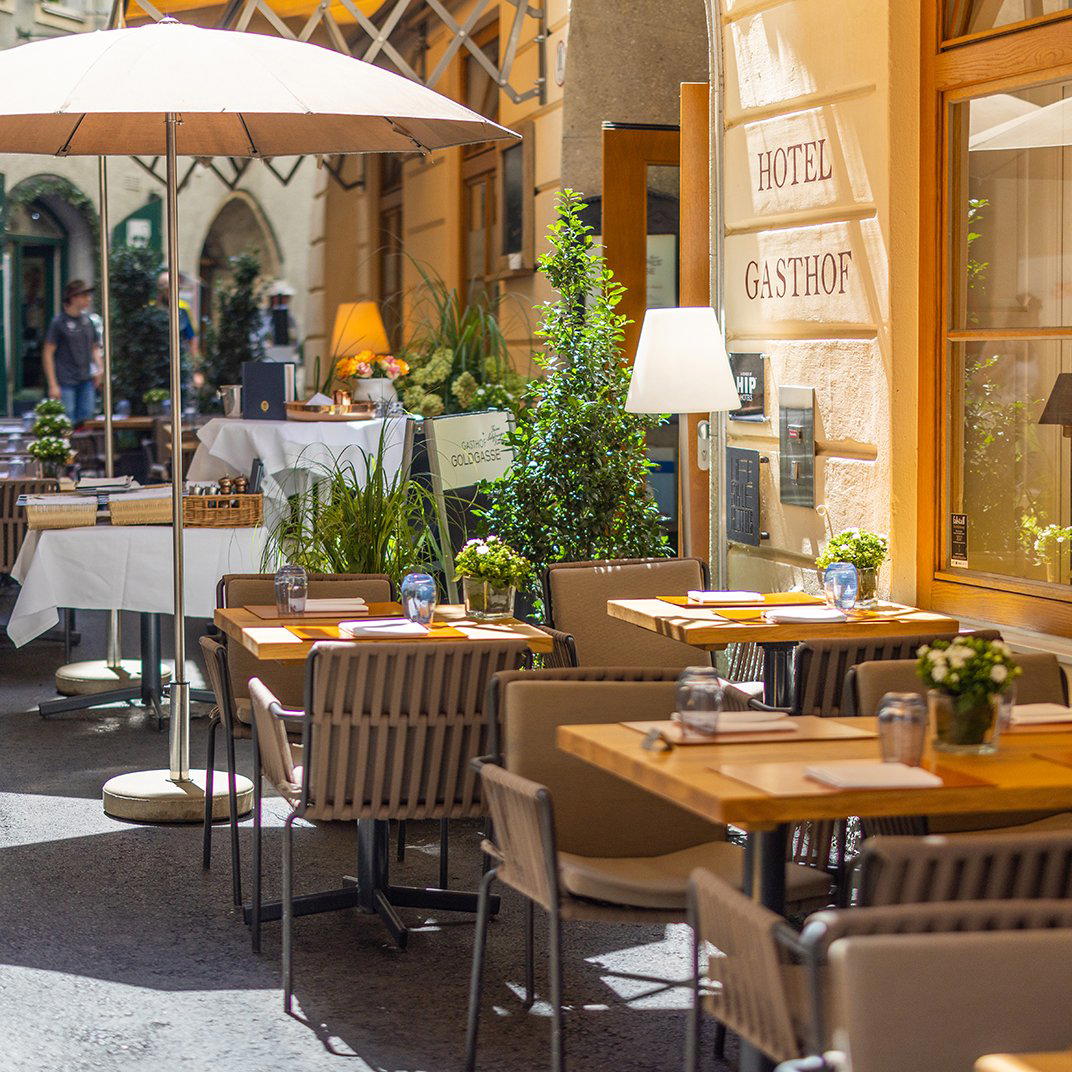
Where Alpine Terrain Meets the Plate
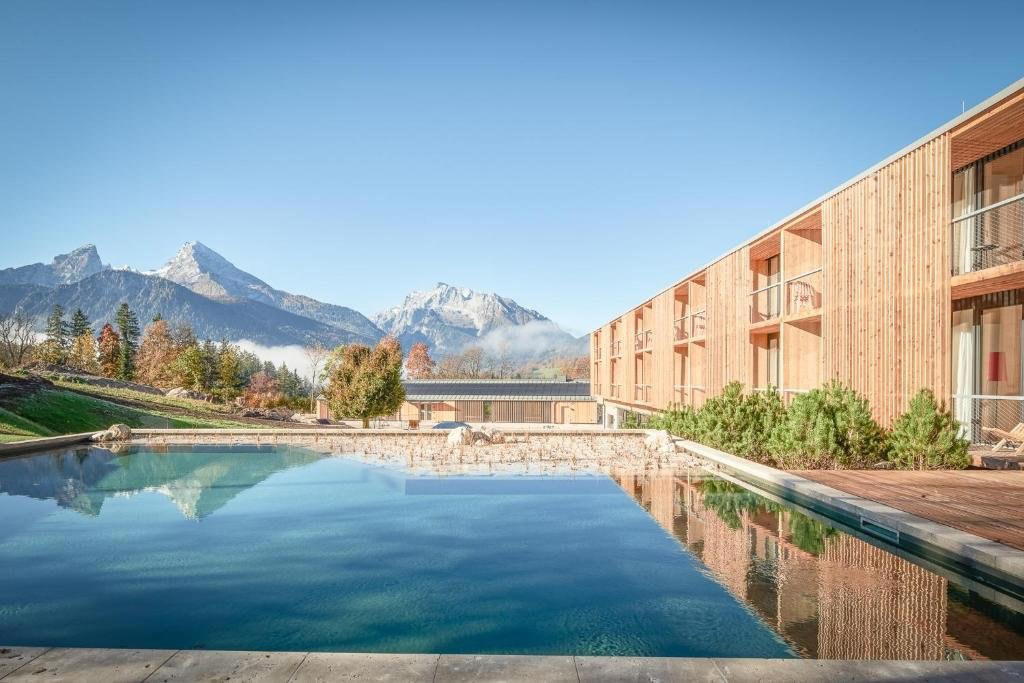
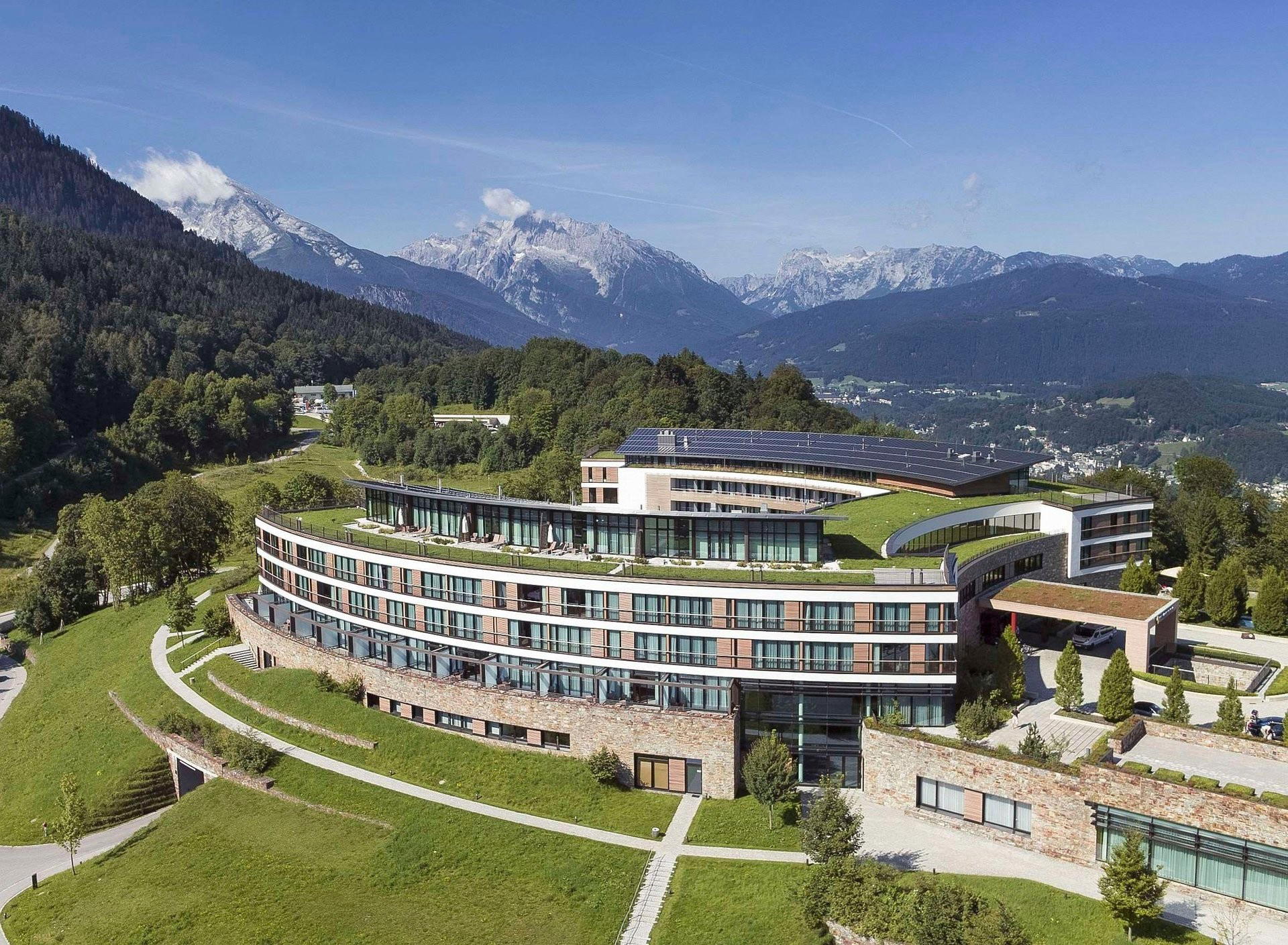
Bischofswiesen sits in the Berchtesgadener Land, a corner of Bavaria so defined by its landscape, the Watzmann massif, the Königssee, the forested slopes that crowd the valley floor, that the idea of destination fine dining here still carries an element of surprise. This is not Munich or Hamburg. There are no clusters of Michelin-flagged addresses, no established fine dining district, no late-night bar scene to extend the evening. What the region offers instead is something increasingly rare at the top of German gastronomy: a single serious kitchen operating in genuine agricultural proximity to the ingredients it uses, in a town that hasn't been shaped by the expectations of an urban dining public.
Solo Du, on Berchtesgadener Strasse, operates in that context. Its Michelin star, awarded in both 2024 and 2025, positions it not as a curiosity on the edges of German fine dining but as a confirmed member of the country's recognized tier, alongside addresses like JAN in Munich, ES:SENZ in Grassau, and Schanz in Piesport. The star held for two consecutive years is the operative signal here: it confirms a kitchen operating at a consistent standard, not a one-cycle recognition.
The Sourcing Logic of Alpine Fine Dining
The editorial argument for ingredient-led cooking in alpine Germany is more grounded than it might appear in marketing language. The Berchtesgadener Land is a designated biosphere reserve, and the agricultural traditions of the valley, dairy farming on steep-gradient pastures, small-scale market gardening, wild herb foraging, freshwater fish from cold, clear mountain streams, produce ingredients with measurable character differences from lowland equivalents. Milk from high-altitude grazing has a distinct fat composition. Mountain herbs develop greater aromatic concentration at altitude. Trout and char from glacially fed water carry a cleaner, firmer profile than farmed equivalents from warmer sources.
Modern cuisine, as a classification, covers a broad range of approaches, but in an alpine setting the most coherent version of that category is one that treats the surrounding terrain as the primary pantry. Kitchens in similar positions across the Alps, in Vorarlberg, in the Swiss Engadin, in the South Tyrolean Dolomites, have built their reputations on exactly this logic: sourcing from altitude, composing with precision, and letting the provenance of the ingredient do structural work on the plate rather than relying on external reference cuisines. For a kitchen like Solo Du operating at the €€€€ price tier, that sourcing logic is also a competitive differentiator: it's the argument for why this address, in this valley, is worth the detour from Munich or Salzburg.
Chef Michelle Weaver leads the kitchen, and her name appearing on a consecutively starred address in this part of Bavaria is itself a data point about how the German fine dining scene has broadened its geography over the past decade. The Michelin inspectors have become increasingly attentive to addresses outside the major urban centers, Waldhotel Sonnora in Dreis and Vendôme in Bergisch Gladbach are longstanding examples of that pattern, and Solo Du fits within that broader shift toward regional recognition.
Placing Solo Du in the German Fine Dining Tier
Germany's one-star tier is densely populated and highly competitive. At the €€€€ price point, guests are making a direct comparison against addresses like Restaurant Haerlin in Hamburg, Victor's Fine Dining by Christian Bau in Perl, and Aqua in Wolfsburg. What distinguishes a rural alpine address from those urban and peri-urban competitors isn't primarily technique, the technical expectations are uniform across the star tier, but setting and sourcing specificity. The case for Solo Du is the case for eating in the landscape rather than at a remove from it.
That argument has weight internationally as well. At the higher end of modern cuisine globally, the concept of terroir has moved well beyond wine into food, and addresses that can credibly connect their menus to a specific, identifiable geography command a different kind of attention than technically accomplished kitchens working with consolidated supply chains. Restaurants like Frantzén in Stockholm or CODA Dessert Dining in Berlin represent different ends of that spectrum, the former deeply rooted in Scandinavian provenance, the latter a format-driven creative exercise, but both demonstrate how strongly defined editorial identity anchors a kitchen's reputation within the star tier. Solo Du's alpine position is its equivalent anchor.
For comparison within the immediate region, Kulturhof Stanggass in Bischofswiesen represents the seasonal cuisine tradition of the area at a different price and format level. The two addresses together suggest that Bischofswiesen has a more developed dining identity than its small size would imply. Our full Bischofswiesen restaurants guide covers the range of options across formats and price tiers.
The Broader Context: Fine Dining in Alpine Bavaria
The Black Forest has Schwarzwaldstube in Baiersbronn as its reference point for what sustained culinary ambition looks like outside a major German city. The Bavarian Alps have historically lacked an equivalent anchor, with most serious dining gravitating toward Munich rather than taking root in the mountain towns. Solo Du's consecutive star years suggest that calculus is shifting, at least in the Berchtesgadener Land.
The mechanics of that shift matter to understanding what kind of experience Solo Du represents. A kitchen earning its first star in a rural alpine setting is doing something structurally different from a city restaurant adding to an existing cluster of recognized addresses. It is building the argument from scratch that this specific place, with its specific ingredients and its specific remove from the mainstream, justifies a serious dining detour.
Planning Your Visit
Bischofswiesen is accessible from Munich by car in approximately 1.5 to 2 hours, and from Salzburg in under an hour, which makes it a realistic day trip destination for the right kind of traveller, though the logic of the experience favors staying overnight in the valley rather than arriving and departing in a single push. The region has hotel options ranging from traditional Gasthof formats to more designed alpine properties; our full Bischofswiesen hotels guide maps those options. For visitors exploring the area more broadly, our Bischofswiesen bars guide, wineries guide, and experiences guide cover the surrounding offer.
Solo Du sits at the €€€€ price tier, placing it at the upper range of what the Berchtesgadener Land offers. Given the combination of a small-town location and a consecutively starred kitchen, table availability is unlikely to follow the same compressed booking windows of a comparably recognized Munich address, but confirming availability well in advance of a dedicated trip remains sensible practice.
Frequently asked questions
Is Solo Du okay with children?
At the €€€€ price point in a Michelin-starred kitchen in a small Bavarian town, Solo Du is oriented toward adult diners focused on the food, this is not the environment for young children.
Is Solo Du better for a quiet night or a lively one?
If the priority is a quiet, focused dinner in an alpine setting with serious cooking, Solo Du fits that well: a consecutively Michelin-starred kitchen in a small town like Bischofswiesen, at €€€€, almost by definition operates at lower volume and more measured pace than a city equivalent. If the goal is a lively urban evening with late-night options afterward, Munich or Salzburg are better bases, Bischofswiesen's character is contemplative rather than animated after dark.
What's the must-try dish at Solo Du?
No specific dishes are confirmed in the available record, request the kitchen's recommendation on arrival. What the Michelin recognition across 2024 and 2025 confirms is that chef Michelle Weaver's modern cuisine menu operates at a consistent standard, so the tasting menu format, where offered, is likely the most complete expression of the kitchen's sourcing and technique work.
Budget and Context
| Venue | Cuisine | Price | Awards | Notes |
|---|---|---|---|---|
| Solo DuThis venue (the venue you are viewing) | Modern Gourmet Fine Dining | $150–200 | 1 Michelin Star | Not listed |
| Schwarzwaldstube | Modern French Fine Dining | $150–200 | 3 Michelin Stars · World's 50 Best #47 | French, Classic French |
| Aqua | Not listed | Not listed | Michelin 3 Star | Contemporary German, Italian/Japanese, Creative |
| CODA Dessert Dining | Dessert-Inspired Fine Dining | $200–300 | 2 Michelin Stars · World's 50 Best #79 | Creative |
| Tantris | Modern French, French Contemporary | Not listed | Michelin 2 Star | Not listed |
| Vendôme | Modern German Haute Cuisine | $200–300 | 2 Michelin Stars · World's 50 Best #47 | Modern European, Creative |
Recognition history
Dated appearances from independent guides and award organizations, with the underlying list record or original source where available.
Michelin 1 Star
Michelin
Full recognition history (3 entries)
Michelin 1 Star
Michelin
Michelin 1 Star
Michelin
Continue exploring
More in Bischofswiesen
Restaurants in Bischofswiesen
All restaurants in Bischofswiesen →
Bars in Bischofswiesen
Browse all →
Details
- Intimate
- Elegant
- Cozy
- Modern
- Scenic
- Date Night
- Special Occasion
- Open Kitchen
- Sommelier Led
- Local Sourcing
- Mountain
- Tasting Menu
- Vegetarian Friendly
Current opening hours
- Monday
- Closed
- Tuesday
- 6–11 PM
- Wednesday
- 6–11 PM
- Thursday
- 6–11 PM
- Friday
- 6–11 PM
- Saturday
- Closed
- Sunday
- Closed
Hours can change for holidays and private events. Hours as of .
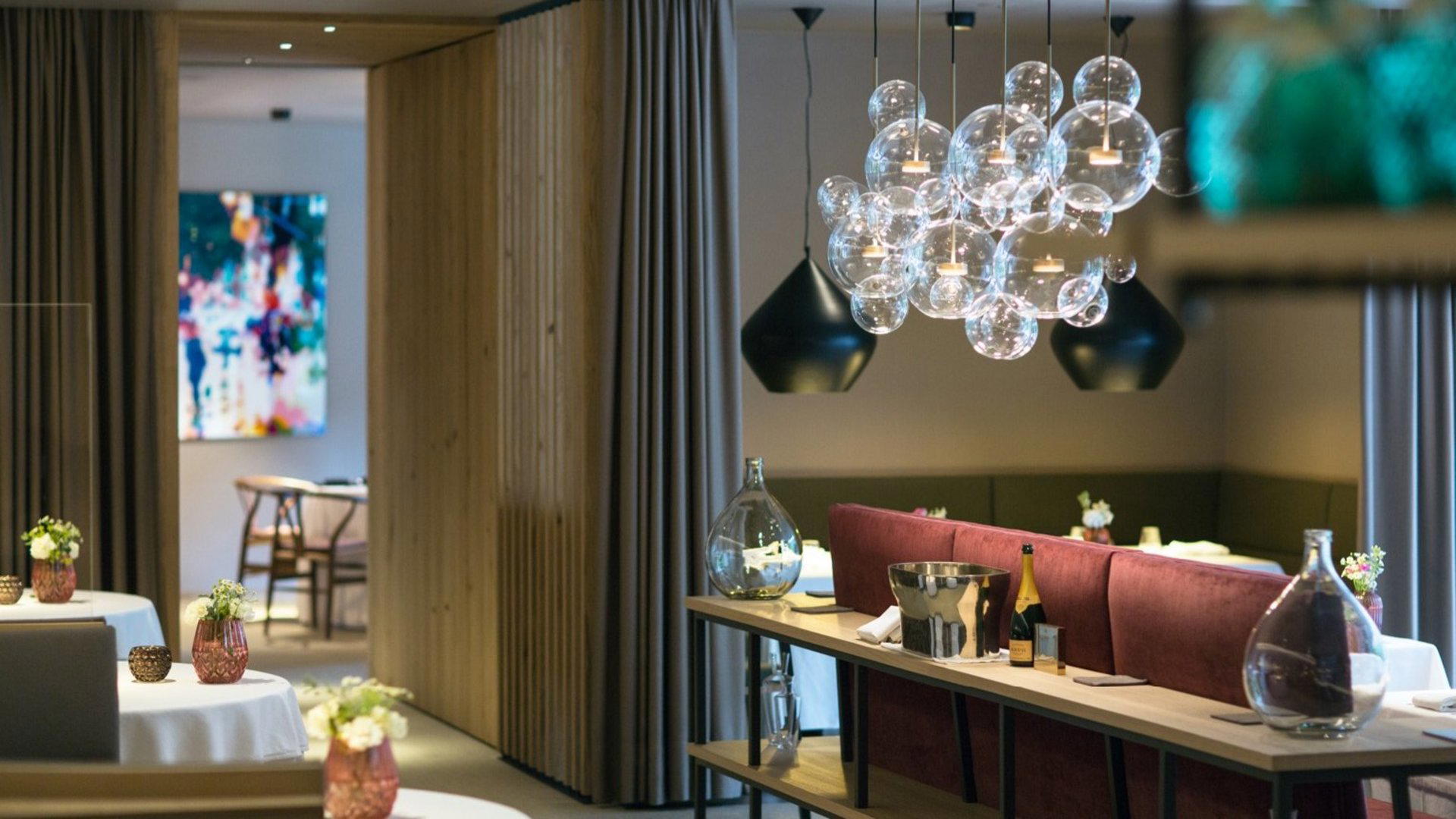
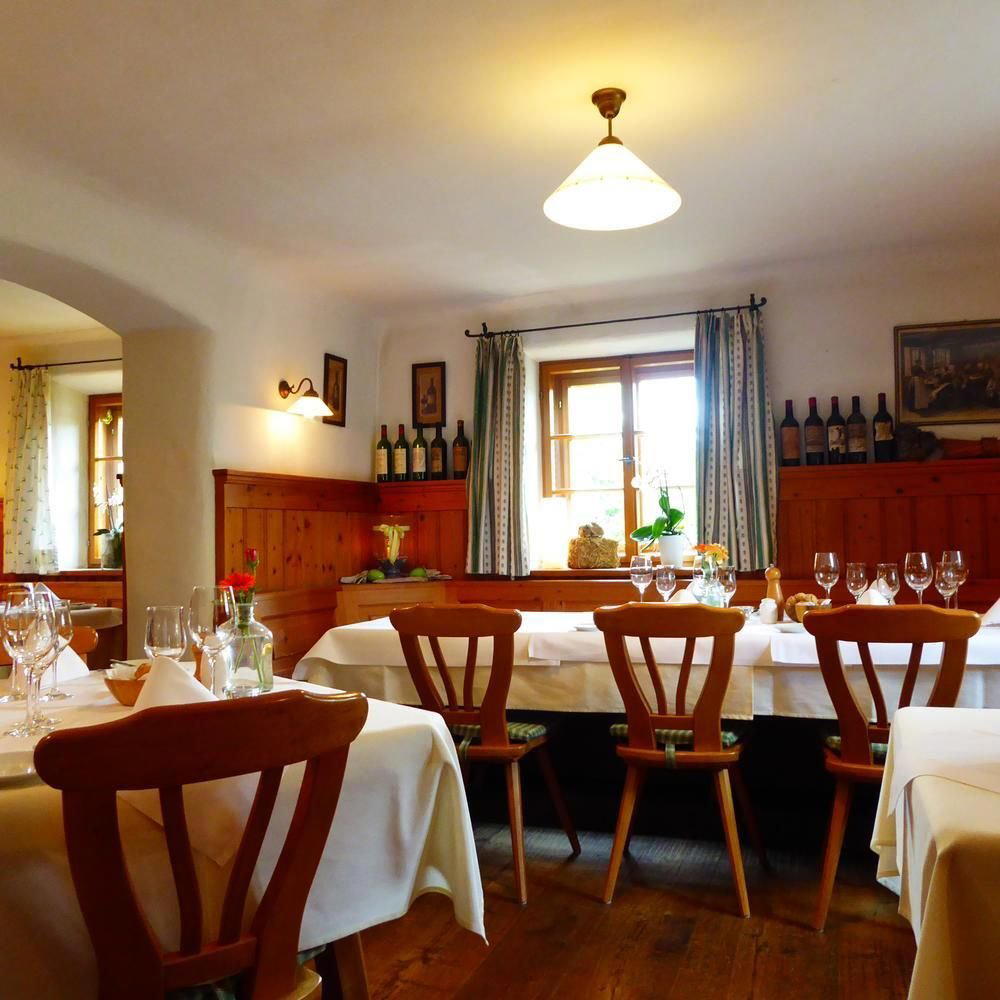
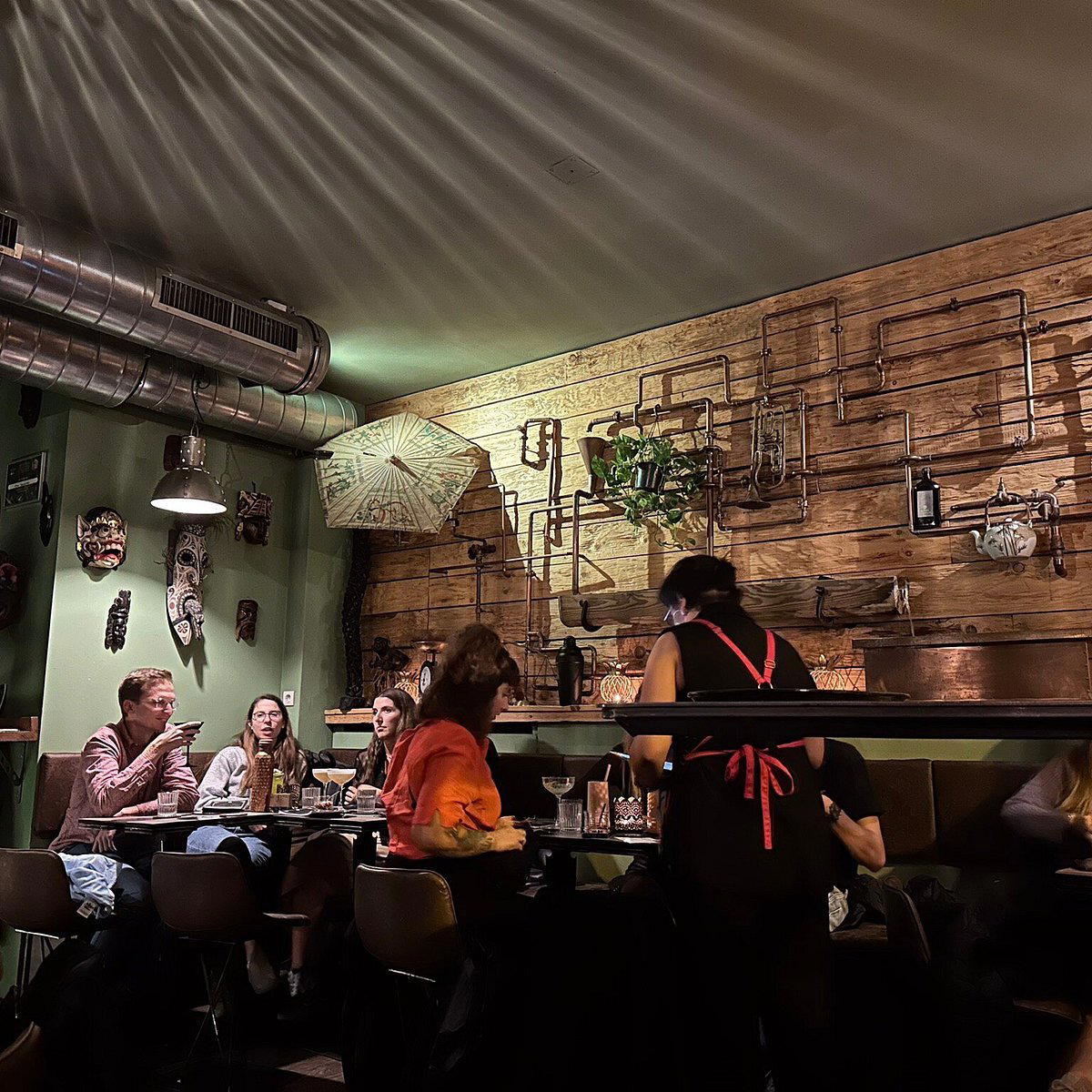
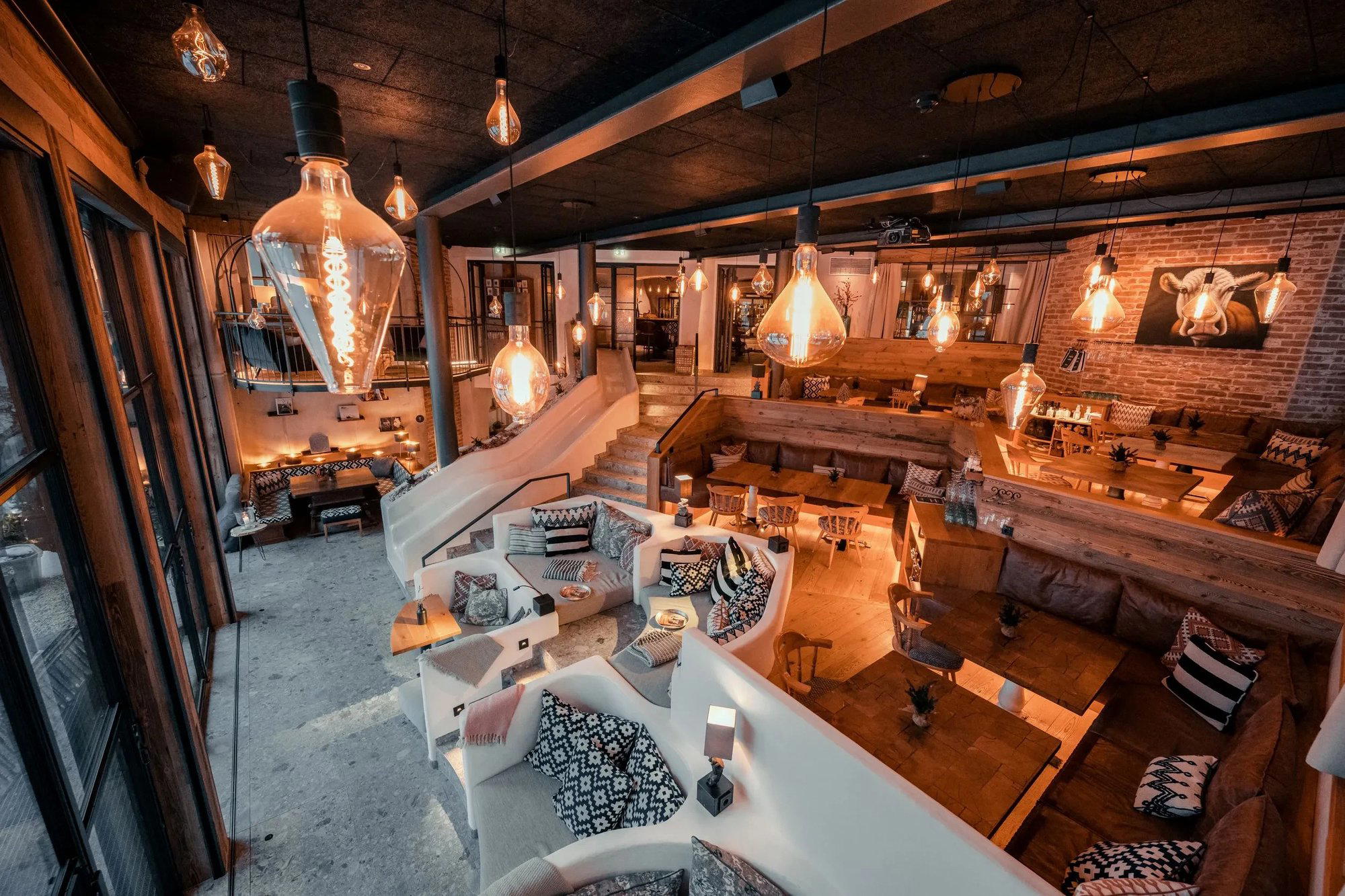
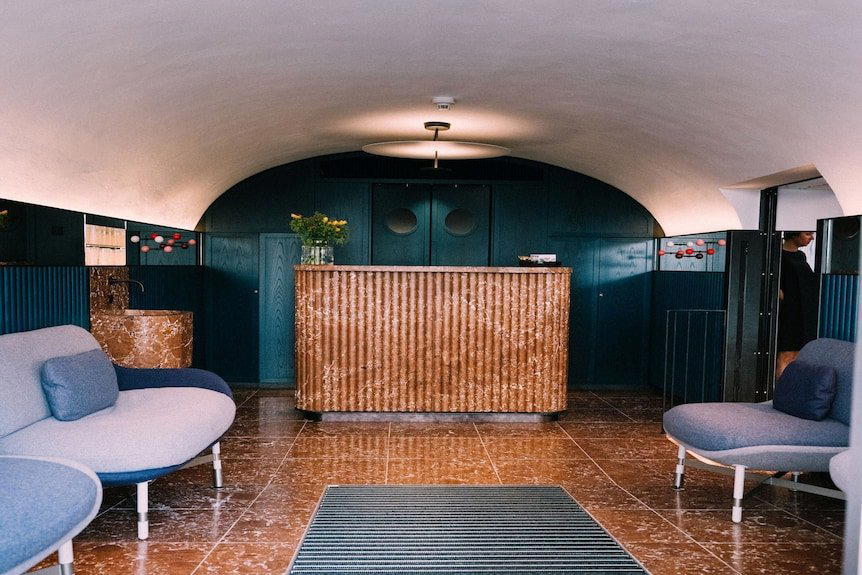
Helles Holz-Ambiente mit klaren Formen, luftig-licht durch große Fenster, warmer Beleuchtung und angenehmer Atmosphäre.