Lao Dao
On Walworth Road in south London's Elephant and Castle corridor, Lao Dao occupies a stretch of the city that has cycled through waves of reinvention without losing its working-class grain. The address places it in a different conversation from the ££££ Michelin rooms of Mayfair and Chelsea, and that distance is part of the point. This is neighbourhood dining in a part of London that rewards those paying attention.
Pearl is the En Primeur Club membership app — saves, bookings, and concierge access live there. Same editors, same standards.
- Address
- 305 Walworth Rd, London SE17 2TG, United Kingdom
- Phone
- +442077014730
- Website
- lao-dao.com
- Directions
- Get directions
 Saves & bookings on Pearl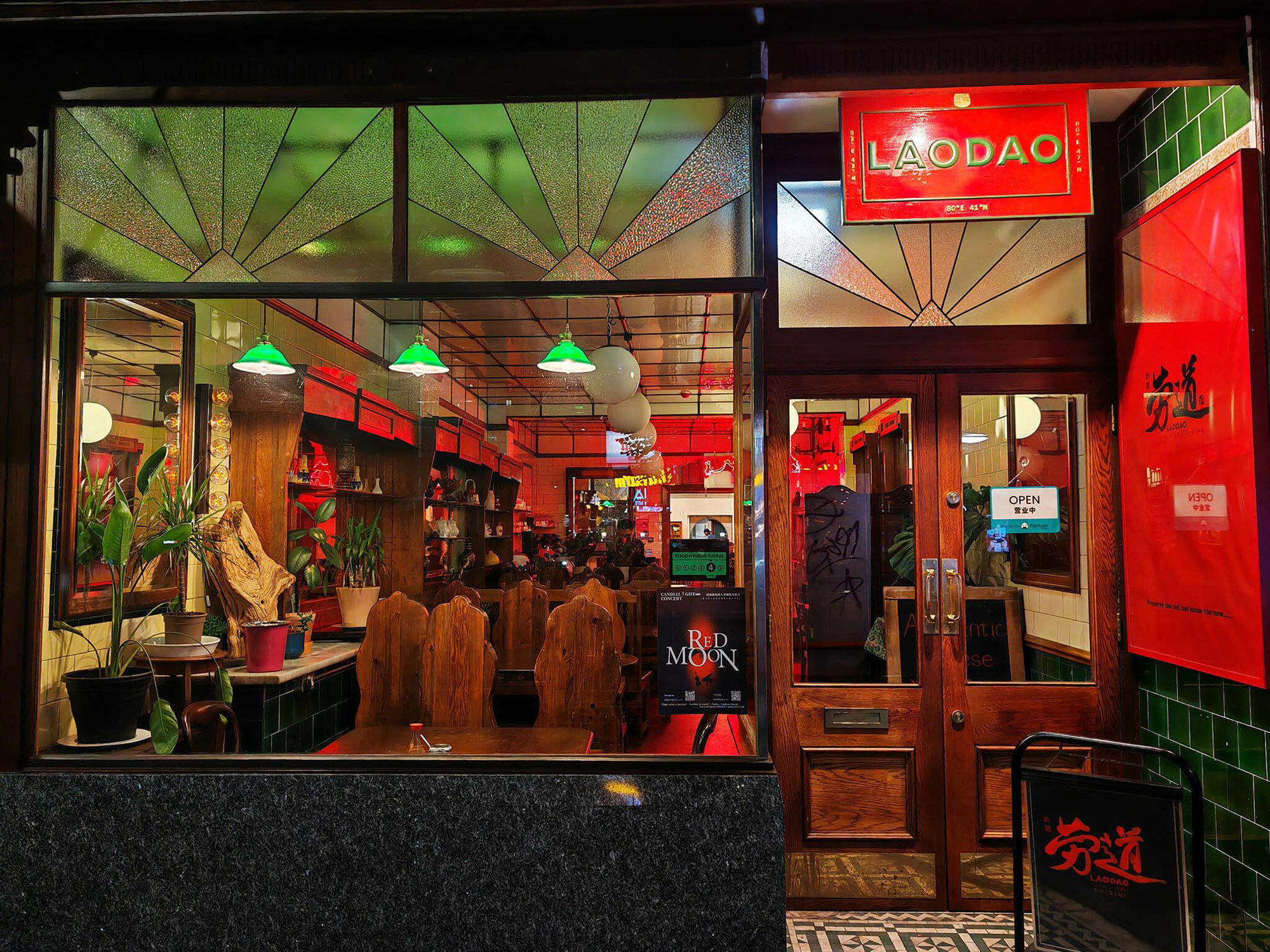
Walworth Road and What It Signals
The approach along Walworth Road tells you something before you reach the door. SE17 is not the London of the guidebook circuit. It sits south of the river, east of Kennington, in a corridor that has absorbed successive waves of immigration, regeneration pressure, and the slow churn of London's housing economics. Restaurants that open here are not doing so for the passing trade of hotel guests or theatre-goers. They are making a different kind of commitment, to a local community and a neighbourhood that judges places on repeat visits rather than first impressions.
That geographic context matters when thinking about how a place like Lao Dao has developed. South London's dining scene has shifted meaningfully over the past decade. What was once a second-tier afterthought to the Michelin-concentrated north has produced a generation of restaurants with genuine culinary identities, places that draw diners across the river rather than merely serving those who already live there. Lao Dao at 305 Walworth Road sits inside that broader movement, even if it operates on a scale and register quite different from the destination rooms that attract the award-season attention.
A Different Tier from the Mayfair Circuit
To understand what Lao Dao represents, it helps to map it against the London dining tier it does not belong to. The city's upper bracket, occupied by rooms like CORE by Clare Smyth, Restaurant Gordon Ramsay, Sketch, The Lecture Room and Library, The Ledbury, and Dinner by Heston Blumenthal, operates in the ££££ range with tasting menus, long wine lists, and booking windows measured in months. That tier is highly visible and well-documented. What is less visible, and more interesting to track, is the stratum below it: the neighbourhood restaurants that have developed genuine identity without the institutional scaffolding of awards cycles and PR infrastructure.
The Walworth Road address positions Lao Dao in that second stratum. It also places it in a part of London that has received sustained interest from diners and food writers over recent years, as the centre of gravity for interesting cooking has moved progressively south and east from its traditional concentration in zones one and two. For further context on where the city's dining culture is heading, the full London restaurants guide maps the current field across postcodes and price points.
The Evolution of the Address
South London dining has not evolved in a straight line. The neighbourhood around Elephant and Castle spent years in a kind of holding pattern: the area's demographics were changing, the regeneration money was arriving slowly, and the restaurant infrastructure was thin. What existed tended to serve specific communities rather than draw from across the city. That insularity was, in some respects, a form of authenticity, but it also meant that the area's food culture remained largely invisible to the broader London conversation.
The shift came incrementally. Markets, pop-ups, and then permanent sites began establishing a different kind of restaurant in SE17 and its adjacent postcodes. The pattern mirrors what happened in Peckham, Brixton, and Deptford before them: a period of low rents and community-level interest creates conditions for independent operators willing to build slowly. The restaurant's presence on Walworth Road reads as part of that longer arc, a restaurant finding its ground in a neighbourhood still in the process of defining what it wants its food culture to be.
Internationally, the question of how neighbourhood restaurants build identity over time is well-documented in other cities. New York has seen similar dynamics play out in Brooklyn and Queens, where places like Atomix began building reputations well outside the Manhattan centre of gravity before drawing the full attention of the awards circuit. In the UK context, the pattern of destination cooking emerging from unexpected postcodes has precedents in L'Enclume in Cartmel and Moor Hall in Aughton, both of which built significant reputations from locations that required deliberate travel.
How the Room Functions
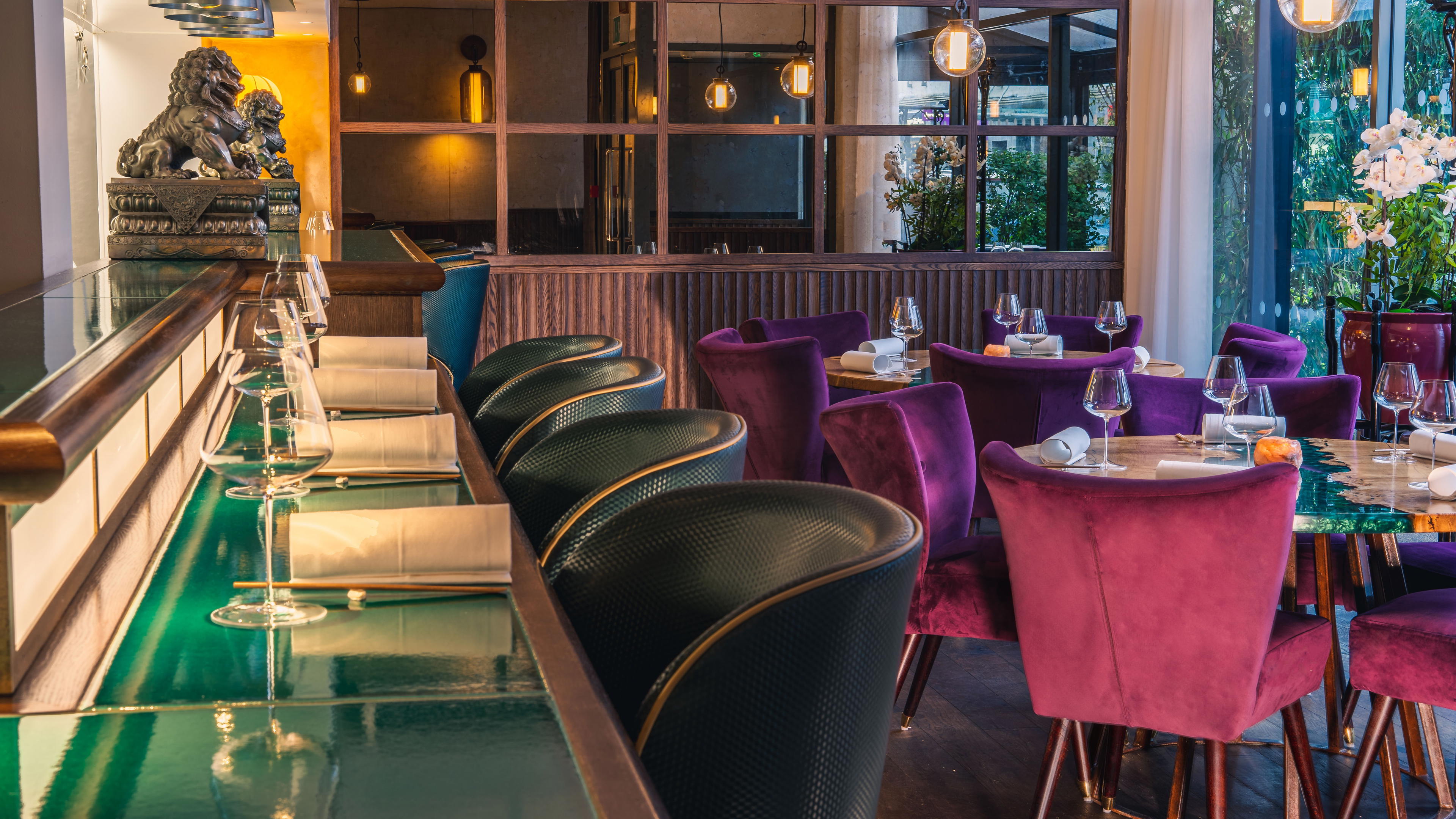
The physical environment on Walworth Road is shaped by the street itself: a long, mixed-use corridor with a working density that does not soften itself for evening trade. Restaurants here tend to be smaller in scale, more direct in their relationship to the pavement, and less invested in the insulation that higher-end rooms use to separate the dining experience from its surroundings. That is not a criticism. It is a format that creates a particular kind of atmosphere, one where the neighbourhood is present in the room rather than held at arm's length.
For practical planning, Walworth Road is served by multiple bus routes, with Elephant and Castle station (Northern and Bakerloo lines, as well as National Rail) providing the nearest underground access. The walk from the station to the restaurant is manageable on foot. Given the area's density of daytime activity, evening visits typically find the street quieter and more navigable than daytime arrivals.
South London in a Broader British Context
Tracking what Walworth Road produces over the next few years is a reasonable project for anyone interested in how London's dining geography continues to shift. The established destinations outside the capital, from Waterside Inn in Bray to Le Manoir aux Quat'Saisons in Oxford, Gidleigh Park in Chagford, and Midsummer House in Cambridge, all built their reputations over years, sometimes decades, before the wider recognition arrived. Regional restaurants like Opheem in Birmingham, Restaurant Andrew Fairlie in Auchterarder, and hide and fox in Saltwood similarly developed away from the capital's noise. And from a global perspective, fine-dining addresses like Le Bernardin in New York City and Hand and Flowers in Marlow demonstrate that serious cooking can take root wherever the kitchen has the conviction to hold a direction.
The same logic applies at the neighbourhood level. SE17 is not yet on the map in the way that some of London's more publicised postcodes are. That gap between what exists on the ground and what the broader conversation has caught up to is where restaurants like Lao Dao operate. Whether that gap closes depends on the consistency of what comes out of the kitchen over time, which is the only metric that ultimately counts.
Planning Your Visit
The restaurant is at 305 Walworth Rd, London SE17 2TG. Elephant and Castle station provides direct public transport access. For current opening hours and booking availability, direct contact with the venue is advised.
Cuisine and Awards Snapshot
Comparable venues nearby, for context on price, style, and recognition.
| Venue | Cuisine | Price | Notes |
|---|---|---|---|
| Lao DaoThis venue — the venue you are viewing | Authentic Xinjiang Chinese | $$ | Not listed |
| Meeting Noodles | Authentic Szechuan & Cantonese | $$ | Bloomsbury |
| BaoziInn | Modern Chinese Dim Sum & Baozi | $$ | Soho |
| Master Wei Hammersmith | Authentic Xi'an Noodles | $$ | Hammersmith Broadway |
| Four Seasons | Cantonese Roast Meats | $$ | Queensway |
| Sichuan Fry and Dumpling Shack | Sichuan Fried Chicken & Dumplings | $$ | London Fields |

At a Glance
- Cozy
- Rustic
- Trendy
- Casual Hangout
- Group Dining
- Family
- Open Kitchen
- Historic Building
Current opening hours
- Monday
- 5–11 PM
- Tuesday
- 5–11 PM
- Wednesday
- 5–11 PM
- Thursday
- 5–11 PM
- Friday
- 5–11 PM
- Saturday
- 12–11 PM
- Sunday
- 12–11 PM
Hours can change for holidays and private events. Last verified .
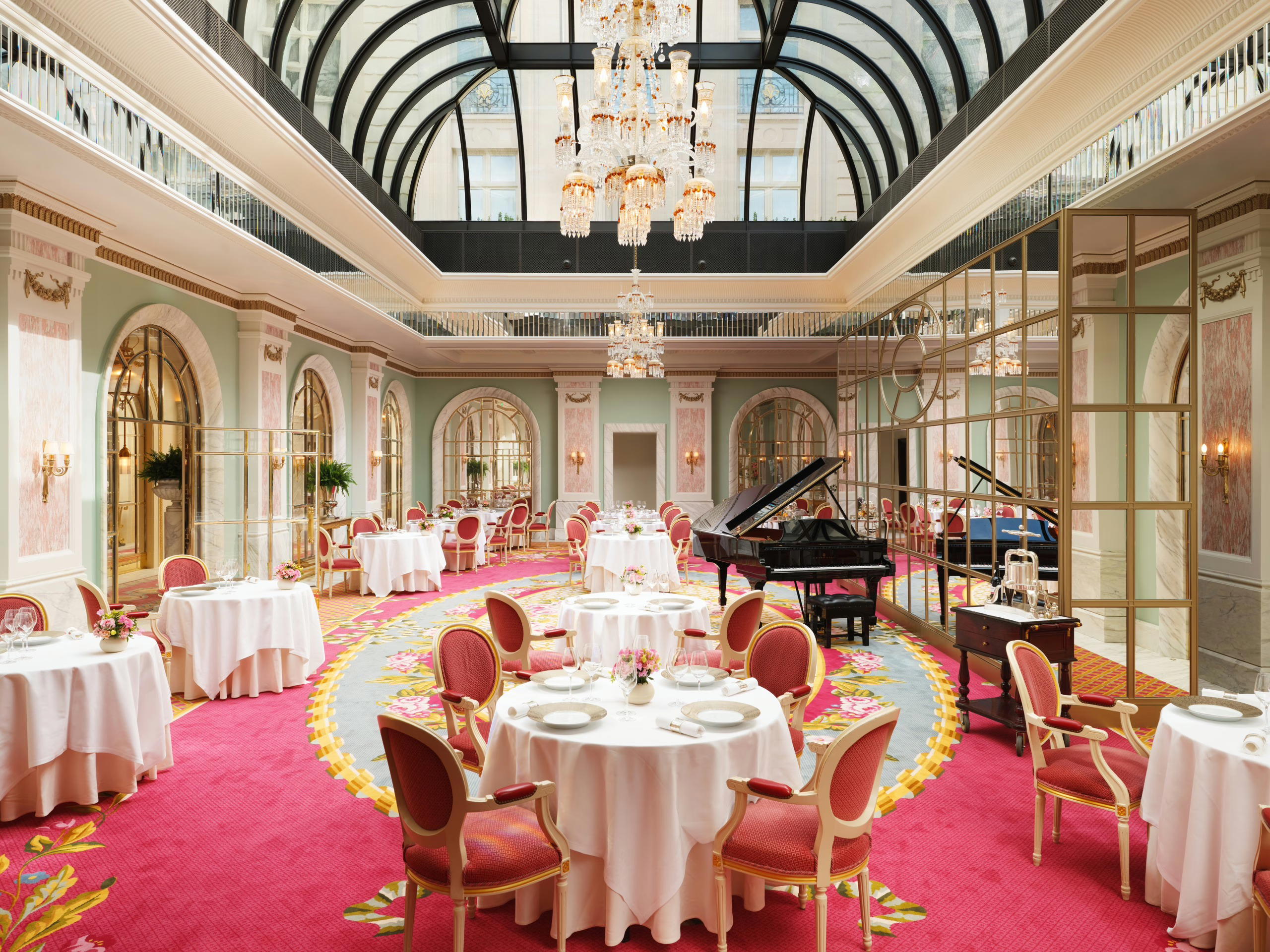
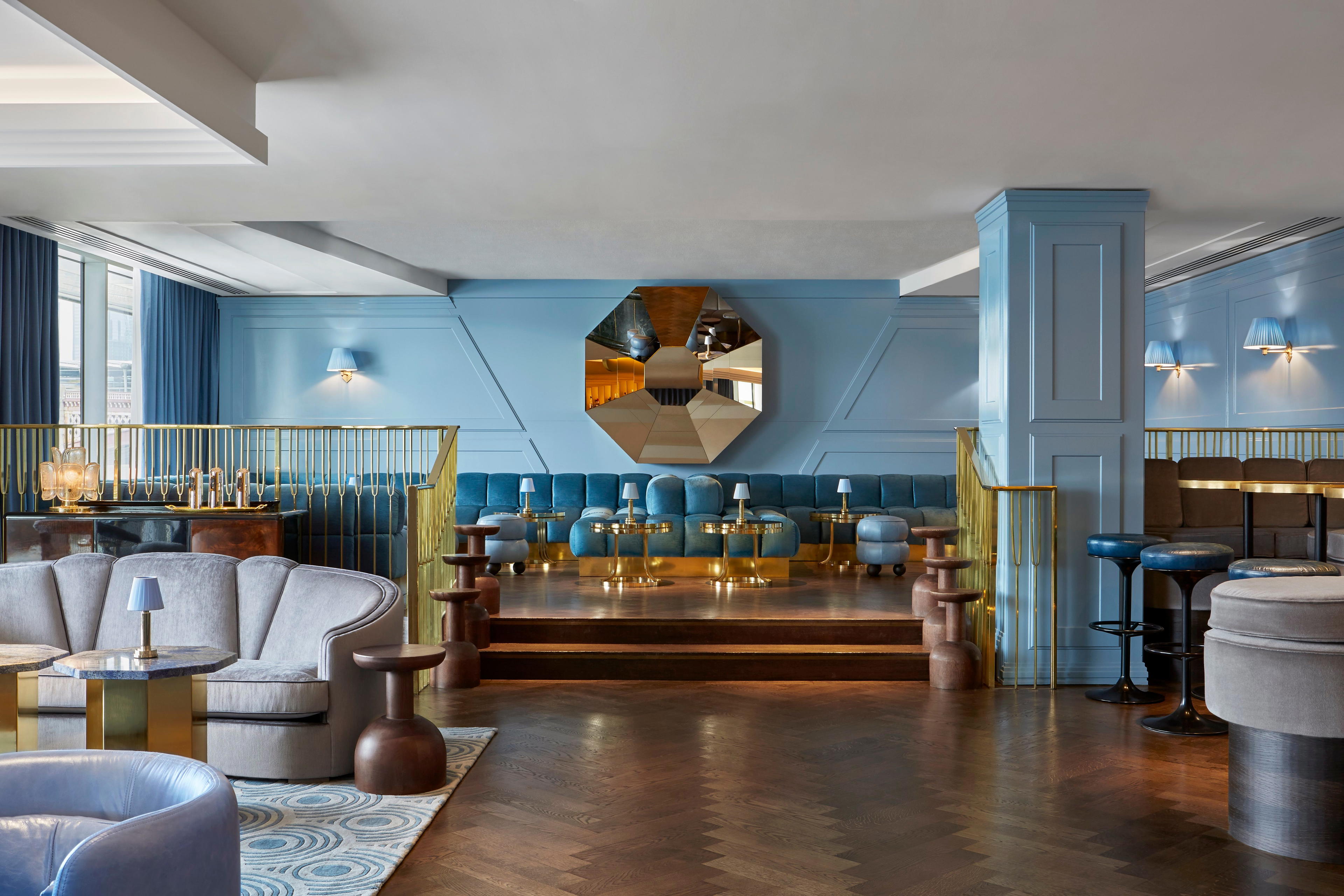
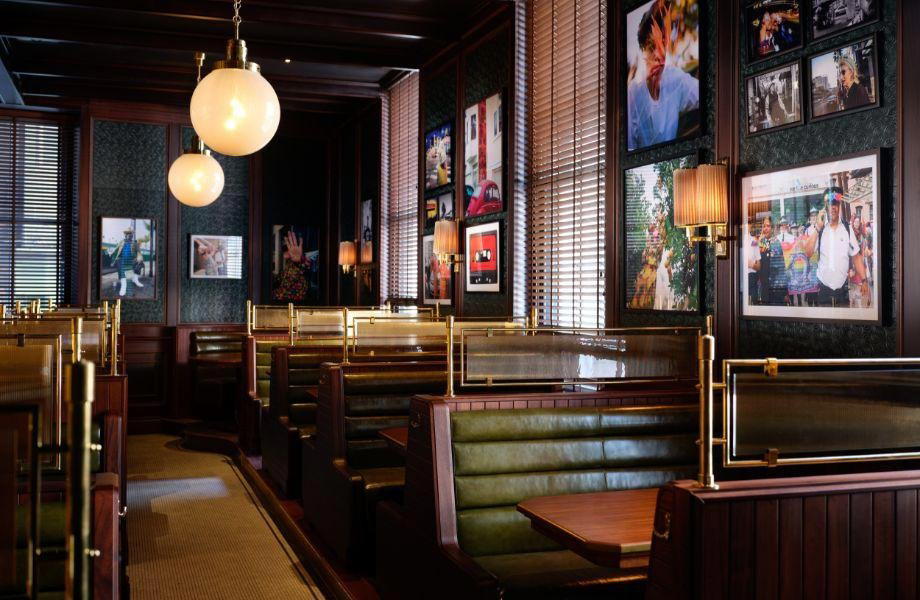
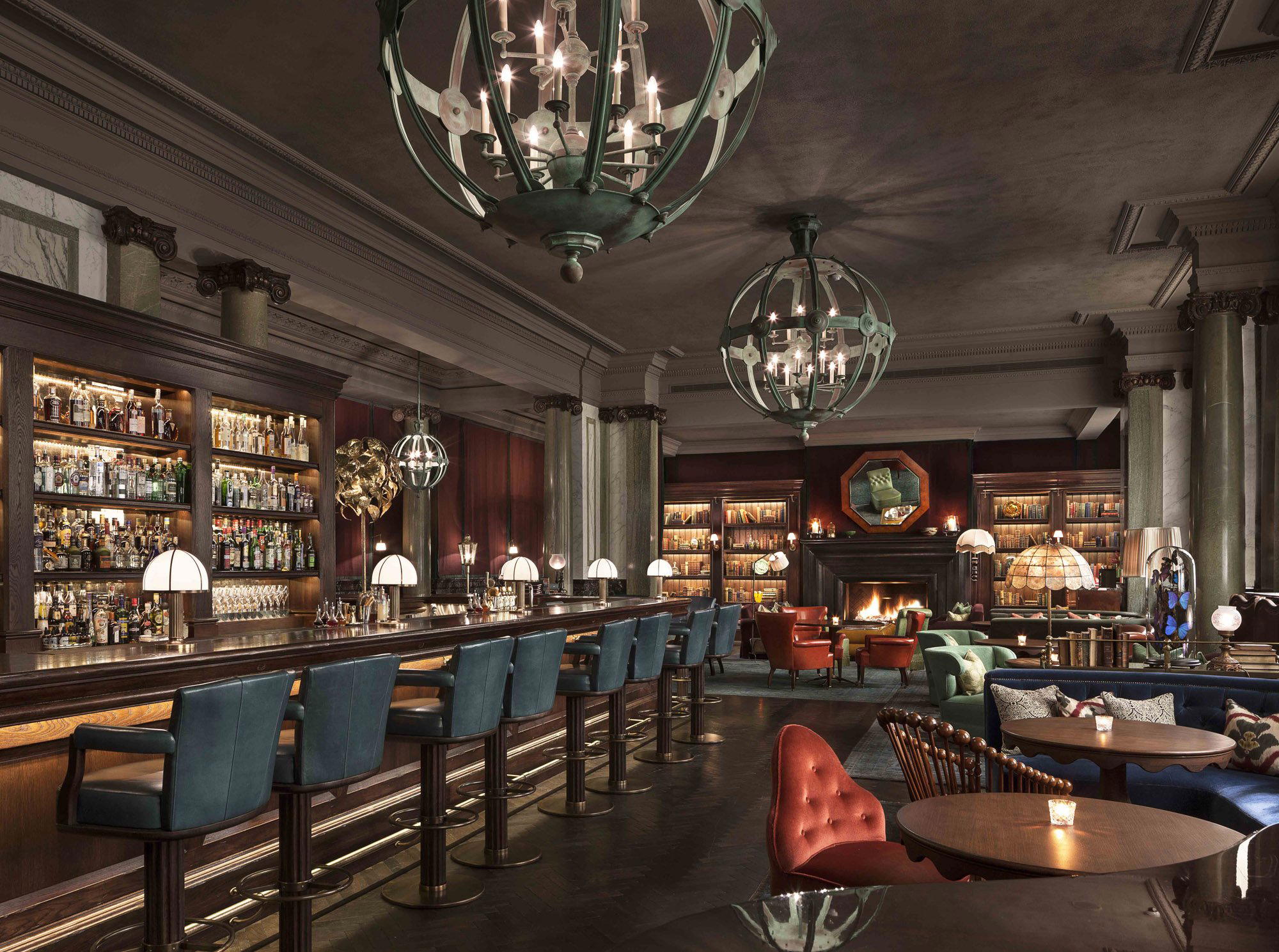
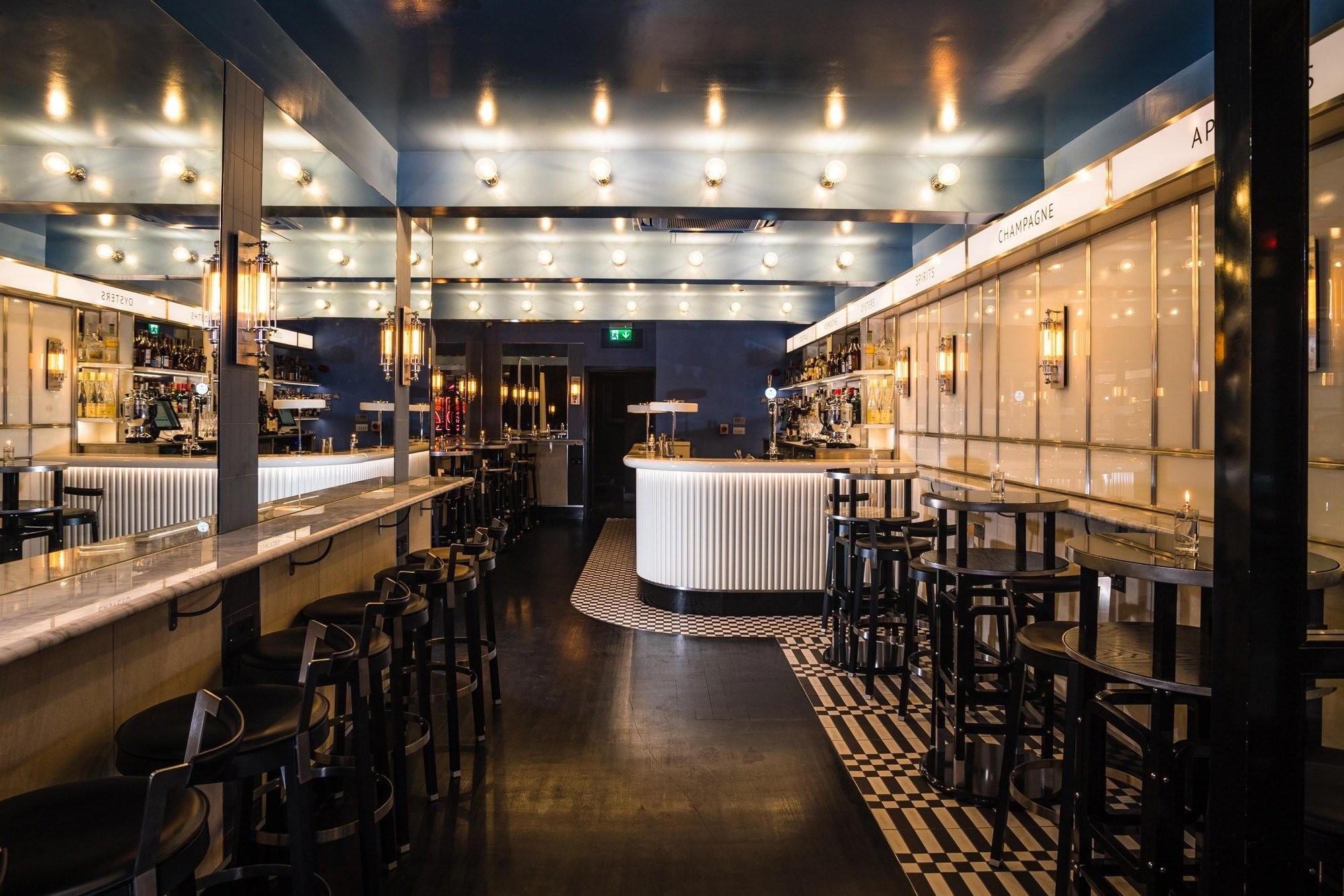
Homely with vintage wooden furniture, tiled walls, big mirrors, moody neon lights, and artsy vintage decor.