BaoziInn
On Romilly Street in the heart of Soho, BaoziInn delivers northern Chinese street food in a compact, no-frills room that reads as a deliberate counterpoint to the neighbourhood's louder dining offers. The format is built around steamed bao and hand-pulled noodles, with a price point that makes it one of Soho's more accessible Chinese options. Walk-ins at lunch and early dinner are typically easier than weekend evenings.
- Address
- 24 Romilly Street, London, W1D 5AH, United Kingdom
- Phone
- 020 7287 6877
- Website
- baoziinn.com
- Directions
- Get directions
Soho's Chinese Street Food Register
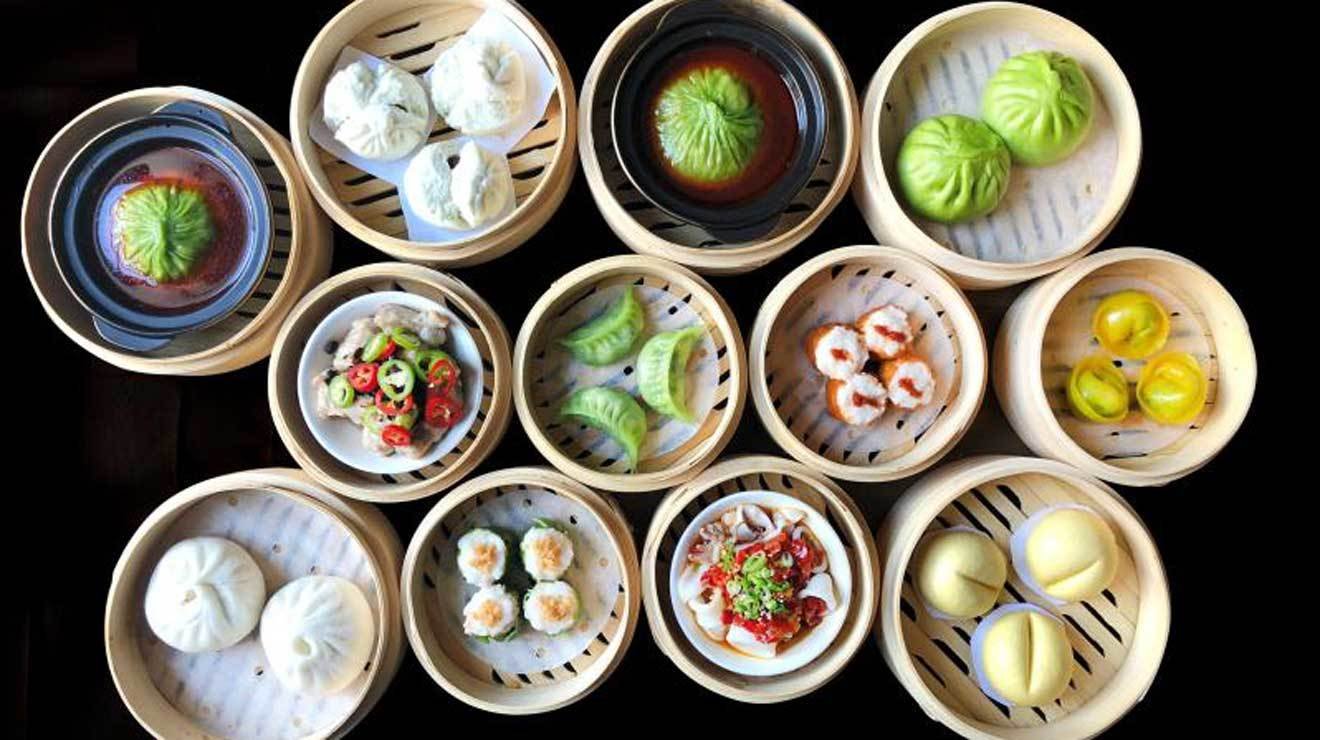
Soho has always maintained two parallel dining registers: the high-ticket destination restaurants drawing visitors from across the city, and the workaday neighbourhood spots that feed the people who actually live and work there. BaoziInn on Romilly Street is a casual Modern Chinese Dim Sum & Baozi restaurant in Soho, London, priced at about $25 per person. It belongs firmly to the second category, occupying a small room in the dense grid of streets that also contains some of London's more serious Chinese dining. That proximity matters. At one end of Soho's Chinese food spectrum sit the elaborate Cantonese seafood houses of Chinatown on Gerrard Street; at the other, quick-service noodle and dumpling counters like this one, where the northern Chinese street food tradition of steamed bao and hand-pulled noodles anchors the offer rather than decorating it.
London's broader Chinese restaurant scene has shifted considerably over the past decade. The long dominance of Cantonese cooking, cemented through decades of Hong Kong immigration, is now shared with a more geographically varied set of regional Chinese restaurants: Sichuan hotpot houses, Shanghainese soup dumpling specialists, and northern-style bao operations. BaoziInn sits in the northern Chinese tradition, where wheat rather than rice forms the base, and where the filled steamed bun carries the same cultural weight that a bowl of ramen does in Japanese street food contexts. That specificity of regional reference is worth naming, because it separates this category from the broader catch-all of "Chinese restaurant" that still appears on too many London listings.
Lunch Versus Dinner: A Different Room Each Time
The lunch and dinner divide matters more at a place like this than it would at a larger, table-service restaurant. At midday, BaoziInn functions as a working lunch spot for Soho's creative and media workers: fast turnover, natural light, a menu read in under two minutes. The economics of the lunch hour suit the format well. Steamed bao, noodles, and small plates move quickly, the room resets between covers, and the transaction is efficient without feeling transactional.
Evening service shifts the register modestly. The room itself doesn't change, but the pace does. Dinner in Soho carries different expectations than lunch, and at this price tier the dinner crowd tends to arrive with the understanding that this is a high-volume, low-ceremony format. That isn't a criticism; it's a description of a category that operates honestly within its own logic. What you trade against a long, multi-course dinner at somewhere like CORE by Clare Smyth or Sketch, The Lecture Room and Library in terms of ceremony and length, you recover in speed, informality, and a price point accessible to a much wider bracket of diner.
The value calculation is particularly clear in the context of London's current dining economy. Three-star Michelin addresses like Restaurant Gordon Ramsay and The Ledbury occupy a tier where a single dinner can cost as much as a return flight. BaoziInn is priced for repeat visits, which is precisely the point: the street food format is designed for frequency, not occasion.
The Northern Chinese Bao Tradition in London
Understanding what BaoziInn is selling requires a brief frame on the bao tradition itself. The baozi, the filled steamed bun from which the restaurant takes its name, is a staple of northern Chinese breakfasts and street markets, particularly associated with Beijing and the broader Hebei and Shandong regions. It differs from the Cantonese char siu bao that most London diners encountered first, both in the texture of the dough and the range of possible fillings. Where Cantonese bao tends toward sweet, glossy, and soft, northern-style steamed bao is plainer in surface appearance, with a chewier bite and fillings that run more savoury and sometimes pickled.
In London, this category has grown steadily over the past decade alongside broader awareness of Chinese regional cooking. The city now has enough examples across the northern Chinese spectrum, from hand-pulled noodle specialists to jianbing crepe counters, that a diner with some knowledge can start to map the regional distinctions rather than treating Chinese food as a single undifferentiated category. BaoziInn occupies a specific node in that map: accessible, central, and consistent with its regional reference point.
Romilly Street and the Soho Food Context
Romilly Street sits just south of Old Compton Street, in a block that has historically supported independent restaurants rather than chain operations. The street is close enough to Chinatown to benefit from the foot traffic and culinary reputation of that district without being directly inside it. For visitors arriving by Tube, Leicester Square and Tottenham Court Road are both within a short walk, making the address direct to reach from most parts of central London.
The broader Soho dining context is worth noting for the reader planning a longer day in the area. Soho functions as one of London's highest-density restaurant districts, where a meal at one price tier can be followed by drinks or dessert at another without moving more than a few streets.
The Fat Duck in Bray, L'Enclume in Cartmel, and Moor Hall in Aughton represent three of the strongest cases for travelling outside London to eat. Gidleigh Park in Chagford, Hand and Flowers in Marlow, and hide and fox in Saltwood round out a set of regional addresses worth planning a trip around. International comparison points for the tasting-menu format that BaoziInn explicitly is not include Le Bernardin in New York City and Atomix in New York City, both of which operate at the opposite extreme of formality and price. And for a broader view of London's hotel and winery scene, our full London hotels guide, our full London wineries guide,
Know Before You Go
- Address: 24 Romilly Street, London, W1D 5AH
- Nearest Tube: Leicester Square or Tottenham Court Road (both a short walk)
- Format: Casual, walk-in friendly, particularly at lunch and early evening
- Price tier: Among Soho's more accessible Chinese dining options
- Leading for: Quick weekday lunches, pre-theatre dinners, northern Chinese bao and noodles
- Booking: Reservations are recommended; casual dress is appropriate.
A Credentials Check
Comparable venues nearby, for context on price, style, and recognition.
| Venue | Cuisine | Price | Notes |
|---|---|---|---|
| BaoziInnThis venue — the venue you are viewing | Modern Chinese Dim Sum & Baozi | $$ | Not listed |
| Haozhan | Cantonese Dim Sum & Roast Meats | $$ | Chinatown |
| Canton Element | Authentic Cantonese Dim Sum | $$ | Holborn |
| Master Wei Hammersmith | Authentic Xi'an Noodles | $$ | Hammersmith Broadway |
| North China | Traditional Northern Chinese & Peking Style | $$ | Ealing Common |
| Singapore Garden | Singaporean & Malaysian Chinese | $$ | South Hampstead |
Continue exploring
More in London
Restaurants in London
Browse all →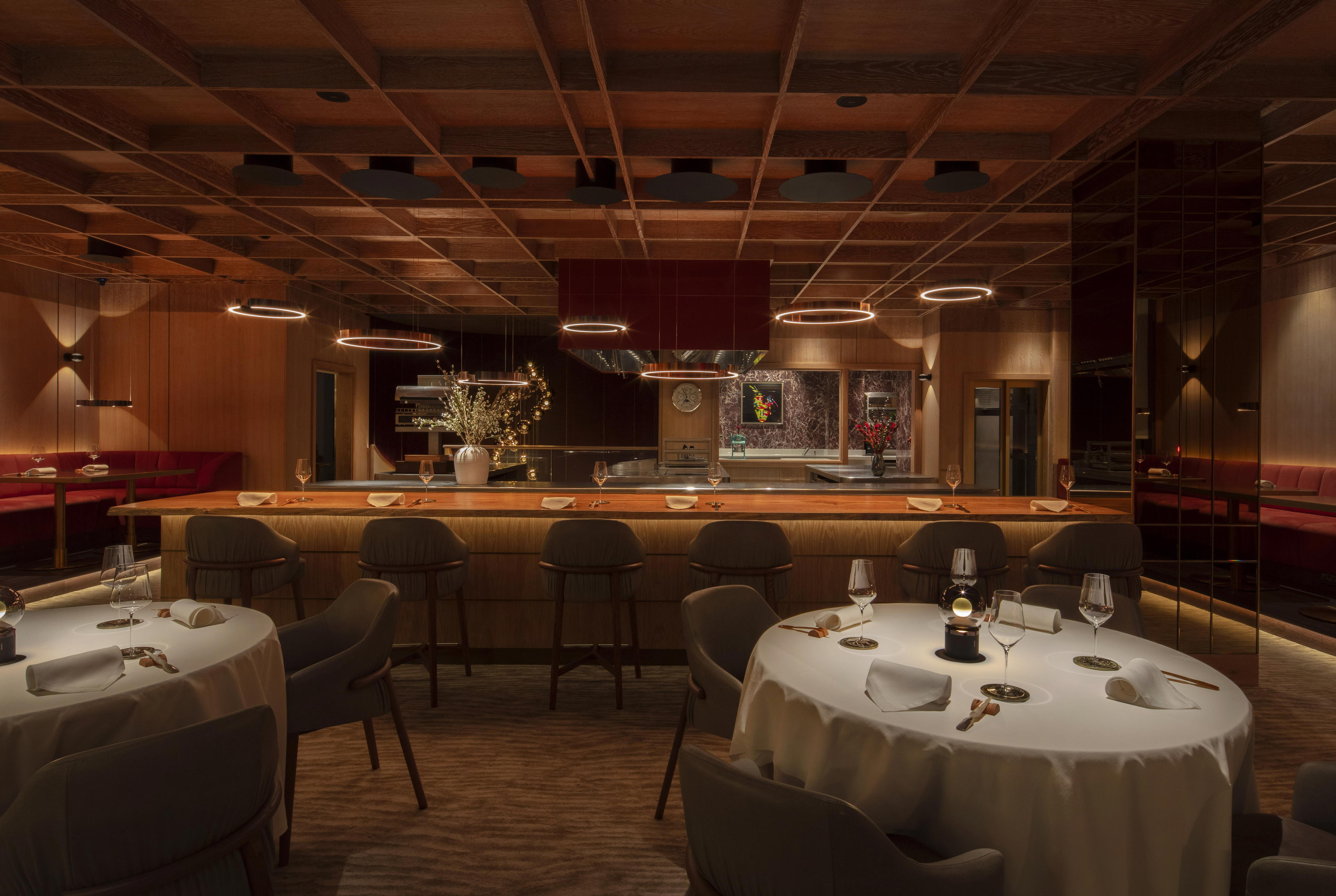
Bars in London
Browse all →
Hotels in London
Browse all →



At a Glance
- Cozy
- Trendy
- Casual Hangout
- Group Dining
- Open Kitchen
- Sake Program
Warm and cozy with a trendy, upmarket dim sum house feel across multiple floors.