L'Angeletto
L'Angeletto sits on 2nd Avenue in Manhattan's East Village, occupying a tier of Italian-leaning neighbourhood dining that rewards regulars over tourists. The address places it within a corridor of independent restaurants that have long operated outside the Michelin spotlight, serving as a counterpoint to the city's more decorated Italian tables. Booking details and full menu information are best confirmed directly with the venue.
Pearl is the En Primeur Club membership app — saves, bookings, and concierge access live there. Same editors, same standards.
- Address
- 327 2nd Ave, New York, NY 10003
- Phone
- +12122539600
- Website
- langeletto.com
- Directions
- Get directions
 Saves & bookings on Pearl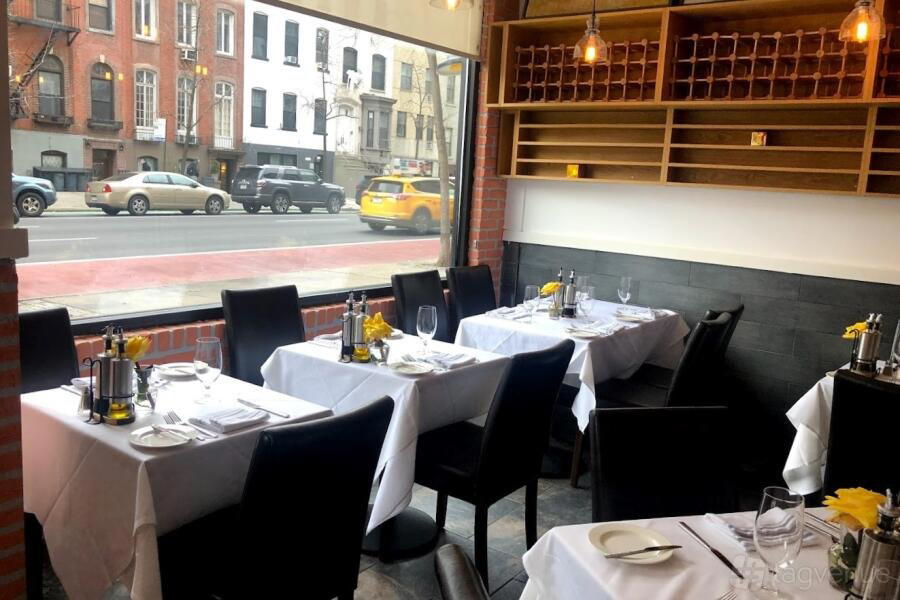
2nd Avenue, the East Village, and the Independent Italian Counter
Manhattan's Italian dining scene has always been stratified in ways that don't map neatly onto price or prestige. At one end sit the white-tablecloth institutions: places that trade in northern Italian classicism, long wine lists built around Barolo and Amarone, and prix-fixe formats that anchor a special-occasion calendar. At the other end, a denser tier of neighbourhood trattorias and osterie operate on repeat custom, closer relationships between kitchen and guest, and menus that shift with what's available rather than what's been printed in a glossy. L'Angeletto, at 327 2nd Avenue in the East Village, belongs to that second tier, a stretch of Manhattan that has historically housed independent Italian tables alongside the neighbourhood's broader mix of Dominican, Ukrainian, and South Asian food culture.
The East Village's culinary character has shifted over the past two decades. The Ukrainian and Eastern European presence along 2nd Avenue, which once defined the corridor between 14th Street and St. Mark's Place, has been gradually displaced by a more eclectic mix of operators. What remains consistent is the neighbourhood's preference for owner-operated rooms over group-backed concepts. This is the territory of places that have survived multiple economic cycles because they are woven into the fabric of the block rather than imported into it.
Where Local Ingredients Meet Imported Technique
Italian-American cooking in New York occupies a complicated middle ground. The leading versions of it are neither faithful reconstructions of regional Italian cuisine nor the red-sauce approximations that became shorthand for the category in the twentieth century. They are something genuinely hybrid: kitchens that apply Italian technique, the slow braise, the hand-rolled pasta, the agrodolce reduction, to whatever the Greenmarket or the Northeast's seasonal supply chain makes available. Hudson Valley duck, Long Island seafood, upstate dairy, Catskill foraged mushrooms: these are the raw materials that allow a New York Italian kitchen to be something more than a transatlantic copy.
This intersection of imported method and local product is where smaller neighbourhood restaurants frequently do their most interesting work, precisely because they're not under pressure to replicate a flagship. The same pattern shows up elsewhere in American fine dining: Blue Hill at Stone Barns in Tarrytown built an entire identity around sourcing from a working farm; Single Thread Farm in Healdsburg extends the logic to Japanese technique applied to Sonoma County produce. The approach scales down to neighbourhood rooms too, where the stakes are lower but the sourcing decisions are often more instinctive and less curated for press purposes.
For Italian-leaning kitchens specifically, the regional Italian canon provides a framework rather than a prescription. Dishes might observe the spirit of a Ligurian pasta or a Roman braised preparation without being bound by the geography of their origin. The result, when it works, is cooking that feels rooted without being nostalgic, which is the condition most New York neighbourhood restaurants are quietly trying to achieve.
Positioning in the New York Italian Field
New York's decorated Italian tables tend to cluster in Midtown, the Upper East Side, and, increasingly, in the West Village and SoHo. That geography matters because it tracks with expense account traffic and hotel proximity, two factors that sustain the leading price tier. Restaurants like Le Bernardin, though French in orientation, operate in the same Midtown ecosystem that rewards formality and consistent institutional quality. Further afield, programmes like Atomix and Jungsik New York demonstrate how non-European kitchens have claimed the upper bracket of the New York dining conversation over the past decade.
The East Village operates on different logic. Rent structures here have historically allowed smaller operators to survive without the volume or price point that Midtown demands. The neighbourhood's Italian contingent, a loose category of pasta-forward rooms, wine bars with kitchen programmes, and old-guard red-sauce holdouts, competes primarily on regularity of quality and strength of room character rather than on tasting-menu prestige. Comparable independent Italian operations in American cities offer a useful reference: Bacchanalia in Atlanta carved out a sustained reputation through consistent sourcing and seasonal discipline rather than awards accumulation. Emeril's in New Orleans and Lazy Bear in San Francisco each demonstrate how neighbourhood-anchored formats can sustain long-term relevance without Manhattan's institutional infrastructure.
Internationally, the Italian fine dining reference is harder to ignore. 8 1/2 Otto e Mezzo Bombana in Hong Kong and Alain Ducasse at Louis XV in Monte Carlo represent the formal apex of European technique applied to premium ingredients, a model that informs how Italian cooking gets read at the upper end globally. East Village neighbourhood rooms operate in conscious counterpoint to that formality, prioritising accessibility and repetition over ceremony.
Budget Reality Check
Comparable venues nearby, for context on price, style, and recognition.
| Venue | Cuisine | Price | Notes |
|---|---|---|---|
| L'AngelettoThis venue — the venue you are viewing | Gramercy, Northern Italian Pasta | $$$ | Not listed |
| Arno | Not listed | $$$ | Midtown-Times Square, Traditional Northern Italian |
| AperiBar | Not listed | $$$ | Midtown-Times Square, Italianesque Mediterranean |
| Chazz Palminteri Italian Restaurant | Not listed | $$$ | Midtown-Times Square, Traditional Italian Steakhouse |
| BOTTINO | Not listed | $$$ | Chelsea-Hudson Yards, Modern Tuscan Italian |
| All'Antico Vinaio | Not listed | $$$ | Hell's Kitchen, Tuscan Schiacciata Sandwiches |
Continue exploring
More in New York City
Restaurants in New York City
Browse all →
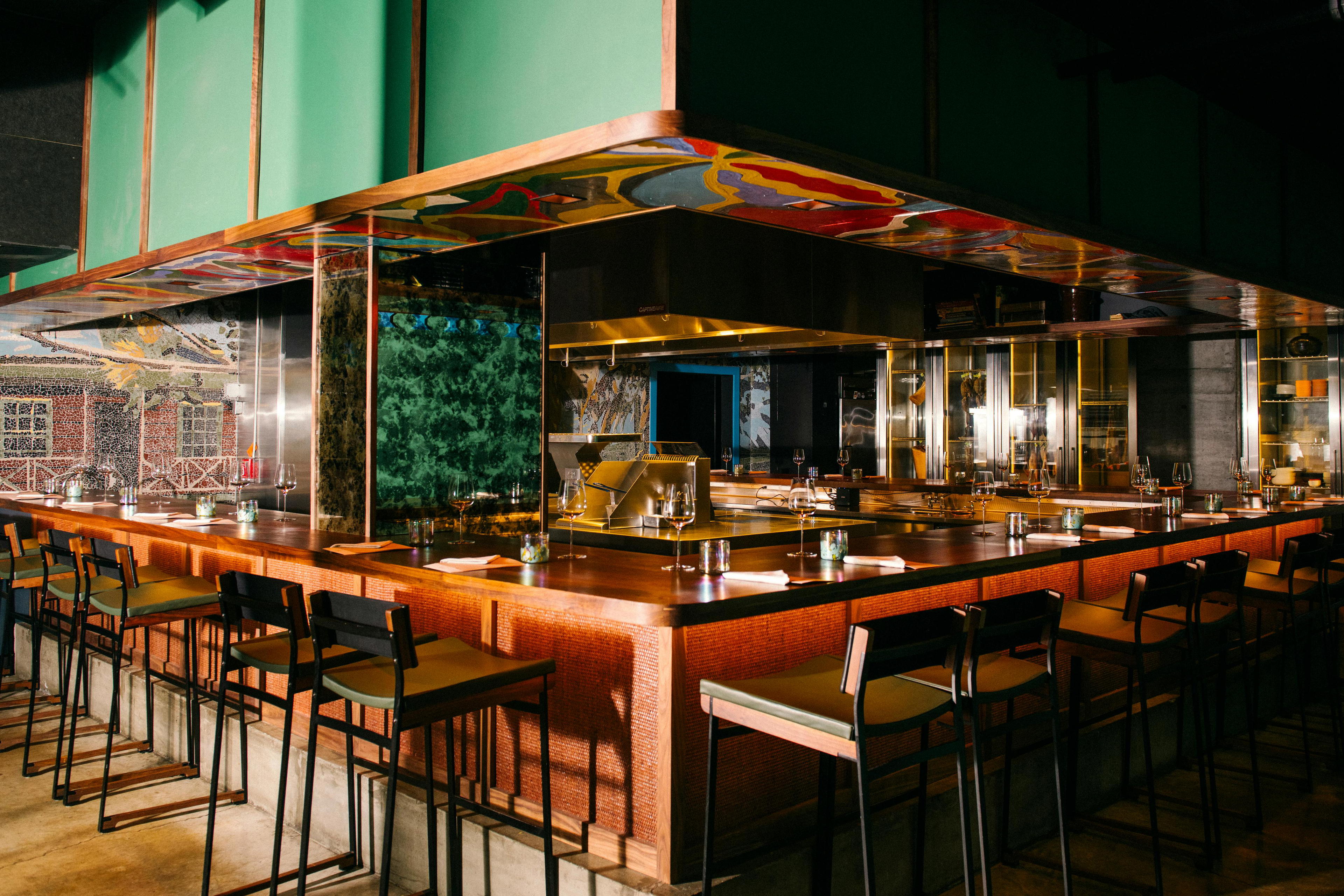

Bars in New York City
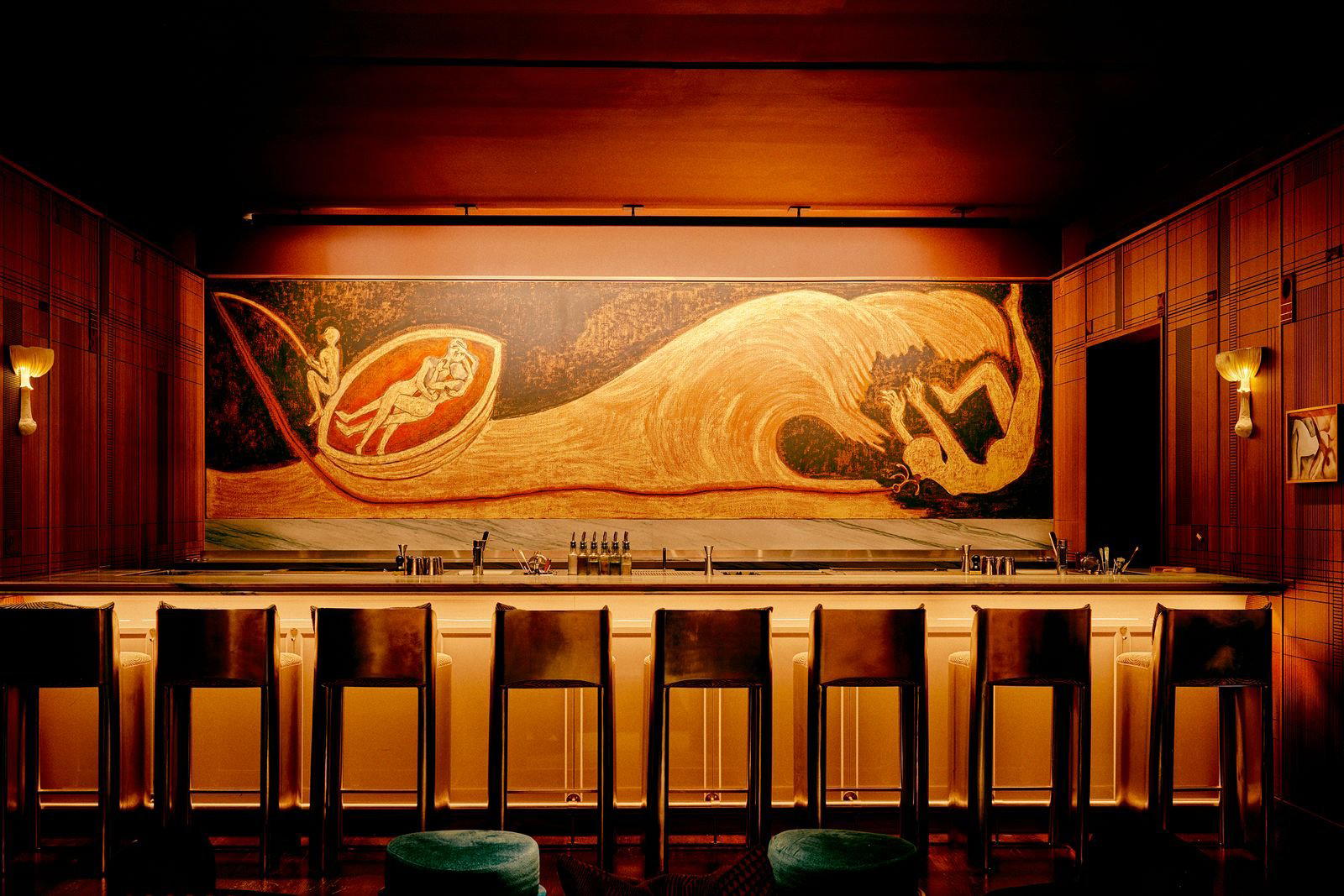
Browse all →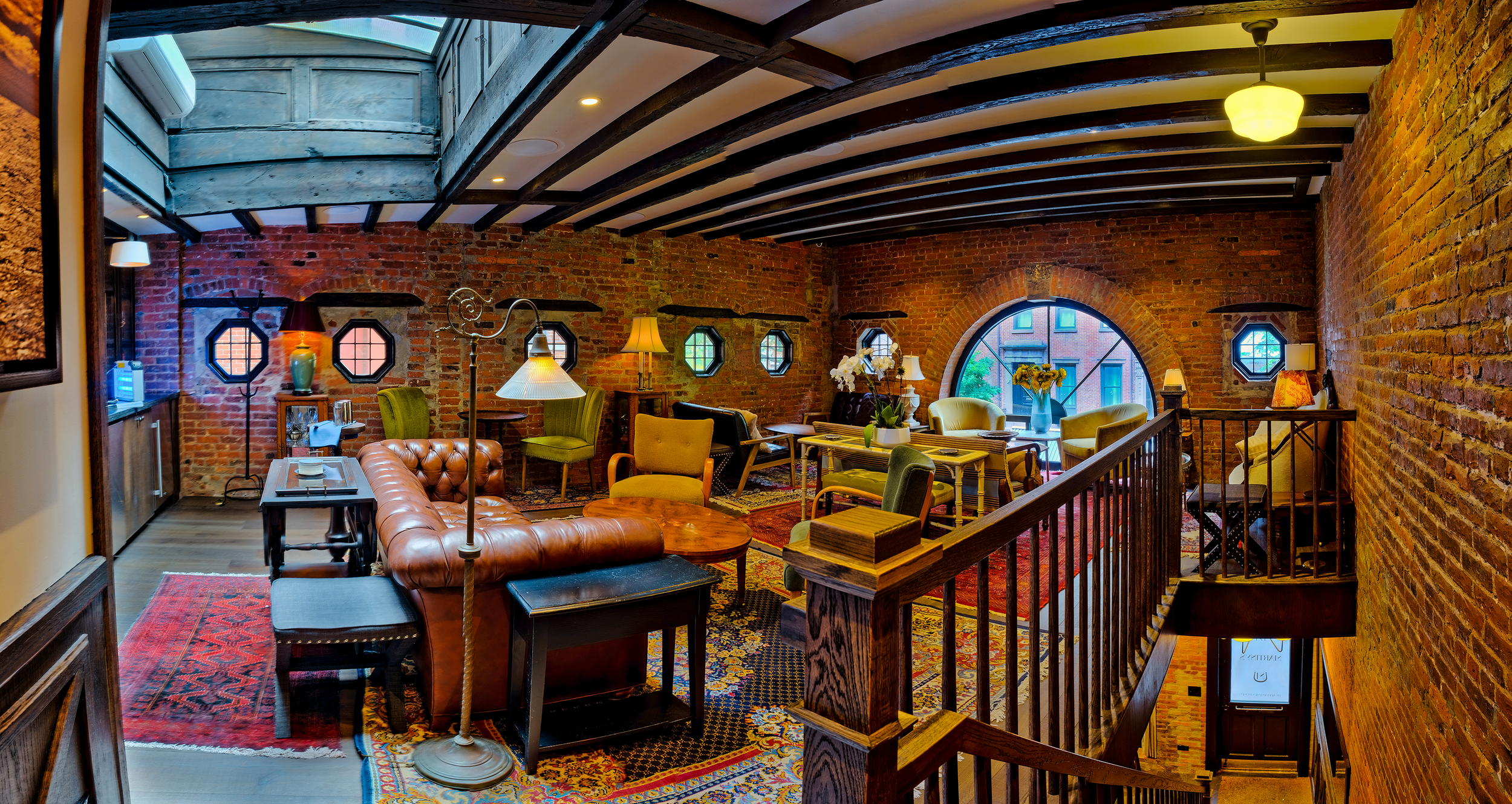
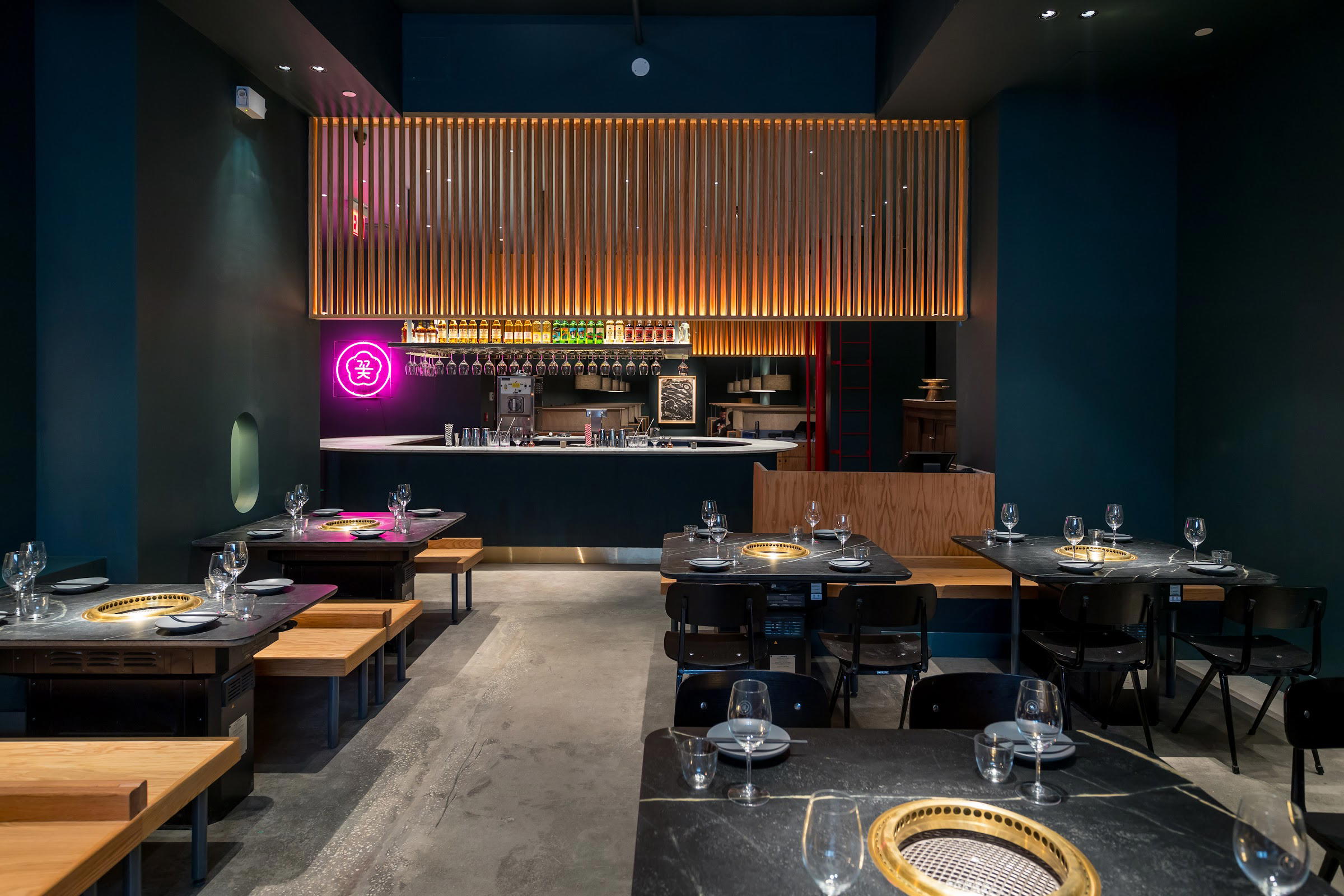

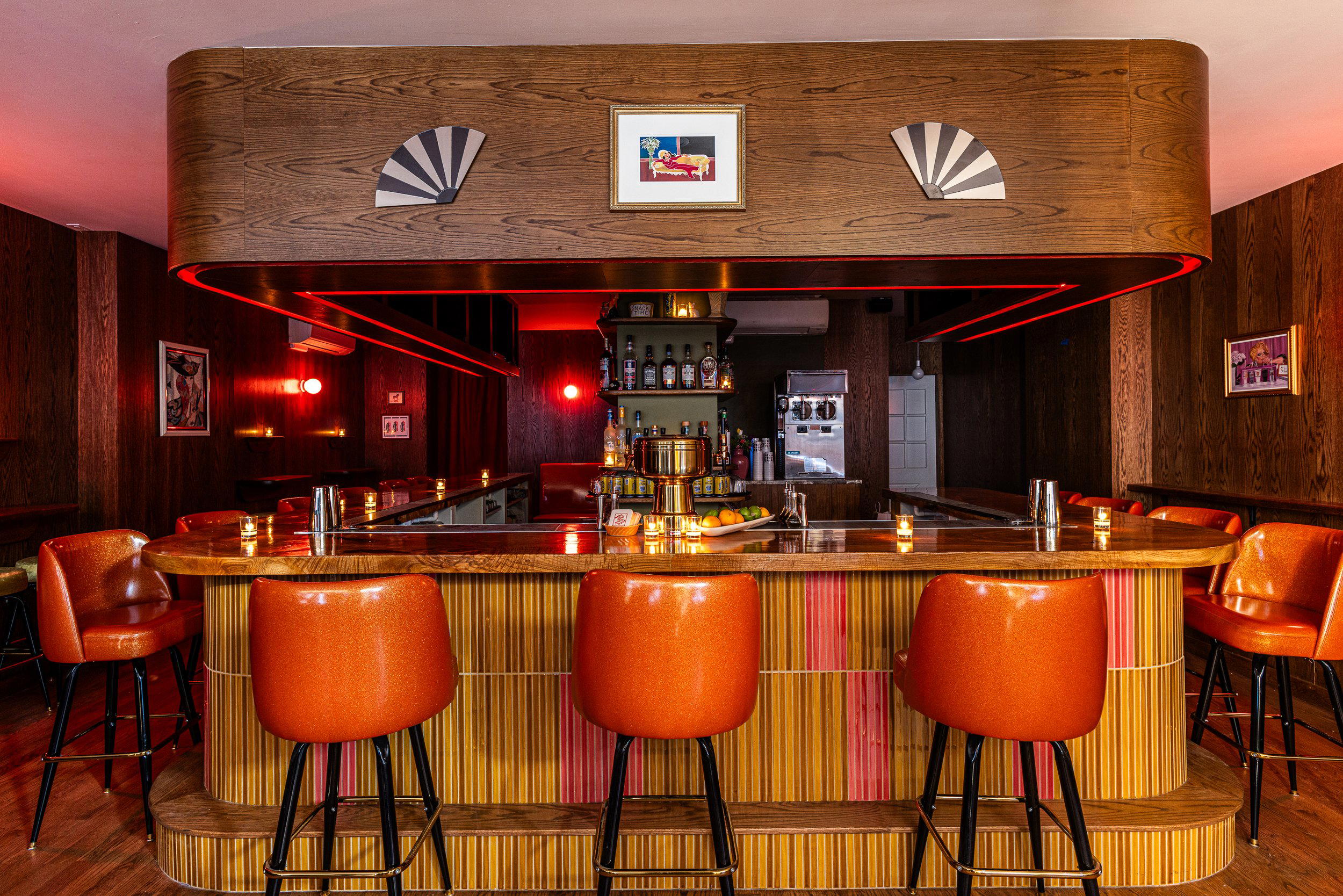
Hotels in New York City
Browse all →

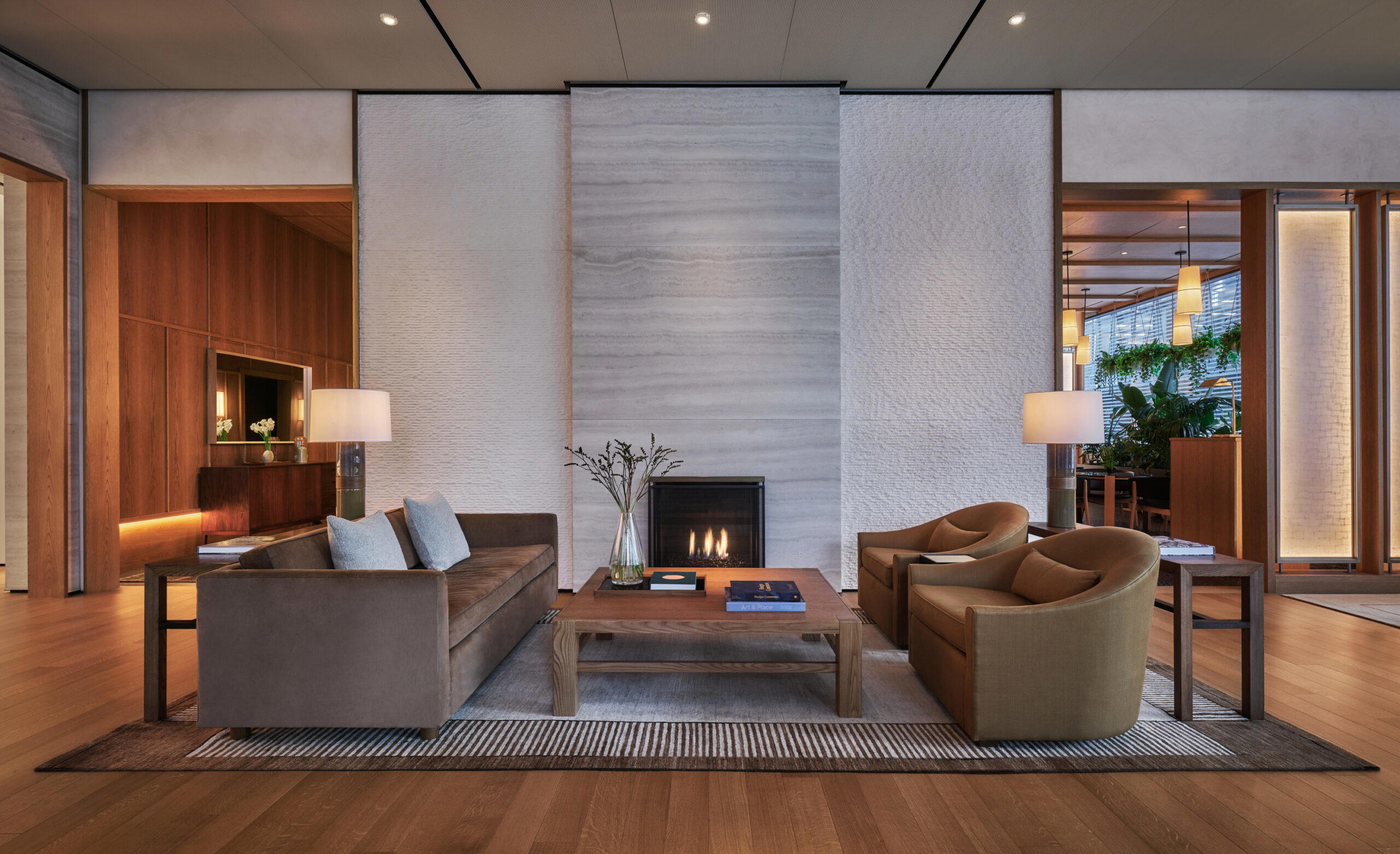
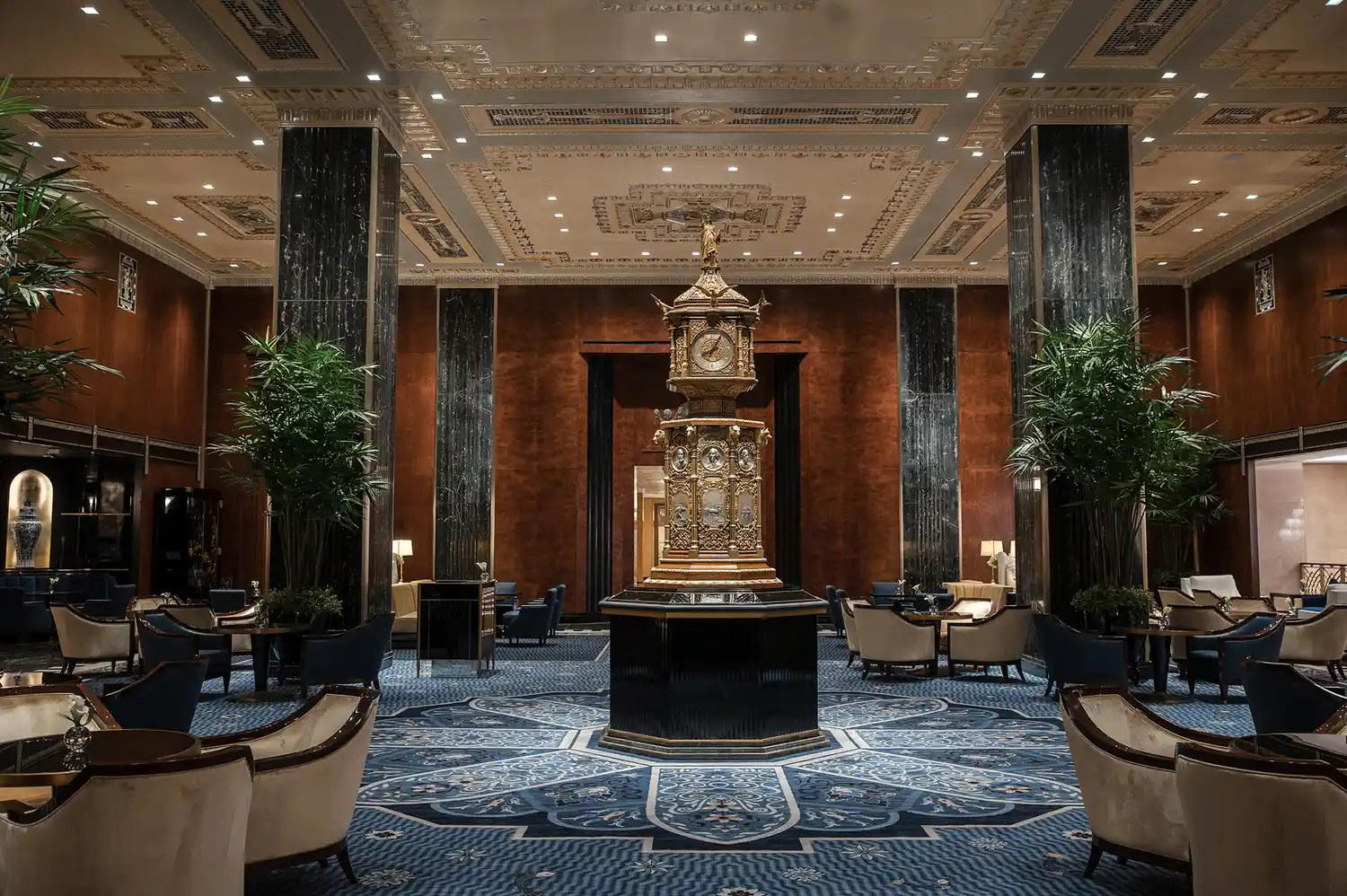






At a Glance
- Cozy
- Classic
- Intimate
- Date Night
- Special Occasion
- Private Dining
- Extensive Wine List
- Local Sourcing
Current opening hours
- Monday
- Closed
- Tuesday
- 4:30–10 PM
- Wednesday
- 4:30–10 PM
- Thursday
- 4:30–10 PM
- Friday
- 4:30–10 PM
- Saturday
- 11:30 AM–10 PM
- Sunday
- 11:30 AM–10 PM
Hours can change for holidays and private events. Last verified .
Cozy and homey with white tablecloths, brick walls, and a warm traditional Italian atmosphere.