Arno Ristorante has occupied its West 38th Street address in the Garment District for decades, holding ground as one of midtown Manhattan's steadier Italian tables. The room draws a mix of industry regulars and visitors who want substantive Italian cooking at a remove from the tourist circuits of Times Square, a few blocks west. It sits in a mid-market Italian tier that values consistency over spectacle.
Pearl is the En Primeur Club membership app — saves, bookings, and concierge access live there. Same editors, same standards.
- Address
- Arno Ristorante, 141 W 38th St, New York, NY 10018
- Phone
- +12129447420
- Website
- arnoristorante.com
- Directions
- Get directions
 Saves & bookings on Pearl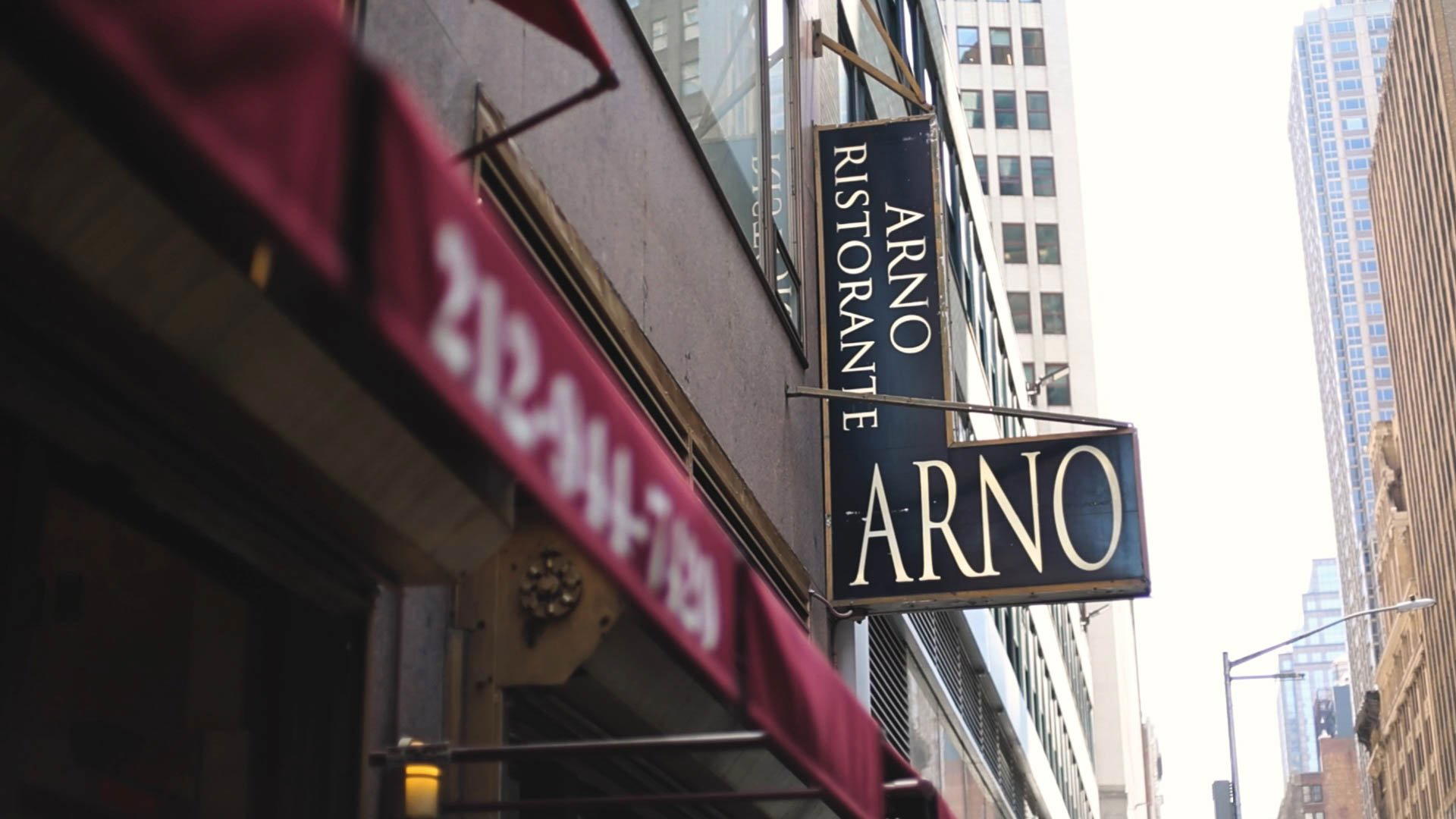
Italian Cooking in the Garment District: A Long View
Midtown Manhattan's dining map has shifted dramatically over the past two decades. The area around West 38th Street, deep in the Garment District, was never a destination for food in the way that the Flatiron or the West Village became. What it had, and still has, is a dense working population with money to spend at lunch and a preference for rooms that feel settled rather than scenographic. Into that context, Arno Ristorante has functioned for years as a reliable anchor: Italian, traditional in orientation, and positioned a comfortable distance from the tourist-facing restaurants that cluster near Times Square to the west.
That positioning matters more than it might seem. New York's Italian restaurant tier splits cleanly between two poles. At one end sit the $$$$ tasting-counter experiences, the kind of modern Italian cooking that appears in the same conversations as Le Bernardin and Eleven Madison Park. At the other end sits the red-sauce institution, often in outer boroughs, trading on nostalgia and volume. Arno occupies a middle register that has become harder to maintain in New York.
Where the Food Comes From: The Sourcing Logic of Traditional Italian Cooking
The ingredient-sourcing argument for traditional Italian cooking is direct and underappreciated. The cuisine was built around hyper-regional raw materials: specific cured meats, aged cheeses, particular olive oils, wines tied to their appellation. When a New York Italian restaurant commits to that sourcing ethos rather than approximating it with domestic substitutes, the difference registers most clearly in the pantry items: the quality of the prosciutto, the age and origin of the Parmigiano-Reggiano, the acidity profile of the San Marzano tomatoes. These are not theatrical gestures in the way that, say, Blue Hill at Stone Barns makes farm sourcing its central narrative. They are structural decisions that determine whether a dish reads as Italian or as an Italian impression.
This is the frame through which longer-running Italian rooms like Arno are most usefully assessed. The consistency of a bolognese or a vitello tonnato over years depends almost entirely on the reliability of the supply chain behind it. In the current environment, where ingredient costs have risen sharply and some specialty Italian imports have faced distribution disruptions, maintaining that sourcing discipline requires active management. Restaurants that have kept these relationships intact across decades carry an operational advantage that newer arrivals have to build from scratch.
The same logic applies to the wine program. Italian regional wines, particularly from less-trafficked appellations, reward a cellar with long supplier relationships. A room that has been ordering from the same Piemontese or Sicilian importers for a decade will have access to allocations and older vintages that a newer restaurant simply cannot replicate quickly. For context, operations like Frasca Food and Wine in Boulder have built significant reputations on exactly this kind of deep regional Italian wine commitment, and the principle holds regardless of geography.
The Garment District Table: What the Neighbourhood Demands
The Garment District imposes specific demands on any restaurant operating within it. Lunch service drives the economics in a way that is less true in residential neighbourhoods. The midday crowd is professional, often time-constrained, and expects a room that can turn tables without the meal feeling rushed. This is a different discipline from the evening pacing at the kind of destination counters that New York's most celebrated restaurants operate: the extended omakase rhythm of Masa, the ceremonial progression at Per Se, or the tasting-menu architecture at Atomix belong to a completely different operational universe.
What Arno has developed over its tenure on West 38th Street is legibility: a room and a menu that the neighbourhood understands and returns to, not because it surprises them, but because it delivers on a consistent set of expectations. In a city where novelty is aggressively supplied and restaurants with shorter track records continually compete for the same attention, consistency across years is a harder achievement than it is usually given credit for.
For visitors approaching from outside the neighbourhood, the practical calculus is different. The address is walkable from Penn Station and the main midtown hotel corridor, and it sits at a remove from the saturation of tourist-facing Italian chains near the Theater District. That alone makes it a more considered choice for travellers staying in the 30s and 40s who want Italian cooking that operates by Italian-restaurant logic rather than Times Square economics.
Italian Cooking in a National Context
Italian-American cooking has undergone a critical reappraisal in the United States over the past decade. Operations that once seemed like comfortable anachronisms have gained renewed attention as the farm-to-table movement matured and chefs began looking again at the sourcing rigour that underpins traditional regional Italian cuisine. The conversation that Single Thread Farm in Healdsburg has led around Japanese sourcing precision has a rough Italian parallel in how the better traditional Italian rooms approach their ingredient relationships.
Farther afield, the reference points are explicit. Dal Pescatore in Runate remains one of the clearest examples of what multi-generational Italian sourcing commitment looks like at the table, and Atelier Moessmer Norbert Niederkofler in Brunico has made Alpine ingredient provenance its entire editorial argument. American Italian cooking rarely reaches that level of sourcing specificity, but the better rooms in cities like New York, Chicago, and New Orleans have moved meaningfully in that direction. For comparison, Emeril's in New Orleans has long demonstrated how a restaurant can operate with regional sourcing logic even when its cuisine blends multiple traditions.
Comparison Snapshot
Comparable venues nearby, for context on price, style, and recognition.
| Venue | Cuisine | Price | Notes |
|---|---|---|---|
| ArnoThis venue — the venue you are viewing | Traditional Northern Italian | $$$ | Not listed |
| Osteria Morini | Northern Italian Emilia-Romagna Trattoria | $$$ | SoHo-Little Italy-Hudson Square |
| Casa D'Angelo New York | Traditional Neapolitan Italian | $$$ | SoHo-Little Italy-Hudson Square |
| Mariella | Modern Italian | $$$ | Park Slope |
| Audace | Modern Italian with Neapolitan Pizza | $$$ | Gramercy |
| Allegretto al Forno | Southern Italian Neapolitan Pizza & Small Plates | $$$ | Williamsburg |
Continue exploring
More in New York City
Restaurants in New York City
Browse all →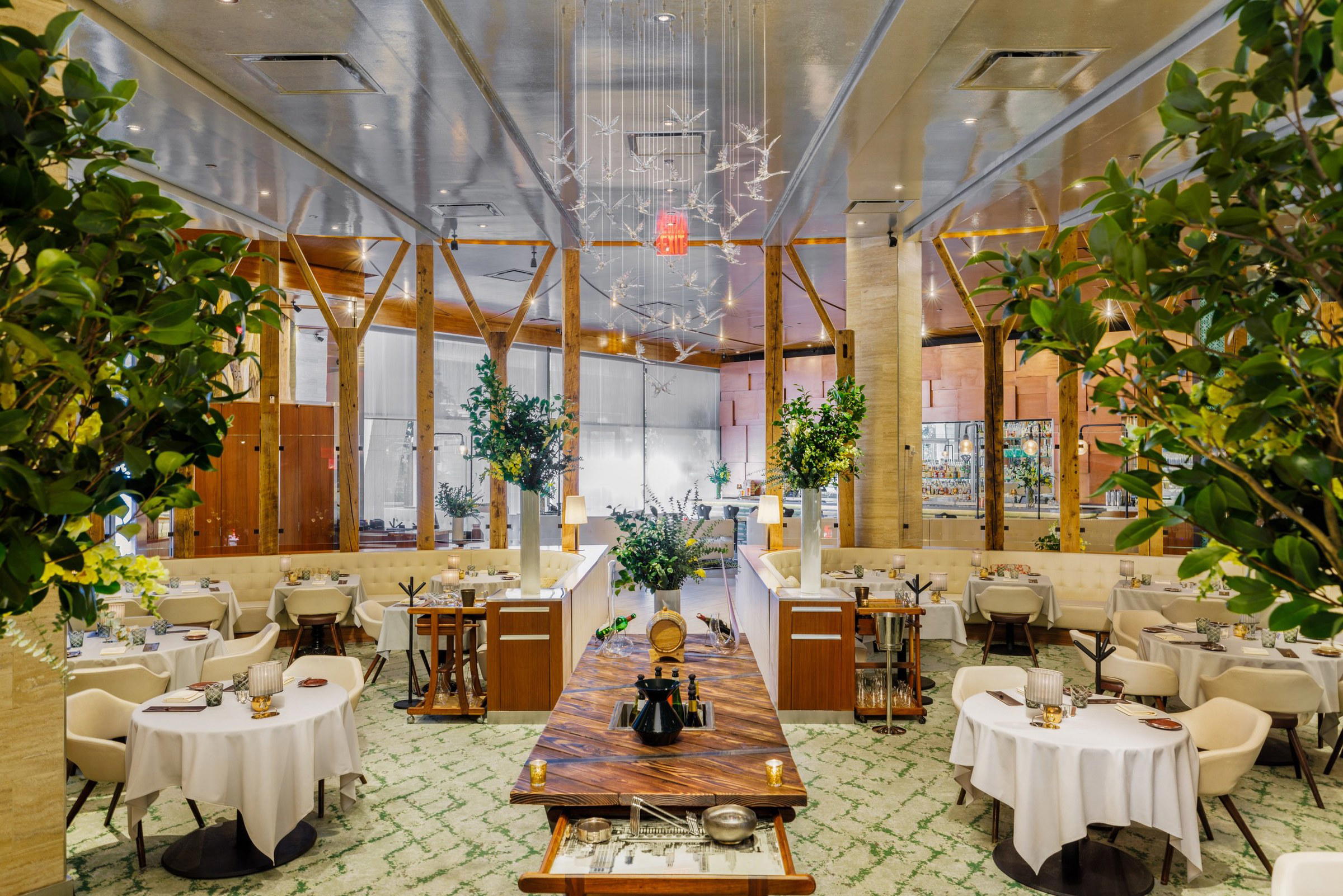
Bars in New York City
Browse all →

Hotels in New York City
Browse all →





At a Glance
- Classic
- Elegant
- Sophisticated
- Business Dinner
- Group Dining
- Special Occasion
- Private Dining
- Extensive Wine List
Current opening hours
- Monday
- 11:45 AM–10 PM
- Tuesday
- 11:45 AM–10 PM
- Wednesday
- 11:45 AM–10 PM
- Thursday
- 11:45 AM–10 PM
- Friday
- 11:45 AM–10 PM
- Saturday
- 4–10 PM
- Sunday
- Closed
Hours can change for holidays and private events. Last verified .
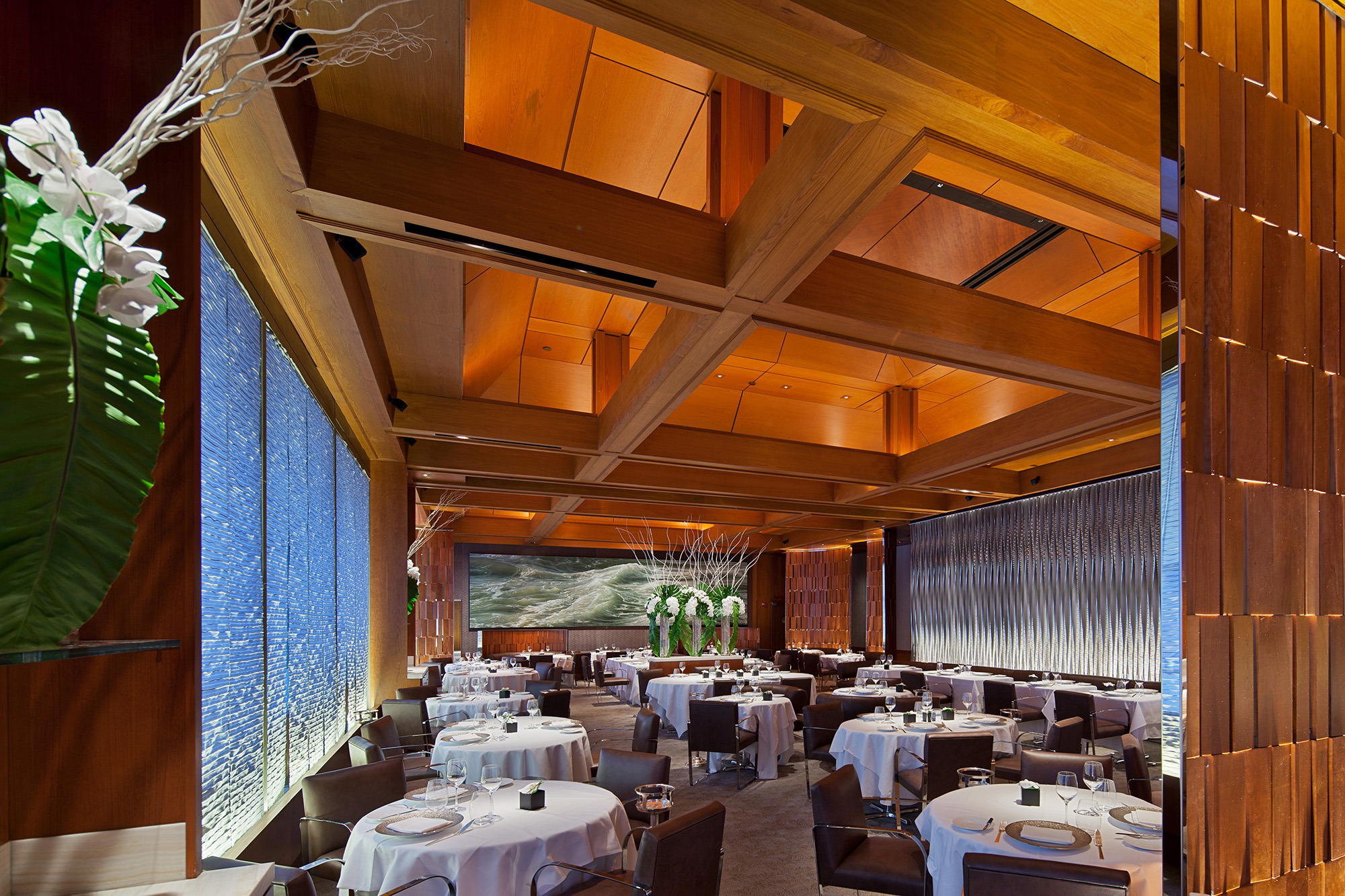
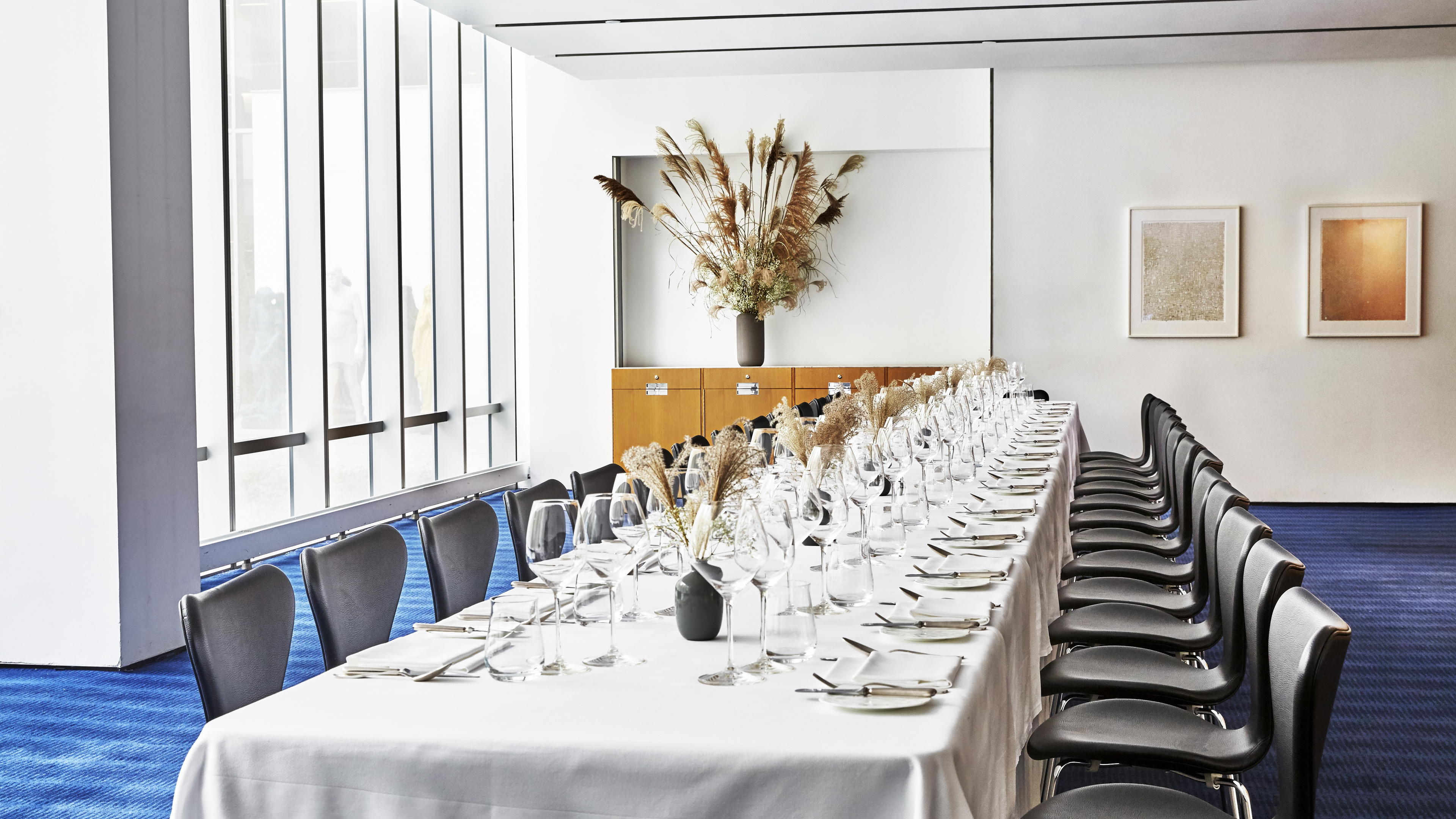
Traditional upscale setting with white tablecloths, floral etched-glass partitions, classic Italian paintings, and red-jacketed waiters creating a classic, comforting Italian atmosphere.