A rural Gasthaus in Voggenberg outside Bergheim, Landgasthaus Windinggut represents the quieter register of Austrian country dining: rooted in local agricultural tradition, removed from the Salzburg restaurant circuit, and operating at a pace defined by the surrounding landscape rather than kitchen ambition. For travellers willing to leave the city behind, it offers a window into how regional Austrian hospitality functions at its most grounded.
Pearl is the En Primeur Club membership app — saves, bookings, and concierge access live there. Same editors, same standards.
- Address
- Windingstraße 1, 5101 Voggenberg, Austria
- Phone
- +436643505610
- Website
- windinggut.at
- Directions
- Get directions
 Saves & bookings on Pearl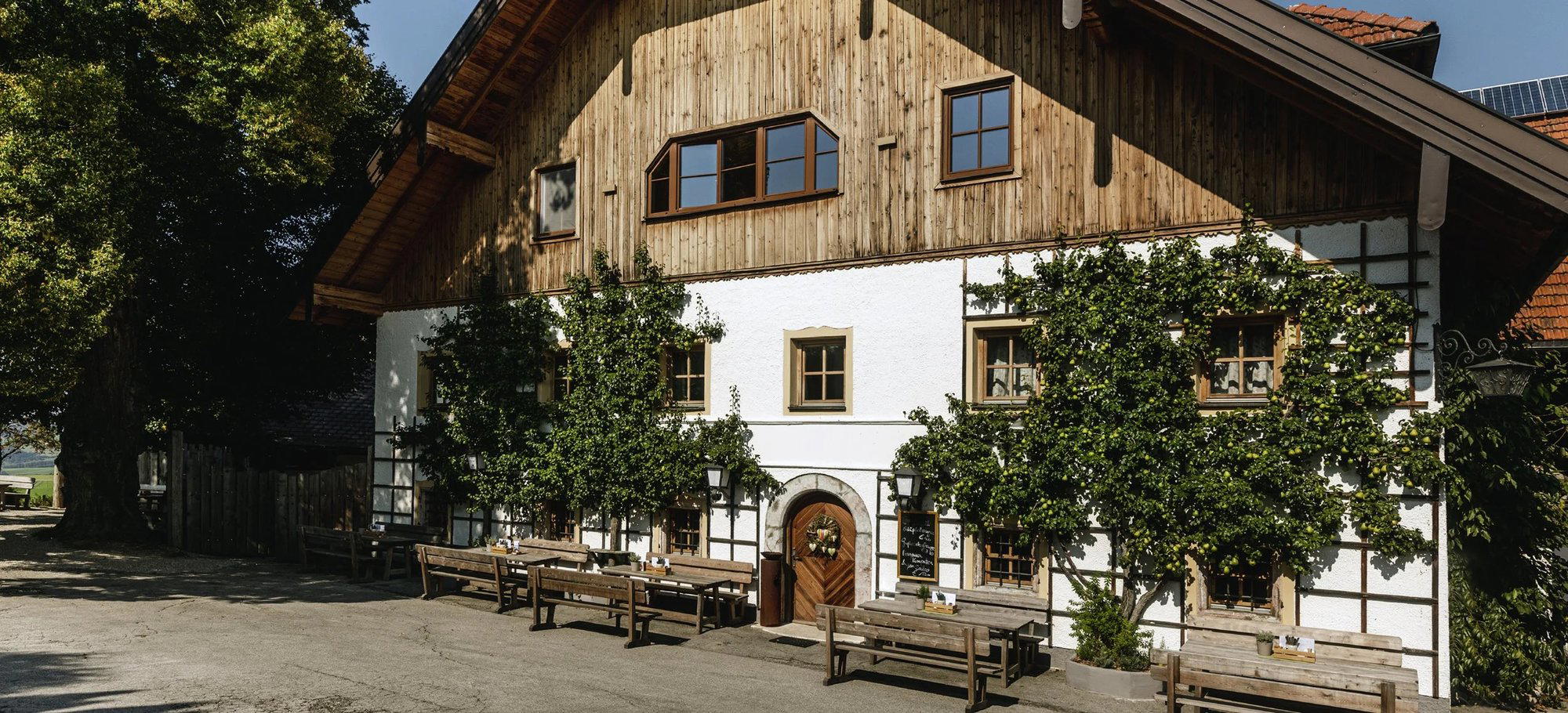
Where the Salzburg Hinterland Sets the Table
Landgasthaus Windinggut is a casual Traditional Austrian Country-Style restaurant in Voggenberg, Austria. Windingstraße climbs away from Bergheim's main approaches through agricultural land that supplies much of Salzburg's regional kitchen, pasture, orchard, and root-vegetable plots that have defined the cooking of this corridor for generations. It is the kind of approach that puts the rural Gasthaus tradition in its proper frame before you have even arrived: this is not destination dining engineered for weekend visitors, but a form of hospitality that grew from the land it sits on.
That distinction matters in a regional context where Austrian country dining increasingly splits between two poles. On one side, places like Döllerer in Golling an der Salzach and Obauer in Werfen have built international reputations from rural addresses, translating local ingredient culture into technically ambitious tasting menus that compete at the highest tier of Austrian fine dining. On the other side, a quieter cohort of Gasthäuser operates closer to the original model: seasonal produce, direct supplier relationships, cooking that does not require explanation. Landgasthaus Windinggut sits in that second register.
Ingredient Sourcing as the Defining Logic
In Salzburgerland, the geography does a significant amount of the sourcing work. The region's short growing season pushes kitchens toward discipline: what comes from local farms in a given week shapes the menu, rather than the other way around. This is a different operating logic from the urban restaurant, where a kitchen can import consistency. A rural Gasthaus at an address like Windingstraße 1 is working within a network of local producers, dairy farmers, market gardeners, small-scale meat suppliers, whose output sets the parameters.
That sourcing model is not distinctive to this address. It defines a broad tradition of Austrian country cooking that runs from the Pinzgau valley through the Flachgau plain and into the hills around Bergheim. What distinguishes Gasthäuser that take it seriously is a willingness to let the season show in the dish rather than smooth it out. The Austrian kitchen at this tier tends toward preparations that make the ingredient legible: cured meats, slow-braised cuts, dairy-forward sauces, vegetable preparations that draw on preservation traditions developed before refrigeration changed the calculus. For travellers who have eaten their way through the more technically oriented rooms, Ikarus in Salzburg or the creative register of Steirereck im Stadtpark in Vienna, the rural Gasthaus offers a useful counterpoint: less intervention, more provenance.
Bergheim in the Broader Austrian Dining Circuit
Bergheim itself sits just north of Salzburg city, close enough for a direct drive but sufficiently removed to operate on its own terms. The town does not carry the restaurant density of Salzburg proper, which is part of its character as a base for dining that leans toward the agricultural rather than the performative. Animus represents one expression of Bergheim's dining identity; a Gasthaus like Windinggut represents another, older one. Together they reflect a small-town dynamic that Austria does particularly well: the coexistence of contemporary ambition and rooted tradition within a few kilometres of each other.
The broader Salzburg region has produced some of Austria's most closely watched restaurants over the past two decades. Kräuterreich by Vitus Winkler in Sankt Veit im Pongau has built a reputation around herb-forward cooking that draws heavily on mountain terroir. Landhaus Bacher in Mautern an der Donau and Taubenkobel in Schützen am Gebirge have anchored the classic-cuisine end of Austrian country dining for a different audience. Against that wider map, a Voggenberg Gasthaus occupies one local and least exported tier, the kind of place that feeds the area rather than draws visitors to it, which is not a diminishment but a different form of value.
For those extending their Austrian itinerary into the alpine west, the tier above this in technical ambition includes Gourmetrestaurant Tannenhof in Sankt Anton am Arlberg, Griggeler Stuba in Lech, and Stüva in Ischgl, mountain dining rooms where local sourcing meets alpine-resort format. Further afield, Schwarzer Adler in Hall in Tirol, Ois in Neufelden, and Restaurant 141 by Joachim Jaud in Mieming each represent a distinct expression of Austrian regional cooking, while Artis in Graz shows how the Styrian tradition plays out in an urban register. For context from beyond Austria's borders entirely, the sourcing rigour visible at the summit of the Austrian dining circuit is not unlike what drives the leading produce-forward rooms internationally, the logic that made Le Bernardin in New York City a reference point for ingredient-led cooking, or the precision discipline behind Atomix in New York City. The scale is vastly different, but the underlying argument, that sourcing precedes technique, is the same.
Planning a Visit
Landgasthaus Windinggut is at Windingstraße 1, 5101 Voggenberg, a short drive from central Bergheim and reachable from Salzburg city in under thirty minutes by car. As a rural Gasthaus rather than a destination fine-dining room, it operates on a different planning logic from the tasting-menu restaurants of the region: walk-in may be viable in quieter periods, though calling ahead is advisable given limited seating typical of this format. Hours and reservations should be checked directly with the venue before visiting.
How It Stacks Up
Comparable venues nearby, for context on price, style, and recognition.
| Venue | Cuisine | Price | Notes |
|---|---|---|---|
| Landgasthaus WindinggutThis venue — the venue you are viewing | Traditional Austrian Country-Style | $$ | Not listed |
| Das Gablerbräu | Traditional Austrian Wirtshaus | $$ | Rechte Altstadt |
| Herzlstubn | Authentic Austrian Cuisine | $$ | Saalbach-Hinterglemm |
| Pension Astlhof | Traditional Austrian & Styrian | $$ | Schladming-Vorberg |
| Seidlalm | Traditional Tyrolean Austrian | $$ | Ried |
| Gasthof Süss | Traditional Austrian Mühlviertel Cuisine | $$ | Oberkappel |
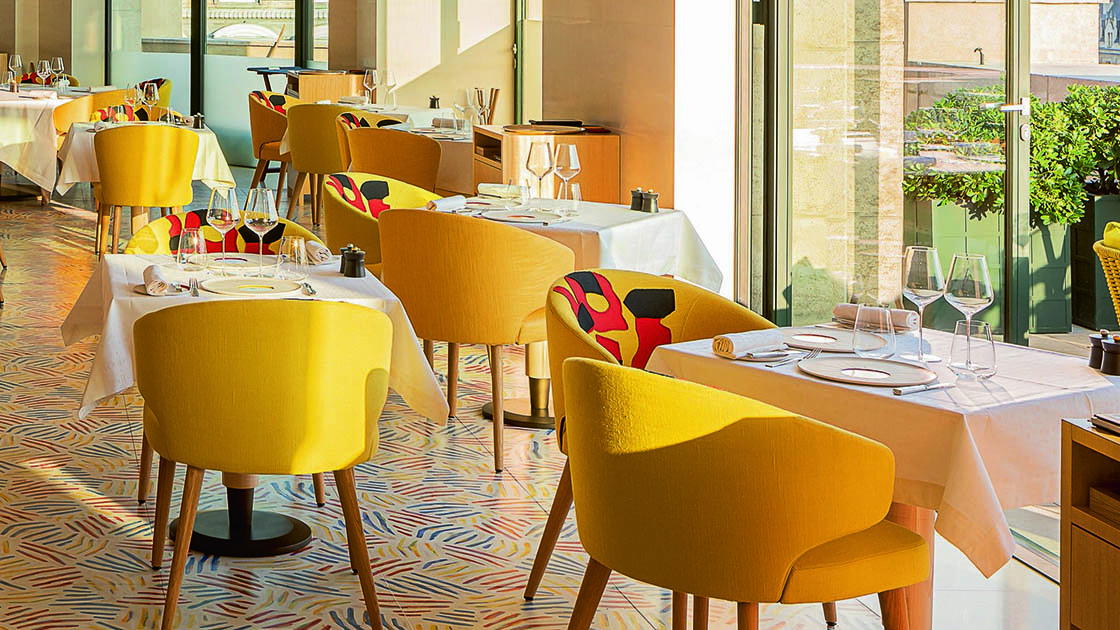
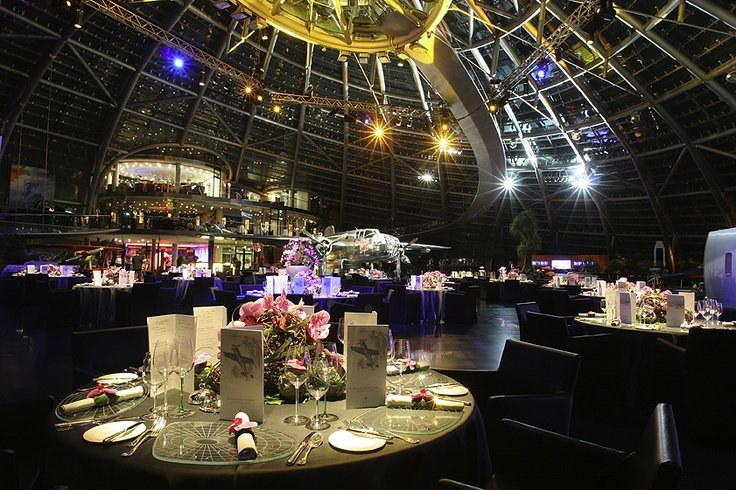
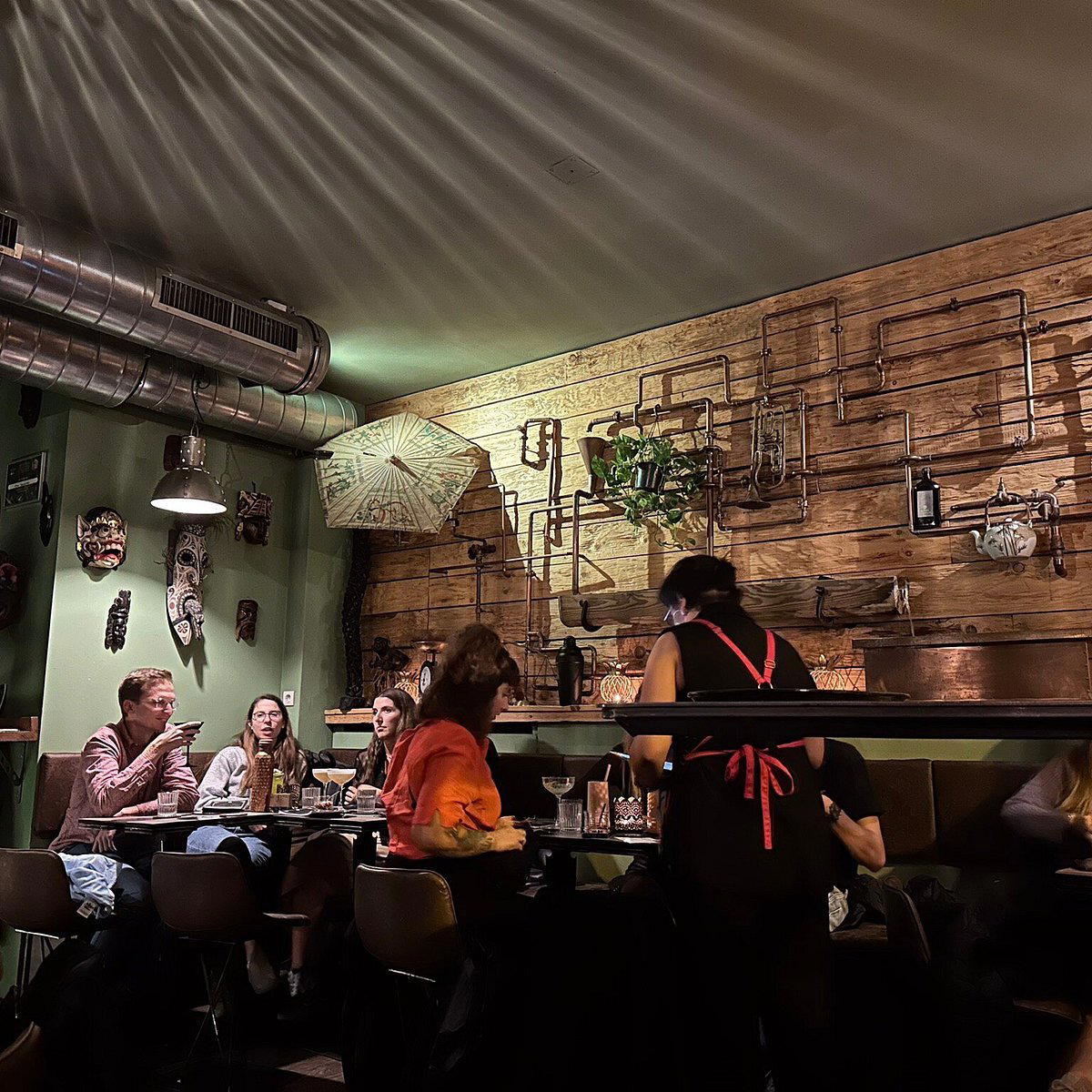
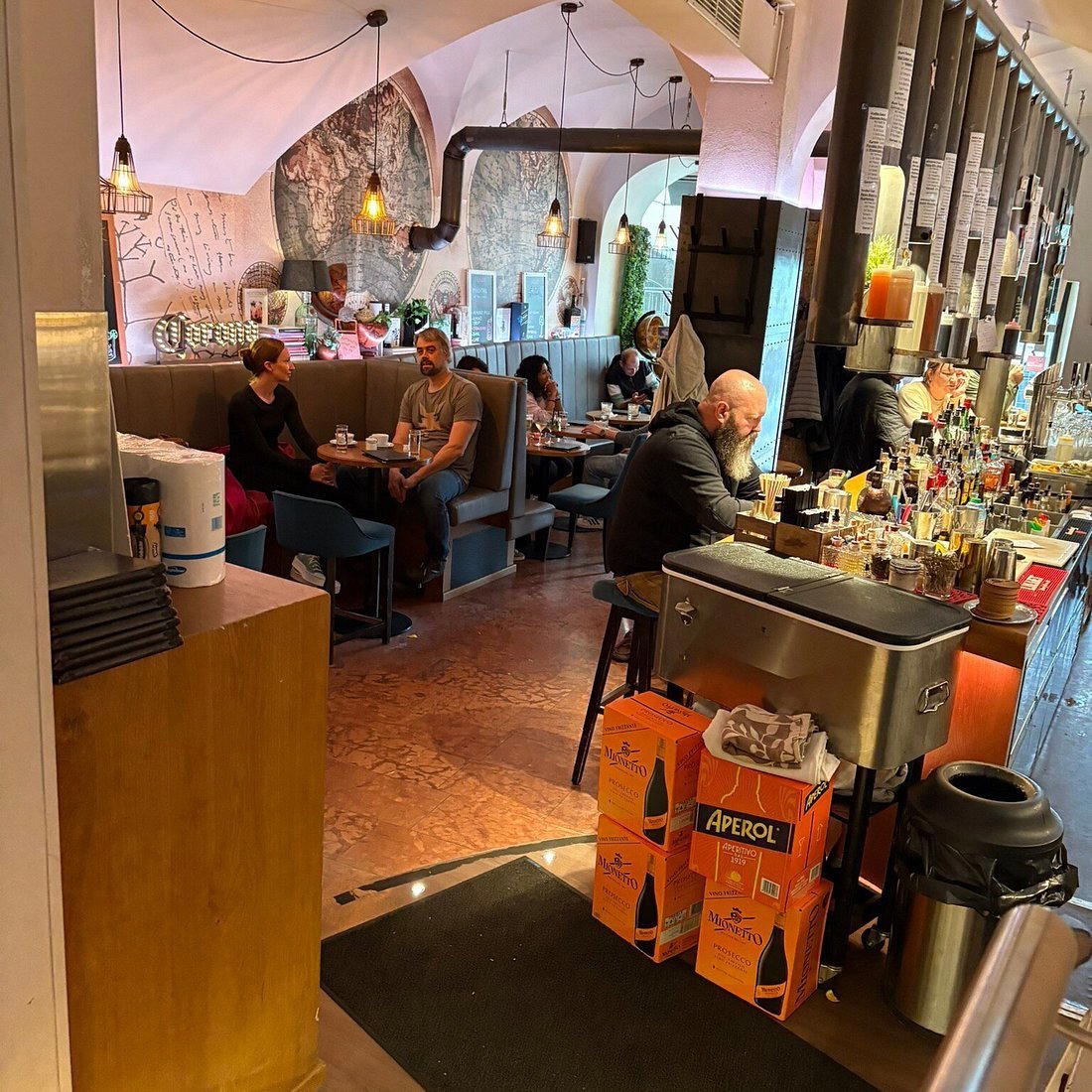
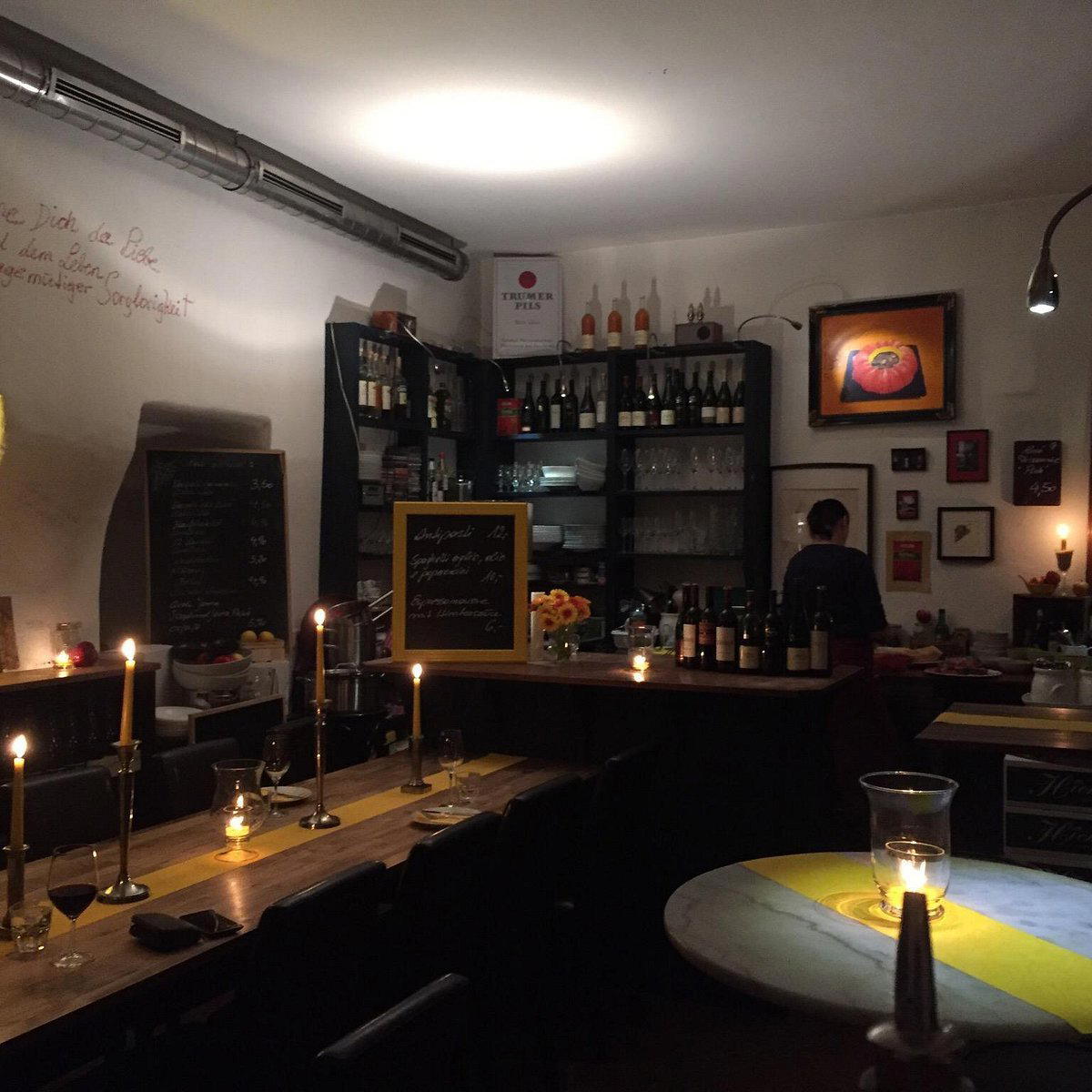
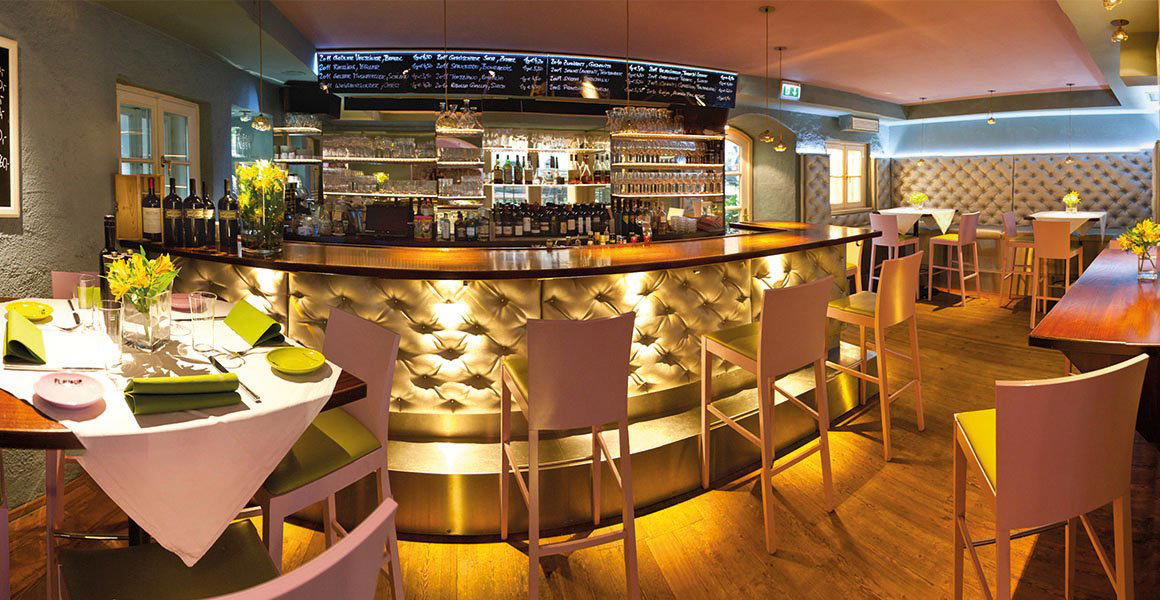
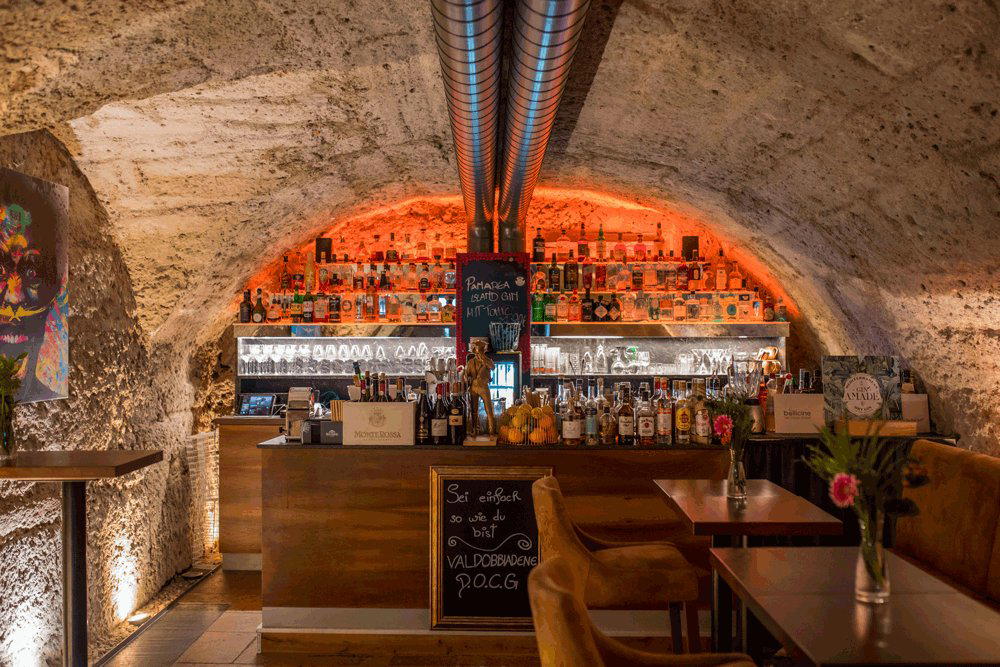
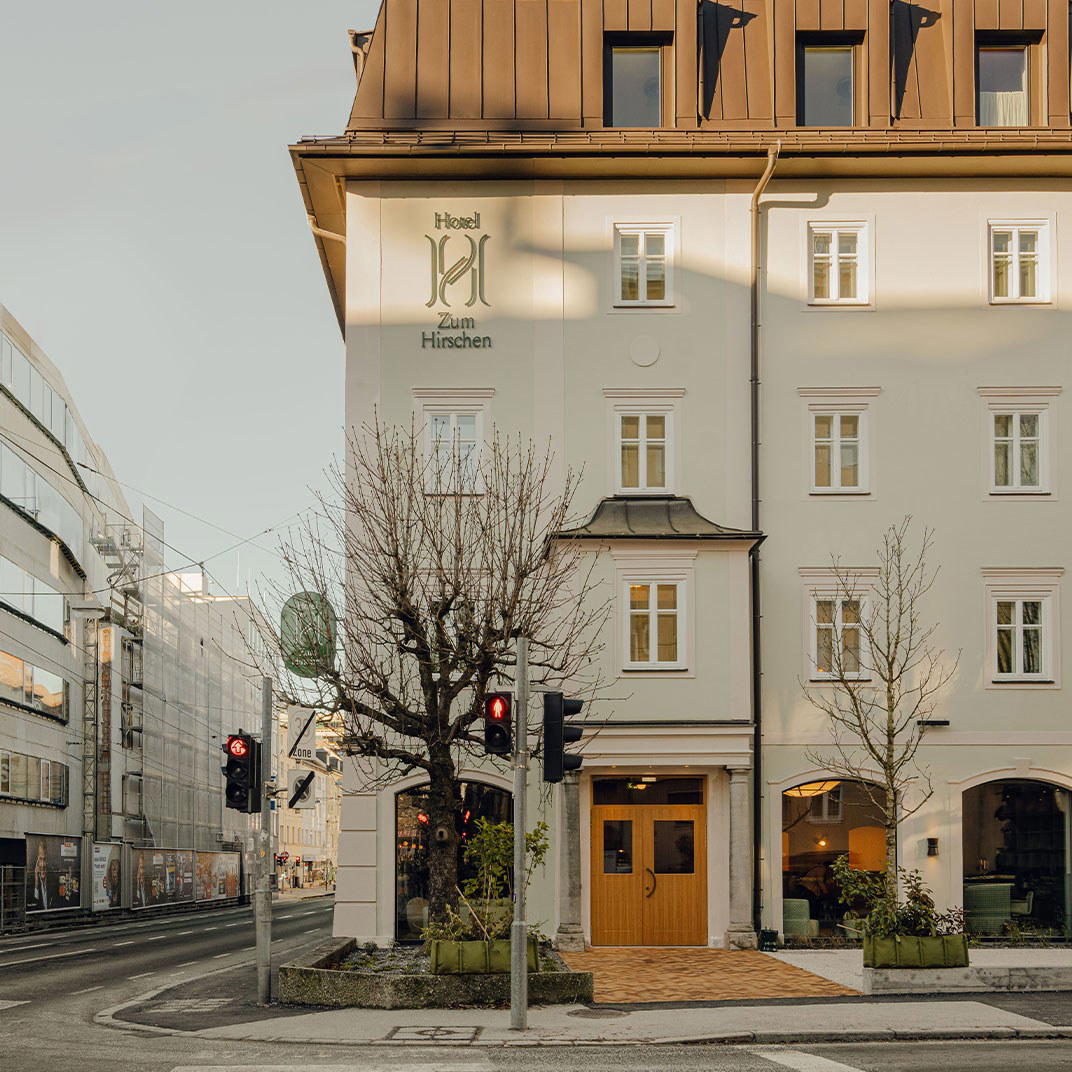
At a Glance
- Rustic
- Cozy
- Scenic
- Family
- Casual Hangout
- Historic Building
- Local Sourcing
- Mountain
Current opening hours
- Monday
- Closed
- Tuesday
- Closed
- Wednesday
- 4–11 PM
- Thursday
- 4–11 PM
- Friday
- 3–11 PM
- Saturday
- 11:30 AM–11 PM
- Sunday
- 11:30 AM–10 PM
Hours can change for holidays and private events. Last verified .
Charming and welcoming with warm hospitality in cozy surroundings.