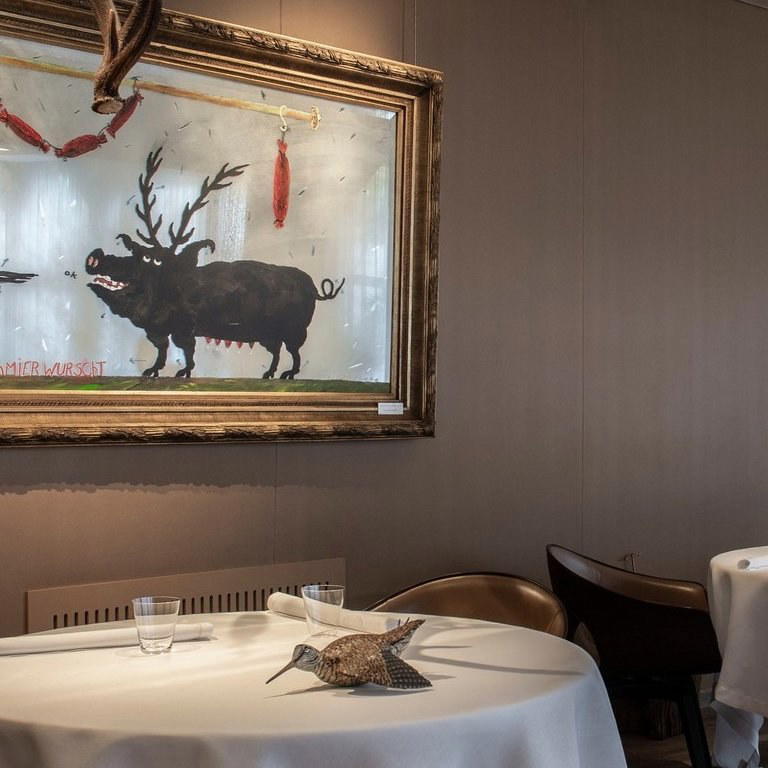
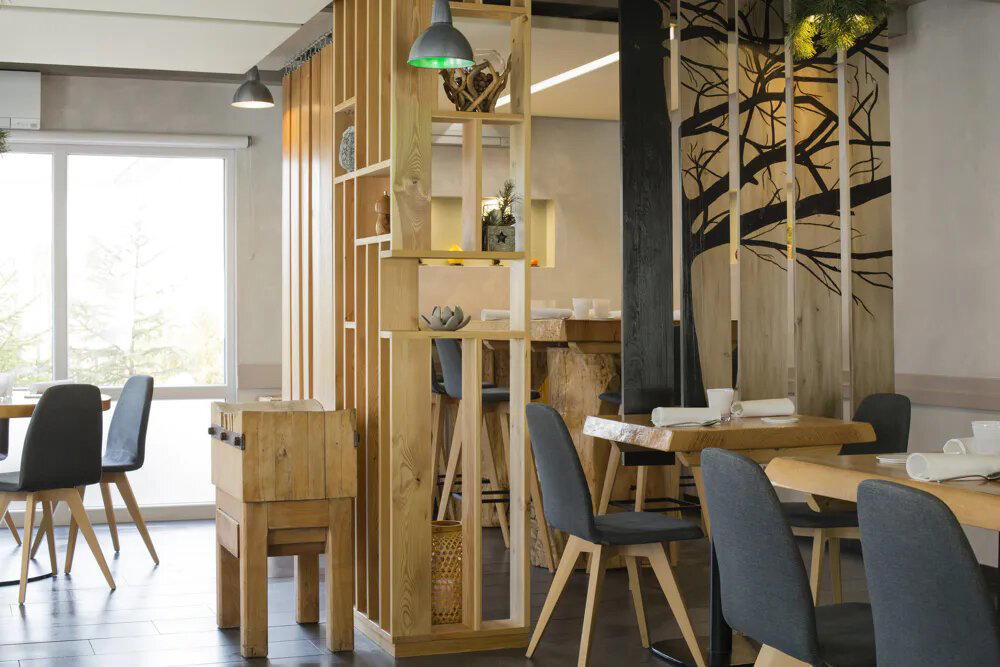
Animus serves modern French-Italian bistronomy at 14 Pl. du Dr Pierre Walter in Bergheim, with local sourcing, an extensive wine list, and leisurely pacing.
Pearl is the En Primeur Club membership app — saves, bookings, and concierge access live there. Same editors, same standards.
- Address
- 14 Pl. du Dr Pierre Walter, 68750 Bergheim, France
- Phone
- +33 3 89 73 73 97
- Website
- restaurant-animus.fr
- Directions
- Get directions
 Saves & bookings on Pearl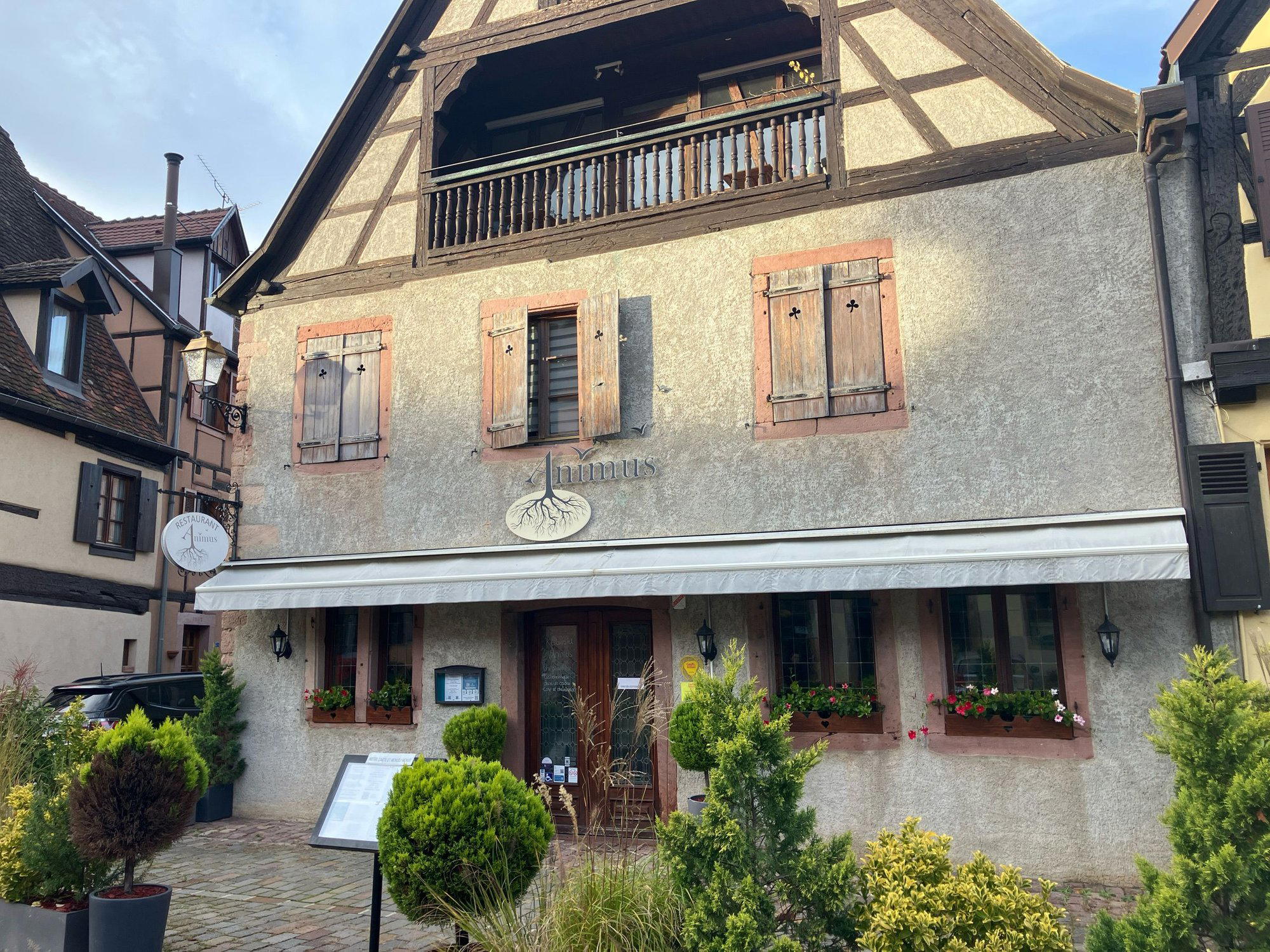
Place du Dr Pierre Walter, After Hours
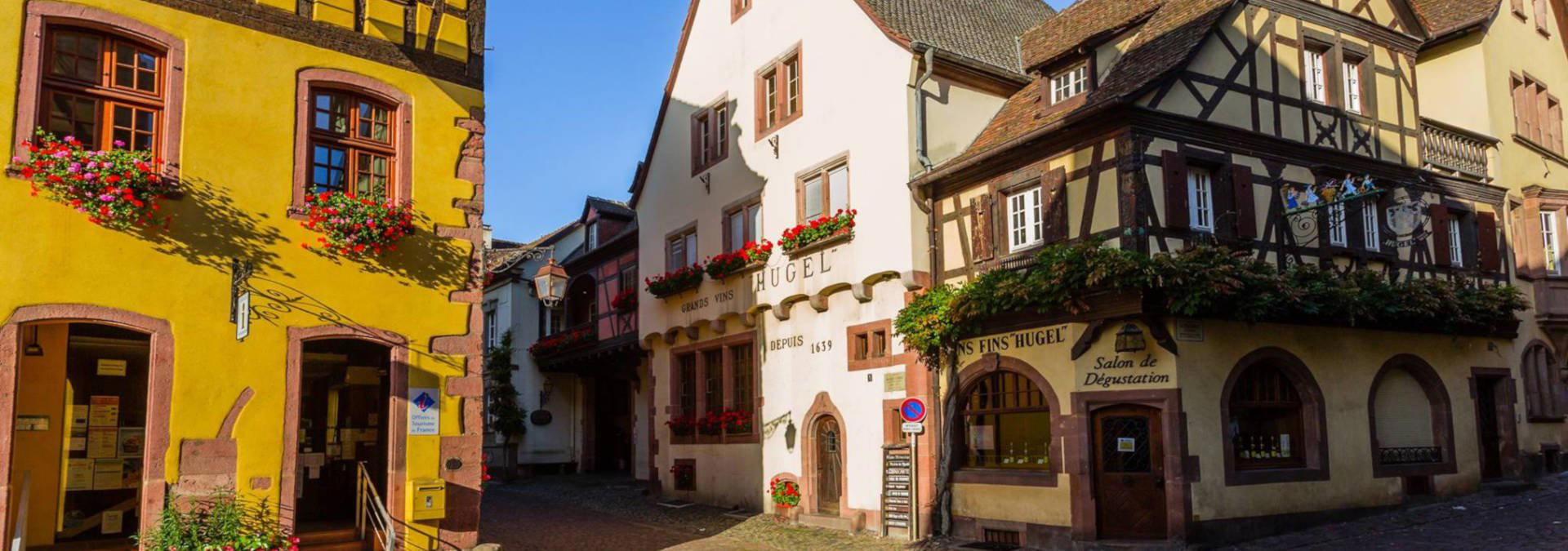
Bergheim sits inside the Alsatian wine route in a way that most visitors only half-register: they pass through on the way to Riquewihr or Ribeauvillé, note the intact medieval ramparts, and move on. That passing traffic shapes the dining environment here in useful ways. Restaurants along this stretch of the Haut-Rhin operate for a local clientele as much as for tourists, and the cooking tends to reflect that pressure toward substance over spectacle. Animus occupies a position on Place du Dr Pierre Walter, the kind of village-square address that in Alsace typically carries a specific gravity, positioned among stone facades and the quiet particular to a fortified town when the day-trippers have gone.
What the Region Puts on the Plate
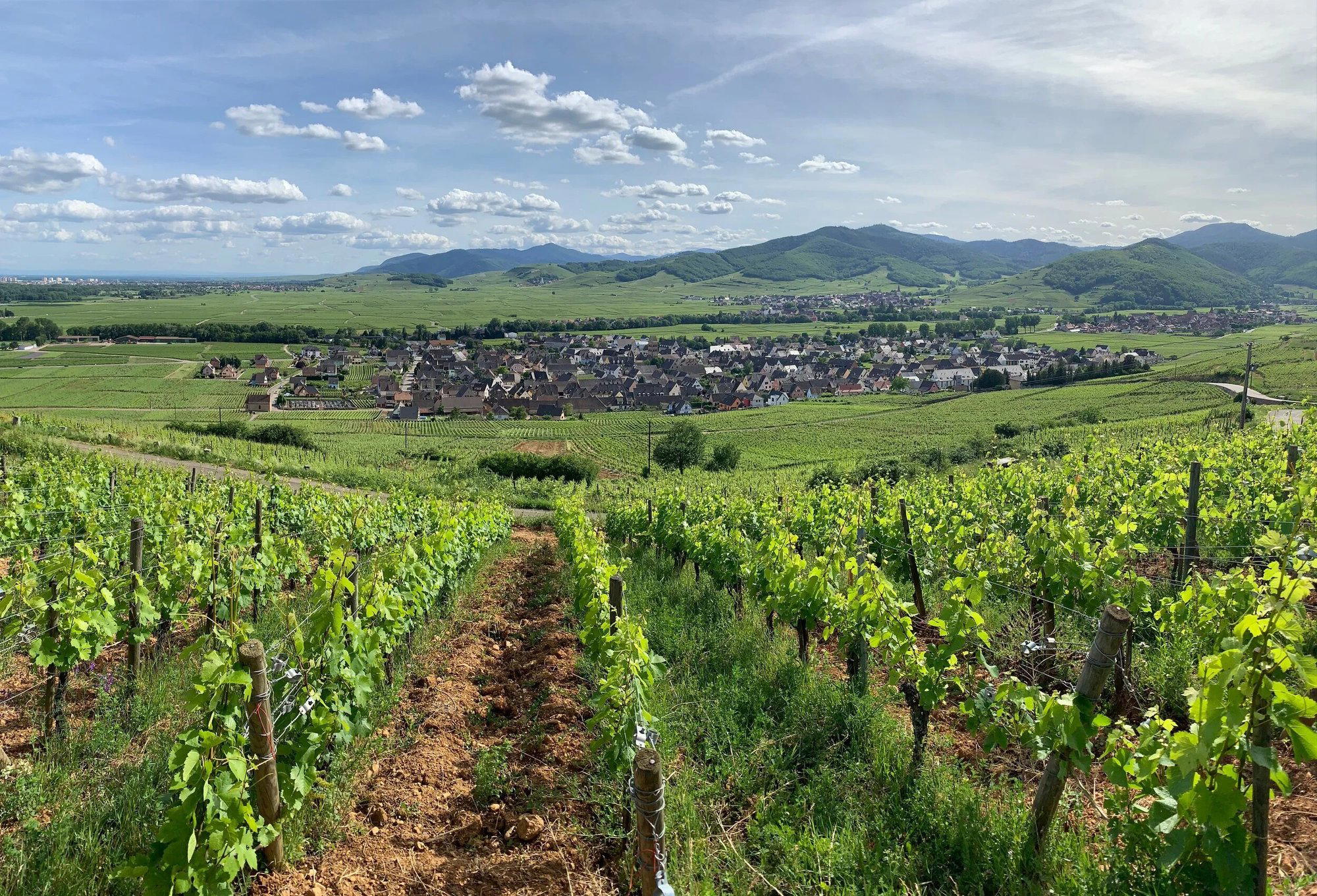
Alsatian cooking has always been shaped by its agricultural surround in a way that distinguishes it from the high-technique French kitchens further west. The proximity to the Rhine plain, the Vosges foothills, and a culture of farmstead production that survived the region's complicated political history means that sourcing here is less a philosophy than a structural condition. Producers are close. The relationship between a Bergheim kitchen and its ingredient chain is geographic before it is ideological.
This matters when assessing a restaurant like Animus against the broader French fine-dining map. Houses like Bras in Laguiole built an international reputation partly on the idea that terroir-driven ingredient sourcing could itself be the creative act. In Alsace, that connection is older and less theorized: it is simply how the valley cooks. The question for any serious restaurant in the region is whether that proximity to raw material translates into cooking that makes the origin legible on the plate, or whether the local supply chain functions only as logistics.
Animus's address places it within a short radius of market gardens on the plain below the Vosges, wine estates producing Riesling and Pinot Gris that have defined Alsatian identity for centuries, and artisan producers who have supplied the corridor between Colmar and Strasbourg for generations. That supply network is the competitive context, not a brand point.
Bergheim and Its Culinary comparable set
The Alsatian restaurant scene sorts itself along a fairly clear axis. At one end sit the grand destination addresses that draw from across France and beyond: Auberge de l'Ill in Illhaeusern has held Michelin recognition for decades and functions as a reference point for classical Alsatian cuisine at its most formal. At the other end are the village winstubs, where choucroute and baeckeoffe anchor menus that haven't changed materially in a generation. The interesting territory is the middle ground: restaurants in smaller communes that apply contemporary technique to regional produce without aspiring to the ceremony of the grand maison.
Bergheim itself is a compact town. The medieval walls enclose roughly 1,800 residents, and the dining options reflect that scale. Landgasthaus Windinggut represents one established approach to the local hospitality format. Animus operates from the same geographic context, on a central square that concentrates the town's pedestrian life. The square's character, open and stone-paved, is the kind of setting where the room inside reads differently depending on whether you arrive at lunch with the market still running or at dinner when the light has shifted to something quieter.
For context on how Alsace positions within French fine dining more broadly, the comparison set extends well beyond the region. Flocons de Sel in Megève, Mirazur in Menton, and Alléno Paris au Pavillon Ledoyen each occupy a different register of French gastronomy, but all share the structural logic of close sourcing tied to a specific terroir. Alsace simply does this at a different price tier and with less international visibility, which is partly what makes the smaller-town addresses interesting to track.
The Sourcing Argument
French provincial cooking has reasserted its authority over the past decade in a way that reverses earlier decades of centralization around Paris. Houses like Troisgros in Ouches made this argument structurally by relocating away from the town center to a farmstead setting, shortening the distance between garden and kitchen to something measurable in steps rather than kilometers. Paul Bocuse's Auberge du Pont de Collonges embedded itself in a specific Lyonnais geography so completely that the address became inseparable from the cooking's identity. Les Prés d'Eugénie in Eugénie-les-Bains is another case study in how a rural address, treated seriously, can generate a dining identity that urban competitors struggle to replicate.
Alsace has its own version of this argument. The wine estates that produce Grand Cru Riesling from parcels above Bergheim are within walking distance of the place du Dr Pierre Walter. The vegetables grown in the alluvial soil of the Rhine plain are a different category of produce from what arrives in Parisian kitchens via the Rungis wholesale market. For a kitchen with the discipline to use that proximity, the sourcing advantage is structural and not seasonal.
Planning a Visit
Bergheim sits approximately 15 kilometers north of Colmar, which is the practical entry point for the region by rail: the TGV connects Colmar to Paris Gare de l'Est in around two hours and ten minutes. From Colmar, local transport or a short drive reaches Bergheim's Place du Dr Pierre Walter directly. The Alsatian wine route sees its peak tourist volume between late June and mid-October, when harvest activity adds a specific texture to the region; visiting outside that window means less competition for tables along the corridor, though some smaller addresses adjust their hours accordingly. Animus is recommended for reservations, and its opening pattern is Mon: 12–1:15 PM, 7–8:15 PM; Tue: 12–1:15 PM, 7–8:15 PM; Wed: Closed; Thu: Closed; Fri: 12–1:15 PM, 7–8:15 PM; Sat: 7–8:15 PM; Sun: 12–1:15 PM, 7–8:15 PM. Other serious addresses in the regional comparable set, including Maison Lameloise in Chagny and Georges Blanc in Vonnas, offer a point of comparison for provincial French dining at varying price tiers if the itinerary extends beyond Alsace. For readers whose broader reference includes international addresses, the sourcing-led approach visible across this region has parallels at Lazy Bear in San Francisco, where market proximity and producer relationships similarly structure the menu rather than merely inform it.
At-a-Glance Comparison
Comparable venues nearby, for context on price, style, and recognition.
| Venue | Cuisine | Price | Notes |
|---|---|---|---|
| AnimusThis venue — the venue you are viewing | Modern French-Italian Bistronomy | $$$ | Not listed |
| Les Jardins de Sophie | French Regional Fine Dining | $$$ | Xonrupt-Longemer |
| L'Hors Du Temps | Contemporary French Seasonal Cuisine | $$$ | Centre-ville (Downtown Gérardmer) |
| La Maison des Tanneurs | Traditional Alsatian Winstub | $$$ | Centre |
| Le Gaulois | Modern French Fine Dining | $$$ | Bartenheim |
| Restaurant de La Gare | Modern French Brasserie | $$$ | Guewenheim |
Continue exploring
More in Bergheim
Restaurants in Bergheim
Browse all →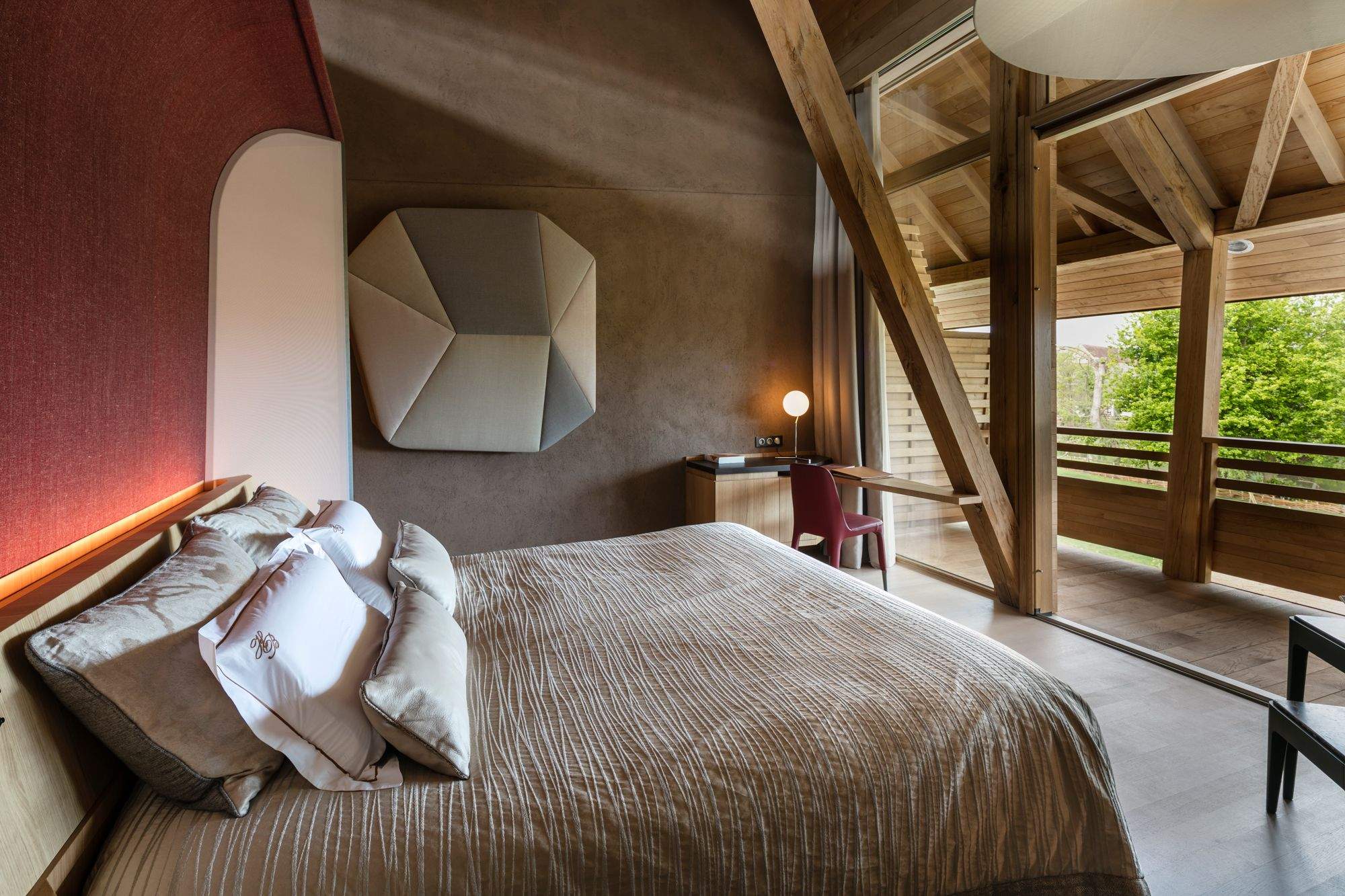
Bars in Bergheim
Browse all →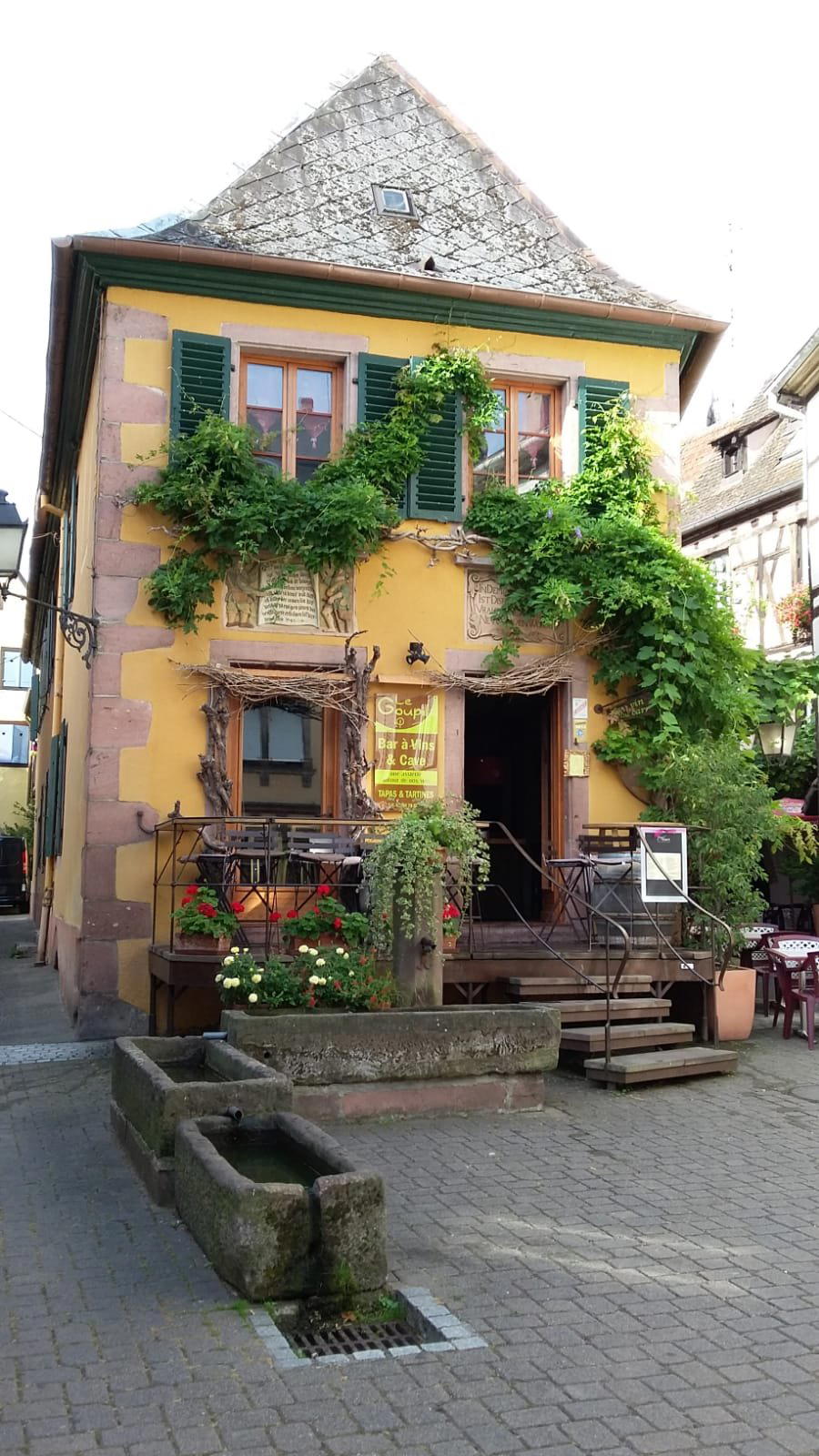
Hotels in Bergheim
Browse all →
At a Glance
- Cozy
- Elegant
- Intimate
- Date Night
- Special Occasion
- Standalone
- Extensive Wine List
- Local Sourcing
Current opening hours
- Monday
- 12–1:15 PM, 7–8:15 PM
- Tuesday
- 12–1:15 PM, 7–8:15 PM
- Wednesday
- Closed
- Thursday
- Closed
- Friday
- 12–1:15 PM, 7–8:15 PM
- Saturday
- 7–8:15 PM
- Sunday
- 12–1:15 PM, 7–8:15 PM
Hours can change for holidays and private events. Last verified .
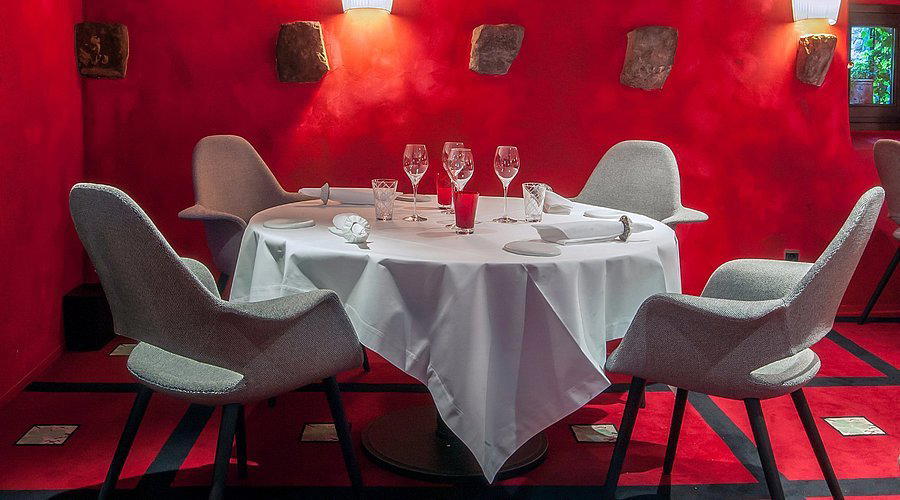
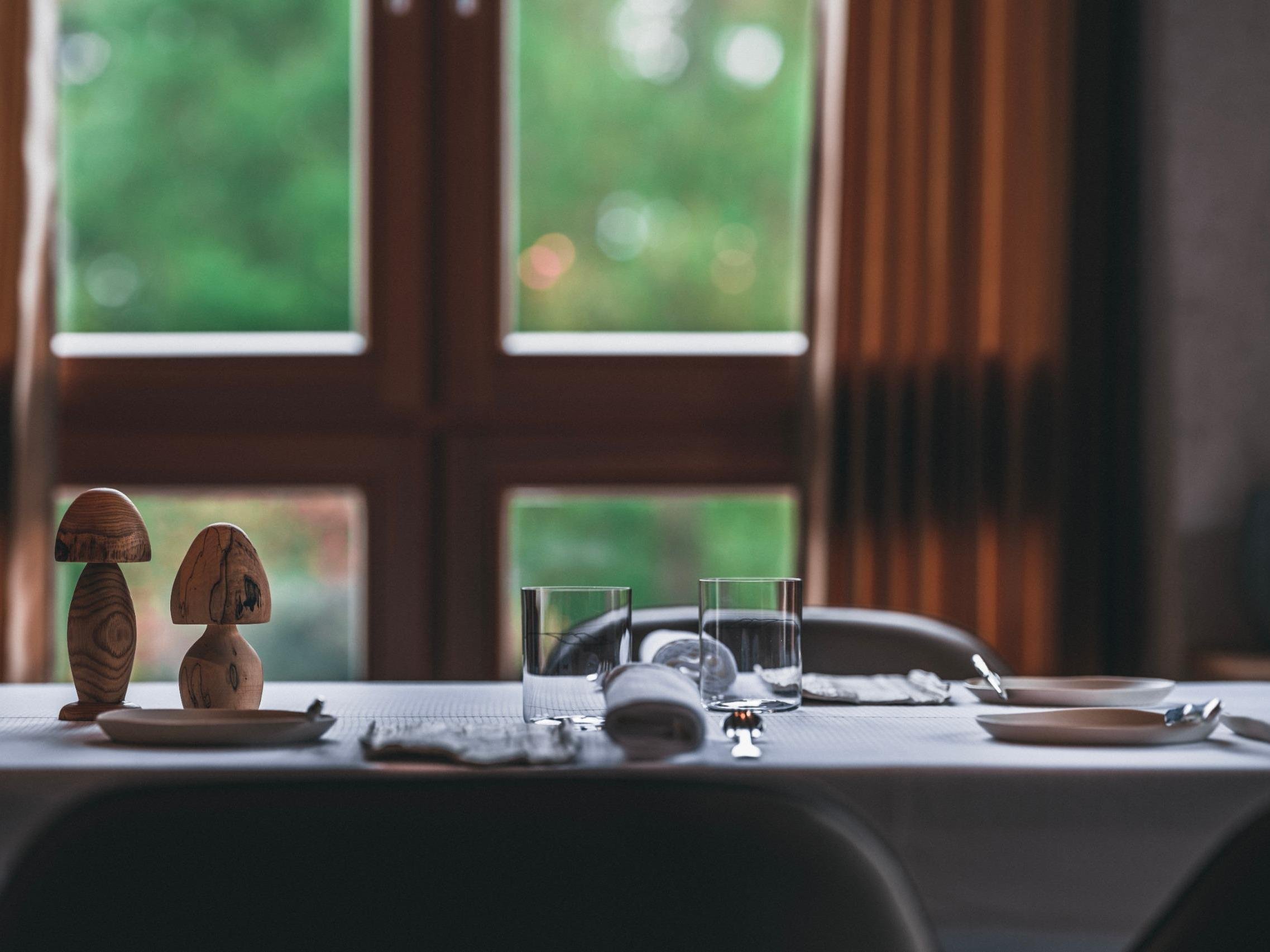
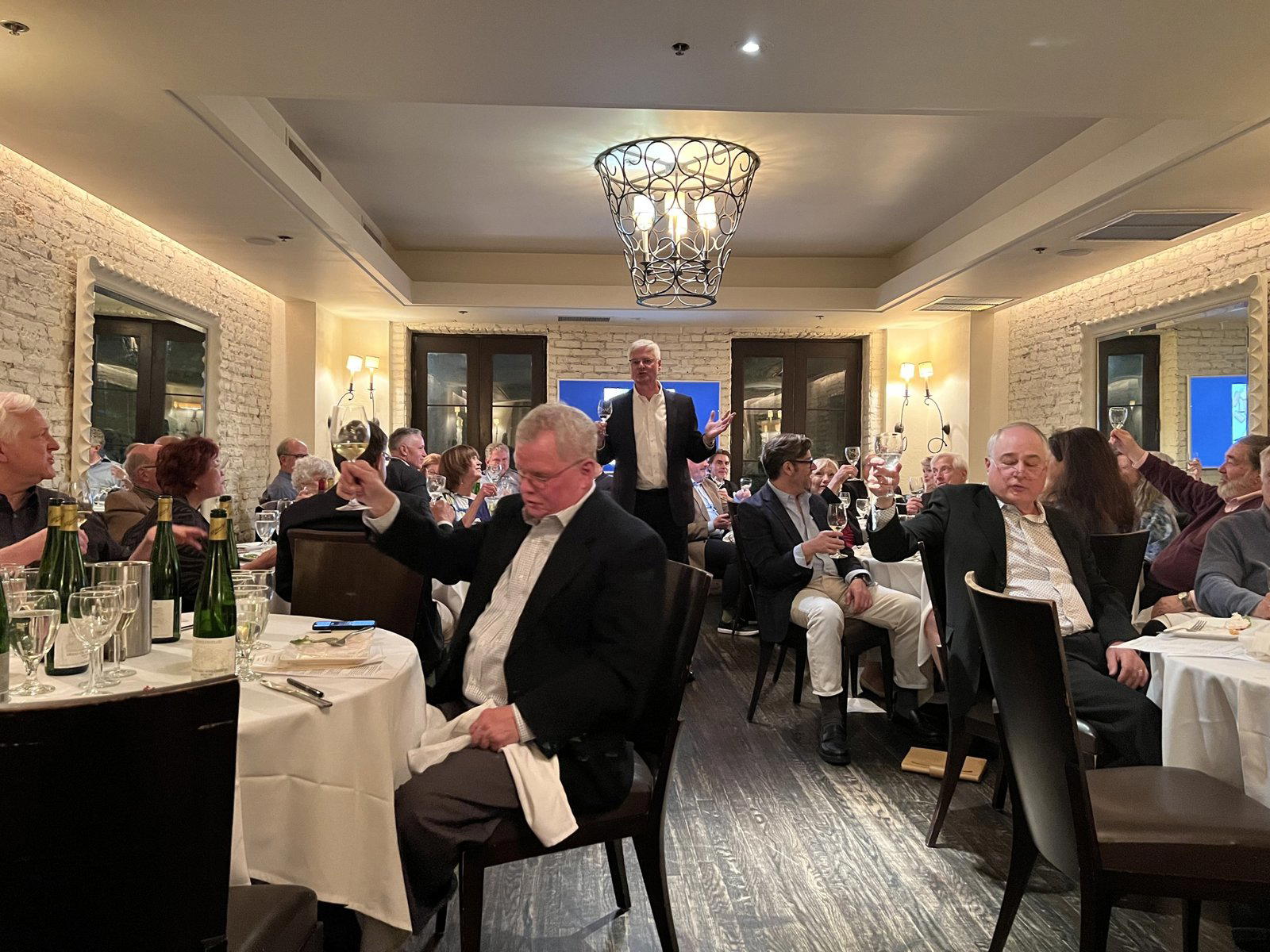
Chic and cosy atmosphere with warm, friendly service and a relaxing, zen-like dining experience.