Gasthof Süss
Gasthof Süss occupies a market-square address in Oberkappel, a small Upper Austrian village in the Mühlviertel region close to the Czech and German borders. The setting places it squarely within Austria's Gasthaus tradition, where regional sourcing and seasonal cooking define the menu more than any single chef's signature. For travellers crossing the rural north, it reads as a working local inn rather than a destination restaurant.
Pearl is the En Primeur Club membership app — saves, bookings, and concierge access live there. Same editors, same standards.
- Address
- Marktpl. 7, 4144 Oberkappel, Austria
- Phone
- +43437284215
- Website
- gasthofsuess.com
- Directions
- Get directions
 Saves & bookings on Pearl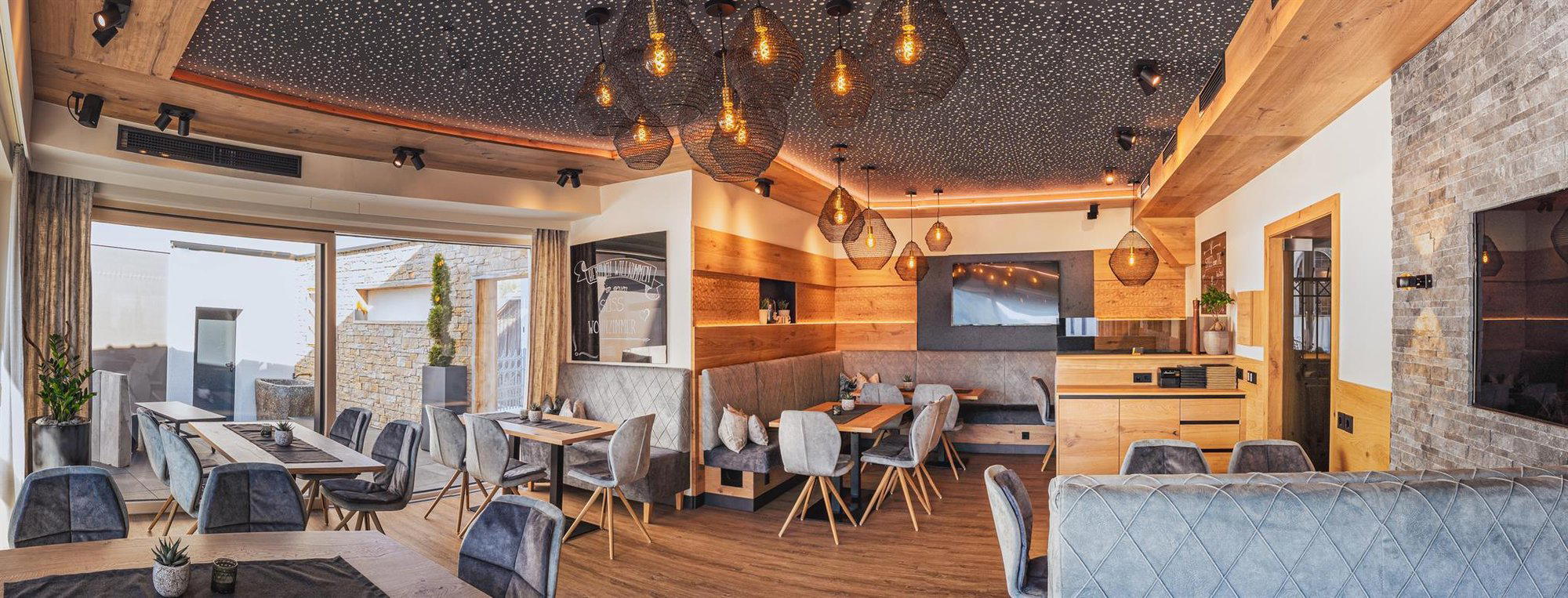
Where the Mühlviertel Puts Food on the Table
The market square of Oberkappel sits in Upper Austria's Mühlviertel, a granite-plateau region that runs north toward the Czech border and has historically fed itself from its own forests, rivers, and farms. This is not the Austria of Viennese coffeehouse culture or Alpine ski-resort dining. It is quieter, more agricultural, and shaped by a land-use logic that kept local kitchens tied to local producers long before provenance became a selling point. Gasthof Süss, at Marktplatz 7, occupies that context directly: a traditional Gasthaus on the square of a small village, where the building's address is as much a statement of purpose as anything on the menu.
The Gasthaus form is worth understanding before arriving. Unlike the destination-restaurant model that drives dining at venues such as Steirereck im Stadtpark in Vienna or Döllerer in Golling an der Salzach, a rural Austrian Gasthaus operates as a community anchor. It feeds the village on weekdays, hosts celebrations at weekends, and draws passing travellers from the roads between Passau and Linz. The kitchen's repertoire is built around what is available regionally, and the dining room tends to function as a social space rather than a stage. Oberkappel's position in the Mühlviertel reinforces this: the region's cooking tradition leans on carp from the Danube tributaries, game from surrounding forests, root vegetables from the plateau's farms, and the dark rye breads that distinguish Upper Austrian baking from the rest of the country.
Sourcing in the Mühlviertel: What the Region Produces
Understanding what lands on the plate at a venue like Gasthof Süss requires some familiarity with the Mühlviertel's agricultural character. The plateau's granite soils are not ideal for viticulture, which is why this corner of Austria produces almost no wine of note. What it does produce is grain, particularly rye and spelt, which underpin local bread traditions and appear in a range of regional preparations. The area's rivers and managed ponds supply freshwater fish, with carp holding particular cultural significance: Mühlviertel carp, raised in traditional pond systems, has long been the centrepiece of the region's festive cooking, especially around the Christmas and Advent period.
Game is equally central. The forests between Oberkappel and the Czech border support deer, wild boar, and hare, and a rural Gasthaus in this region would historically have maintained relationships with local hunters and foresters. This is the kind of supply chain that does not require certification or marketing: it is simply how food moved from land to kitchen for generations. Contrast this with the more formally articulated sourcing programs at Landhaus Bacher in Mautern an der Donau or Obauer in Werfen, where regional provenance is explicitly woven into the restaurant's identity and communicated to diners. At a village Gasthaus, the sourcing is often structural rather than declarative: it happens because the supply network exists locally, not because it has been positioned as a brand attribute.
The seasonal pattern matters here too. Spring in the Mühlviertel brings asparagus and the first herbs from kitchen gardens. Autumn is the primary game season, and the weeks around All Saints' Day typically see Gasthaus menus shift toward heavier, slow-cooked preparations. Winter centres on carp and the preserved goods that carry the kitchen through the colder months. Visitors whose timing aligns with these rhythms will find the menu tracking them. For a wider sense of how Upper Austrian dining fits into the national picture, our full Oberkappel restaurants guide provides additional context.
Reading the Room: What a Mühlviertel Gasthaus Actually Offers
Rural Austrian Gasthäuser operate on a different register from the destination dining circuit. There is no tasting menu architecture of the kind found at Gourmetrestaurant Tannenhof in Sankt Anton am Arlberg or Stüva in Ischgl. Portion sizes tend toward the substantial, pricing remains accessible relative to Austria's recognised fine-dining tier, and the service style reflects a working hospitality operation rather than a curated guest experience. This is not a criticism: it is a description of a different, older model of restaurant that Austria has maintained alongside its internationally visible fine-dining scene.
The Gasthaus also functions as an inn in many cases, which shapes the rhythm of the dining room. Guests staying overnight eat in the same space as locals having a weekday lunch, and the kitchen has to serve both without separating the experiences into distinct formats. This produces a particular kind of reliability: consistency across a broader menu rather than the focused precision of a smaller, more specialised operation. Venues like Ois in Neufelden, a short distance from Oberkappel, represent the contemporary direction some Upper Austrian operators have taken, applying more deliberate culinary thinking within a similar regional framework. Gasthof Süss, by its address and format, reads as the more traditional pole of that spectrum.
Getting There and Practical Considerations
Oberkappel sits in the far northwest of Upper Austria, near the convergence of the Austrian, German, and Czech borders. Road access from Linz takes roughly an hour; from Passau on the German side, the drive is shorter. Public transport to a village of this size is limited, and a car is the practical requirement for most visitors. The market square location means parking in the village centre is the logical approach.
For travellers building a broader Upper Austrian itinerary, the Mühlviertel offers a counterpoint to the Wachau and Salzkammergut routes. Those exploring Austrian regional dining more systematically might cross-reference venues across different price tiers and culinary registers, from Taubenkobel in Schützen am Gebirge in Burgenland to Kräuterreich by Vitus Winkler in Sankt Veit im Pongau in Salzburger Land, to understand how different regions inflect the same national culinary inheritance. The contrast with venues such as Ikarus in Salzburg or Le Bernardin in New York City makes the Mühlviertel Gasthaus format easier to read for what it is: a local institution rooted in geography.
Comparable Venues
Comparable venues nearby, for context on price, style, and recognition.
| Venue | Cuisine | Price | Notes |
|---|---|---|---|
| Gasthof SüssThis venue — the venue you are viewing | Traditional Austrian Mühlviertel Cuisine | $$ | Not listed |
| Stiftskeller | Traditional Austrian Comfort Food | $$ | Aigen-Schlägl |
| Die Börserie | Austrian Seasonal Cuisine | $$ | Südbahnhofmarkt |
| Wirt z'Bierbaum | Traditional Austrian | $$ | Gampern |
| Seegasthof Hois'n Wirt | Traditional Austrian Lakeside Cuisine | $$ | Traunsteinstrasse |
| Schupfer's Dorfschmiede | Traditional Austrian with Innovative Twists | $$ | Bad Mitterndorf |
Continue exploring
More in Oberkappel
Restaurants in Oberkappel
Browse all →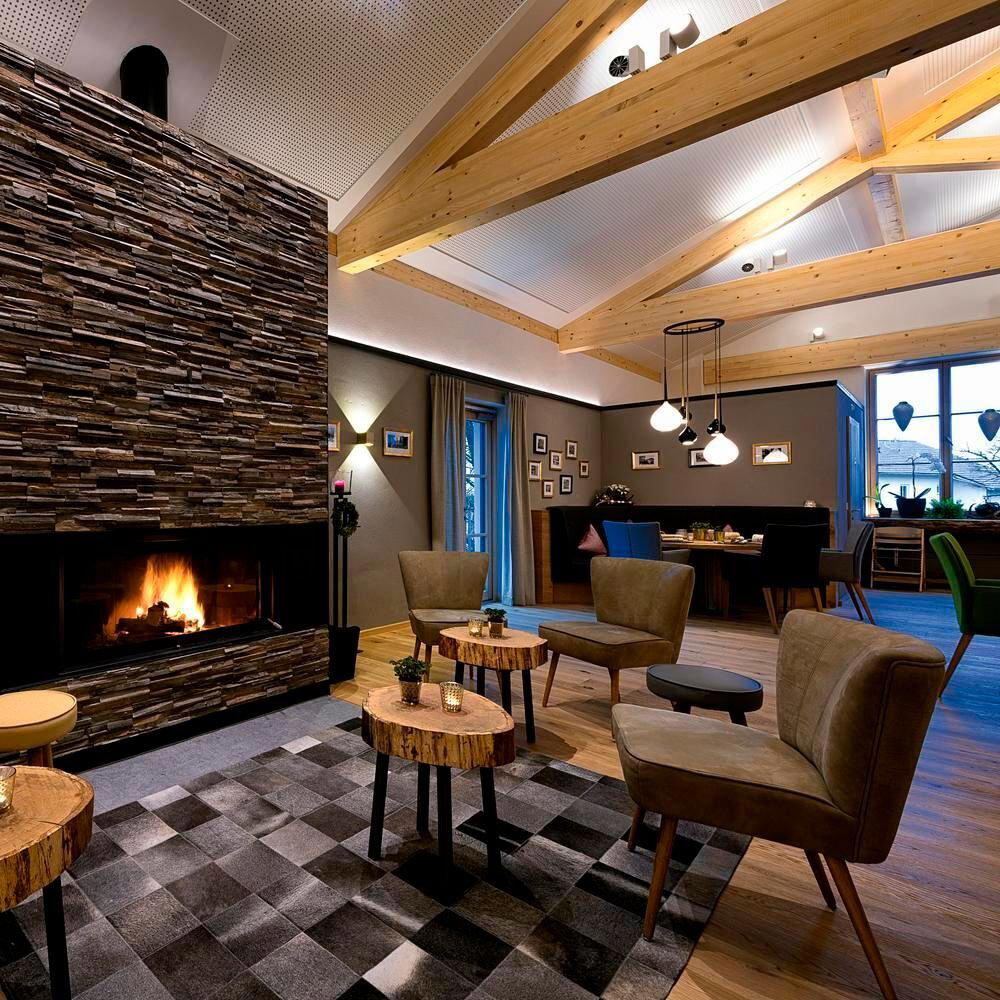
Bars in Oberkappel
Browse all →
Hotels in Oberkappel
Browse all →
Wineries in Oberkappel
Browse all →
At a Glance
- Cozy
- Rustic
- Classic
- Family
- Casual Hangout
- Historic Building
- Local Sourcing
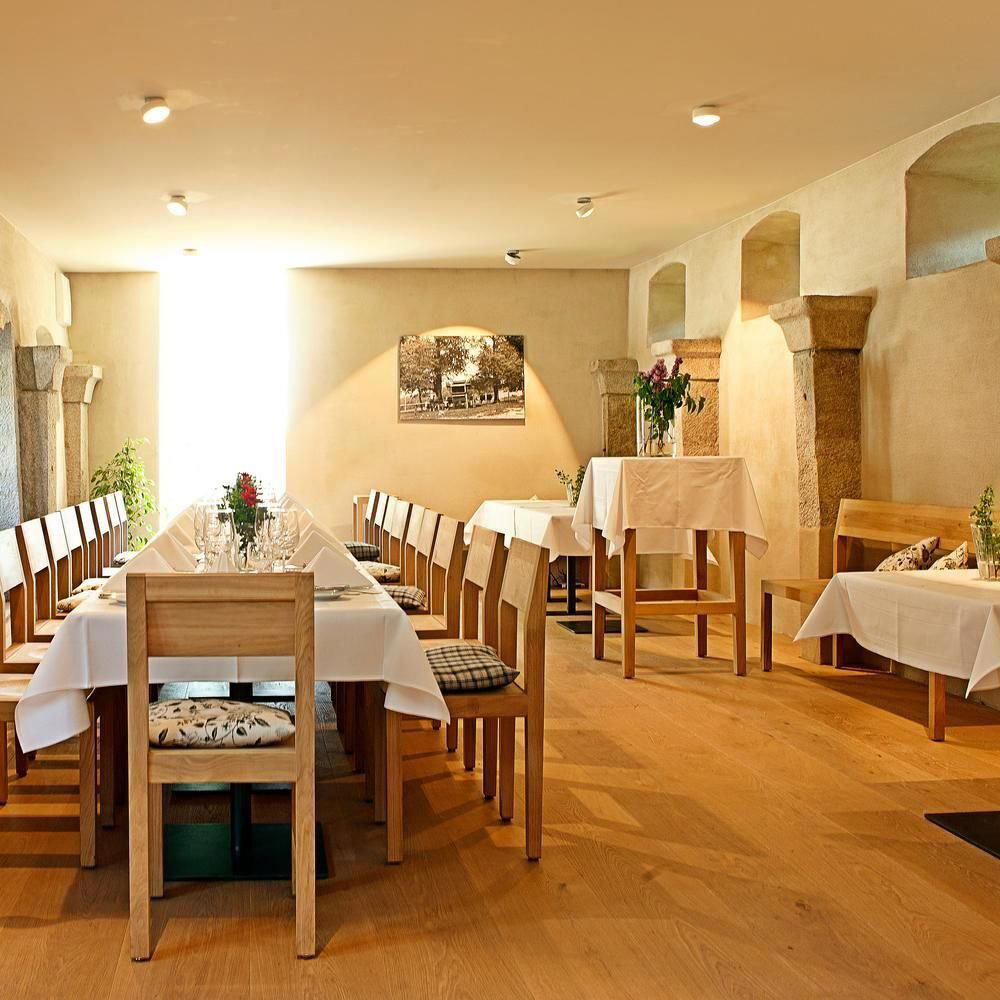
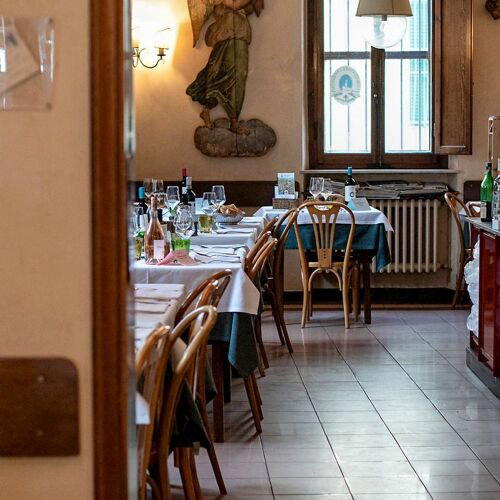
Modern, cozy, and comfortable atmosphere in a traditional setting.