

Michelin Plate · We're Smart World Top 100 #87
Our verdict
L'air des Sens brings a vegetable-forward, 12-course 'Leeuwse Velden' menu to the small Flemish town of Zoutleeuw, backed by consecutive Michelin Plate recognition in 2024 and 2025. The kitchen is rooted in seasonal produce from the surrounding fields, with a format that places land-grown ingredients at the centre and protein as accent. A Michelin-recognised address at €€€ pricing in a town most Belgian diners have not yet put on their radar.

Pearl is the En Primeur Club membership app, where members save venues, book tables and use the concierge.
Where the Fields Set the Menu
Zoutleeuw sits in the eastern Flemish Brabant countryside, a town more commonly associated with its Gothic Sint-Leonarduskerk than with serious dining. That context matters, because L'air des Sens at Vincent Betsstraat 12 is not the kind of address you stumble across, you go there because someone told you to, or because you have been paying attention to Michelin's Plate awards in Belgium's smaller towns. The approach to the restaurant frames the meal before it begins: the surrounding range of Hageland fields and low agricultural horizon is not incidental to what arrives on the table. It is the source.
Belgium's farm-to-table movement has largely concentrated its recognisable names in urban centres or well-touristed Flemish cities. Addresses like Boury in Roeselare and Zilte in Antwerp operate at €€€€ within established food tourism circuits. L'air des Sens positions itself differently: €€€ pricing, a genuinely rural setting, and a menu structure that reads more like a seasonal field report than a classical French sequence. Consecutive Michelin Plate recognition in 2024 and 2025 confirms that the kitchen is operating at a level that merits attention beyond the immediate region.
The 'Leeuwse Velden' Menu and What It Signals
The 'Leeuwse Velden' menu, the name translates roughly as 'fields of Leeuw', the historical name for the Zoutleeuw area, runs to 12 small dishes and is built around vegetable preparations as the primary architecture of each course. This is a meaningful structural choice. In Belgian fine dining, protein has historically anchored menus, with vegetables as garnish or supporting element. Here the relationship is reversed: sea bream appears alongside kohlrabi and smoked gravy, salsify arrives with morels, tarragon and scallop, and rapeseed cabbage is paired with a garam masala preparation of bovine. The animal-derived ingredients are present, but they operate as seasoning or counterpoint rather than as the focal subject.
That approach aligns L'air des Sens with a specific and growing tier of European kitchens that treat vegetable cookery with the same technical attention traditionally reserved for meat and fish. The sourcing logic is visible in the menu's naming: 'Leeuwse Velden' is not a marketing phrase, it is a geographical claim about provenance. When a restaurant names a menu after the fields surrounding it, the seasonal calendar becomes non-negotiable, what is ready determines what is served, not the other way around.
For context on how this compares to Belgium's highest-profile kitchens, Hof van Cleve in Kruishoutem and Bozar in Brussels operate at higher price points and with different format philosophies. L'air des Sens does not compete on that axis. Across the border, BOK in Münster and Clostermanns Le Gourmet in Niederkassel operate within a comparable farm-to-table framework in Germany, which gives useful scale to where this style sits across the region.
The Kitchen's Background and What It Produces
Self-taught kitchens occupy a distinct place in contemporary European dining. The absence of formal culinary training can produce menus that sit outside recognisable genre conventions, which is sometimes a liability and sometimes the point. The chef at L'air des Sens came to cooking from philosophy, psychology and music, disciplines that share an interest in structure, perception and time. That background is audible in the menu's format: 12 courses with a primary emphasis on sensory progression through vegetable textures, acidity, smoke and fermentation, rather than a parade of luxury proteins. The restaurant's name, 'l'air des sens' (the air of the senses), is consistent with that framing.
This is not the kind of kitchen that signals ambition through truffles and foie gras. The ambition here is in the precision of a kohlrabi preparation, in the decision to make smoked gravy the linking element for a sea bream course, or in using a garam masala to bridge rapeseed cabbage and beef. These are compositional choices that require as much knowledge as classical training, they just draw on a different reference library.
Where It Fits Among Belgian Rural Dining
Belgium has a small but coherent group of serious restaurants in non-urban settings, and the best of them tend to share a sourcing philosophy with their geography. d'Eugénie à Emilie in Baudour, L'Eau Vive in Arbre, and Ralf Berendsen in Neerharen all operate in contexts where the surrounding environment informs the plate. Sir Kwinten in Sint-Kwintens-Lennik and La Durée in Izegem represent Flemish creative cooking in similar small-town frameworks. L'air des Sens belongs to this cohort in geography and price, but its menu structure, with its explicit vegetable primacy and regional naming, makes it one of the more committed practitioners of field-to-plate cooking in the group.
For a restaurant in a town this size, that volume of engagement is itself a signal: people are making deliberate trips to Zoutleeuw for this meal, not just walking in from the street.
Planning Your Visit
L'air des Sens is located at Vincent Betsstraat 12 in Zoutleeuw. The €€€ price point places it below the top tier of Belgian tasting menu restaurants, making it one of the more accessible ways to engage with Michelin-recognised cooking in the Flemish countryside. Given the 12-course format, budget an evening rather than a quick dinner slot. Zoutleeuw is a small town with limited accommodation options, so most visitors combine the meal with a stay in nearby Tienen or Leuven. For a broader picture of what the town offers, see our full Zoutleeuw restaurants guide, as well as guides to hotels, bars, wineries and experiences in the area.
Frequently asked questions
Does L'air des Sens work for a family meal?
The 'Leeuwse Velden' menu runs to 12 courses at a €€€ price point, which is a significant commitment in both time and cost. The format is structured around slow, sequential tasting rather than shared plates or à la carte choice, making it a better fit for adults focused on seasonal produce-driven dining than for younger children or casual family gatherings.
What's the overall feel of L'air des Sens?
The restaurant's setting in Zoutleeuw, a small eastern Flemish Brabant town known primarily for its Gothic Sint-Leonarduskerk, shapes the tone: rural, unhurried, and deliberately distanced from the pace of Brussels or Antwerp. David Schulz's background as a philosopher, psychologist and musician feeds into a menu philosophy built around sensory engagement with the surrounding landscape rather than culinary theatre.
Is L'air des Sens award-winning?
L'air des Sens has received recognition including: David Schulz is a self-taught in the kitchen. He was a philosopher, psychologist and musician before he got the cooking virus. In the DNA of Schulz there is a love for nature, the seasons and stimulating all the senses. His 'Leeuwse Velden'….
What should I order at L'air des Sens?
There is no ordering decision to make: the kitchen runs a single format, the 12-course 'Leeuwse Velden' menu, built primarily around vegetable preparations with animal proteins used as supporting elements. Documented combinations from the menu include sea bream with kohlrabi and smoked gravy, and salsify with morels, tarragon and scallop, the structure reflecting a cuisine rooted in seasonal field produce from the Zoutleeuw area.
Comparison Snapshot
| Venue | Cuisine | Price | Awards | Notes |
|---|---|---|---|---|
| L'air des SensThis venue (the venue you are viewing) | Modern Belgian Fine Dining | Not listed | Michelin Plate · We're Smart World Top 100 #87 | Not listed |
| Boury | Creative French Fine Dining | $300–500 | 3 Michelin Stars · La Liste Top Restaurants | Modern Frlemish, Creative French |
| Comme chez Soi | French - Belgian, Classic Cuisine | Not listed | Michelin 1 Star | Not listed |
| Hertog Jan at Botanic | Modern Japanese Omakase Fine Dining | Not listed | 2 Michelin Stars · La Liste Top Restaurants | Modern Flemish, Creative |
| L'Eau Vive | Modern French Fine Dining | $150–200 | 2 Michelin Stars · La Liste Top Restaurants | French, Modern French |
| La Durée | Modern French Fine Dining | $150–200 | 2 Michelin Stars · La Liste Top Restaurants | French-Belgian, Creative |
Recognition history
Dated appearances from independent guides and award organizations, with the underlying list record or original source where available.
Michelin Plate
Michelin
We're Smart World Top 100 #87
We're Smart World
Full recognition history (5 entries)
Michelin Plate
Michelin
We're Smart World 5 Radishes
We're Smart World
Michelin Plate
Michelin
Continue exploring
More in Zoutleeuw
Restaurants in Zoutleeuw
All restaurants in Zoutleeuw →
Bars in Zoutleeuw
Browse all →
Hotels in Zoutleeuw
Browse all →
Wineries in Zoutleeuw
Browse all →
Details
- Intimate
- Minimalist
- Elegant
- Date Night
- Special Occasion
- Open Kitchen
- Historic Building
- Extensive Wine List
- Farm To Table
- Local Sourcing
- Tasting Menu
- Vegetarian Friendly
- Vegan Options
Current opening hours
- Monday
- Closed
- Tuesday
- Closed
- Wednesday
- Closed
- Thursday
- 12–1:30 PM, 6:30–11:30 PM
- Friday
- 12–1:30 PM, 6:30–11:30 PM
- Saturday
- 6:30–11:30 PM
- Sunday
- 12–1:30 PM
Hours can change for holidays and private events. Hours as of .
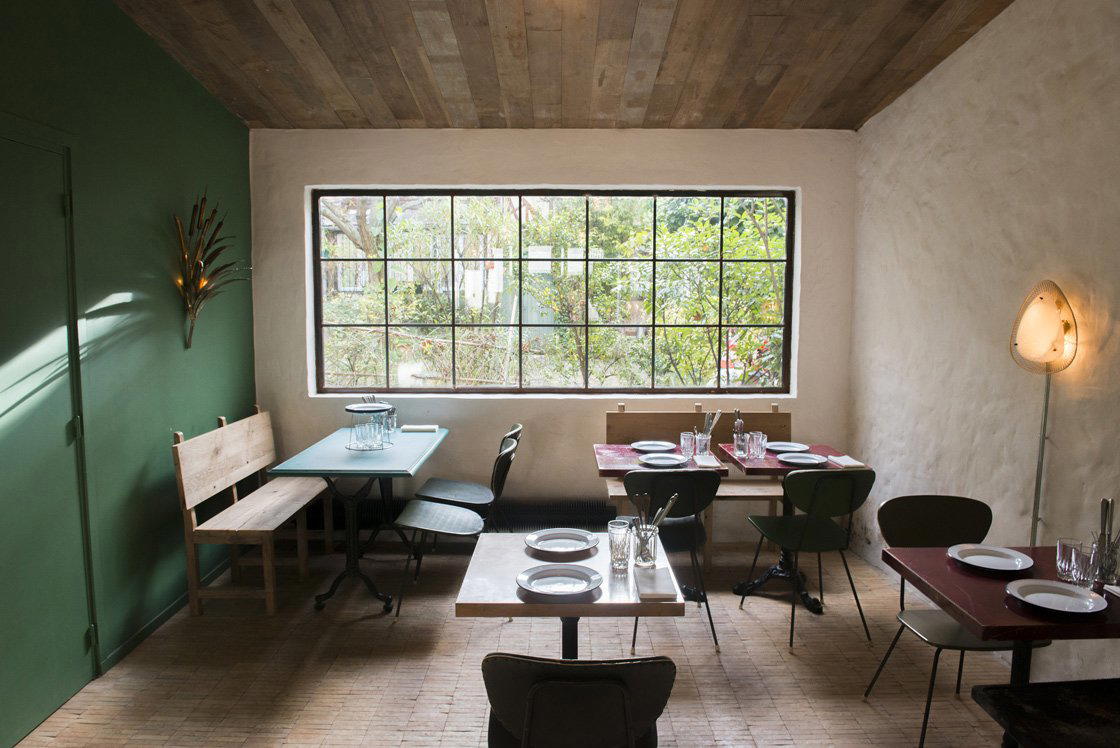
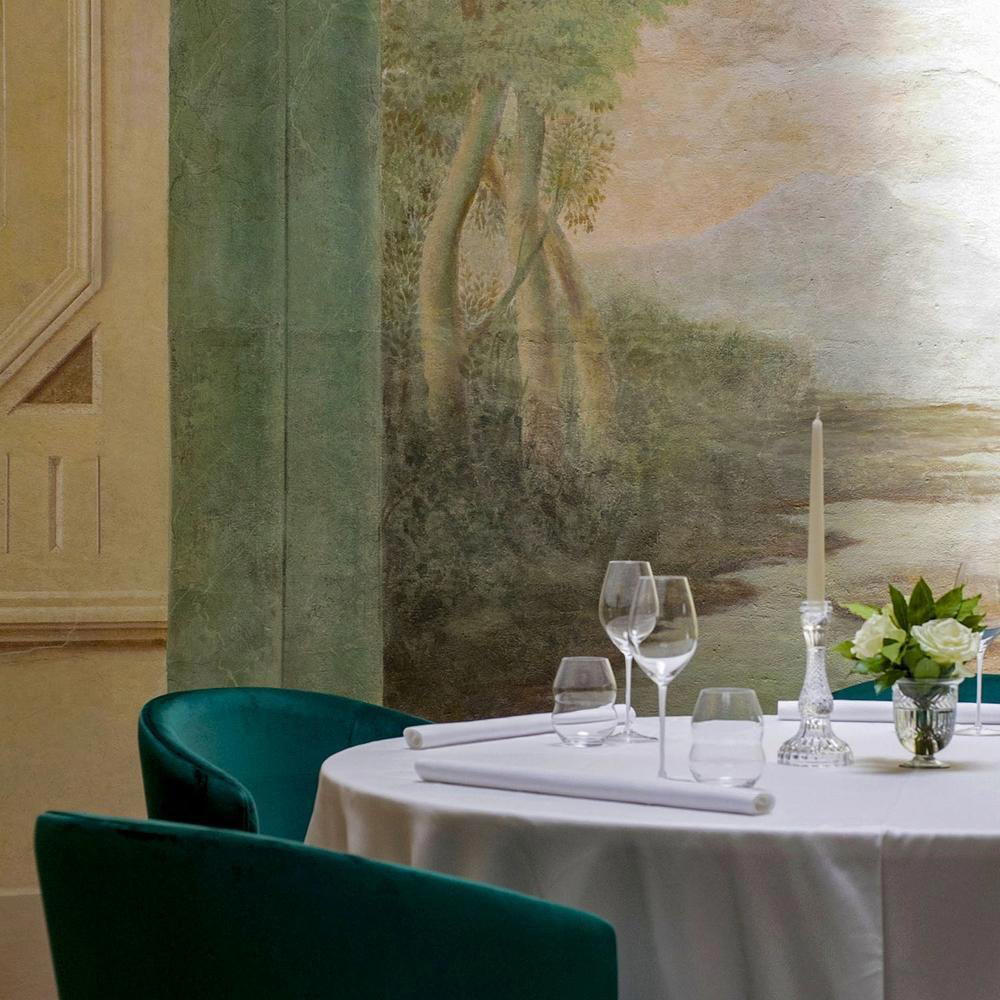
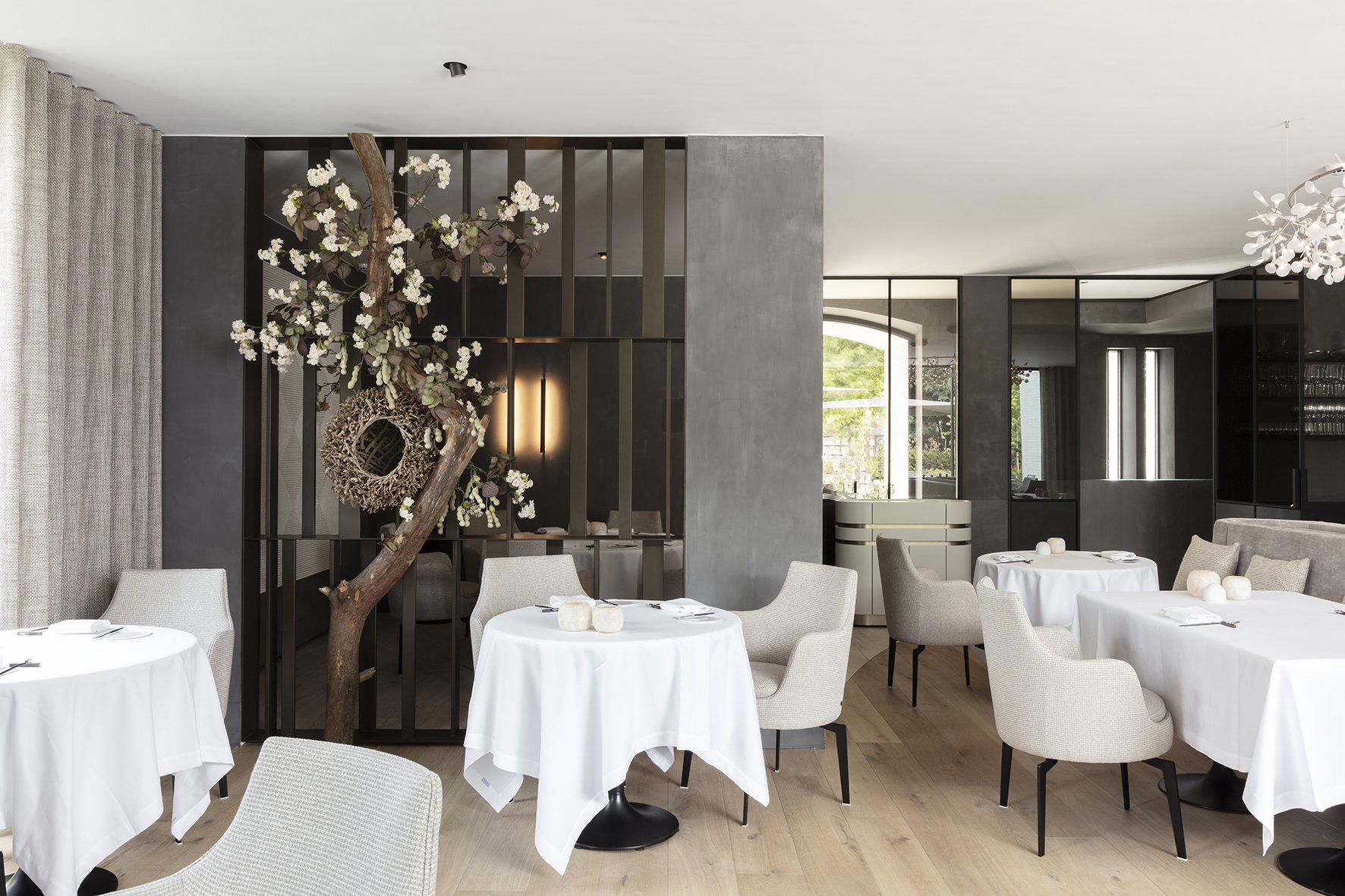
Snug, pared-back, minimalist, and arty interior creating an intimate dining cocoon.