
Lai Wah Heen has anchored Toronto's fine Cantonese dining scene from its address at 108 Chestnut Street for decades, earning a reputation that places it in a different tier from the city's broader Chinese restaurant market. The kitchen's approach to classic dim sum and formal dinner service reflects a tradition that aligns more closely with Hong Kong's hotel dining rooms than with the neighbourhood Cantonese houses that define much of the GTA.
Pearl is the En Primeur Club membership app — saves, bookings, and concierge access live there. Same editors, same standards.
- Address
- 108 Chestnut St, Toronto, ON M5G 1R3, Canada
- Phone
- +14162608988
- Website
- laiwahheen.com
- Directions
- Get directions
 Saves & bookings on Pearl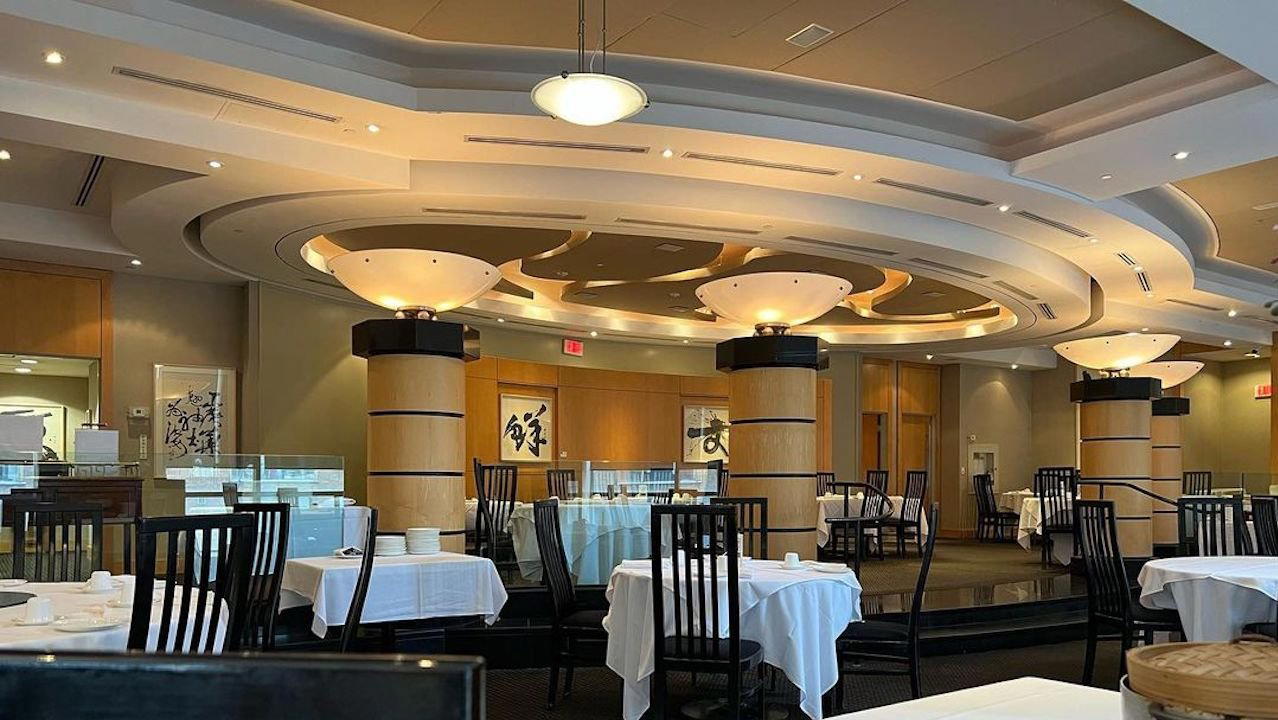
Where Toronto's Cantonese Fine Dining Sets Its Benchmark
Toronto's Chinese restaurant market is one of the largest and most varied in North America, spanning regional cuisines from Cantonese to Sichuan to Shanghainese across a metropolitan area with a large diaspora population. Within that breadth, a narrower tier of formal Cantonese dining has always existed, modelled on the hotel dining rooms of Hong Kong rather than the roast-duck houses of Markham or the dim sum halls of Scarborough. Lai Wah Heen, at 108 Chestnut Street in downtown Toronto, has long occupied that upper tier, functioning as a reference point for what Cantonese cooking looks like when it is treated with the same seriousness that Toronto's French and contemporary kitchens apply to their own traditions.
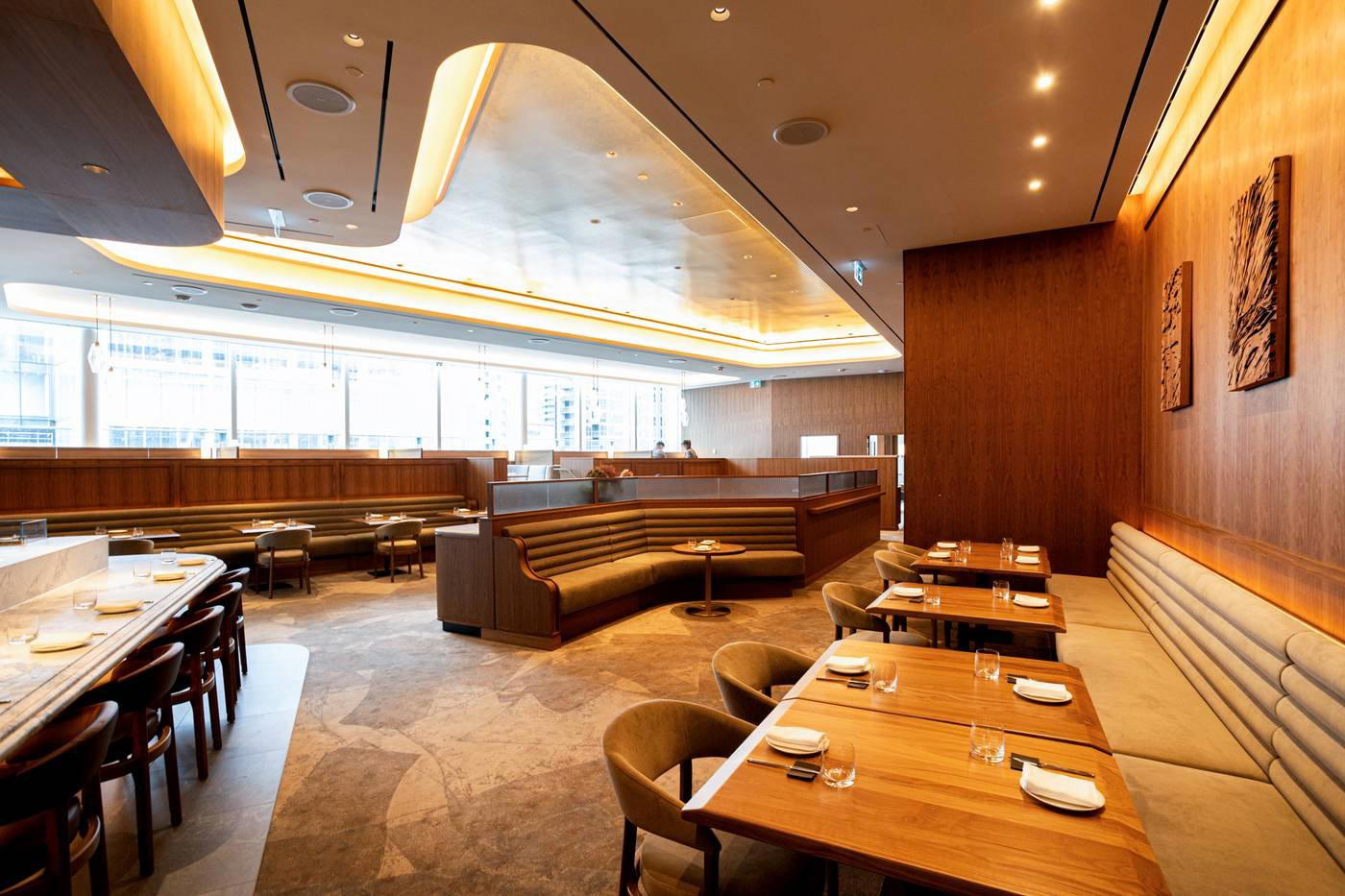
The address matters as much as the food. Chestnut Street sits at the edge of the Entertainment District, close enough to the financial core that a midday table fills with business diners, yet distinct from the buzz of King West. The room itself signals the approach before a dish arrives: formal tablecloths, measured service, and a spatial arrangement that separates the experience from the communal noise of a typical dim sum hall. In a city where Alo (Contemporary) and Sushi Masaki Saito (Sushi, Japanese) define their respective genres, Lai Wah Heen holds a comparable position for formal Cantonese, the place Toronto's food community points to when the question is not merely where to eat Chinese food, but where to eat it at a high technical level.
The Lunch-to-Dinner Shift: Two Different Restaurants in One Room
Cantonese fine dining has a structural duality that few other cuisines share at the formal end: the same kitchen and room serve two meaningfully different experiences depending on the hour. Dim sum lunch and a full dinner menu are not simply the same offering at different times of day; they represent distinct culinary traditions, different pacing, and, in most cases, different value propositions for the diner.
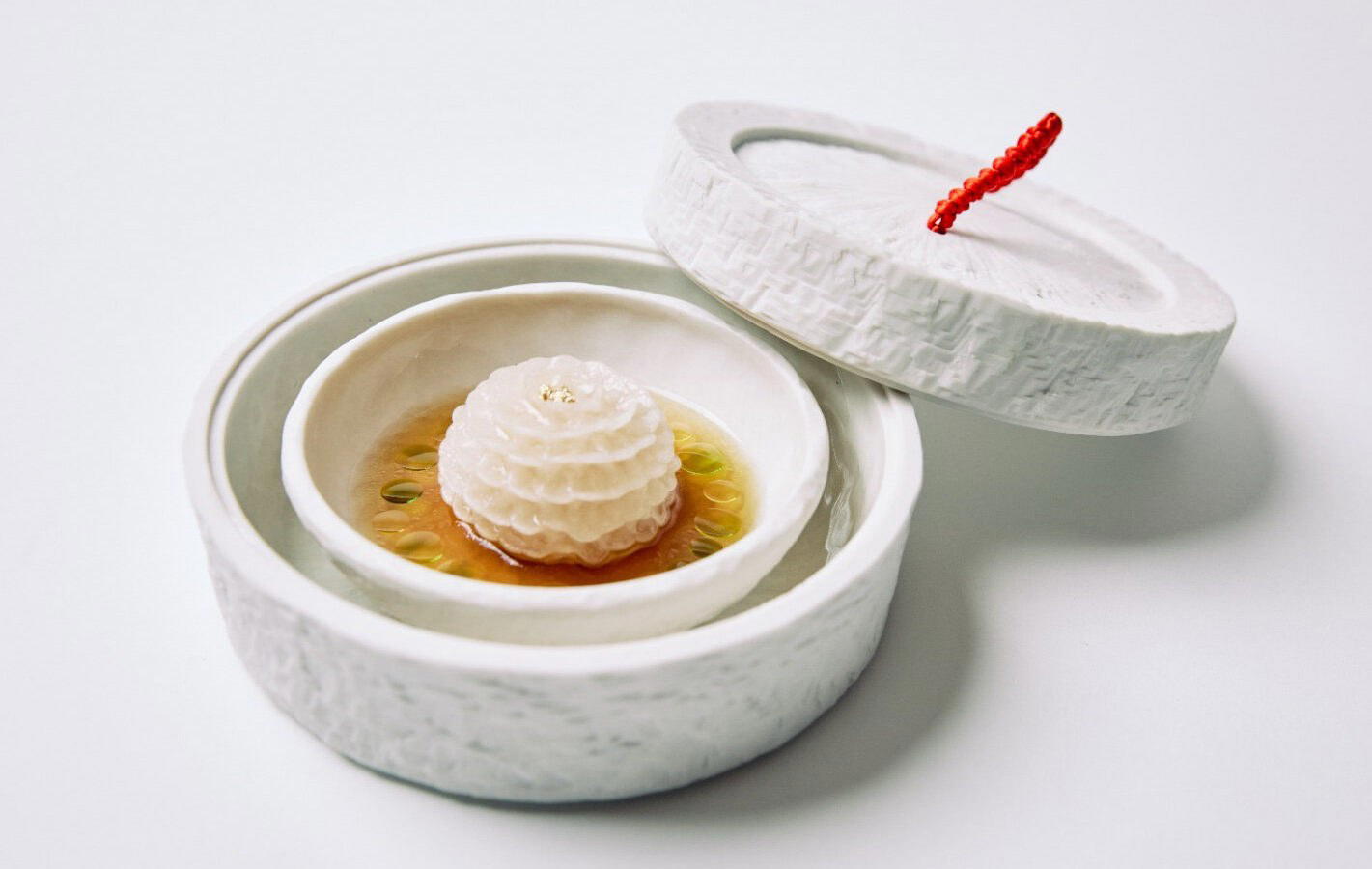
At Lai Wah Heen, the daytime service has historically been the entry point for guests who want to understand what separates a formal Cantonese kitchen from a volume-driven dim sum hall. Dim sum at this level is a craft exercise: har gow wrappers thin enough to show the prawn filling through the skin, cheung fun with a texture that holds without breaking, siu mai assembled with a precision that reflects kitchen discipline rather than speed. The daytime format also carries a lower price threshold than dinner, which makes it the more accessible window into the kitchen's capabilities. For visitors to Toronto who want a single meal that demonstrates the range of Cantonese technique, the dim sum lunch has consistently been the more instructive choice.
The dinner service operates on different logic. The menu shifts toward whole-dish Cantonese cooking, the kind of longer, table-centred format that is built around shared plates, seasonal ingredients, and a pace that requires more from both kitchen and diner. Where the dim sum lunch can be navigated quickly and efficiently, dinner asks for a different commitment of time and attention. The value calculus also changes: dinner at this level places the restaurant in a comparable set that includes Aburi Hana (Kaiseki, Japanese) and Don Alfonso 1890 (Contemporary Italian, Italian) in terms of the overall spend and the level of ceremony expected from the service.
Cantonese Tradition in a City That Rewards It
Toronto's relationship with Cantonese cuisine is older and more layered than most North American cities. The GTA's Cantonese-speaking population is large enough to sustain genuine culinary standards, meaning that a kitchen at this address cannot rely on novelty or atmosphere alone. The audience includes diners who have eaten dim sum in Hong Kong, who know what an accurate cheung fun should feel like, and who will notice when the kitchen takes shortcuts. That competitive pressure from a knowledgeable local population is part of what gives the venue its credibility.
Across Canada, the conversation about fine dining has shifted considerably in the past decade, with kitchens in Tanière³ in Quebec City and Jérôme Ferrer - Europea in Montreal drawing increasing attention, and destination restaurants like AnnaLena in Vancouver reframing what regional cooking means. Within that national picture, Toronto's formal Cantonese dining occupies a niche that is neither chasing trends nor retreating into nostalgia. It is, instead, a direct continuation of a Hong Kong-rooted tradition that has found a serious North American expression in this city.
For context on where the restaurant sits relative to Toronto's broader fine dining offer, our full Toronto restaurants guide maps the city's leading tables across cuisines and neighbourhoods. Elsewhere in the EP Club network, places like DaNico (Italian) and the rural intensity of Eigensinn Farm in Singhampton represent how different Toronto's fine dining radius has become, extending well beyond the downtown core into formats that have little in common with a formal hotel dining room. That diversity makes the continued presence of a kitchen like Lai Wah Heen more notable, not less: it reflects a city that has room for both the avant-garde and the refined traditional.
Internationally, the closest analogues for what the restaurant represents would be found in the upper-tier Cantonese rooms of Hong Kong or in New York's most technically rigorous kitchens, such as Le Bernardin in New York City and Atomix in New York City, which share the same commitment to craft-as-discipline rather than craft-as-performance. Outside Ontario, the EP Club also covers considered regional dining at Restaurant Pearl Morissette in Lincoln, The Pine in Creemore, and further afield at Barra Fion in Burlington and Bearspaw Golf Club in Calgary, alongside heritage-rooted dining at Aux Anciens Canadiens in Quebec and the northern edge of the country's dining map at Narval in Rimouski.
Planning a Visit
The restaurant sits at 108 Chestnut Street in downtown Toronto, accessible from both the St. Patrick and Osgoode subway stations. Reservations are recommended, particularly for weekend dim sum service and for dinner on Thursday through Saturday evenings. Dress is smart casual.
In Context: Similar Options
Comparable venues nearby, for context on price, style, and recognition.
| Venue | Cuisine | Price | Notes |
|---|---|---|---|
| Lai Wah HeenThis venue — the venue you are viewing | Refined Cantonese Dim Sum & Fine Dining | $$$$ | Not listed |
| estiatorio Milos Toronto | Contemporary Greek Seafood | $$$$ | Financial District |
| Cassius | Contemporary Italian | $$$$ | Fashion District |
| House of Chan | Chinese Steak & Lobster House | $$$ | Allenby |
| Alobar Downtown | Modern American Steakhouse | $$$$ | Financial District |
| Bisteccheria Sammarco | Modern Italian Steakhouse | $$$$ | St. Lawrence |
Recognition history
Dated appearances from independent guides and award organizations, with the underlying list record or original source where available.
Chinese Restaurant Awards — Top 50 Honouree Canada: Top 50 Honouree Canada
Chinese Restaurant Awards
Continue exploring
More in Toronto
Restaurants in Toronto
Browse all →
Bars in Toronto
Browse all →
Hotels in Toronto
Browse all →

At a Glance
- Elegant
- Sophisticated
- Classic
- Special Occasion
- Business Dinner
- Celebration
- Hotel Restaurant
Current opening hours
- Monday
- 10:30 AM–10 PM
- Tuesday
- 10:30 AM–10 PM
- Wednesday
- 10:30 AM–10 PM
- Thursday
- 10:30 AM–10 PM
- Friday
- 10:30 AM–11 PM
- Saturday
- 10 AM–11 PM
- Sunday
- 10 AM–10 PM
Hours can change for holidays and private events. Last verified .
Elegant and traditional decor with white tablecloths, warm lighting, and a refined atmosphere.