

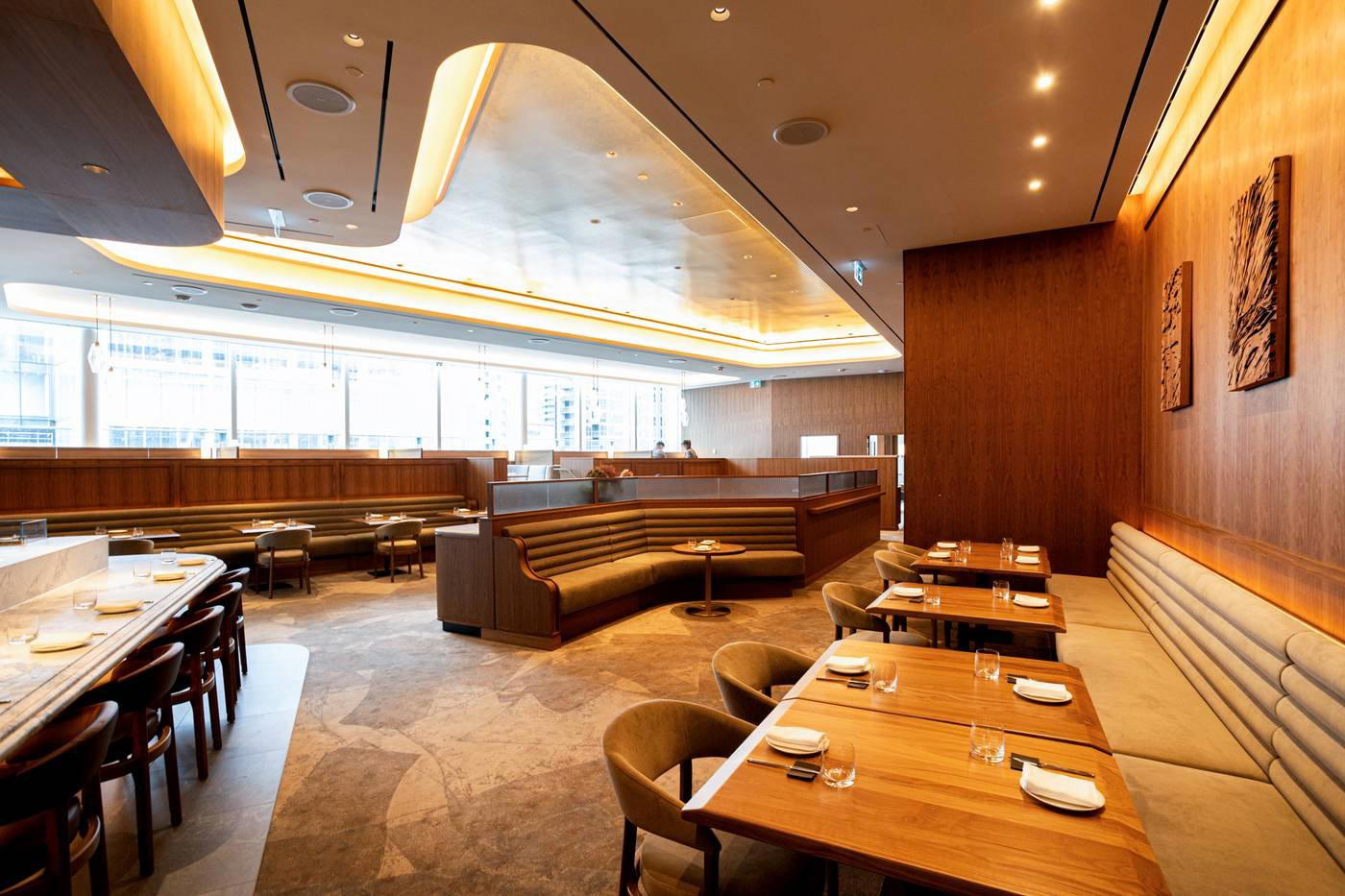
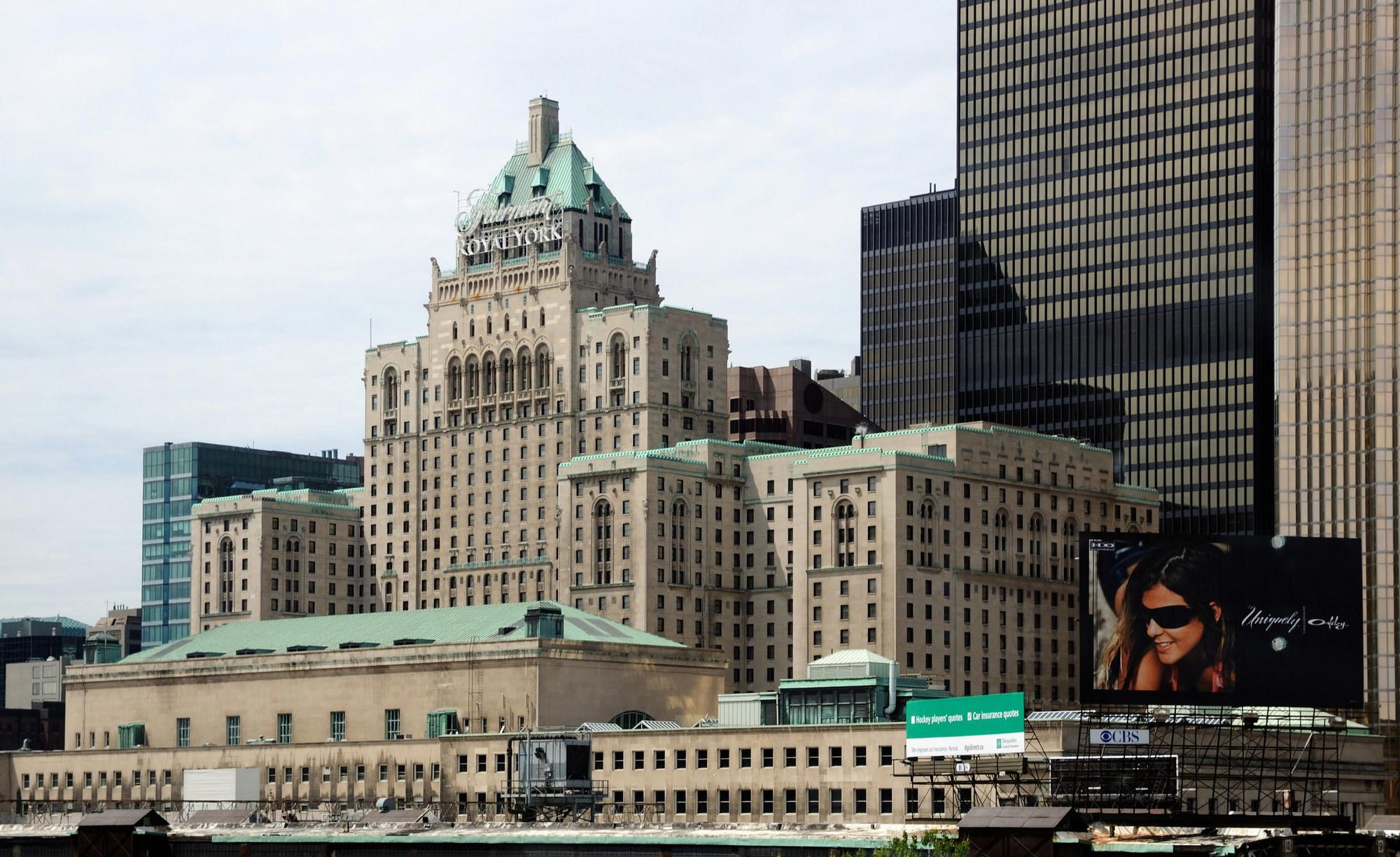
Alobar Downtown at 150 York St sits inside Toronto's Financial District dining conversation, where the question is less about whether a room can feed a crowd and more about whether it can hold a room's attention through the full arc of a meal. The address places it among the city's more deliberate mid-to-upper tier tables, where ritual and pacing carry as much weight as the plate itself.
Pearl is the En Primeur Club membership app — saves, bookings, and concierge access live there. Same editors, same standards.
- Address
- 150 York St, Toronto, ON M5H 3S5, Canada
- Phone
- +16473686981
- Website
- alobardowntown.com
- Directions
- Get directions
 Saves & bookings on Pearl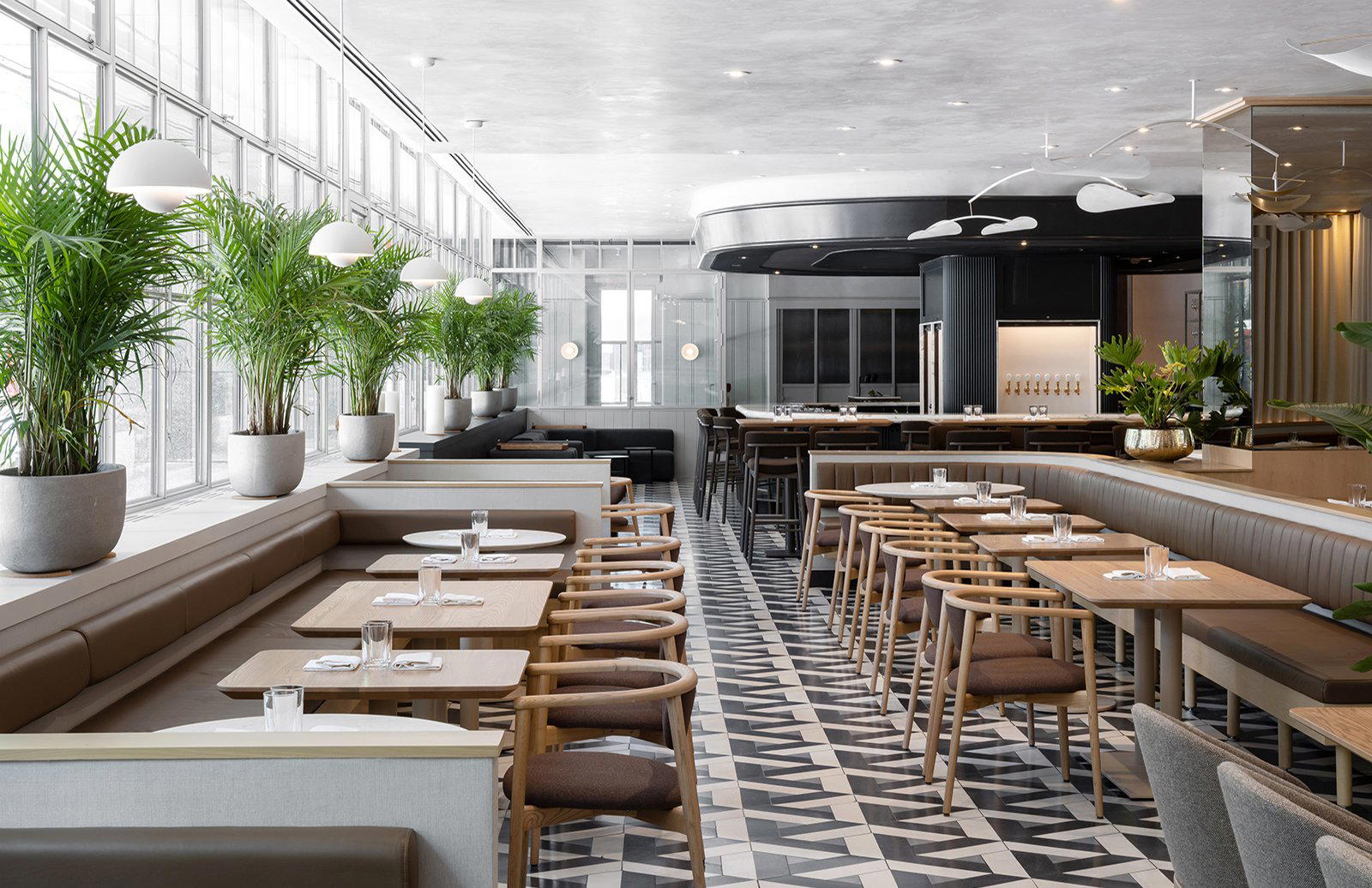
Where the Financial District Slows Down
Toronto's Financial District has never been short of places to eat near a deal, but it has historically struggled to produce restaurants worth returning to once the invoice is settled. Alobar Downtown is a Modern American Steakhouse at 150 York St in Toronto. The corridor around York Street and King has shifted in recent years, with a handful of rooms making a case that downtown dining can carry the same intention as the city's more celebrated neighbourhood tables. Alobar Downtown, at 150 York St, is part of that shift, a room that positions itself for the kind of meal that takes its time rather than one that clears a table for the next booking.
The broader dining ritual matters here as a frame. In a district where lunch is transactional and dinner often follows suit, a restaurant that asks the guest to settle in operates against the grain of its surroundings. That contrast is part of what gives a place like this its particular character: the architecture of the meal, how courses arrive, how the room breathes between them, becomes legible against the backdrop of a neighbourhood that usually moves faster.
The Ritual of the Room
Canadian fine dining has increasingly borrowed from the European model of pacing: fewer courses arriving close together, more space between them, a greater emphasis on the moment of service as part of the experience itself. This approach has migrated from destination rooms like Tanière³ in Quebec City and Eigensinn Farm in Singhampton, where pacing is almost philosophical, into urban rooms that serve a more varied clientele. The challenge for a downtown Toronto address is threading that sensibility through a room that also needs to function for business dinners, post-theatre suppers, and guests who have not necessarily opted into a long-format evening.
The dining ritual at this tier of Toronto restaurant, call it the considered mid-evening format, depends on the room reading its guests accurately. Tables that linger are treated differently from tables working to a schedule, and the better rooms in the city manage that without making the distinction obvious. Compared to the omakase format that defines counters like Sushi Masaki Saito or the kaiseki progression at Aburi Hana, where the sequence is fixed and the guest surrenders to it entirely, a restaurant in the à la carte or semi-structured format carries a different responsibility: it must create ritual from a menu that allows choice.
Toronto's Downtown Dining Tier
To place Alobar Downtown in its competitive context, it helps to understand how Toronto's upper dining tier is distributed geographically. The majority of the city's most-discussed restaurants operate outside the Financial District: Alo in the Entertainment District, DaNico and Don Alfonso 1890 representing the Italian-inflected contemporary bracket. The Financial District feeds off corporate demand, which creates a different set of pressures: larger average party sizes, higher tolerance for speed, and a guest base that often has an expense account rather than a personal commitment to the meal.
Within that context, a restaurant that aims above the business-lunch baseline is making a specific claim, that its room and its food can redirect a guest's attention away from the deal and toward the dinner. That is harder than it sounds, and the rooms that manage it in comparable districts globally (the City of London, Midtown Manhattan, La Défense) tend to share certain traits: confident service, a wine program with depth, and food that doesn't require explanation but rewards attention. For reference points beyond Canada, Le Bernardin in New York City and Lazy Bear in San Francisco both demonstrate how a fixed address in a high-density commercial zone can build a reputation that transcends its surroundings through format discipline and consistency.
What the Canadian Scene Provides as Context
Canada's restaurant culture has developed a particular strength in farm-sourcing and regional ingredient identity over the past decade. Places like Restaurant Pearl Morissette in Lincoln and Fogo Island Inn Dining Room in Joe Batt's Arm have built international reputations on hyperlocal sourcing pushed to its logical extreme. Urban rooms don't always have the same latitude, but the leading ones absorb that sensibility in their ingredient choices even when they can't replicate the setting. AnnaLena in Vancouver and Jérôme Ferrer - Europea in Montreal represent city-based versions of that approach, Canadian ingredient thinking applied to urban dining formats.
A downtown Toronto room operates inside that broader national current whether it references it explicitly or not. The guest arriving at 150 York St in 2024 carries expectations shaped by what the wider Canadian scene has established: that good sourcing is a baseline, that the meal should have a point of view, and that service should be knowledgeable rather than performative. These are not uniquely Canadian expectations, Cafe Brio in Victoria and Narval in Rimouski operate with the same general set, but they have become the floor rather than the ceiling for rooms at this address tier.
At-a-Glance Comparison
Comparable venues nearby, for context on price, style, and recognition.
| Venue | Cuisine | Price | Notes |
|---|---|---|---|
| Alobar DowntownThis venue — the venue you are viewing | Modern American Steakhouse | $$$$ | Not listed |
| Aura | Global Small Plates with Turkish & Spanish Influences | $$$ | South Riverdale |
| Bardi's Steakhouse | Traditional Steakhouse | $$$$ | Financial District |
| Goose Island Brewhouse Toronto | American Gastropub | $$ | Saint Lawrence |
| The Craft Brasserie & Grille | American Brasserie & Brew Pub | $$ | Liberty Village |
| Convivium Dining Community | European-Inspired Fine Dining (Italian, French, Mediterranean) | $$$$ | Church-Yonge Corridor |
Recognition history
Dated appearances from independent guides and award organizations, with the underlying list record or original source where available.
Opinionated About Dining Casual in North America Recommended
Opinionated About Dining
Wine Spectator Award of Excellence
Wine Spectator
Continue exploring
More in Toronto
Restaurants in Toronto
Browse all →

Bars in Toronto
Browse all →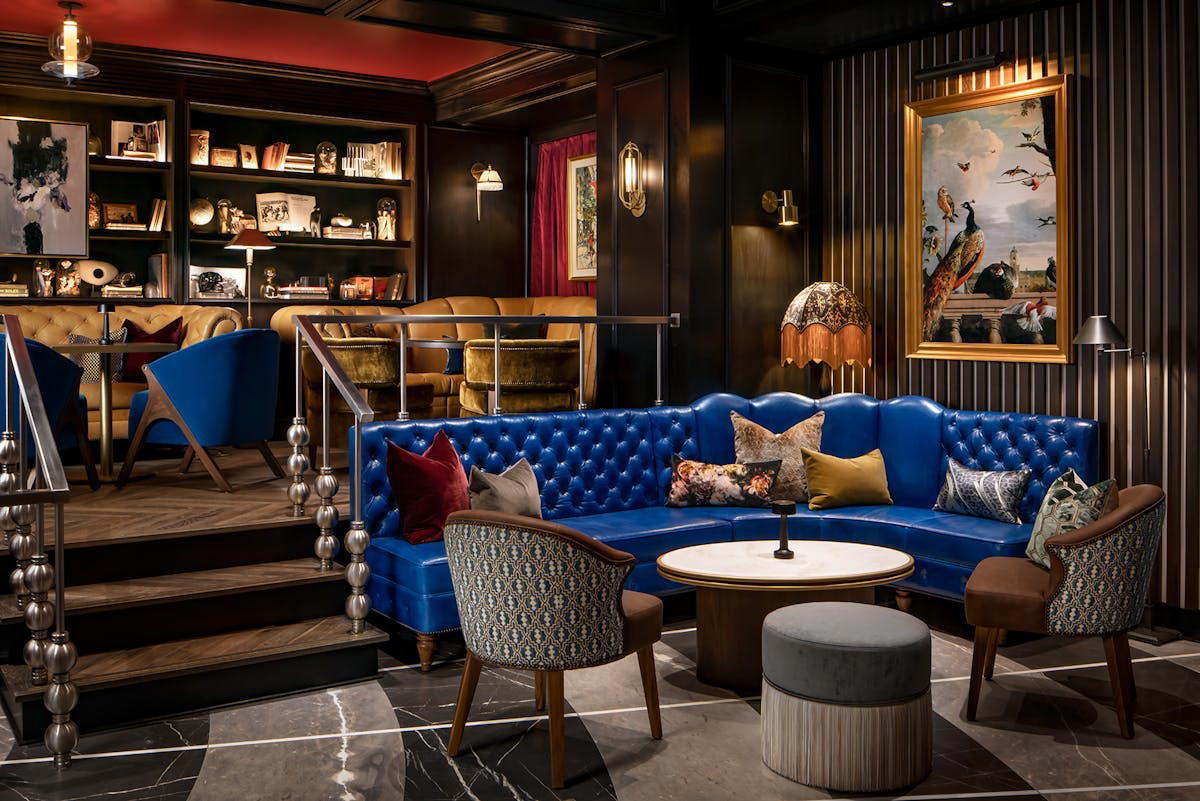
Hotels in Toronto
Browse all →

At a Glance
- Sophisticated
- Elegant
- Lively
- Modern
- Business Dinner
- Date Night
- Group Dining
- Celebration
- Open Kitchen
- Live Music
- Private Dining
- Extensive Wine List
- Craft Cocktails
Current opening hours
- Monday
- 11:30 AM–10 PM
- Tuesday
- 11:30 AM–10 PM
- Wednesday
- 11:30 AM–10 PM
- Thursday
- 11:30 AM–10 PM
- Friday
- 11:30 AM–10 PM
- Saturday
- 5–10 PM
- Sunday
- Closed
Hours can change for holidays and private events. Last verified .
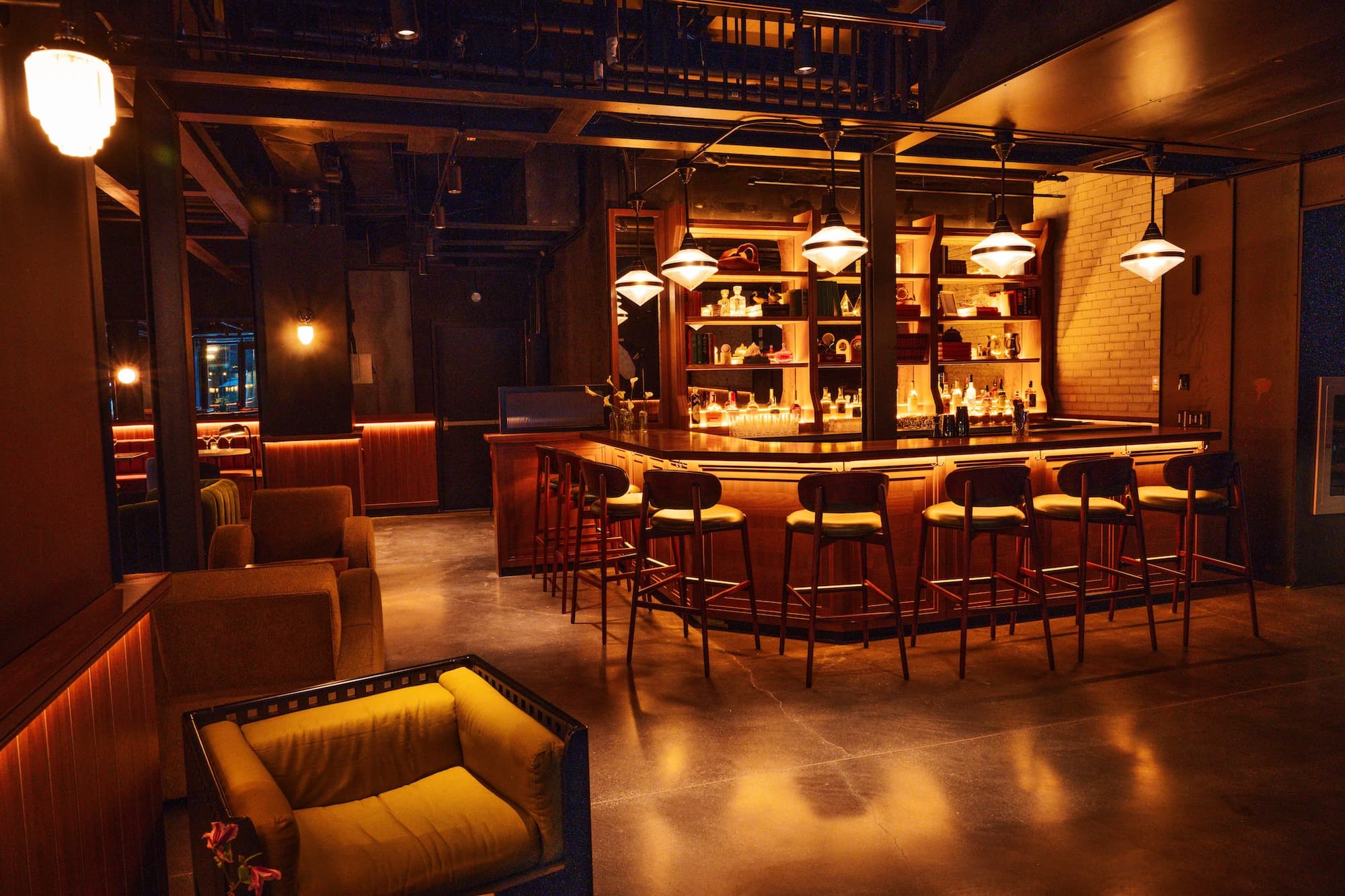
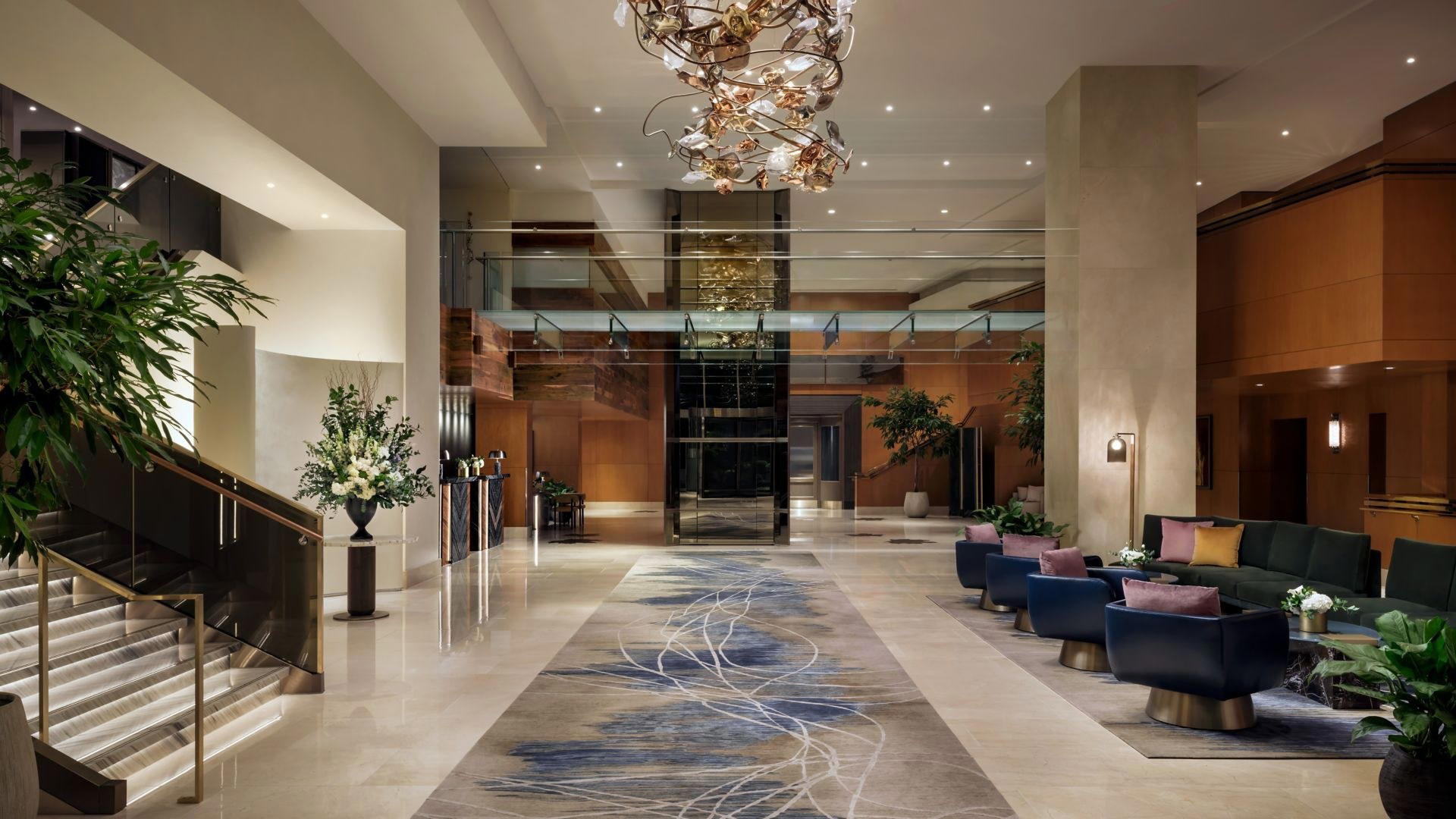
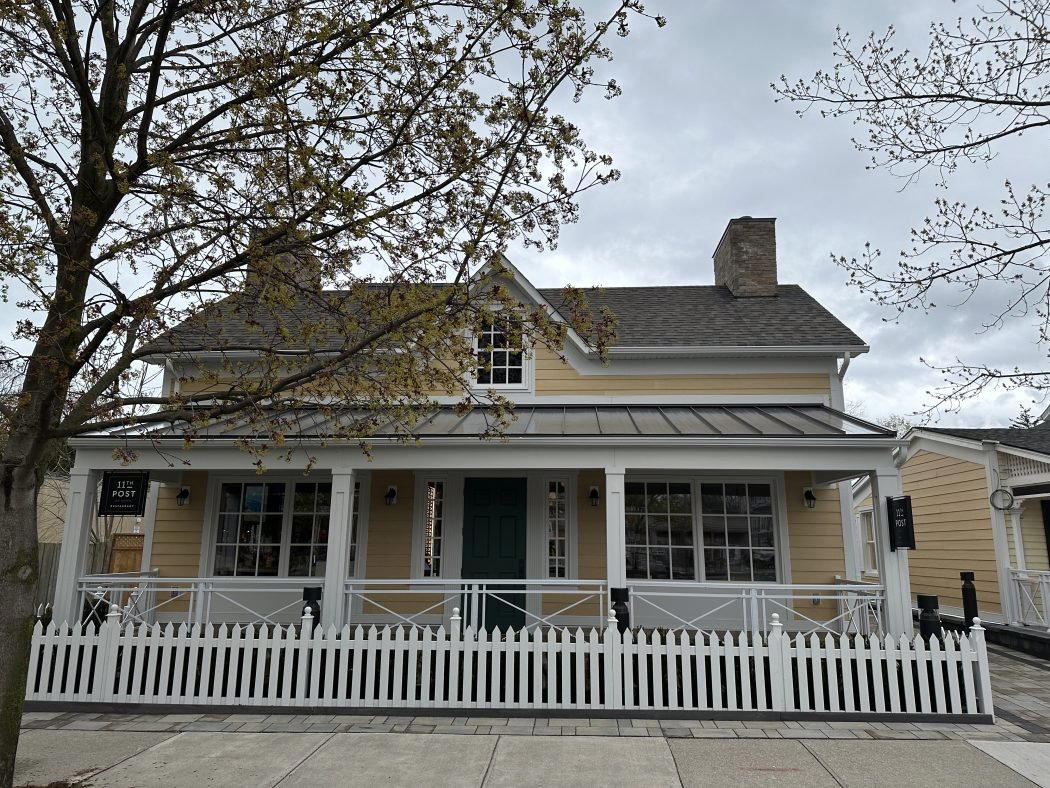
Warm dining room with revelry in the bar and lounge, balancing upscale experience with laid-back spirit and tactile details.