Milos brings its signature market-table format to Toronto's Financial District, anchoring Greek seafood tradition on Bay Street. The kitchen's sourcing logic traces directly to Greek fishing ports and Mediterranean aquaculture, making provenance the organising principle of the menu. In a city where high-end dining skews heavily toward Japanese omakase and contemporary tasting menus, Milos occupies a distinct lane.
Pearl is the En Primeur Club membership app — saves, bookings, and concierge access live there. Same editors, same standards.
- Address
- 330 Bay St., Toronto, ON M5H 2S8, Canada
- Phone
- +14164627260
- Website
- estiatoriomilos.com
- Directions
- Get directions
 Saves & bookings on Pearl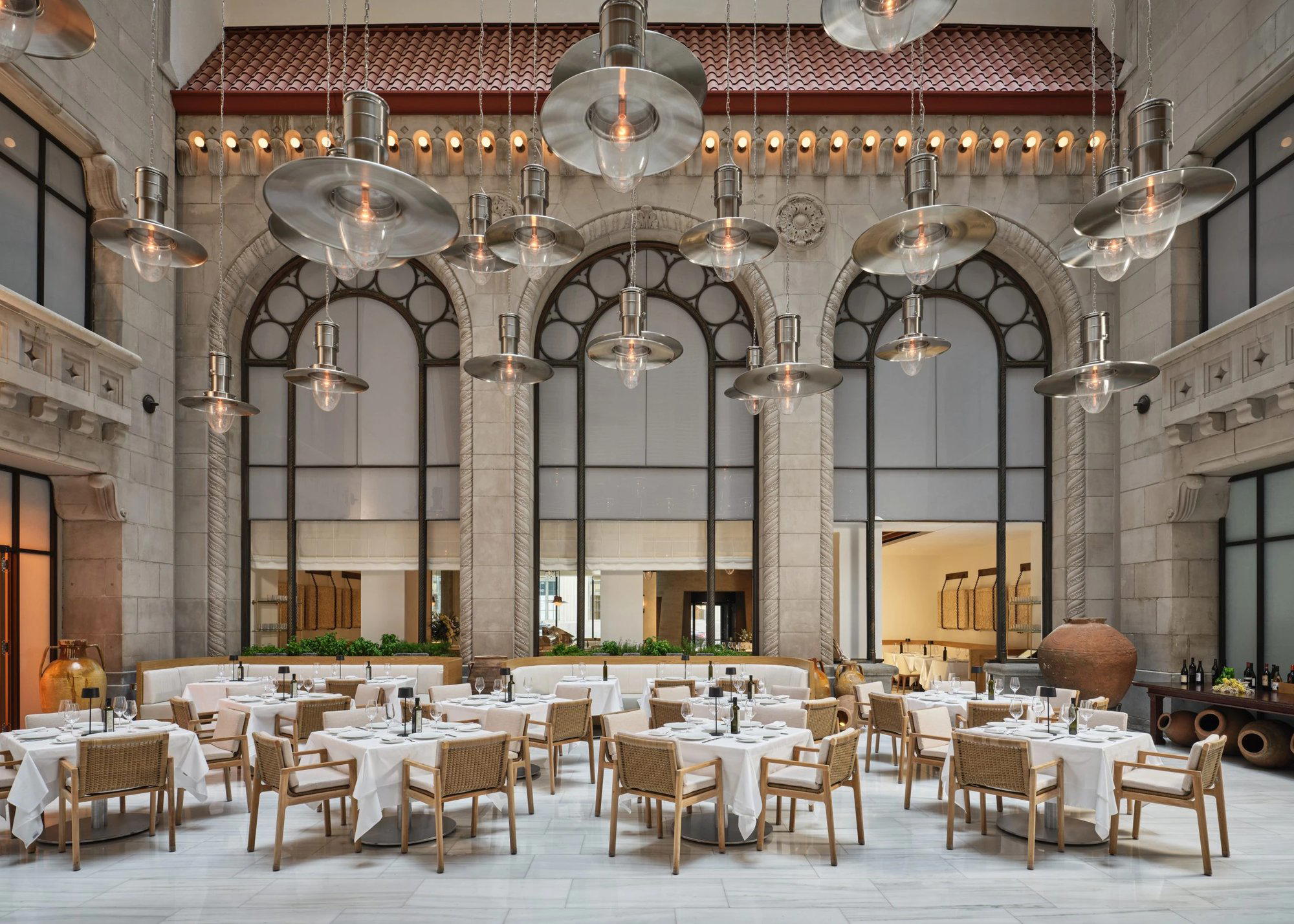
Greek Seafood at the Price-by-Weight Counter
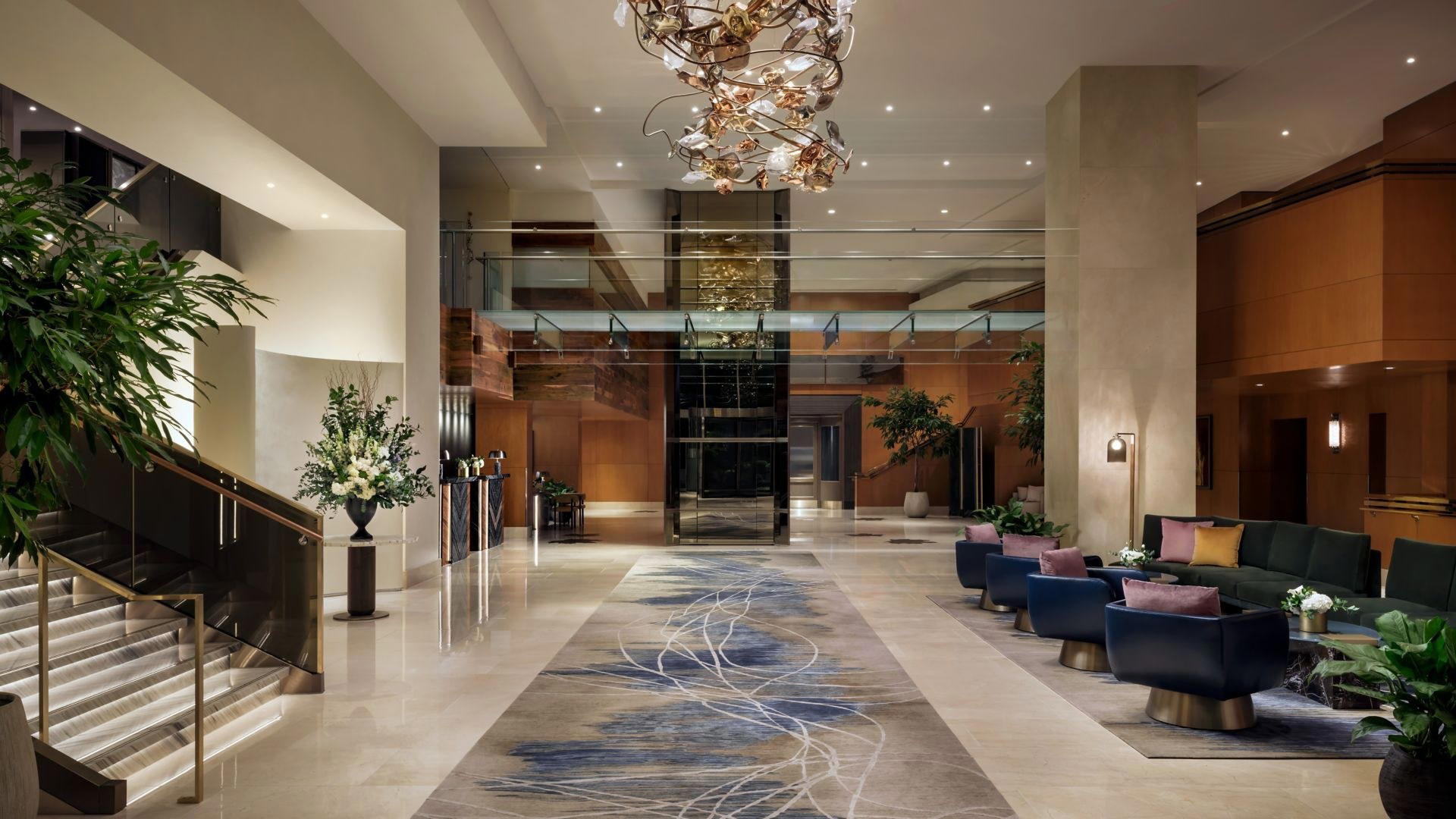
Walk into the Financial District at midday and the dominant register is glass, concrete, and the muted confidence of Bay Street suits. Estiatorio Milos at 330 Bay St. interrupts that rhythm with something older and more tactile: a displayed spread of whole fish on ice, vegetables stacked in open crates, and the visual grammar of a Greek taverna scaled for a financial capital. The room is direct about what it is. The fish counter is the first thing you encounter, which is an architectural argument about what matters here.
That counter is the clearest expression of the Milos sourcing model. Whole fish are priced by weight and selected tableside, a format that shifts the transaction from menu-reading to market interaction. The approach has defined the brand across its New York, Montreal, Miami, London, and Athens locations, and Toronto inherits it without adaptation. For a dining room at this address and price tier, the decision to centre the room on raw product rather than composed plating is deliberate: it signals that the kitchen's confidence lives in the sourcing chain, not the transformation.
Where the Fish Comes From
The ingredient sourcing argument at Milos runs deeper than theatre. Greek taverna culture has always treated the quality of the catch as the primary variable, preparation is largely a frame for the fish, not a vehicle for chef expression. Milos applies that logic at international scale by importing fish directly from Greek waters and Mediterranean suppliers rather than relying on North American substitutes. Species like lavraki (sea bass), tsipoura (sea bream), and fagri (red porgy) arrive on the plate because the supply chain was built to deliver them, not because a local equivalent was found.
This matters in the Toronto context because the city's high-end seafood dining has generally developed in other directions. Sushi Masaki Saito operates at the apex of Japanese sourcing discipline, with fish selected for omakase-grade precision. Aburi Hana takes the kaiseki approach, where seafood appears as one register within a multi-course architecture. Milos does something structurally different: it builds the entire meal around a single sourcing relationship with the Mediterranean, and asks the diner to trust that relationship enough to choose their fish by sight and weight rather than by description.
The vegetable programme follows the same logic. Imported Greek produce, Santorini capers, Kalamata olives, the small sweet tomatoes associated with specific island growing conditions, appears alongside North American ingredients where the supply dictates. The effect is a menu that reads as an argument for origin specificity over seasonal localism, which places Milos in an interesting tension with the broader Canadian dining conversation, where provenance increasingly means proximity.
The Toronto Dining Context
Toronto's upper tier has consolidated around a fairly legible set of formats. Contemporary tasting menus like Alo operate at the technical and conceptual edge of Canadian fine dining. Italian houses like DaNico and Don Alfonso 1890 have built strong positions in the $$$$-tier. What the city's fine dining map has been slower to develop is a Greek or broader Eastern Mediterranean presence at comparable price points.
Milos arrived with an existing brand architecture rather than growing from a local chef's project, which is a different kind of entry than most of the city's celebrated independents represent. Eigensinn Farm outside the city or Restaurant Pearl Morissette in Lincoln embody a different model: hyper-local, chef-driven, operating from a specific piece of Canadian land. Milos is the counter-argument, that quality can be achieved through supply chain investment rather than geographical rootedness. Both positions are coherent; they simply answer a different question about what fine dining is for.
Regionally, Tanière³ in Quebec City and Fogo Island Inn Dining Room represent the hyper-local Canadian extreme. At the international end of the Canadian dining spectrum, Milos sits alongside the imported-concept tier, comparable in its sourcing ambition to how Le Bernardin in New York City has long treated fish sourcing as the primary editorial statement of the kitchen.
Format and Experience
The Milos format is structured around the market-table presentation and the weight-priced fish selection. Diners are led to the counter, the catch is described and weighed, and the price is confirmed before the fish goes to the kitchen. It is a model that rewards engagement, guests who ask questions, compare species, and treat the selection as the main event of the meal tend to get more from it than those who arrive expecting a conventional à la carte interaction.
The rest of the menu operates as context for the fish: dips, mezze, simply dressed greens, and grilled preparations that keep the focus on product rather than technique. The preparation style is Greek in orientation, olive oil, lemon, oregano, char, rather than the French-influenced fine dining vocabulary that dominates much of Toronto's upper tier. For a dining room at this address in the Financial District, that restraint in preparation is either the point or a mismatch, depending on what you came for.
Room itself is large by the standards of comparable Toronto restaurants. High ceilings and an open floor plan give it a quality of amplitude that the smaller tasting-menu rooms, Aburi Hana and the counter-format Japanese houses, deliberately avoid. This makes Milos more functional for larger tables and corporate dining, which shapes its position in the market as much as the food does.
Canadian and International Comparisons
Milos has worked in cities where a critical mass of diners has both the appetite for Mediterranean product and the spending capacity to support import-grade pricing. New York's version has operated for decades and anchors the brand's credibility. The Toronto location competes in a city where AnnaLena in Vancouver and Jérôme Ferrer - Europea in Montréal demonstrate that Canadian diners support experiential fine dining formats willingly, but where the appetite for a specific imported regional cuisine at premium price points is less established.
Lazy Bear in San Francisco and Cafe Brio in Victoria illustrate how different format commitments, communal dining, West Coast seasonal, can build loyal audiences in North American markets. Milos is betting that Mediterranean sourcing specificity creates a comparable loyalty signal in Toronto's Financial District, where the clientele skews toward international travel experience and is likely to have encountered the brand elsewhere.
Planning Your Visit
Estiatorio Milos Toronto is at 330 Bay St. in the Financial District, positioned for the lunch and dinner business that the surrounding office towers generate. The weight-priced fish format means the final bill is variable and can climb significantly depending on selection; guests unfamiliar with the format should clarify pricing at the counter before committing. The restaurant operates across the Milos international group's standards, so diners who have visited the New York or Montreal locations will find a consistent format here.
For Toronto visitors building a broader dining itinerary, the city's full range, from the tasting-menu tier to neighbourhood independents, is covered in our full Toronto restaurants guide. Those interested in comparing Canadian regional dining traditions should also consider Narval in Rimouski and Busters Barbeque in Kenora as reference points for how different parts of the country approach ingredient-driven cooking from different supply chains.
Quick reference: 330 Bay St. Toronto Financial District. Market-table fish counter; weight-priced selection. Reservations advised, particularly for dinner and larger parties.
Comparison Snapshot
Comparable venues nearby, for context on price, style, and recognition.
| Venue | Cuisine | Price | Notes |
|---|---|---|---|
| estiatorio Milos TorontoThis venue — the venue you are viewing | Contemporary Greek Seafood | $$$$ | Not listed |
| Petros82 | Modern Mediterranean Greek | $$$$ | Entertainment District |
| Kiyomi | Traditional Japanese Omakase & Tempura | $$$$ | Church and Wellesley |
| Mamakas Taverna | Modern Greek Taverna | $$$ | Trinity Bellwoods |
| BÖEHMER RESTAURANT | Modern Canadian Fine Dining | $$$$ | Trinity Bellwoods |
| PAROS | Modern Greek | $$$ | Yorkville |
Continue exploring
More in Toronto
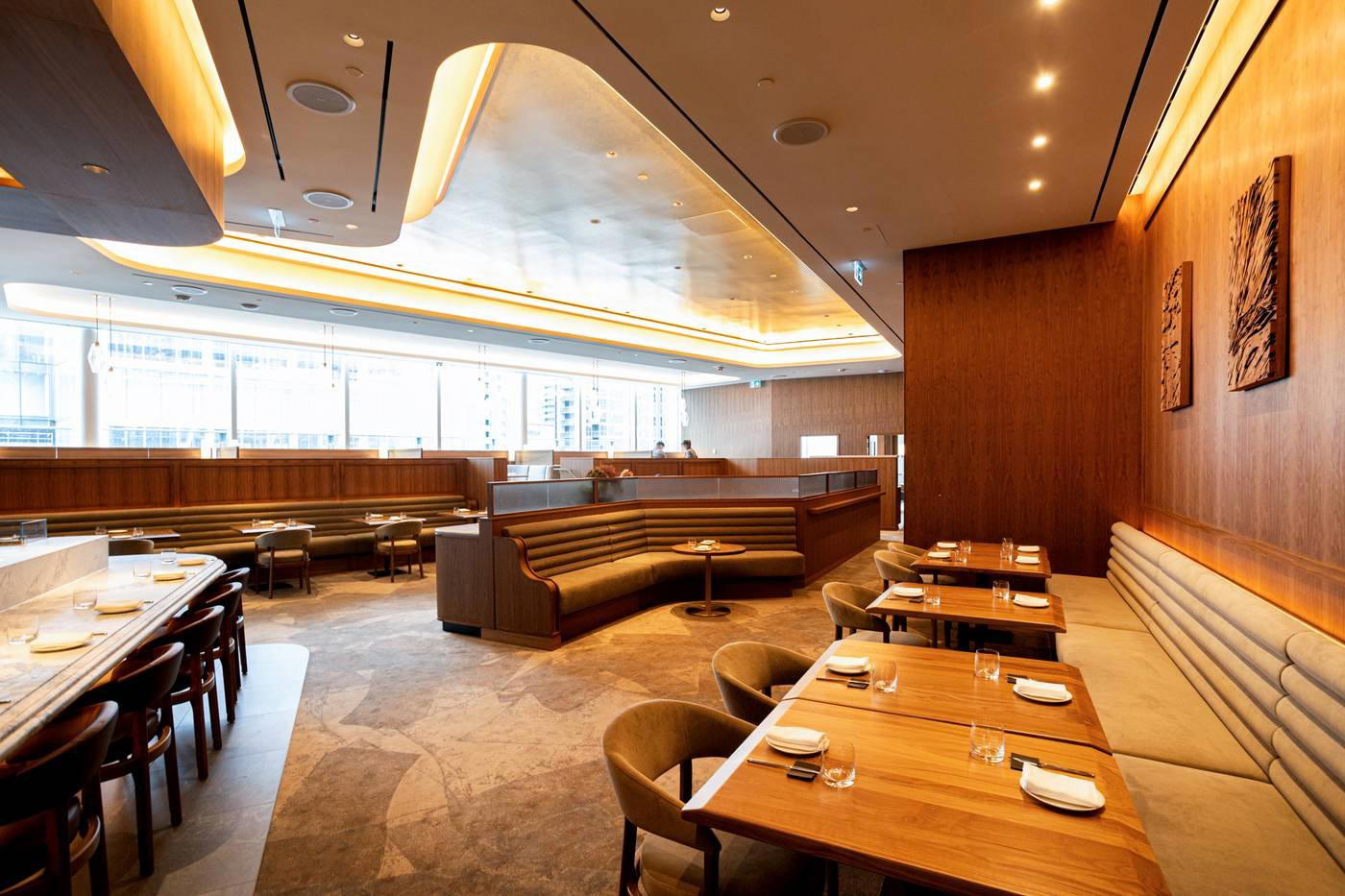
Restaurants in Toronto
Browse all →
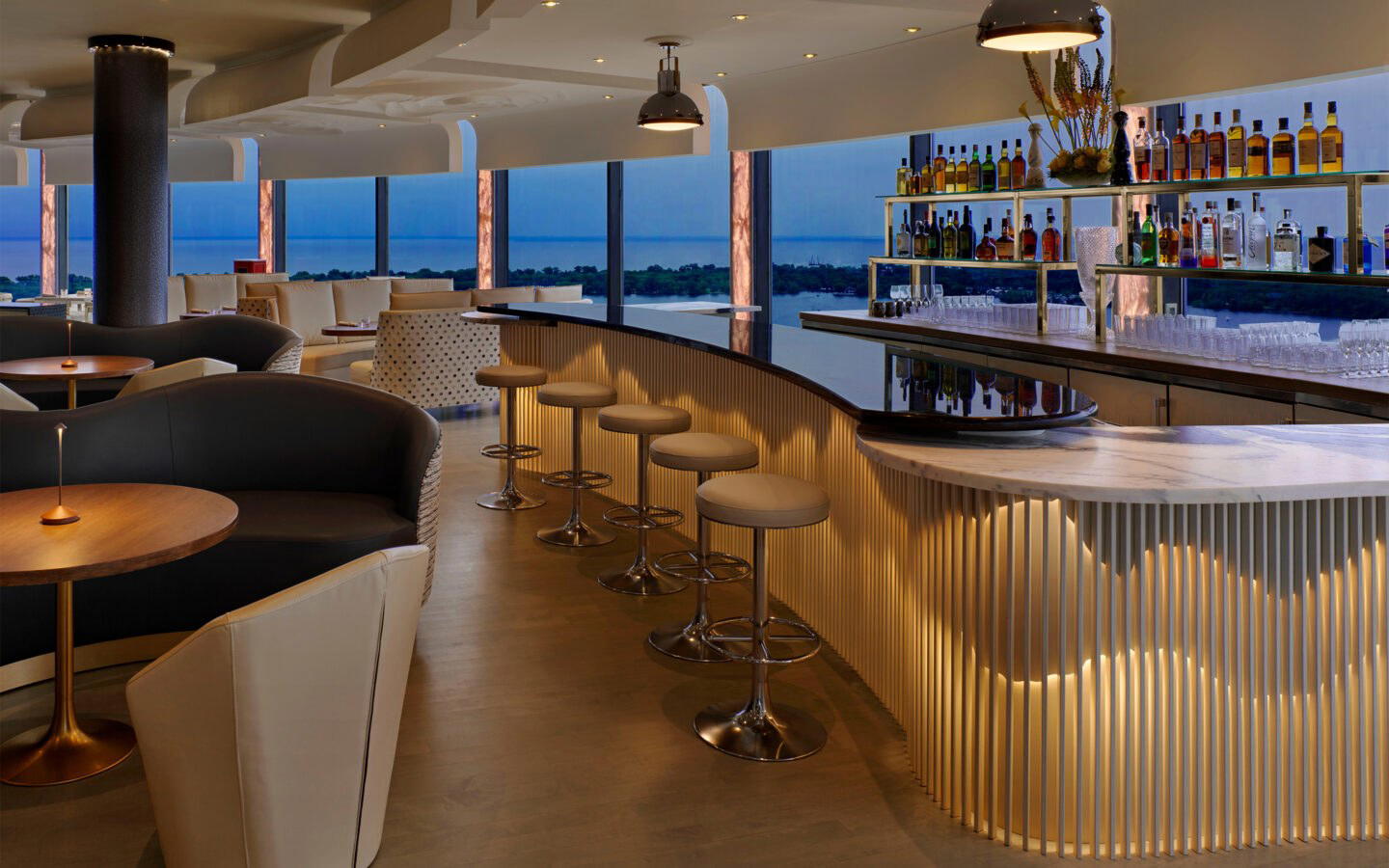
Bars in Toronto
Browse all →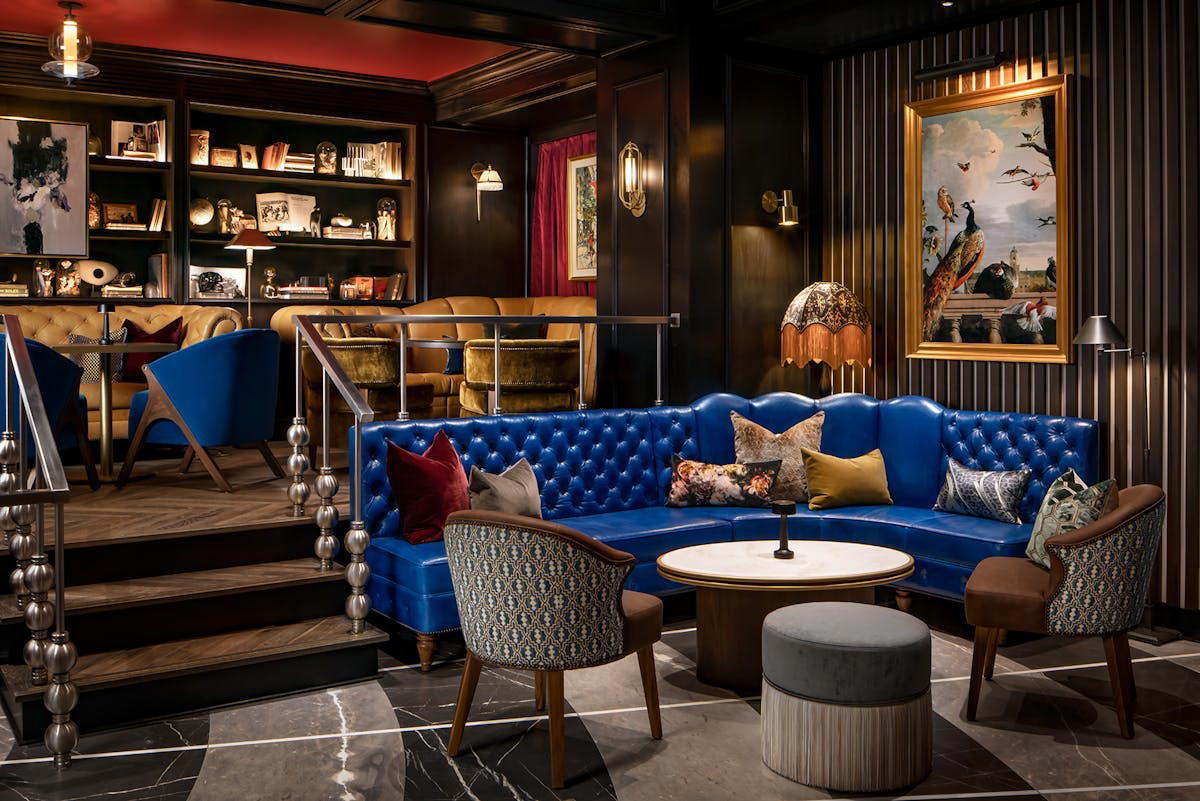
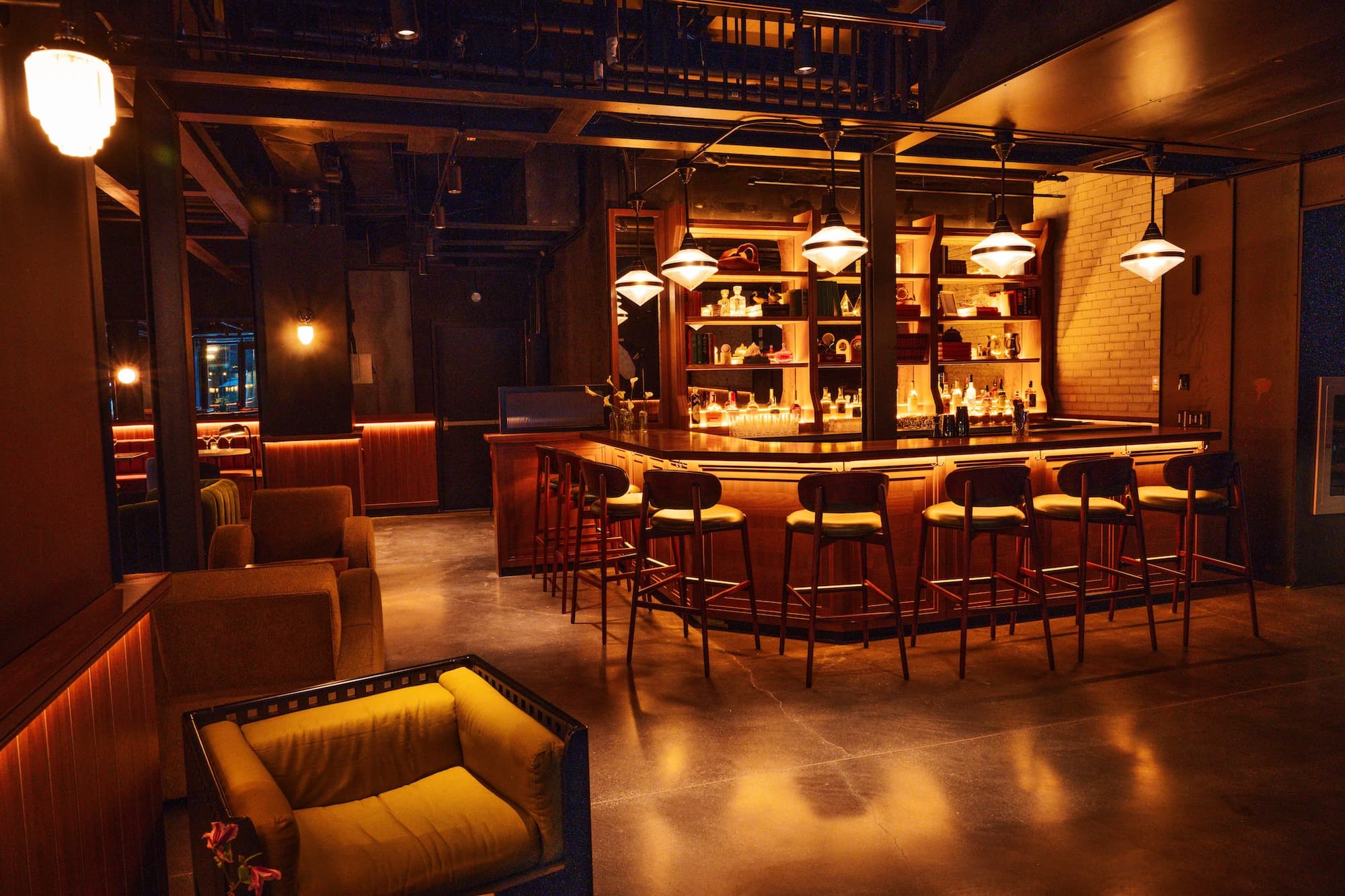
Hotels in Toronto
Browse all →




At a Glance
- Elegant
- Sophisticated
- Well Known
- Lively
- Date Night
- Business Dinner
- Group Dining
- Celebration
- Special Occasion
- Open Kitchen
- Private Dining
- Historic Building
- Design Destination
- Standalone
- Extensive Wine List
- Sommelier Led
- Sustainable Seafood
- Local Sourcing
Current opening hours
- Monday
- 11:30 AM–3 PM, 4:30 PM–12 AM
- Tuesday
- 11:30 AM–3 PM, 4:30 PM–12 AM
- Wednesday
- 11:30 AM–3 PM, 4:30 PM–12 AM
- Thursday
- 11:30 AM–3 PM, 4:30 PM–12 AM
- Friday
- 11:30 AM–3 PM, 4:30 PM–12 AM
- Saturday
- 4:30 PM–12 AM
- Sunday
- 12–10 PM
Hours can change for holidays and private events. Last verified .
Airy and spacious with high ceilings, painstakingly illuminated in calming neutral tones, featuring a dramatic double-height marble bar, light-filled atrium, and two-story dining room incorporating historical 1925 building facades—designed to soothe and showcase the food.