Bisteccheria Sammarco brings the Italian steakhouse format into Toronto’s broader appetite for beef, wine, and pasta-led dining. The draw is the bisteccheria idea itself: cuts such as ribeye, strip, filet, and tomahawk read differently when framed through Italian seasoning, sides, and pacing rather than a North American chophouse script.

Pearl is the En Primeur Club membership app — saves, bookings, and concierge access live there. Same editors, same standards.
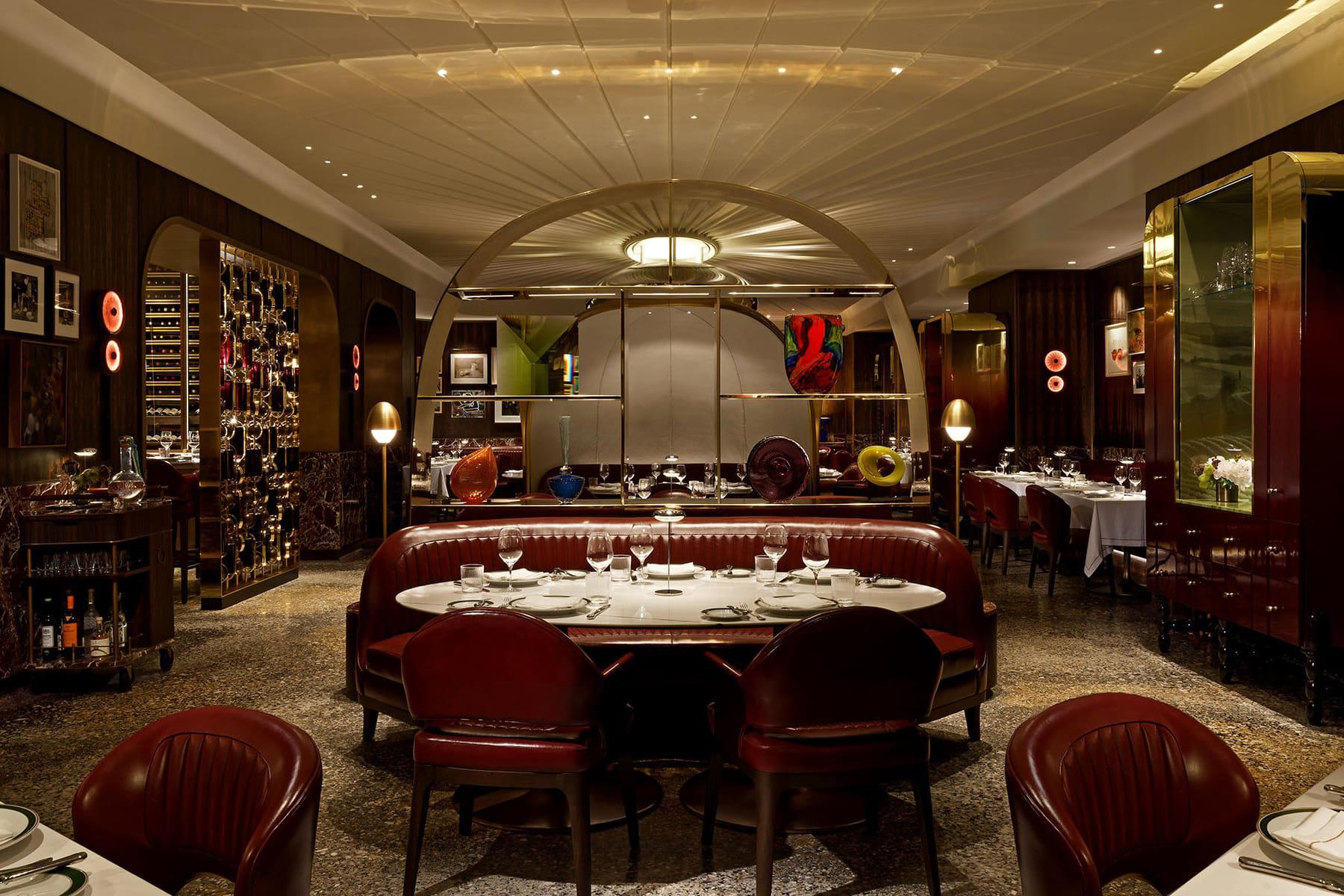
The Italian steakhouse announces itself less through ceremony than through appetite: the room is built around the promise of beef, pasta, wine, and a slower table rhythm than the quick-turn downtown dinner. In Toronto, where steakhouse culture often leans corporate and seafood-tower formal, the bisteccheria format shifts the mood. It borrows from Italy’s meat-first dining tradition without abandoning the city’s taste for big cuts, shared plates, and a dinner that can move from crudo or pasta into a serious steak course.
Bisteccheria Sammarco sits inside that category rather than the tasting-menu conversation. The useful way to read it is by the cut. Ribeye brings fat and volume; strip gives a cleaner chew and a stronger beef line; filet trades depth for tenderness; tomahawk is theatre, usually better for a table that wants the shared ritual as much as the meat. That distinction matters because Italian steakhouse cooking is not only about size. Salt, char, olive oil, bitter greens, potatoes, mushrooms, and pasta all change how the plate lands.
The Italian steakhouse lens: less chophouse ritual, more cut-by-cut decision making
Toronto has plenty of restaurants where beef is a luxury signal. The Italian steakhouse asks a narrower question: what happens when the steak course is folded into a Mediterranean meal structure instead of treated as a standalone trophy? That means the opening move can be lighter, the middle of the meal can include pasta, and the steak can arrive as the centre of the table rather than each diner’s isolated slab. The format rewards groups who order across textures rather than defaulting to identical mains.
The ribeye is usually the cut for diners who want fat, char, and a more forgiving cook. In an Italian steakhouse context, it also handles herbs, acid, and bitter accompaniments better than leaner cuts. Strip is the cleaner call: firmer, more linear, and better suited to diners who want the meat’s mineral edge without as much richness. Filet is the softest choice, useful for guests who prioritize tenderness over depth. Tomahawk belongs to the social side of the room, where the point is carving, sharing, and building the meal around a visible centrepiece.
That cut logic also separates this format from a red-sauce Italian restaurant with steaks on the menu. A bisteccheria should make beef feel structural, not incidental. The better meals in this category are paced around contrast: something raw or bright first, a pasta that does not exhaust the palate, then a steak whose richness is controlled by sides and wine rather than excess sauce. Bisteccheria Sammarco’s listed identity as an Italian Steakhouse puts it squarely in that lane.
How to order when the menu is built around beef
The strongest strategy is to choose the steak first and let the rest of the table serve that decision. A ribeye can carry earthier sides and a fuller red. A strip benefits from restraint around it. Filet needs support from sauce, mushrooms, or a richer pasta because the cut itself is milder. A tomahawk changes the table economics: it makes sense when two or more diners want a shared centre and are willing to let the rest of the order become supporting structure.
In Toronto, this kind of meal also sits between two common dining impulses. One is the steakhouse spend, where the bill is justified by beef, wine, and polished service. The other is Italian comfort, where pasta and antipasti set the tone. The Italian steakhouse succeeds when it does not blur those impulses into heaviness. The meal should have progression: a clean start, a measured pasta course, a steak chosen for the table’s appetite, and sides that sharpen rather than repeat the richness.
For diners mapping a broader Toronto food itinerary, Bisteccheria Sammarco belongs in the beef-and-Italian lane rather than the chef-counter or small-plates circuit. Nearby planning can branch into the city’s wider restaurant range through Our full Toronto restaurants guide, with other Toronto listings such as 1 Kitchen, 156 Cumberland (French-Korean, Korean), 156 ONEFIVESIX, 3 Mariachis, and 360 Restaurant. For a fuller city plan, the Toronto rails also cover hotels, bars, wineries, and experiences.
Where it fits for travellers building a Canada steak itinerary
Steakhouse culture changes sharply across Canada. Resort towns often frame beef through mountain dining, casino districts through steak-and-seafood rooms, and large cities through neighbourhood Italian, hotel dining, and finance-district chophouses. Toronto’s version is dense and competitive, so an Italian steakhouse has to make a clear case through pacing and cut selection rather than scale alone.
Travellers comparing the category across North America can use the format as the through-line rather than treating every steakhouse as interchangeable. A Banff room such as 1888 Chop house in Banff speaks to a different occasion than a city bisteccheria; 21 Club Steak and Seafood in Niagara Falls sits in another hospitality context again. Italian-leaning references farther afield, including Carne Mare, Italian Steakhouse in Manhattan and Ezio’s, Italian steakhouse in Miami Beach, show how the same label can swing between coastal glamour, urban polish, and meat-led Italian dining.
For side trips and broader Canadian eating, the map can widen without pretending the categories are the same: ¿CóMO? Taperia in Vancouver, 3 Mariachis in Vaughan, 3 Pierres 1 Feu in Montréal, and 335 on the Ridge in Ridgeway point to how varied the country’s dining grammar becomes outside Toronto’s steak-and-Italian lane. The verdict for the restaurant is practical: go when the table wants beef as the anchor, but order like an Italian meal, not a boardroom steak dinner.
How It Compares
Comparable venues nearby, for context on price, style, and recognition.
| Venue | Cuisine | Price | Notes |
|---|---|---|---|
| Bisteccheria SammarcoThis venue — the venue you are viewing | Modern Italian Steakhouse | $$$$ | Not listed |
| BlueBlood Steakhouse | Classic Steakhouse | $$$$ | Midtown |
| Animl | Modern Steakhouse | $$$$ | Fashion District |
| Bardi's Steakhouse | Traditional Steakhouse | $$$$ | Financial District |
| Alobar Downtown | Modern American Steakhouse | $$$$ | Financial District |
| Kiyomi | Traditional Japanese Omakase & Tempura | $$$$ | Church and Wellesley |
Continue exploring
More in Toronto
Restaurants in Toronto
Browse all →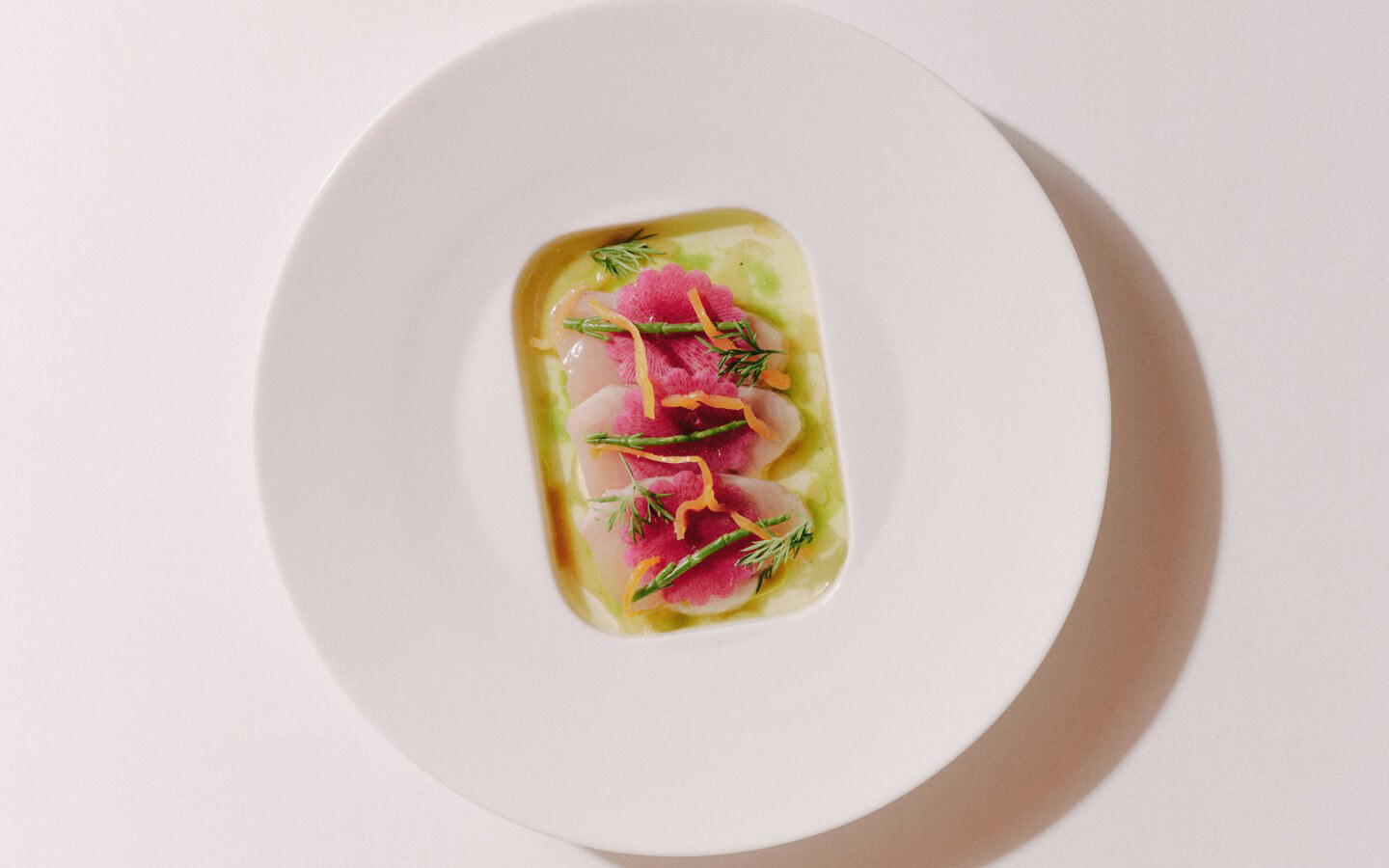
Bars in Toronto
Browse all →
Hotels in Toronto
Browse all →
Wineries in Toronto
Browse all →
At a Glance
- Elegant
- Sophisticated
- Romantic
- Modern
- Intimate
- Date Night
- Business Dinner
- Group Dining
- Celebration
- Special Occasion
- After Work
- Wine Cellar
- Design Destination
- Standalone
- Private Dining
- Extensive Wine List
- Craft Cocktails
- Zero Proof
- Beer Program
- Local Sourcing
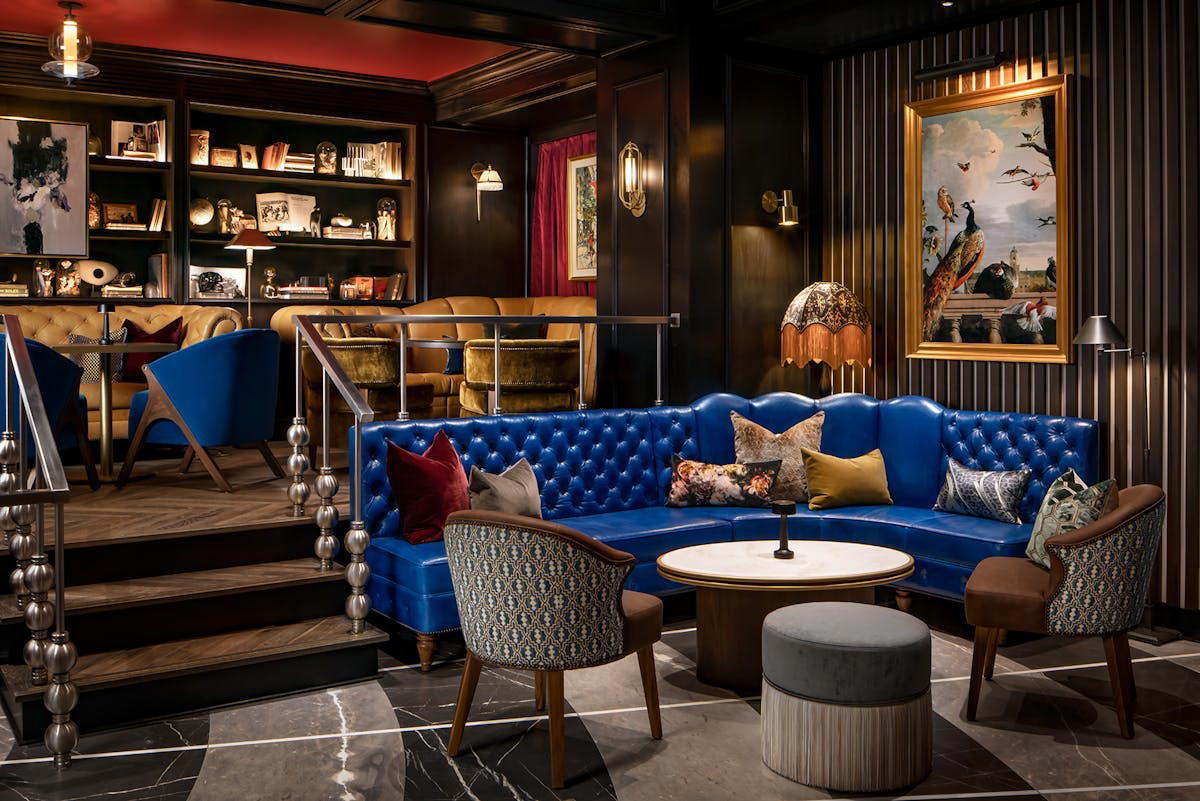
Dimly lit and polished, with a sleek, modern design that reads as sexy and sophisticated rather than clubby, emphasizing an intimate, high-touch dinner experience.