Sukjai by Pata Obasan

Michelin Plate
Our verdict
Inside a century-old Colonial Lanna house on Charoen Muang Road, Sukjai by Pata Obasan channels a vegetarian tradition rooted in Buddhist philosophy and the agricultural heritage of Mae Tang. The kitchen avoids MSG entirely, coaxing natural umami from its ingredients, and the pad thai made with banana-flour noodles has become a reference point for vegetarian cooking in downtown Chiang Mai.

Pearl is the En Primeur Club membership app, where members save venues, book tables and use the concierge.
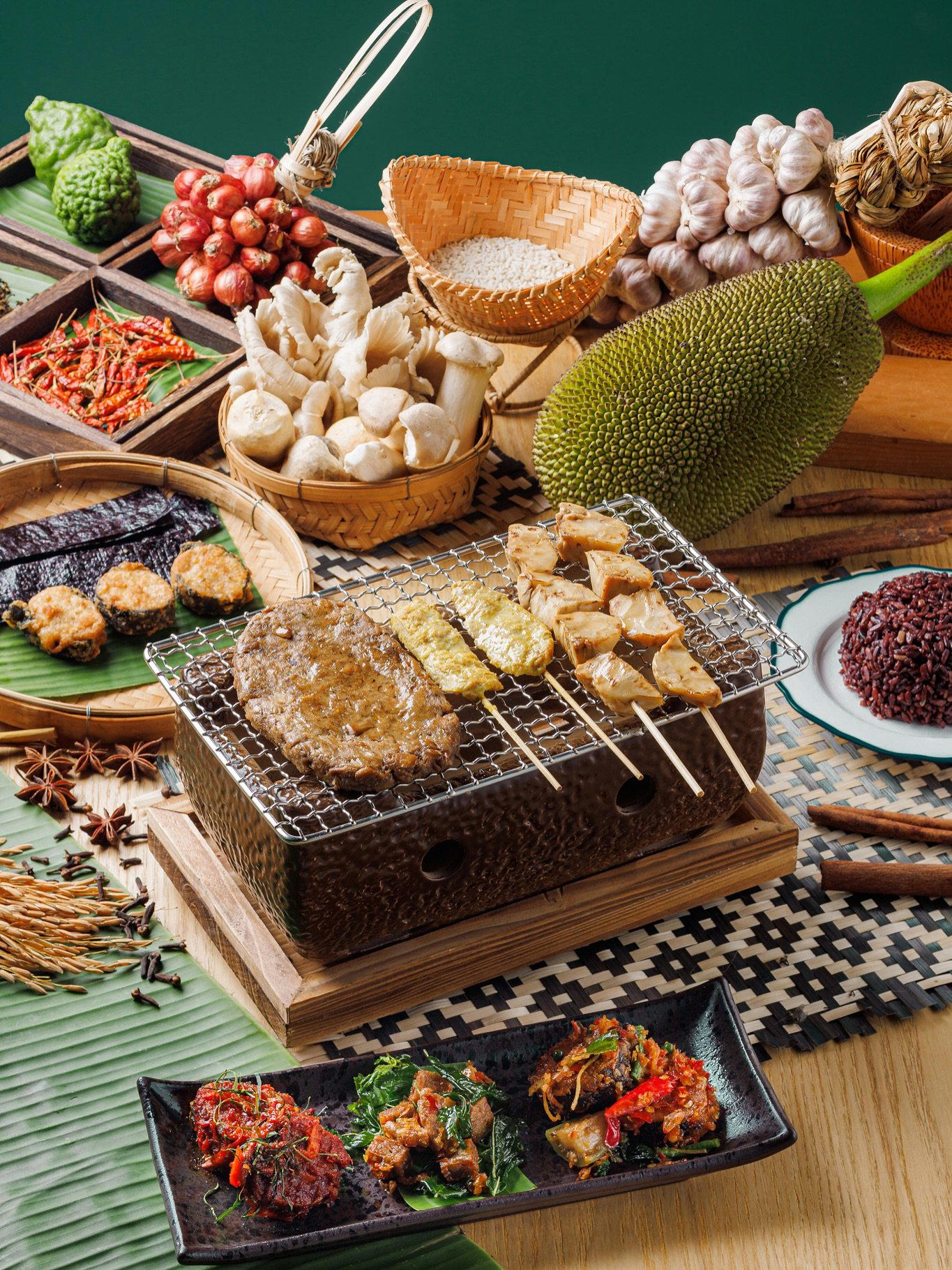
The menu
What to order
- Banana-flour pad thai
- Mushroom larb
- Jackfruit phad kaprow
A House Worth Pausing For
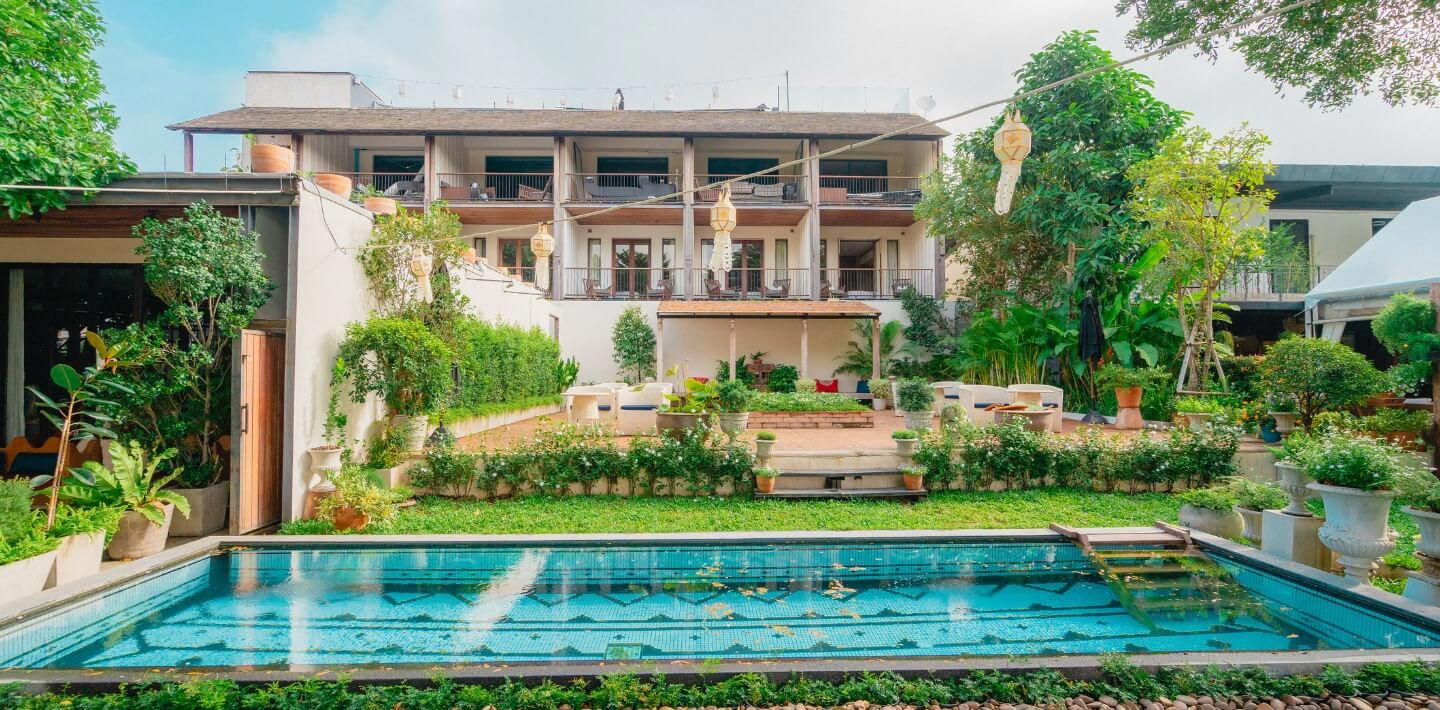
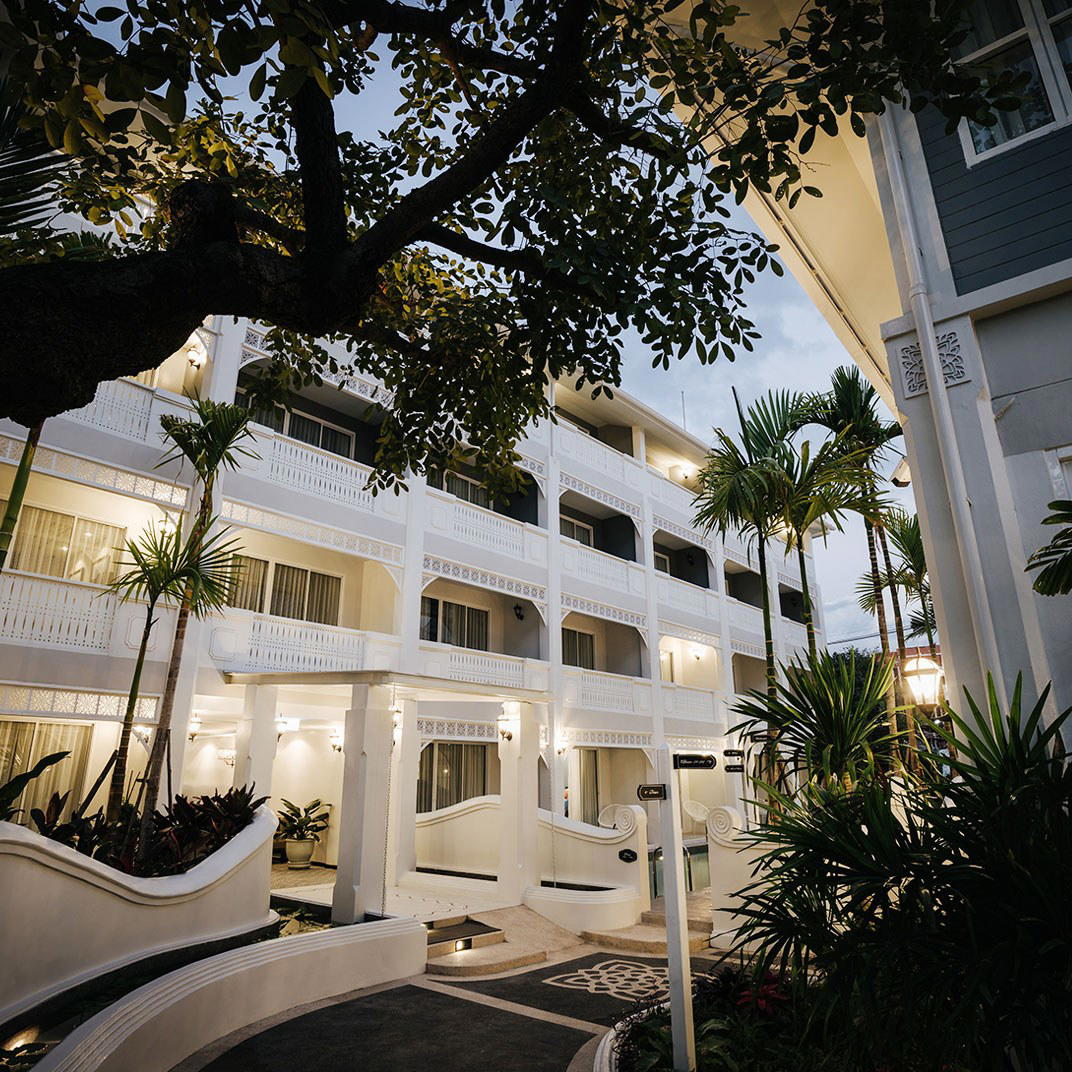
On Charoen Muang Road, where downtown Chiang Mai transitions from commercial density into quieter residential streets, a 100-year-old Colonial Lanna house sets the register before you reach the door. Green walls, cotton flags, and the structural logic of an older building era create a sense of deliberate calm that most new-build restaurants in the city spend considerable money trying to approximate. The atmosphere here is not constructed; it is inherited, and that distinction matters when you are choosing where to mark an occasion.
Vegetarian dining in Thailand operates across a wide spectrum, from the yellow-flag street stalls that appear during the Vegetarian Festival to destination restaurants that apply serious culinary technique to plant-based ingredients. Sukjai by Pata Obasan sits closer to the latter end of that range while remaining accessible in character, which makes it a useful address for a meal that should feel considered without tipping into formality.
The Philosophy Behind the Plate
Northern Thailand's relationship with Buddhist dietary practice is long-established, and it shapes the cooking at Sukjai in ways that go beyond simply omitting meat. The kitchen draws on the agricultural traditions of Mae Tang, a district in Chiang Mai province known for its elevation, cooler temperatures, and the quality of the produce it yields. That provenance gives the kitchen a clear ingredient identity rather than a generic vegetarian brief.
The absence of MSG is a deliberate position in a country where the additive is standard across nearly every category of restaurant. Building umami from fermentation, from dried and aged ingredients, from the Maillard reactions that develop during cooking, requires more technical patience than simply seasoning at the end. It also means the flavours in each dish are traceable back to the ingredients themselves, which is exactly the kind of cooking that rewards a slower, more attentive meal.
That approach connects Sukjai to a broader movement visible across Thai fine dining. Restaurants like Sorn in Bangkok and PRU in Phuket have demonstrated that ingredient provenance and philosophical restraint can coexist with serious culinary ambition. Sukjai operates at a different scale and price point, but the underlying logic of letting good ingredients speak without chemical amplification is the same.
What to Order and Why It Matters
The pad thai made with banana-flour noodles is the dish that draws the most attention, and it earns that status. Banana flour produces a noodle with a different texture and starch profile from conventional rice noodles: softer, with a slight density that holds sauce differently. The result is a pad thai that is recognisable in its structure but clearly distinct in execution. For a meal that is meant to be remembered, a dish that rewrites a familiar category is more effective than a direct rendering of something you have eaten many times before.
The broader menu reflects the same ingredient-led logic. Dishes built around natural umami sources tend to carry more savoury complexity than their descriptions suggest, and the Buddhist-influenced approach to seasoning means there is a restraint to the flavour profiles that suits a long, unhurried meal rather than a quick lunch.
Occasion Dining in a City of Options
Chiang Mai's restaurant scene has developed considerably in recent years, with a range of addresses that now competes with Bangkok on specific categories. For Northern Thai cooking, venues like Baan Landai and Baan Suan Mae Rim offer strong regional credentials, while Aunt Aoy Kitchen represents the kind of home-style Thai cooking that requires deep local knowledge to find. For vegetarian-specific occasions, Aeeen covers similar dietary territory from a different stylistic angle.
Sukjai occupies a position in this ecosystem that is relatively uncrowded: a vegetarian restaurant in a heritage building where the cooking is grounded in Buddhist philosophy and demonstrable ingredient sourcing, rather than in the kind of plant-based innovation that dominates urban vegetarian dining in Europe and North America. That specificity makes it a better choice for a celebratory meal than a general-purpose vegetarian restaurant, because the food and the setting carry cultural meaning that makes the occasion feel located somewhere particular.
The Colonial Lanna house format also provides something that newer restaurants cannot: the sense that the space itself has a history that extends beyond its current use. Dining inside a century-old building changes the pace of a meal in ways that are hard to quantify but easy to feel, particularly when the room is calm, the lighting is natural, and the design choices are as understated as the green walls and cotton flags here.
For visitors planning a stay alongside their dining, our full Chiang Mai hotels guide covers the range of accommodation options across the city. The broader Chiang Mai restaurants guide maps the dining scene across price tiers and cuisines, and our guides to bars, wineries, and experiences in Chiang Mai round out the picture. Elsewhere in Thailand, AKKEE in Pak Kret, The Spa in Lamai Beach, Agave in Ubon Ratchathani, and Angeum in Phra Nakhon Si Ayutthaya represent the regional range of serious dining outside the capital. For a sense of where Thai vegetarian ambition fits on a global register, the tasting-menu discipline at Le Bernardin in New York City and Atomix in New York City illustrates how ingredient philosophy and long-form dining intersect at the highest level.
Sukjai by Pata Obasan is located at 40 Charoen Muang Road, Tambon Chang Moi, in downtown Chiang Mai. The Charoen Muang Road address places it within reasonable distance of the old city and the Ping River area, making it practical to include in a broader day in central Chiang Mai. As a recent addition to the downtown dining scene, booking ahead is advisable, particularly for larger groups or weekend evenings when the combination of limited seating in a heritage space and growing word-of-mouth can make walk-in availability unpredictable. For Italian in Chiang Mai, a separate evening works well alongside the Northern Thai and vegetarian options the city now offers.
Frequently asked questions
at Sukjai by Pata Obasan?
The pad thai made with banana-flour noodles is the reference dish: the noodle's texture and starch profile differ measurably from conventional rice noodles, producing a softer result that holds the sauce in a way regular pad thai does not. The broader menu draws on natural umami sources and MSG-free seasoning, so dishes that carry savoury depth are worth prioritising. The Buddhist-influenced cooking tradition here produces flavours that reward attention rather than speed.
How hard is it to get a table at Sukjai by Pata Obasan?
Sukjai is a recent addition to Chiang Mai's downtown dining scene, and the heritage house setting means seating capacity is limited by the building's original footprint rather than by commercial expansion choices. That combination of growing recognition and fixed capacity makes advance booking a sensible precaution, particularly on weekends or during the high season for tourism in Northern Thailand, which typically runs from November through February.
What has Sukjai by Pata Obasan built its reputation on?
The restaurant's reputation rests on three connected points: the physical setting of a 100-year-old Colonial Lanna house on Charoen Muang Road, a kitchen philosophy rooted in Buddhist practice and the ingredient traditions of Mae Tang, and a commitment to MSG-free cooking that builds savoury complexity from natural sources rather than from additives. The banana-flour pad thai functions as the single most-discussed dish and acts as a clear signal of the kitchen's willingness to rework familiar formats through an ingredient-led lens.
Cuisine Context
Comparable venues nearby, for context on price, style, and recognition.
| Venue | Cuisine | Price | Awards | Notes |
|---|---|---|---|---|
| Sukjai by Pata ObasanThis venue (the venue you are viewing) | Authentic Vegetarian Thai | $10–20 | Michelin Plate | Not listed |
| Talung | Southern Thai | $10–20 | Michelin Plate | Mueang Chiang Mai |
| Baan Suan Mae Rim | Northern Thai | $10–20 | Michelin Plate | Mae Rim |
| Kang | Southern Thai, Indonesian & Malaysian Flavors | $10–20 | Michelin Plate | Mueang Chiang Mai |
| Guay Tiew Pet Tun Saraphi | Northern Thai Street Food - Duck Noodle Specialties | $1–10 | Michelin Plate | Saraphi |
| NAVAN NAVAN | Modern Thai Fine Dining | $100–150 | Michelin Plate | Mae Rim |
Recognition history
Dated appearances from independent guides and award organizations, with the underlying list record or original source where available.
Michelin Plate
Michelin
Continue exploring
More in Chiang Mai
Restaurants in Chiang Mai
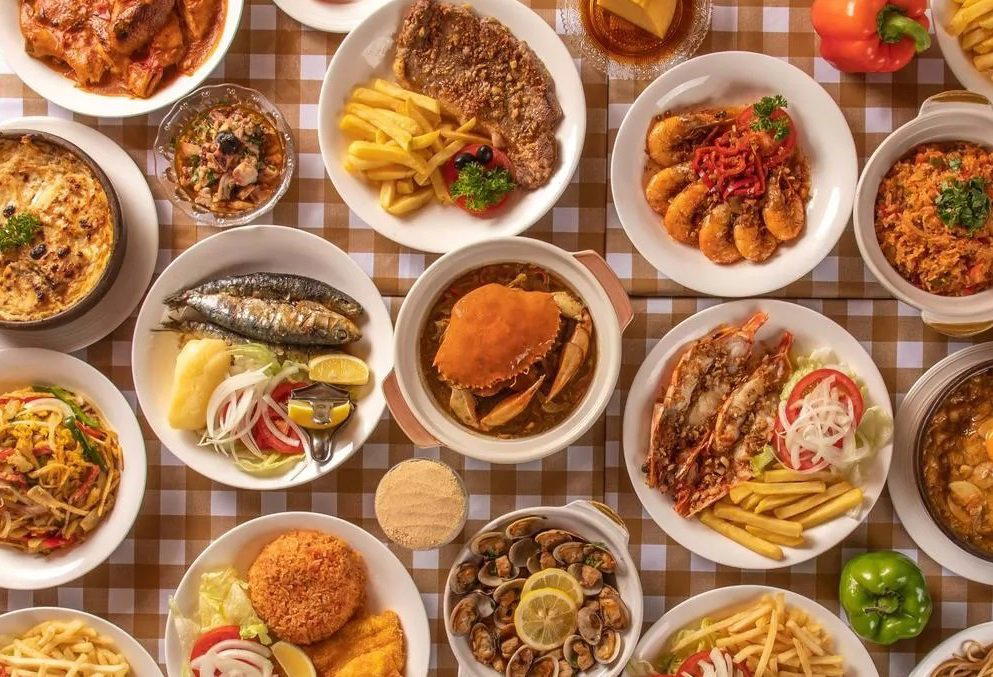
All restaurants in Chiang Mai →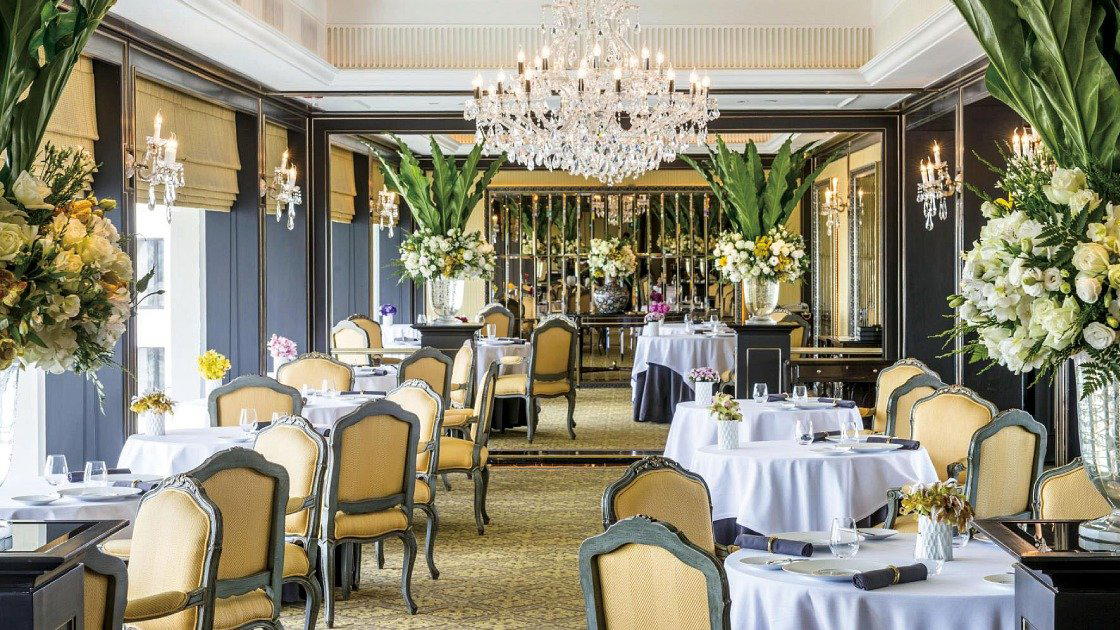
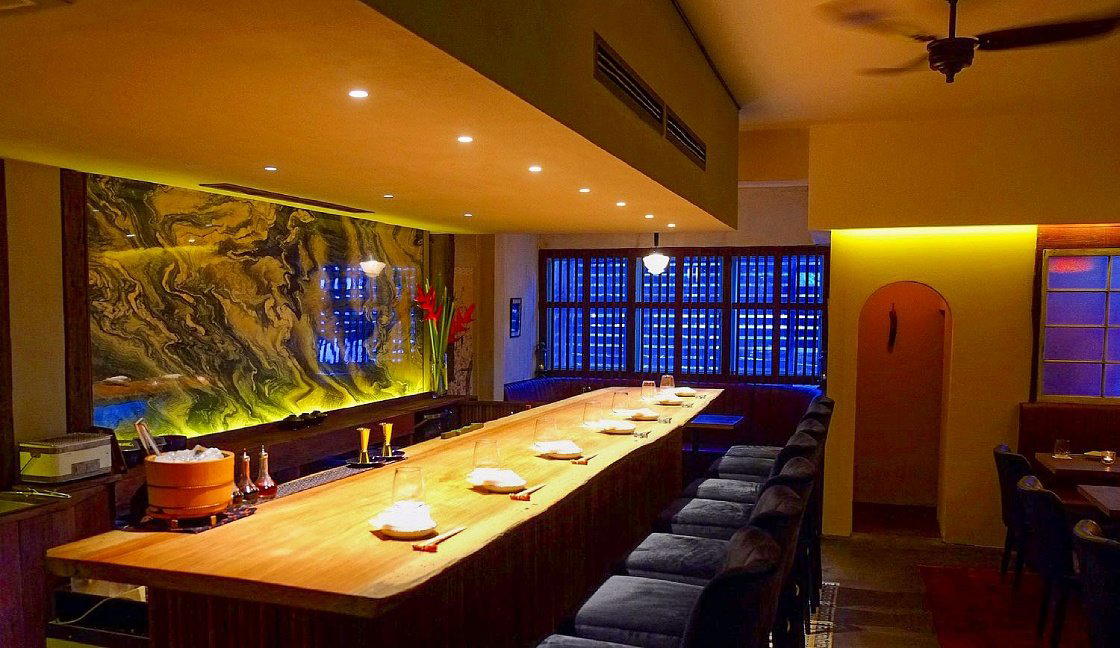
Bars in Chiang Mai
All bars in Chiang Mai →
Details
- Cozy
- Rustic
- Intimate
- Scenic
- Family
- Casual Hangout
- Special Occasion
- Historic Building
- Organic
- Local Sourcing
- Farm To Table
- A La Carte
- Small Plates
- Vegetarian Friendly
- Vegan Options
Current opening hours
- Monday
- 11 AM–9 PM
- Tuesday
- 11 AM–9 PM
- Wednesday
- 11 AM–9 PM
- Thursday
- Closed
- Friday
- 11 AM–9 PM
- Saturday
- 11 AM–9 PM
- Sunday
- 11 AM–9 PM
Hours can change for holidays and private events. Hours as of .
Calm and serene with green-painted walls, cotton flags, low-ceiling intimacy, and period features from a historic building.