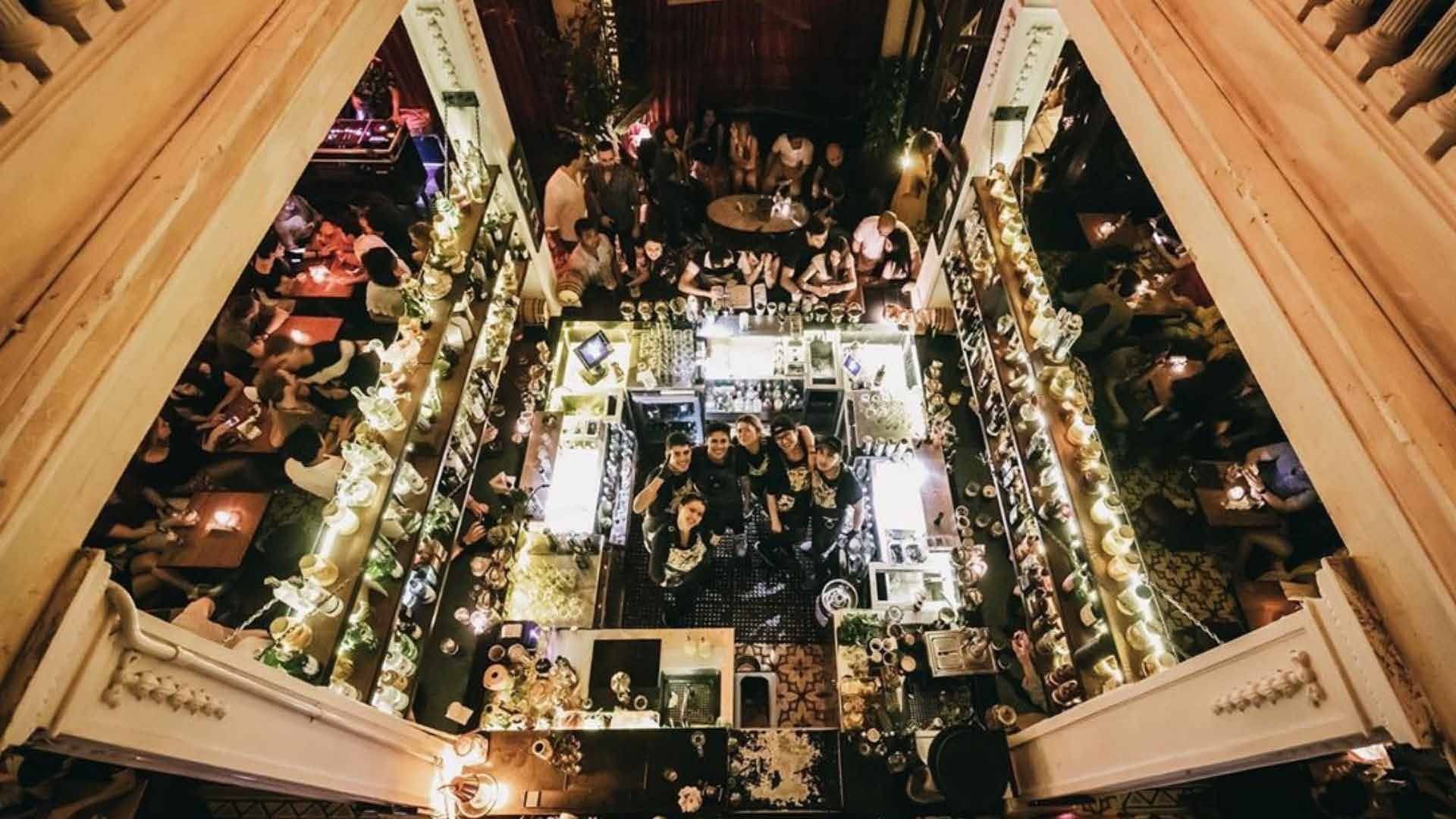
La Vitrola occupies a storied address inside Cartagena's walled city, where the Caribbean coast's ingredient traditions meet a setting that has made it a reference point for the city's dining scene. The room carries the weight of old Cartagena, mosaic floors, warm lighting, live music threading through the evening, while the kitchen draws on the coastal larder that defines Colombian Caribbean cooking.
Pearl is the En Primeur Club membership app — saves, bookings, and concierge access live there. Same editors, same standards.
- Address
- Ciudad amurallada, Cartagena de Indias, Bolívar
 Saves & bookings on Pearl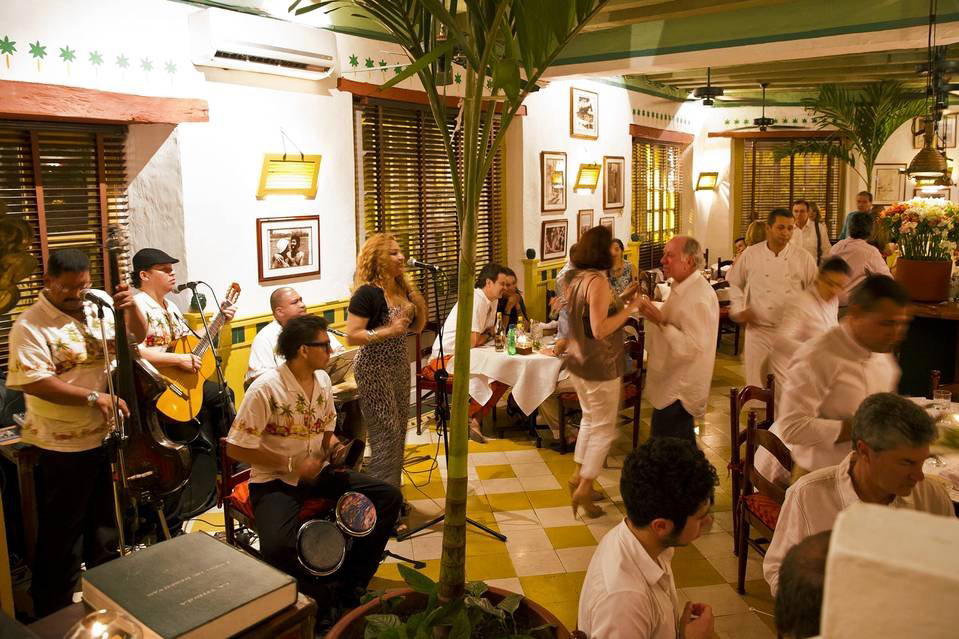
Cartagena's Walled City and the Cooking It Produces
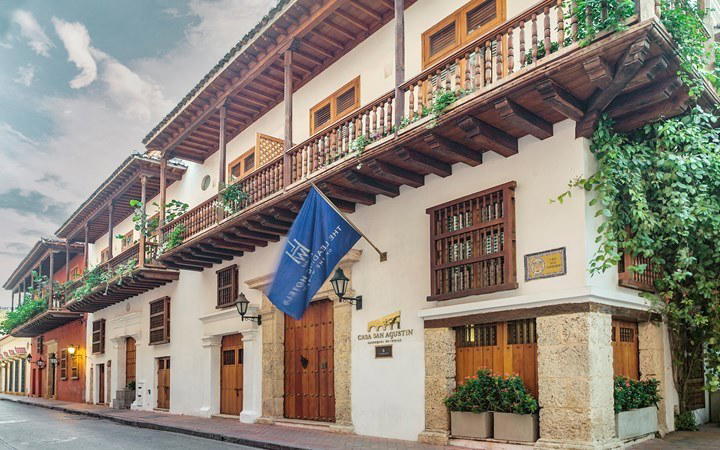
Inside the Ciudad Amurallada, Cartagena's colonial grid compresses centuries of trade, migration, and coastal geography into a few dozen blocks. The walled city has long attracted restaurants that want architectural legitimacy alongside their food programs, and the competition for attention in those streets is significant. La Vitrola has held a position within that circuit for long enough that it functions less as a discovery and more as a fixed coordinate, the kind of address that appears in the itineraries of visitors arriving with research done, and in the recommendations of those who have eaten their way through the city more than once.
That position reflects something specific about how the Caribbean coast's ingredient traditions translate at the table. The Colombian Caribbean is one of South America's more singular larders: the combination of Atlantic seafood, Andean produce arriving via river trade, African culinary influence embedded in centuries of coastal cooking, and the particular microclimate of the Bolívar coast creates a raw material base that serious kitchens in this city have access to in ways that restaurants in Bogotá or Medellín simply do not. What a kitchen does with that access is the editorial question worth asking of any Cartagena address.
The Room Before the Plate
Approaching La Vitrola along the walled city's narrow streets, the building announces itself through architecture before anything culinary: the colonial facade, the warm light spilling onto the street, the sound of live music that is not incidental background but a structured part of the evening's format. This is not ambient noise as restaurant theater, the music at La Vitrola has been a consistent feature of its identity, connecting the space to the vallenato and porro traditions that are inseparable from Caribbean Colombian culture. In a city where heritage is sometimes deployed decoratively, that continuity carries editorial weight.
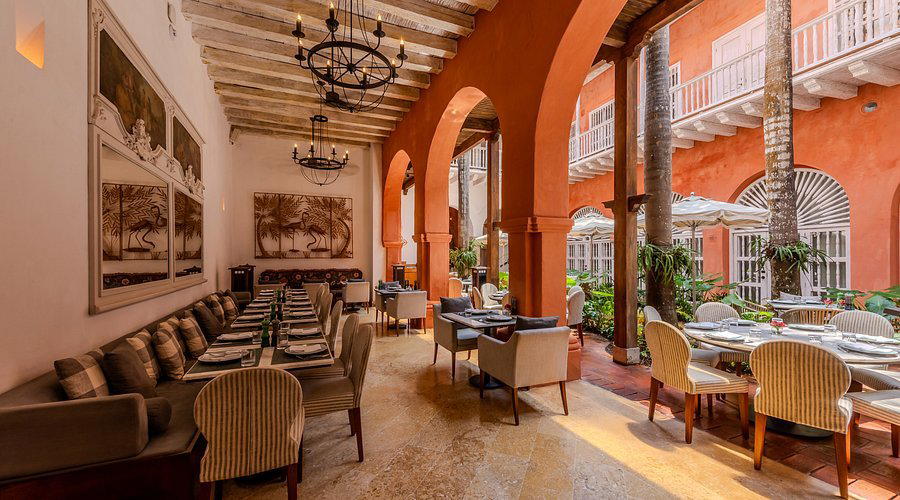
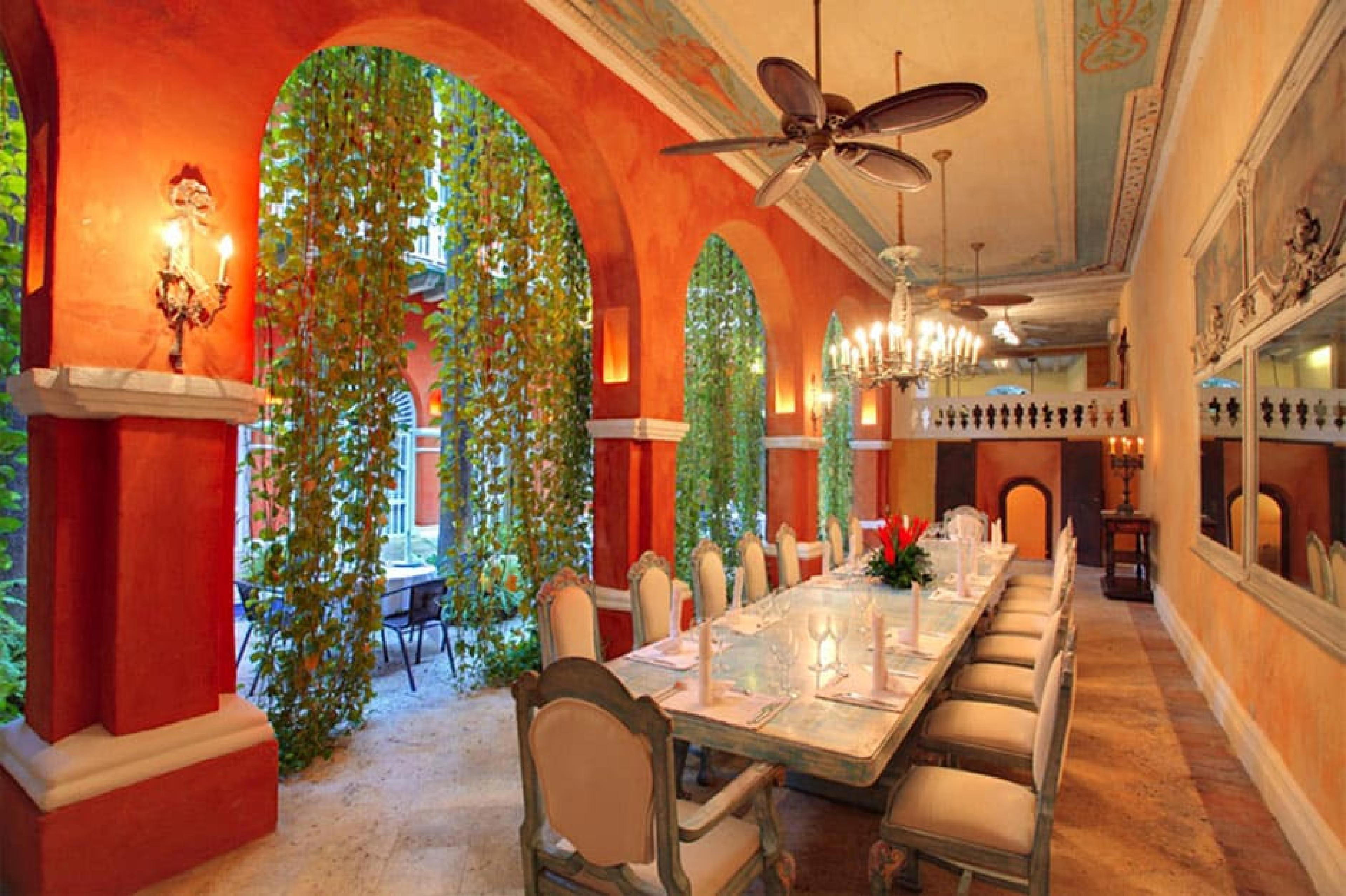
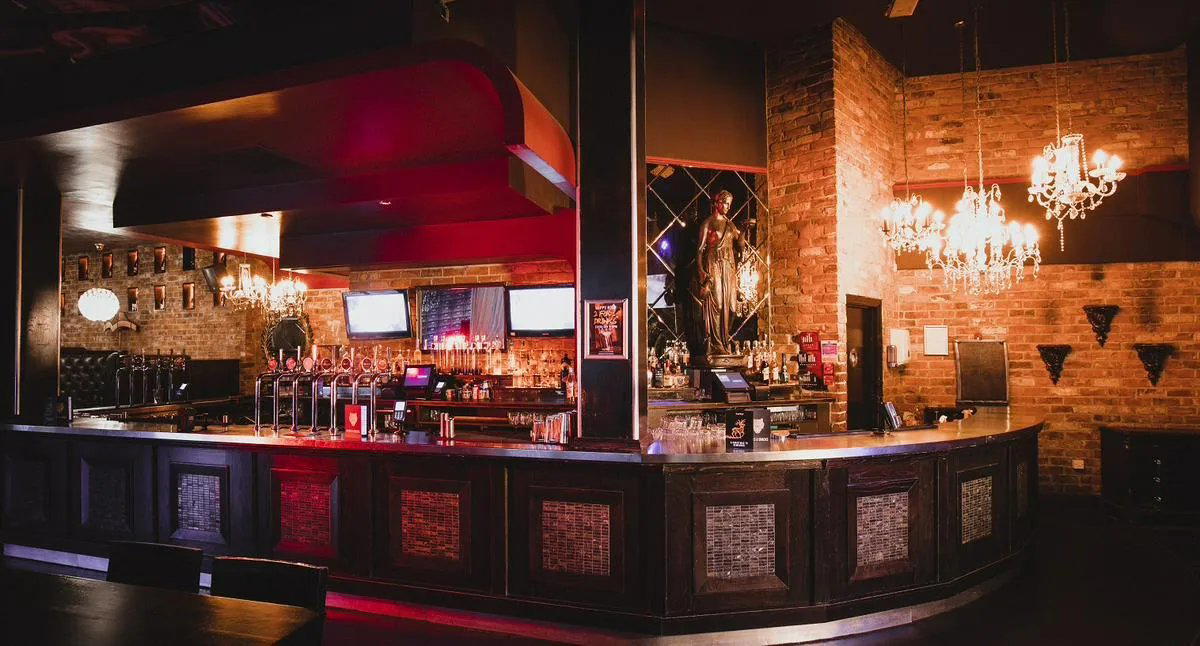
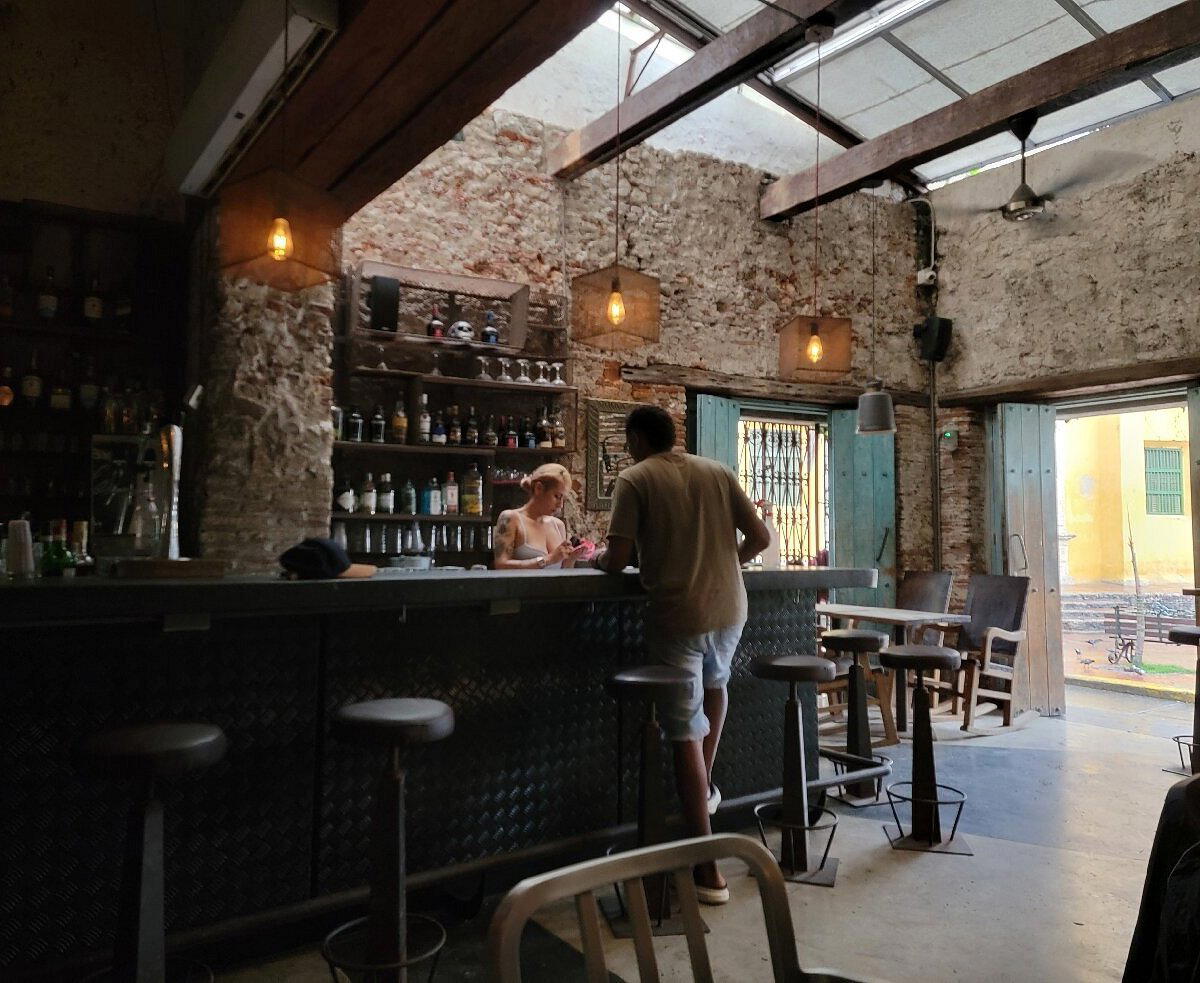
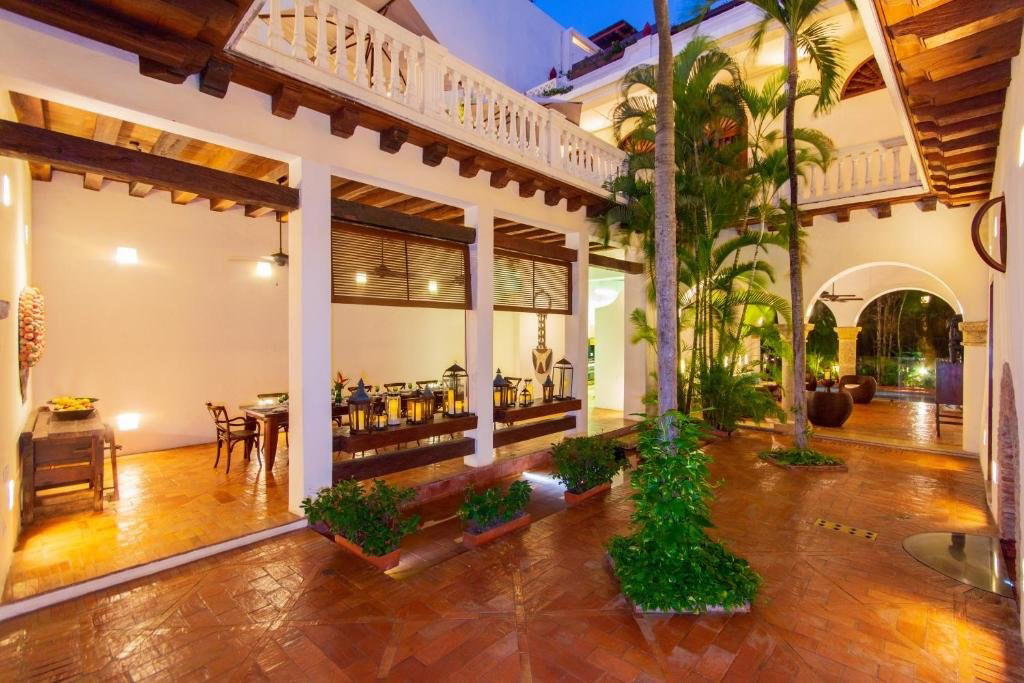
The interior sustains the register: mosaic floors, high ceilings, period details that the building provides and the room does not fight against. Cartagena's upper tier of restaurants has divided in recent years between properties that lean into contemporary minimalism and those that work with the colonial fabric they occupy. La Vitrola belongs firmly to the second school, and its room reflects that without apology. For context, restaurants like Canales 5 Brasserie Moderne and AniMare represent the more contemporary end of Cartagena's dining register, making the contrast in approach legible across the city's scene.
Caribbean Coast Sourcing and Why It Matters Here
The cooking that has defined the restaurant's reputation draws directly from the Caribbean coast's ingredient geography. This is not a kitchen importing its identity from elsewhere: the seafood is Atlantic, the tropical produce is regional, and the culinary logic traces back to the coastal Colombian traditions that predate the city's colonial architecture. That sourcing context matters because it places the restaurant inside a specific food tradition rather than a generic Latin American one.
Caribbean Colombian cooking at its most considered involves a set of ingredients, fresh corvina, red snapper, shrimp from the local coast, patacones made from plantain grown within the region, coconut rice prepared in the manner that distinguishes the coast from the Andean interior, that are available to local kitchens at a freshness premium that visiting chefs rarely replicate. The question for any kitchen working this tradition is whether proximity to the source translates into quality at the table. The restaurant's sustained position in the city's dining conversation suggests that, over time, it has answered that question to the satisfaction of a demanding audience that includes both Colombian and international regulars.
For those building a broader picture of Colombian coastal dining, 1621 The Restaurant represents another Cartagena address working with the city's premium dining tier, while Andres Carne de Res occupies a different register, high-energy, high-volume, and more focused on the Colombian interior's meat traditions. Elsewhere in Colombia, Debora Restaurante in Bogotá and 37 Park in Medellín demonstrate how different city contexts shape what Colombian fine dining looks like at the regional level.
La Vitrola in the City's comparable set
Cartagena's premium restaurant tier has grown in the past decade, partly tracking the city's emergence as a destination for high-spending Colombian domestic tourism and partly responding to the international visitor numbers that the walled city attracts. Restaurants like AniMare and Café Rialto have added texture to a scene that was thinner a decade ago. Within that expanding field, the addresses that have held their position longest tend to do so through consistency rather than novelty, a different competitive strategy from the new-opening energy that can drive short-term attention.
The restaurant's longevity within the walled city's dining circuit places it in a category that is harder to achieve in Cartagena's compressed geography than the density of options might suggest. The city's colonial center is small enough that word travels fast in both directions, about a kitchen in form and about one in decline. That the restaurant maintains a reference position in serious itineraries reflects something about operational discipline that no amount of room atmosphere can substitute for.
Planning a Visit
The restaurant sits inside the Ciudad Amurallada, Cartagena de Indias, Bolívar, accessible on foot from most walled-city accommodation and a short taxi ride from Bocagrande or Getsemaní. Evenings at restaurants in this tier of the walled city fill quickly during high season, which in Cartagena runs from December through January and again around Semana Santa in March or April. Visitors arriving during those windows would be wise to confirm reservations well in advance; the city's hotel and restaurant capacity is under real pressure during peak periods. Contact details and current hours are best confirmed through a local concierge or by checking current listings, as operational details in Cartagena's restaurant scene shift more than in larger cities with more standardized hospitality infrastructure.
For a broader view of where the restaurant sits within the city's dining options, the EP Club Cartagena restaurants guide maps the full scene across price tiers and cuisine traditions. Those building a longer Colombia itinerary might also consider Andrés Carne de Res in Chia near Bogotá for a different expression of Colombian hospitality, or BK Burukuka in Santa Marta for Caribbean coast cooking in a different coastal city context.
- Ropa Vieja
- Grilled Langostinos
- Tuna Steak with Shaved Mango and Avocado
- Seafood Casseroles
- Ceviche
- Pulpo a la Parilla
A Quick Peer Check
Comparable venues nearby, for context on price, style, and recognition.
| Venue | Cuisine | Price | Notes |
|---|---|---|---|
| La VitrolaThis venue — the venue you are viewing | Traditional Cuban & Caribbean | $$$ | Not listed |
| Lobo de Mar | Caribbean-Mediterranean Seafood Fusion | $$$ | Centro |
| El Rincon | Colombian Caribbean Seafood | $$ | El Laguito |
| Andres Carne de Res | Colombian Grill & Caribbean | $$ | La Serrezuela |
| Pizzeria Della Chiesa | Authentic Neapolitan Pizza | $$$ | Getsemaní |
| La Cevicheria | Caribbean Ceviche | $$ | San Diego |
Continue exploring
More in Cartagena
Restaurants in Cartagena
Browse all →
Bars in Cartagena
Browse all →
At a Glance
- Romantic
- Lively
- Well Known
- Elegant
- Classic
- Date Night
- Business Dinner
- Group Dining
- Celebration
- Special Occasion
- Live Music
- Historic Building
- Standalone
- Extensive Wine List
- Craft Cocktails
- Local Sourcing
- Sustainable Seafood
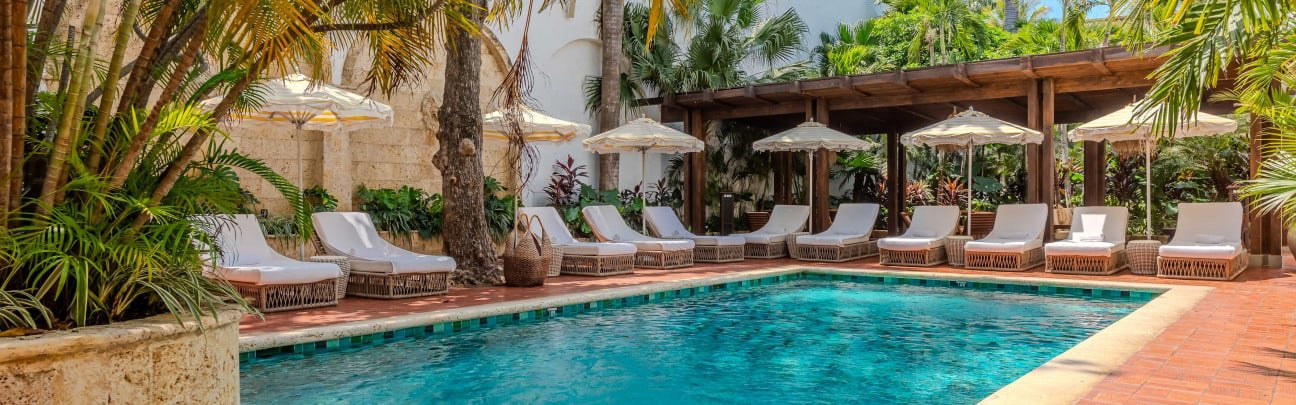
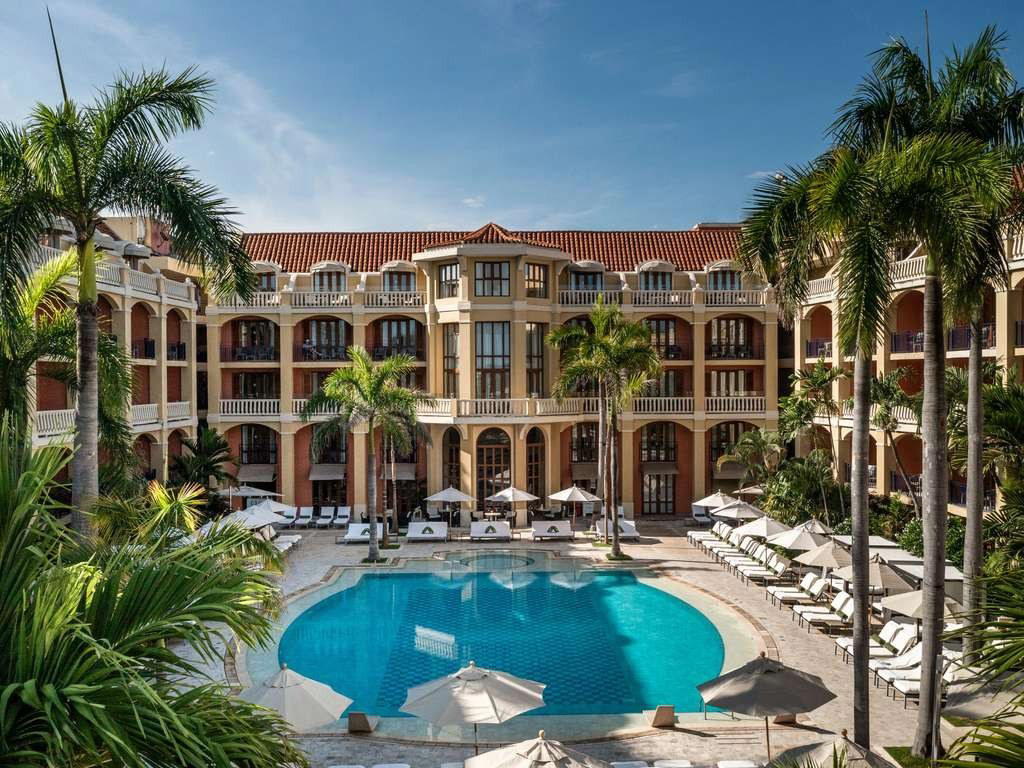
Warm colonial atmosphere with whirling ceiling fans, tiled floors dotted with potted palms, and starched white-uniformed waiters; exhilarating live Cuban music from a six-man band creates an energetic yet refined Old Havana ambiance.