La Cevicheria occupies a narrow slip of Old City Cartagena just off Calle Stuart, near Hotel Santa Clara, and has become the reference point for ceviche culture in a city where Caribbean and Pacific seafood traditions converge. The address alone tells you something about the neighbourhood's dining seriousness. For visitors mapping Cartagena's seafood scene, this is a logical first stop.
Pearl is the En Primeur Club membership app — saves, bookings, and concierge access live there. Same editors, same standards.
- Address
- Calle Stuart por el hotel Santa Clara Calle 39 #7 14, Cartagena de Indias, Bolívar, Colombia
- Phone
- +57 314 8949877
- Website
- lacevicheriacartagena.com
- Directions
- Get directions
 Saves & bookings on Pearl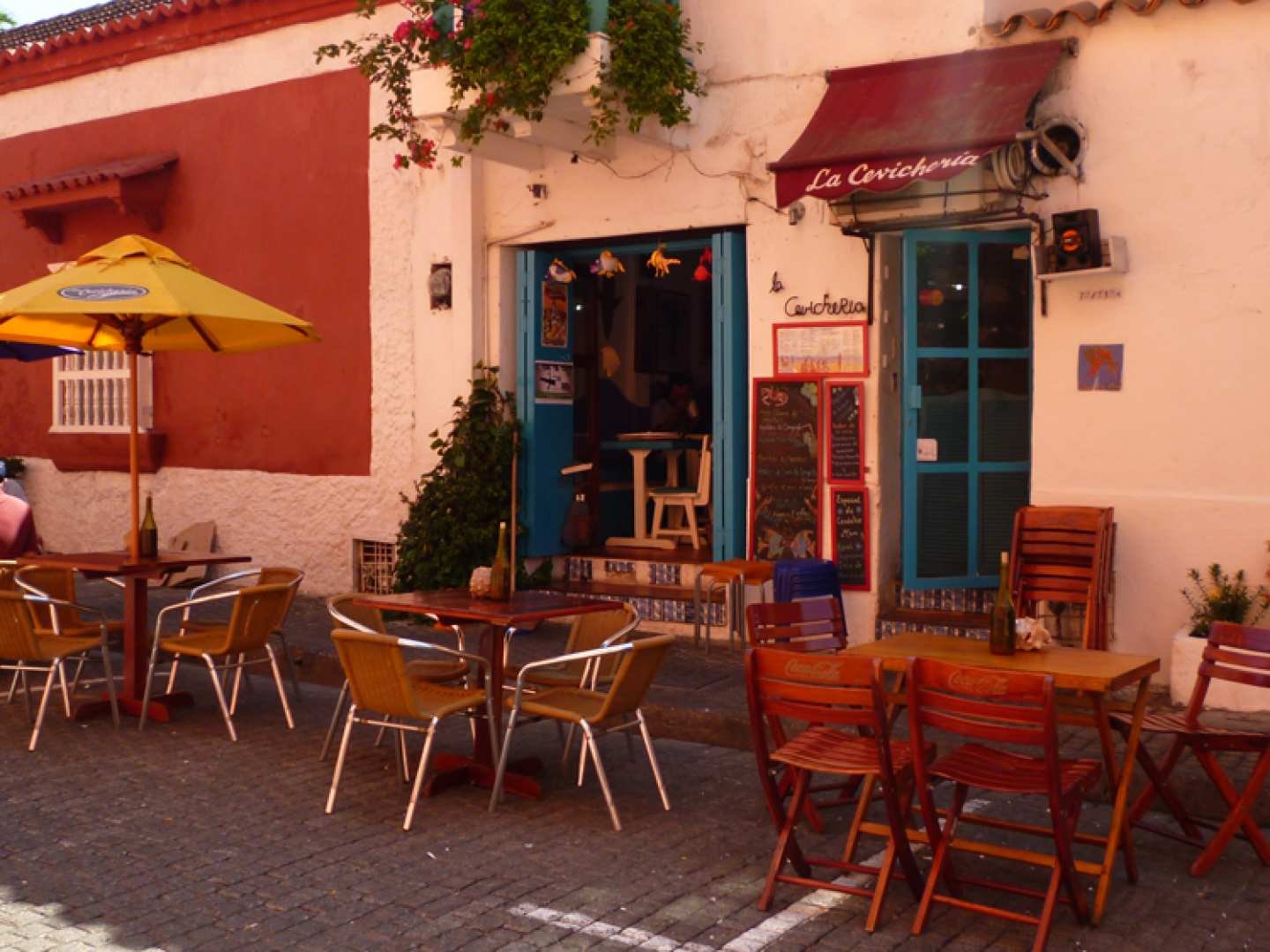
Where the Caribbean Meets the Ritual of Raw Fish
Cartagena's Old City eats differently from the rest of Colombia. The walled centro histórico has, over the past decade, developed a restaurant tier that draws as much from the Caribbean coast's fishing traditions as from the interior's cattle and tuber-heavy cooking. In that context, ceviche occupies a particular cultural position: it is not native to Colombia the way it is to Peru, yet the Caribbean coast has absorbed and adapted the form into something distinctly its own, shaped by local catch, local citrus, and the humidity that accelerates every fermentation and cure. La Cevicheria, at Calle Stuart por el hotel Santa Clara on Calle 39, sits precisely at that crossroads.
The address positions the restaurant in one of the Old City's most navigated corridors, a stretch where colonial-era architecture and serious dining have found a durable coexistence. Proximity to Hotel Santa Clara places it in the orbit of travellers who know that neighbourhood well, but the clientele is not purely tourist-facing. The surrounding blocks support 1621 The Restaurant and Canales 5 Brasserie Moderne. La Cevicheria's positioning within that cluster is not accidental.
The Ritual of the Ceviche Counter
In cities where ceviche is taken seriously, there is a recognisable dining ritual: you arrive, you let the kitchen work at its own pace, and you eat acid-forward food in a specific sequence. The leche de tigre comes first, or it should. The citrus cure does the cooking. The fish arrives barely touched by anything other than time and acidity. This is not fast food dressed up as a sit-down experience; it is a meal form that demands the diner slow down and pay attention to texture rather than heat.
Cartagena's version of this ritual draws on Caribbean ingredients that shift the flavour profile away from the Peruvian model. The regional catch differs from Peru's Pacific waters, and local aromatics, whether ají amarillo substitutes, tropical citrus variants, or Caribbean herbs, produce a distinct result. The comparison worth making is between Lima's ceviche tradition and what the Colombian Caribbean coast has developed on its own terms. The Colombian version is less codified, which creates space for interpretation but also raises the stakes for consistency.
La Cevicheria has built its reputation on navigating that interpretive space with enough discipline to attract repeat visits from both locals and the kind of travellers who eat seriously. For a city where AniMare and Andres Carne de Res represent different registers of Colombian dining ambition, the restaurant occupies a more focused, single-discipline position that gives it clarity of purpose.
Cartagena's Seafood Scene in Context
Colombia's coastal dining has undergone a significant reclassification over the past five to seven years. What was once treated as regional, informal food has been reframed by a generation of chefs who studied abroad or worked in Bogotá's more technically demanding kitchens before returning to the coast. The movement that produced modern Colombian restaurants like Debora Restaurante in Bogotá and 37 Park in Medellín has a coastal parallel, though it tends to express itself in more informal venues rather than tasting-menu formats.
In Cartagena specifically, the seafood restaurant tier has split between large, high-volume operations pitched at tourist groups and smaller, more focused spots that treat product sourcing and kitchen technique as the primary value proposition. The restaurant sits in the latter category. The small-format, produce-led model it represents aligns with a broader pattern visible across Latin American coastal cities, from Lima to Cartagena to Santa Marta, where the leading seafood work tends to happen in modest physical spaces with short menus and high turnover of fresh stock.
For visitors who want a broader sweep of the coast's dining culture, BK Burukuka in Santa Marta offers an instructive comparison: different city, similar ethos of coastal informality with serious ingredient focus.
How to Approach a Meal Here
One useful frame for eating at the restaurant is patience and sequence. Ceviche of any serious ambition is not a dish that rewards rushing. The acid chemistry that cures the fish is time-sensitive in both directions: too little and the texture is off; too long and the proteins overcook in the marinade. A kitchen that handles this well is working in real time, not pulling from prep made hours earlier.
Given the Old City's layout, the restaurant functions well as an early lunch stop rather than a late dinner. Cartagena's heat is at its most intense by early afternoon, and the cold, acid-forward food format is well suited to midday eating. Arriving at or just after opening avoids the peak tourist rush that builds through the lunch hour in this part of the city.
For a fuller picture of the Old City's dining options before or after your visit, our full Cartagena restaurants guide maps the neighbourhood by format and price tier. Nearby, Café Rialto provides the obvious post-meal coffee stop in the same general corridor. For those spending time in Cartagena's wider dining circuit, Andrés Carne de Res in Chía and La Brioche Bocagrande represent different registers of the Colombian dining experience worth factoring into a longer itinerary.
The address on Calle 39 is walkable from most of the walled city's major hotels. Arriving early or on a weekday reduces wait time risk in what is a compact, likely limited-seat space.
Planning Your Visit
The restaurant is located at Calle Stuart por el hotel Santa Clara, Calle 39 #7-14, in Cartagena's Old City. The restaurant is open daily from 12 to 11 PM, and the walk-in-friendly format keeps planning simple. The neighbourhood is compact and walkable, making it easy to combine with other stops in the centro histórico. Those building a broader Colombian dining itinerary should also consider venues in other cities: Cardinal Comida Peruana de Autor in Pereira and Le Brunch Express in Envigado offer useful points of comparison for how coastal and interior Colombian dining traditions diverge across regions.
Cuisine and Credentials
Comparable venues nearby, for context on price, style, and recognition.
| Venue | Cuisine | Price | Notes |
|---|---|---|---|
| La CevicheriaThis venue — the venue you are viewing | Caribbean Ceviche | $$ | Not listed |
| San Valentín Restaurante Bar | Caribbean Seafood & Local Fare | $$ | Centro |
| La Vitrola | Traditional Cuban & Caribbean | $$$ | Centro (Old City) |
| La Vitrola Restaurante | Cuban-Caribbean with Live Music | $$$ | Centro |
| Café Rialto | Colombian Specialty Coffee & Pastries | $$ | Getsemaní |
| Pizzas Piccolo Cartagena | Neapolitan Pizza | $$ | Claustro Santo Toribio |
Continue exploring
More in Cartagena
Restaurants in Cartagena
Browse all →
Bars in Cartagena
Browse all →
At a Glance
- Casual
- Cozy
- Well Known
- Casual Hangout
- Late Night
- Terrace
- Street Scene
Current opening hours
- Monday
- 12–11 PM
- Tuesday
- 12–11 PM
- Wednesday
- 12–11 PM
- Thursday
- 12–11 PM
- Friday
- 12–11 PM
- Saturday
- 12–11 PM
- Sunday
- 12–11 PM
Hours can change for holidays and private events. Last verified .
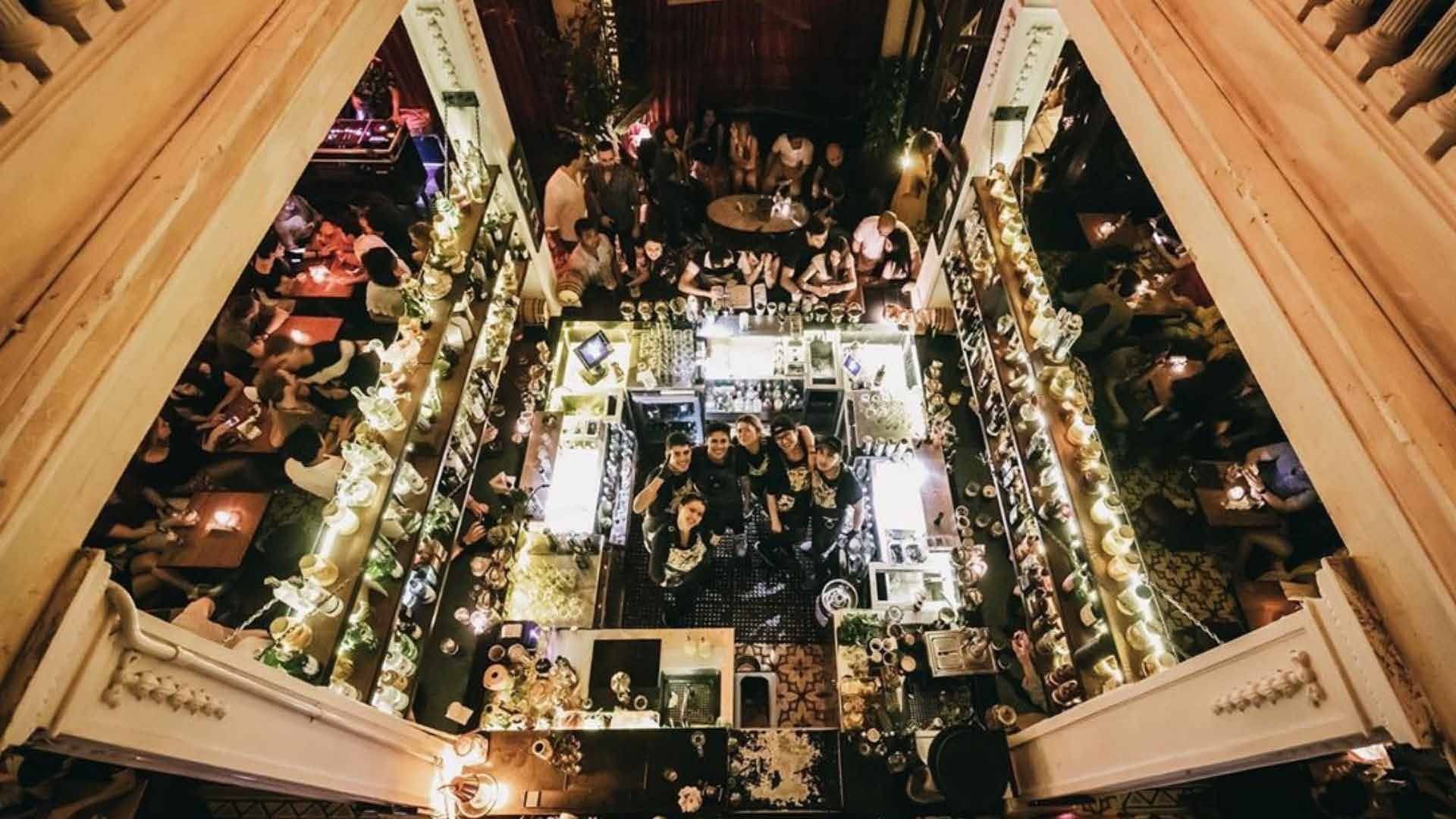
Charming terrace on cobblestone street in quaint plaza with casual, cute corner spot atmosphere.