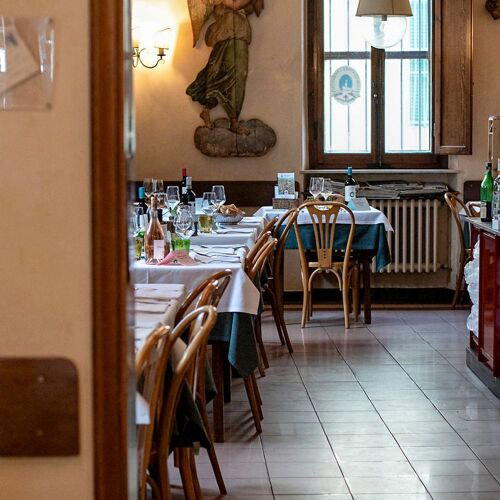
Le Terroir serves Traditional French Bistro with Pizzas at 63 Rue de la Vallée in Clérieux, with local sourcing and terrace seating.
Pearl is the En Primeur Club membership app — saves, bookings, and concierge access live there. Same editors, same standards.
- Address
- 63 Rue de la Vallée, 26260 Clérieux, France
- Phone
- +33760871006
- Directions
- Get directions
 Saves & bookings on Pearl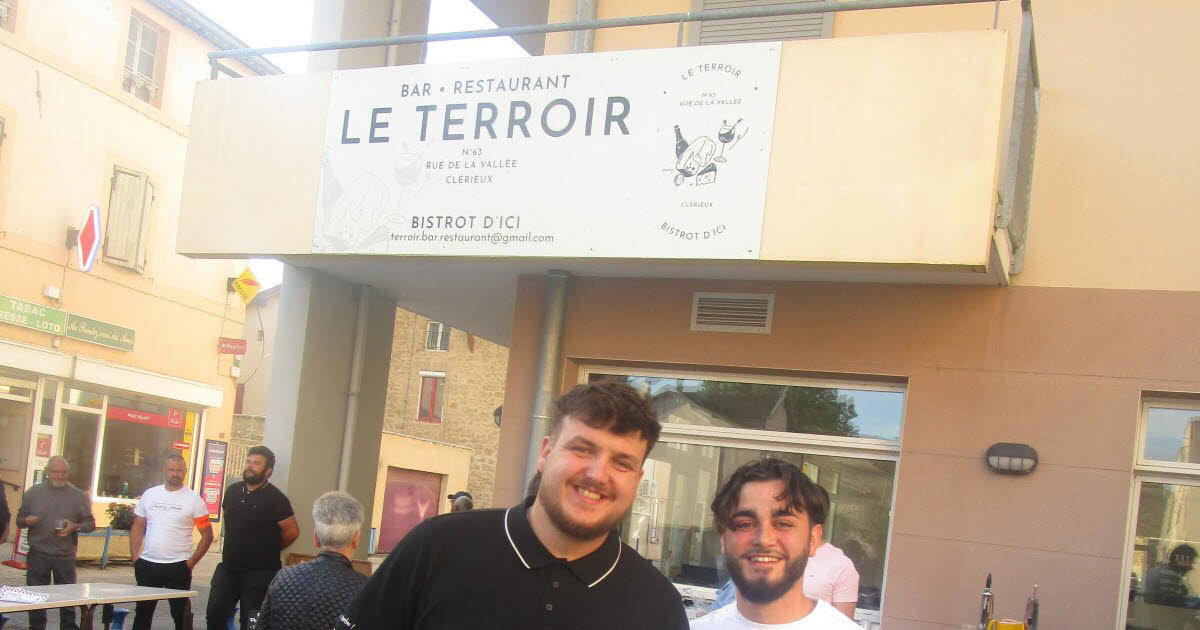
Where the Drôme Valley Sets the Table
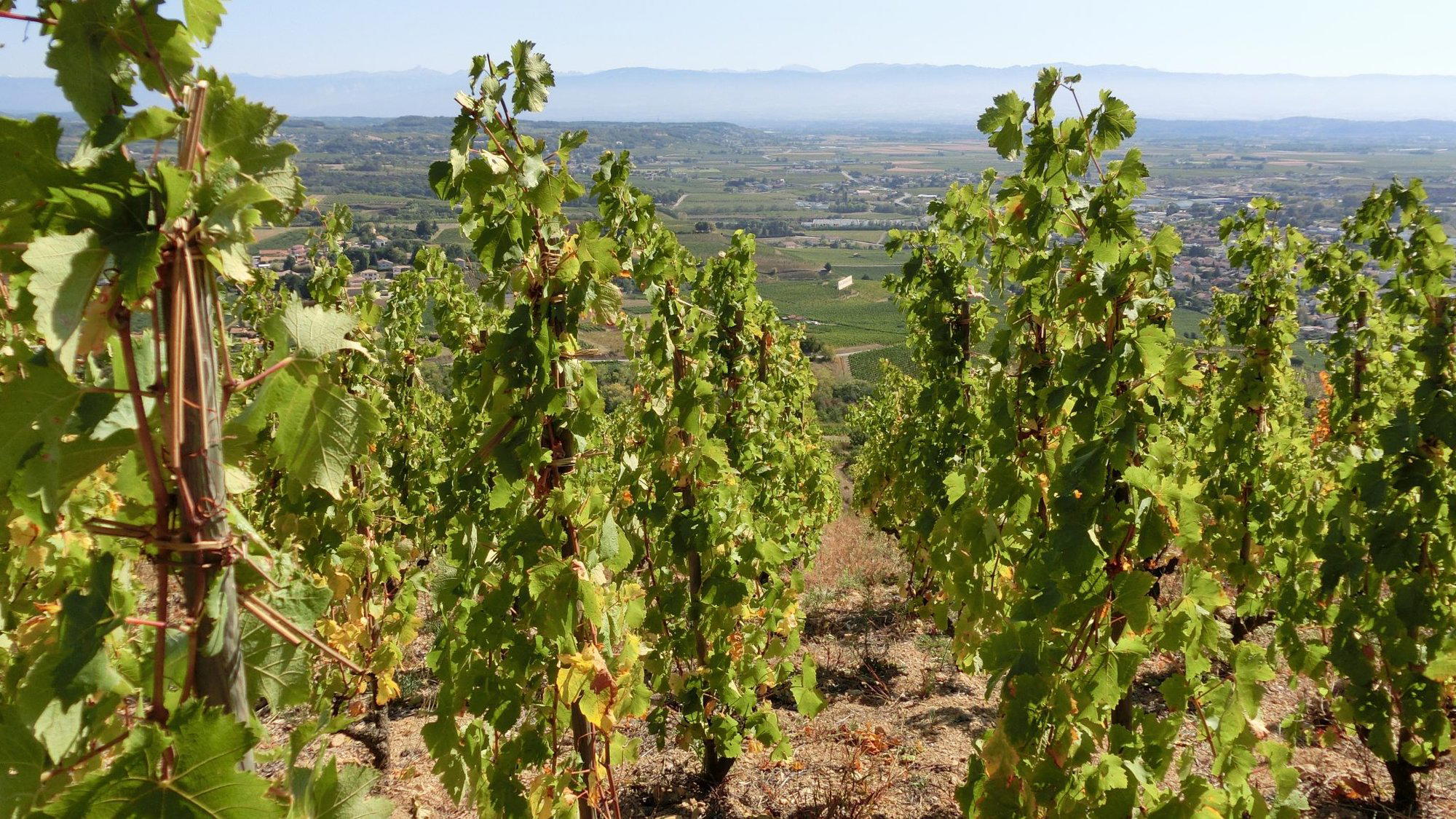
Le Terroir is a traditional French bistro with pizzas in Clérieux, France. The village of Clérieux sits in the northern Drôme, roughly equidistant between Valence and Romans-sur-Isère, in a corridor of France where the Rhône corridor's industrial scale gives way to smaller agricultural rhythms. This is Drôme Provençale territory in gradual transition: olive groves appear further south, but up here the landscape runs to walnut orchards, stone fruit, and the kind of polyculture farming that quietly supplies some of the country's better restaurant kitchens. Le Terroir, at 63 Rue de la Vallée, occupies that agricultural context directly. The name is not decorative, it announces a position on sourcing, on place, on the argument that what surrounds a kitchen should govern what emerges from it.
Arriving in Clérieux, the absence of urban noise is its own orientation. The village sits away from the A7 autoroute, which means the drive in requires intention, this is not a restaurant you pass by accident. That deliberateness tends to filter the clientele toward people who researched where they were going, which sets a particular tone before the door opens.
Sourcing as the Central Argument
The Drôme department offers unusual density of small producers: AOC Picodon goat cheese from villages to the south, walnut oil pressings from the Isère border, and stone fruit from the Gervanne valley orchards. A kitchen positioned in Clérieux has direct access to this network without the logistical layers that urban restaurants must manage when sourcing the same products.
This matters because ingredient provenance in rural French cooking is not merely a marketing position, it shapes the structure of the menu. When what's available locally changes week to week, the menu has to move with it rather than remain fixed around imported anchor ingredients. The French kitchen tradition that connects to this model runs from Bras in Laguiole, where Michel Bras codified the gargouillou's logic of site-specific vegetable cookery.
For comparison: Mirazur in Menton built its reputation partly on biodynamic gardens adjacent to the property. Auberge du Vieux Puits in Fontjoncouse operates in similarly remote southern French terrain, where isolation from major supply chains pushed the kitchen toward hyper-local dependence as a structural necessity. Le Terroir's Drôme setting places it in that same provincial pattern, where remoteness and sourcing depth reinforce each other.
The Drôme in a Broader French Regional Context
The Drôme sits at a crossroads: northern Rhône austerity meets early Provençal influence, with the Alps visible on clear days to the east. The cooking that emerges from this corridor historically drew on walnut, chestnut, river fish, and mountain dairy, a larder quite different from Burgundy's cream-and-wine backbone or Alsace's charcuterie and sauerkraut logic. Auberge de l'Ill in Illhaeusern and Au Crocodile in Strasbourg represent Alsatian fine dining fully fluent in its own regional vocabulary. The Drôme's equivalent vocabulary is less codified, which means kitchens here operate with more interpretive latitude but less institutional support.
That interpretive latitude is both an opportunity and a diagnostic. Restaurants in established gastronomic regions, Lyon, Burgundy, Alsace, can position against a clear regional canon. Paul Bocuse - L'Auberge du Pont de Collonges in Collonges-au-Mont-d'Or and Georges Blanc in Vonnas operate within the dense institutional gravity of French haute cuisine's Bresse-and-Lyon corridor. The Drôme offers no equivalent gravitational field, which means a restaurant like Le Terroir defines its own reference points rather than inheriting them.
Where Le Terroir Sits in the Wider French Dining Tier
France's restaurant geography has become more legible at the extremes, three-star destinations like Alléno Paris au Pavillon Ledoyen in Paris or Assiette Champenoise in Reims occupy a category where credentials are public and verifiable, but the middle tier of provincial French restaurants remains harder to read from the outside. A village address, an agricultural name, and a Drôme postcode position the restaurant as a regional table rather than a destination-dining exercise. That positioning is consistent with the broader pattern of Drôme restaurants: grounded in local product, priced for a regional clientele, and less invested in the international visibility game than their Côte d'Azur or Parisian counterparts.
Visitors driving from Lyon (approximately 80 kilometres north via the A7 and then local roads) or from Valence (under 20 kilometres south) will find Clérieux accessible as a lunch or dinner detour rather than a standalone travel destination. The village is small enough that parking is not a logistical challenge. For those exploring the northern Drôme more broadly, pairing a meal here with a visit to the Hermitage or Crozes-Hermitage wine appellations, both within thirty kilometres, creates a coherent half-day or full-day itinerary rooted in Rhône Valley produce culture. See our full Clérieux restaurants guide for broader context on the village's dining options.
Flocons de Sel in Megève, La Marine in Noirmoutier-en-l'île, and Christopher Coutanceau in La Rochelle all demonstrate how France's provincial restaurant culture sustains serious kitchens far outside Paris, each rooted in the specific geography they inhabit. L'Oustau de Baumanière in Les Baux shows what sustained institutional commitment looks like in a Provençal village setting. The restaurant operates on a smaller scale than these reference points, but the structural logic, place first, sourcing second, menu third, is the same. For contrast with technically ambitious urban formats, AM par Alexandre Mazzia in Marseille and Troisgros - Le Bois sans Feuilles in Ouches illustrate the range of approaches French chefs bring to sourcing-led cooking.
Planning Your Visit
The restaurant's regular hours are Mon: Closed; Tue: 6:30 AM-10 PM; Wed: 6:30 AM-2 PM; Thu: 6:30 AM-10 PM; Fri: 6:30 AM-10 PM; Sat: 8:30 AM-10 PM; Sun: 5-10 PM, and reservations are recommended. The Valence TGV station provides a convenient rail access point for visitors travelling from Paris (approximately two hours), with car hire or taxi required for the final leg to Clérieux.
Comparison Snapshot
Comparable venues nearby, for context on price, style, and recognition.
| Venue | Cuisine | Price | Notes |
|---|---|---|---|
| Le TerroirThis venue — the venue you are viewing | Traditional French Bistro with Pizzas | $$ | Not listed |
| L'épicerie | Traditional French Bistro | $$ | centre historique |
| Le Petit Carron | Seasonal French Bistro | $$ | Quartier Voltaire Part-Dieu |
| L'Espace Carnot | Traditional French Brasserie with Lyonnaise Specialties | $$ | Quartier Bellecour Carnot |
| Noham | French Patisserie & Australian-Style Brunch Café | $$ | Quartier Vaise Rochecardon Industrie |
| L'Inattendu | Modern French Seasonal | $$ | near Bastille telepherique |
Continue exploring
More in Clerieux
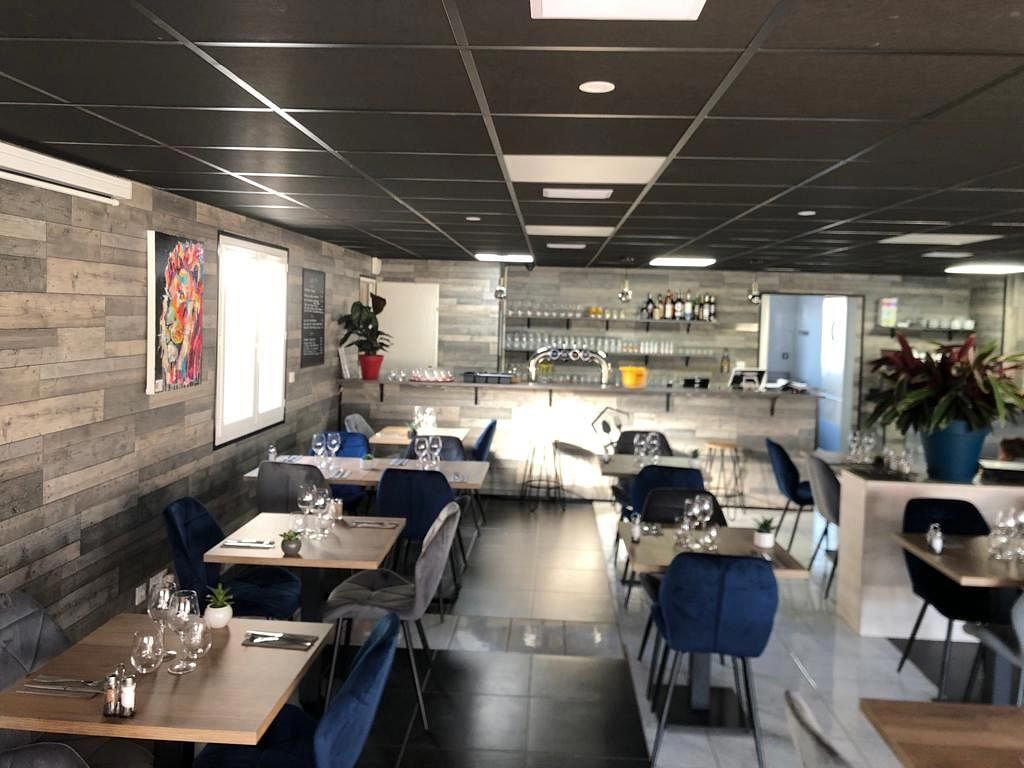
Restaurants in Clerieux
Browse all →
Bars in Clerieux
Browse all →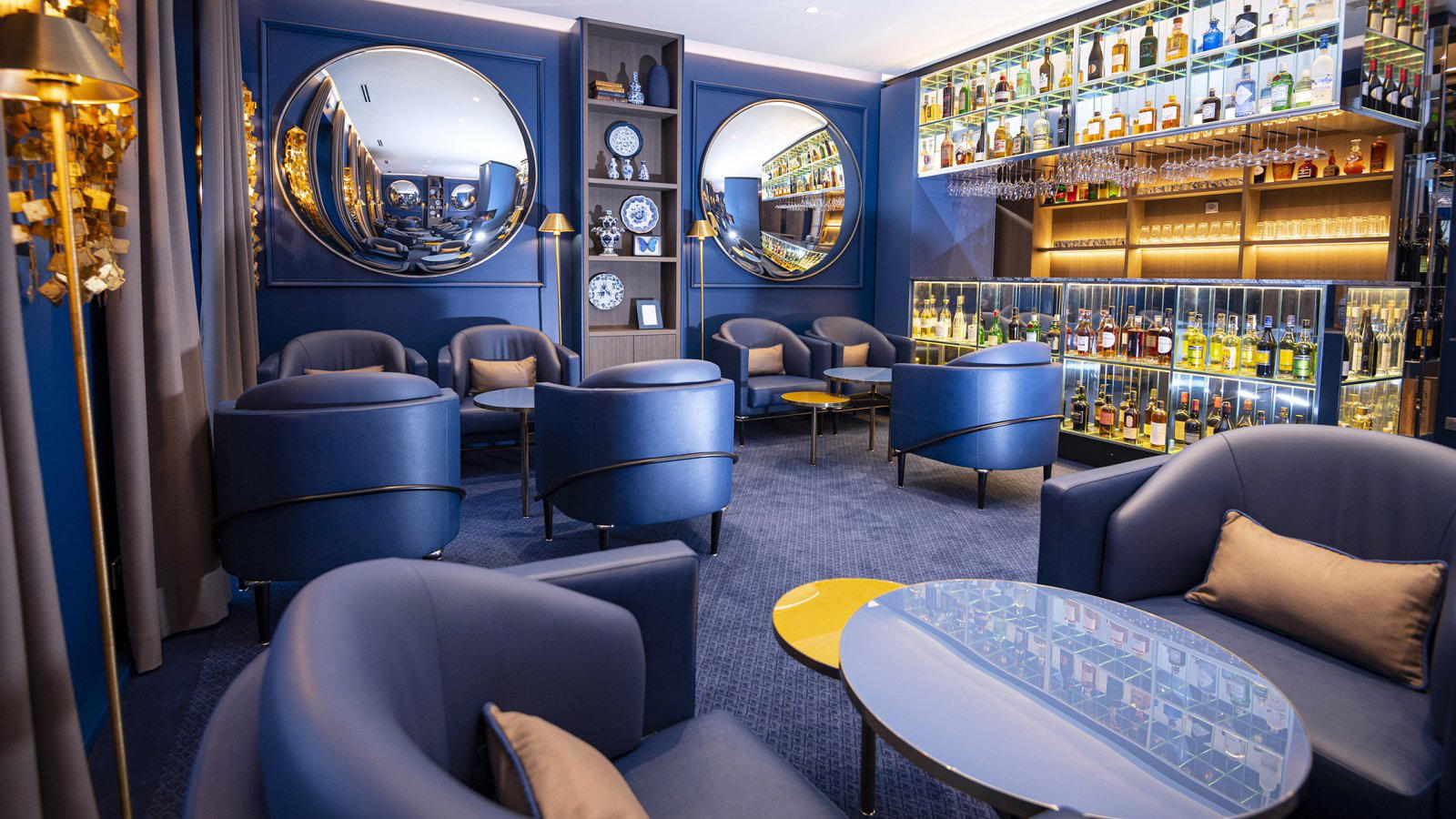
Hotels in Clerieux
Browse all →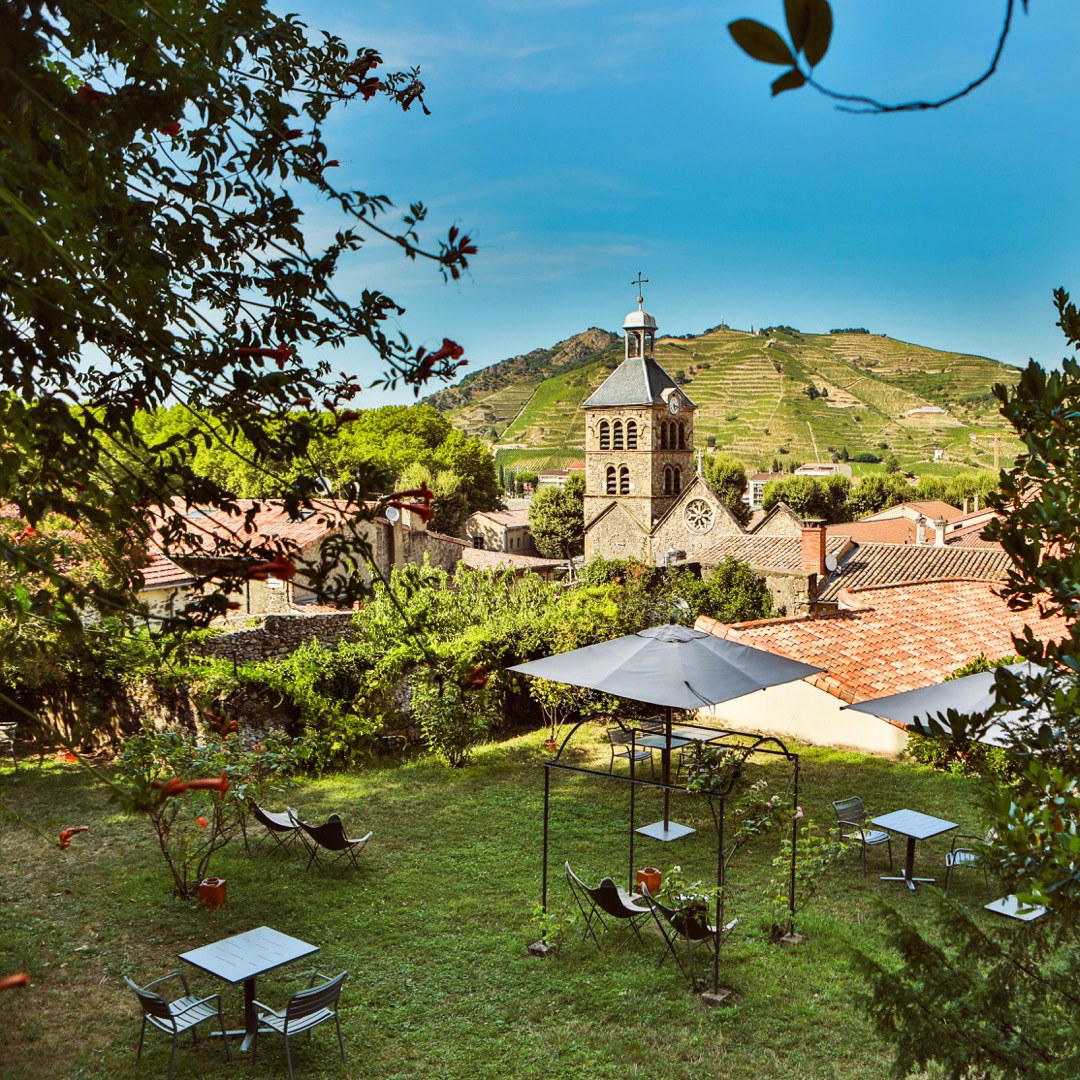

At a Glance
- Rustic
- Cozy
- Casual Hangout
- Group Dining
- Terrace
- Local Sourcing
Current opening hours
- Monday
- Closed
- Tuesday
- 6:30 AM–10 PM
- Wednesday
- 6:30 AM–2 PM
- Thursday
- 6:30 AM–10 PM
- Friday
- 6:30 AM–10 PM
- Saturday
- 8:30 AM–10 PM
- Sunday
- 5–10 PM
Hours can change for holidays and private events. Last verified .
Casual village bistro atmosphere with shaded terrace seating for al fresco dining on sunny days.