Our verdict
La Table d'Eric sits on Rue du Colonel Dettmer in Tournai, a city where French-leaning culinary tradition runs deep and the Belgian border with northern France shapes what arrives on the plate. In a region that prizes market-sourced cooking and producer relationships over spectacle, this address fits a dining culture defined by proximity to ingredient rather than distance from it.

Pearl is the En Primeur Club membership app — saves, bookings, and concierge access live there. Same editors, same standards.
- Address
- Rue du Colonel Dettmer 2, 7500 Tournai, Belgium
- Phone
- +3269224170
- Hours
- Mon–Tue 12–2 PMWed ClosedThu–Fri 12–2 PM, 7–9 PMSat 7–9 PMSun 12–2 PM, 7–9 PM
- Website
- latablederic.be
- Directions
- Get directions
- Booking
- Book on the venue's website
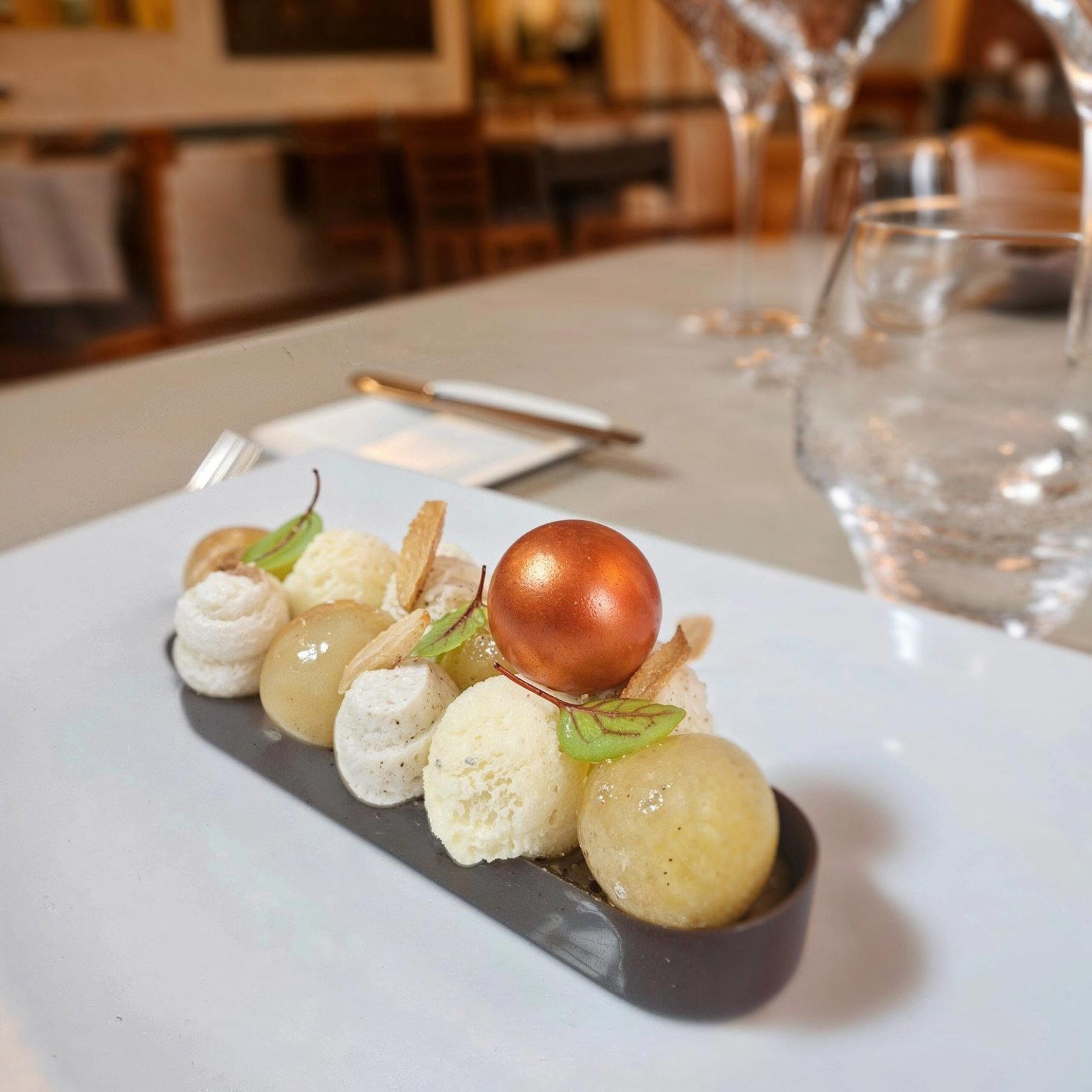
Tournai's Table Tradition and Where La Table d'Eric Sits Within It
Tournai occupies an unusual position in Belgian dining. Geographically closer to Lille than to Brussels, and historically tied to French culinary grammar more than to Flemish traditions, the city has long operated as a quiet but serious address for ingredient-led cooking. Restaurants here tend not to chase recognition on the national stage in the way that Antwerp or Brussels establishments do. They earn local loyalty instead, and that loyalty tends to be exacting. Against that backdrop, La Table d'Eric at Rue du Colonel Dettmer 2 represents a specific kind of Tournai address: the kind built around a named table, a personal room, and cooking that draws on what the surrounding region produces.
The Walloon Picardian corridor that Tournai anchors is productive agricultural land. Chicory from the Hainaut plains, freshwater fish from the Scheldt, game from the Ardenne margins, and dairy from small-scale Walloon farms all circulate through this region's better kitchens. In cities like Tournai, the proximity of the source to the stove is less a marketing position than a simple logistical reality: the supply chains are short because the geography makes them short. Restaurants that understand this don't need to build a sourcing narrative around it; the ingredients speak through the plate without annotation.
The Room and the Approach
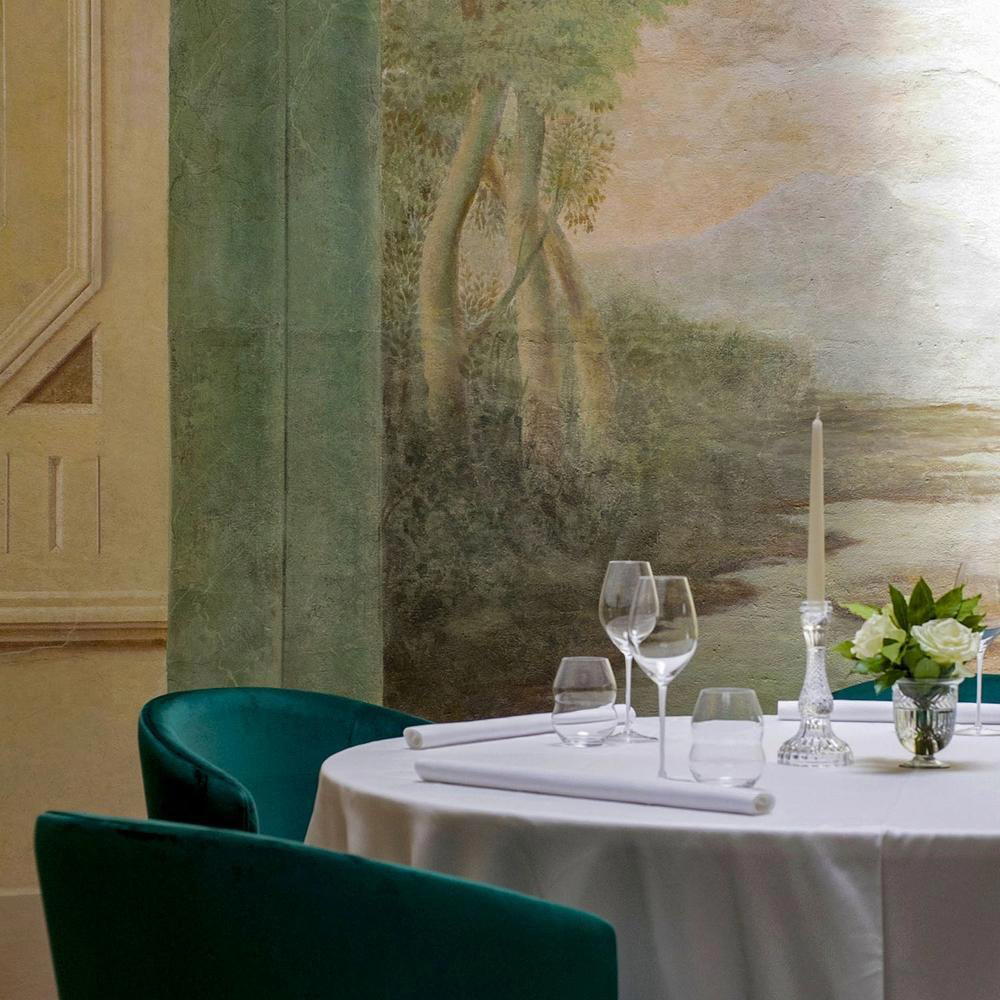
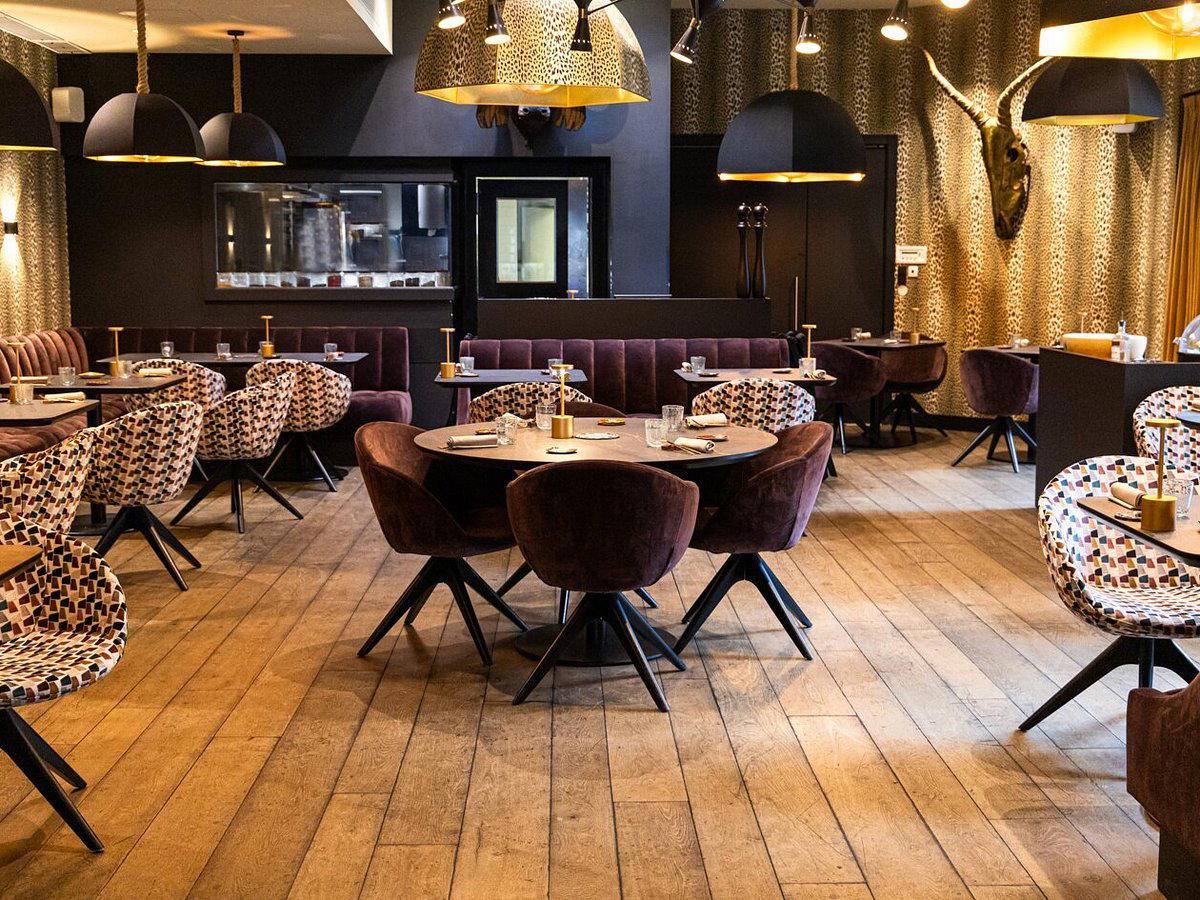
A table named after its proprietor in a mid-size Belgian city signals a particular format before you've opened the door. These are not the rooms built for scale or theatre. The address on Rue du Colonel Dettmer is residential in character, which is consistent with how owner-named restaurants operate in francophone Belgium: the dining room is an extension of domestic hospitality rather than a commercial hospitality product. That distinction matters for what you can expect in terms of pacing, service register, and the degree to which the room feels curated for experience rather than volume.
Among Tournai's dining options, La Paulée Marie-Pierre and la petite Madeleine represent the city's classic French-leaning current. La Table d'Eric occupies recognisably similar territory: French culinary structure, regional ingredient sourcing, and a format that positions it as a sit-down address for deliberate dining rather than casual passing trade.
Sourcing as the Central Logic
Belgian fine dining has, over the past decade, split along a clear axis. One side is occupied by restaurants that operate internationally scaled ingredient programmes, drawing from specialist producers across Europe, running precise fermentation labs, and producing menus that could, in theory, be served in any northern European capital. Boury in Roeselare, Zilte in Antwerp, and De Jonkman in Sint-Kruis sit in that tier, where the ingredient programme is itself a statement. The other side of that axis is occupied by restaurants that work within tighter geographic parameters, where sourcing is defined by what the surrounding region produces in season rather than by what can be flown in or fermented over weeks.
La Table d'Eric, in the Tournai context, reads as the latter. The Hainaut province around Tournai provides a reliable seasonal calendar: white asparagus from the sandy soils west of the city in spring, game through autumn, brassicas and root vegetables through winter. A kitchen working with that geography doesn't have to look far for material. The discipline is in selecting within those constraints rather than overcoming them. Restaurants in this mode, from Wallonia to the Dordogne, tend to produce cooking that is harder to date and harder to transport conceptually, because it is tied to a place and a season rather than a technique or an aesthetic.
This positions La Table d'Eric differently from the ambitious Walloon addresses that reach for national recognition. L'air du Temps in Liernu and d'Eugénie à Emilie in Baudour operate with different ambitions and different competitive sets. Tournai's better tables, by contrast, tend to operate within a more contained radius of expectation and reward, and that containment often produces more honest cooking.
The Belgian Context: What Regional Tables Offer
Belgium's most discussed restaurants cluster in Flanders, and the international conversation about Belgian cuisine reflects Flemish creative cooking more than it does Walloon or francophone tradition. Hof van Cleve in Kruishoutem, Willem Hiele in Oudenburg, and Bartholomeus in Heist define a Flemish fine dining identity that is confident, technique-forward, and export-ready as a concept. Bozar Restaurant in Brussels represents the capital's institutional end of that conversation.
Walloon dining, including Tournai, operates on different terms. The French culinary inheritance is heavier, the pace is slower, and the aspiration is more often comfort than provocation. That is not a deficiency. Restaurants like Castor in Beveren and La Durée in Izegem demonstrate that the Belgian table, across both linguistic communities, is capable of serious cooking without requiring the international critical apparatus to validate it. La Table d'Eric fits within that quieter but no less rigorous current.
For comparison, the level of intentional sourcing and regional coherence seen at addresses like La Table de Maxime in Our and Le Chalet de la Forêt in Uccle shows what francophone Belgian kitchens can do when they commit to a geographic identity. The gap between what those kitchens produce and what international reference points like Le Bernardin in New York or Atomix in New York represent is instructive: not a gap in quality, but a gap in orientation. Regional cooking and globally-oriented fine dining are different games.
Planning a Visit
La Table d'Eric is located at Rue du Colonel Dettmer 2, 7500 Tournai. Tournai is approximately 85 kilometres southwest of Brussels by road and is accessible by train from Brussels-Midi in under an hour, making it a viable day trip or short-stay destination for visitors based in the Belgian capital. As a named-table address in a mid-size city, booking ahead is advisable, particularly for dinner and for weekend lunch. Phone and online booking details are best confirmed directly; as with many owner-run rooms of this type, communication is often handled personally rather than through third-party reservation systems. For a fuller map of what the city offers, the EP Club Tournai restaurants guide covers the current dining picture in detail.
Frequently asked questions
Would La Table d'Eric be comfortable with kids?
La Table d'Eric is located at Rue du Colonel Dettmer 2 in Tournai, a city where proprietor-led dining rooms tend to favour a measured, adult pace. The format — a table named after its owner in a mid-size Belgian city — suggests an atmosphere built around considered service rather than casual family throughput. Families with younger children should confirm arrangements directly with the venue before booking.
How would you describe the vibe at La Table d'Eric?
Tournai sits geographically closer to Lille than to Brussels, and its dining culture reflects that cross-border gravity — more French in register than Flemish-creative. La Table d'Eric fits the mould of a proprietor-run room: personal, unhurried, and oriented around the meal rather than the spectacle. It is not a destination for scene-watching.
Is La Table d'Eric a good option for visitors arriving from Lille or Brussels?
Tournai sits roughly 85 kilometres southwest of Brussels by road and is accessible from Lille in under an hour, making La Table d'Eric a realistic dinner destination for travellers based in either city. The address — Rue du Colonel Dettmer 2, 7500 Tournai — places it in central Tournai, a city whose French-leaning culinary identity makes it a logical stop for anyone tracking the quieter registers of Belgian fine dining outside the Flemish circuit.
What do regulars order at La Table d'Eric?
What the broader context of Tournai's table tradition suggests is a kitchen that works within French-influenced seasonal logic — the kind of cooking where the sourcing decision precedes the menu, not the other way around. check the venue's official channels for current offerings.
Where exactly is La Table d'Eric?
La Table d'Eric is located at Rue du Colonel Dettmer 2, 7500 Tournai, Belgium, Tournai.
Can I walk in to La Table d'Eric?
Proprietor-run rooms in cities like Tournai typically operate with advance reservations, particularly for dinner service, where cover counts are modest by design. Arriving without a booking carries real risk of being turned away; reaching out ahead is the more reliable approach.
What is La Table d'Eric known for?
La Table d'Eric is a proprietor-named dining room in Tournai — a Wallonian city with a culinary gravity that pulls toward French technique rather than the Flemish-led creativity that dominates international coverage of Belgian cuisine. Restaurants of this format in the region are known for personal service, regionally anchored sourcing, and cooking that rewards repeat visits over Instagram moments. It occupies a position in Tournai's dining scene that larger Belgian cities rarely replicate.
Comparison Snapshot
Comparable venues nearby, for context on price, style, and recognition.
| Venue | Cuisine | Price | Awards | Notes |
|---|---|---|---|---|
| La Table d'EricThis venue — the venue you are viewing | Classic French Bistro | Not listed | Not listed | Not listed |
| La Paulée Marie-Pierre | Classic French Bistro | $50–100 | Michelin Plate | Not listed |
| la petite Madeleine | Modern French Gastronomic | $50–100 | Michelin Plate | City Center |
| Culix | French-Belgian Fine Dining | $100–150 | Not listed | Merelbeke |
| Het Patronaat | French-Belgian Bistro | $50–100 | Not listed | Hamme |
| Le petit Prince de Ligne | French Bistro-Gastronomique | Not listed | Not listed | Ath |
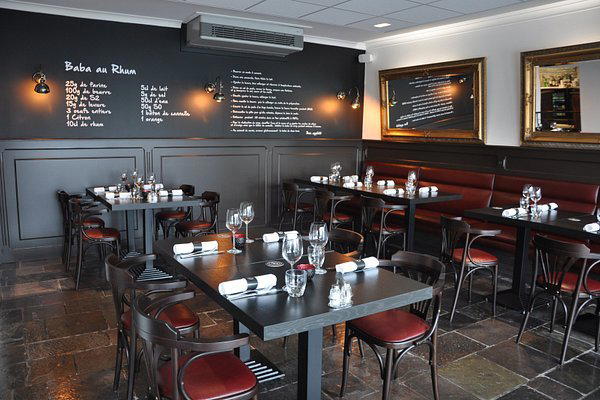
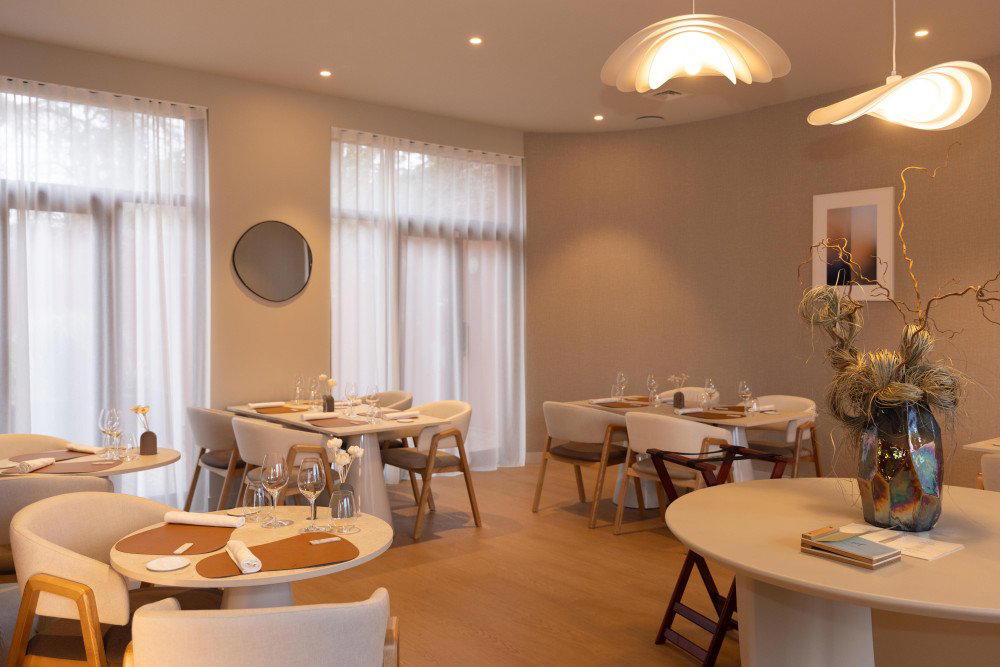
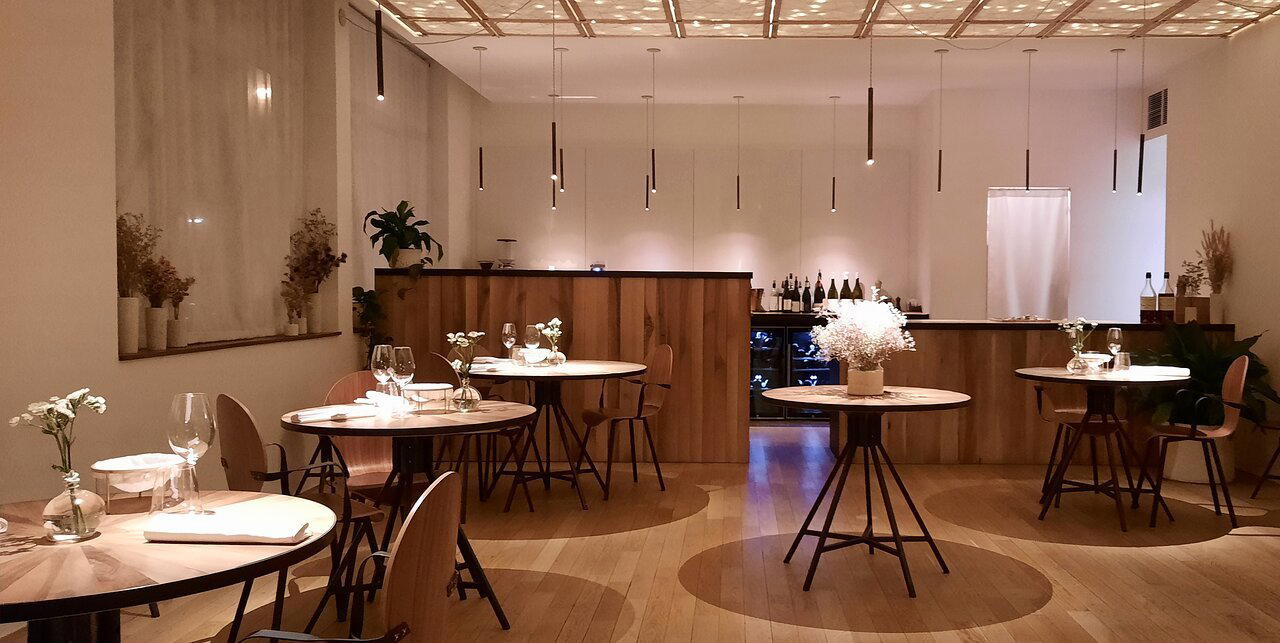
La Table d'Eric
The wine
- Wine program
- Curated wine list
- Extensive wine list
Details
- Elegant
- Cozy
- Classic
- Date Night
- Special Occasion
- Extensive Wine List
- A La Carte
- Gluten Free Options
Current opening hours
- Monday
- 12–2 PM
- Tuesday
- 12–2 PM
- Wednesday
- Closed
- Thursday
- 12–2 PM, 7–9 PM
- Friday
- 12–2 PM, 7–9 PM
- Saturday
- 7–9 PM
- Sunday
- 12–2 PM, 7–9 PM
Hours can change for holidays and private events. Last verified .
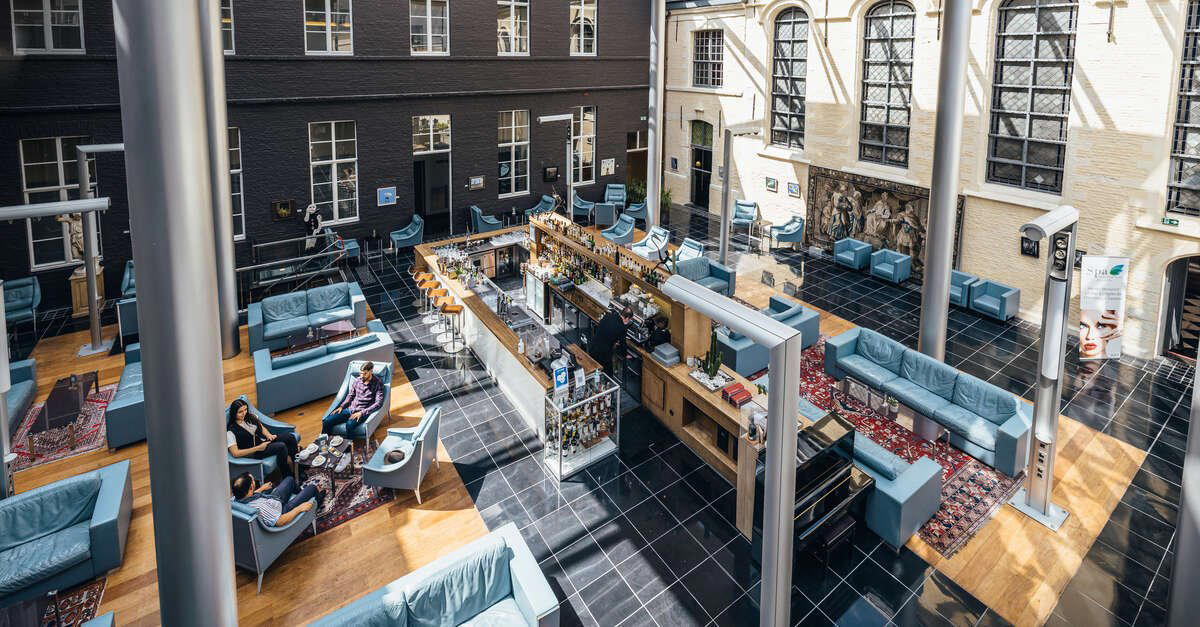
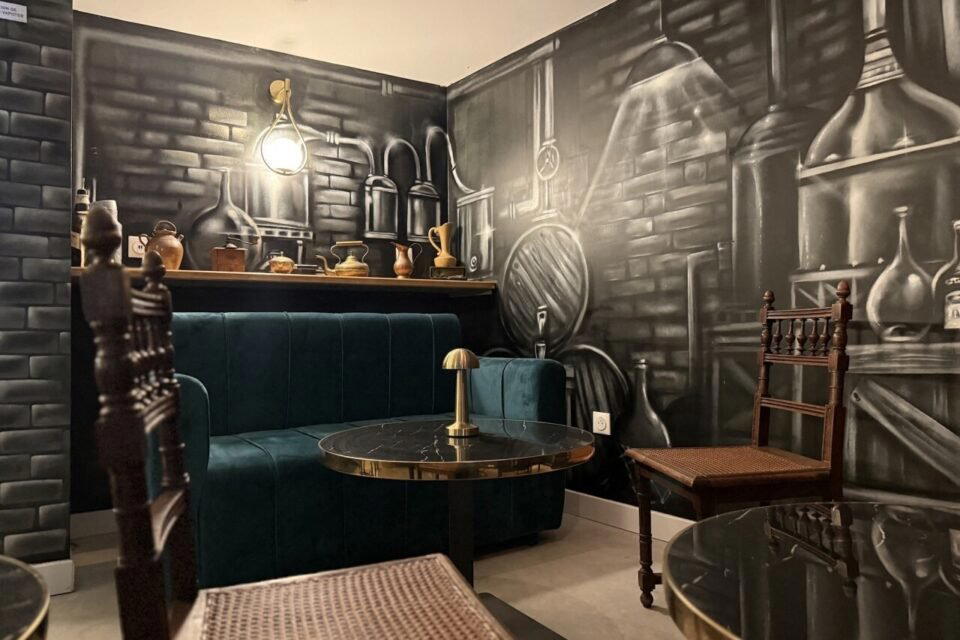
Nice and bright interior with a warm, modern yet classic atmosphere, providing a relaxing and attentive dining experience.