
Michelin Selected
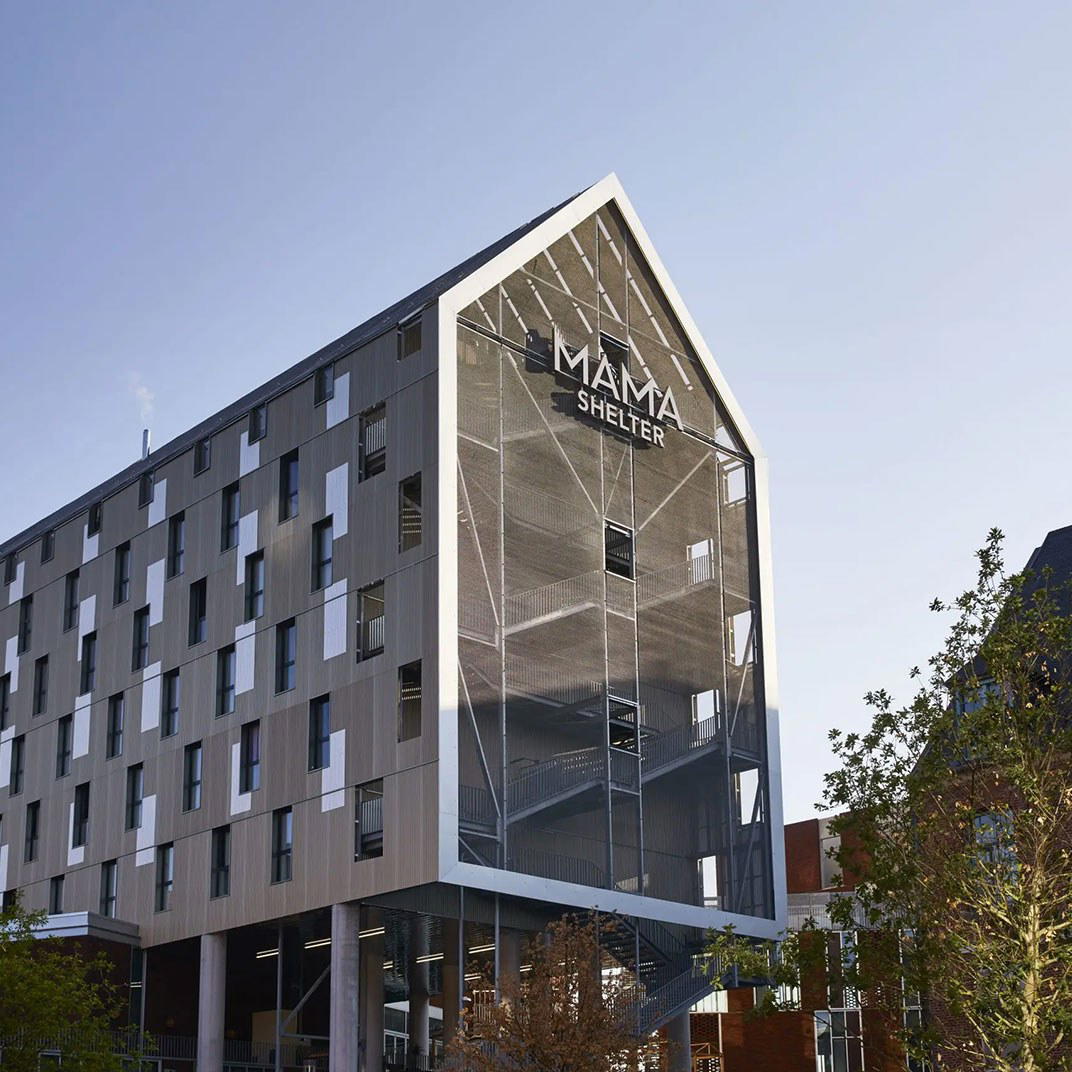
Mama Shelter Lille occupies a distinctive position in the city's hotel scene: a Michelin Selected property at place Saint-Hubert that trades boutique solemnity for deliberate informality. The brand's signature combination of social-first spaces, a programme of food and drink designed for the room rather than the occasion, and a price point well below Lille's traditional luxury tier makes it a functional choice for travellers who want recognition without the formality.

Pearl is the En Primeur Club membership app — saves, bookings, and concierge access live there. Same editors, same standards.
- Address
- 97 Pl. Saint-Hubert, 59800 Lille, France
- Phone
- +33 3 59 82 72 72
- Website
- fr.mamashelter.com
- Directions
- Get directions
Where Lille's Hotel Scene Splits
Lille's hotel market divides along a clear line. On one side sit the historic grand properties: the converted merchant houses and Flemish-baroque addresses that anchor the Vieux-Lille quarter, where hushed dining rooms and formal front-of-house protocols remain the standard. On the other, a younger tier of properties has emerged over the past decade, built around communal spaces, food-and-drink programmes conceived for lingering rather than ceremony, and a tone that reads more neighbourhood bar than grand hotel. Mama Shelter Lille, at 97 place Saint-Hubert, sits firmly in that second group — and its Michelin Selected recognition in 2025 signals that the guide now takes the category seriously rather than treating it as a consolation tier for properties that fall short of formal luxury.
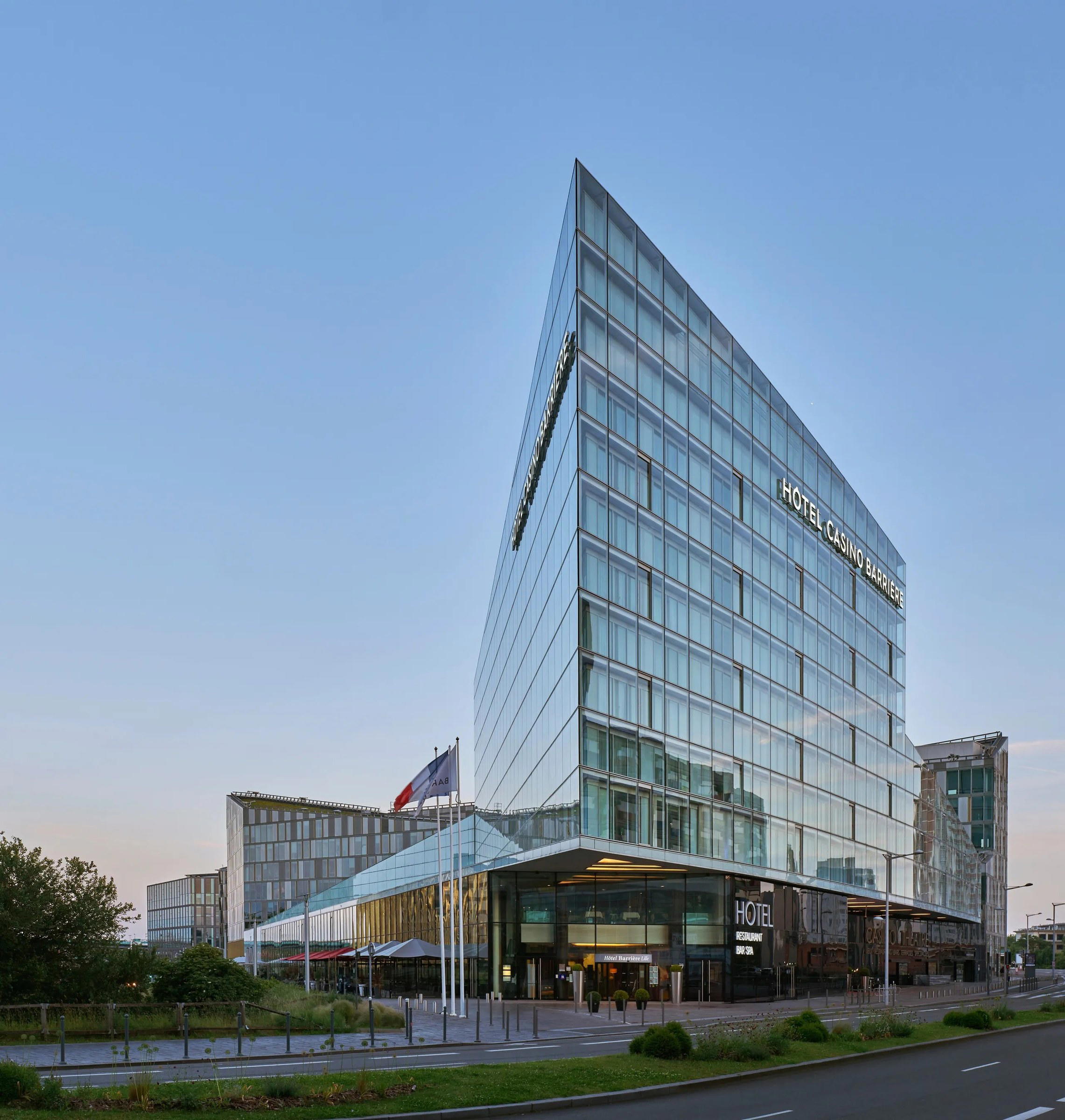
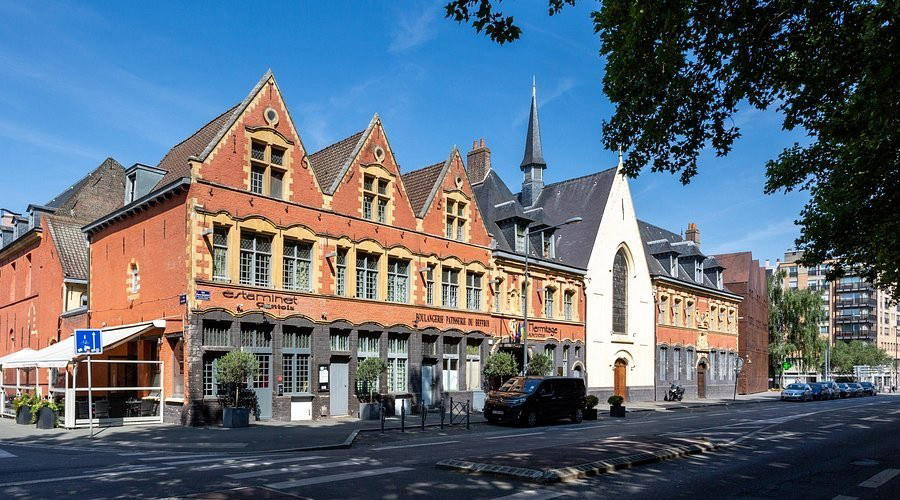
That distinction matters for anyone plotting a Lille stay. Properties like Clarance Hôtel and L'Hermitage Gantois - Autograph Collection occupy the considered-luxury end of the spectrum, with architecture and service formats that reward guests who want those cues. Hôtel Barrière Lille and L'Arbre Voyageur each occupy a different slice of the mid-to-upper range. Mama Shelter operates with a different set of priorities: the social infrastructure is the product, and the rooms exist in service of that rather than the other way around.
The Dining and Drinking Programme
Mama Shelter as a group — founded in Paris and now operating across multiple European cities, built its identity on the premise that a hotel's food and bar programme should function as a genuine destination for locals, not just a convenience for guests too tired to go out. That format has become a recognisable model in European urban hospitality: a rooftop or ground-floor bar-restaurant that draws a neighbourhood crowd, a menu that runs from early coffee through late-night drinks without an awkward break in register, and a design language that keeps the whole operation feeling like a place rather than a service.
In Lille, that model lands in a city with a strong existing culture of convivial eating and drinking. Northern French hospitality has always leaned toward generosity over precision, the estaminet tradition, the preference for shared tables, the prominence of beer alongside wine. A hotel bar-restaurant that organises itself around the same values fits the local grain more naturally here than it might in, say, Lyon or Bordeaux. The food programme at properties in this format typically prioritises approachable, well-executed cooking over elaborate tasting menus: dishes that make sense at midnight as well as noon, portions sized for sharing, and a drinks list that skews toward cocktails and draught beer rather than deep cellar references.
This is the operating logic that earned the Michelin Selected designation. The guide's hotel selection is not a starred restaurant process, it evaluates properties across comfort, character, service quality, and the overall guest experience. For a property in the Mama Shelter mould, recognition signals that the execution of the concept has reached a standard worth noting, not that it has transcended its category.
Place Saint-Hubert and the Surrounding Quarter
The address at place Saint-Hubert places Mama Shelter in a part of Lille that sits at a remove from the concentrated tourist circuit of the Grand-Place and Vieux-Lille. That distance is an asset for certain kinds of travellers and a friction point for others. Guests who want immediate proximity to the city's Flemish architectural core, its concentration of restaurants around rue de Gand and rue des Bouchers, or the covered market halls of the Wazemmes district will need to account for that positioning. For travellers arriving by train, Lille's two stations, Lille-Flandres and Lille-Europe, sit close together near the eastern edge of the centre, place Saint-Hubert is reachable on foot or by metro without significant inconvenience.
Lille as a destination rewards guests who look beyond the postcard version of the city. The Palais des Beaux-Arts holds one of France's most substantial collections outside Paris. The Euralille quarter, which grew up around the TGV hub after the Channel Tunnel opened, gives the city an economic weight that smaller regional capitals lack. Cross-border proximity to Belgium means Ghent and Brussels are within an hour's drive or train journey, making Lille a plausible base for a wider northern European itinerary rather than a standalone city break. See our full Lille restaurants guide for coverage of the city's dining scene beyond the hotel.
How Mama Shelter Lille Compares Across France
Anyone building a multi-city French itinerary will encounter a range of positioning in the hotel market. At the formal luxury end, properties like Le Bristol Paris, Hotel Du Cap-Eden-Roc in Cap d'Antibes, and Hôtel de Paris Monte-Carlo operate with deep culinary programmes anchored by Michelin-starred restaurants and cellar references that span decades. Properties in the wine-region tier, from Royal Champagne Hotel & Spa in Champillon to Les Sources de Caudalie outside Bordeaux, build their dining identity around the specific terroir they occupy. Further south, Baumanière Les Baux-de-Provence and La Bastide de Gordes position their restaurants as principal reasons to stay. Mama Shelter operates with a different calculus: the food and bar are central to the experience, but they serve a social function rather than a gastronomic one. Neither tier is superior; they answer different questions.
Elsewhere in France, design-led properties with a strong lifestyle orientation, Villa La Coste in Provence, La Réserve Ramatuelle on the Var coast, sit in a different luxury tier but share the underlying logic of making communal spaces as important as the rooms. Mama Shelter in Lille applies a version of that thinking at a significantly lower price point and with a deliberately urban, less precious register.
Planning a Stay
Mama Shelter Lille is at 97 place Saint-Hubert. The property carries a Michelin Selected designation for 2025, which provides a baseline of independently assessed quality. Given the format, the property works well as a base for both short city breaks and longer stays that use Lille as a transit hub for northern France and Belgium. The social spaces tend to see heavier use on weekend evenings, particularly during Lille's regular market weekends and the autumn braderie period, so guests arriving at those times should expect the bar and restaurant to operate at full capacity. Booking rooms ahead for peak periods and for stays coinciding with major trade fairs, the city's position as a conference destination brings significant pressure on accommodation at those moments, is advisable.
Price and Positioning
Comparable venues nearby, for context on price, style, and recognition.
| Venue | Cuisine | Price | Awards | Notes |
|---|---|---|---|---|
| Mama Shelter LilleThis venue — the venue you are viewing | Not listed | Not listed | Michelin Selected | Not listed |
| L'Arbre Voyageur | Not listed | Not listed | Michelin Selected | Vieux Lille 3, Design boutique hotel in a historic Flemish building |
| Hôtel Barrière Lille | Not listed | $200–300 | Michelin Selected · Gault & Millau Exceptional Hotel | Caulier, Contemporary luxury resort with integrated entertainment complex; modern design with high-end finishes and personalized service. |
| L'Hermitage Gantois - Autograph Collection | Not listed | $100–200 | Michelin Selected · Gault & Millau Exceptional Hotel | Lille Centre 16, Historic 15th-century hospice with contemporary interiors |
| Clarance Hôtel | Not listed | $100–200 | 1 Michelin Key · Relais Chateaux Award | Vieux Lille 4, 18th-century townhouse boutique hotel |
| Bateau Libre | centre-ville, maritime-inspired boutique | Not listed | Michelin Selected | Not listed |
Recognition history
Dated appearances from independent guides and award organizations, with the underlying list record or original source where available.
Michelin Selected
Michelin
Continue exploring
More in Lille
Hotels in Lille
Browse all →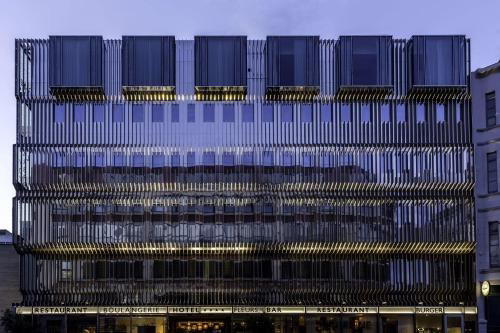
Bars in Lille
Browse all →
Restaurants in Lille
Browse all →
Wineries in Lille
Browse all →
Details
- Trendy
- Modern
- Lively
- Cozy
- Weekend Escape
- Business Trip
- Terrace
- Wi Fi
- Restaurant
- Bar
- Parking
- EV Charging
- Street Scene
- Wheelchair Accessible
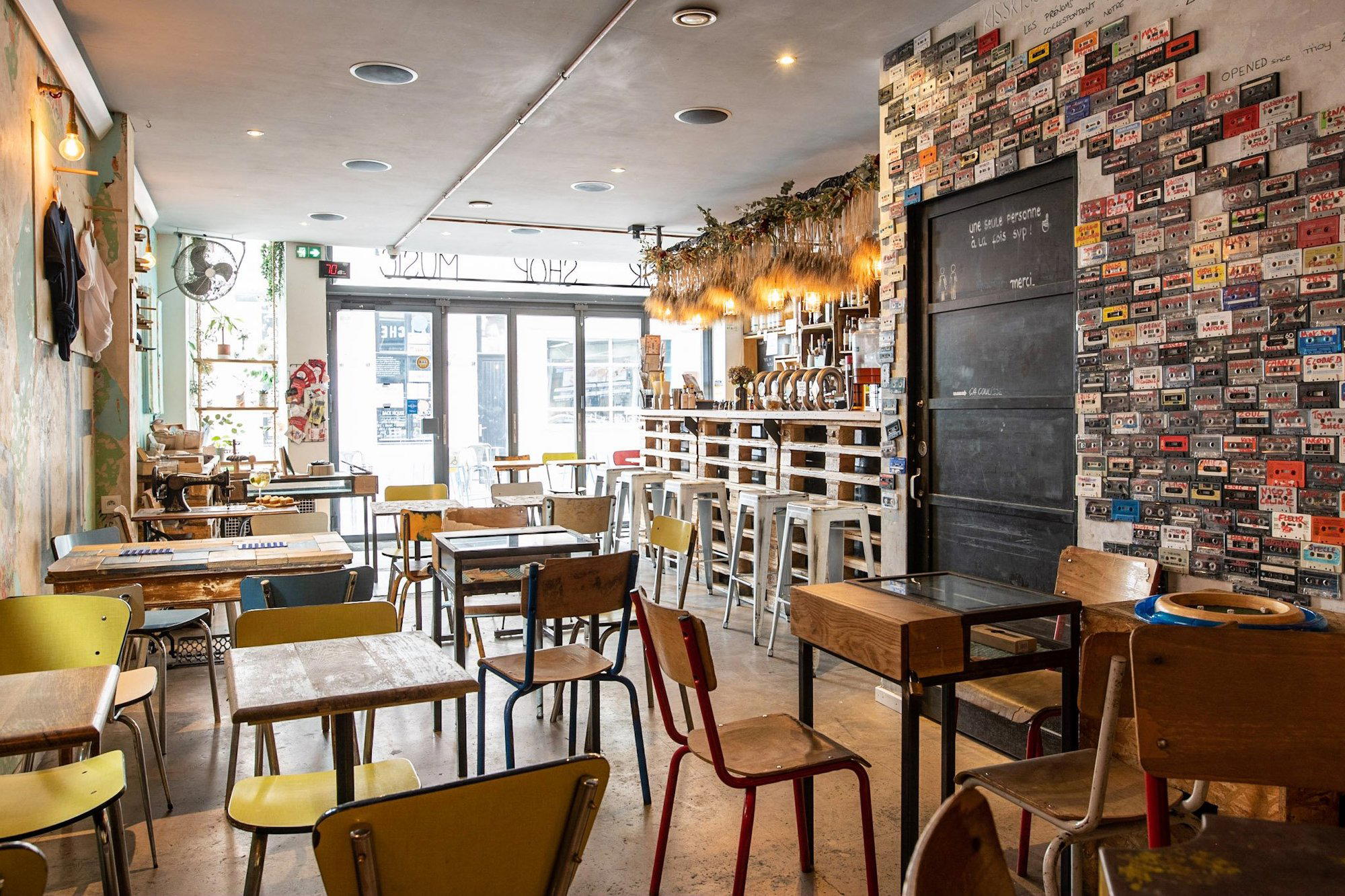
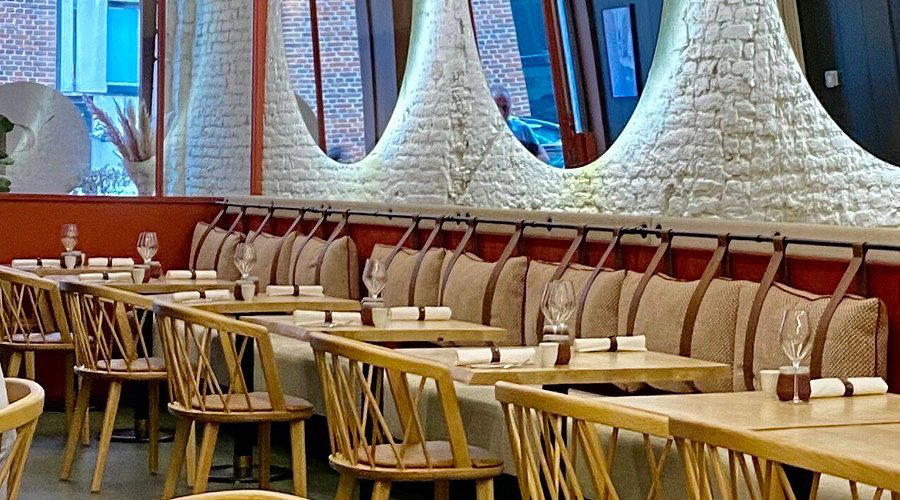
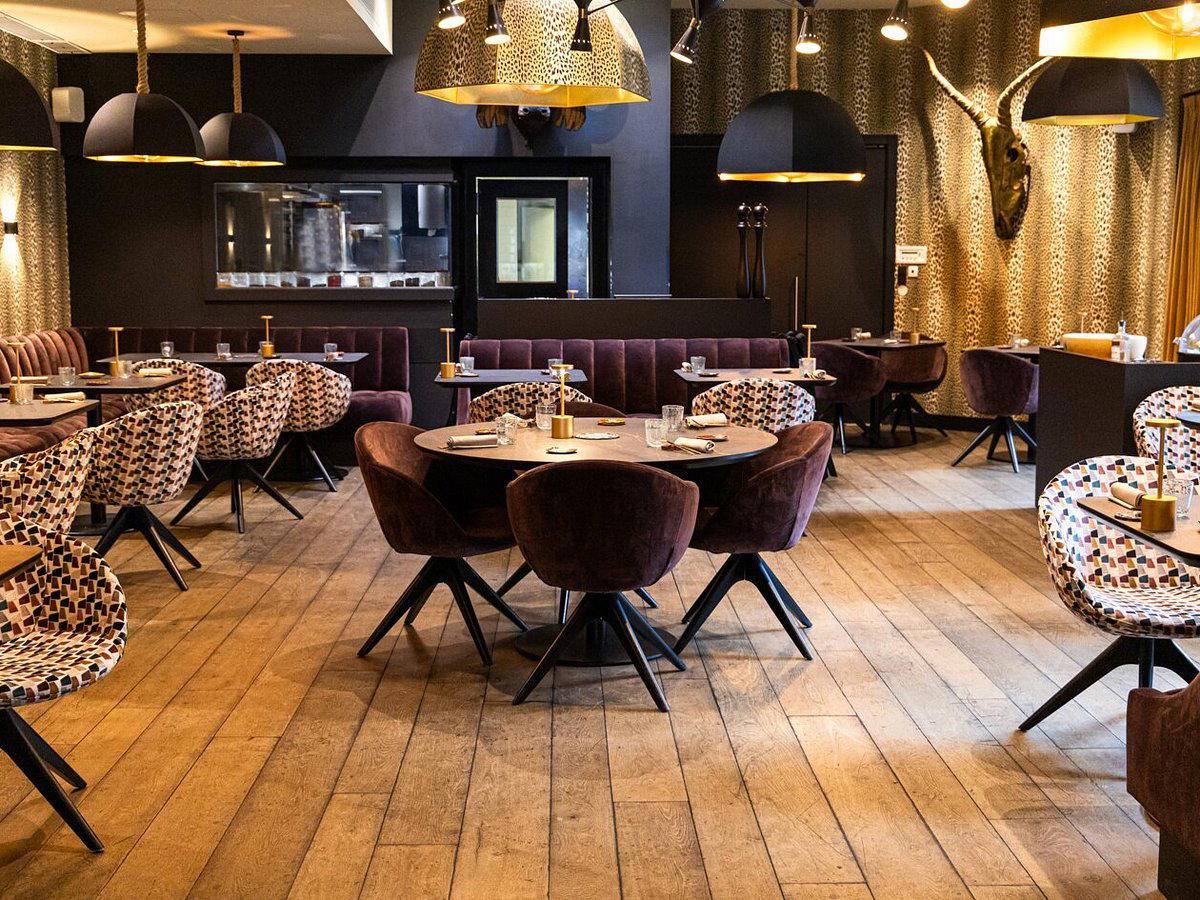
Lively and trendy with warm lighting, cozy booths, contemporary urban style featuring concrete walls and bold colors.