Our verdict
Het Patronaat in Hamme sits within Belgium's broader tradition of destination dining outside the major cities, where sourcing discipline and local produce often drive the kitchen's identity as much as technique. The address on De Ring places it in the Flemish heartland, where a growing number of serious restaurants have emerged beyond Ghent and Antwerp's gravitational pull. Confirm current format and availability directly before visiting.

Pearl is the En Primeur Club membership app — saves, bookings, and concierge access live there. Same editors, same standards.
- Address
- De Ring 1, 9220 Hamme, Belgium
- Phone
- +3252508384
- Hours
- Mon–Tue ClosedWed 12–2 PMThu–Fri 12–2 PM, 6:30–9 PMSat 6:30–9 PMSun 12–2 PM, 6:30–9 PM
- Website
- hetpatronaat.be
- Directions
- Get directions
Flemish Heartland Dining: Where Provenance Shapes the Plate
Belgium's most interesting dining development over the past decade has not happened in Brussels or Antwerp. It has happened in smaller municipalities across Flanders and Wallonia, where a quieter generation of kitchens has built reputations around access to direct-source producers, shorter supply chains, and the kind of seasonal discipline that follows naturally when your suppliers are within cycling distance. Hamme, a small town in the Waasland region of East Flanders, sits inside this pattern. Het Patronaat, addressed at De Ring 1, is part of a category of Flemish dining rooms that draw serious eaters out of the cities precisely because the cooking is rooted in what grows, grazes, or swims nearby.
This is a well-established model in Belgian gastronomy. Restaurants like Hof van Cleve in Kruishoutem and Willem Hiele in Oudenburg have shown that provincial addresses do not constrain ambition; in some cases, they define it. The Waasland region, with its polders and agricultural flatlands along the Scheldt, has historically supplied the kitchens of Ghent and Antwerp. A restaurant operating in Hamme is working within arm's reach of that supply base, which is a structural advantage that urban kitchens with longer, more complicated procurement chains cannot easily replicate.
Sourcing as Identity: The East Flemish Kitchen Context
Ingredient sourcing in Flemish fine dining has shifted from a marketing point to a genuine operational distinction. The kitchens that attract sustained attention from serious diners are those where provenance is the organising principle of the menu, not a footnote. Seasonal rotation, direct relationships with farmers, and the discipline to build dishes around what is available rather than what a static menu demands: these are the markers that separate a kitchen with sourcing integrity from one that uses origin labels as decoration.
East Flanders offers specific raw material. The Scheldt estuary system around Hamme brings access to freshwater and brackish-water fish and shellfish that rarely appear on menus further inland. The polderlands to the north and west of the region produce dairy and vegetables shaped by the low-lying, damp terroir that distinguishes them from produce grown on lighter soils. This is the kind of specificity that restaurants in larger cities have to work harder to access, which is part of why the Flemish tradition of serious destination dining in smaller towns has proved durable. For context on what this approach looks like at its most refined, Nuance in Duffel and Castor in Beveren represent the sourcing-led model across the Flemish periphery.
The Setting: A Former Parish Hall in a Flemish Market Town
The name Het Patronaat carries a specific historical meaning in Flemish towns. Patronaten were Catholic parish youth halls, community buildings that served as social centres in Flemish municipal life well into the twentieth century. Many were converted in subsequent decades into restaurants, event spaces, or cultural venues, and the architectural character of those conversions varies considerably. At De Ring 1, the address places the venue on what appears to be a ring road or circular route through central Hamme, which would be consistent with the civic positioning that former patronaten typically occupied.
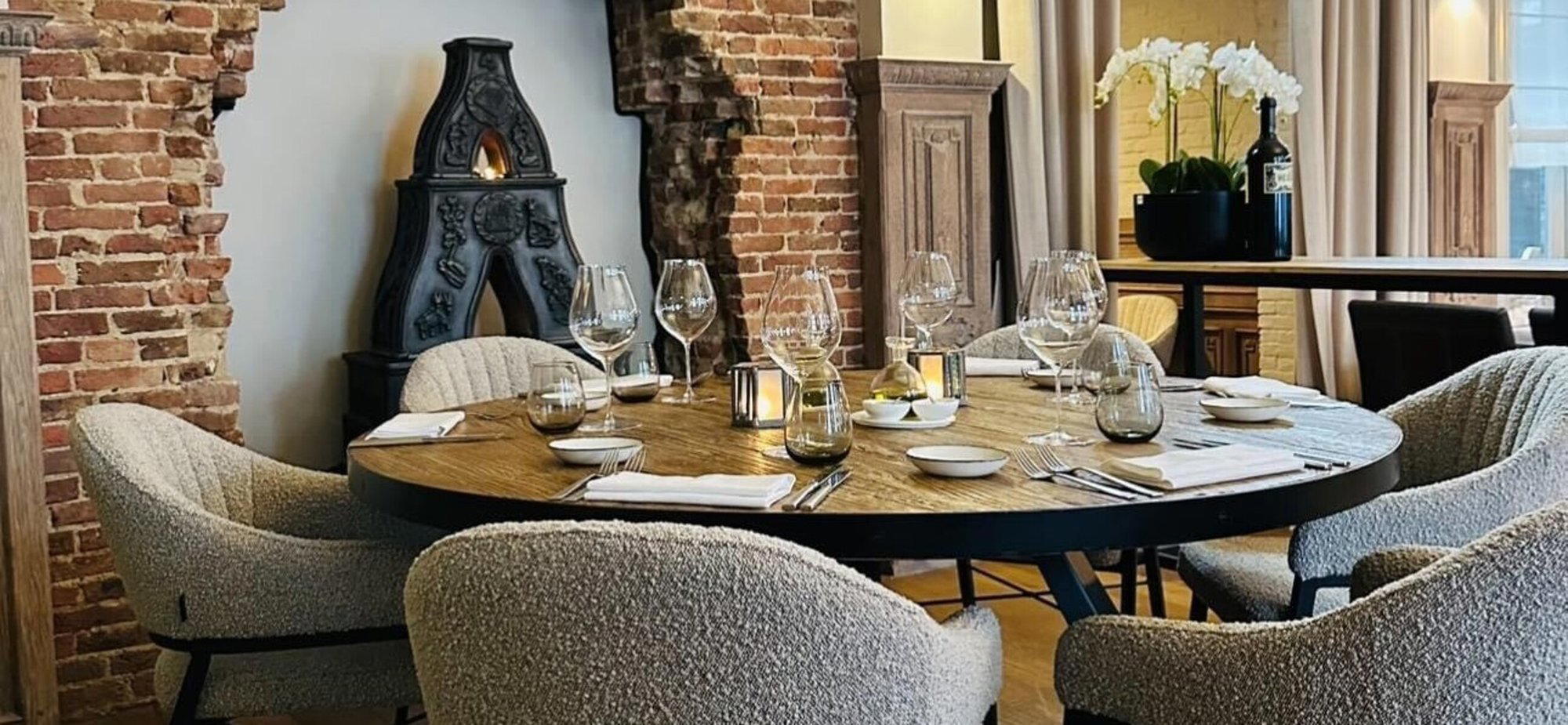
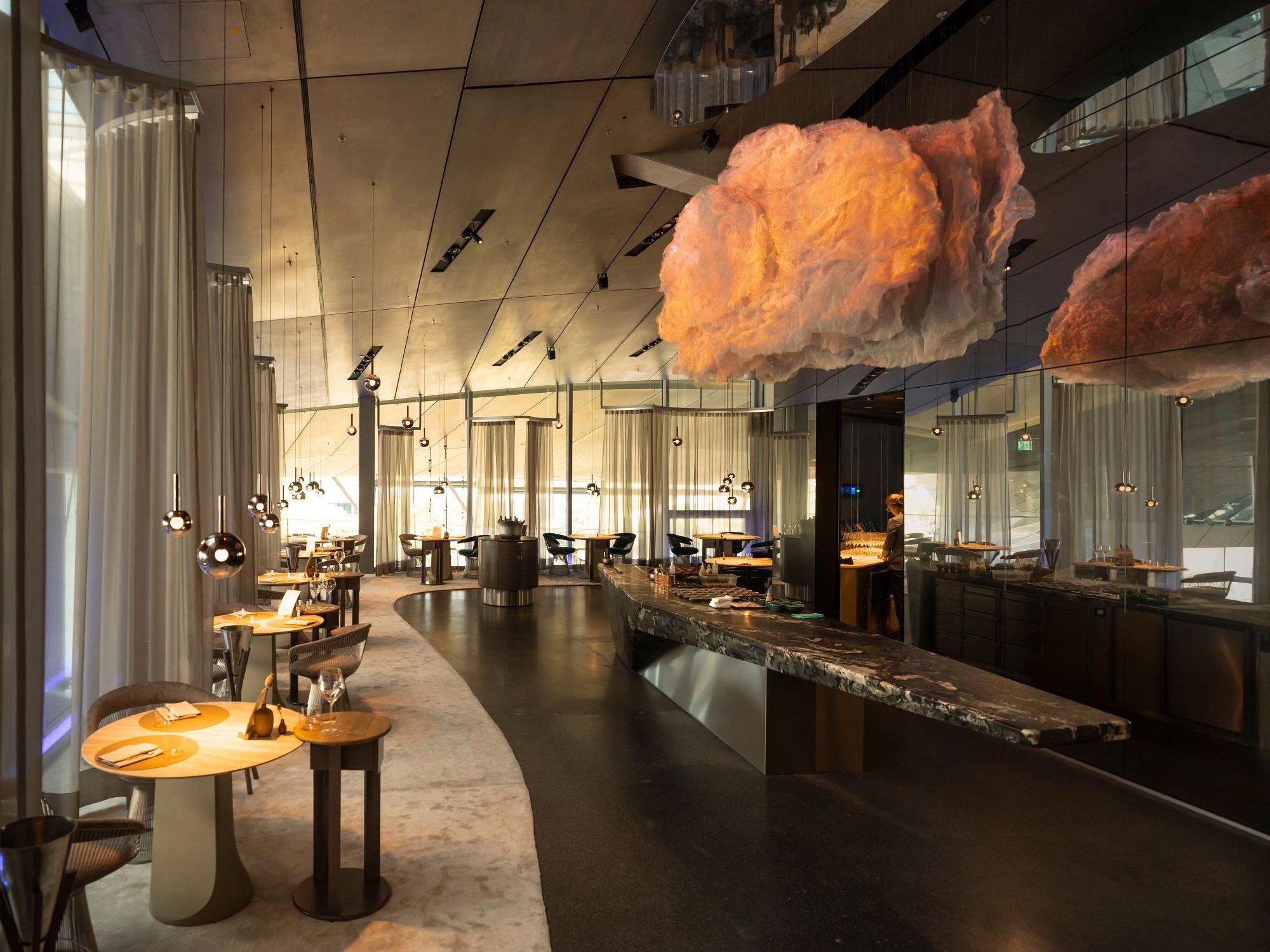
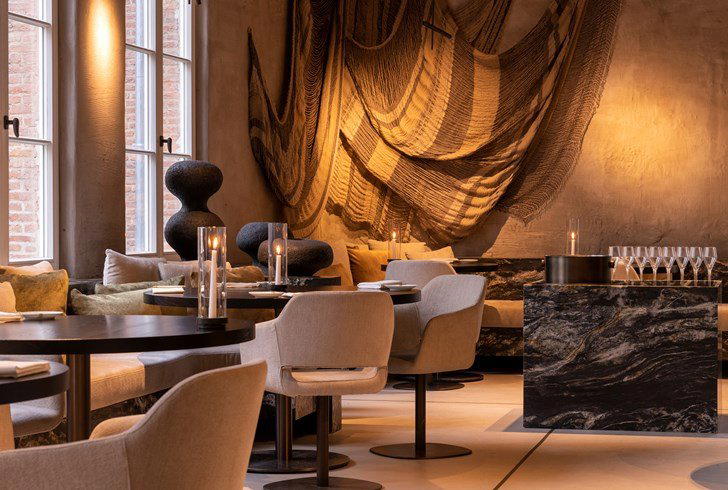
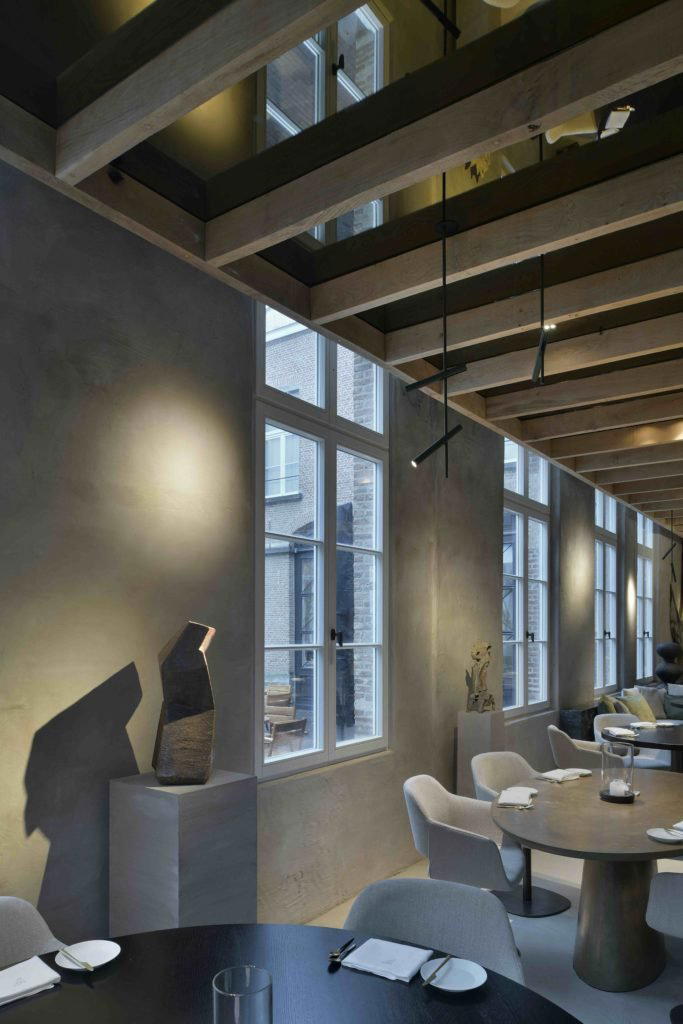
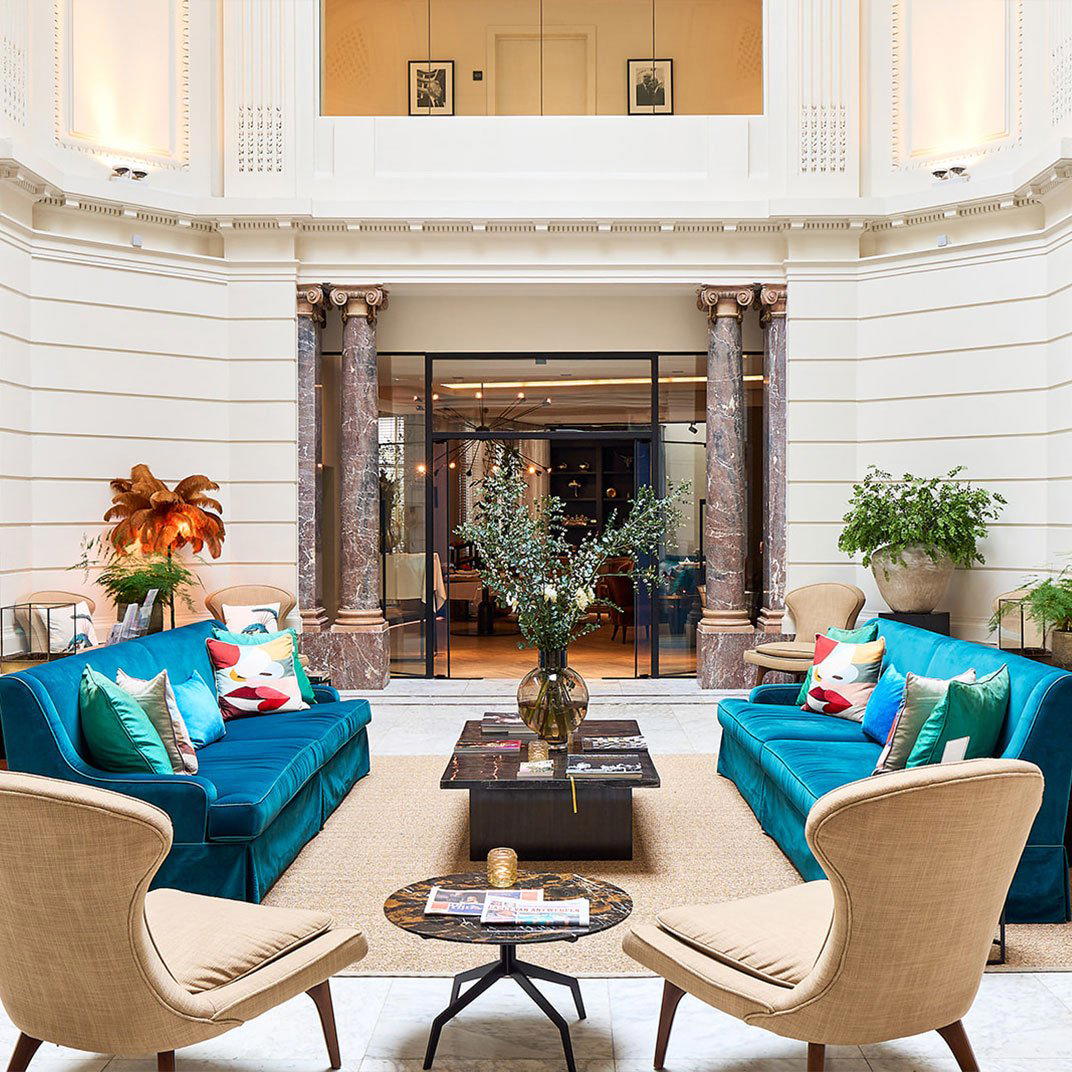
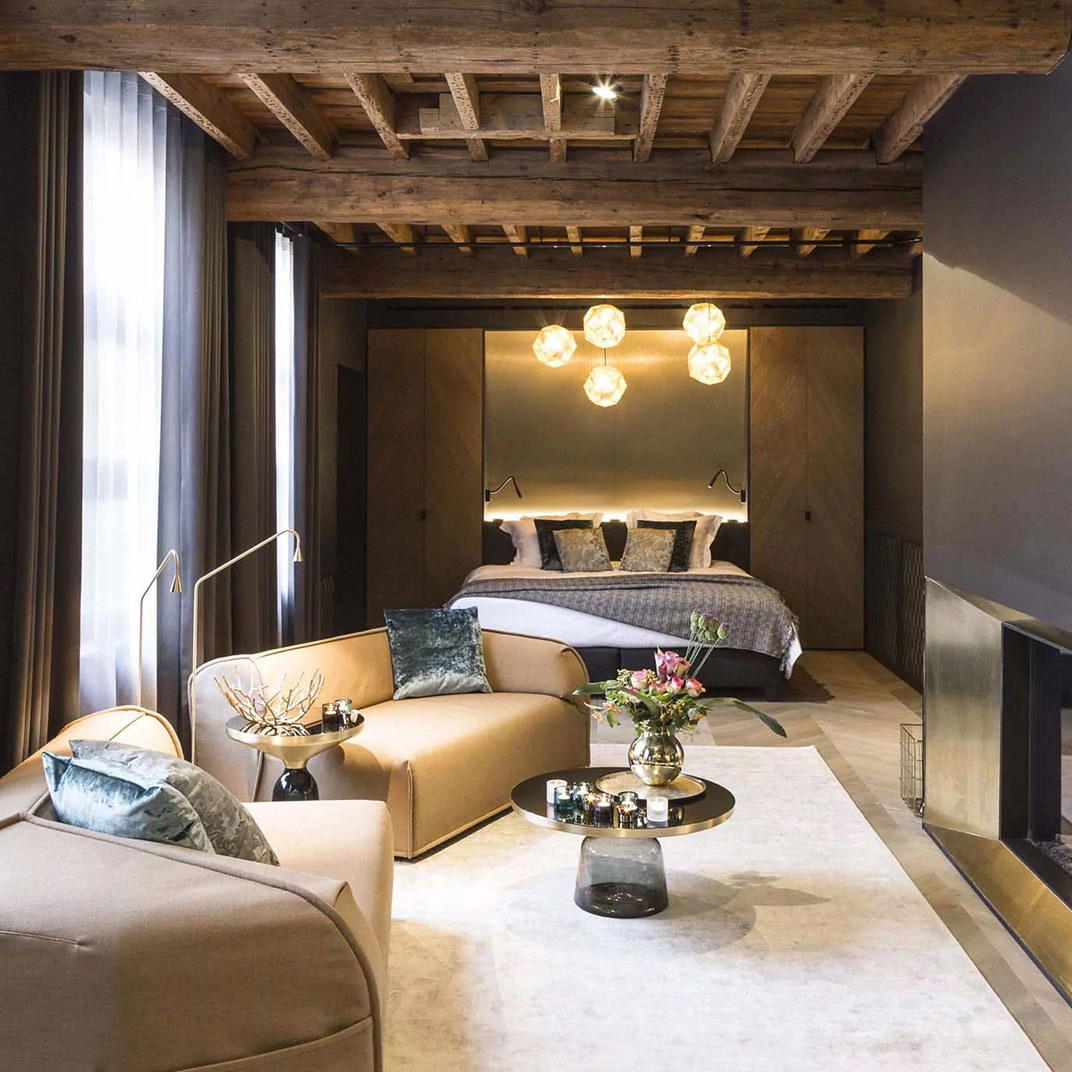
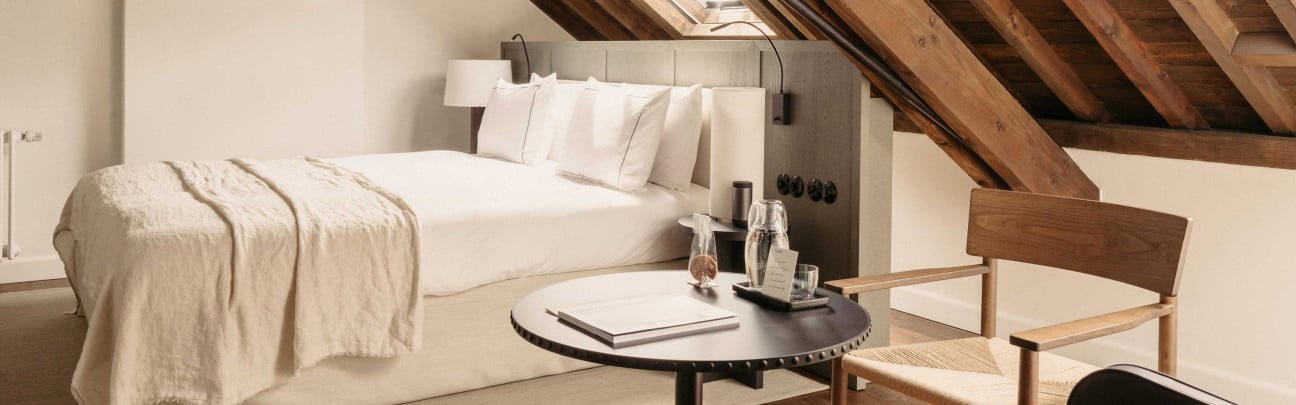
This category of conversion, a repurposed community building in a small Flemish town, tends to produce a specific dining atmosphere: a certain spaciousness derived from former hall dimensions, often with period architectural elements, and a grounding in local civic identity that newer purpose-built restaurants rarely carry. It is a setting type that contrasts with the deliberate minimalism of many Antwerp or Brussels fine dining rooms, and for some diners that contrast is the point. For a reference point on what thoughtful repurposing of Belgian heritage spaces looks like in a higher-profile context, Bozar Restaurant in Brussels occupies a similarly storied architectural frame.
Where Het Patronaat Sits in the Belgian Fine Dining Map
Belgium's fine dining tier is broader and more geographically distributed than its Michelin count suggests to outsiders. Alongside the cities, a web of destination restaurants in smaller towns handles a significant share of the country's serious dining traffic. Comparing across the Flemish periphery, restaurants such as Boury in Roeselare, De Jonkman in Sint-Kruis, and Maison Colette in Tongerlo have each built consistent followings by offering the combination of serious technique, regional sourcing, and a sense of place that the Flemish dining tradition values. Bartholomeus in Heist and La Durée in Izegem extend this picture along the West Flemish coastline and interior. Het Patronaat operates within this distributed network, where the expectation of driving or taking regional rail to a smaller town is a normal part of the dining proposition, not an obstacle.
For context outside Belgium, the sourcing-led rural destination model has international analogues. L'air du temps in Liernu exemplifies the approach in Wallonia, where the kitchen's relationship with its surrounding landscape has been central to its identity and its Michelin recognition for years. At the international end of the reference spectrum, Le Bernardin in New York City and Atomix in New York City represent what ingredient-led discipline looks like when applied at a different scale and price point, which is a useful frame for understanding how sourcing philosophy scales across dining categories. Closer to home, Zilte in Antwerp, Le Chalet de la Forêt in Uccle, d'Eugénie à Emilie in Baudour, and La Table de Maxime in Our complete a picture of Belgian destination dining that spans urban and rural addresses. For a broader survey, see our full Hamme restaurants guide.
Planning Your Visit
Hamme is accessible from Ghent (roughly 25 kilometres to the southwest) and from Antwerp (approximately 35 kilometres to the north) by car, with regional public transport links less direct. As with most serious Flemish restaurants outside the major cities, visiting by car allows the most flexibility for arrival and departure, which matters if the format involves a multi-course menu with an extended sitting. This is standard for smaller destination restaurants in Belgium, where seasonal format changes or private event bookings can affect availability at short notice.
Frequently asked questions
Can I bring kids to Het Patronaat?
Het Patronaat is set in Hamme at De Ring 1, a converted parish hall with communal roots that suggest a relaxed, non-formal atmosphere by Belgian fine dining standards. That said, no children's menu or specific family policy is documented. Contact them directly before booking with young children to confirm what the kitchen can accommodate.
What kind of setting is Het Patronaat?
The venue occupies a former Catholic parish youth hall — a patronaat — in the Flemish market town of Hamme. These buildings were built for community gathering, so the architecture carries volume, historical texture, and a sense of place that purpose-built restaurant rooms rarely replicate. It is a distinctly Flemish interior context, not a converted farmhouse or urban bistro format.
Is Het Patronaat worth the drive from Ghent or Antwerp for a special occasion dinner?
Hamme sits roughly 25 kilometres from Ghent and approximately 35 kilometres from Antwerp, making Het Patronaat a viable destination for either city. The venue's identity as a converted Flemish parish hall on De Ring sets it apart from the standard restaurant occasion in both cities. For diners who want a meal tied to a specific place and culinary tradition rather than an urban dining room, the distance is part of the point.
What do regulars order at Het Patronaat?
Regulars in this dining tier tend to follow the kitchen's lead rather than ordering à la carte staples.
How do I find Het Patronaat?
Het Patronaat is located at De Ring 1, 9220 Hamme, Belgium, Hamme.
How far ahead should I plan for Het Patronaat?
Reservation lead times are not published for Het Patronaat in Hamme. Smaller Flemish dining rooms of this type typically run on tighter covers than city restaurants, which can mean limited availability at short notice, particularly on weekends. Reaching out a few weeks ahead is a reasonable starting point.
What's the standout thing about Het Patronaat?
The address at De Ring 1 in Hamme is itself a statement: this is a restaurant operating outside the expected Belgian fine dining coordinates of Brussels, Ghent, or Antwerp. The historical identity of the patronaat building adds a layer of Flemish cultural specificity that most dining rooms in the country cannot claim. That combination of provenance-driven cooking and a genuinely rooted setting is the defining characteristic.
Quick Comparison
Comparable venues nearby, for context on price, style, and recognition.
| Venue | Cuisine | Price | Notes |
|---|---|---|---|
| Het PatronaatThis venue — the venue you are viewing | French-Belgian Bistro | $50–100 | Not listed |
| Balance | Refined French with Global Influences | Not listed | Waasmunster |
| Sapor | Modern French-Belgian with vegetable focus | Not listed | Living Tomorrow Innovation Campus |
| Assiette de Juliette | Belgian-French Seasonal Cuisine | $50–100 | Herzele |
| Le Corbier | Modern French-Belgian Bistro | $50–100 | Grand' Place |
| Chez Luma | French Bistro with Market Cuisine | $50–100 | Uccle |
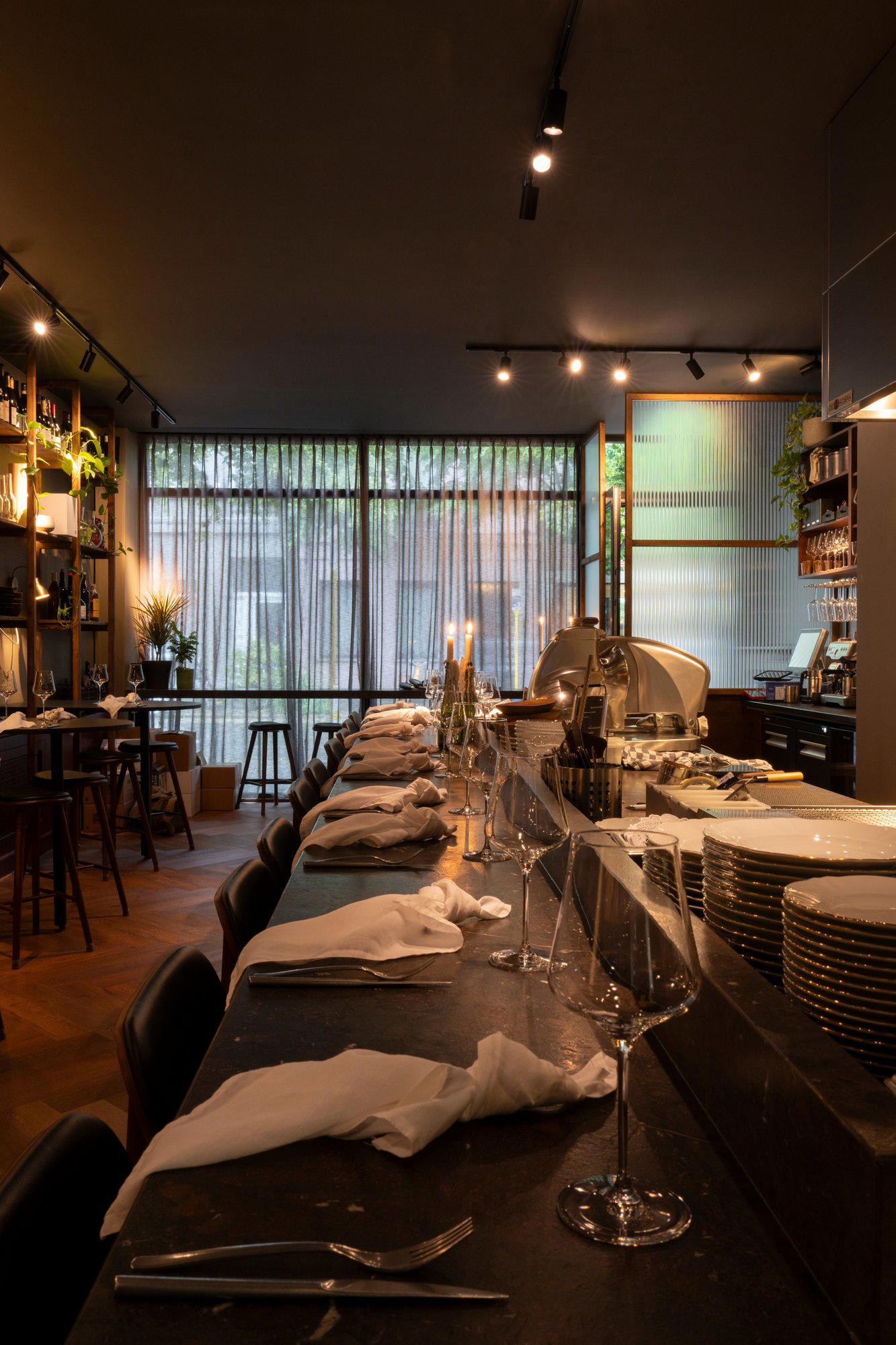
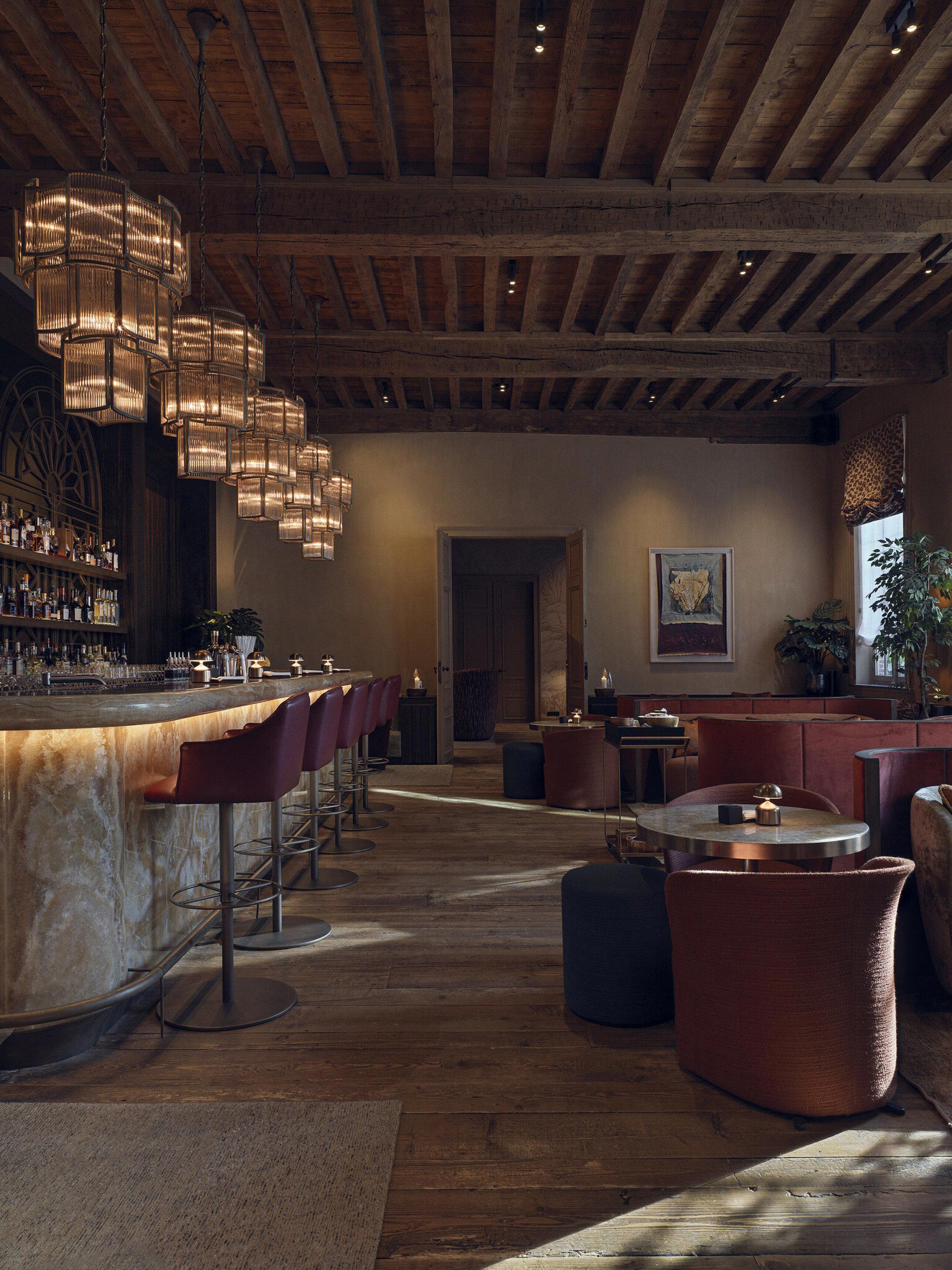
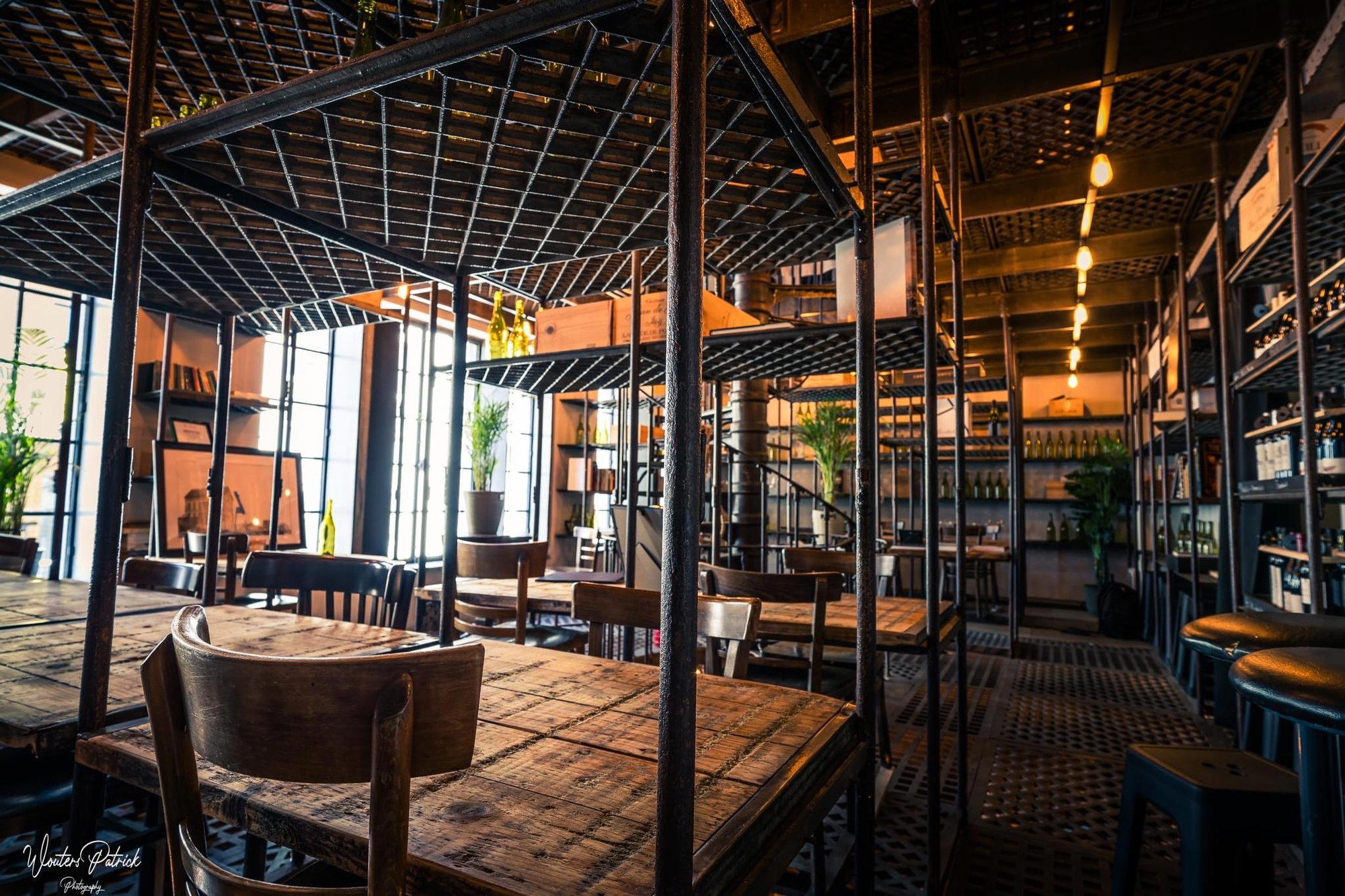
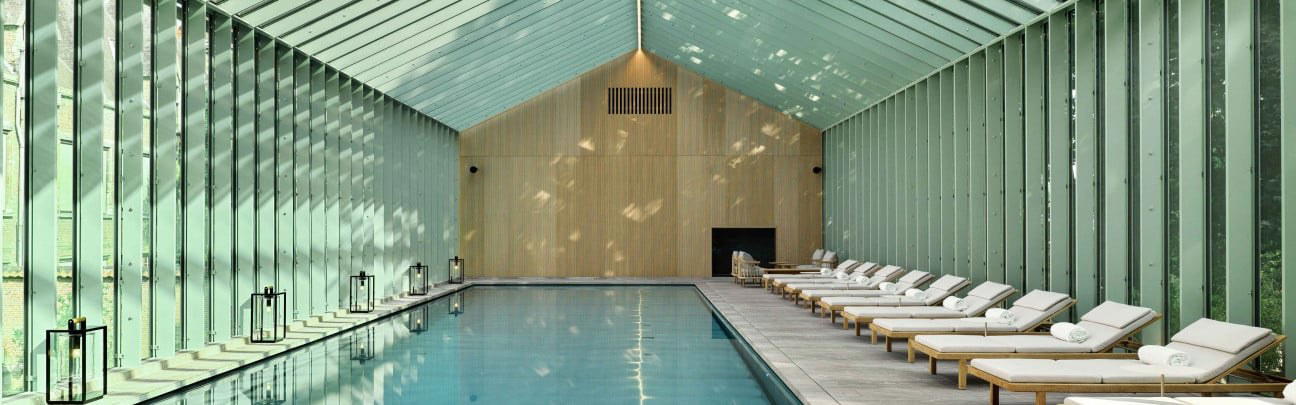
Details
- Elegant
- Cozy
- Date Night
- Special Occasion
- Garden
- Garden
- A La Carte
- Vegetarian Friendly
Current opening hours
- Monday
- Closed
- Tuesday
- Closed
- Wednesday
- 12–2 PM
- Thursday
- 12–2 PM, 6:30–9 PM
- Friday
- 12–2 PM, 6:30–9 PM
- Saturday
- 6:30–9 PM
- Sunday
- 12–2 PM, 6:30–9 PM
Hours can change for holidays and private events. Last verified .
Beautiful interior with friendly service and a pleasant garden atmosphere.