Rozó




2 Michelin Stars · La Liste Top Restaurants · Star Wine List
Our verdict
Two-Michelin-starred Rozó transforms a former printing works in Marcq-en-Barœul into northern France's most innovative dining destination, where Chef Diego Delbecq's creative tasting menus celebrate regional terroir beneath soaring industrial architecture and a magical winter garden entrance.

Pearl is the En Primeur Club membership app — saves, bookings, and concierge access live there. Same editors, same standards.
- Address
- 34 Rue Raymond Derain, 59700 Marcq-en-Barœul, France
- Phone
- +33 3 62 27 72 52
- Hours
- Mon ClosedTue–Wed 7:30–11 PMThu–Sat 12:15–3 PM, 7:30–11 PMSun Closed
- Website
- restaurant-rozo.fr
- Directions
- Get directions
- Booking
- Book on Zenchef
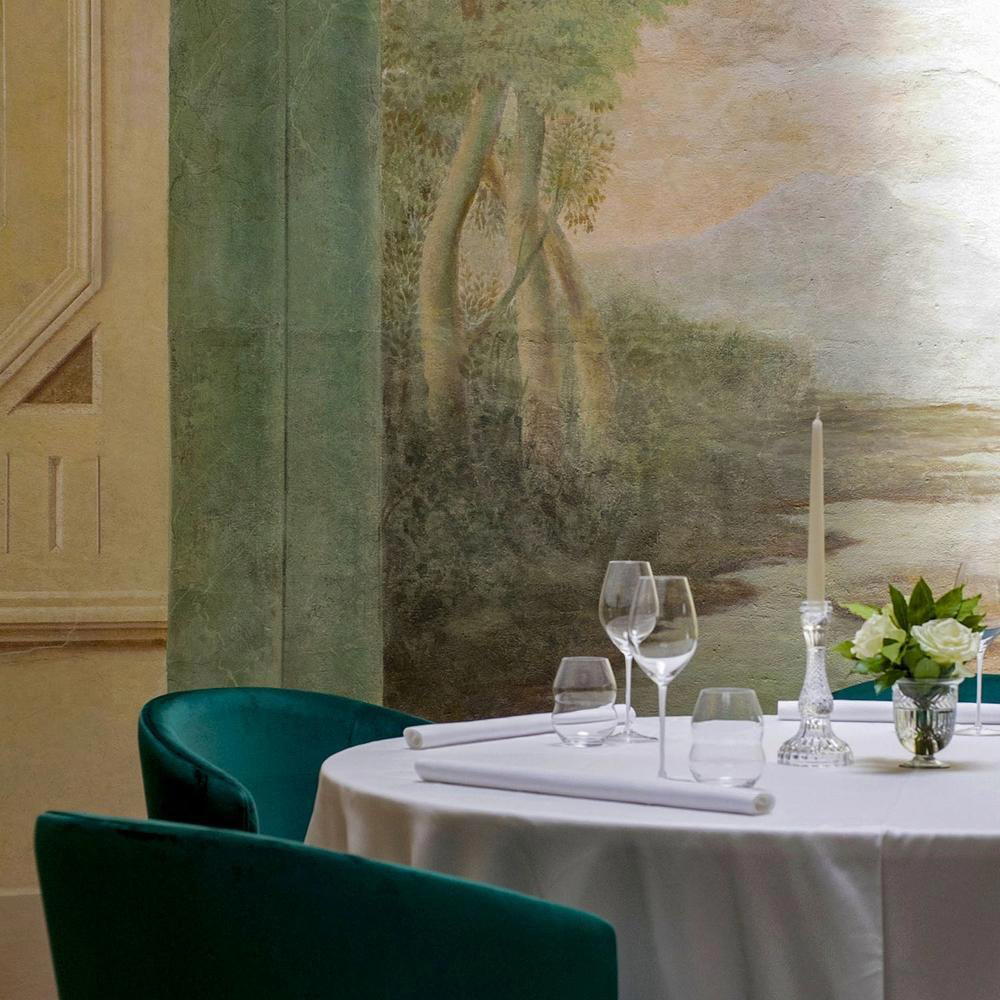
A Two-Star Address in the Lille Suburbs
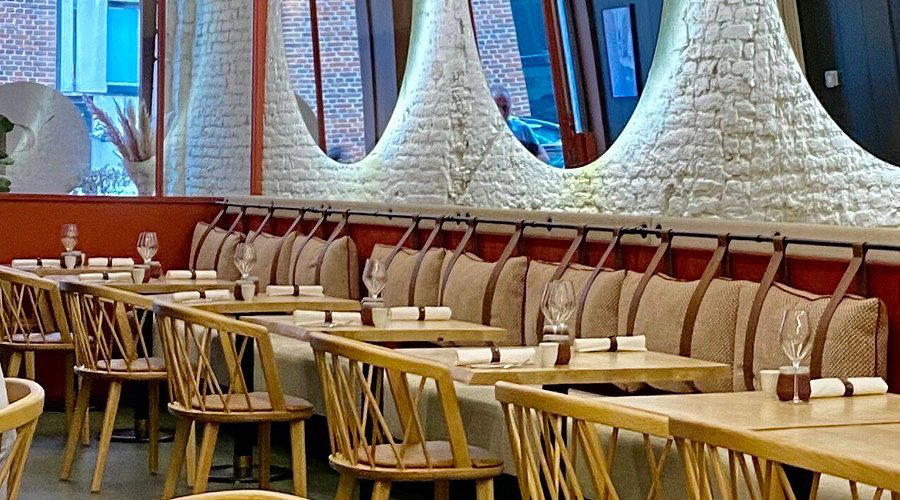
Rue Raymond Derain is not the kind of street that announces itself. Marcq-en-Barœul sits immediately north of Lille, a residential commune more associated with the prosperous Flandres bourgeoisie than with destination dining. That quiet domesticity makes the arrival at Rozó all the more striking: the building presents a composed, considered face to the street, and stepping inside confirms that the dining room has been designed with the same discipline that governs the kitchen. The scale is intimate, the atmosphere measured rather than theatrical. This is not a room that performs for you; it invites attention.
Among two-Michelin-starred addresses in northern France, Rozó occupies an unusual position. The restaurant earned its second star in 2025, having held one star since 2024, a progression pace that signals consistent rather than sudden ascent. La Liste placed it at 78 points in its 2026 rankings under the category "Remarkable," and Star Wine List added a White Star recognition published in October 2025. For a restaurant outside the major French culinary capitals, that is a substantive cluster of independent signals pointing in the same direction. For context, two-star Modern Cuisine at this price tier in France tends to cluster around Paris or resort destinations: Alléno Paris au Pavillon Ledoyen in Paris, Assiette Champenoise in Reims, or mountain addresses like Flocons de Sel in Megève. Rozó's suburban Lille postcode makes it a rarer proposition.
Sourcing as a Creative Constraint
Modern Cuisine at the two-star level in France increasingly uses ingredient provenance not as a marketing footnote but as a structural principle, the sourcing logic shaping what appears on the plate and when. The Nord-Pas-de-Calais region offers a specific larder: endive grown in the darkness of forcing rooms, grey shrimp from the Opal Coast, Maroilles and Mimolette cheeses with deeply local identities, pork and lamb from the flat polders, and a market garden tradition that persists in the countryside around Lille despite suburban expansion. Kitchens that take this territory seriously operate differently from those that treat it as branding. The constraint narrows the ingredients but deepens the possibilities.
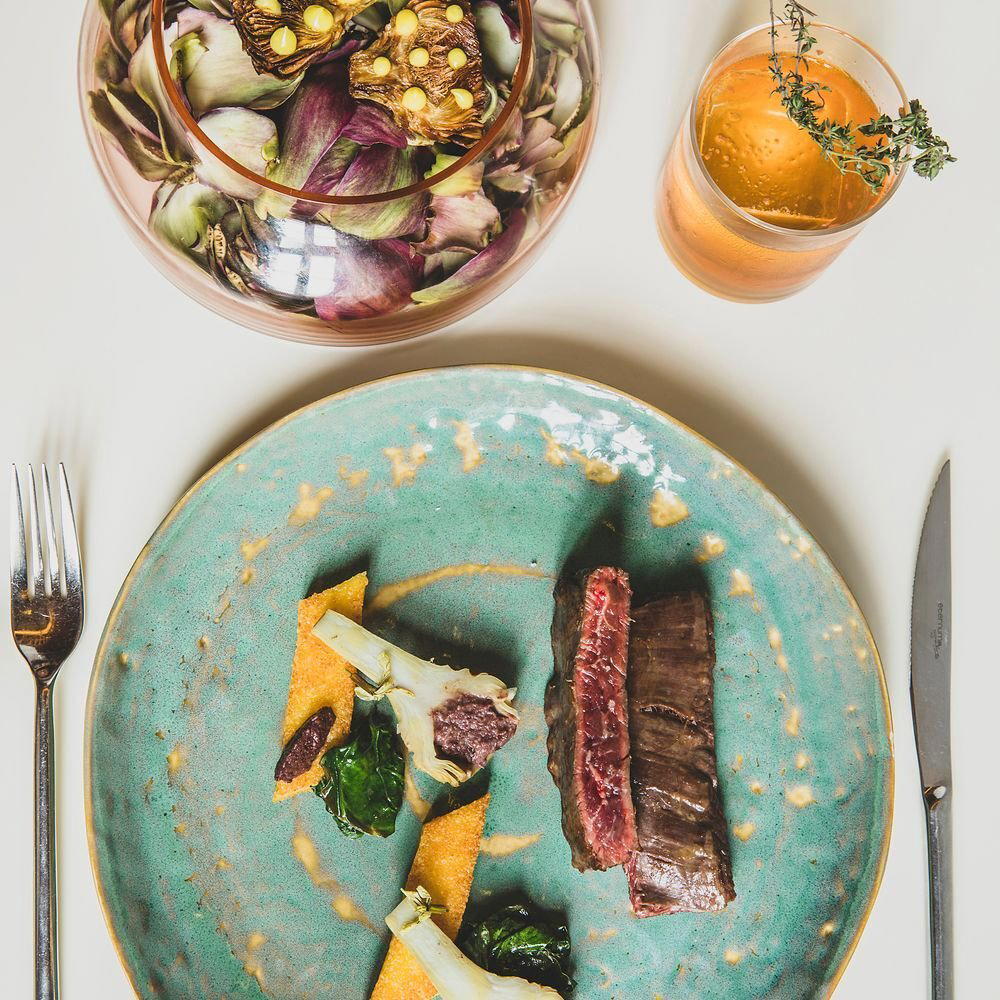
Chef Diego Delbecq works within this northern French register. The two-star rating implies a kitchen where sourcing decisions are legible on the plate: seasonal specificity, products that have provenance rather than simply category. In a region whose culinary identity has historically been underestimated relative to Lyon, Alsace, or Brittany, that kind of commitment is also an argument, a case made course by course for the seriousness of this particular corner of France. The restaurants that have built French fine dining's longer reputation, from Bras in Laguiole to Auberge de l'Ill in Illhaeusern, have each planted a flag in their own geography. Rozó appears to be doing something similar for the north.
The Star Wine List White Star recognition indicates a wine program that has been assessed independently, separate from the kitchen's Michelin standing. In northern France, wine lists at this level tend to draw from Champagne to the east and Burgundy to the south, with Alsace as a frequent reference point. The recognition suggests the list has been curated with the same seriousness applied to the food, which at the two-star tier is expected but not guaranteed.
Format and the Dining Experience
At the €€€€ price tier with two Michelin stars, Rozó operates in the same bracket as the most ambitious Modern Cuisine addresses in France. The format will be tasting-menu led, as is standard at this level in the French tradition, with the kitchen controlling the sequence and the sommelier pairing alongside. This is not a restaurant you arrive at undecided; the menu architecture determines the evening's shape.
The comparison set at this price and award tier is instructive. Mirazur in Menton anchors its menus explicitly to its garden and the Ligurian proximity. Troisgros - Le Bois sans Feuilles in Ouches has built its reputation across generations around the Loire basin's produce. AM par Alexandre Mazzia in Marseille draws from the Mediterranean. The thread connecting them is the same: a specific geography, taken seriously, expressed through disciplined technique. Rozó's northern address fits that model, and its rapid two-star ascent suggests the kitchen has made the argument convincingly enough to satisfy Michelin's inspectors.
Marcq-en-Barœul and the Wider Lille Dining Scene
Lille proper has long held a position as one of northern France's more serious eating cities, with a density of good brasseries, Flemish-inflected cooking, and a hospitality culture shaped by the region's history as a cross-border commercial hub. Marcq-en-Barœul extends that reputation into the suburbs. Rozó is not an isolated curiosity in the area; Rēpu is another address worth attention for those building a multi-day itinerary around this part of the north. For a complete picture of what the area offers, our full Marcq-en-Barœul restaurants guide covers the range. Those extending a stay can consult our full Marcq-en-Barœul hotels guide, and for drinking, our full Marcq-en-Barœul bars guide is the starting point. Wine-focused visitors may also find our full Marcq-en-Barœul wineries guide and our full Marcq-en-Barœul experiences guide useful for building the wider stay.
The case for travelling to Marcq-en-Barœul specifically for Rozó is the same case that applies to any serious two-star address outside a major capital: the standard is set by the kitchen, not the postcode. Michelin's geographic neutrality means that its inspectors have made the same journey and returned with the same assessment on multiple occasions. Two stars in a Lille suburb carries identical technical weight to two stars on the Rue du Faubourg Saint-Honoré. The experience of dining in a quieter, more residential setting may in fact sharpen concentration on the food.
Planning a Visit
At 34 Rue Raymond Derain, the restaurant is accessible from central Lille within twenty minutes. Reservations at this level in France typically require advance planning, and a restaurant that has moved from one to two stars in a single cycle will attract heightened demand from both regional diners and those travelling from further afield. Book as far ahead as practical. The €€€€ price bracket places Rozó among the higher-commitment dining decisions in northern France, appropriate context for anyone planning the evening as a centrepiece of a trip rather than a spontaneous stop. Paul Bocuse - L'Auberge du Pont de Collonges in Collonges-au-Mont-d'Or, Au Crocodile in Strasbourg, and Frantzén in Stockholm or its international counterpart FZN by Björn Frantzén in Dubai represent the peer conversation at this tier internationally. Rozó's La Liste score of 78 points puts it in the same broad register, a restaurant being tracked rather than merely noted.
Frequently asked questions
Is Rozó expensive?
Pricing at Rozó is listed as €€€€.
Price and Recognition
| Venue | Cuisine | Price | Awards |
|---|---|---|---|
| RozóThis venue — the venue you are viewing | Modern French Gastronomy | $200–300 | 2 Michelin Stars · La Liste Top Restaurants |
| Alléno Paris au Pavillon Ledoyen | Creative | Not listed | Michelin 3 Star |
| Kei | Contemporary French, Modern Cuisine | Not listed | Michelin 3 Star |
| L'Ambroisie | French, Classic Cuisine | Not listed | Michelin 3 Star |
| Le Cinq - Four Seasons Hôtel George V | French, Modern Cuisine | Not listed | Michelin 3 Star |
| Plénitude | Contemporary French | Not listed | Michelin 3 Star |
Recognition history
Dated appearances from independent guides and award organizations, with the underlying list record or original source where available.
Michelin 2 Stars
Michelin
La Liste Top Restaurants
La Liste
Star Wine List
Star Wine List
Gault & Millau Remarkable Restaurant
Gault & Millau
Full recognition history (6 entries)
Michelin 2 Stars
Michelin
Michelin 1 Star
Michelin
Continue exploring
More in Marcq-en-Barœul
Restaurants in Marcq-en-Barœul
Browse all →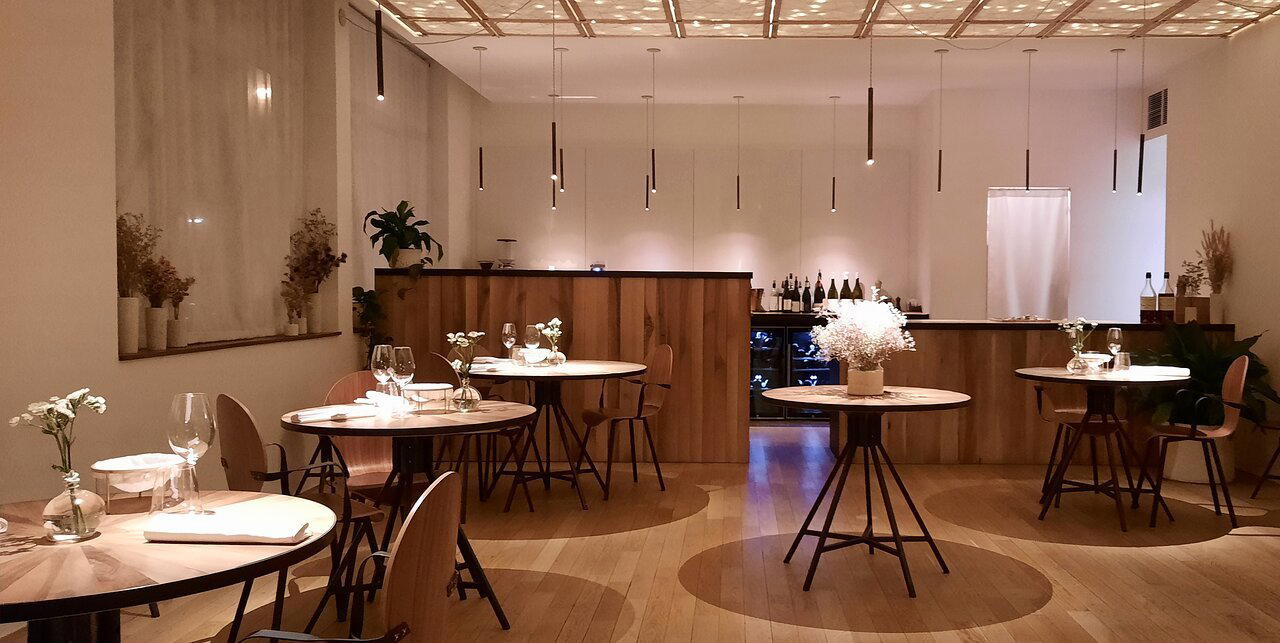
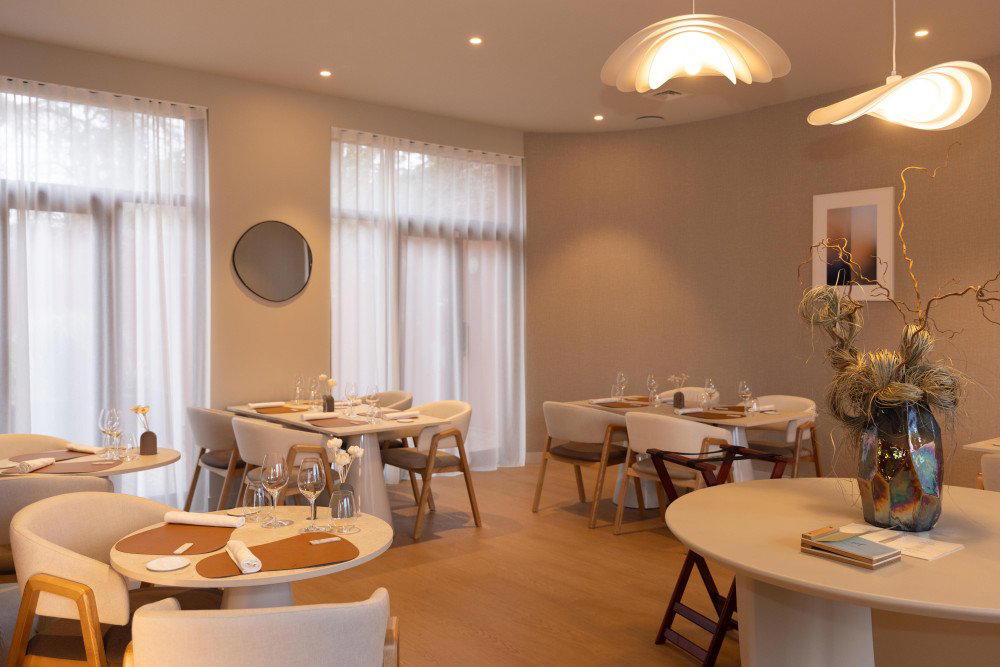
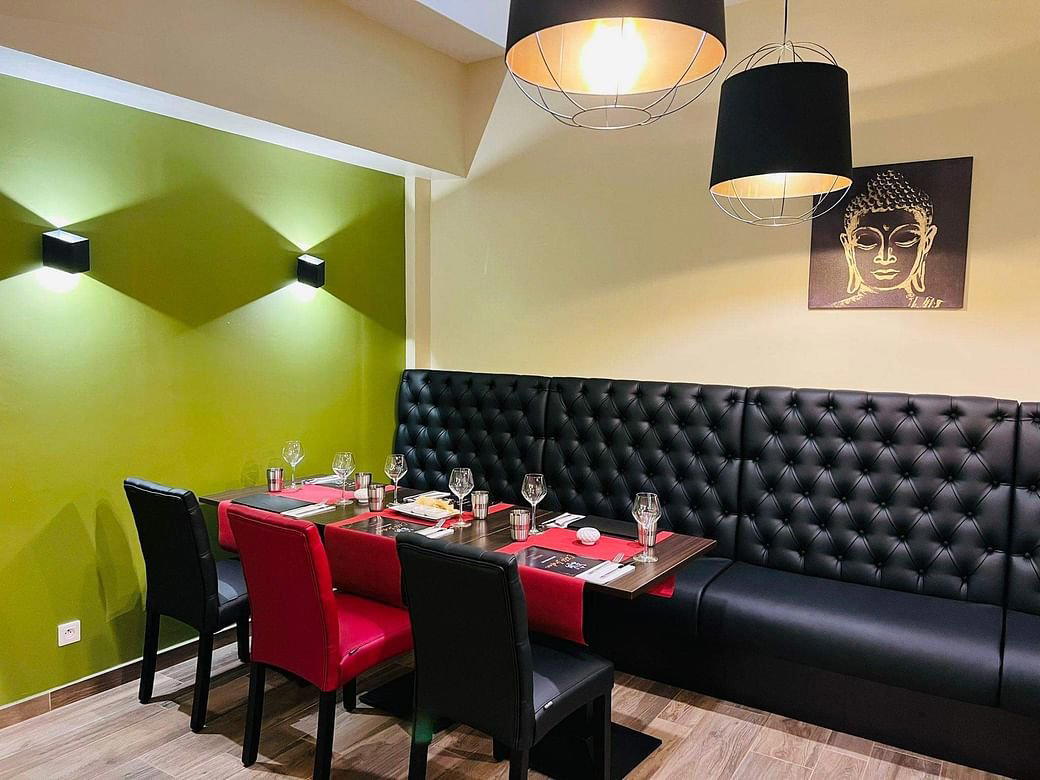
Bars in Marcq-en-Barœul
Browse all →
Hotels in Marcq-en-Barœul
Browse all →
Wineries in Marcq-en-Barœul
Browse all →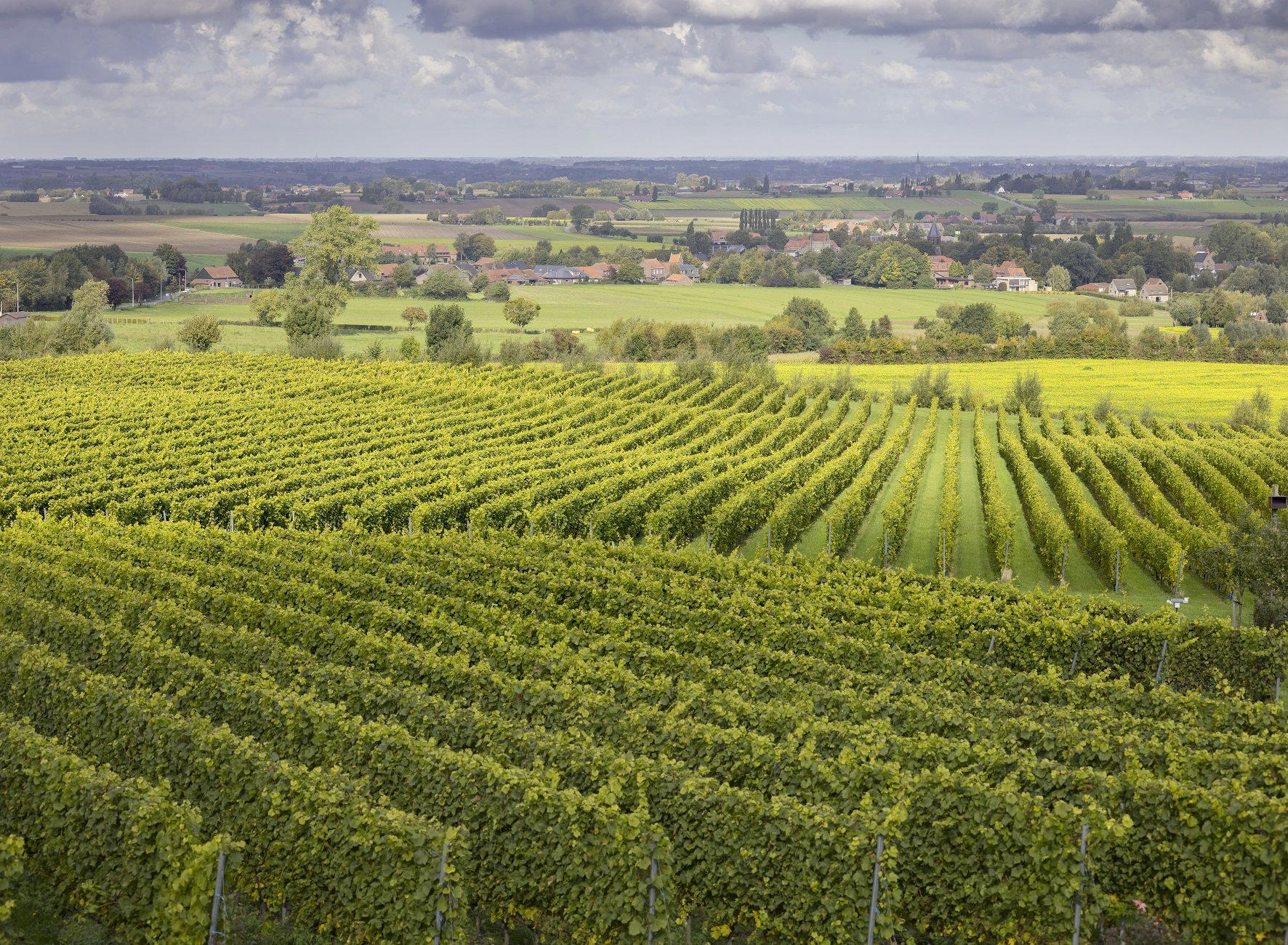
Details
- Elegant
- Intimate
- Modern
- Sophisticated
- Special Occasion
- Date Night
- Business Dinner
- Open Kitchen
- Tasting Menu
Current opening hours
- Monday
- Closed
- Tuesday
- 7:30–11 PM
- Wednesday
- 7:30–11 PM
- Thursday
- 12:15–3 PM, 7:30–11 PM
- Friday
- 12:15–3 PM, 7:30–11 PM
- Saturday
- 12:15–3 PM, 7:30–11 PM
- Sunday
- Closed
Hours can change for holidays and private events. Last verified .
Feutrée and intimate with soft tones, walnut tables, natural light from large verrières, and a serene winter garden atmosphere.