La Table de Mus occupies a square in Brussels' historic Lower Town, positioning itself within a city where classic Franco-Belgian cooking and contemporary European ambition sit in direct conversation. Against peers like Comme chez Soi and La Villa Lorraine, it represents a quieter register of Brussels dining — worth tracking for anyone mapping the capital's mid-to-upper restaurant tier with genuine curiosity.
Pearl is the En Primeur Club membership app — saves, bookings, and concierge access live there. Same editors, same standards.
- Address
- Pl. de la Vieille Halle aux Blés 31, 1000 Bruxelles, Belgium
- Phone
- +3225110586
- Website
- latabledemus.be
- Directions
- Get directions
 Saves & bookings on Pearl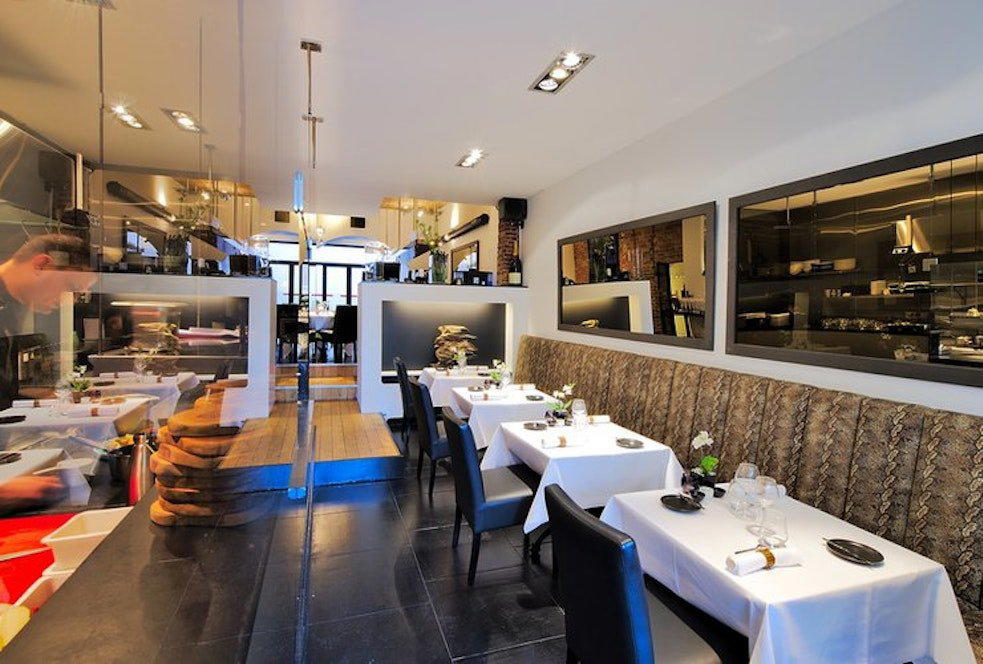
A Square in the Lower Town, and What It Tells You About Brussels Dining
Place de la Vieille Halle aux Blés sits a short walk from the Grand-Place, in a part of central Brussels that has never quite surrendered to tourism. The square retains the slightly unhurried quality of a neighbourhood that locals still use for practical reasons, and La Table de Mus is lodged here at number 31. Before you know anything about the menu, the address is already saying something: this is not a destination engineered around footfall from the main drag, but a room that relies on the kind of repeat clientele that chooses a specific square deliberately.
That geographical instinct matters in Brussels, where the restaurant scene is more layered than most visitors realise. The capital sits at the intersection of French culinary discipline and Flemish ingredient culture — a position that has historically produced some of the most technically grounded cooking in Northern Europe. Comme chez Soi, at the pinnacle of the classic Franco-Belgian tradition, represents one pole; Barge, with its organic sourcing philosophy, represents another. La Table de Mus occupies a quieter position in that spectrum, though the specific coordinates require some reading of the room.
What the Menu Structure Reveals
The most useful way to understand any restaurant is not through a list of dishes but through the architecture of its menu: how choices are structured, what degrees of freedom are offered to the diner, and what that reveals about the kitchen's priorities. Brussels restaurants in the mid-to-upper register tend to organise themselves around one of two philosophies. The first offers a tasting menu with limited deviation, signalling that the kitchen is telling a story and the diner is being invited to listen. The second offers a more open carte, signalling that the kitchen trusts its individual preparations to speak without a choreographed sequence.
The distinction has real consequences for how a meal feels. Tasting-menu-led rooms, like Eliane in Brussels or, further afield, Hof van Cleve in Kruishoutem, ask a diner to commit two to three hours and accept a single throughline. Carte-led rooms ask the kitchen to execute individual dishes at a high standard without the crutch of narrative momentum. Neither format is superior; they suit different occasions and different appetites for surrender. Understanding which mode a restaurant operates in helps calibrate expectations before you sit down.
Across Brussels at the comparable price tier, La Villa Lorraine by Yves Mattagne leans into modern technique applied to classical foundations, while Bozar Restaurant connects its kitchen to the cultural programming of the building it occupies. Each of these rooms has a distinct rationale for its menu structure. La Table de Mus, at this same central address in the lower city, sits in a neighbourhood context that naturally draws a mix of local professionals and visitors with enough orientation to find their way off the tourist circuit.
Brussels in the Wider Belgian Context
To situate La Table de Mus properly, it helps to understand how Brussels functions within Belgium's broader restaurant ecology. The country punches above its weight in Michelin density, with rooms like Boury in Roeselare, Zilte in Antwerp, and Willem Hiele in Oudenburg drawing international attention to the Flemish half of the country. The Walloon side produces its own distinctive cooking, with places like L'air du temps in Liernu and d'Eugénie à Emilie in Baudour representing a more rural, terroir-conscious approach.
Brussels occupies the hinge point between these two traditions, officially bilingual and culturally plural in ways that show up on plates. A restaurant at this address draws from both supply chains and both culinary reference points, which gives kitchens here a certain flexibility that more regionally anchored rooms do not have. Whether that flexibility is used to synthesise or to hedge varies enormously by kitchen. Smaller rooms in the Belgian coastal scene, including Bartholomeus in Heist, tend to be highly specific in their ingredient sourcing; Brussels rooms often trade some of that specificity for a broader palette.
For a sense of how Belgian technique translates when it encounters very different culinary contexts, the comparison with highly ranked international rooms like Le Bernardin in New York City or Atomix in New York City is instructive: both demonstrate what disciplined menu architecture looks like when a kitchen has a clear point of view and the technical control to execute it over many courses. That kind of clarity is the benchmark against which serious European rooms increasingly measure themselves, regardless of their national tradition.
Planning a Visit
La Table de Mus is located at Place de la Vieille Halle aux Blés 31, in the heart of Brussels' central district, within walking distance of the main metro lines serving the city centre. The square itself is compact and easy to identify. For a city where serious rooms at this address level can fill quickly on weekends, checking ahead is always the more practical approach.
Those building a longer Brussels itinerary around dining should note that the city rewards a multi-day structure: lunch at a traditional brasserie, an evening at a room like this one, and at least one meal that ventures into the more ingredient-forward, contemporary cooking represented by places like Barge. Our full Brussels restaurants guide maps the capital's dining scene across cuisine type and price tier, which helps in constructing a coherent sequence rather than a random selection. Further afield, rooms like Castor in Beveren, De Jonkman in Sint-Kruis, and La Durée in Izegem are worth adding for those who use a Belgian trip to cover serious ground across the country's restaurant map.
Continue exploring
More in Brussels
Restaurants in Brussels
Browse all →
Bars in Brussels
Browse all →
Hotels in Brussels
Browse all →
Wineries in Brussels
Browse all →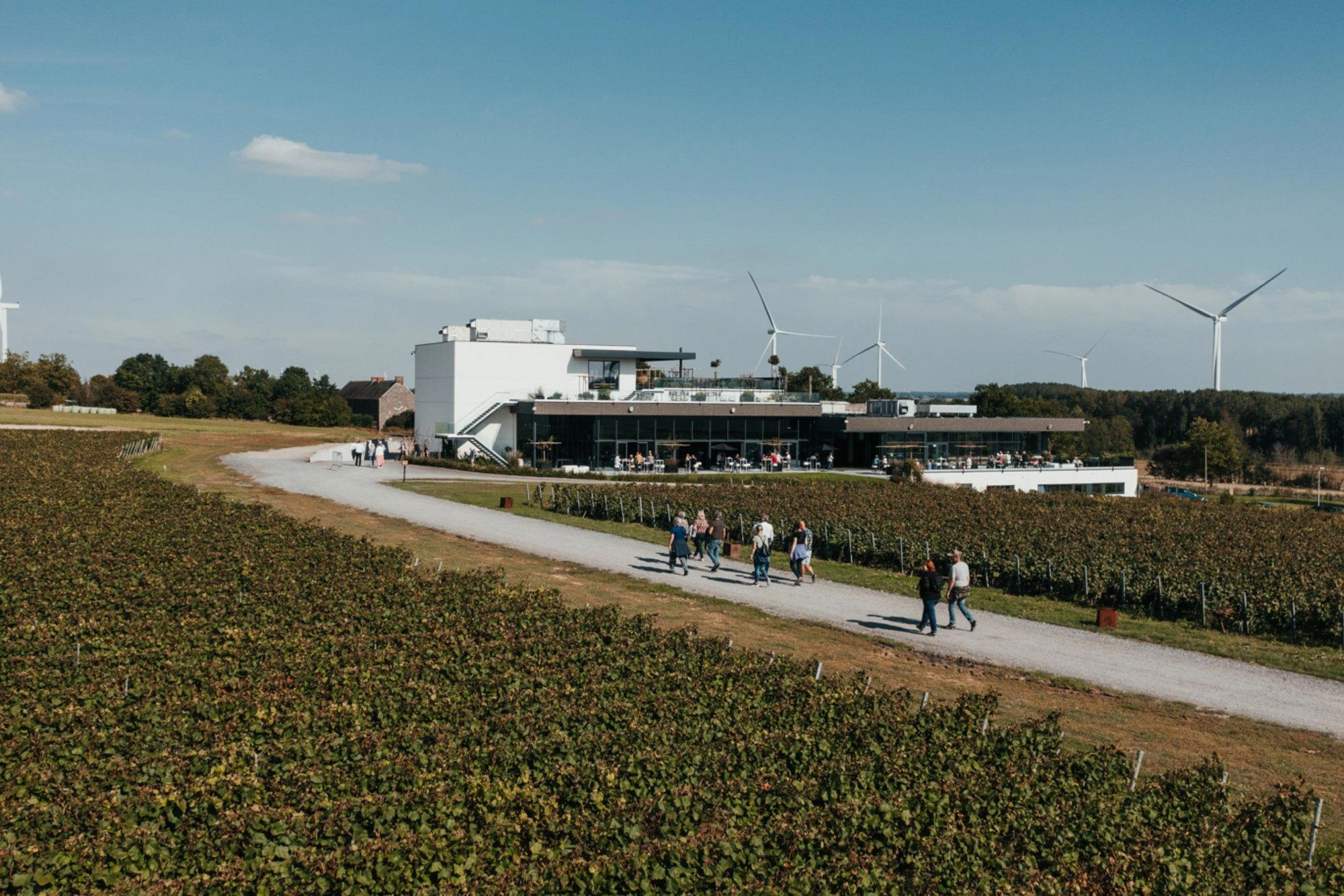
At a Glance
- Elegant
- Sophisticated
- Intimate
- Modern
- Date Night
- Special Occasion
- Open Kitchen
- Extensive Wine List
- Local Sourcing
- Street Scene
Current opening hours
- Monday
- 12–2 PM, 7–9:30 PM
- Tuesday
- 12–2 PM, 7–9:30 PM
- Wednesday
- Closed
- Thursday
- 12–2 PM, 7–9:30 PM
- Friday
- 12–2 PM, 7–9:30 PM
- Saturday
- 7–9:30 PM
- Sunday
- Closed
Hours can change for holidays and private events. Last verified .
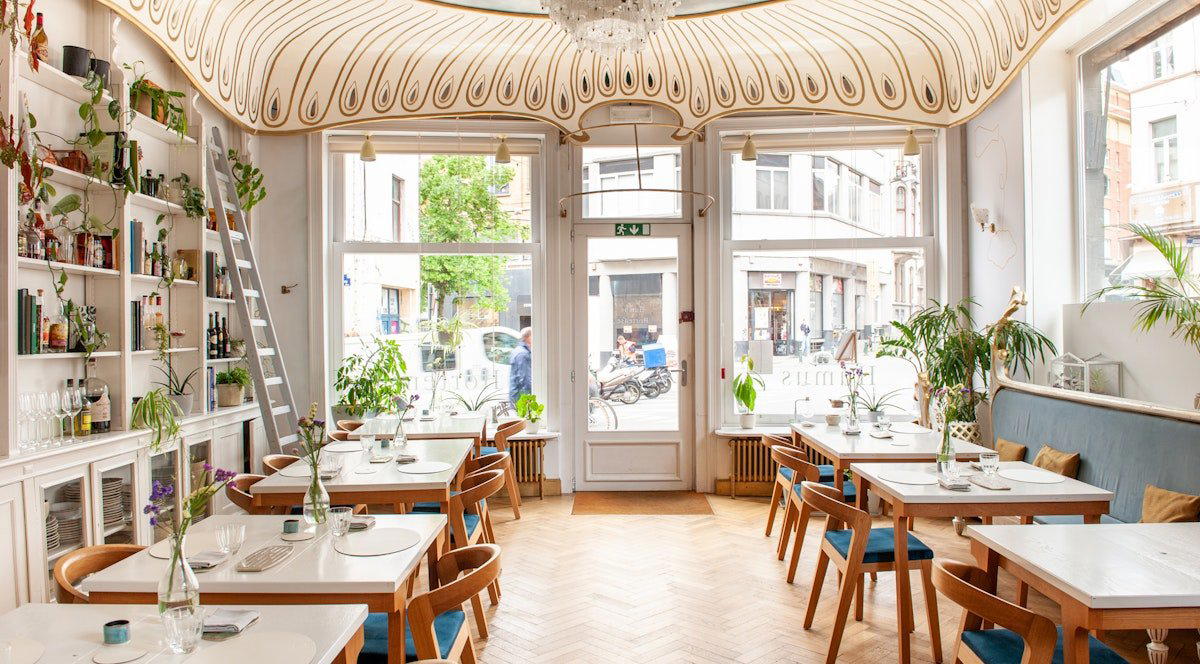
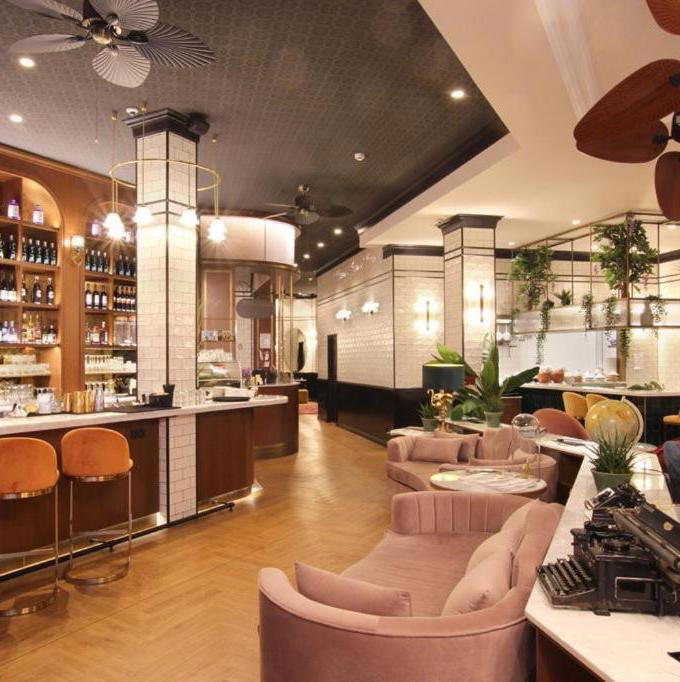
Épuré contemporary setting with animated ambiance, warm hospitality, and glimpses of the open kitchen.
Know Before You Go
- Getting there
- Pl. de la Vieille Halle aux Blés 31, 1000 Bruxelles, Belgium