La Maison du Cygne occupies among the more architecturally charged addresses in Brussels: a 17th-century guild house on the Grand Place, a UNESCO World Heritage square that has anchored the city's civic and commercial life for centuries. The restaurant draws a clientele that returns not for novelty but for continuity, placing it within a narrow tier of Brussels dining rooms where occasion and tradition carry as much weight as the plate.
Pearl is the En Primeur Club membership app — saves, bookings, and concierge access live there. Same editors, same standards.
- Address
- Grand Place 9, 1000 Bruxelles, Belgium
- Phone
- +3225118244
- Website
- lamaisonducygne.be
- Directions
- Get directions
 Saves & bookings on Pearl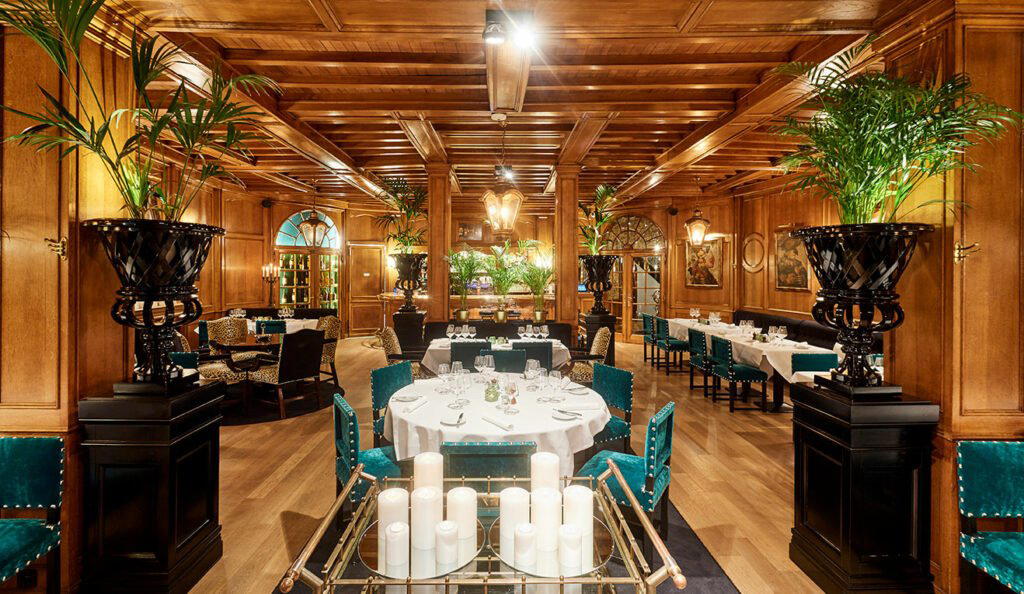
A Room That Precedes the Menu
There are dining rooms in Europe where the architecture does the first round of work before a single dish arrives. La Maison du Cygne occupies that category. Its address, Grand Place 9, places it in Brussels' Grand Place, one of the city's most historic squares. Walking across the cobblestones toward the entrance, the scale of the square compresses time in a way that few urban dining settings can replicate. The building itself carries a biographical weight that no contemporary fit-out can manufacture.
For regulars, that is the point. The clientele that builds a habit around La Maison du Cygne is not chasing the newest tasting menu format or the chef-as-auteur model that has defined much of European fine dining over the past two decades. They are choosing a room, a history, and a form of continuity that Brussels offers in few other addresses at this level. That distinction matters here. Comme chez Soi operates with comparable formality and a deep Franco-Belgian kitchen tradition, while La Villa Lorraine by Yves Mattagne offers a modernist counterpoint further from the city centre. La Maison du Cygne's position on the Grand Place gives it a locational advantage.
What the Loyal Clientele Understands
Regulars at establishments like this are rarely drawn by surprise. The unwritten compact is reliability: the same quality of room, a kitchen that maintains its register rather than pivoting toward trends, and service that recognises returning faces. Brussels has a particular appetite for this kind of dining room. The city's character as a capital of institutions, whether European or Belgian, produces a professional class that entertains at restaurants where the environment signals gravitas without theatrics. The restaurant fits that brief with unusual precision because the Grand Place setting does the signalling for it.
The Belgian fine dining scene operates across a broader geography than its capital alone. The country has a deep bench of serious dining rooms, with houses like Hof van Cleve in Kruishoutem, Boury in Roeselare, and Zilte in Antwerp drawing attention. Within Brussels itself, the conversation has expanded in recent years to include more contemporary voices: Bozar Restaurant offers a culturally embedded fine dining alternative, while Eliane and Barge represent a younger, more produce-forward sensibility entering the upper tiers. Against that context, the restaurant holds a position defined by institutional permanence.
The Franco-Belgian Register and Why It Persists
Belgian cuisine at the formal end has long operated in productive tension with French influence. The Franco-Belgian kitchen tradition is one of the few in Europe where classical technique and regional produce coexist with genuine depth, drawing on ingredients including North Sea fish, Ardennes game, and some of Europe's most serious beer and cheese cultures, without requiring the kind of nationalism that makes other regional cuisines feel defensive. Restaurants that maintain this register do so because there is a clientele that values the tradition on its own terms rather than as a museum piece. The question a room like La Maison du Cygne asks of its kitchen is whether the execution matches the setting, a standard that the history of the building makes harder, not easier, to meet.
Comparable benchmark restaurants in neighbouring countries and cities are useful reference points here. Le Bernardin in New York demonstrates how a French classical kitchen can maintain sustained relevance across decades without abandoning its founding register. Atomix in New York offers a contrasting case of a kitchen that earns its position through rigorous formal innovation. The restaurant operates closer to the Le Bernardin model in institutional terms, though within the specific Franco-Belgian idiom of a city that has been producing serious cooking for generations.
Situating the Visit
Brussels rewards the visitor who maps their dining across the city's distinct registers rather than defaulting to proximity or name recognition. The Grand Place neighbourhood is dense with tourist-facing brasseries, a format that Bozar and others have consciously stepped away from. The restaurant occupies the same postcode as those brasseries but operates in a categorically different tier, one where the room's formal grandeur sets expectations the kitchen must answer. For those planning a wider Belgian dining itinerary, the country's regional houses add considerable depth: Willem Hiele in Oudenburg, Bartholomeus in Heist, Castor in Beveren, d'Eugénie à Emilie in Baudour, De Jonkman in Sint-Kruis, and La Durée in Izegem each represent a distinct facet of what Belgian cooking looks like when it is working at a high level. L'air du temps in Liernu adds a progressive-naturalist dimension to that picture.
For practical planning, the Grand Place address makes the restaurant easy to reach on foot from the central station and the Sablon district. Brussels is a compact capital, and the walk across the square from the upper town is itself part of the experience. Advance booking is advisable, particularly for weekend evenings. Those visiting for the first time would do well to arrive with time to walk the Grand Place before the dinner hour, when the square carries a different quality of light and far fewer day-visitors. A broader view of where the restaurant sits within the city's full dining picture is available in our full Brussels restaurants guide.
Cuisine Context
Comparable venues nearby, for context on price, style, and recognition.
| Venue | Cuisine | Price | Notes |
|---|---|---|---|
| La Maison du CygneThis venue — the venue you are viewing | Classic French-Belgian Fine Dining | $$$$ | Not listed |
| Vincent | Traditional Belgian Brasserie | $$$ | Pl. de Brouckere |
| Brighton Restaurant | Classic French Mediterranean | $$$ | European District |
| Le Mess | Seasonal French-Belgian Gastropub | $$$ | La Chasse |
| Klok | Modern Local Belgian | $$$ | Grand' Place |
| La Table de Mus | Modern French Fine Dining | $$$$ | Pl. de Brouckere |
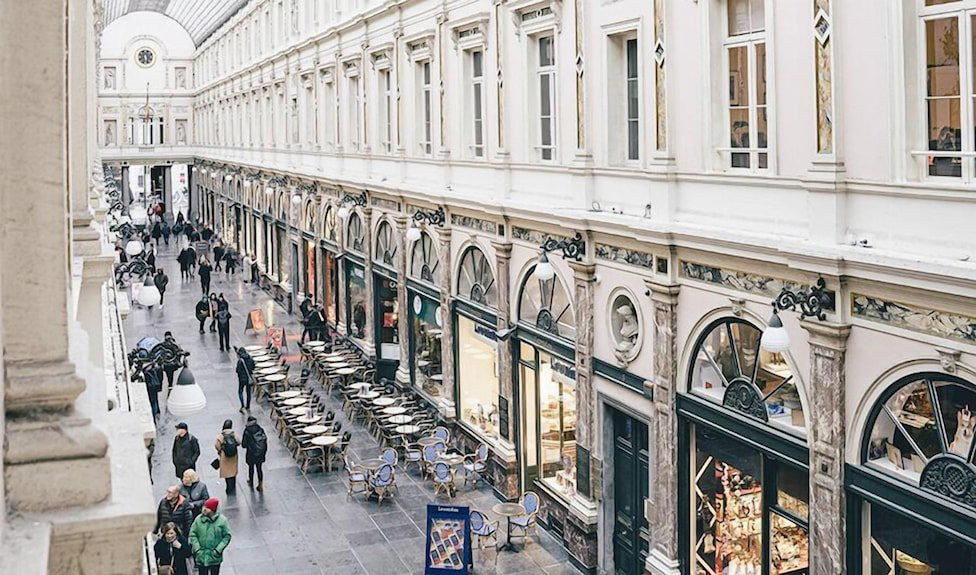
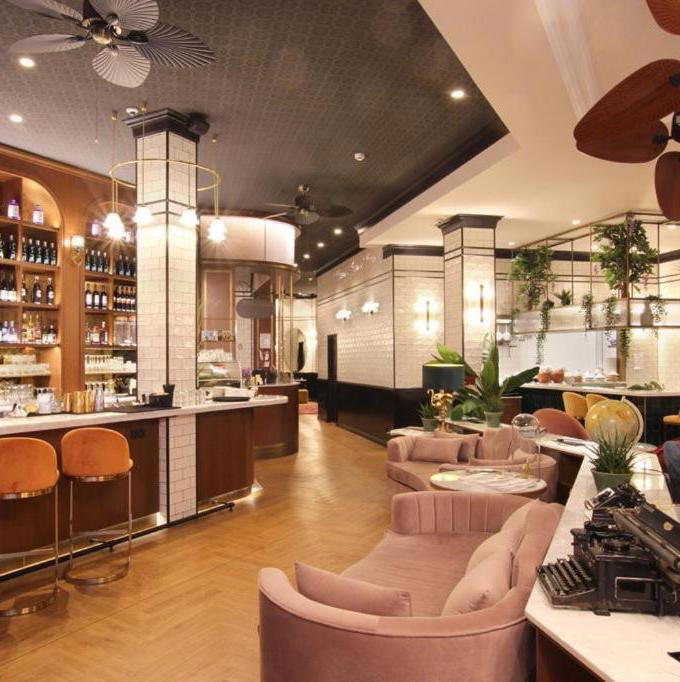
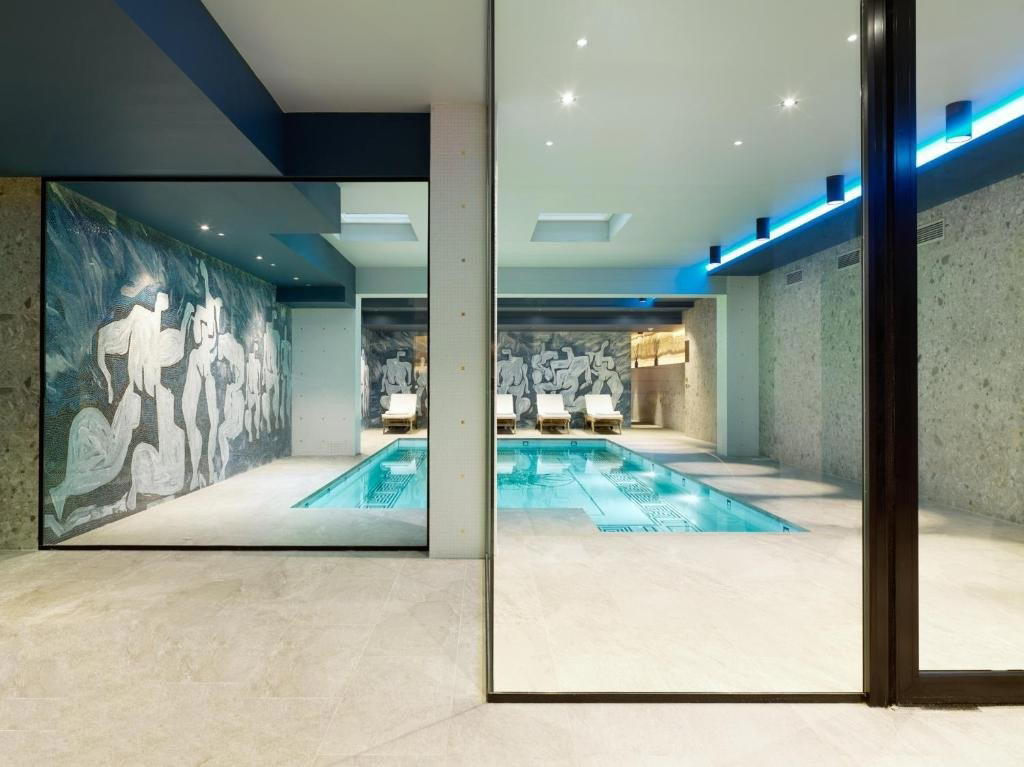
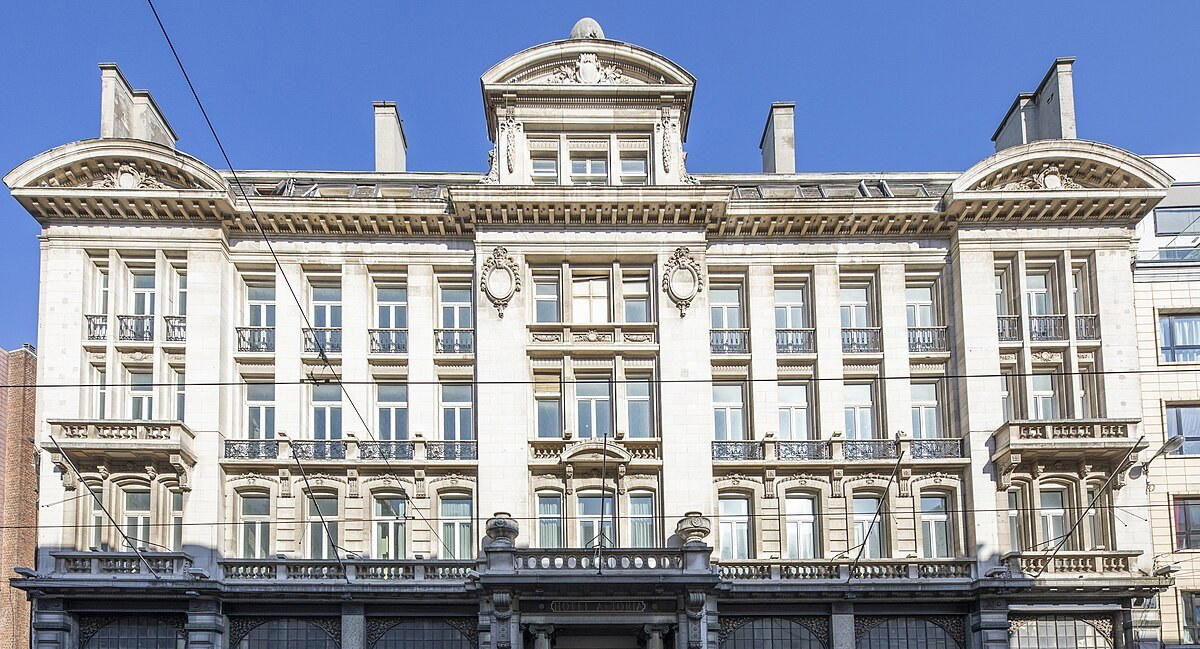
At a Glance
- Historic
- Elegant
- Classic
- Well Known
- Sophisticated
- Special Occasion
- Business Dinner
- Date Night
- Historic Building
- Private Dining
- Extensive Wine List
- Street Scene
Current opening hours
- Monday
- 7:30 AM–7 PM
- Tuesday
- 7:30 AM–7 PM
- Wednesday
- 7:30 AM–7 PM
- Thursday
- 7:30 AM–7 PM
- Friday
- 7:30 AM–7 PM
- Saturday
- 7:30 AM–7 PM
- Sunday
- Closed
Hours can change for holidays and private events. Last verified .
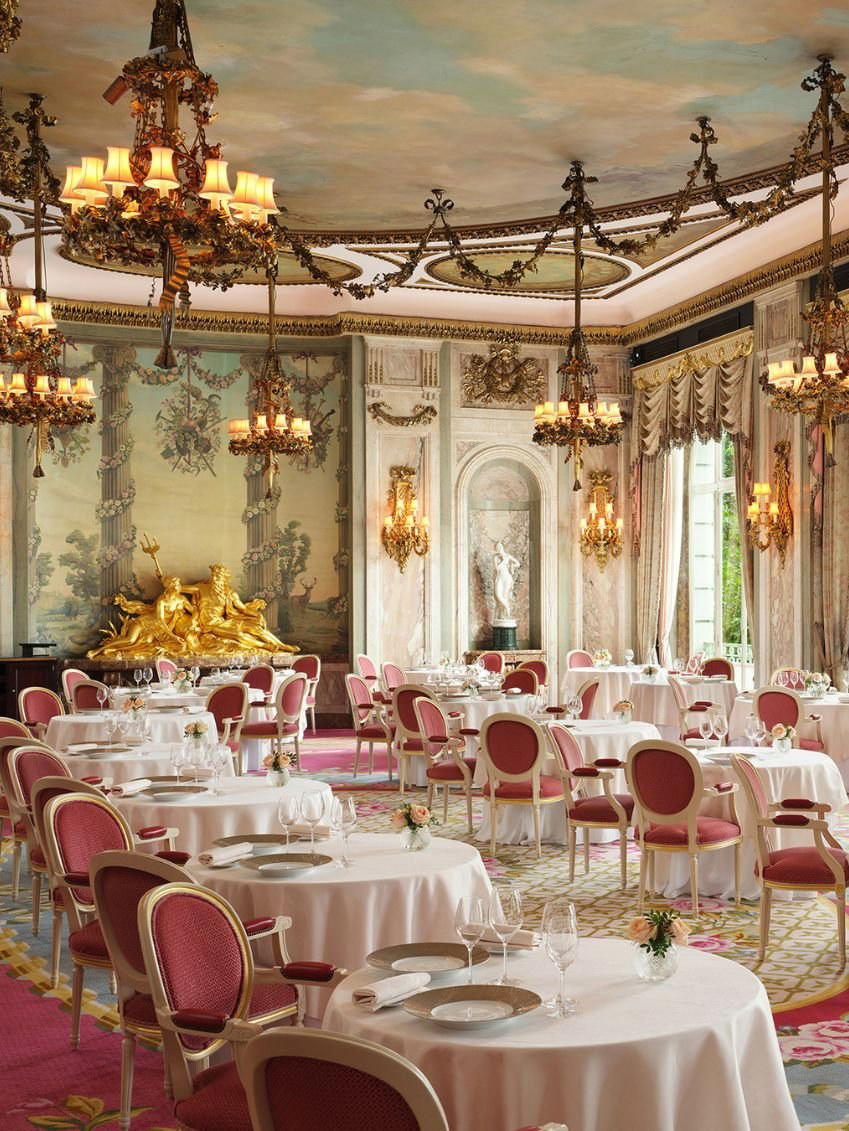
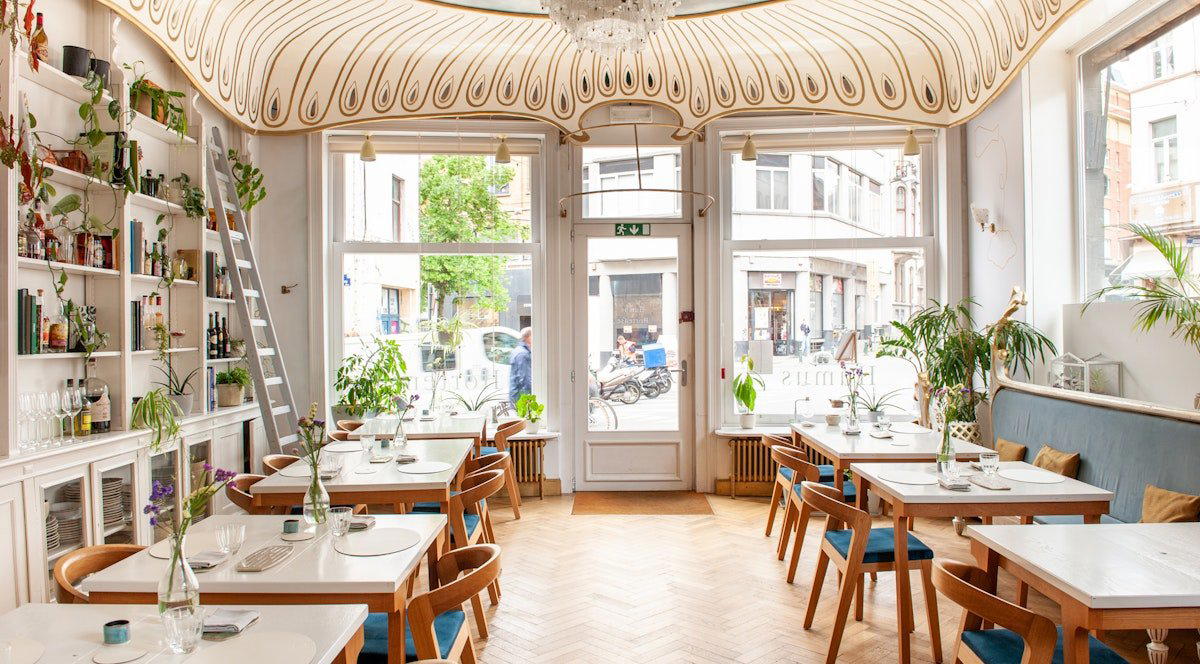
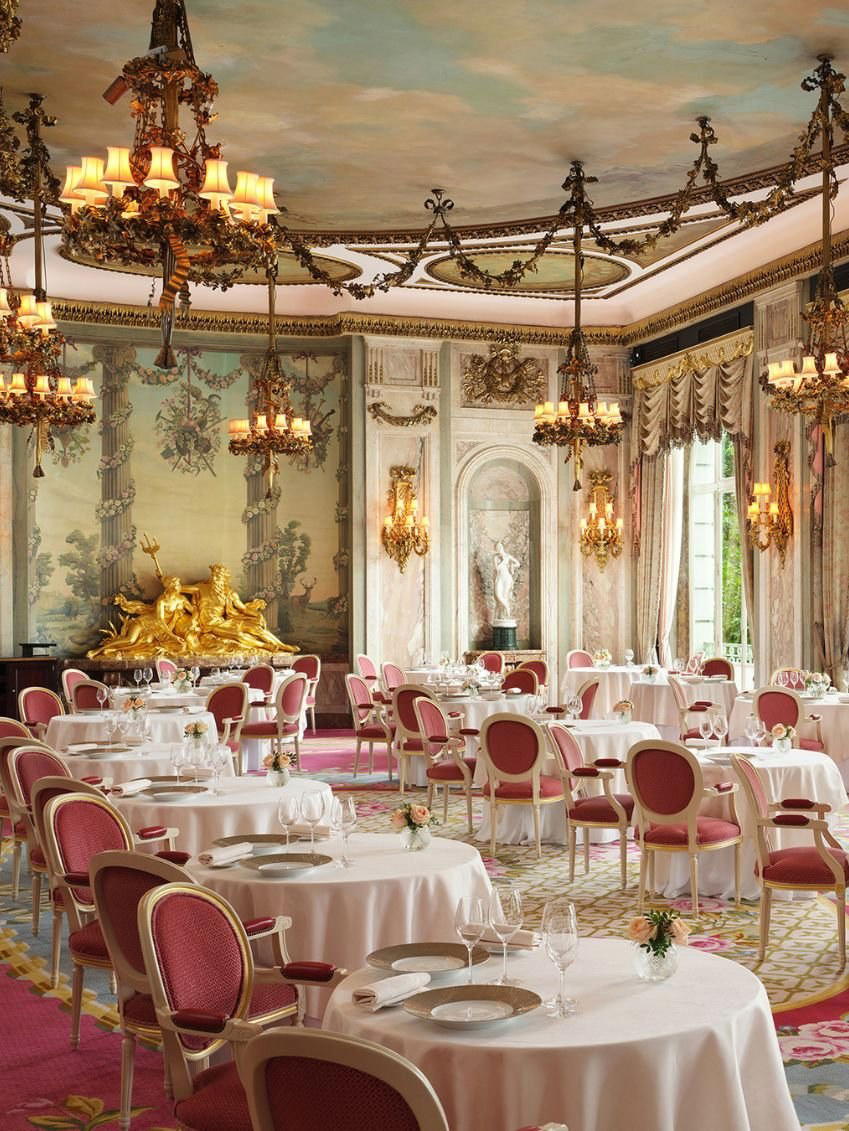
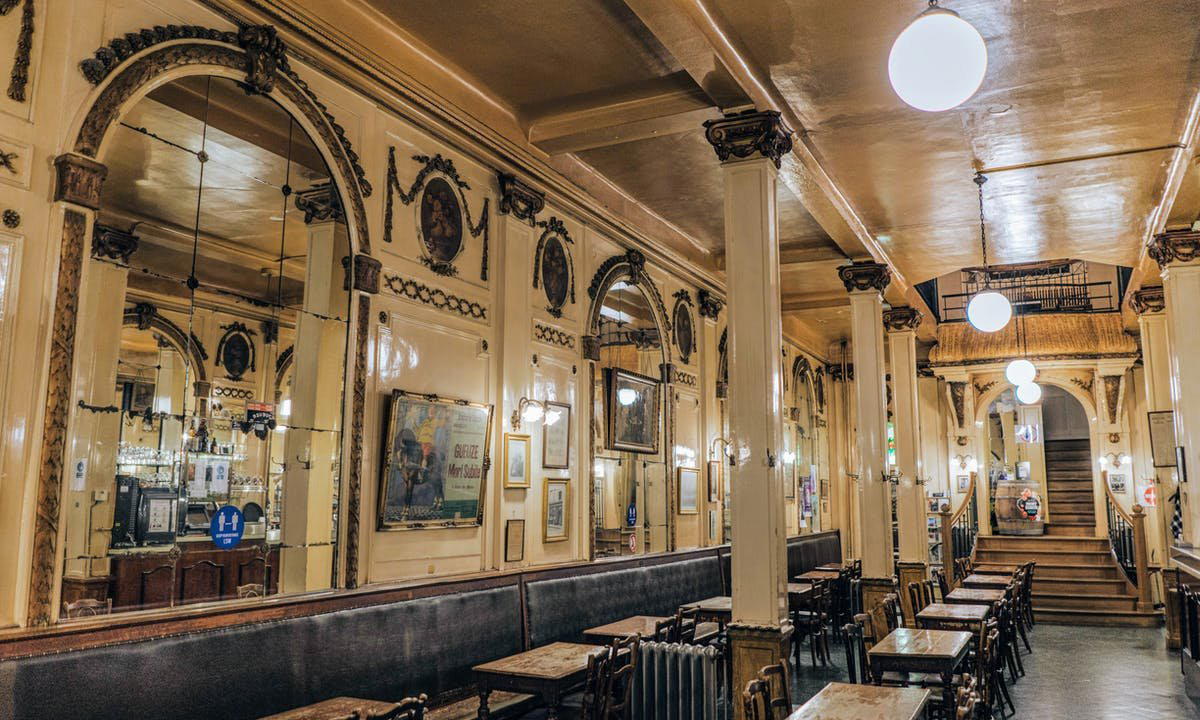
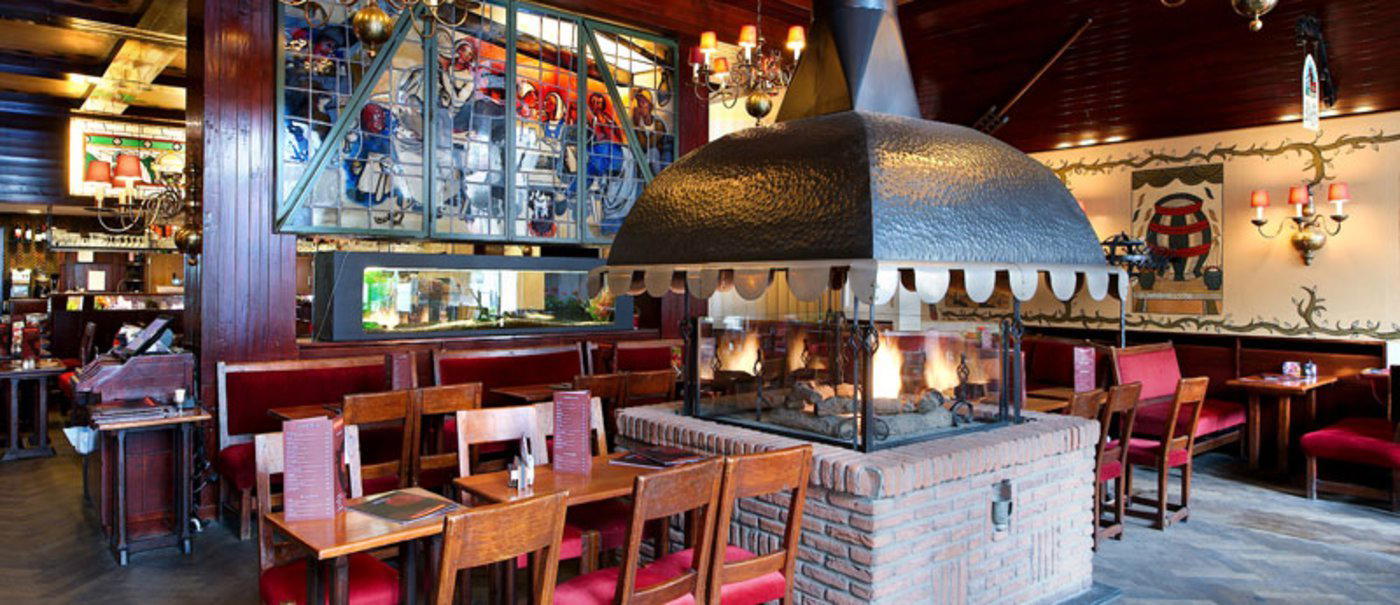
Elegant 19th-century dining room with walnut-wood paneling, lush velvet upholstery, fabulous chandeliers, and warm, sophisticated historic atmosphere.