On Cava Baja, the street that has anchored Madrid's traditional dining scene for generations, Cava de Illán occupies a position shaped by neighbourhood ritual as much as by the kitchen. The address places it squarely in La Latina's old-quarter eating corridor, where the rhythm of the meal matters as much as what arrives on the plate. For visitors calibrating Madrid's range of serious dining, this is the neighbourhood end of the spectrum rather than the tasting-menu tier.
Pearl is the En Primeur Club membership app — saves, bookings, and concierge access live there. Same editors, same standards.
- Address
- C. de la Cava Baja, 16, Centro, 28005 Madrid, Spain
- Phone
- +34913663883
- Website
- lacavadeillan.com
- Directions
- Get directions
 Saves & bookings on Pearl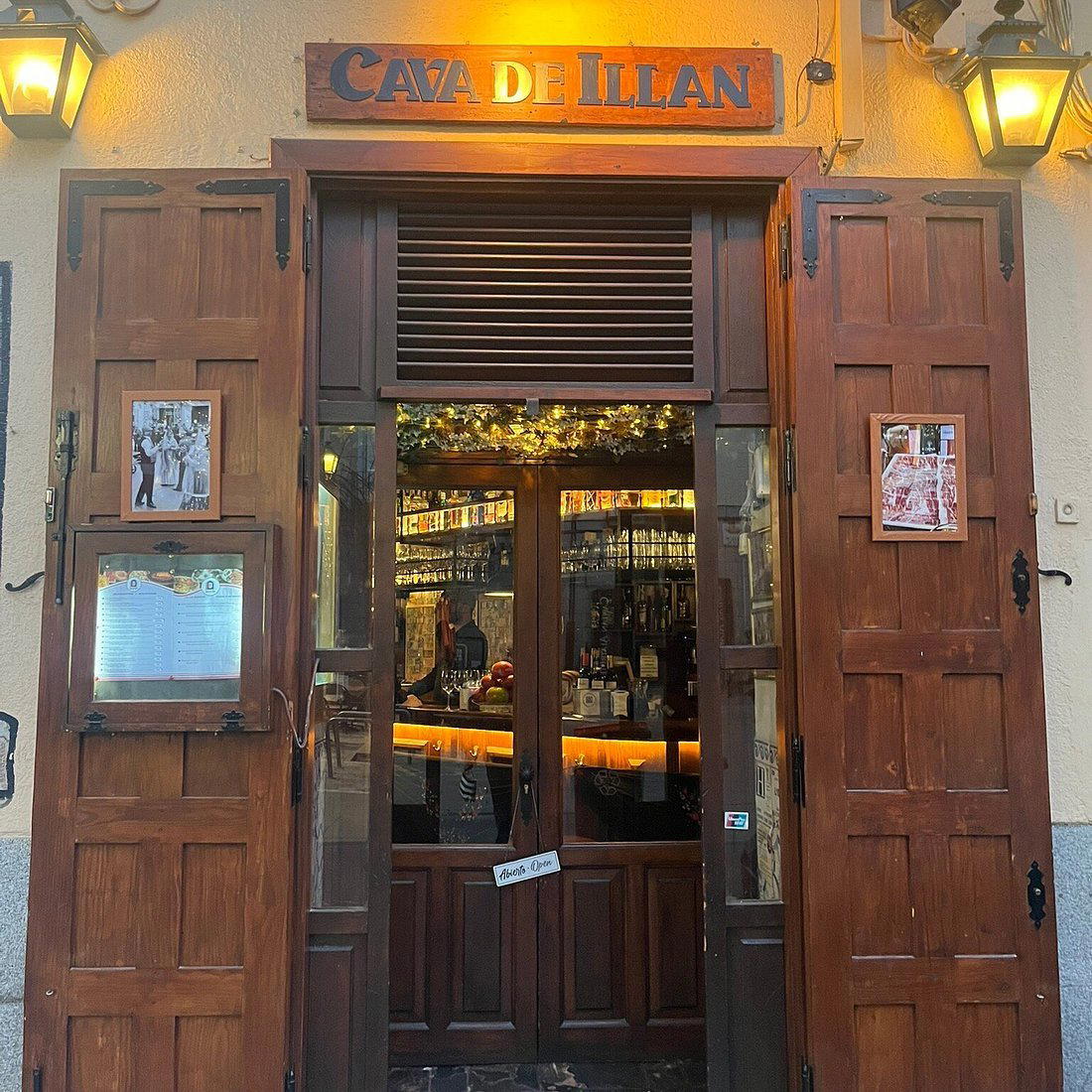
The Street Before the Door
Cava Baja is one of those Madrid addresses that does the contextual work before you even sit down. Running through La Latina, the street has been a reference point for traditional madrileño eating for long enough that the neighbourhood itself has become shorthand for a certain kind of meal: unhurried, rooted in Castilian and broader Spanish tradition, calibrated to conversation rather than spectacle. Cava de Illán at number 16 is a traditional Spanish tapas restaurant in Madrid, with. It sits inside that tradition rather than against it. The surrounding blocks contain some of the city's most established tabernas and wine bars, and the foot traffic on a weekend afternoon tells you everything about the local hierarchy of priorities, aperitivo first, lunch second, the afternoon third.
That street-level context matters when placing Cava de Illán in Madrid's broader dining map. The city now runs a wide range from neighbourhood tabernas through to the progressive tasting-menu tier represented by addresses like DiverXO, Coque, and Deessa. Cava de Illán operates in a register closer to the neighbourhood end of that spectrum, where the ritual of eating is drawn from older habits: the sharing of dishes, the measured pace of service, the assumption that tables are held for the duration of the meal rather than turned.
How the Meal Moves in La Latina
Understanding the restaurant requires understanding the dining ritual it participates in. La Latina eating tends to follow a structure that resists the tasting-menu logic of controlled pacing and sequential revelation. Instead, it runs on something closer to accumulation: dishes arrive as they are ready, conversation governs the tempo, and the meal extends as long as the table wants to hold it. This is the tradition of the sobremesa, the untranslatable Spanish practice of lingering at the table long after the food is finished, where the meal becomes a frame for the actual business of the afternoon.
For visitors accustomed to the more choreographed experiences of Madrid's creative fine-dining tier, this represents a meaningful shift in register. Places like DSTAgE or Paco Roncero exercise tight control over the arc of the meal; the kitchen sets the pace and the guest follows. The traditional Cava Baja model inverts that relationship. The guest's tempo is the operative one, and the kitchen's role is to sustain rather than direct the experience. Neither approach is more serious than the other, they are simply built for different kinds of occasions and different kinds of attention.
This distinction shapes what the restaurant is actually for. It is not a destination for a single transformative dish or a chef's progressive statement. It is a destination for a particular quality of afternoon or evening: the kind that Spain has historically treated as an art form in itself.
Madrid's Dining Range in Context
Madrid now holds one of the more stratified restaurant markets in Europe. At the leading, a cluster of addresses competes internationally and draws visitors to Spain's most ambitious dining rooms. Below that, a thick middle tier of contemporary Spanish cooking occupies a broad range of price points and formats. And beneath that, a neighbourhood layer of traditional tabernas and wine-focused rooms continues the eating habits that predated the city's fine-dining expansion by decades.
Cava Baja functions as the geographic heart of that third tier in central Madrid. The street's reputation means that several of its addresses carry genuine standing without formal award recognition, known to locals, respected by food journalists, and occasionally surfaced in editorial coverage. For visitors building a multi-day Madrid itinerary, the Cava Baja corridor works as a counterpoint to the concentrated intensity of a high-end tasting menu. Pairing a high-end tasting menu elsewhere in Madrid with a neighbourhood meal in La Latina is a reasonable way to cover both ends of what Spanish dining can look like.
What the Neighbourhood Signals About the Experience
La Latina's Sunday market culture, the Rastro flea market runs nearby on weekend mornings, feeds directly into the area's eating habits. The post-Rastro lunch is one of Madrid's more reliable dining rituals, with Cava Baja filling up from early afternoon as market-goers migrate toward tables. This is not a neighbourhood that operates on a late-dining-only schedule; tables fill across multiple sittings from around 2pm onward, and the early afternoon slot often carries animated atmosphere.
For international visitors, this timing distinction is worth noting. The restaurant opens Wednesday through Friday from 1 to 11:30pm, Saturday from 1pm to 1am, and Sunday from 1 to 11pm. A Cava Baja address like Cava de Illán works well for both lunch and dinner, depending on the day.
Visitors calibrating where the restaurant fits relative to Spain's broader dining circuit should note the contrast with the other end of the country's restaurant range: the destination-restaurant model represented by places like Aponiente in El Puerto de Santa María, Ricard Camarena in València, Atrio in Cáceres, or Cocina Hermanos Torres in Barcelona. These are meals you plan travel around. A Cava Baja lunch is a meal you plan an afternoon around, a different scale of occasion, but no less intentional for that. For international parallels, the neighbourhood-institution model maps loosely to destination restaurants elsewhere: those are meals you plan travel around. The restaurant is, in the leading sense, local infrastructure.
Planning a Visit
| Venue | Tier | Booking Lead Time | Price Range | Format |
|---|---|---|---|---|
| The restaurant | Neighbourhood traditional | Recommended | About $20 per person | À la carte, traditional |
| DiverXO | Progressive fine dining | Weeks to months ahead | €€€€ | Tasting menu |
| Coque | Creative fine dining | Weeks ahead | €€€€ | Tasting menu |
| DSTAgE | Modern Spanish | 1-3 weeks ahead | €€€€ | Tasting menu |
| Paco Roncero | Creative fine dining | Weeks ahead | €€€€ | Tasting menu |
Cava Baja 16 is direct to reach from central Madrid on foot or via the La Latina metro stop (Line 5). Reservations are recommended. The street runs parallel to the old city wall and is pedestrian-friendly. For a full picture of Madrid's dining range across tiers, see our full Madrid restaurants guide.
What It’s Closest To
Comparable venues nearby, for context on price, style, and recognition.
| Venue | Cuisine | Price | Notes |
|---|---|---|---|
| Cava de IllánThis venue — the venue you are viewing | Traditional Spanish Tapas | $$ | Not listed |
| El Café de la Ópera | Traditional Spanish with Opera | $$ | Palacio |
| Osteria da Nando | Traditional Asturian Cuisine | $$ | Castellana |
| casabula | Asturian Parrilla | $$ | Nueva Espana |
| La Bobia | Traditional Asturian Tapas & Cider | $$ | Embajadores |
| Triana | Andalusian Tapas | $$ | Ibiza |
Continue exploring
More in Madrid
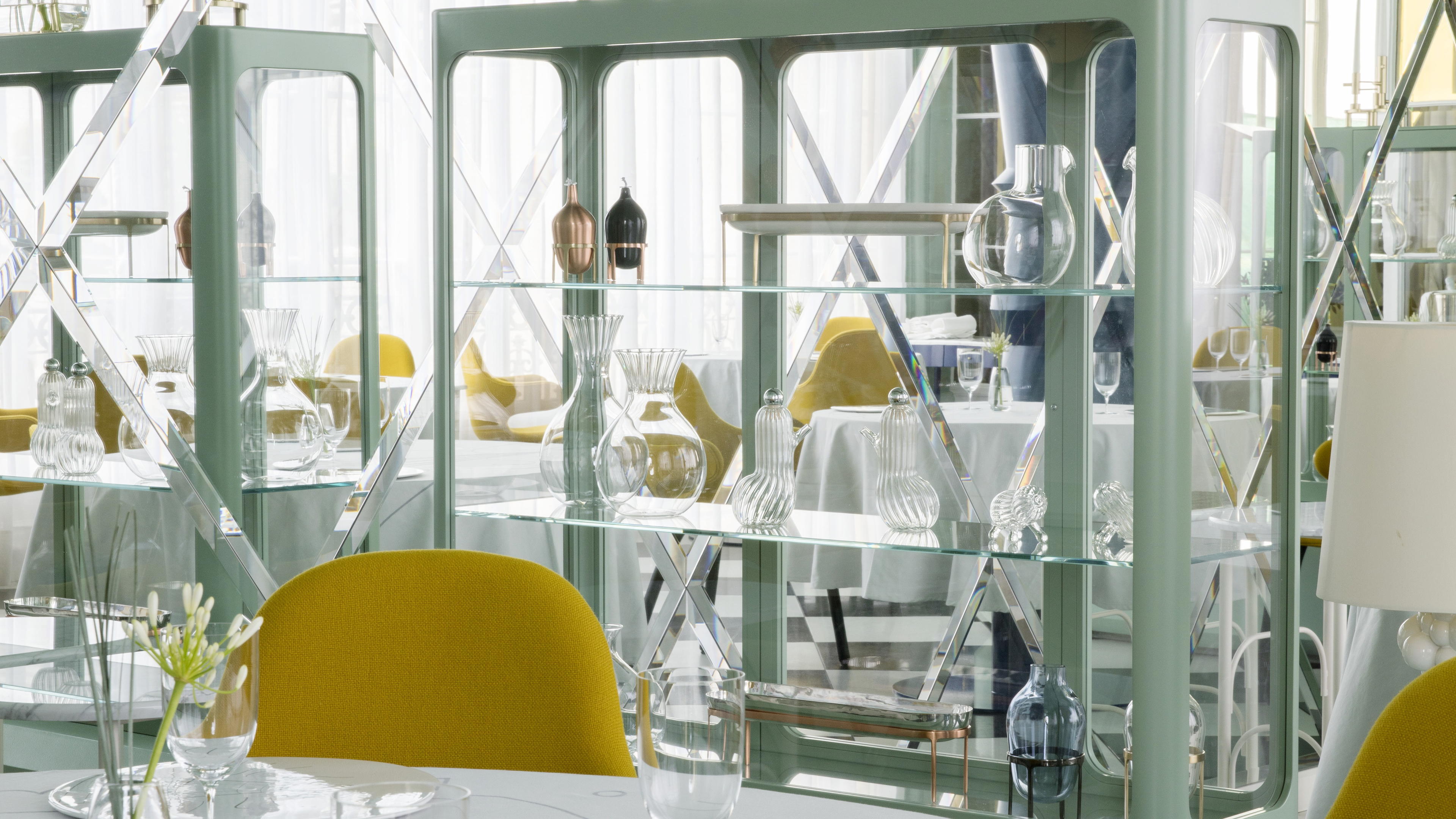
Restaurants in Madrid
Browse all →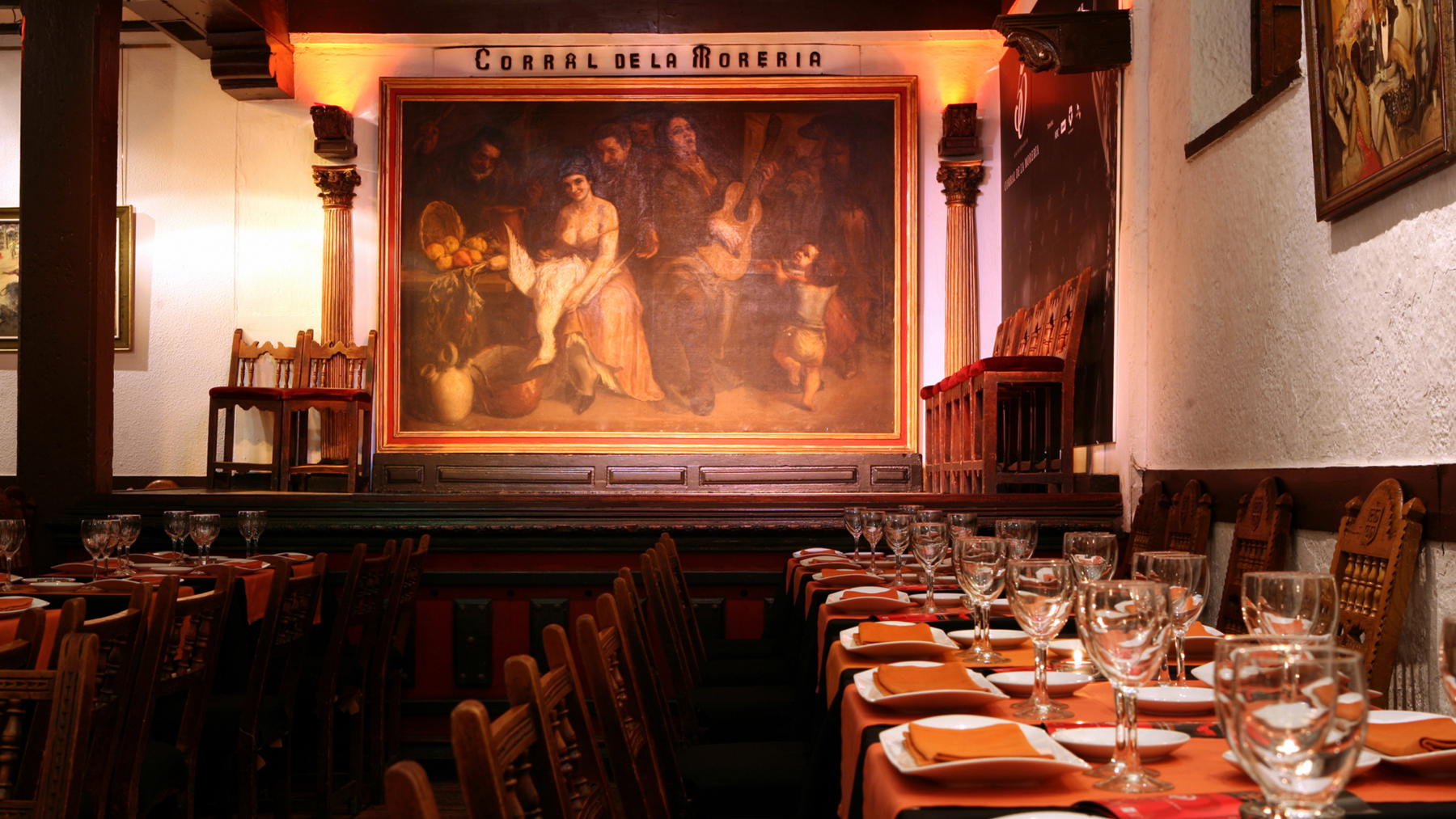
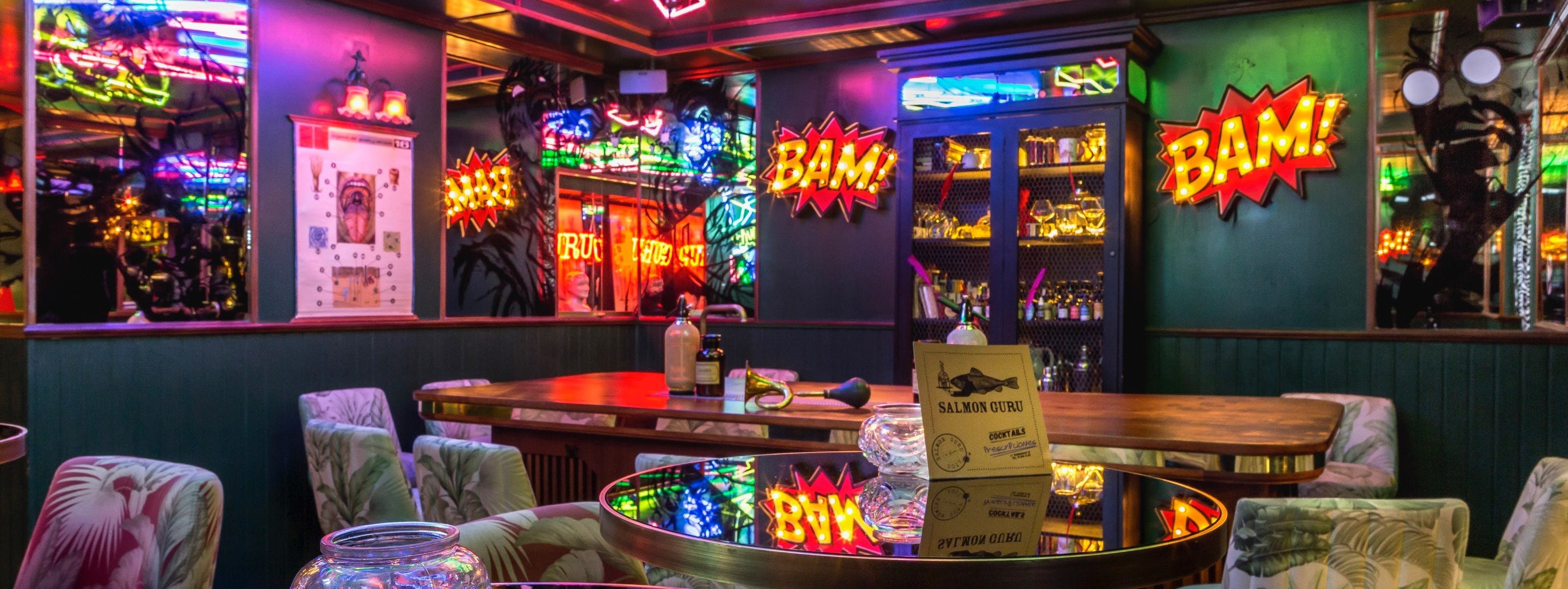
Bars in Madrid
Browse all →
Hotels in Madrid
Browse all →

At a Glance
- Classic
- Rustic
- Cozy
- Casual Hangout
- Group Dining
- Family
- Standalone
- Beer Program
Current opening hours
- Monday
- Closed
- Tuesday
- Closed
- Wednesday
- 1–11:30 PM
- Thursday
- 1–11:30 PM
- Friday
- 1–11:30 PM
- Saturday
- 1 PM–1 AM
- Sunday
- 1–11 PM
Hours can change for holidays and private events. Last verified .
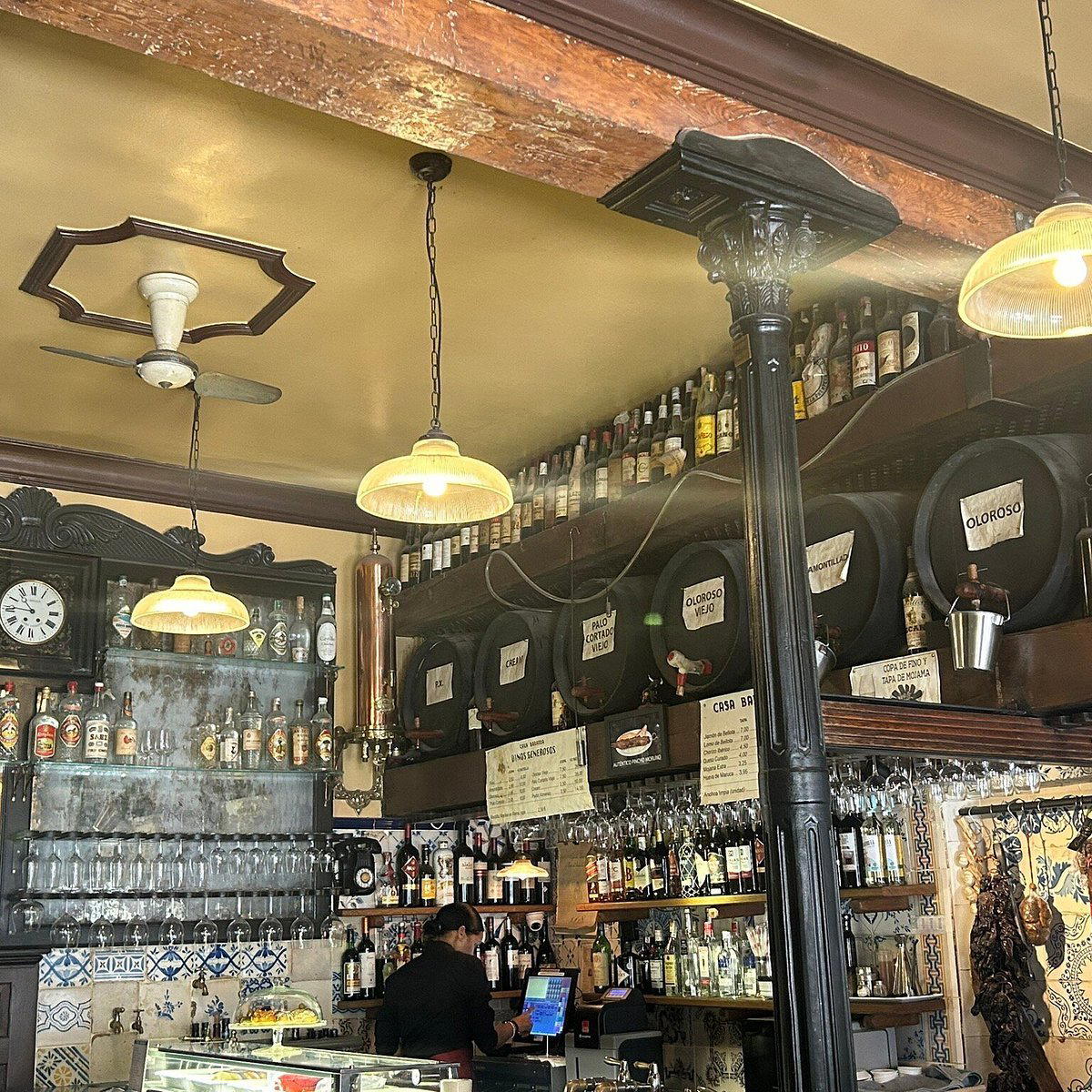
Warm and inviting with rustic stone walls, exposed wooden beams, and carefully arranged table settings creating an authentic Spanish dining atmosphere.