La Serre

La Serre occupies a West Loop address at 307 N Green Street, placing it inside Chicago's most competitive dining corridor. Where many restaurants in this bracket compete on spectacle, La Serre draws from a sourcing-led approach that positions it closer to farm-driven American peers than to the theatrics-first end of the market. Booking ahead is advisable for any visit to this part of the city.
Pearl is the En Primeur Club membership app — saves, bookings, and concierge access live there. Same editors, same standards.
- Address
- 307 N Green St, Chicago, IL 60607
- Phone
- +13125001128
- Website
- dinelaserre.com
- Directions
- Get directions
 Saves & bookings on Pearl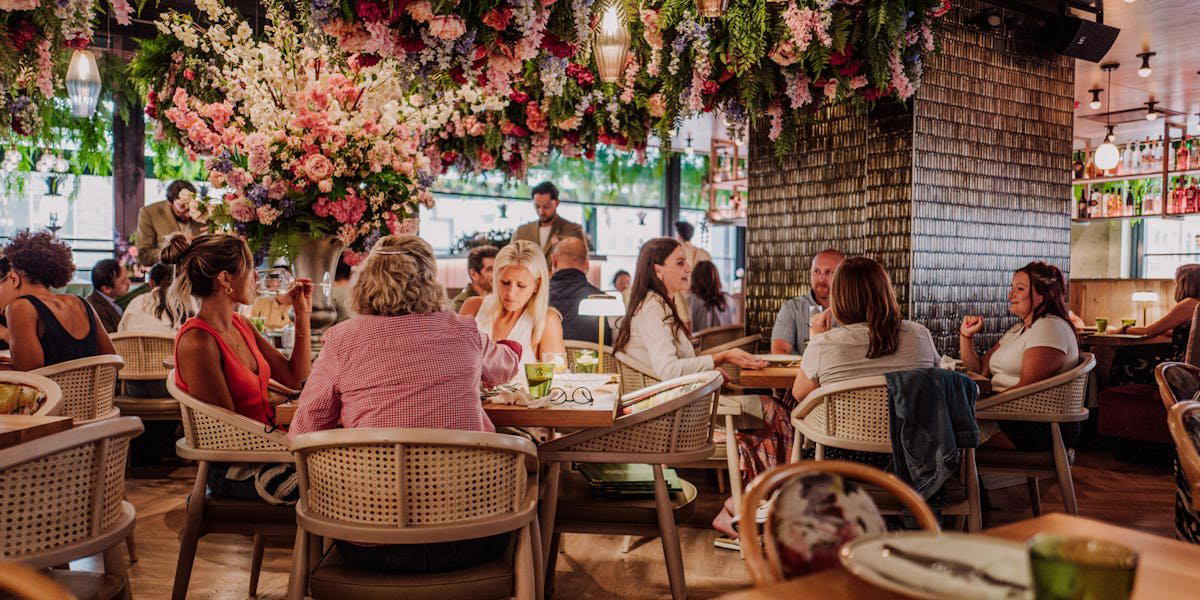
The West Loop and the Question of Where Food Comes From
Chicago's West Loop has spent the past decade consolidating its position as the city's most contested dining district. The corridor along Green Street and its surrounding blocks now holds a comparable set that includes tasting-menu destinations operating at the level of Alinea and Smyth, alongside more accessible contemporary formats like Kasama. Within that environment, restaurants differentiate not just by cuisine type but by the underlying logic of how they build a menu. Sourcing has become one of the clearest dividing lines: kitchens that treat ingredient provenance as a foundational decision operate in a different register from those where it is an afterthought or a marketing layer.
La Serre, at 307 N Green Street, sits inside that competitive geography. The address places it in a block where foot traffic from the broader Fulton Market zone feeds into a dining public that has grown accustomed to serious cooking. What distinguishes venues in this part of the city is less about novelty and more about coherence: whether the kitchen's decisions at the sourcing level translate into something legible on the plate.
Sourcing as Editorial, Not Decoration
The farm-to-table framing that swept American fine dining in the 2010s has since separated into two distinct practices. The first is largely ceremonial: a list of farm names on the menu that rotates seasonally but does not materially shape how the kitchen cooks. The second is structural: sourcing decisions that determine the menu's architecture, force the kitchen to adapt to what is available rather than what is convenient, and create a direct line between the agricultural calendar and the dining room. The more demanding restaurants in this second category, Blue Hill at Stone Barns outside New York, Single Thread Farm in Healdsburg, Lazy Bear in San Francisco, have built their reputations on that structural commitment, where the sourcing logic is inseparable from the menu logic.
La Serre's name, French for greenhouse or glasshouse, signals an orientation toward the cultivated and the grown. Whether that extends to a full sourcing program or a more curated selection of regional producers, the framing positions the restaurant within the ingredient-led tradition rather than the technique-spectacle tradition represented by venues like Next Restaurant. In Chicago's dining culture, which has historically tilted toward the theatrical end of the progressive American spectrum, a sourcing-led approach occupies a distinct niche.
Chicago's Farm-Driven Niche and Its National Peers
The Midwest agricultural belt gives Chicago restaurants a geographical advantage that coastal cities do not share in the same way. Access to Illinois grain producers, Wisconsin dairy operations, and regional protein suppliers is structurally different from what a kitchen in Los Angeles or New York can negotiate. Providence in Los Angeles built its identity around Pacific seafood provenance; Le Bernardin in New York has maintained a supply chain for fish that operates on a different tier of selectivity from most American seafood restaurants. Chicago kitchens working in the sourcing-led tradition have an analogous opportunity with the land-based producers surrounding the city.
That regional specificity is what makes ingredient sourcing meaningful in the Midwest context, rather than a generic positioning statement. When a restaurant in this part of the country commits to provenance, the commitment can draw on a genuinely distinctive agricultural network, one that separates it from southern counterparts like Bacchanalia in Atlanta or East Coast peers like The Inn at Little Washington, each of which operates from a different regional supply logic.
Where La Serre Sits in the Chicago Conversation
Chicago's premium dining tier is not a monolith. Oriole operates as a contemporary format with a restrained, precise approach. Alinea has held three Michelin stars and defined a decade of American progressive cooking through technique and conceptual architecture. Smyth works closer to the ingredient-driven end, with a farm and fermentation program that links its downtown dining room to a more agricultural sensibility. La Serre's position at 307 N Green Street places it in the geographic center of this conversation, and its name suggests an alignment with the latter approach rather than the former.
For a reader trying to calibrate expectations: the restaurants in Chicago's sourcing-led niche tend to offer menus that shift with availability, producer relationships that show up as specific named references rather than generic seasonal language, and a kitchen discipline oriented toward restraint and clarity over accumulation and display. The contrast with the theatrical end of Chicago's progressive scene, represented most fully by Alinea, is real, and it shapes what a meal feels like from beginning to end. Nationally, the analogy runs to Addison in San Diego or Atomix in New York, both of which have built sustained recognition on precision and sourcing depth rather than spectacle.
For readers coming from international dining contexts, the comparison point shifts again: 8½ Otto e Mezzo Bombana in Hong Kong represents what sourcing-led fine dining looks like when the supply chain is global rather than regional, which clarifies by contrast what makes the Midwestern model distinctive.
The West Loop as Dining Infrastructure
Arriving at 307 N Green Street puts a visitor inside a block that has become one of the more reliable dining corridors in the United States. The surrounding Fulton Market district shifted from a meat-packing zone to a restaurant concentration over roughly fifteen years, and the density of serious kitchens in a small geographic area means that the dining public in this part of the city is experienced and demanding. Restaurants here do not benefit from tourist novelty in the way that venues in more visible neighborhoods sometimes do; the audience skews local, repeat, and informed in the practical sense of having calibrated expectations.
That environment puts pressure on every element of the operation, including sourcing. A kitchen making claims about ingredient provenance in the West Loop addresses an audience that can compare those claims against a wide comparable set, including the full Chicago restaurant ecosystem and national reference points like The French Laundry in Napa, where provenance and supply chain have been central to the identity since the 1990s, or Emeril's in New Orleans, which established a different but equally legible regional sourcing logic in the American South.
Planning a Visit
The restaurant is located at 307 N Green Street, Chicago, IL 60607, in the West Loop's Fulton Market corridor. Given the concentration of premium dining in this district, securing a reservation ahead of time is the practical approach; the neighborhood's dining rooms fill on both weekday and weekend evenings. Dress: Smart casual is the expected standard. Budget: Expect about $40 per person. Visitors planning a broader Chicago itinerary should use the EP Club Chicago guide to map the restaurant against the city's wider dining tier.
At a Glance
Comparable venues nearby, for context on price, style, and recognition.
| Venue | Cuisine | Price | Notes |
|---|---|---|---|
| La SerreThis venue — the venue you are viewing | West Loop, Coastal French-Mediterranean | $$$ | Not listed |
| Le Sud | Roscoe Village, French-Mediterranean | $$$ | Not listed |
| Bandol | Loop, French Brasserie & Raw Bar | $$$ | Not listed |
| Cite | Not listed | $$$$ | Streeterville, French-American Fine Dining |
| The Wellsley | River North, French Bistro | $$$$ | Not listed |
| Le Petit Marcel | Lake View East, Classic French Brasserie | $$$ | Not listed |
Recognition history
Dated appearances from independent guides and award organizations, with the underlying list record or original source where available.
Wine Spectator Award of Excellence
Wine Spectator
At a Glance
- Bohemian
- Elegant
- Date Night
- Special Occasion
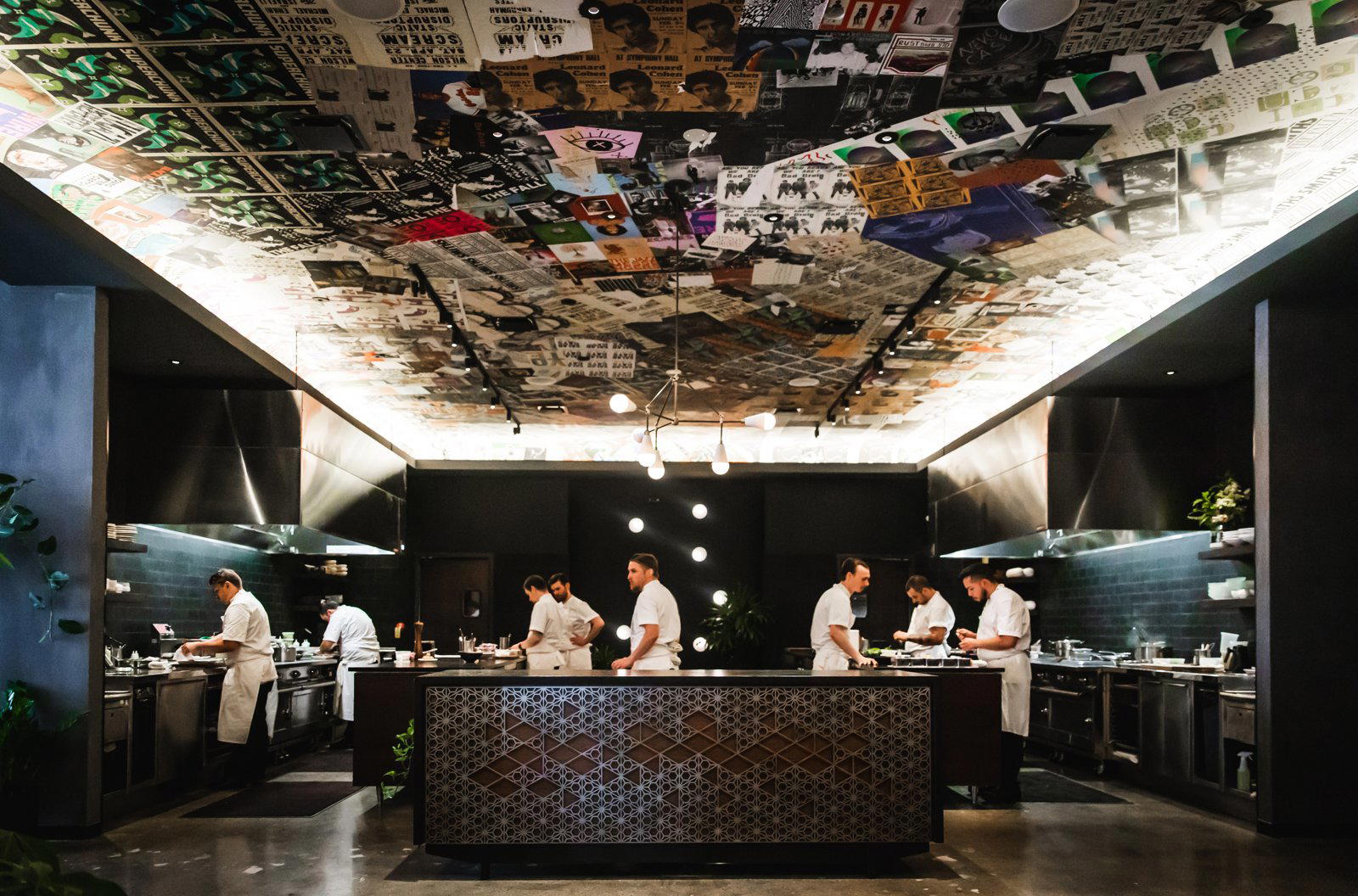
- Open Kitchen
Current opening hours
- Monday
- 5–11 PM
- Tuesday
- 5–11 PM
- Wednesday
- 5–11 PM
- Thursday
- 5–11 PM
- Friday
- 5 PM–1 AM
- Saturday
- 5 PM–1 AM
- Sunday
- 11 AM–11 PM
Hours can change for holidays and private events. Last verified .
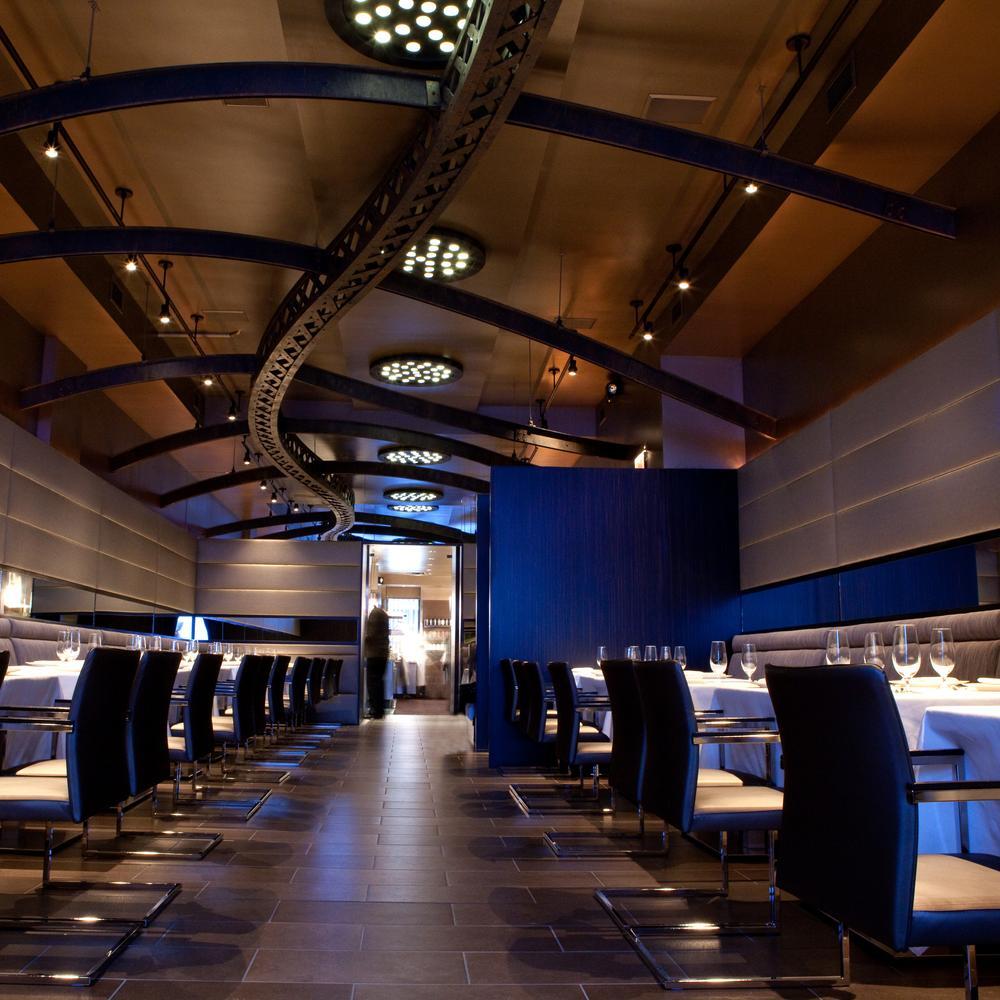
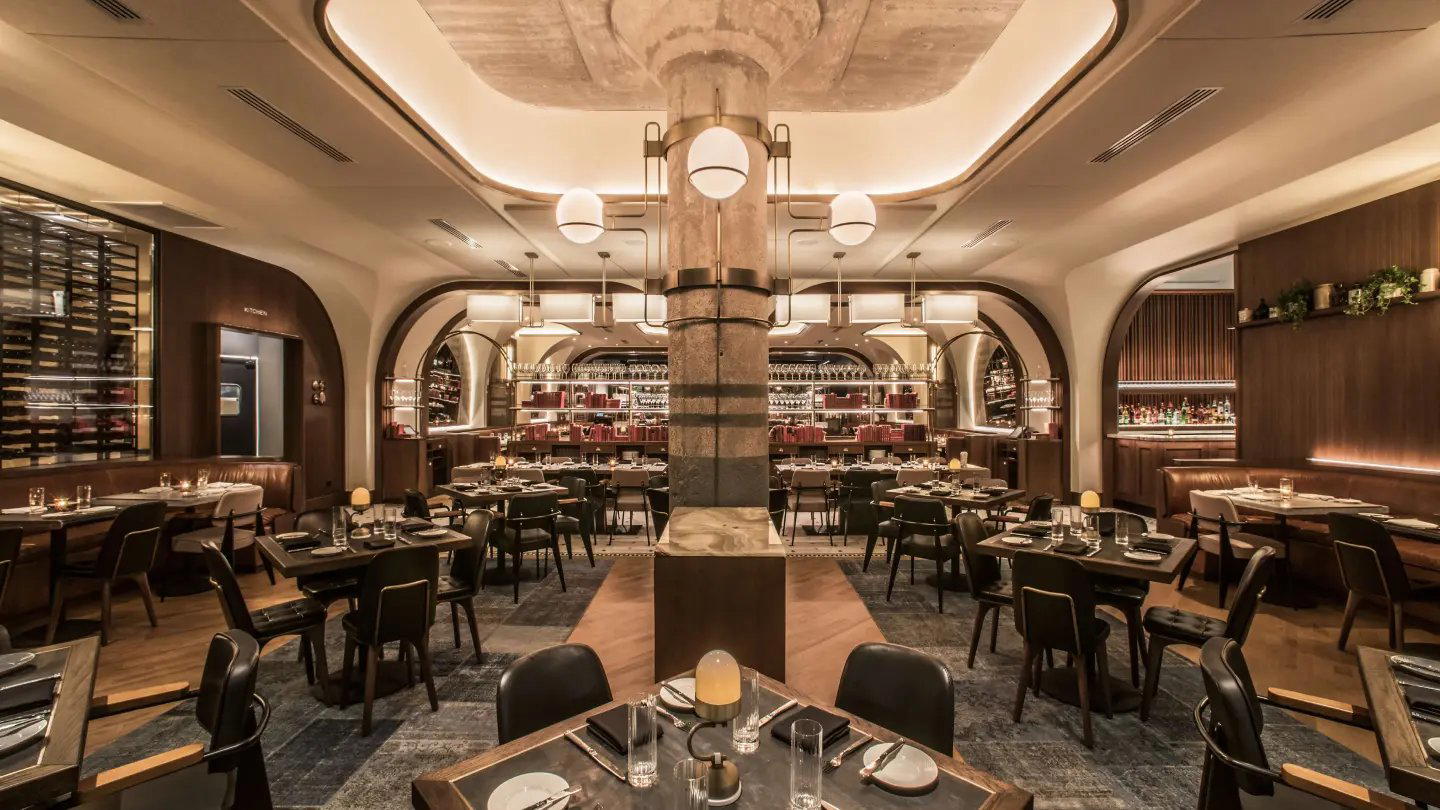
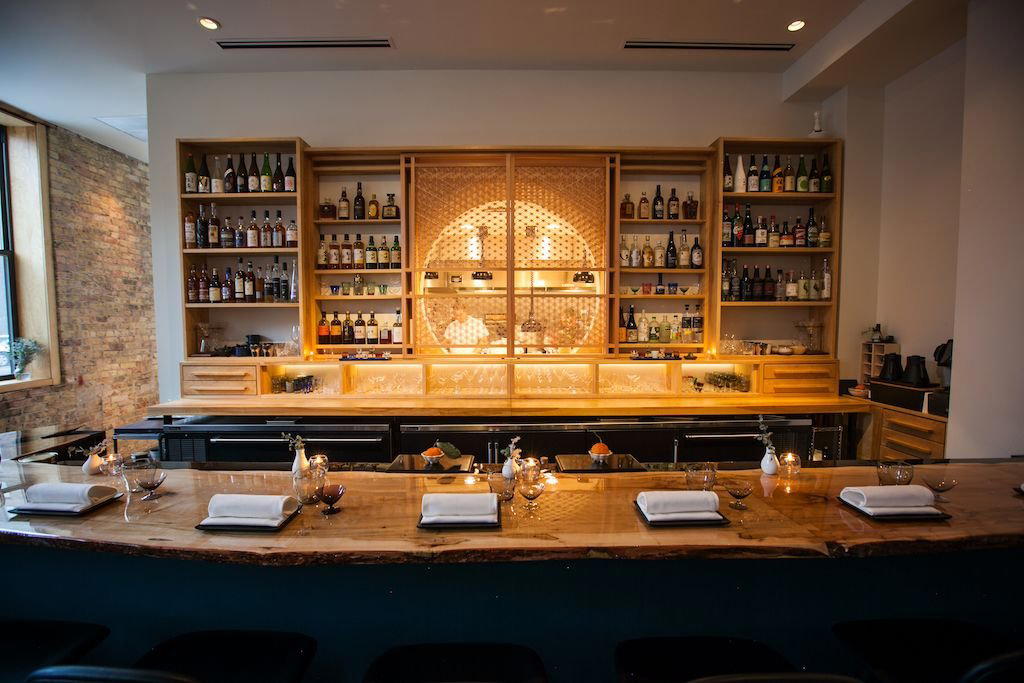
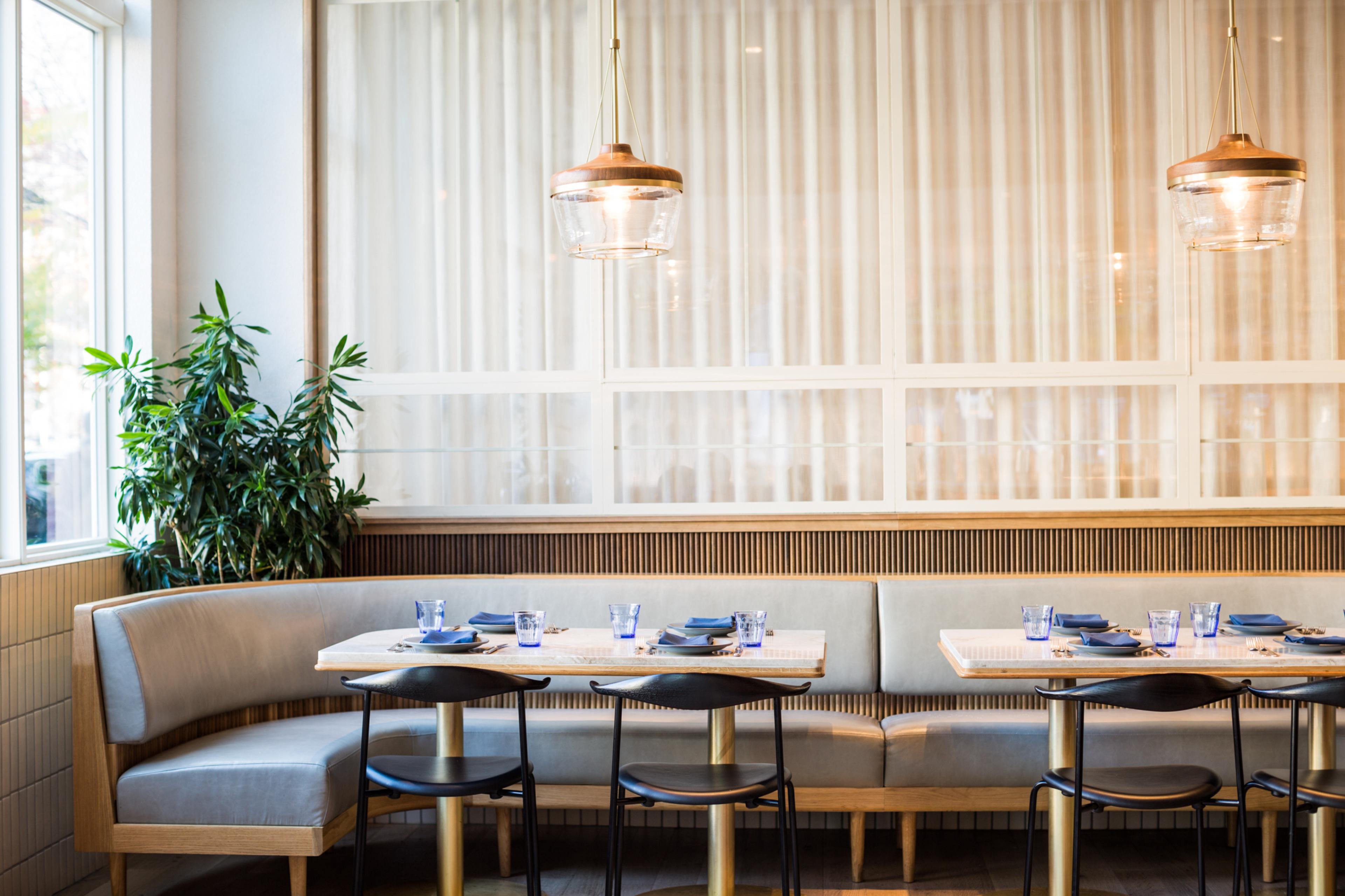
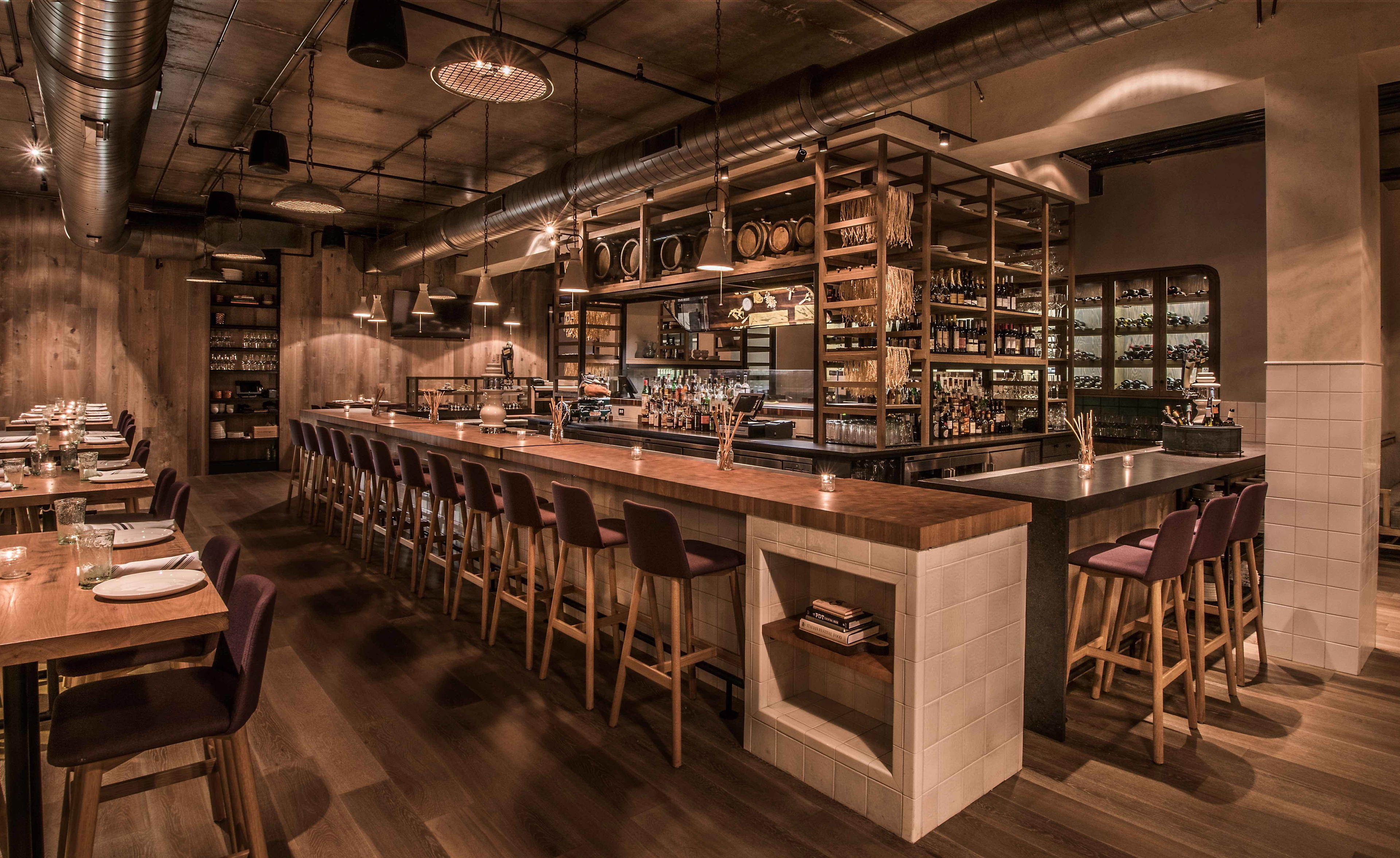
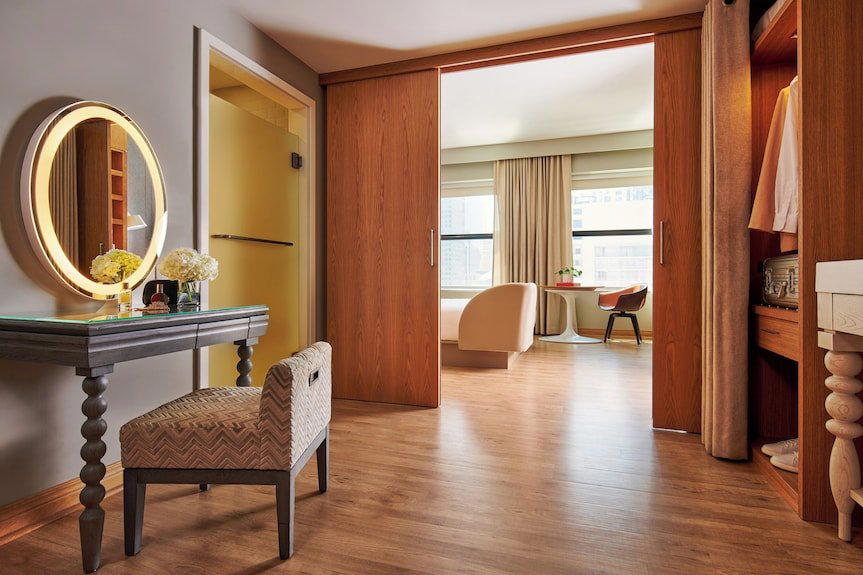
Lush bohemian atmosphere with floral greenhouse design, moderate noise, and sceney West Loop vibe.