The Service Architecture
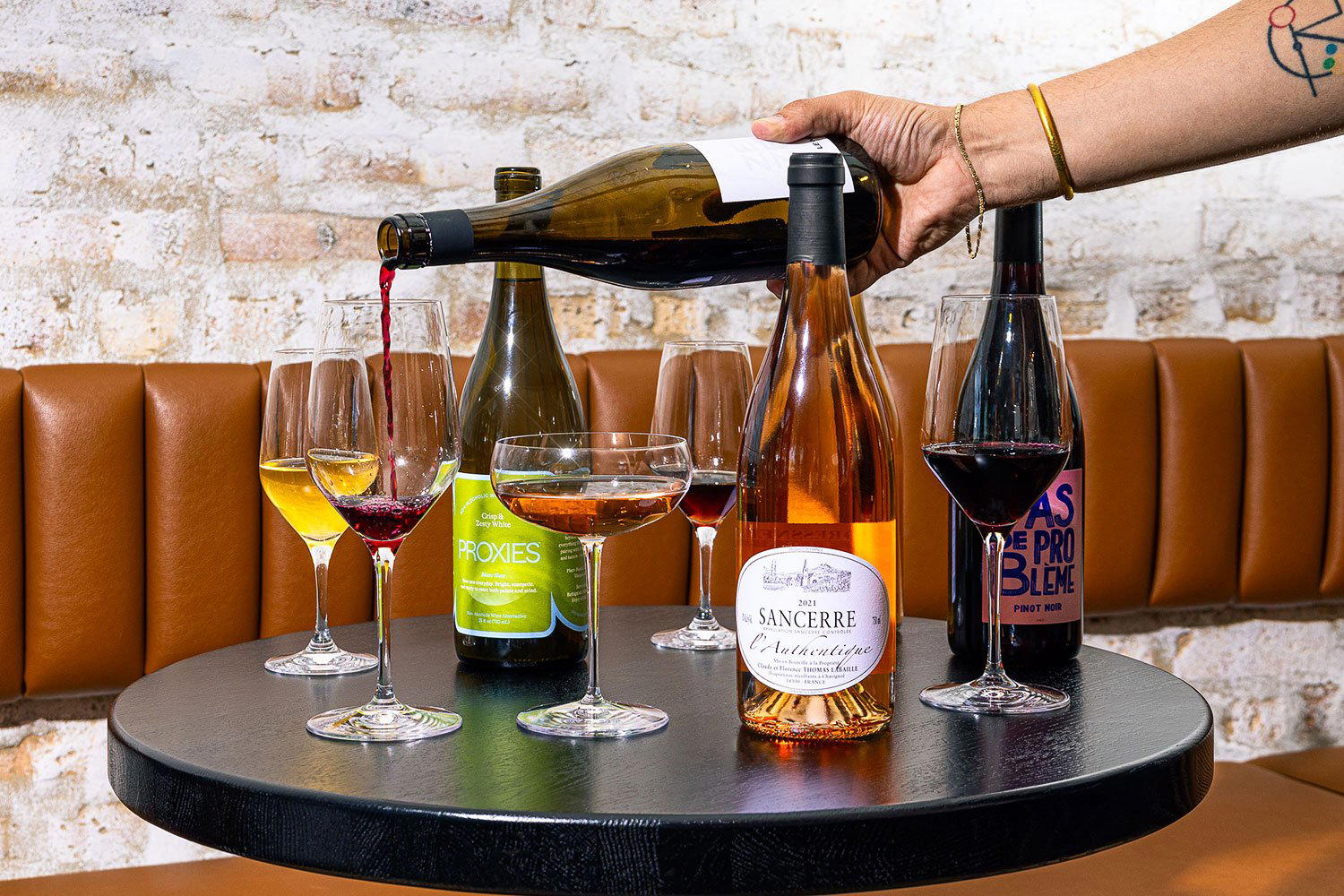
In any restaurant operating above the casual tier, the relationship between kitchen, sommelier, and front-of-house determines the quality of an evening as much as what arrives on the plate. This is especially true in French-inflected formats, where the choreography of service carries its own communicative weight. A good sommelier in a French-leaning room isn't just managing a wine list; they are translating between culinary tradition and current guest expectations, often in real time. Floor staff in these settings function less as order-takers and more as editors of the guest experience.
Chicago has developed a strong cohort of hospitality professionals trained across the city's more demanding programs. The Boka Restaurant Group's influence across the city's upper dining tier, including properties like Kasama and the wider Next Restaurant ecosystem, has raised baseline expectations for how kitchen ambition and floor execution are meant to align. A French-format restaurant on the North Side inherits that standard whether it seeks the comparison or not.
The editorial point here is structural: restaurants that operate at a price point above the neighbourhood average need the kitchen-floor relationship to be genuinely collaborative rather than parallel. In formats where the menu signals French classical training, guests often arrive with sharper preconceptions about timing, sequencing, and wine engagement than they would at an equivalent progressive American room. The margin for misalignment between kitchen intent and floor delivery is narrower.
Chicago's French Moment
French cooking in Chicago has historically lived in the shadow of two dominant forces: the city's deep-rooted German and Eastern European culinary inheritance, and the more recent ascendancy of chef-driven progressive American. That second wave, represented nationally by operators like The French Laundry in Napa, Le Bernardin in New York, and Lazy Bear in San Francisco, has pushed fine-dining expectations toward narrative, provenance, and conceptual ambition. What's left for French-inflected restaurants is a choice: compete on those terms or double down on the tradition's own strengths, saucing, technique, the pacing of a long meal.
The bistro format specifically has shown resilience in American cities precisely because it doesn't pretend to be something it isn't. At its finest, a French bistro creates a social environment in which the food is confident and the service is warm without being deferential. The format has seen genuine renewal in cities like New York and Los Angeles, where a generation of chefs trained through haute cuisine kitchens have chosen to open smaller, less ceremonious rooms. Chicago's equivalent cohort is smaller but present. Restaurants like Blue Hill at Stone Barns in New York and Providence in Los Angeles each demonstrate, in their own idiom, how a clearly defined culinary philosophy translates into a legible service experience, something the French bistro format has always done when executed well.
For context, French-format restaurants across the country that have maintained cultural traction tend to share a few structural features: a wine program that functions as genuine counterpoint to the kitchen rather than afterthought, a floor team with enough autonomy to read a table, and a menu that changes frequently enough to reward repeat visits. These are not credentials unique to French cooking, but the format tends to make them more visible because the cuisine itself doesn't hide behind spectacle.
Neighbourhood Coordinates
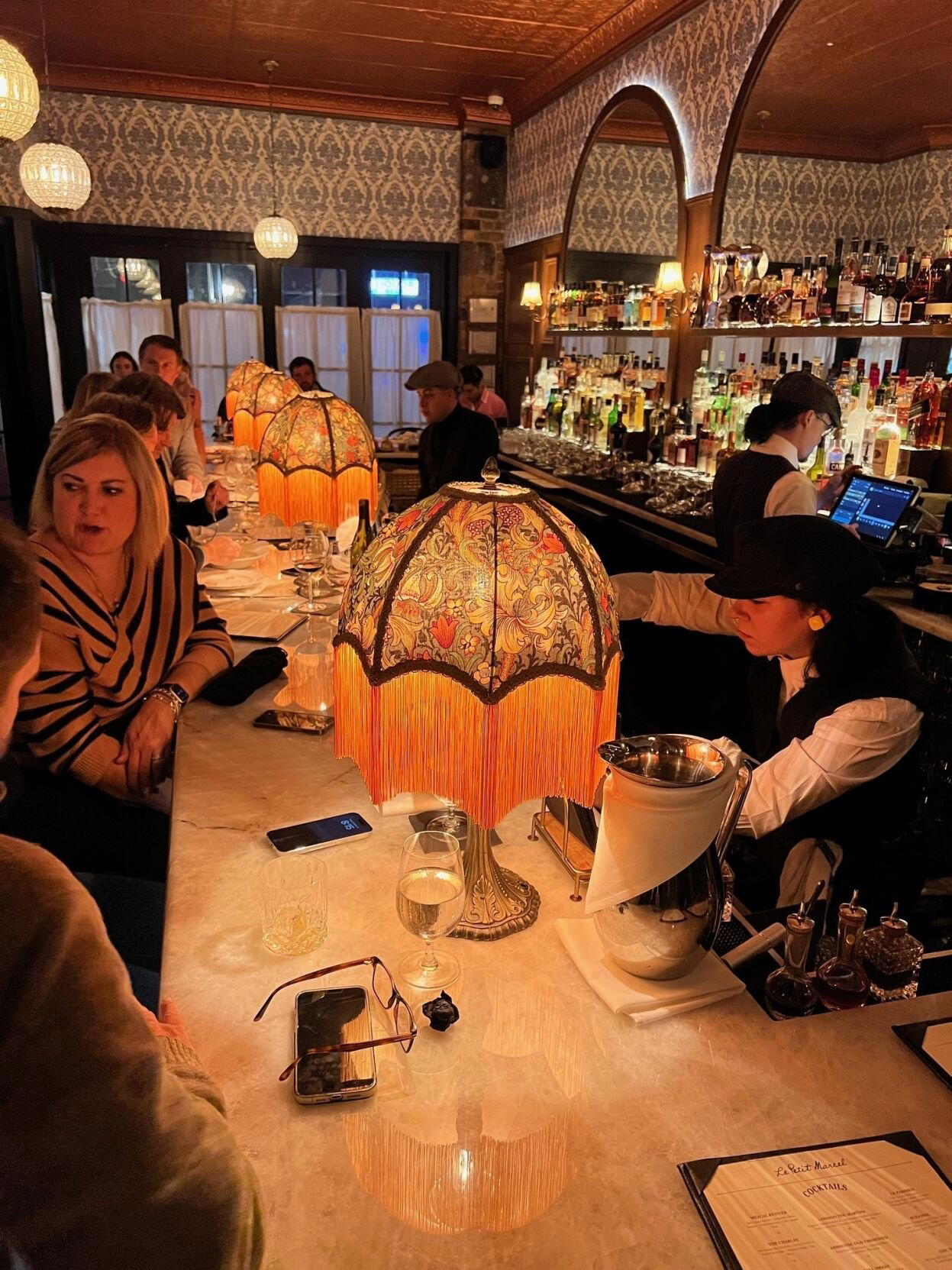
The Lakeview address places Le Petit Marcel in a different competitive context than a West Loop or River North opening would. The West Loop's restaurant density creates a natural comparison-shopping dynamic; diners there are often choosing between six or seven serious options on the same evening. Lakeview diners make more deliberate choices, and the neighbourhood's residential character means a restaurant's relationship with regulars matters more than first impressions made on out-of-towners.
North Broadway at this stretch is accessible by the Red Line to Belmont, with the walk north covering several blocks of retail and smaller food operations before reaching the quieter residential mix around the 2900 block. That physical context, neither maximally convenient nor remote, suits a restaurant that functions better as a destination than a drop-in. Operations in comparable American cities, from Bacchanalia in Atlanta to Addison in San Diego, have demonstrated that serious dining rooms positioned slightly away from obvious commercial clusters can build more durable audiences precisely because casual traffic isn't part of the model.
For an overview of how Le Petit Marcel fits within Chicago's wider dining picture, EP Club's full Chicago restaurants guide provides the broader map, including how Lakeview compares to the River North corridor anchored by restaurants like Alinea, and the city's newer Filipino fine-dining entry points through Kasama. International comparators for classical European cooking at this register include 8 1/2 Otto e Mezzo Bombana in Hong Kong and The Inn at Little Washington, both of which demonstrate how European culinary traditions sustain themselves in non-European contexts through disciplined team culture rather than nostalgia alone.
Further afield, Single Thread Farm in Healdsburg and Emeril's in New Orleans represent different resolutions to the same question facing any serious restaurant outside a major metropolitan cluster: how to build and sustain a kitchen-floor-guest relationship that doesn't depend on a constant influx of first-time visitors. Atomix in New York offers a further reference point for how tasting-menu formats construct team culture as a visible part of the guest experience.
Know Before You Go
Planning Details
- Address: 2914 N Broadway, Chicago, IL 60657
- Neighbourhood: Lakeview, North Side Chicago
- Transit: Red Line to Belmont, then north along Broadway
- Price range:, check directly with the restaurant
- Hours:, verify before visiting
- Booking: Contact method not confirmed, recommend planning ahead for Friday and Saturday sittings given neighbourhood dining patterns
- Dress code: Not specified, smart casual is a reasonable default for this format and price tier