Cite
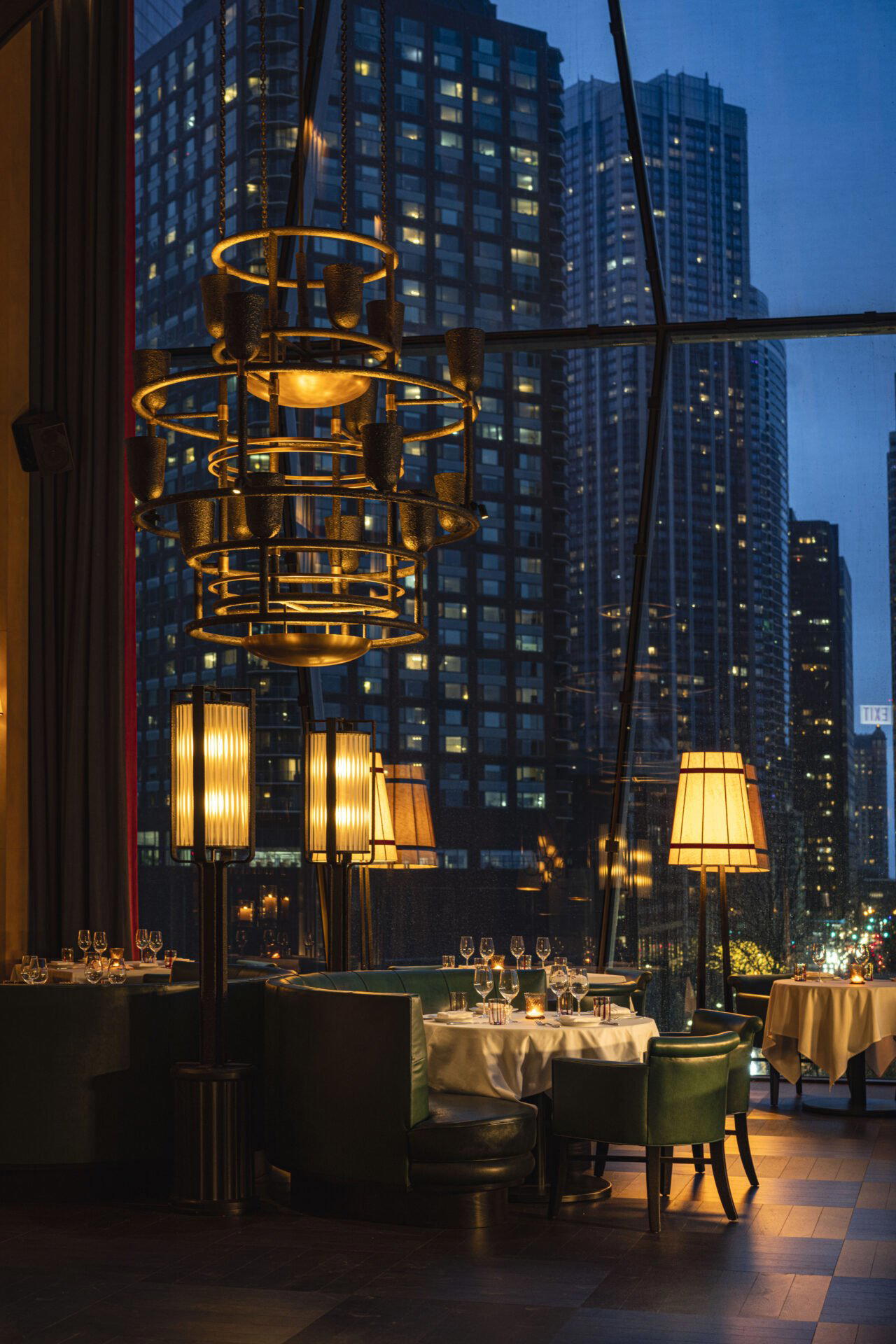
On the 70th floor of Lake Point Tower, Cite occupies one of Chicago's most dramatic dining positions, with unobstructed sightlines across Lake Michigan and the city skyline. The room frames a multi-course meal against an ever-changing horizon, making the view as much a part of the progression as the food itself. Few high-altitude restaurants in the Midwest match its combination of elevation and culinary ambition.
Pearl is the En Primeur Club membership app — saves, bookings, and concierge access live there. Same editors, same standards.
- Address
- Lake Point Tower, 505 N Lake Shore Dr 70th Floor, Chicago, IL 60611
- Phone
- +13126444050
- Directions
- Get directions
 Saves & bookings on Pearl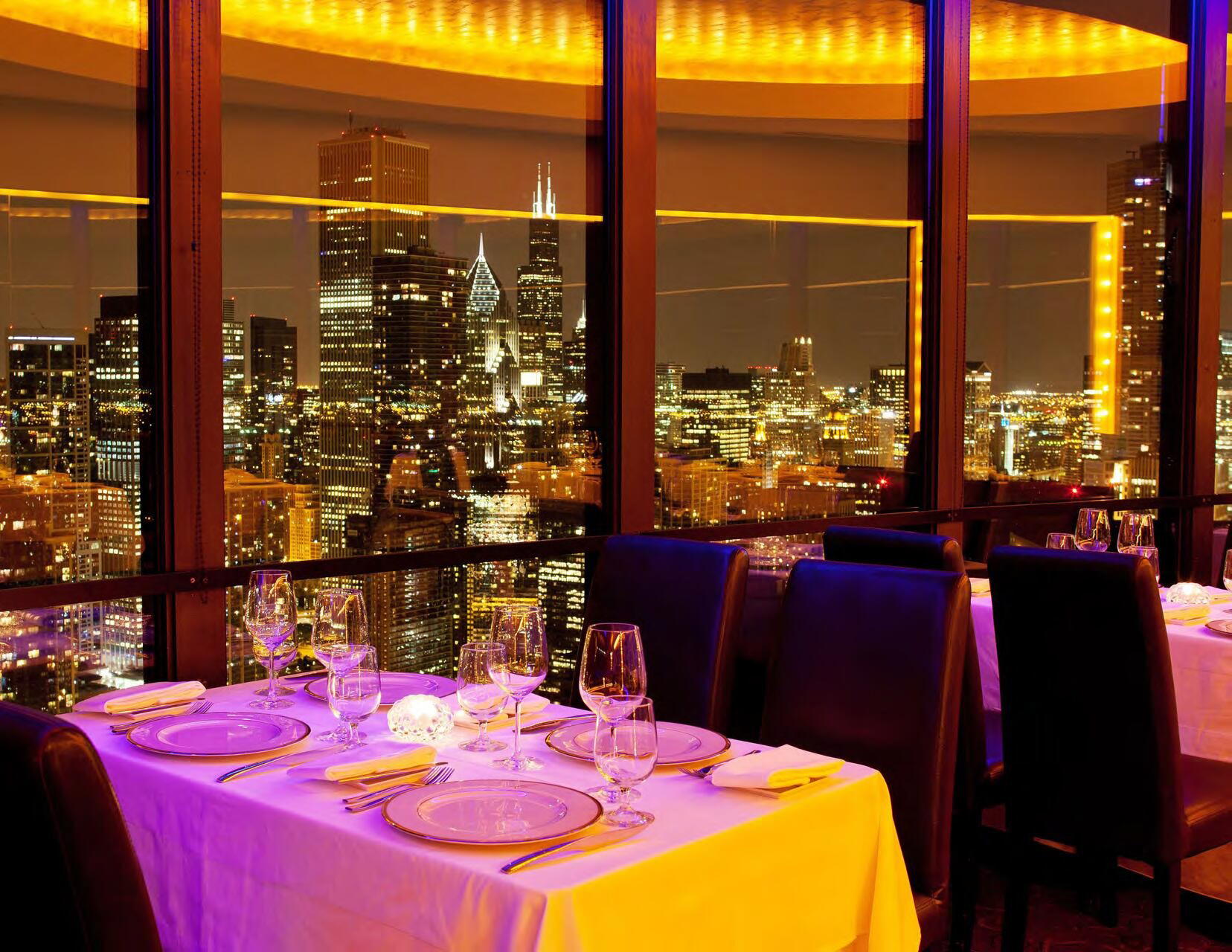
Seventy Floors Above the Shoreline
Chicago has produced particularly technically demanding restaurant experiences in the country, from the theatre of Alinea to the ingredient-driven precision of Smyth. But altitude, in both a literal and conceptual sense, remains a rarer variable. Cite sits on the 70th floor of Lake Point Tower at 505 N Lake Shore Drive in Chicago, a French-American fine dining restaurant with a smart casual dress code and recommended reservations. The lake fills the eastern windows without interruption. The skyline stacks to the west. Before a single course arrives, the room has already established the terms of the meal.
That physical context is not incidental. In a city where fine dining increasingly competes on narrative and concept, the elevation at Cite functions as the opening act of a tasting progression that unfolds with the light. Dinner service across a multi-course format means the sky shifts from deep afternoon gold through dusk and into the city's reflected nighttime glow across the water. Guests who time a reservation for early evening experience what amounts to a changing backdrop between courses, a detail that no kitchen can plate but that shapes the meal's rhythm as powerfully as any amuse-bouche.
The Arc of the Table
High-altitude dining in the United States occupies a peculiar bracket. At one end are the revolving-tower restaurants that lean entirely on spectacle, where cuisine takes a secondary role to the rotation. At the other are the few rooms that hold their own culinary ground while the view functions as context rather than compensation. Cite has historically positioned itself in the latter category, with a format structured around a proper multi-course meal rather than a simplified à la carte menu optimised for tourist throughput.
That structural choice matters. When a meal is built as a progression, each course carries weight relative to what came before and what follows. The cold, lighter preparations of an opening sequence read differently against a bright lake horizon than they would in a basement dining room. Richer, more structured middle courses coincide with the early stages of dusk. By the time a dessert course arrives, the room has transitioned into full nighttime mode, with the city's grid illuminated below and the lake a dark expanse beyond. That temporal arc, course by course against a shifting sky, is the particular grammar of dining at Cite.
This is a format that places it in conversation with rooms like The French Laundry in Napa or Single Thread Farm in Healdsburg in terms of sequenced intent, even if the execution and setting differ entirely. Where those rooms use landscape and agricultural proximity as the experiential frame, Cite uses verticality and urbanity. It is worth comparing it also to Le Bernardin in New York City, where the room itself is the argument for seriousness, or to Providence in Los Angeles, where the dining format anchors a neighbourhood fine-dining identity. Cite's anchor is the tower itself.
Chicago's Fine Dining Tier
Chicago's upper dining tier has consolidated significantly over the past decade. Restaurants like Oriole, Kasama, and Next Restaurant have each defined distinct niches within the city's premium food culture, competing on credentialing, format specificity, and booking scarcity. The city's dining press has tracked this stratification carefully, with Michelin's Chicago guide reflecting a tier of rooms that operate at a consistent international standard.
Within that context, a restaurant at Cite's elevation faces a specific editorial challenge: the view must not become the crutch. Chicago diners who have worked through the tasting menus at Alinea or sat at the counter at a high-end omakase have calibrated expectations that a skyline view alone will not satisfy. The rooms that hold prestige in this city do so because the food earns its place independent of the backdrop. That remains the operative standard against which Cite is measured by the local dining community.
For broader context across the American fine dining map, it is useful to note how rooms with strong environmental frames, like Blue Hill at Stone Barns in Tarrytown or Addison in San Diego, manage the relationship between setting and cuisine. In each case, the setting amplifies rather than substitutes. The same logic applies at altitude. When it works, a high-floor dining room turns the city itself into a collaborating element of the meal. When it does not, the view becomes an excuse.
Restaurants that sustain serious culinary reputations alongside notable physical settings, such as The Inn at Little Washington or Frasca Food and Wine in Boulder, demonstrate that environment and cuisine can reinforce each other over decades. Internationally, Atelier Moessmer Norbert Niederkofler in Brunico makes the Alpine environment inseparable from the tasting format. Cite belongs to that broader conversation about how a room's physical position shapes the meal's meaning.
Planning the Visit
Lake Point Tower's residential address means the arrival experience differs from a street-level restaurant. The building's lobby entrance and elevator access to the 70th floor are part of the approach. For those accustomed to Chicago's ground-level dining rooms, the shift in perspective upon stepping out of the elevator is a recalibration of scale.
| Venue | Format | Price Tier | Setting Type |
|---|---|---|---|
| Cite | Multi-course, refined dining | Premium | 70th floor, lakefront tower |
| Smyth | Tasting menu, $$$$ | $$$$ | West Loop, ground level |
| Alinea | Tasting menu, $$$$ | $$$$ | Lincoln Park, immersive interior |
| Next Restaurant | Ticketed tasting menu, $$$$ | $$$$ | Fulton Market, street level |
| Kasama | Tasting menu, $$$$ | $$$$ | Ukrainian Village, neighbourhood room |
For those cross-referencing against other American rooms that combine serious sequenced dining with a strong environmental frame, Lazy Bear in San Francisco, Emeril's in New Orleans, and Atomix in New York City each offer instructive comparisons in terms of format and price positioning.
Reputation Context
Comparable venues nearby, for context on price, style, and recognition.
| Venue | Cuisine | Price | Notes |
|---|---|---|---|
| CiteThis venue — the venue you are viewing | French-American Fine Dining | $$$$ | Not listed |
| goosefoot | Modern French Fine Dining | $$$$ | Lincoln Square |
| The Alston | French-Inspired Wood-Fired Steakhouse | $$$$ | Gold Coast |
| Omakase by Kanemaru | Traditional Japanese Omakase | $$$$ | River North |
| Chicago Chop House | Classic USDA Prime Steakhouse | $$$$ | River North |
| Nisos Prime | Mediterranean Steakhouse | $$$$ | West Loop |
At a Glance
- Romantic
- Elegant
- Scenic
- Sophisticated
- Intimate
- Date Night
- Celebration
- Business Dinner
- Special Occasion
- Private Event
- Group Dining
- Panoramic View
- Design Destination
- Standalone
- Craft Cocktails
- Beer Program
- Waterfront
- Skyline
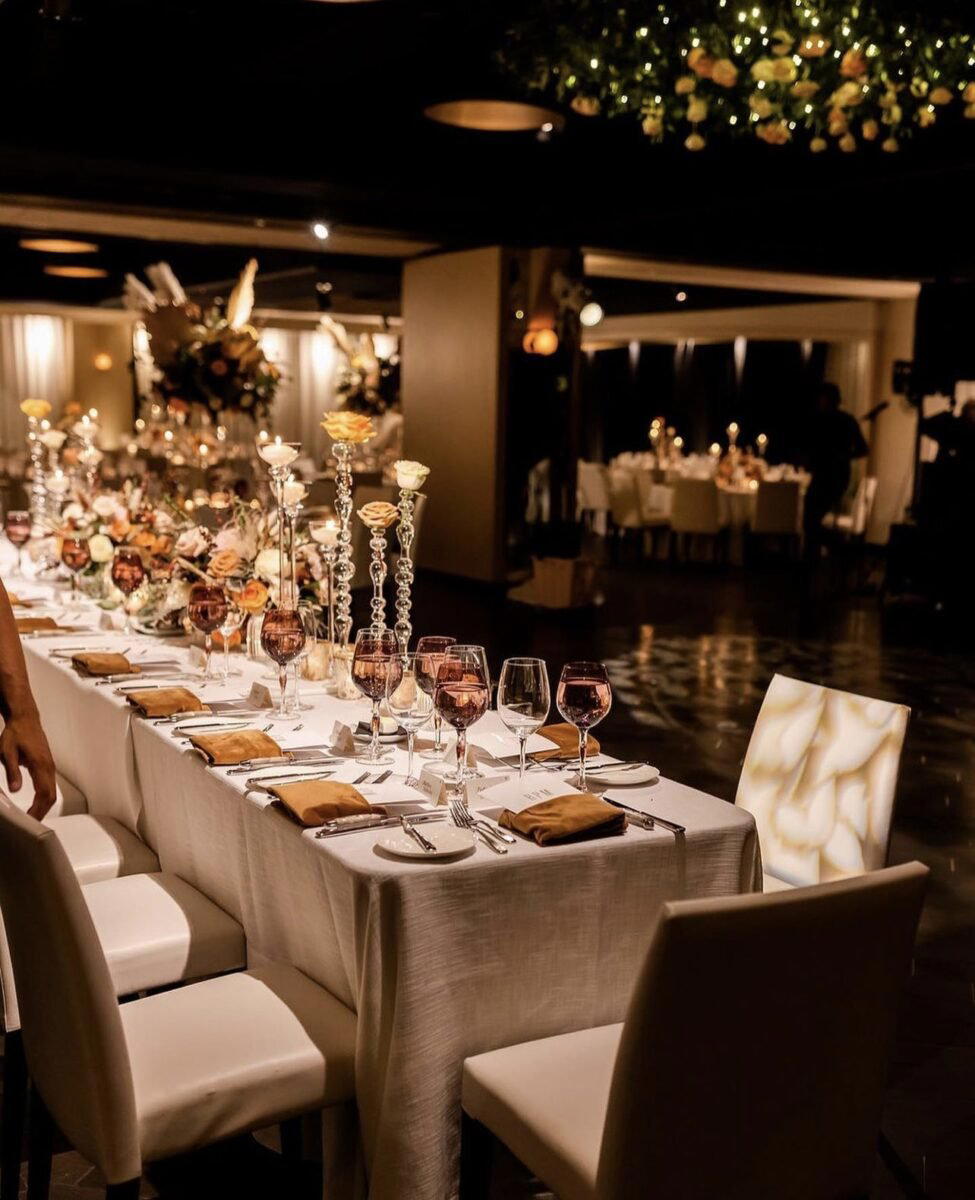
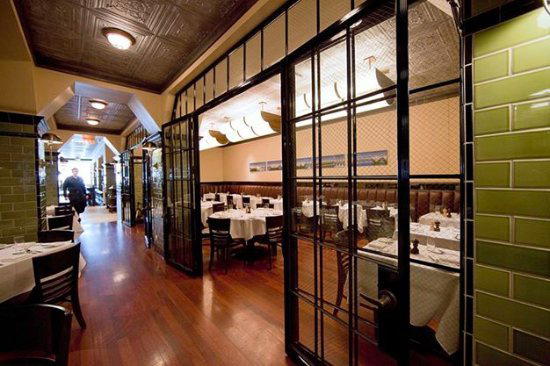
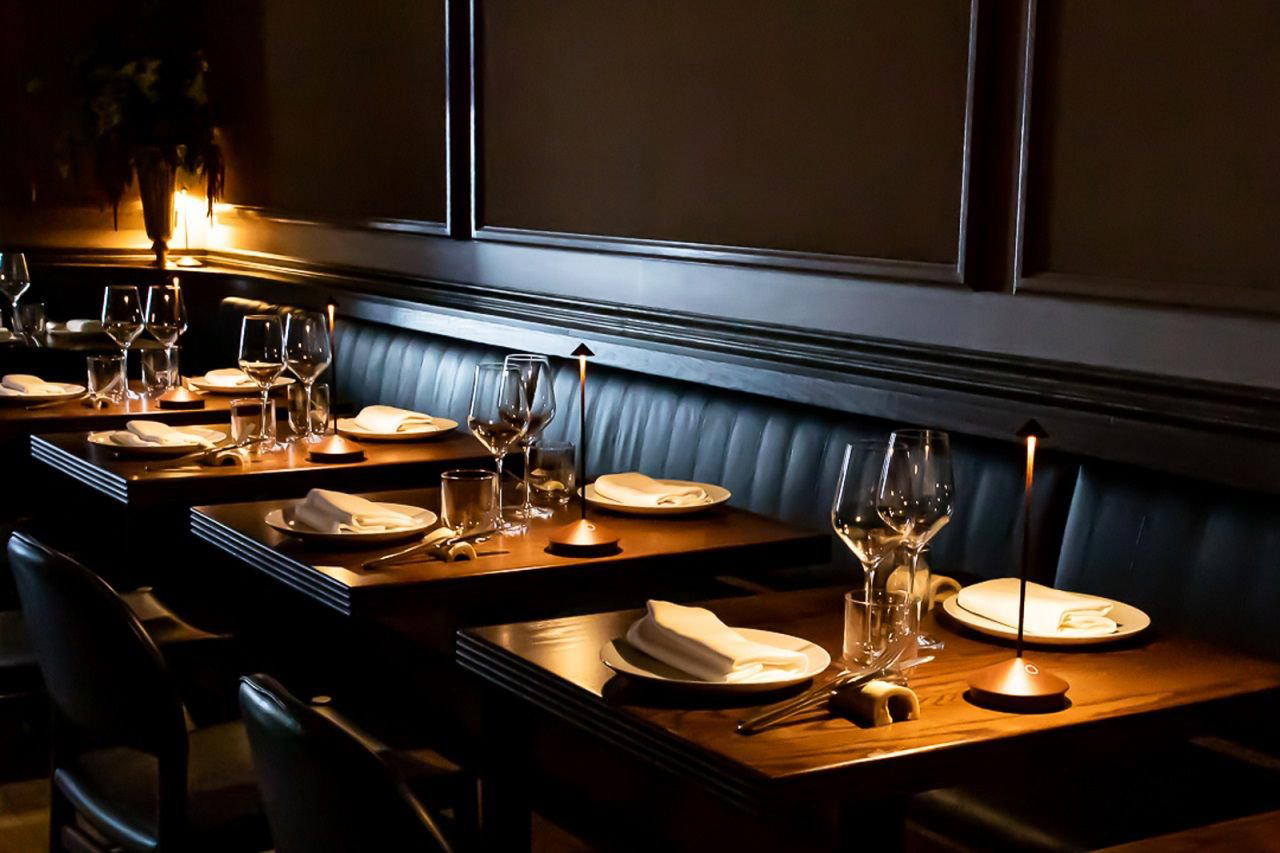
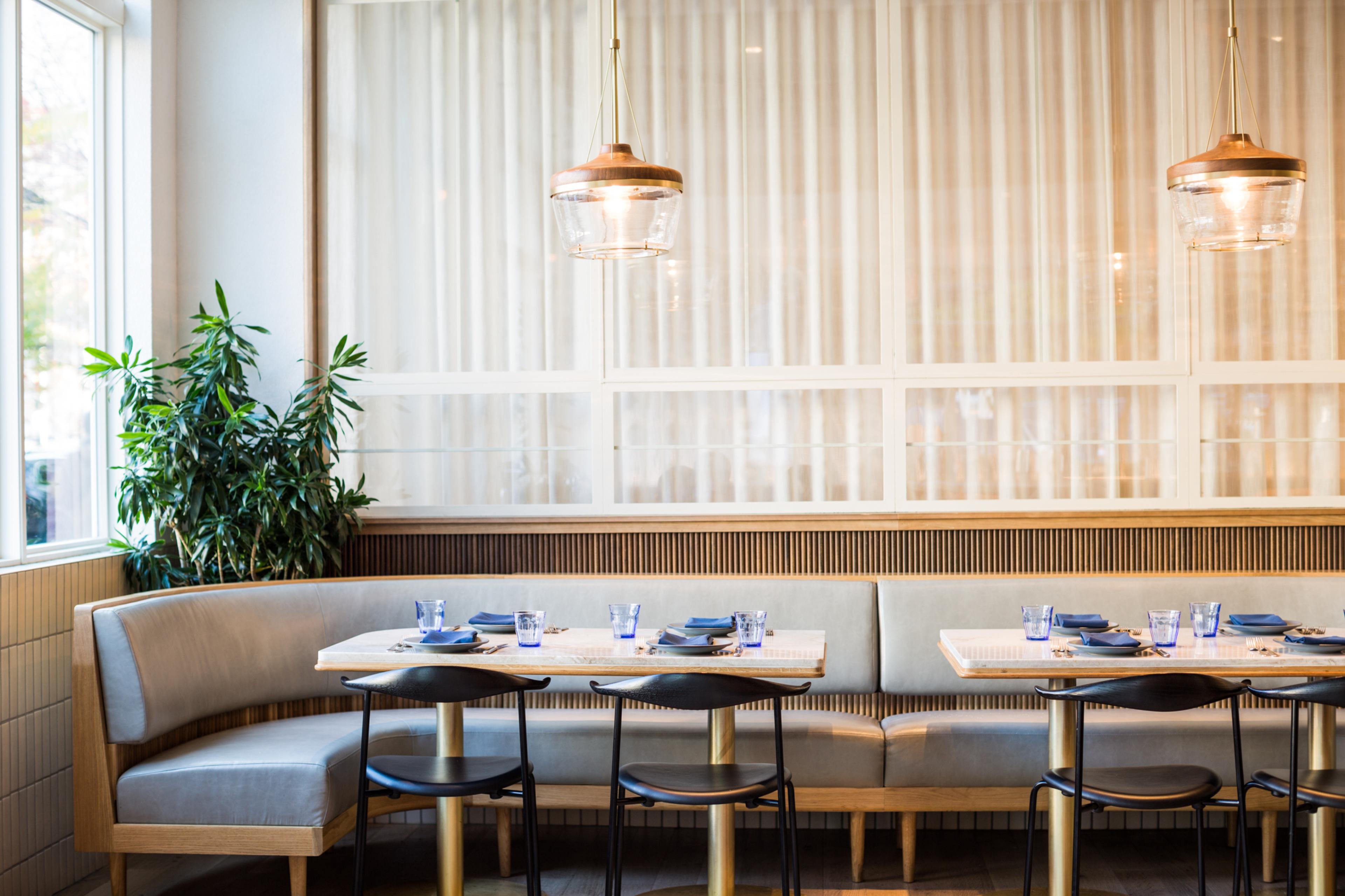
An elegant, romantic, upscale fine-dining room with dramatic 360-degree skyline and lakefront views from the 70th floor; mirror-lined booths and refined décor are highlighted in reviews and venue descriptions.