
Tabelog 100 #45
Our verdict
A compact French dining room in Sapporo’s Maruyama side of Chuo Ward, La Sante belongs to the city’s quieter category of reservation-only, wine-minded restaurants rather than its ramen-and-seafood shorthand. Tabelog selected it for French EAST “Tabelog 100” in 2021, 2023, and 2025, which places it in a serious regional conversation without pushing it into ceremony for ceremony’s sake.

Pearl is the En Primeur Club membership app, where members save venues, book tables and use the concierge.
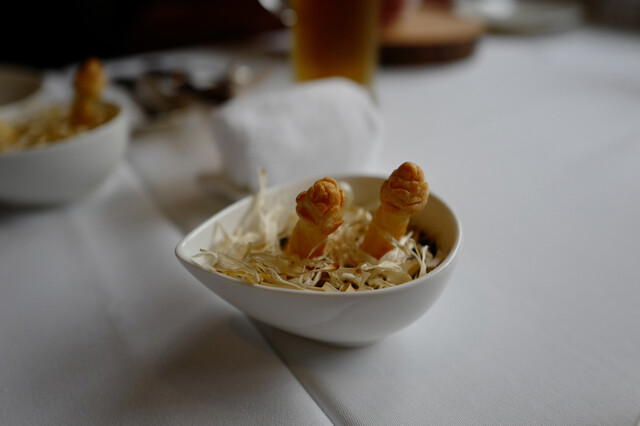
The menu
What to order
- Milk-fed lamb with white asparagus
- Homemade pâté de campagne
- Hokkaido lamb specialties
Approaching Sapporo with dinner plans in mind, the city’s restaurant mood changes. The station-front appetite for noodles, curry, and late-night counters gives way to smaller rooms and dining rooms that ask for planning rather than impulse. In that setting, La Sante reads less as a grand French address than as part of Sapporo’s mature middle tier: compact in spirit, measured, and built for diners who want French technique without the stiffness that can follow it.
Sapporo is often reduced, outside Hokkaido, to crab, miso ramen, soup curry, dairy, and beer. That shorthand misses the city’s quieter French tradition, which benefits from Hokkaido’s produce, seafood, and cool-climate sensibility. The value proposition here is not spectacle. It is the chance to eat French in a region where ingredient quality can carry a dining room, and where the listed budget sits below the extreme end of Japan’s urban fine-dining market.
French dining in Sapporo works differently from Tokyo's trophy counters
Japan’s French restaurants split into several lanes: Tokyo’s international luxury rooms, Kyoto’s kappo-adjacent Franco-Japanese hybrids, and regional houses that translate local supply into classic technique. Sapporo’s serious French rooms usually belong to the third group. They are judged less by imported glamour than by how clearly they make Hokkaido feel like an advantage.
La Sante’s 2025 selection in Tabelog’s Hyakumeiten listings matters because it signals recognition in a category where regional restaurants can be overlooked by inbound travelers chasing sushi counters and ramen names. Tabelog’s score of 3.73 also places it in the zone where local repeat business and specialist attention intersect, rather than the algorithmic noise of casual popularity.
The restaurant’s public profile points to a format where the meal depends on pacing and attention more than volume. In Sapporo, that is a useful distinction: the city has plenty of places for quick satisfaction, from noodle counters to curry specialists and other casual dining rooms. French at this level asks for a different evening: slower, more structured, and more dependent on the rhythm of the table.
The value is in restraint, not scale
The restaurant’s listed budget, Dinner: JPY 10,000 - JPY 14,999 and Lunch: JPY 6,000 - JPY 7,999, positions it below the high-luxury tasting rooms of larger Japanese cities while remaining firmly in special-occasion territory for Sapporo. That gap is the point. Diners are not paying for a famous chef biography, a large brigade, or an international award apparatus. The evidence instead sits in format signals: a focused French category, measured scale, and Tabelog recognition.
That combination suits travelers who already understand Sapporo’s casual food culture and want a more composed counterpoint. A day built around markets, ramen, or soup curry can become one-note; a French dinner gives the itinerary shape. It also clarifies how Hokkaido’s dining identity has matured. The region’s agricultural reputation does not only feed farm restaurants and seafood counters. It also supports European technique when the kitchen lets the ingredients do the work.
Comparison inside Sapporo is useful, but it should be narrow. Sushi Miyakawa belongs to a different luxury logic, where the counter, seafood sourcing, and reservation culture define the spend. RED CHILI and China Soba Chiu operate in far more casual price bands. コートドール sits closer in French-category intent, though the appeal of La Sante is its compact, house-restaurant scale and steady rhythm. For a visitor deciding where to allocate one formal meal, the question is not which restaurant is grander; it is whether French technique adds more to the trip than another seafood or noodle address.
Its place in Sapporo also fits a broader pattern in the city’s dining: serious rooms often ask diners to choose deliberately rather than drift in casually. That geography and mindset change the audience. Restaurants outside the most obvious tourist flow rely less on walk-in energy and more on diners who have made a decision in advance. It is a quieter model, but often a better one for meals where pacing and conversation matter.
How to place it in a Sapporo itinerary
La Sante makes the strongest case for travelers who have already budgeted time for Sapporo’s casual signatures and want one meal with structure. It is not the address to choose for speed, novelty, or a checklist approach to Hokkaido. It is better understood as the city’s French argument for value: a focused room, a recognized regional standing, and a level of formality that remains measured.
For broader planning, use Our full Sapporo restaurants guide to balance formal meals with ramen, curry, sushi, and bakery stops. Travelers building a wider city stay can pair dining research with Our full Sapporo hotels guide, Our full Sapporo bars guide, Our full Sapporo wineries guide, and Our full Sapporo experiences guide.
Readers comparing Japanese dining beyond Hokkaido can also look at how category and city context shift the experience across other dining rooms in Japan and abroad. The point is not to rank unlike places, but to read each city through the formats it rewards.
Frequently asked questions
What are La Sante's hours?
Current hours for La Sante should be confirmed directly with the restaurant before visiting.
What's the price range at La Sante?
Pricing at La Sante is listed as Dinner: JPY 10,000 - JPY 14,999; Lunch: JPY 6,000 - JPY 7,999.
Where is La Sante located?
Sapporo.
What is La Sante known for?
La Sante is known for French dining in Sapporo and its 2025 Tabelog Hyakumeiten recognition.
A Credentials Check
Comparable venues by category and price.
| Venue | Cuisine | Price | Awards | Notes |
|---|---|---|---|---|
| La SanteThis venue (the venue you are viewing) | Seasonal French using Hokkaido ingredients | $100–150 | Tabelog 100 #45 | Not listed |
| Susukino Niku Seafood Robata Shinshin | Japanese Robatayaki Izakaya | $100–150 | Tabelog 100 #64 | Chūō |
| Kin Zushi | Traditional Sapporo Sushi Counter | $50–100 | Tabelog 100 #12 | Chūō |
| オーベルジュ・ド・リル・サッポロ | Fine French and Alsatian Cuisine | Not listed | Tabelog 100 #63 | Chūō |
| Michikusa Bazaar | Spice-driven Indian-inspired cuisine & natural wine | $50–100 | Tabelog 100 #40 | Chūō |
| ル・ジャンティオム | Classic French Fine Dining | $100–150 | Not listed | Chūō |
Recognition history
Dated appearances from independent guides and award organizations, with the underlying list record or original source where available.
Tabelog 100 #45 · No. 45
Tabelog · Tabelog 100 - French - EAST - 2025
Continue exploring
More in Sapporo
Restaurants in Sapporo
All restaurants in Sapporo →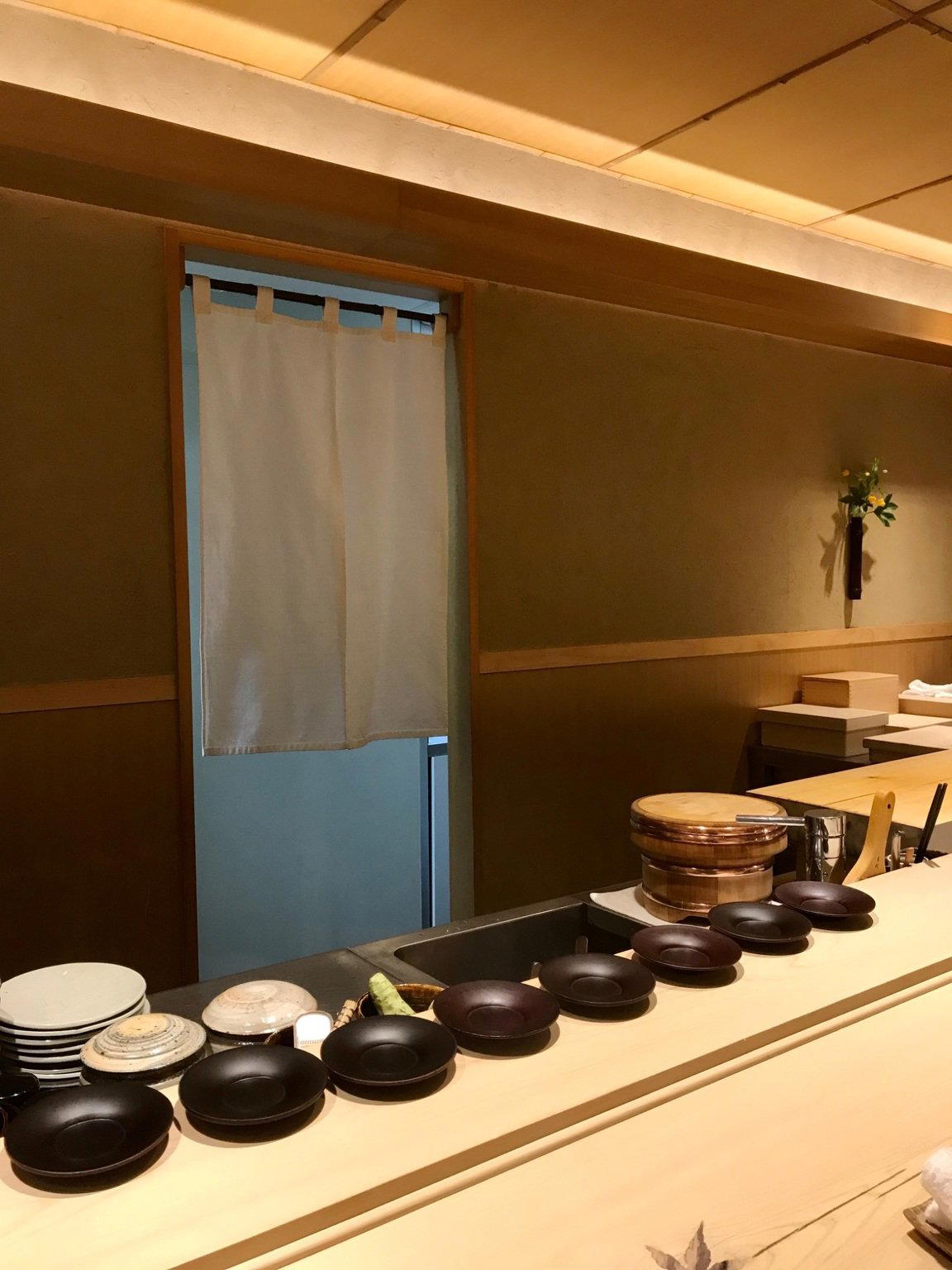
Bars in Sapporo
All bars in Sapporo →
Details
- Romantic
- Elegant
- Cozy
- Quiet
- Sophisticated
- Date Night
- Special Occasion
- Business Dinner
- Celebration
- Group Dining
- Standalone
- Design Destination
- Private Dining
- Extensive Wine List
- Sommelier Led
- Local Sourcing
- Farm To Table
- Sustainable Seafood
- Tasting Menu
- A La Carte
- Set Menu
- Wine
- Sake
- Allergy Accommodating
Current opening hours
- Monday
- 6–8 PM
- Tuesday
- 6–8 PM
- Wednesday
- Closed
- Thursday
- Closed
- Friday
- 6–8 PM
- Saturday
- 6–8 PM
- Sunday
- 12–2:30 PM
Hours can change for holidays and private events. Hours as of .
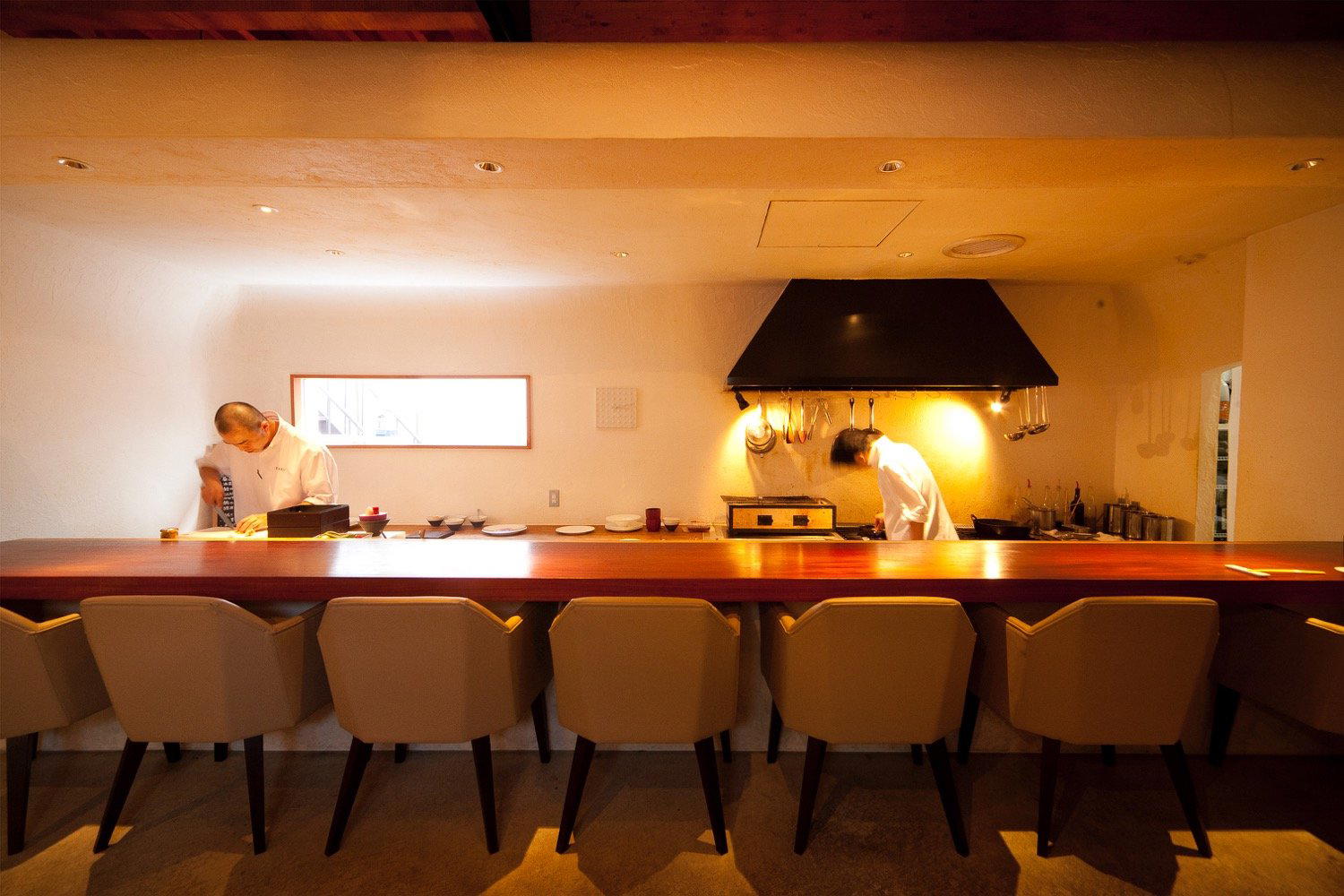
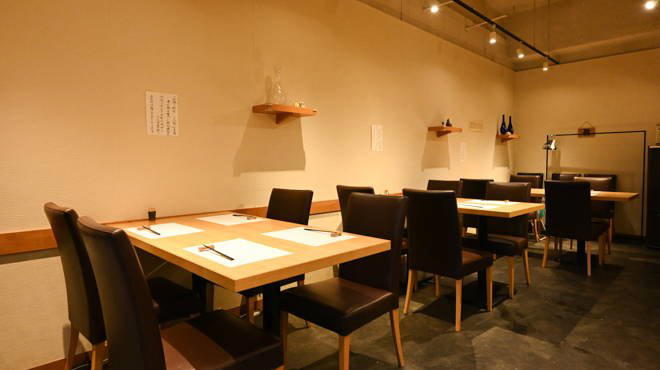
An intimate, quietly elegant dining room in a converted house, with warm lighting and a relaxed, unhurried atmosphere that emphasizes personal service and the ritual of a multi-course French meal.