
Tabelog 100 #64
Our verdict
Susukino’s robata and izakaya culture rewards smoke, seafood, and late-evening appetite rather than formality. Susukino Niku Seafood Robata Shinshin sits in that register: a 38-seat seafood-and-robata izakaya selected for Tabelog 100 Izakaya EAST 2025, with a room built for counter proximity and drinking.

Pearl is the En Primeur Club membership app, where members save venues, book tables and use the concierge.
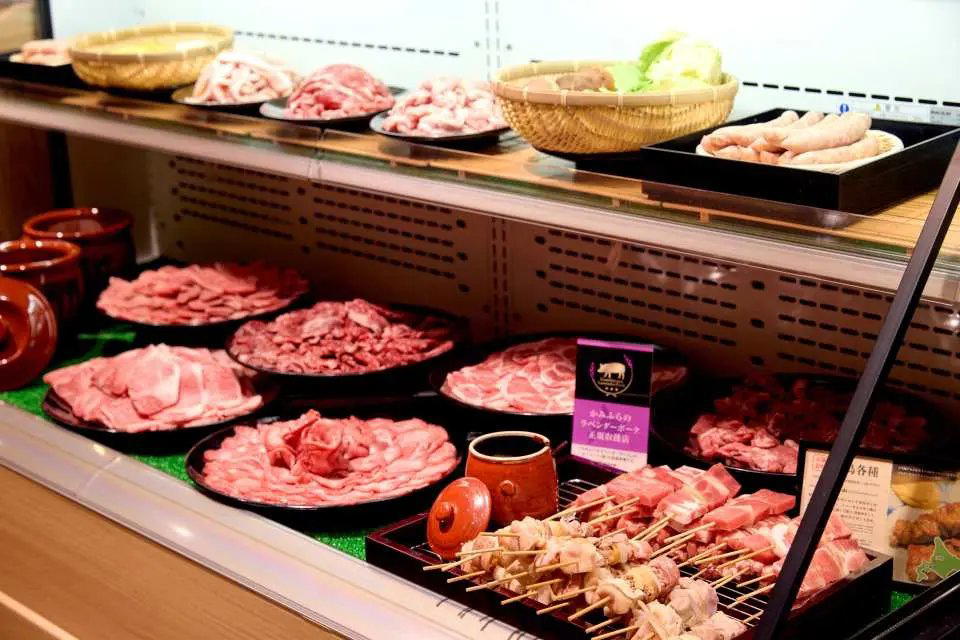
The menu
What to order
- Fresh sashimi
- Oysters sourced from Hokkaido
- Seasonal seafood
- Japanese black beef
Sapporo after dark is not subtle. Neon spills across wet pavement, taxi doors open and close in quick succession, and the city’s serious eating often happens behind modest entrances rather than grand dining-room thresholds. In that setting, robata makes particular sense: fire close enough to hear, seafood treated as the central argument, and drinks moving at the rhythm of a northern city built for long winters and late nights.
That is the context for Susukino Niku Seafood Robata Shinshin, a seafood, izakaya, and robatayaki restaurant in Sapporo. The draw is not the hushed ceremony of counter sushi or the scripted pacing of kappo. It belongs to a more tactile Sapporo tradition: grilled food, fish-led ordering, drinks beside the table, and a room where smoke and conversation can carry as much meaning as plate composition. Recognition in Tabelog’s Hyakumeiten 2025 places it among the more closely watched izakaya addresses, which matters in a city where casual-looking rooms can be technically ambitious.
Robata in Sapporo is about heat, proximity, and Hokkaido produce
Sapporo’s dining identity has several lanes. Ramen and soup curry dominate quick visitor itineraries; seafood markets sell the city through crab and uni; yakiniku and Genghis Khan speak to Hokkaido’s meat culture. Robata sits between those categories. It is less formal than sushi, more ingredient-driven than a drinking snack bar, and more atmospheric than a standard grill. The value lies in watching heat do visible work: fish, shellfish, meat, and vegetables moving from raw product to charred surface under a cook’s timing rather than a long written manifesto.
The restaurant’s own category mix, izakaya, seafood, and robatayaki, is revealing. It tells diners to expect a drinking restaurant with serious food, not a tasting-menu room wearing casual clothes. Fish is the stated emphasis, while the format leaves room for a flexible evening rather than a single narrow script. That breadth is common in contemporary premium izakaya, where the old binary of beer-and-skewers versus formal dining has softened. In Sapporo, where access to cold-water seafood is part of the city’s advantage, the format works when the grill supports the product rather than burying it.
Against other Sapporo premium choices, the positioning is clear. NIKUSYO taku ohira and Yakiniku Horumon Fudo. sit in a meat-driven bracket, while Hokkaido Yakiniku Kita Ushi pushes into another spend category. 〇鮨 and 天ぷら あら木 represent more specialized Japanese formats. Susukino Niku Seafood Robata Shinshin occupies the middle ground: less ceremonial than sushi or tempura, less singularly meat-focused than yakiniku, and better suited to diners who want the city’s seafood culture with the volume turned up.
A polished izakaya room, not a quiet temple
The room matters because izakaya atmosphere changes quickly with scale. Susukino Niku Seafood Robata Shinshin reads as a social Sapporo dining choice rather than a sealed-off banquet setting. The robata format benefits from proximity: diners are meant to feel the pull of the grill, the pace of ordering, and the way a table can build its own rhythm over the course of the night. It is the kind of address to choose when the evening is about shared energy as much as individual plates.
Practical expectations are important for international diners. This is an izakaya and robatayaki restaurant, so the experience should be understood through that frame: grilled food, seafood, conversation, and a livelier register than a formal Japanese counter. Guests who want a quiet, highly choreographed progression may be happier in a more specialized room. Guests who want a Sapporo night built around seafood and fire will understand the appeal more quickly.
The Tabelog Hyakumeiten 2025 recognition is useful context rather than decoration. In a mature izakaya scene, that kind of notice suggests the format is landing with diners who understand the difference between a general drinking room and a kitchen organized around product and grill work. The Tabelog score of 3.63 adds another signal: not mass-market popularity alone, but enough critical gravity to register in a competitive Hokkaido field.
How to fit it into a Sapporo eating itinerary
For a first Sapporo trip, this is not the replacement for ramen, soup curry, sushi, or jingisukan; it is the bridge between them. Use it on the night when the plan calls for seafood and a drink-led room rather than a formal progression. The better comparison is not a white-tablecloth restaurant but the category of premium izakaya where ordering can move between grilled seafood, meat, and seasonal produce without forcing a single cuisine lane.
Travelers building a broader Sapporo map can set this against other casual or specialized dining rooms across the city. The point is not to make every meal formal, but to understand where each format sits: quick bowls and curries for daytime momentum, sushi or tempura for focused Japanese craft, yakiniku for meat-led evenings, and robata for the moment when seafood, fire, and drinks should share the center of the table. Susukino Niku Seafood Robata Shinshin is strongest in that last lane.
The wider trip infrastructure matters too. A Sapporo hotel plan helps anchor the stay around the city; a bar plan is useful after a robata dinner; wineries, markets, and other experiences fill out the city beyond the table. Diners comparing Japanese formats across regions can keep the same logic in mind: choose the format first, then the room. In Sapporo, this restaurant’s role is clear enough to make it a useful anchor for a polished izakaya night.
Choose Susukino Niku Seafood Robata Shinshin for a polished, smoke-forward izakaya night rather than a quiet chef-counter performance. Its appeal is the combination of seafood emphasis, robata format, Sapporo energy, and Tabelog Hyakumeiten 2025 recognition, with the listed dinner budget of JPY 8,000 - JPY 9,999 giving the room more weight than a casual tavern label might suggest.
Frequently asked questions
Can I bring kids to Susukino Niku Seafood Robata Shinshin?
Confirm directly with the restaurant before bringing children. Susukino Niku Seafood Robata Shinshin is an izakaya and robatayaki restaurant in Sapporo, so the fit will depend on the group and the timing of the visit.
How would you describe the vibe at Susukino Niku Seafood Robata Shinshin?
It is a robatayaki izakaya in Sapporo, with seafood and grill work at the center of the experience. The Tabelog Hyakumeiten 2025 recognition points to a lively, food-focused address rather than a quiet formal dining room.
What does dinner at Susukino Niku Seafood Robata Shinshin typically cost?
Pricing at Susukino Niku Seafood Robata Shinshin is listed as JPY 8,000 - JPY 9,999.
What is Susukino Niku Seafood Robata Shinshin known for?
Susukino Niku Seafood Robata Shinshin is known as a Sapporo izakaya, seafood, and robatayaki restaurant with Tabelog Hyakumeiten 2025 recognition and a Tabelog score of 3.63.
In Context: Similar Options
Comparable venues at a glance for context.
| Venue | Cuisine | Price | Awards | Notes |
|---|---|---|---|---|
| Susukino Niku Seafood Robata ShinshinThis venue (the venue you are viewing) | Japanese Robatayaki Izakaya | $100–150 | Tabelog 100 #64 | Not listed |
| 鮨菜 和喜智 | Traditional Hokkaido Omakase | $200–300 | Tabelog Bronze #432 | Chūō |
| 〇鮨 | Hokkaido Sushi Omakase | $100–150 | Tabelog 100 #20 | Chūō |
| 霜止出苗 | Innovative Hokkaido Fusion | $300–500 | Tabelog Bronze #401 | Chūō |
| SOUL STORE | Sapporo soup curry house | $10–20 | Tabelog 100 #63 | Chūō |
| Yoshoku Konoyoshi Kiyotaku kitano ten | Japanese Yoshoku | Not listed | Tabelog 100 #23 | Kiyota |
Recognition history
Dated appearances from independent guides and award organizations, with the underlying list record or original source where available.
Tabelog 100 #64 · No. 64
Tabelog · Tabelog 100 - Izakaya - EAST - 2025
Continue exploring
More in Sapporo
Restaurants in Sapporo
All restaurants in Sapporo →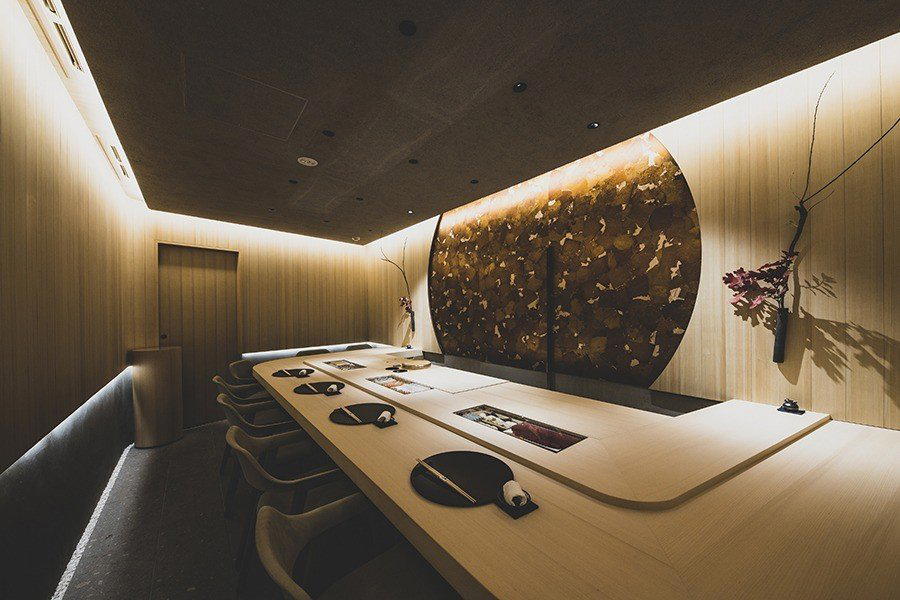
Bars in Sapporo
All bars in Sapporo →
Details
- Cozy
- Rustic
- Lively
- Group Dining
- Casual Hangout
- After Work
- Celebration
- Standalone
- Open Kitchen
- Beer Program
- Sake Program
- Local Sourcing
- Sustainable Seafood
- Street Scene
- A La Carte
- Set Menu
- Sake
- Beer
- Pescatarian Friendly
Current opening hours
- Monday
- 6 PM–12 AM
- Tuesday
- 6 PM–12 AM
- Wednesday
- 6 PM–12 AM
- Thursday
- 6 PM–12 AM
- Friday
- 6 PM–12 AM
- Saturday
- 6 PM–12 AM
- Sunday
- Closed
Hours can change for holidays and private events. Hours as of .
A polished yet relaxed robata setting that emphasizes seasonal ingredients, skilled grilling, and a refined Hokkaido dining atmosphere.