
Tabelog 100 #40
Our verdict
Michikusa Bazaar places Sapporo’s Indian and broader Asian-ethnic dining in a more deliberate register than the city’s casual curry shops. Recognition in Tabelog’s Asian cuisine / Ethnic cuisine EAST “Tabelog 100” for 2023 and 2024 gives it a clear trust signal, while the small-room format makes planning part of the experience rather than an afterthought.

Pearl is the En Primeur Club membership app, where members save venues, book tables and use the concierge.
The menu
What to order
- Tandoor-grilled meat and seafood
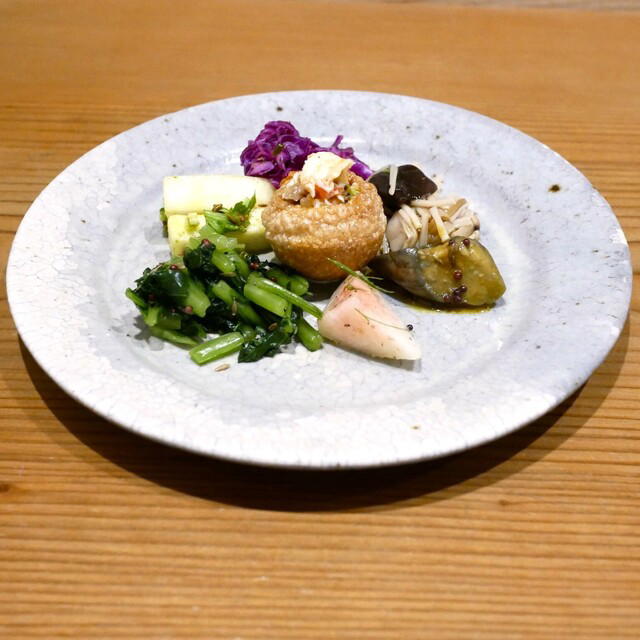
- Spice-infused vegetable small plates
- House curry
- Tandoor-grilled seasonal vegetables with chutneys
Approaching Michikusa Bazaar in Sapporo changes the tempo before the meal begins. The city’s dining reputation is often built around seafood, ramen, soup curry and izakaya warmth, but an Indian, Asian and ethnic restaurant in Sapporo asks for a different kind of attention: less turn-and-burn, more fixed intention. Michikusa Bazaar belongs to that quieter category, where the decision to book it as dinner is not administrative noise but part of the plan. Diners who arrive expecting the looseness of an everyday curry counter may read the room incorrectly.
Sapporo has a deep curry culture, yet much of it is casual, accessible and lunch-friendly. The interesting contrast here is not between Japanese and Indian food in some broad cultural sense; it is between formats. A place such as [Curry Senmon Ten] Maruyama Kyoju. sits in a more everyday curry lane, while other Sapporo dining rooms point to the city’s broader spice-led lineage. Michikusa Bazaar occupies a narrower lane: Indian, Asian and ethnic categories, but with the signals of a planned dinner rather than a spontaneous bowl.
A Sapporo restaurant that treats Indian and Asian-ethnic cooking as dinner-format dining
The restaurant’s Tabelog Hyakumeiten recognition in 2024 matters because it places Sapporo inside a competitive field, not only a local curry conversation. Tabelog recognition is not the same as a Michelin star, and it should not be read that way. Its usefulness is comparative: it tells the diner that this is being judged within a category where regional specialists, spice-led kitchens and non-Japanese dining rooms compete for attention.
That distinction helps explain the appeal. Sapporo’s premium dining often skews toward sushi, kappo, French-influenced kitchens and ingredient-led Japanese cooking; Oryori Fujita and Ni no Kura, for example, answer a different dining question. Michikusa Bazaar is compelling because it does not need to imitate that hierarchy. It gives spice-led food a more intentional evening frame, which is still a slimmer category in the city than seafood or ramen.
For travellers, this is where the decision becomes interesting. A short Sapporo stay can easily fill with miso ramen, jingisukan, seafood and soup curry. Choosing an Indian and Asian-ethnic dinner instead is not a substitute for those signatures; it is a way to see how the city absorbs non-Japanese cooking into its own dining culture. That is a more useful lens than treating the restaurant as a novelty.
The reservation filter is part of the editorial signal
Restaurants that sit in a dinner-price bracket often reward planning, especially when travellers are trying to fit several high-demand meals into a short Sapporo stay. The useful signal here is not only what category the restaurant belongs to, but how deliberately it should be placed in the evening. In Sapporo, where many visitors build meals around weather, ski itineraries or late-night drinking, this kind of dinner is better fixed earlier in the schedule.
That planning also separates it from casual curry addresses. A diner looking for a quick spice fix may be better served by the city’s more open, lower-priced curry counters. A diner interested in where Sapporo’s Asian-ethnic category becomes more curated will understand why the reservation step can be meaningful. The point is not exclusivity for its own sake; the point is that a more deliberate dinner works best when the meal is treated as a commitment rather than a fallback.
This is also why allergy communication carries more weight here than at a looser last-minute stop. Spice-led cooking can involve layered bases, oils, nuts, dairy, legumes and aromatics that may be difficult to remove at the last moment. Diners with dislikes or allergies should treat disclosure as part of the booking process, not as a tableside correction. That approach is less romantic than improvisation, but it is often the more respectful way to handle a focused meal.
How to place it within a Sapporo itinerary
Michikusa Bazaar makes the strongest sense as a planned dinner on a trip that already includes Sapporo’s obvious food anchors. Pairing it with a ramen stop, a bakery-led detour, and one of the city’s curry specialists gives a better reading of Hokkaido’s capital than chasing only luxury counters. The value is in contrast: casual heat, bread culture, spice tradition and dinner discipline.
Travellers building a wider Japan route should resist flattening every city into the same restaurant checklist. Sapporo’s appeal is partly its distance from Tokyo’s density and Kyoto’s ceremony. For comparison across Japan and beyond, EP Club’s restaurant archive ranges across many styles, cities and formats. Those comparisons are less about similarity than range: the serious traveller benefits from reading each venue through its local dining habits.
In Sapporo specifically, the broader planning grid matters. Use Our full Sapporo restaurants guide to balance high-demand dinners with casual meals, then anchor the rest of the trip through Our full Sapporo hotels guide, Our full Sapporo bars guide, Our full Sapporo wineries guide and Our full Sapporo experiences guide. Michikusa Bazaar is the kind of table to schedule before the trip hardens around weather, transport and late dinners elsewhere.
Frequently asked questions
What's the address for Michikusa Bazaar?
Sapporo.
How much does it cost to eat at Michikusa Bazaar?
Pricing at Michikusa Bazaar is listed as JPY 8,000 - JPY 9,999 for dinner.
Should I book Michikusa Bazaar in advance?
Yes. Michikusa Bazaar is best treated as a planned Sapporo dinner, especially for travellers building an itinerary around high-demand meals and fixed evening plans.
What's the standout thing about Michikusa Bazaar?
Its Tabelog Hyakumeiten recognition in 2024 is the clearest marker. The format is part of the appeal too: an Indian, Asian and ethnic restaurant in Sapporo that reads as a planned dinner rather than a casual curry stop.
Is Michikusa Bazaar allergy-friendly?
Guests with allergies or disliked ingredients should communicate them in advance. That is especially important for spice-led cooking, where bases, oils, dairy, legumes, nuts and aromatics may be difficult to adjust at the last moment.
Cuisine Context
Comparable venues at the same tier for side-by-side context.
| Venue | Cuisine | Price | Awards | Notes |
|---|---|---|---|---|
| Michikusa BazaarThis venue (the venue you are viewing) | Spice-driven Indian-inspired cuisine & natural wine | $50–100 | Tabelog 100 #40 | Not listed |
| Indian Restaurant Ram | Indian & Nepalese Curry House | $10–20 | Tabelog 100 #5 | Kita |
| Tenjiku Sapporo kiyota honten | South Indian Soup Curry | $10–20 | Tabelog 100 #62 | Kiyota |
| タテオカ タケシ | One Michelin-Star French with Hokkaido Seasonal Tempura | Not listed | Not listed | Chūō |
| ゴーシェ | French Wild Game Bistro | $50–100 | Tabelog 100 #81 | Chūō |
| Teppanyaki Urushi | Hokkaido Wagyu & Seafood Teppanyaki | $50–100 | Tabelog 100 #72 | Chūō |
Recognition history
Dated appearances from independent guides and award organizations, with the underlying list record or original source where available.
Tabelog 100 #40 · No. 40
Tabelog · Tabelog 100 - Asian cuisine / Ethnic cuisine - EAST - 2024
Continue exploring
More in Sapporo
Restaurants in Sapporo
All restaurants in Sapporo →![[Curry Senmon Ten] Maruyama Kyoju. restaurant in Sapporo](https://cdn.enprimeurclub.com/storage/v1/object/public/images/rehost/ccd9bb9e-2fd2-483e-85fa-c573b12dbc08/hero1.jpg?width=3840&quality=75)
Bars in Sapporo
All bars in Sapporo →


Details
- Cozy
- Romantic
- Intimate
- Modern
- Date Night
- Special Occasion
- Solo
- After Work
- Standalone
- Design Destination
- Open Kitchen
- Natural Wine
- Local Sourcing
- A La Carte
- Set Menu
- Natural Wine
- Beer
- Vegetarian Friendly
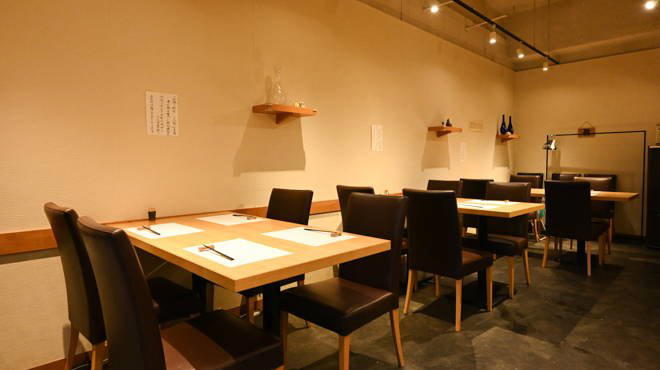
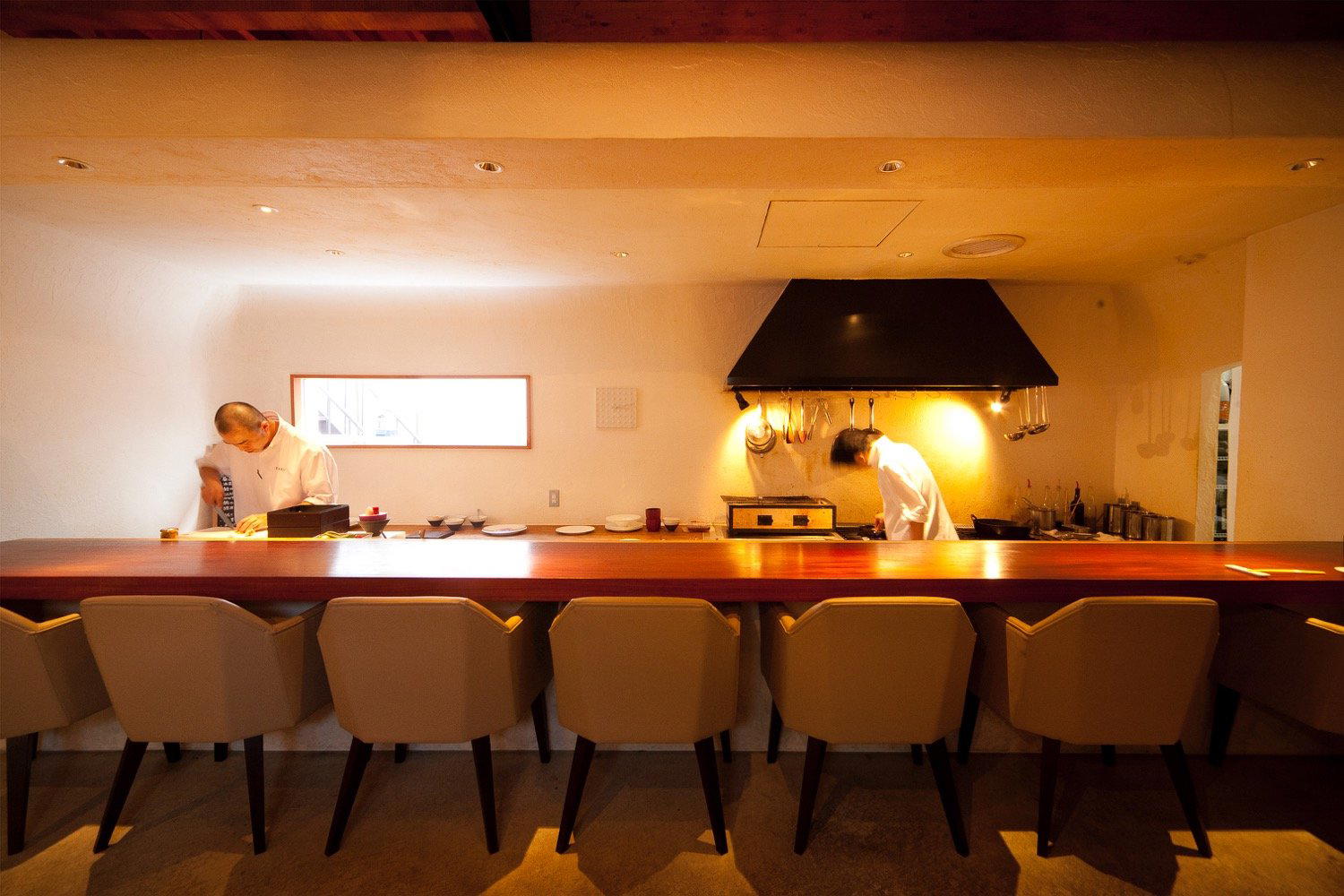
Set in a renovated house on a back alley, the restaurant has a warm, dimly lit and intimate atmosphere with a slightly retro, residential feel; counter and a few tables create a cozy, grown-up space focused on quietly enjoying spice cuisine and natural wine.