
Tabelog 100 #12
Our verdict
Kin Zushi places Sapporo sushi in a broader Hokkaido conversation: cold-water seafood, sake-friendly pacing, and a dining room built for counter seats as well as small groups. Its Tabelog Sushi EAST “Tabelog 100” selections in 2021, 2022, and 2025 give it a clear recognition signal without pushing it into Tokyo-style trophy-counter territory.

Pearl is the En Primeur Club membership app, where members save venues, book tables and use the concierge.
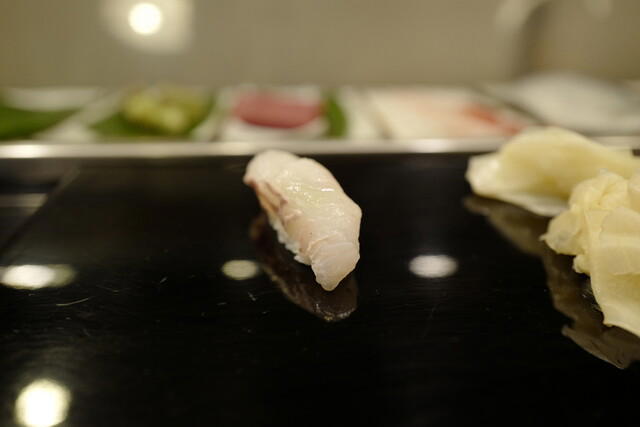
The menu
What to order
- Nigiri omakase
- Assorted sushi platters (12, 14, or 16 pieces)
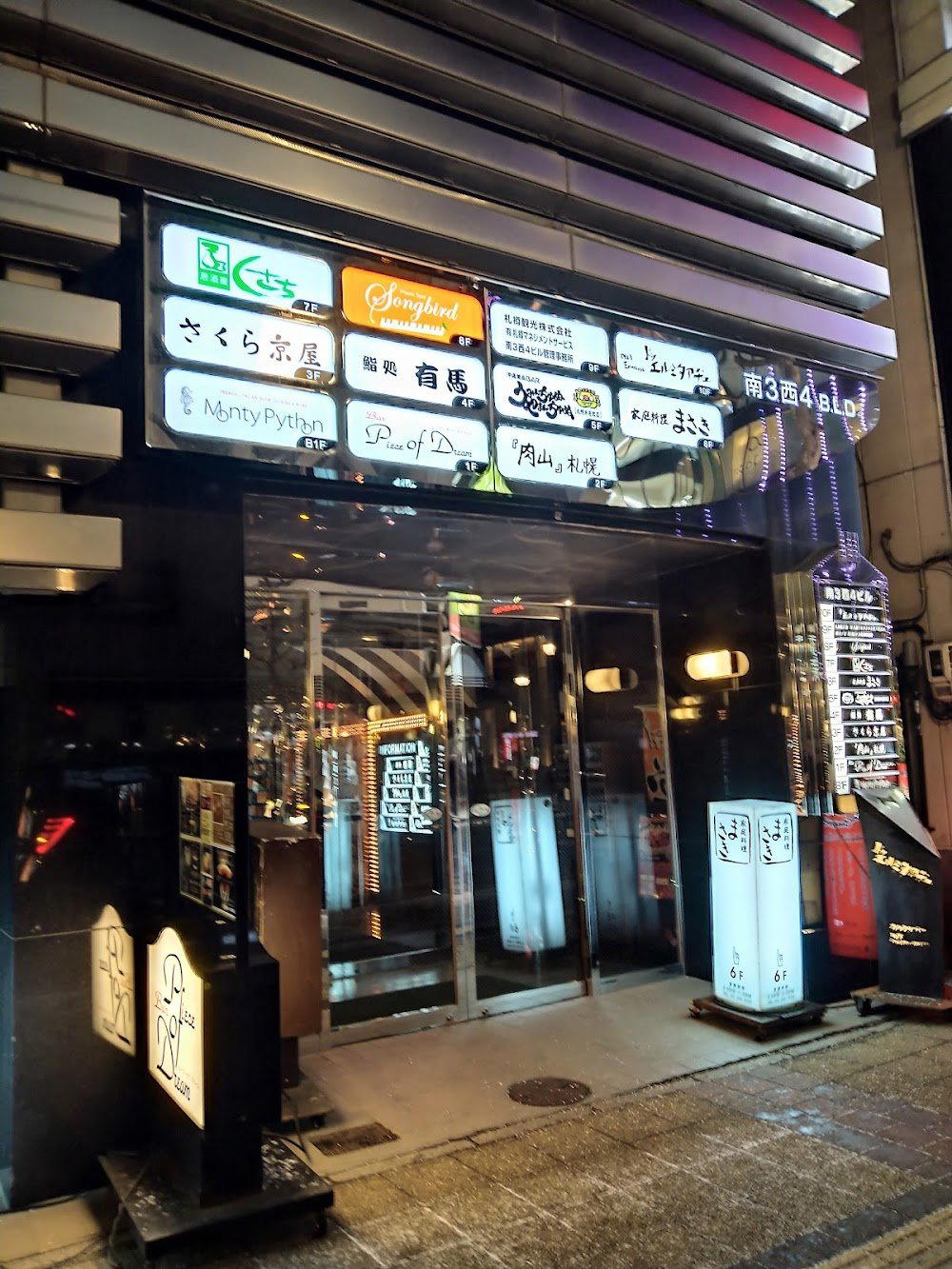
The approach to Kin Zushi is less theatre than urban Sapporo texture: a quiet shift from city errands into a sushi-led meal. Sapporo sushi has a different pressure point from Tokyo or Osaka. The city has its own dining rhythms, but that context matters only when a restaurant turns product into sequence, pacing, and proportion, not abundance alone.
That is the useful way to read this Sapporo address. Its public category is sushi, focused on fish-led dining. Recognition in the 2025 Tabelog Hyakumeiten listings, alongside a Tabelog score of 3.70, places it among notable restaurants in a category where local regulars value consistency as much as ceremony. This is not best understood through the ultra-minimal counter fantasy many visitors associate with high-end sushi. It belongs to a broader Sapporo mode: serious enough for sushi-led dining, approachable enough to fit into a wider city itinerary, and grounded in a place where seafood restaurants sit naturally within everyday dining culture, not only special-occasion symbolism.
Sapporo pacing, and a sushi menu built for range
The menu architecture matters because Sapporo sushi often serves two audiences: the diner deliberately seeking a sushi meal, and the local group using sushi as a full meal rather than a rarefied performance. Kin Zushi reflects that split. Its public identity is clear and direct: sushi in Sapporo, with fish at the center rather than a menu built around novelty for novelty’s sake.
That broader positioning changes how the cuisine reads. In the most formal sushi settings, cadence controls almost everything: rice temperature, the order of lean fish and richer cuts, and alternation between different styles of sushi. In a more flexible sushi restaurant, the structure must absorb different eating speeds and party types. Kin Zushi sits between those poles. Its recognition suggests quality control; its Sapporo setting suggests category accessibility, not cheap-eats accessibility, but the city’s way of making serious sushi feel less hermetic than prestige counters elsewhere.
The city context helps. Sapporo dining is often reduced to ramen, curry, lamb, and winter meals, but a better reading is temperature-driven appetite. Cold months sharpen demand for hot bowls and grilled meat; sushi restaurants carry a different authority, tied to freshness and a slower table. A sushi restaurant belongs in the same travel plan as noodle and casual stops, not as an isolated luxury appointment. For a fuller city spread, compare Kin Zushi with other Sapporo dining rooms, from casual meals to bakeries and noodle shops, while keeping the sushi meal as its own anchor.
A recognized sushi address that does not behave like a trophy counter
The 2025 Tabelog Hyakumeiten recognition is the key trust marker. In Japan, Tabelog restaurant culture carries weight because it captures a domestic dining conversation distinct from international award logic. For sushi, that matters. International prestige often rewards scarcity, counter intimacy, and chef mythology; Tabelog attention can reveal places validated through a different, locally legible lens.
Kin Zushi’s public record separates it from the high-friction sushi model without needing to claim a particular room format or chef narrative. The experience should be understood through its confirmed category, its Sapporo setting, its 2025 recognition, and its listed budget. It suits travelers wanting recognized Sapporo sushi without assuming the social rules of a tiny omakase room. Expectations should be calibrated: the draw is not a whispered temple of nigiri, but a sushi restaurant with selection-level credibility.
Within Sapporo’s casual field, comparison venues such as boulangerie coron Honten, CAN CUN, Hige Danshaku, Toripaitan Soba Yuu, and Ame wa, Yasashiku NO,2 sit in other lanes of daily eating, speaking to the city’s bakery, noodle, and casual-meal habits. Kin Zushi occupies a more formal sushi lane, where spend, pacing, and ordering logic change the evening. The difference is not simply cost; sushi becomes the meal’s organizing principle.
For a broader Hokkaido itinerary, treat sushi as one anchor among several local appetites. Bread, spice-driven meals, and Sapporo noodle culture create a more accurate picture than chasing one category alone. Planning beyond restaurants also matters where winter weather shapes pace; keep city hotels, bars, wineries, and experiences in mind when sequencing meals, drinks, and overnight logistics.
How to place it in a Japan-wide dining itinerary
Japan rewards specificity. A Sapporo sushi meal should not be treated as interchangeable with a Tokyo counter, Kyoto dinner, or casual Kansai café stop. The northern setting changes the decision: choose Kin Zushi for recognized sushi dining in Sapporo, not maximal counter exclusivity. That distinction saves disappointment and sharpens the meal’s purpose.
The same principle applies nationwide. Beef-focused meals, tuna-and-charcoal formats, café stops, and contemporary dining rooms belong to different culinary grammars. Outside Japan, sake-led and rice-focused ideas travel differently again. Kin Zushi’s value is clearer against that wider map: it gives Sapporo a recognized sushi reference point, a 2025 Tabelog Hyakumeiten signal, and a listed dinner budget of JPY 10,000 - JPY 14,999 and lunch budget of JPY 6,000 - JPY 7,999.
Frequently asked questions
What time does Kin Zushi open and close?
Published ground-truth details provided here do not confirm Kin Zushi’s opening hours. Check the venue’s official channels before visiting.
Where is Kin Zushi located?
Sapporo.
How much does it cost to eat at Kin Zushi?
Pricing at Kin Zushi is listed as Dinner: JPY 10,000 - JPY 14,999; Lunch: JPY 6,000 - JPY 7,999.
What's the signature at Kin Zushi?
The public record points to sushi rather than a named signature dish. Kin Zushi was recognized in the 2025 Tabelog Hyakumeiten listings, which is the clearest marker of its standing. Expect a sushi-led meal in Sapporo, not a menu built around novelties. Check the venue's official channels for the latest details.
Can Kin Zushi accommodate dietary restrictions?
The published details confirm sushi, but they do not spell out a dietary-restriction program. The published phone number is +81-11-221-2808. For specific needs, direct confirmation is the sensible route before booking.
Is Kin Zushi suitable for children?
The published ground-truth details provided here do not confirm a children policy. For family visits, contact Kin Zushi directly before booking.
Same-City Peers
Comparable venues for orientation by cuisine and category.
| Venue | Cuisine | Price | Awards | Notes |
|---|---|---|---|---|
| Kin ZushiThis venue (the venue you are viewing) | Traditional Sapporo Sushi Counter | $50–100 | Tabelog 100 #12 | Not listed |
| boulangerie coron Honten | Not listed | $10–20 | Tabelog 100 #69 | JPY 999 - JPY 999 |
| CAN CUN | Sapporo soup curry bar with Mexican resort vibe | $10–20 | Tabelog 100 #55 | JPY 1,000 - JPY 1,999 JPY 1,000 - JPY 1,999 |
| Hige Danshaku | Hokkaido Soup Curry | $10–20 | Tabelog 100 #32 | JPY 1,000 - JPY 1,999 JPY 1,000 - JPY 1,999 |
| Toripaitan Soba Yuu | Tori paitan ramen shop | $10–20 | Tabelog 100 #19 | JPY 1,000 - JPY 1,999 JPY 1,000 - JPY 1,999 |
| Ame wa, Yasashiku NO,2 | Modern Sapporo ramen (chicken paitan & scallop) | $10–20 | Tabelog 100 #34 | JPY 1,000 - JPY 1,999 JPY 1,000 - JPY 1,999 |
Recognition history
Dated appearances from independent guides and award organizations, with the underlying list record or original source where available.
Tabelog 100 #12 · No. 12
Tabelog · Tabelog 100 - Sushi - EAST - 2025
Continue exploring
More in Sapporo
Restaurants in Sapporo
All restaurants in Sapporo →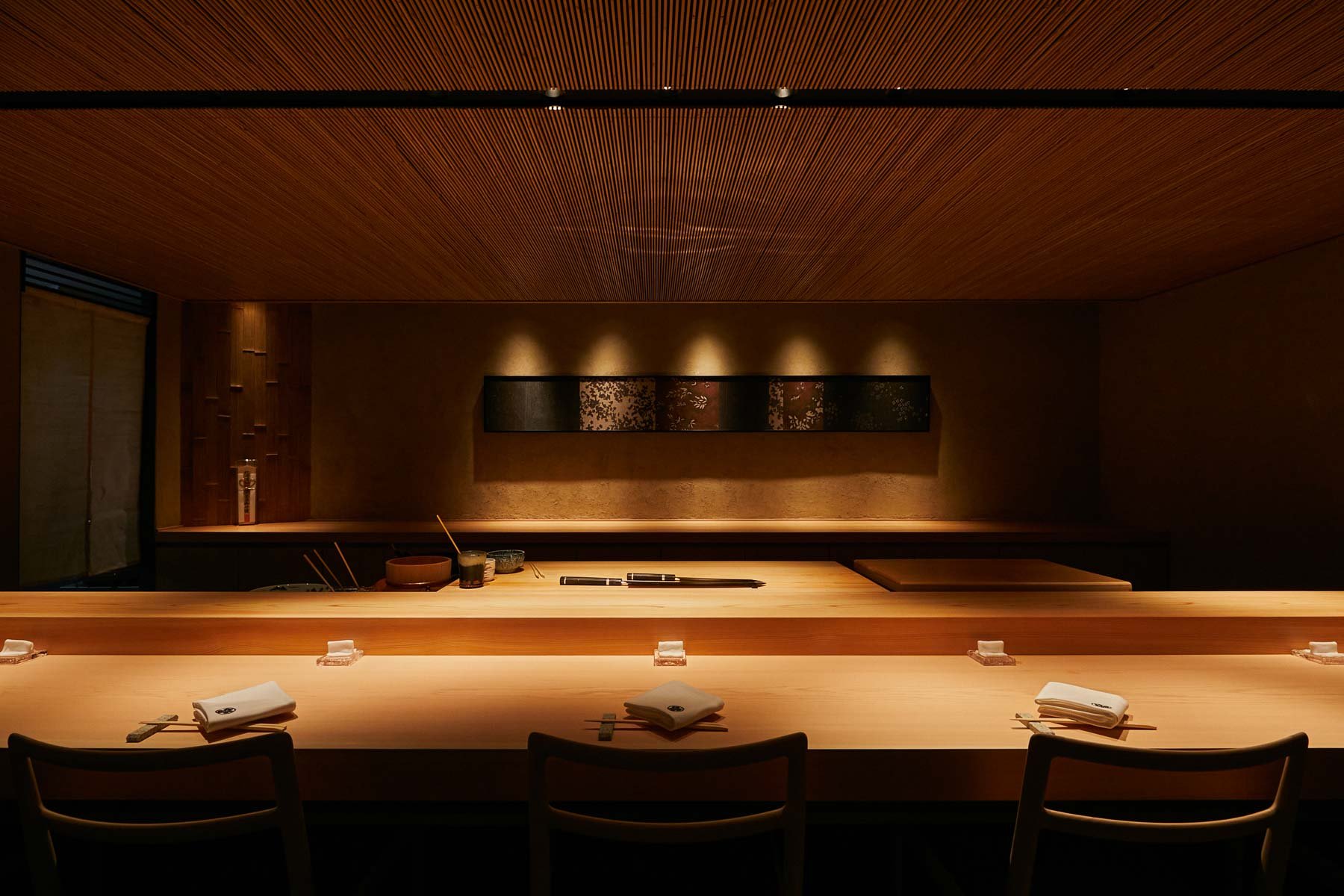
Bars in Sapporo
All bars in Sapporo →

Details
- Classic
- Cozy
- Solo
- Business Dinner
- Group Dining
- Special Occasion
- Chefs Counter
- Standalone
- Sake Program
- Beer Program
- Local Sourcing
- Sustainable Seafood
- A La Carte
- Omakase
- Counter Dining
- Sake
- Beer
- Pescatarian Friendly
Current opening hours
- Monday
- 12–8 PM
- Tuesday
- 12–8 PM
- Wednesday
- 12–8 PM
- Thursday
- 12–8 PM
- Friday
- 12–8 PM
- Saturday
- 12–8 PM
- Sunday
- Closed
Hours can change for holidays and private events. Hours as of .
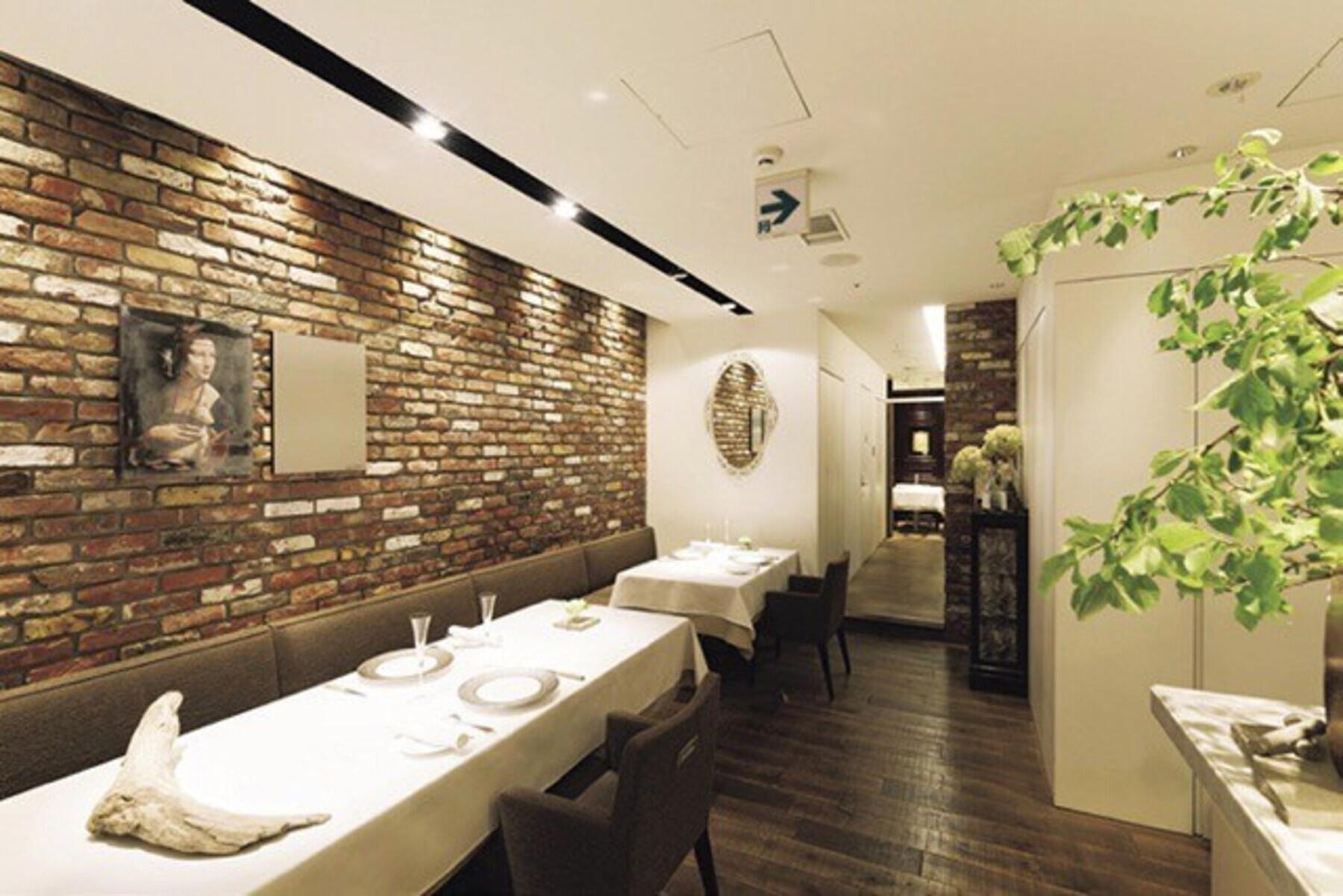
Traditional neighborhood sushi shop with a simple, unpretentious interior featuring a 12-seat counter and small table area, creating a relaxed, welcoming atmosphere rather than a formal fine-dining feel.