La Ripaille
La Ripaille on Hudson Street occupies the corner of West Village dining where French bistro tradition meets neighborhood permanence. The room runs long and narrow, the menu stays close to classical French, and the address, 605 Hudson St, has anchored the block for decades. For those tracing the city's enduring French table, it belongs on the itinerary alongside the broader West Village canon.
Pearl is the En Primeur Club membership app — saves, bookings, and concierge access live there. Same editors, same standards.
- Address
- 605 Hudson St, New York, NY 10014
- Phone
- +12122554406
- Website
- laripaillenyc.com
- Directions
- Get directions
 Saves & bookings on Pearl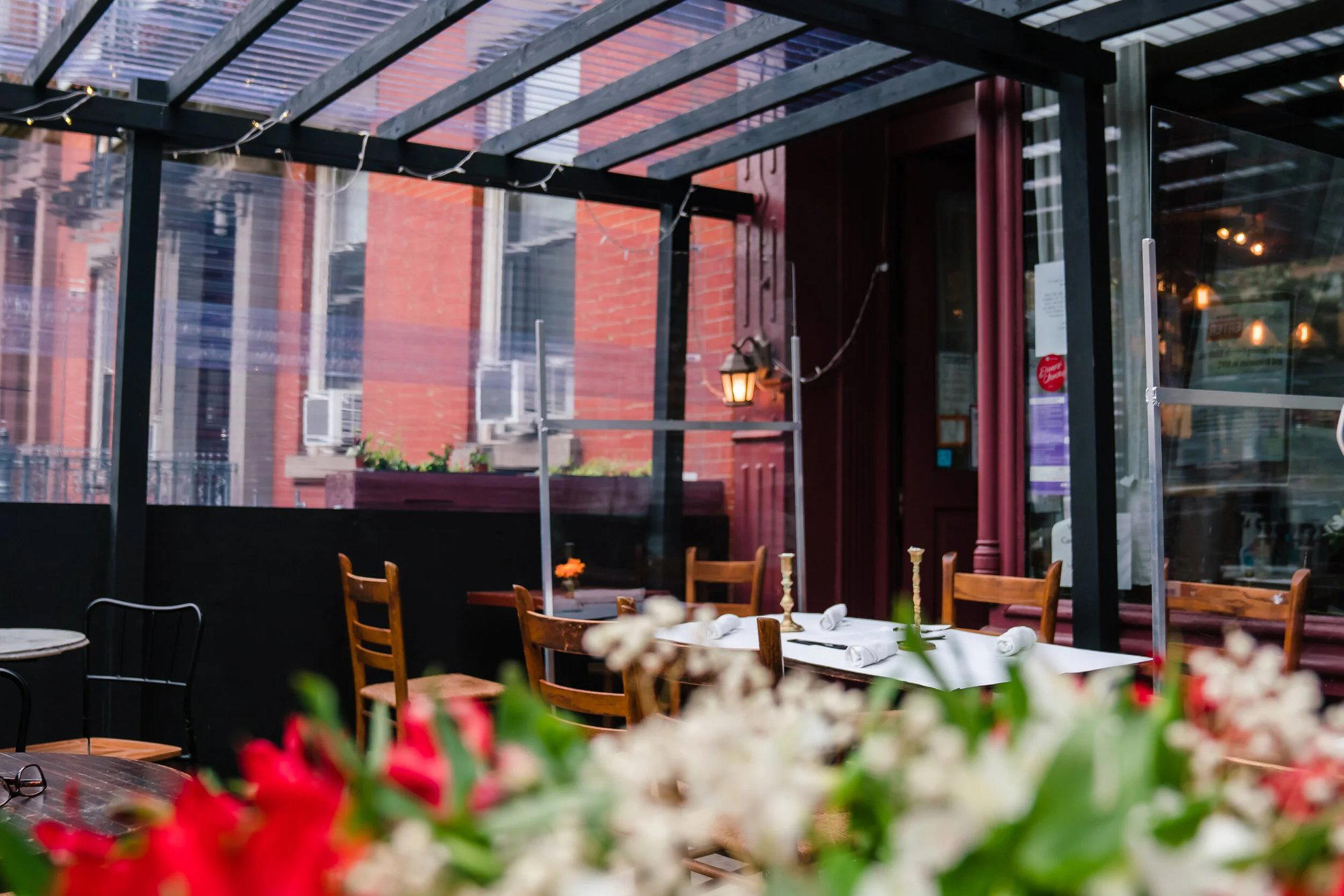
Hudson Street's Long Game: French Bistro Tradition in the West Village
The West Village has cycled through enough restaurant concepts to fill a decade of openings and closings, yet a particular kind of French room has held its ground here longer than most. These are not the tasting-menu houses or the chef-as-auteur destinations, which congregate further uptown or in the Flatiron district, where Le Bernardin and Per Se operate in a different register entirely. The West Village French bistro survives by doing something those rooms cannot: it makes a neighbourhood feel like a neighbourhood. La Ripaille, at 605 Hudson Street, is one of the addresses that has made that argument over many years.
Longevity in New York dining is its own credential. A French bistro that holds its corner of Hudson Street across multiple economic cycles is communicating something about its relationship with its regulars. That relationship is the story here, not any single dish or seasonal menu pivot.
How the Menu is Structured, and What It Tells You
French bistro menus in New York tend to split into two camps. The first reads like a translation exercise: steak frites, moules marinières, crème brûlée arranged in tidy columns, executed to a competent but unremarkable standard. The second treats the same architecture as a constraint worth working within seriously, the dishes are familiar because they should be, and the execution is the entire point. La Ripaille's menu philosophy sits firmly in the second camp, where the structure itself carries the editorial argument: classical French technique applied without novelty for novelty's sake.
This is worth understanding. Restaurants with maximalist menus, long lists, rotating specials, seasonal inserts, tasting format options, are making a different promise than a disciplined bistro carte. The latter asks you to trust that the kitchen knows these dishes deeply enough that repetition has produced precision rather than fatigue. That compact, anchored menu format is a statement about kitchen identity, and in the West Village, it also functions as a statement about neighbourhood belonging. The broader Korean tasting-menu houses like Atomix or Jungsik New York operate with explicit seasonal rotation and course-by-course progression; La Ripaille's format is the structural opposite, and it serves a different reader entirely.
For context across the American fine-dining spectrum, the contrast sharpens further. Properties like Alinea in Chicago, The French Laundry in Napa, or Single Thread Farm in Healdsburg build menus around narrative progression and produce-driven seasonality. A West Village bistro like La Ripaille builds around familiarity and repetition, the assumption that you have been here before, or that you will be again.
The Room and the Experience of Arriving
605 Hudson Street sits in a stretch of the West Village where the residential density keeps foot traffic measured rather than frantic. The building stock around Hudson and West 11th runs to pre-war brownstone scale, and that architectural context shapes how French rooms in this part of the city feel: low-ceilinged, close, with windows that frame the street rather than showcase a view. In cold months, the transition from pavement to interior carries the particular pleasure of a room that has been warmed by consistent use. In warmer weather, that same room exhales in a different direction.
French bistros in this format, compact, with a bar component and tables pitched close together, function partly as acoustic environments. Conversation carries in both directions, which is either appealing or not depending on your party. It is worth noting that this intimacy is structural, not incidental, and it distinguishes the bistro format from the designed-silence of higher-priced tasting rooms, where spacing and acoustic treatment become amenities in themselves.
Where La Ripaille Sits in the City's French Table
New York's French dining spectrum now runs from quick-service crêperies to three-Michelin-star houses, with a substantial middle tier of serious bistros and brasseries anchoring the space in between. The restaurant occupies the neighbourhood-bistro segment of that middle tier: French in its bones, West Village in its character, and priced, based on its format and positioning, for regulars rather than special-occasion seekers alone.
That positioning has parallels across the American dining map. Bacchanalia in Atlanta holds a similar function as a long-standing anchor in its city's fine-dining canon. Emeril's in New Orleans operates with comparable neighbourhood-institution weight. Internationally, the tradition the restaurant draws from traces back through Paris bistro culture to houses like Alain Ducasse's Louis XV in Monte Carlo, which represents the apex of that same classical French tradition, though in a markedly different register. The West Village version is not competing with that tier; it is drawing from the same cultural source and translating it for a neighbourhood that wants the food without the formality.
For those building a New York French itinerary, the question is about register. Le Bernardin is the technical peak of French seafood cooking in the city. Per Se is the tasting-menu argument for French formalism. The restaurant is the argument for French permanence, the idea that a bistro survives not by reinventing itself but by being the room people return to. Those are genuinely different dining propositions, and the city benefits from having all three in its rotation. See our full New York City restaurants guide for a mapped view of how the French table distributes across Manhattan's neighbourhoods.
Further comparisons extend beyond New York: Lazy Bear in San Francisco, Providence in Los Angeles, Blue Hill at Stone Barns in Tarrytown, and Addison in San Diego each represent the high-intervention, produce-forward end of American fine dining, technically impressive, but oriented away from the bistro tradition the restaurant inhabits. The Inn at Little Washington leans closer to classical European form, though within a destination-dining context. Even 8½ Otto e Mezzo Bombana in Hong Kong demonstrates how European classical cooking adapts to different cultural contexts, the West Village version simply adapts to its own block. Masa represents the opposite end of the price and format spectrum in the same city, where omakase counter dining at the highest price point is the structural inverse of the accessible bistro carte.
Planning Your Visit
The restaurant is located at 605 Hudson St, New York, NY 10014, in the West Village. Reservations are recommended. Dress: smart casual. Budget: about $50 per person. Hours: Mon: Closed; Tue: 4 to 11 PM; Wed: 4 to 11 PM; Thu: 4 to 11 PM; Fri: 4 to 11 PM; Sat: 2 to 11 PM; Sun: Closed.
Peers You’d Cross-Shop
Comparable venues nearby, for context on price, style, and recognition.
| Venue | Cuisine | Price | Notes |
|---|---|---|---|
| La RipailleThis venue — the venue you are viewing | Modern French Bistro | $$ | Not listed |
| La Rotisserie | French Rotisserie Bistro | $$ | Midtown South-Flatiron-Union Square |
| L'Express | Classic French Bistro | $$ | Midtown South-Flatiron-Union Square |
| The Beast Next Door | French-Inspired Cocktail Bar | $$ | Long Island City-Hunters Point |
| Ponty Bistro | French-West African Fusion Bistro | $$ | Gramercy |
| Cafe Gitane | French-Moroccan Bistro | $$ | SoHo-Little Italy-Hudson Square |
Continue exploring
More in New York City
Restaurants in New York City
Browse all →
Bars in New York City
Browse all →
Hotels in New York City
Browse all →







At a Glance
- Cozy
- Romantic
- Classic
- Intimate
- Date Night
- Special Occasion
- Extensive Wine List
Current opening hours
- Monday
- Closed
- Tuesday
- 4–11 PM
- Wednesday
- 4–11 PM
- Thursday
- 4–11 PM
- Friday
- 4–11 PM
- Saturday
- 2–11 PM
- Sunday
- Closed
Hours can change for holidays and private events. Last verified .
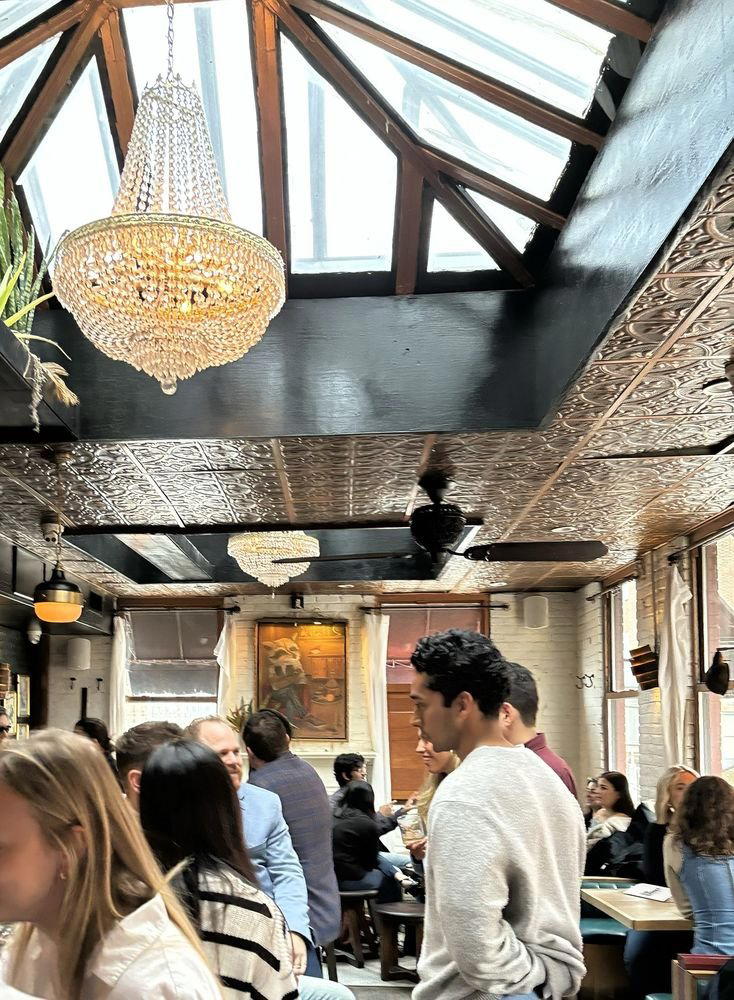
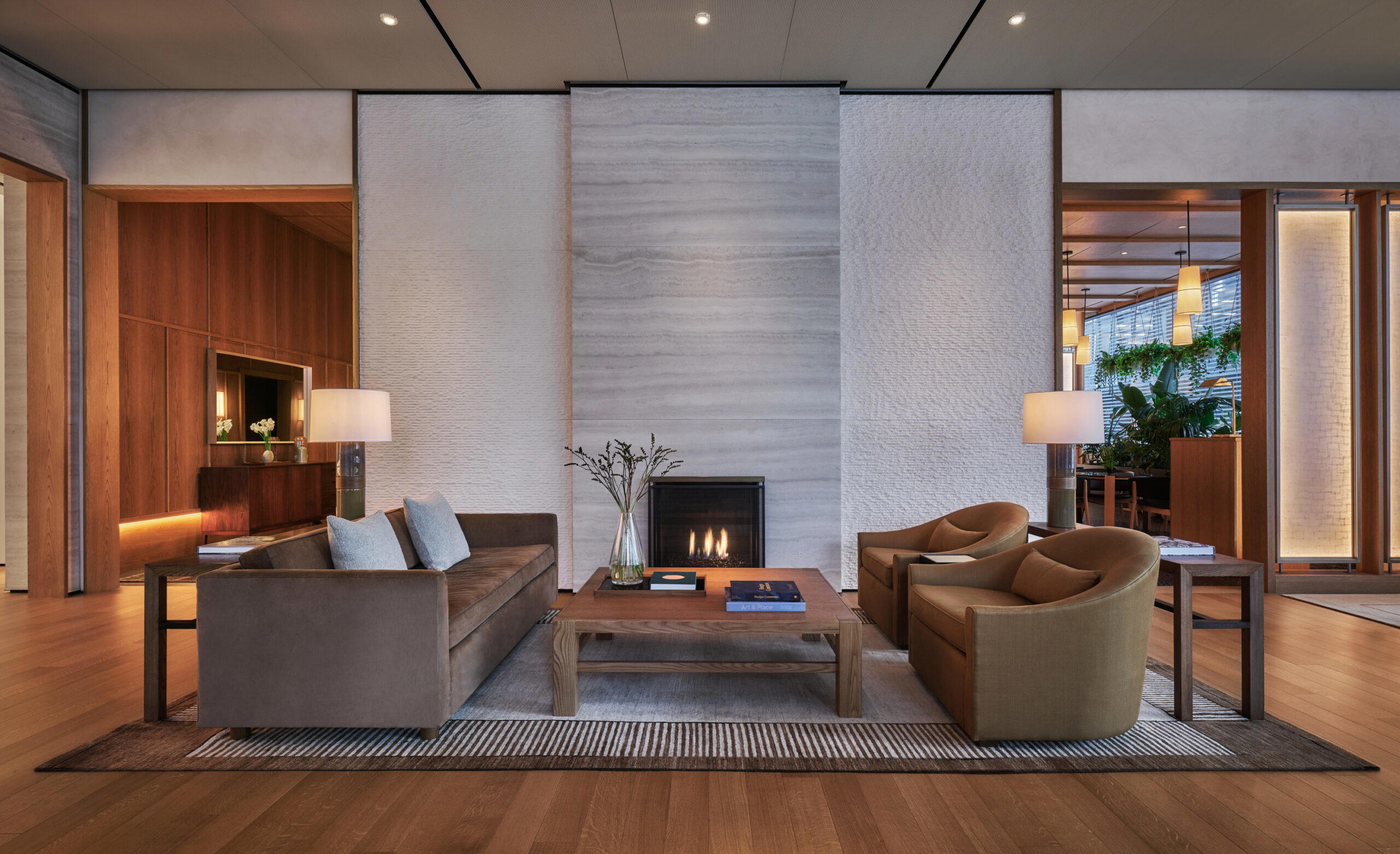
Cozy French country-style dining room with romantic inn-like decor, huge cross beams, warm lighting, and patio seating.