The Beast Next Door
Our verdict
Sitting at 42-51 27th Street in Long Island City, The Beast Next Door occupies a corner of Queens that operates at a different register from Manhattan's credentialed dining corridor. Where venues like Atomix or Le Bernardin carry years of award citations and chef pedigree, this address positions itself in a neighbourhood context still finding its fine-dining footing, making the ritual of the meal, rather than the accolades around it, the primary argument for the visit.

Pearl is the En Primeur Club membership app, where members save venues, book tables and use the concierge.

The menu
What to order
- Charcuterie_board
- Oysters
- Deviled_eggs
- Toasted_daniele
- Lobster_roll
Long Island City and the Case for Dining Across the Bridge
Queens has long supplied Manhattan with its most argumentative food culture, the dumpling houses of Flushing, the Greek tavernas of Astoria, the Colombian bakeries strung along Roosevelt Avenue. Long Island City sits at a different inflection point in that story. Geographically closest to Midtown, it draws the commuter crowd and the creative-industry tenants who followed the rapid residential build-up of the 2010s, and it is now absorbing a wave of dining investment that doesn't yet carry the institutional weight of the Manhattan corridor anchored by venues like Le Bernardin, Per Se, or Masa. That gap between ambition and established credentialing is exactly where a venue like The Beast Next Door at 42-51 27th Street operates.
In cities where dining rituals are heavily shaped by who holds the reservation and what the award slate says, a neighbourhood restaurant without a publicly listed star count or a named tasting-menu architect occupies an interesting position. The meal itself, its pacing, its customs, the decisions made before the first course, becomes the primary text rather than a footnote to external validation.
The Ritual Before the Meal Begins
The customs around eating in New York are as layered as the dining scene itself. At the upper end, venues like Atomix or Jungsik New York operate on the logic of the structured tasting sequence, where the diner cedes control of the meal's arc entirely to the kitchen. At the opposite pole, neighbourhood restaurants return agency to the table: you order what you want, in the sequence you want, and the conversation shapes the pacing more than any pre-set programme does. The Beast Next Door, at its Long Island City address, sits within that second tradition, a place where the ritual is collaborative rather than curated.
That distinction matters because it changes what you bring to the table, literally. Neighbourhood dining in a borough context tends to reward the guest who arrives with a point of view: a preference for particular flavours, a willingness to ask what's working on the menu this week, an appetite for the kind of specificity that only comes from staff who eat where they work. The customs are looser, but the rewards for engagement are proportionally higher.
Ordering as Decision-Making
Across the American dining landscape, the most instructive comparisons to a venue like The Beast Next Door come not from the credentialed tasting-menu houses but from the generation of neighbourhood-anchored restaurants that built sustained followings through consistent execution rather than media cycles. Bacchanalia in Atlanta and Emeril's in New Orleans represent how a restaurant can become embedded in a city's dining culture by serving a neighbourhood well across years, not just a season. Blue Hill at Stone Barns in Tarrytown operates on the opposite end of the format spectrum, a fully scripted, farm-to-table experience with deep institutional recognition, but shares the underlying principle that the meal's meaning accumulates through accumulated choices, whether those choices are made by the kitchen or the diner.
At The Beast Next Door, the ordering ritual is the entry point into the evening. Without publicly available menu data to cite verbatim, what can be said with confidence is that the address, a 27th Street footprint in a neighbourhood that skews toward accessible, ingredient-driven cooking, suggests a menu built for repetition, the kind of place where a regular's order is already understood by the second visit. That dynamic, the abbreviated exchange between diner and server that signals familiarity, is one of the finer pleasures of neighbourhood dining and one that trophy-hunting visitors to New York frequently miss by concentrating exclusively on the Michelin-charted corridor.
The Queens Context and Its Competitors
Long Island City's dining scene competes on entirely different terms than the Manhattan blocks where Per Se and Le Bernardin set the price expectations. Nationally, the tension between destination dining and neighbourhood reliability plays out in cities across the country: Alinea in Chicago and Lazy Bear in San Francisco occupy the theatrical end of the spectrum, while Providence in Los Angeles, Addison in San Diego, and The Inn at Little Washington represent mid-register formality with clear wine programmes and set service rhythms. Single Thread Farm in Healdsburg and The French Laundry in Napa anchor the agrarian-luxury end of American fine dining.
Globally, similar forces have reshaped neighbourhoods in cities from London's Peckham to Melbourne's Fitzroy: the distributed model of good cooking, decentralised from the historic prestige core. Even internationally credentialed addresses like 8 1/2 Otto e Mezzo Bombana in Hong Kong or Alain Ducasse's Louis XV in Monte Carlo depend on a broader neighbourhood ecosystem to contextualise their own positioning, the prestige venue requires the surrounding ordinary-excellent restaurants to make the contrast legible.
Planning the Visit
The Beast Next Door sits at 42-51 27th Street in Long Island City, Queens, a short distance from the Court Square and Queens Plaza subway stations and accessible via multiple subway lines from Midtown Manhattan in under fifteen minutes. For a fuller picture of where this address fits within New York City's dining range, our full New York City restaurants guide maps the scene from the credentialed flagship tier down to neighbourhood-level tables worth the detour.
Reservations: Dress: No dress code is listed; Long Island City's dining culture trends toward relaxed smart-casual. Budget: Hours:
Frequently asked questions
What do regulars order at The Beast Next Door?
At a neighbourhood restaurant of this format in Long Island City, regulars typically develop a shorthand with the kitchen over multiple visits, the leading starting point is asking the staff directly what has been moving well that week. For venues with publicly documented menus and established ordering customs, see Atomix or Le Bernardin as contrasting reference points in New York's credentialed dining tier.
What is the ideal way to book The Beast Next Door?
For a neighbourhood address in Long Island City without a listed tasting-menu format or award-tier demand, walk-in availability is often more accessible than at Manhattan flagship venues like Per Se, where the booking window runs months ahead. If you are visiting from outside New York City, confirm current hours and availability directly with the venue before building an itinerary around it.
What has The Beast Next Door built its reputation on?
In this segment of New York dining, reputation tends to accumulate through local loyalty and consistent execution rather than the award cycles that shape the public profiles of venues like Atomix or Jungsik New York. The address at 42-51 27th Street is the primary public anchor.
Is The Beast Next Door suitable for a pre-show or pre-event dinner near Manhattan?
Long Island City's proximity to Midtown Manhattan, accessible in under fifteen minutes via the E, M, 7, or N/W subway lines from Queens Plaza and Court Square stations, makes it a plausible pre-event dinner option for guests with plans in Midtown or Astoria. As a neighbourhood restaurant without a confirmed fixed tasting format, pacing is likely more flexible than at structured counter experiences, which makes timing easier to manage around an external commitment. Confirm current hours directly before planning around the address.
A Minimal comparable set
Comparable venues nearby, for context on price, style, and recognition.
| Venue | Cuisine | Price | Awards | Notes |
|---|---|---|---|---|
| The Beast Next DoorThis venue (the venue you are viewing) | French-Inspired Cocktail Bar | $30–50 | Not listed | Not listed |
| Arthur | Playful French Bistro | $30–50 | Michelin Plate · Grub Street Best Food of 2026 (So Far) | Midtown-Times Square, Playful French Bistro |
| Felix | Classic French Bistro | $30–50 | Not listed | SoHo-Little Italy-Hudson Square, Classic French Bistro |
| Pavé | French Bakery Cafe | $10–20 | Not listed | Midtown-Times Square, French Bakery Cafe |
| Le District | Classic French Bistro | $30–50 | Not listed | Financial District-Battery Park City, Classic French Bistro |
| maman | French Bakery Café | $20–30 | Not listed | SoHo-Little Italy-Hudson Square, French Bakery Café |
Continue exploring
More in New York City
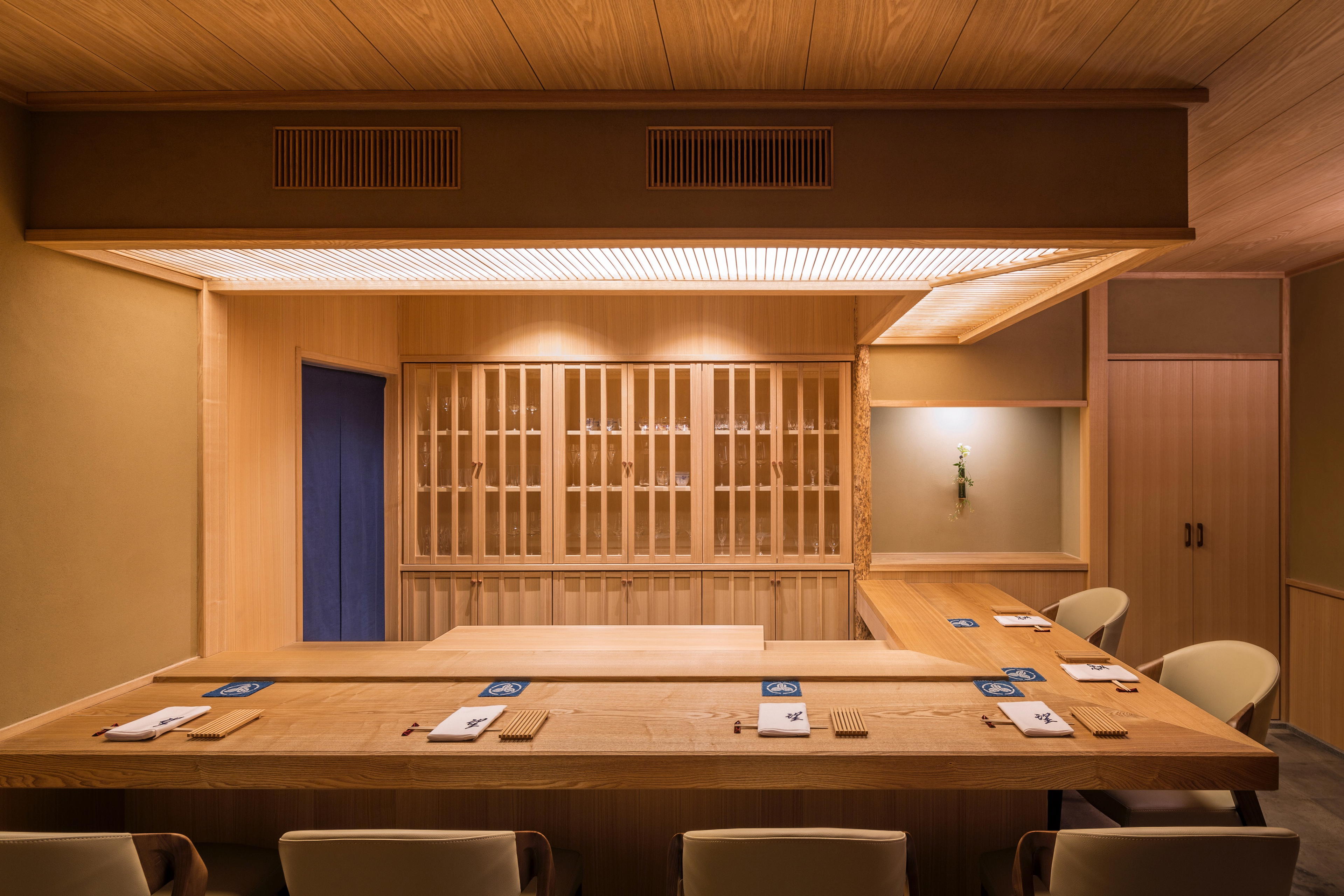
Restaurants in New York City
All restaurants in New York City →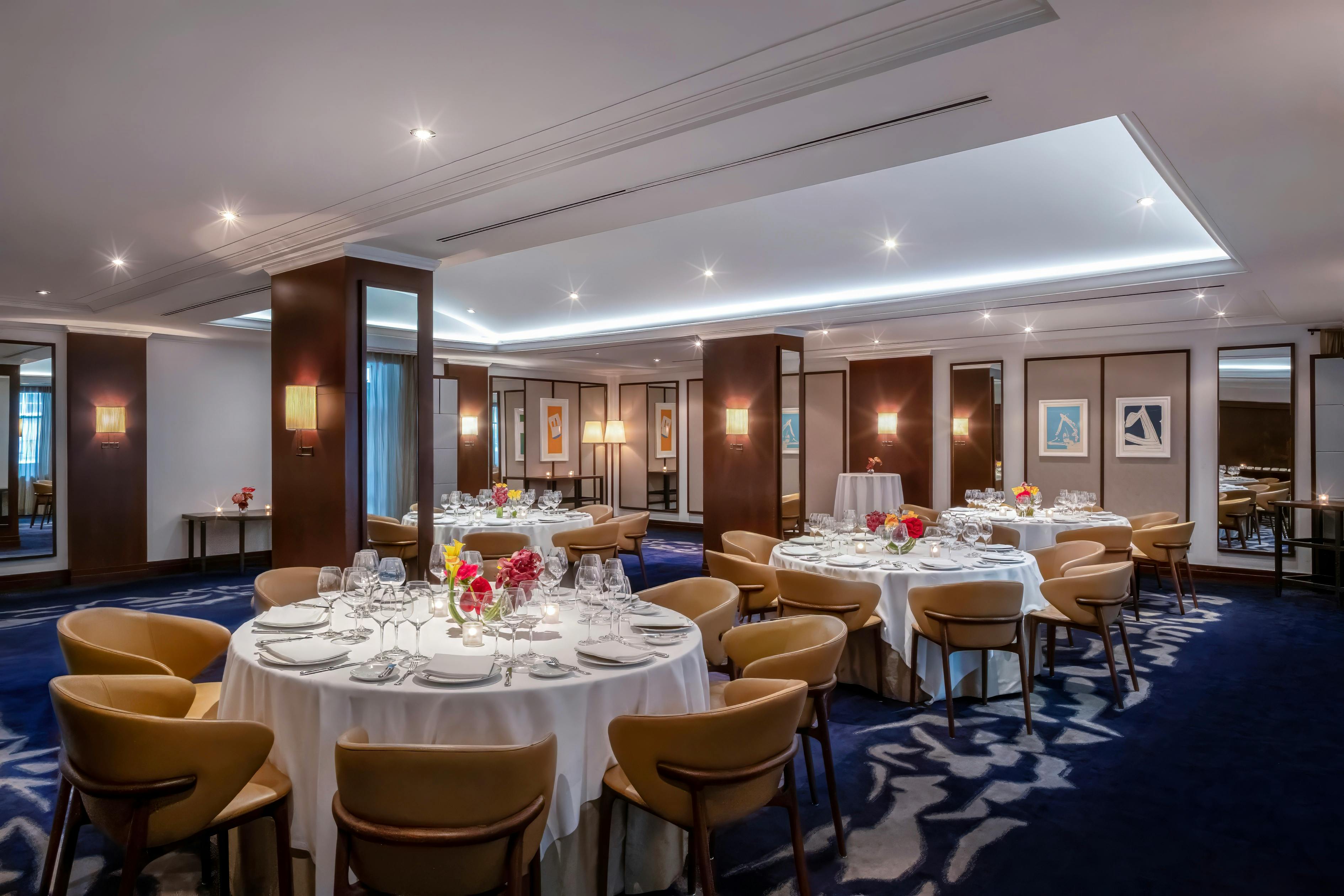
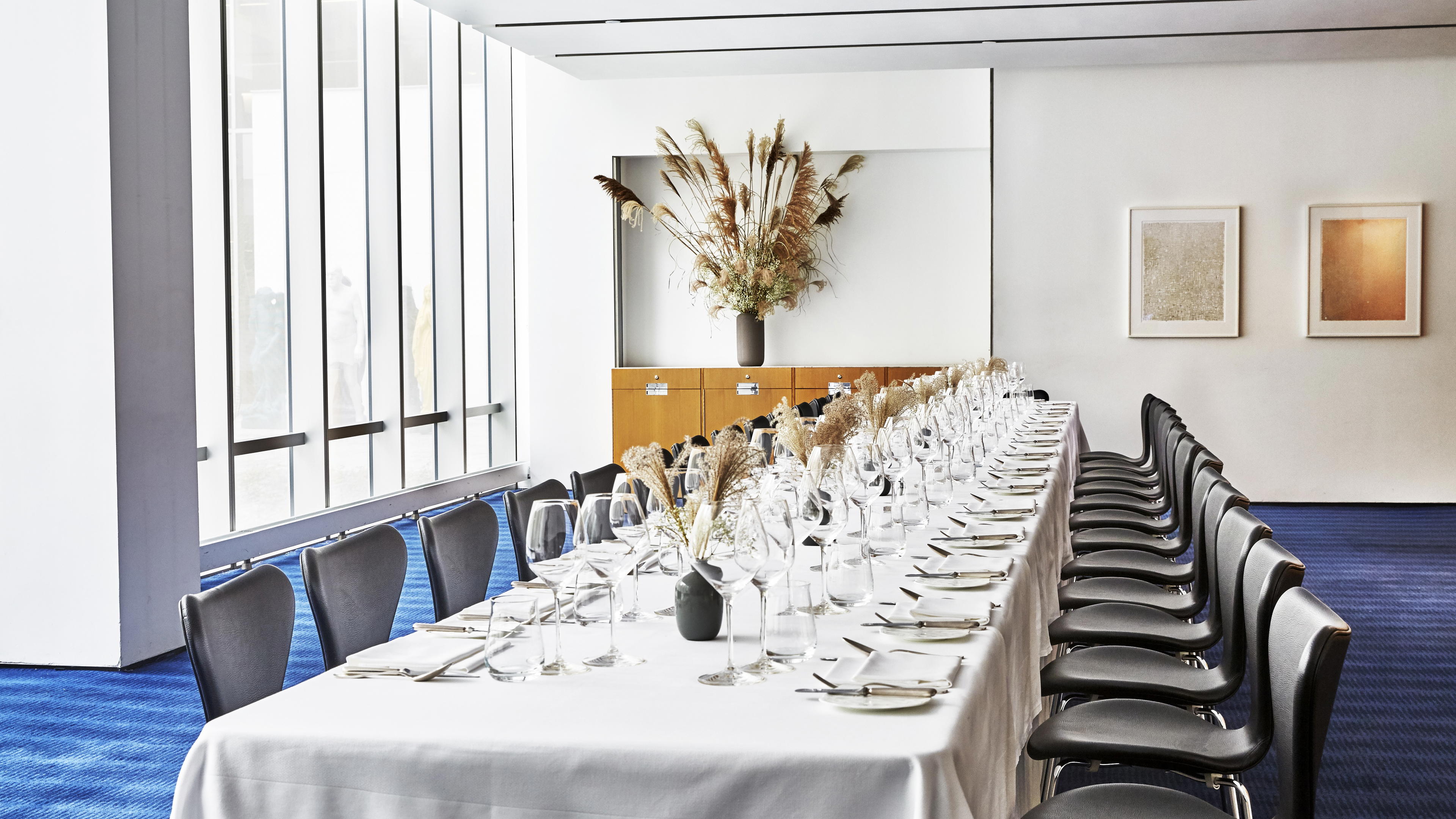
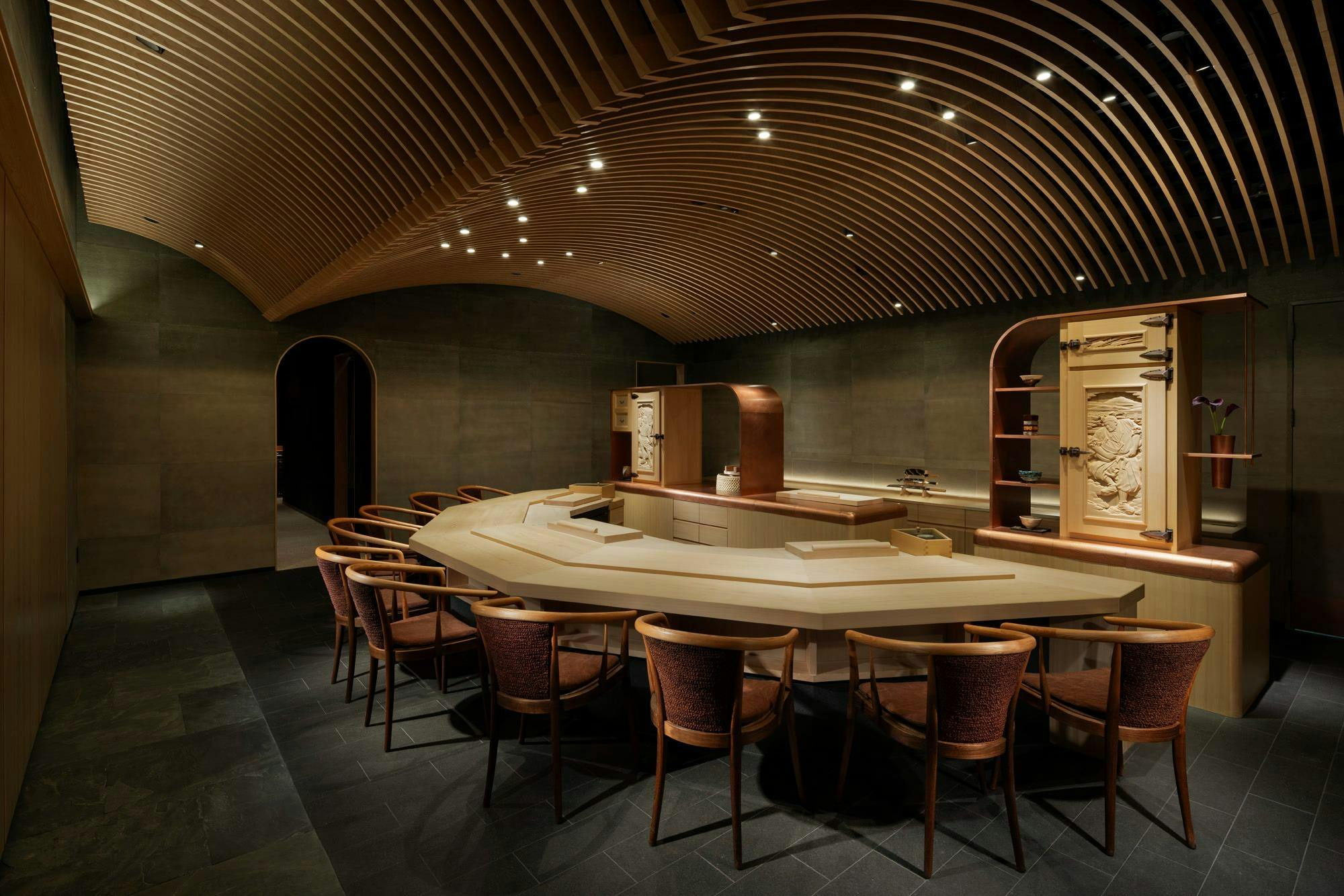
Bars in New York City
All bars in New York City →






Details
- Cozy
- Rustic
- Elegant
- Trendy
- Intimate
- Date Night
- Casual Hangout
- After Work
- Open Kitchen
- Craft Cocktails
- Small Plates
- A La Carte
- Cocktails
Current opening hours
- Monday
- 4 PM–12 AM
- Tuesday
- 4 PM–12 AM
- Wednesday
- 4 PM–12 AM
- Thursday
- 4 PM–12 AM
- Friday
- 4 PM–2 AM
- Saturday
- 4 PM–2 AM
- Sunday
- 4 PM–12 AM
Hours can change for holidays and private events. Hours as of .
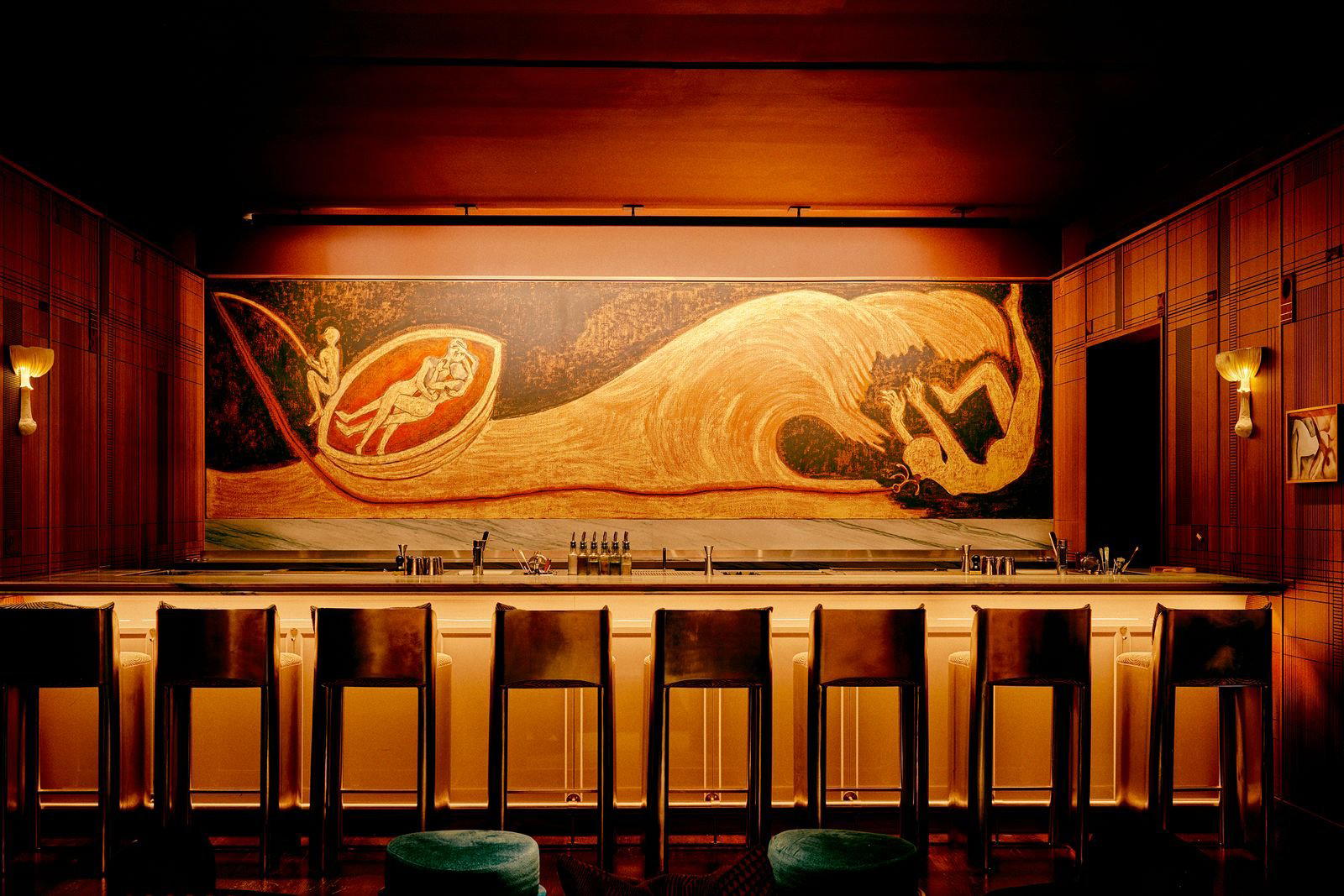
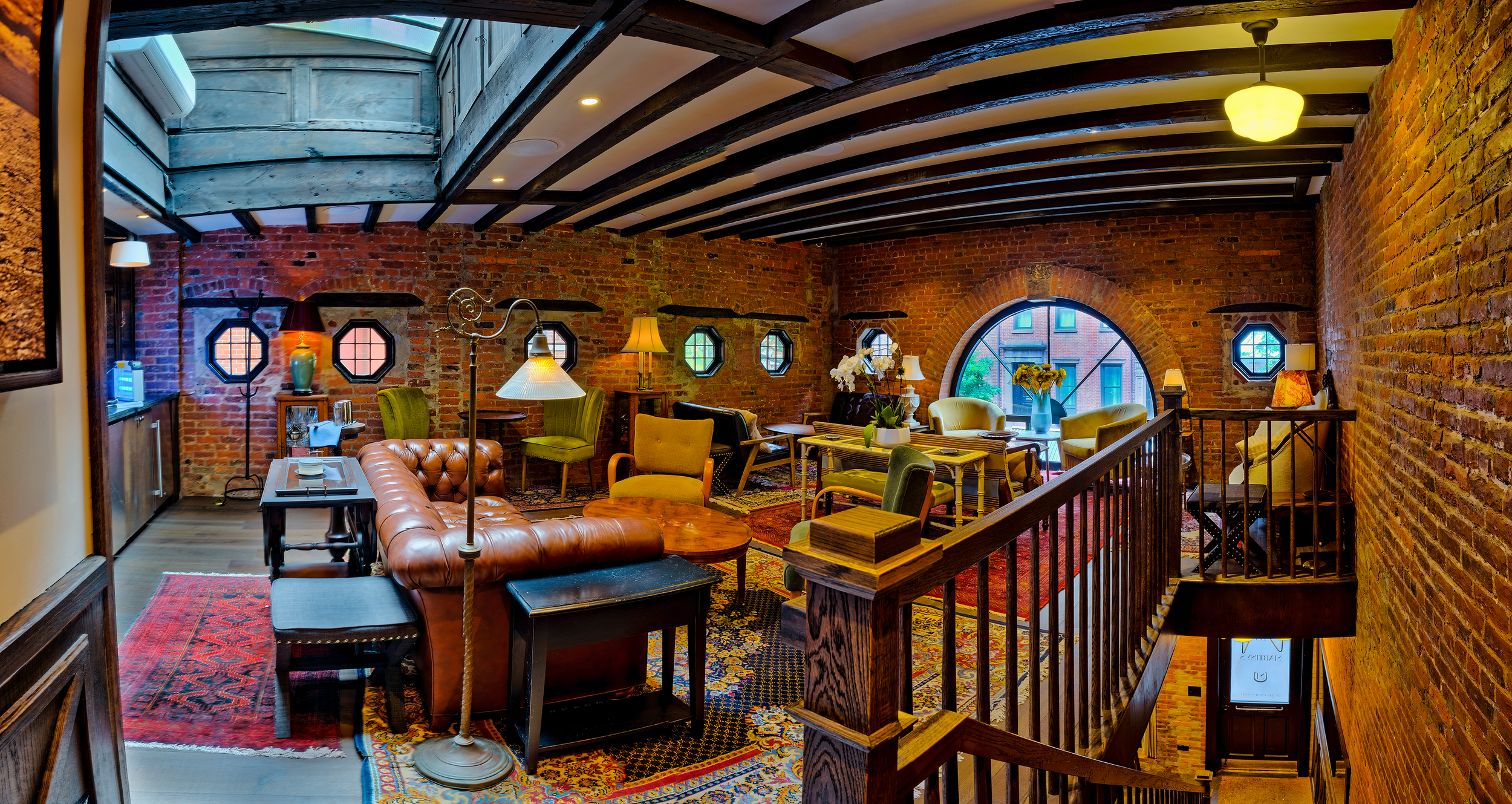
Dim lighting, warm rustic decor with exposed brick, salvaged wood, and cozy seating creating an elegant yet laid-back atmosphere.