On Wellington Street West, in the stretch where King West's energy starts to thin into quieter blocks, La Plume occupies a room that rewards attention. The address sits within a Toronto dining corridor where ambitious formats have taken hold alongside older neighbourhood staples. La Plume positions itself in that company, though the details of its current menu and kitchen leadership remain closely held.
Pearl is the En Primeur Club membership app — saves, bookings, and concierge access live there. Same editors, same standards.
- Address
- 453 Wellington St W, Toronto, ON M5V 1E7, Canada
- Phone
- +16472585205
- Website
- laplumebrasserie.com
- Directions
- Get directions
 Saves & bookings on Pearl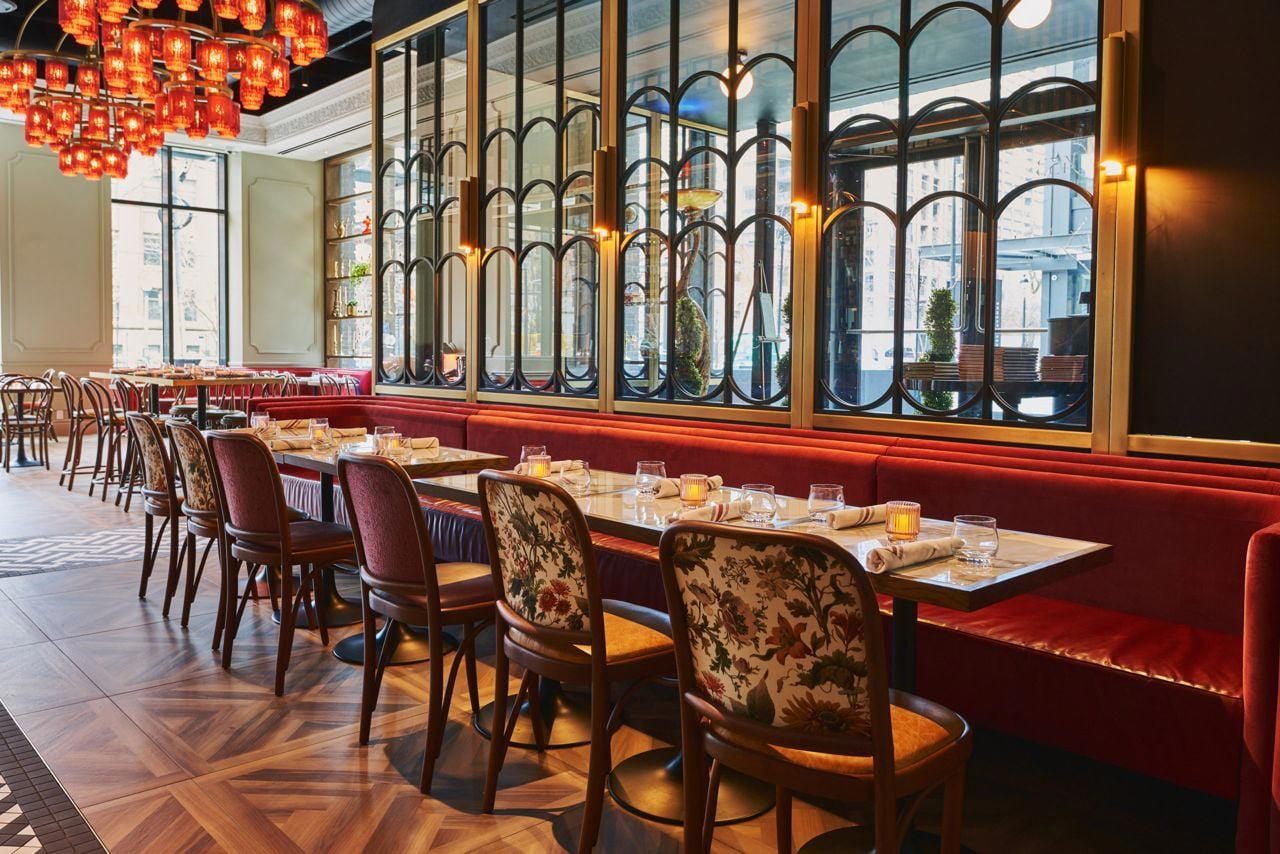
Wellington Street West and the Restaurants That Take It Seriously
Toronto's Wellington Street West corridor has become a useful place to track how the city's dining instincts have shifted. The blocks running west from Spadina toward Bathurst once functioned largely as overflow from the King West bar district. Over the past decade, more deliberate dining formats have arrived: rooms where the menu architecture carries real editorial weight, where what gets listed and in what sequence signals something about the kitchen's intentions. La Plume, at 453 Wellington St W, is part of that later wave. The address places it within walking distance of Alo, one of the city's benchmark contemporary rooms, and within the broader orbit of a downtown west dining cluster that now competes seriously with Yorkville for the city's upper-tier reservations.
What the Address Tells You Before You Walk In
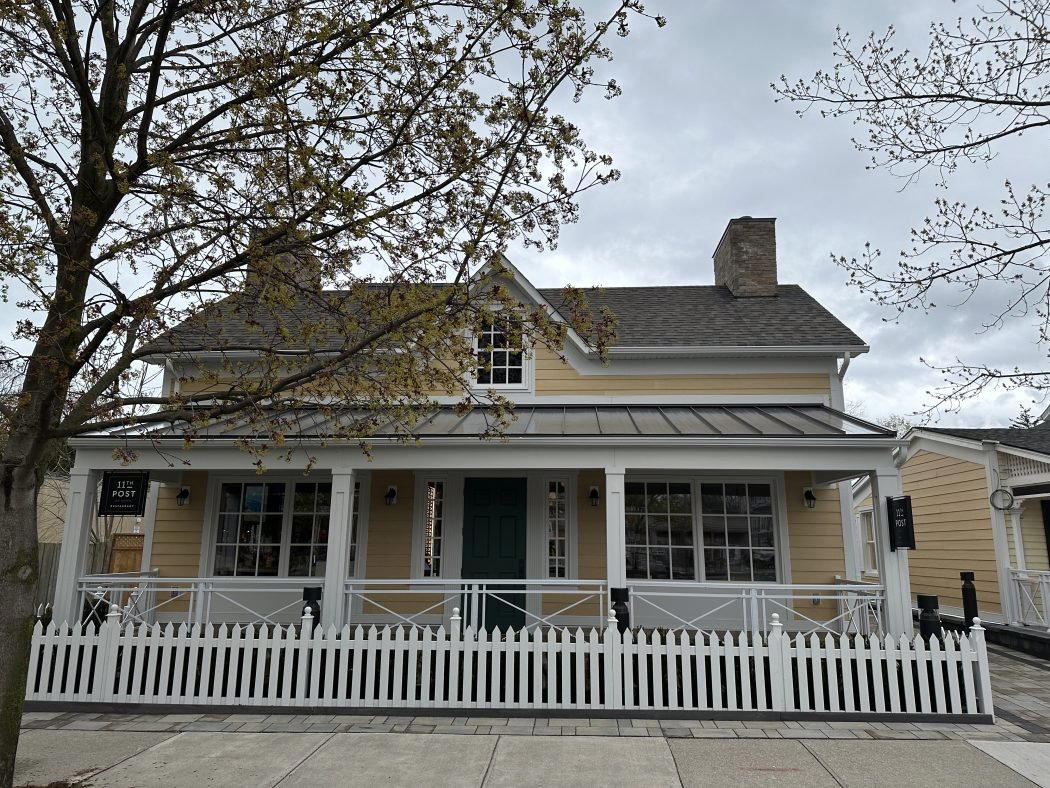
The physical approach to a room on this stretch of Wellington has a particular character: low-rise buildings, narrower frontages than you find in the Financial District two blocks east, and the ambient noise of a neighbourhood that has not fully committed to becoming a destination. That tension, between the quotidian street and the ambitions of the kitchens inside, defines the dining experience in this part of the city. It's a dynamic familiar to anyone who has spent time around similarly positioned rooms in other Canadian cities, from the quieter blocks framing Tanière³ in Quebec City to the residential-street context that shapes AnnaLena in Vancouver. The room, not the neighbourhood's foot traffic, does the signalling.
Menu Architecture as Editorial Position
In Toronto's upper tier, a restaurant's menu structure is increasingly its clearest statement of intent. The choice between a single tasting format, a hybrid carte-and-omakase model, or a fully à la carte approach reflects not just operational preference but a position within the market. At the highest-investment end of the Wellington corridor, rooms like Aburi Hana commit entirely to kaiseki sequencing, where the pacing and proportion of each course carry as much meaning as the ingredients. Japanese-inflected tasting formats of that kind have become a reliable signal of serious sourcing and kitchen discipline across the city. Italian-leaning rooms such as DaNico and Don Alfonso 1890 operate with a different logic, one where the pasta and protein sequence serves as the structural spine and where the kitchen's identity is expressed through technique applied to familiar categories rather than through unfamiliar ordering.
La Plume's specific menu format and pricing structure are not confirmed. Restaurants that operate with limited public documentation in Toronto's current environment tend to fall into two categories: rooms still establishing their footing, or rooms deliberate about keeping discovery word-of-mouth. The fuller picture of what La Plume serves, and how it sequences that service, is leading verified directly before visiting.
Placing La Plume in the Toronto comparable set
Toronto's upper-end dining has stratified clearly over the past five years. A cluster of rooms, including Sushi Masaki Saito in the $$$$ bracket, operate on allocation and reputation with minimal marketing. Another cohort functions at a similar price point but with more visible public programming. The restaurant's placement on Wellington Street West positions it nominally within the latter group, though its competitive comparable set depends substantially on the menu format it runs. For readers mapping the city's dining geography more broadly, the Toronto restaurants guide covers the range from neighbourhood-anchored rooms through to the city's most decorated counters.
Internationally, the rooms that restaurant's address and format most invite comparison with are those where the dining room is the primary environment rather than a hotel dining adjunct or a chef-brand satellite. Le Bernardin in New York City and Atomix in New York City represent two distinct models of how a self-standing room can build a reputation through consistent menu discipline over time. Within Canada, the contrast is equally instructive: rurally-sited rooms like Eigensinn Farm in Singhampton and Restaurant Pearl Morissette in Lincoln have built their reputations on destination-dining logic that urban rooms cannot simply replicate. A Wellington Street address works differently, drawing from the city's own dining population and from visitors already in downtown Toronto, rather than from the willing-to-drive crowd that sustains those rural formats.
What the Regional Comparison Reveals
Across Canada, one consistent differentiator between fine-dining rooms that sustain critical attention and those that plateau is not the cooking alone but the degree to which the menu's structure communicates a clear position. Jérôme Ferrer's Europea in Montreal has maintained its status through a menu logic that is instantly legible: classical French architecture applied to Quebec sourcing, with little ambiguity about who it is for. The Pine in Creemore operates with a similarly clear identity rooted in Ontario produce and a tight format. Rooms without that clarity, regardless of the individual cooking talent involved, tend to leave critics and diners uncertain how to position them. Readers curious about the broader Ontario dining circuit will also find Barra Fion in Burlington and Aux Anciens Canadiens in Quebec useful reference points for the range of formats operating at the upper end of the Canadian dining market.
Planning a Visit
The restaurant is at 453 Wellington St W in Toronto's King West neighbourhood, reachable by TTC streetcar on King Street or a short walk from Union Station. The restaurant accepts reservations and is recommended for advance booking. Wellington Street West dining at this tier typically operates on reservation, and availability for premium rooms in the area competes with a dense cluster of established names.
What It’s Closest To
Comparable venues nearby, for context on price, style, and recognition.
| Venue | Cuisine | Price | Notes |
|---|---|---|---|
| La PlumeThis venue — the venue you are viewing | Southern French Brasserie | $$$ | Not listed |
| The Rushton | French Bistro with Mediterranean Influences | $$$ | Humewood |
| L'avenue on Parliament | Classic French Bistro | $$$ | Cabbagetown |
| Rooftop at Le Germain Mercer | New-World French Rooftop | $$$ | Entertainment District |
| Laissez Faire | French-Inspired Gastropub | $$ | Fashion District |
| Biff's Bistro | Classic French Bistro | $$$ | Church-Yonge Corridor |
Continue exploring
More in Toronto
Restaurants in Toronto
Browse all →
Bars in Toronto
Browse all →
Hotels in Toronto
Browse all →

At a Glance
- Elegant
- Sophisticated
- Cozy
- Date Night
- Special Occasion
- Brunch
- Open Kitchen
- Craft Cocktails
Current opening hours
- Monday
- 4–11 PM
- Tuesday
- 11:30 AM–11 PM
- Wednesday
- 11:30 AM–11 PM
- Thursday
- 11:30 AM–1 AM
- Friday
- 11:30 AM–2 AM
- Saturday
- 11 AM–2 AM
- Sunday
- 11 AM–10 PM
Hours can change for holidays and private events. Last verified .
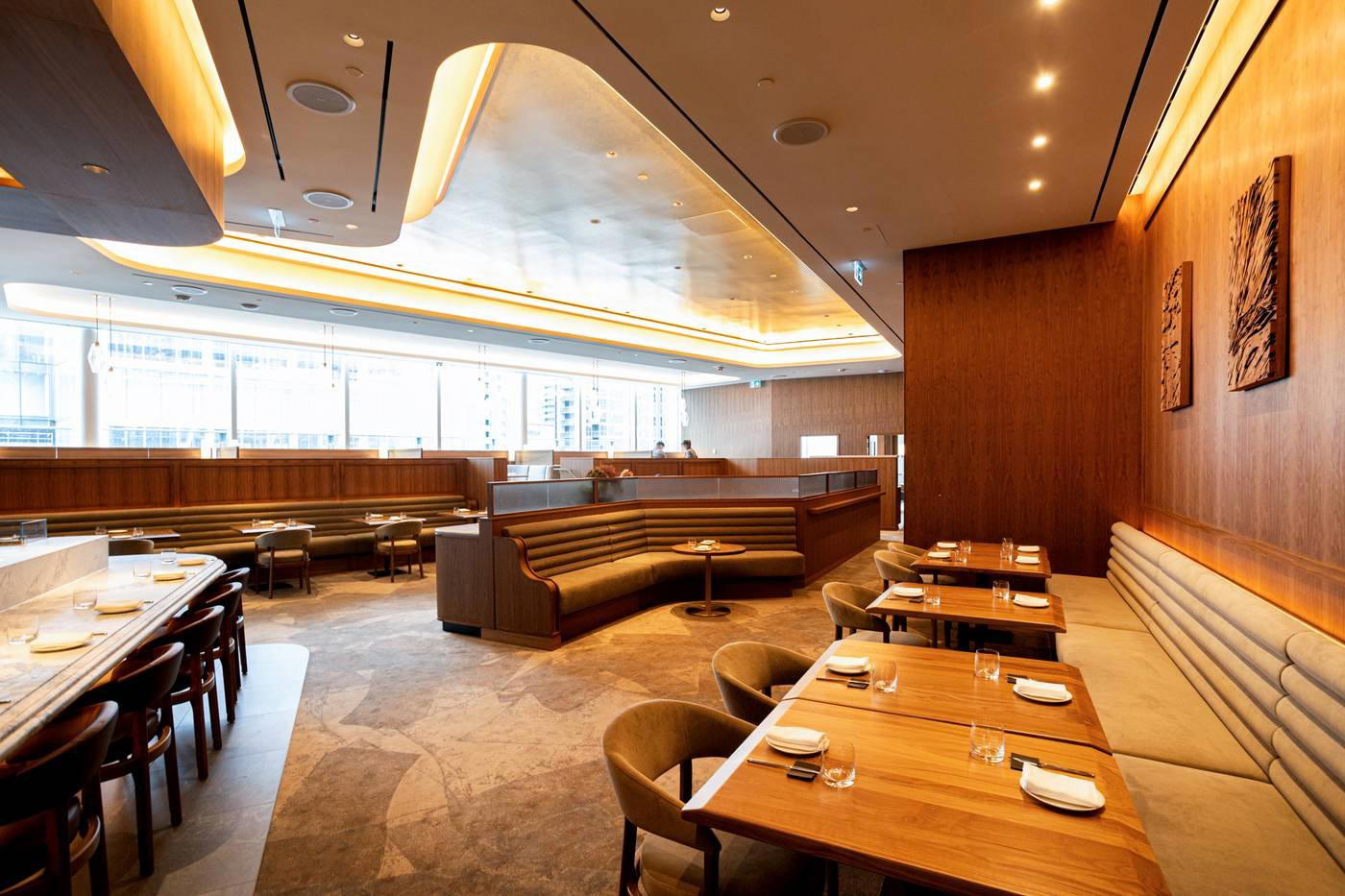
Sophisticated yet inviting dining room with stylish bar and charming outdoor terrasse, evoking the breezy charm of southern France.