The Rushton sits on St Clair Avenue West in Toronto's Wychwood neighbourhood, a stretch that has quietly accumulated serious independent restaurants over the past decade. The kitchen operates within a city increasingly attentive to ingredient provenance, placing it alongside a broader Canadian movement that prizes sourcing transparency and regional supply chains as seriously as technique.
Pearl is the En Primeur Club membership app — saves, bookings, and concierge access live there. Same editors, same standards.
- Address
- 740 St Clair Ave W, Toronto, ON M6C 1B3, Canada
- Phone
- +14166587874
- Website
- therushton.com
- Directions
- Get directions
 Saves & bookings on Pearl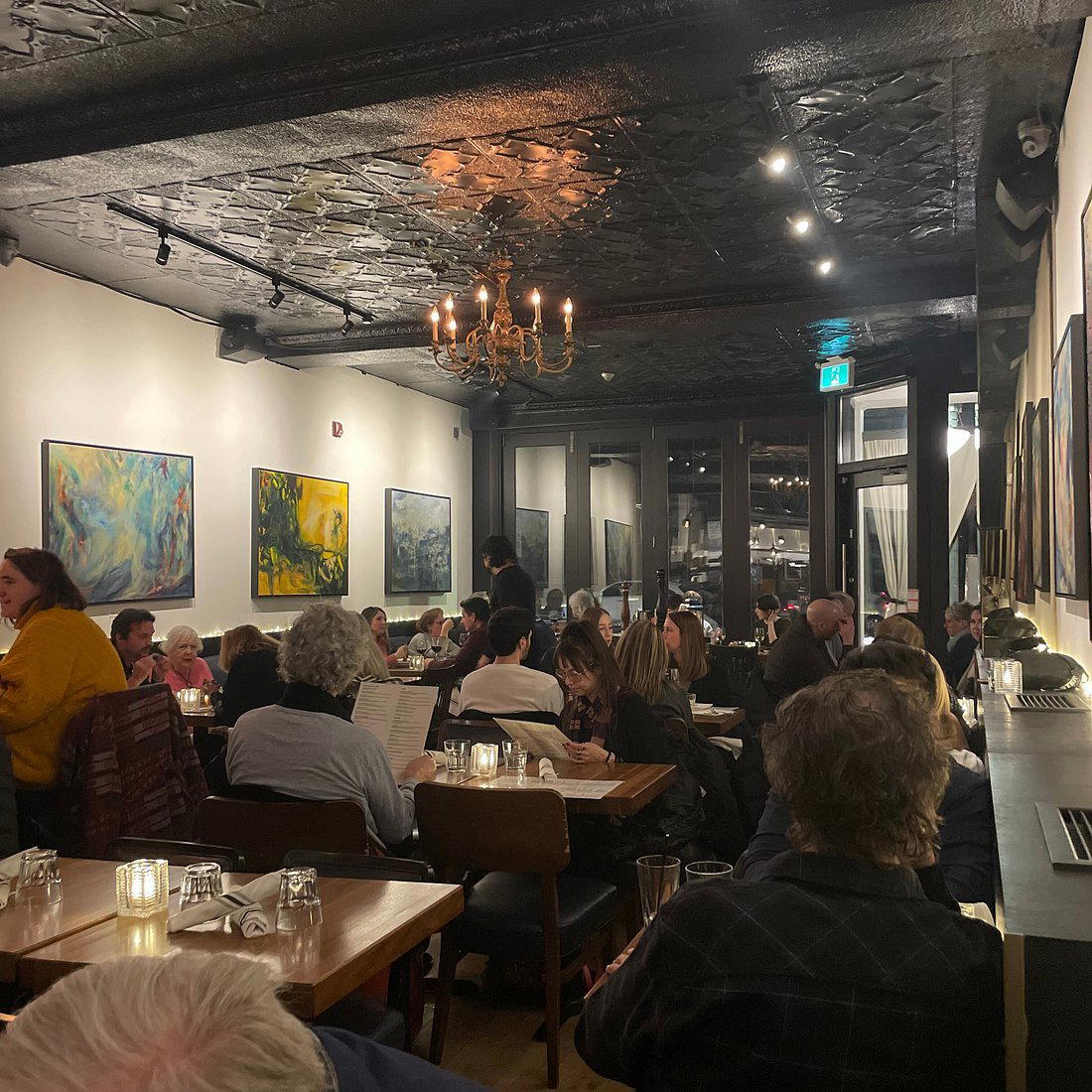
St Clair West and the Neighbourhood That Grew Up
St Clair Avenue West between Bathurst and Dufferin has followed a trajectory common to several mid-city Toronto corridors: a slow accumulation of independent operators who chose the neighbourhood for its rent relative to downtown and stayed because the local clientele proved more culinarily engaged than expected. The Rushton, at 740 St Clair Ave W, is a French bistro with Mediterranean influences in Toronto. It occupies a position on a strip where the competition is largely other independents rather than hotel dining rooms or corporate groups, which shapes both the pricing logic and the sourcing ambitions of restaurants in this tier.
Toronto's restaurant geography has a useful way of sorting itself. The downtown core, from the Entertainment District up through Yorkville, hosts the city's most decorated rooms: Alo in the Contemporary bracket at the $$$$ tier, Sushi Masaki Saito operating at the ceiling of Japanese omakase in Canada, and Aburi Hana bringing kaiseki discipline to a city that has developed a genuine appetite for it. The mid-city independents on corridors like St Clair West operate on different terms, closer to their immediate communities, more dependent on repeat custom, and often more personally invested in the supply relationships that define what arrives on the plate each week.
Sourcing as Editorial Position
One consequential shift in Canadian restaurant cooking over the past fifteen years has not been a technique or a format but a sourcing orientation. Kitchens from Tanière³ in Quebec City to AnnaLena in Vancouver have moved toward supply chains where the provenance of proteins, produce, and dairy is not a marketing footnote but a structural decision that determines the menu's seasonal shape. This is not a uniform trend, plenty of Toronto rooms still operate on broadline distribution, but the restaurants that have attracted sustained attention, particularly in independent neighbourhood formats, tend to be those where sourcing specificity is legible on the plate.
For a restaurant on St Clair West, operating at the intersection of the Wychwood and Hillcrest neighbourhoods, the logic of regional sourcing aligns naturally with the clientele. This is a part of Toronto with a strong market culture, Wychwood Barns farmers market runs weekly, and diners who cross-reference what's on a menu with what they saw at the market earlier that morning. A kitchen that can speak credibly about where its ingredients come from is not performing a trend in this neighbourhood; it is meeting an expectation that the local audience has already formed.
Across Canada, the sourcing conversation has increasingly extended beyond produce into proteins and fermented goods. Operations like Eigensinn Farm in Singhampton have demonstrated that the farm-to-table relationship can be taken to its logical conclusion, with a kitchen that controls its own supply almost entirely. More practically, restaurants like Restaurant Pearl Morissette in Lincoln and The Pine in Creemore have shown that proximity to Ontario's agricultural regions, the Niagara Peninsula, Grey County, Prince Edward County, gives Toronto-adjacent kitchens access to a supply network that most North American cities would envy. The question for any Toronto neighbourhood restaurant is how much of that network it chooses to activate.
The Mid-City Independent in Toronto's Current Market
Toronto's restaurant market in 2024 operates under significant cost pressure. Labour costs have risen sharply since 2020, food inflation has affected supply chain economics at every tier, and the dining public has become more selective about where it spends at the $80-to-$150-per-head range that defines serious neighbourhood dining without reaching the $200-plus threshold of the city's leading tasting-menu rooms. In that middle band, ingredient sourcing becomes a differentiator in both directions: it raises costs, but it also justifies price points and builds the kind of regulars-driven loyalty that keeps a neighbourhood room viable across multiple years.
The Italian-adjacent rooms in Toronto's current market, DaNico and Don Alfonso 1890 both operating at the $$$$ tier, demonstrate that sourcing transparency has crossed genre lines. It is no longer a marker of a particular style of cooking but a baseline expectation in the upper registers of the market. Rooms that cannot articulate their supply relationships are increasingly at a disadvantage in a city where food media, social channels, and word-of-mouth all move quickly.
Beyond Toronto, the Canadian sourcing conversation has found strong expressions in Jérôme Ferrer's Europea in Montreal, at Narval in Rimouski, where the maritime supply chain is the organizing principle of the menu, and at Aux Anciens Canadiens in Quebec, where historical Canadian ingredients are the editorial frame. Each of these rooms makes the point that sourcing is not a single aesthetic but a range of stances, from preservation of culinary heritage to aggressive seasonal minimalism.
Where The Rushton Sits in That Picture
A neighbourhood room on St Clair West competes primarily on consistency, sourcing credibility, and the quality of the regulars relationship it builds over time. The downtown comparison set is not the relevant peer group for a room at this address. The relevant comparison is other mid-city Toronto independents and, more broadly, the category of Canadian neighbourhood restaurants that have made sourcing specificity their primary editorial position.
For international reference points, the closest analogues are not the headline rooms but the mid-tier independents in cities like New York, where a room like Le Bernardin represents the ceiling and the more instructive comparison is the generation of sourcing-led neighbourhood rooms that emerged in Brooklyn and the Lower East Side over the past decade. In Korea, rooms like Atomix have demonstrated that sourcing transparency and technique precision are not mutually exclusive at any price tier. The same principle applies in Toronto: a neighbourhood room can hold genuine sourcing standards without the ceremony of a tasting-menu format.
Outside the city, Barra Fion in Burlington offers a useful comparison point for how Ontario's smaller markets are developing their own sourcing-led independent formats, while Bearspaw Golf Club in Calgary illustrates how sourcing conversations have reached formats well outside the conventional independent restaurant category.
Planning a Visit
Cost Snapshot
Comparable venues nearby, for context on price, style, and recognition.
| Venue | Cuisine | Price | Notes |
|---|---|---|---|
| The RushtonThis venue — the venue you are viewing | Not listed | $$$ | Not listed |
| Le Swan | Trinity Bellwoods, French Diner | $$$ | Not listed |
| Jazz Bistro | Not listed | $$$ | Downtown Yonge, French Bistro with Live Jazz |
| L'avenue on Parliament | Cabbagetown, Classic French Bistro | $$$ | Not listed |
| Deauville Club | Not listed | $$$ | Entertainment District, Modern French with Global Influences |
| Avant Gout | Not listed | $$ | Rosedale, French Bistro with Moroccan Influences |
Continue exploring
More in Toronto
Restaurants in Toronto
Browse all →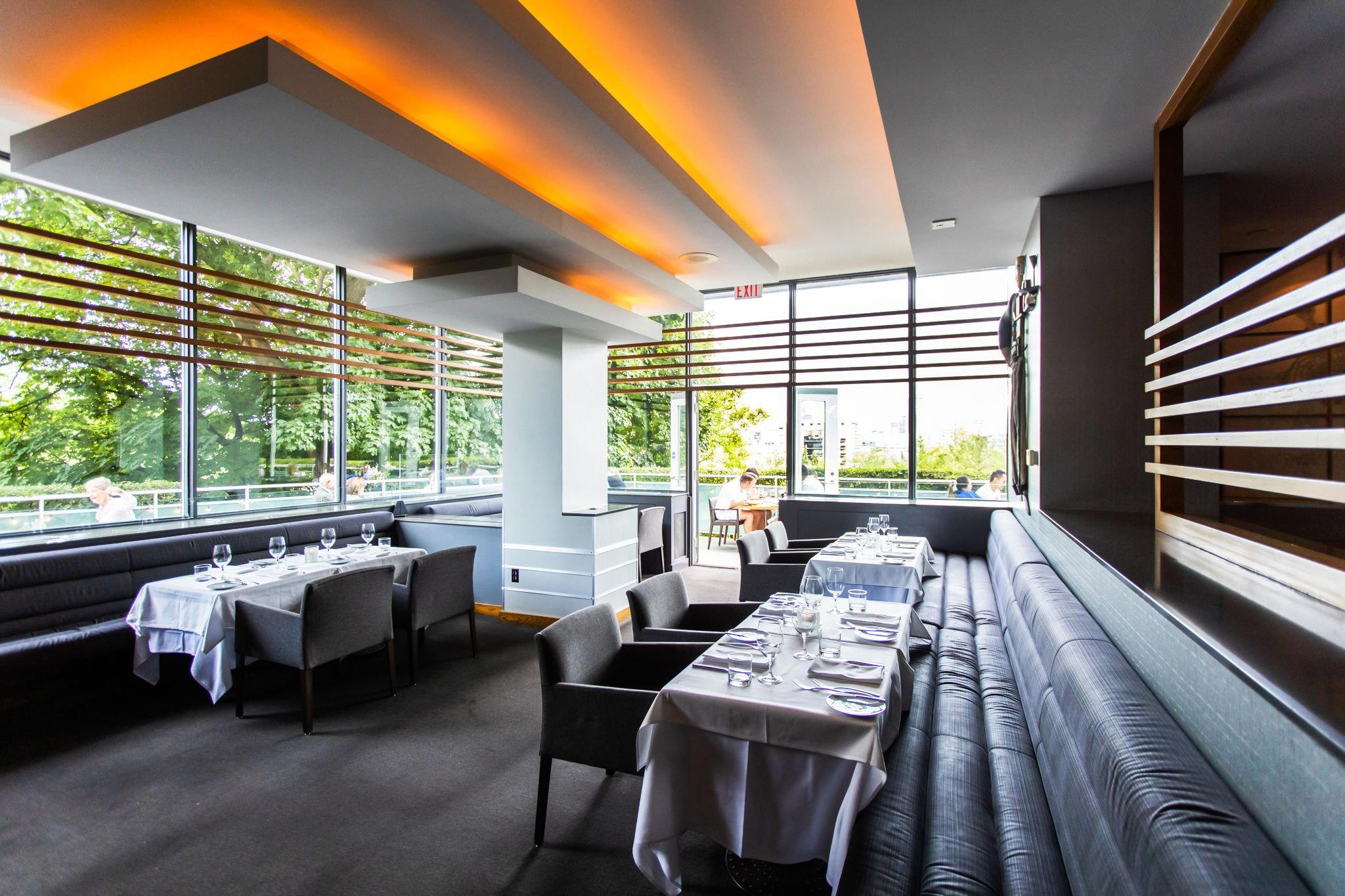
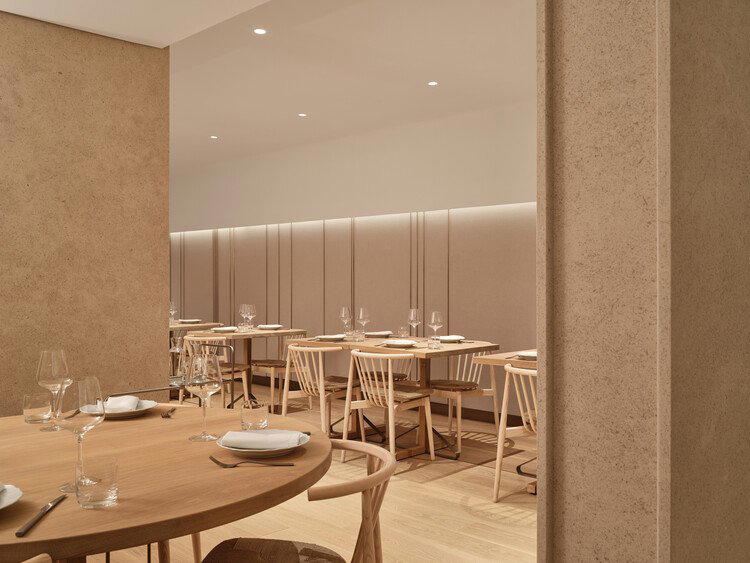
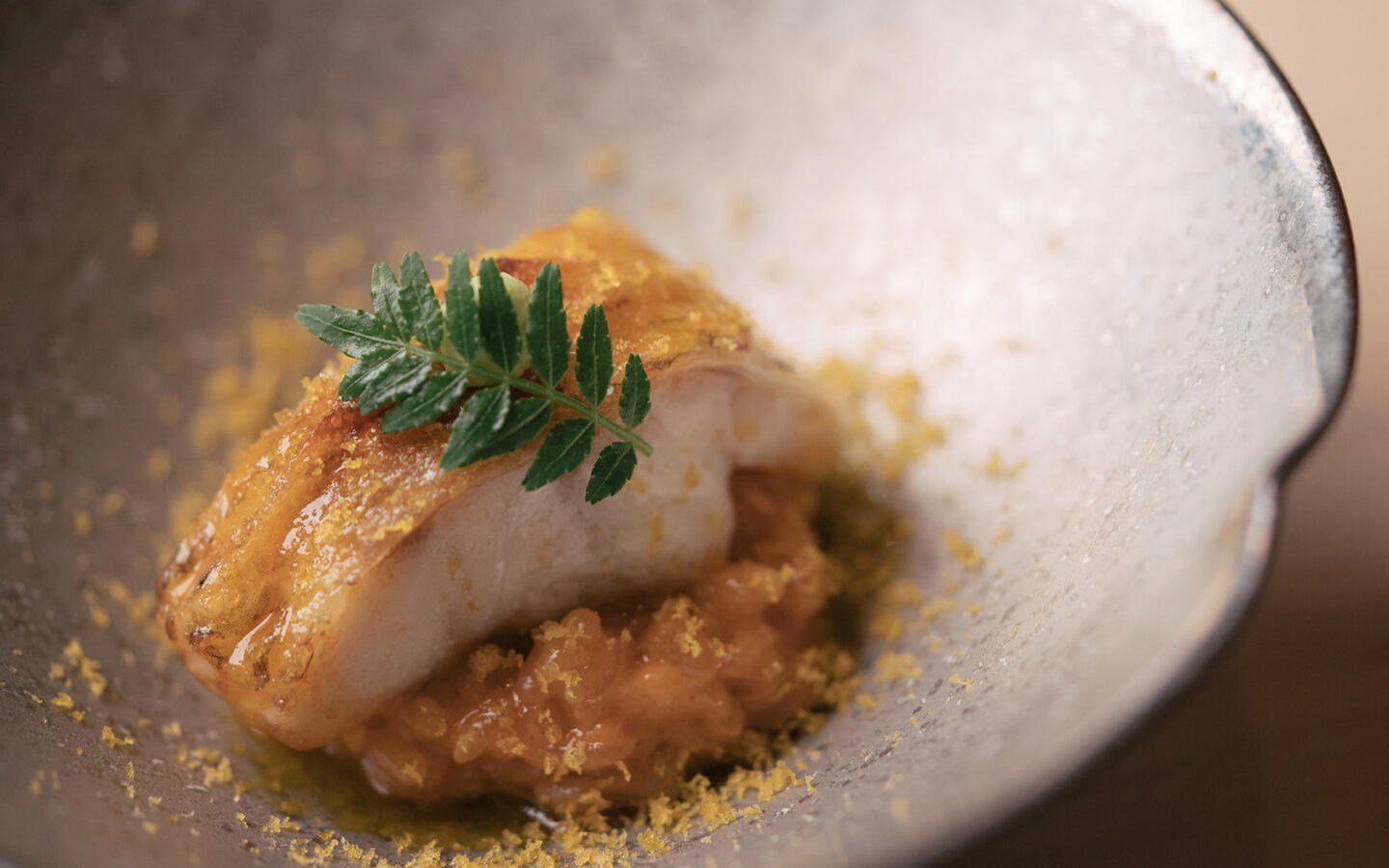
Bars in Toronto
Browse all →


Hotels in Toronto
Browse all →

At a Glance
- Elegant
- Sophisticated
- Cozy
- Date Night
- Extensive Wine List
- Local Sourcing
Current opening hours
- Monday
- 11:30 AM–11:30 PM
- Tuesday
- 11:30 AM–11:30 PM
- Wednesday
- 11:30 AM–11:30 PM
- Thursday
- 11:30 AM–11:30 PM
- Friday
- 11:30 AM–11:30 PM
- Saturday
- 11:30 AM–11:30 PM
- Sunday
- Closed
Hours can change for holidays and private events. Last verified .
Sophisticated dining room with lively bar and spacious outdoor patio.