On Parliament Street in Cabbagetown, L'avenue on Parliament occupies a stretch of Toronto's east side that has cycled through neighbourhood identities for decades. The address places it among a generation of independent restaurants that have followed residential density rather than downtown foot traffic, making it a useful reference point for how Toronto's dining geography continues to shift eastward.
Pearl is the En Primeur Club membership app — saves, bookings, and concierge access live there. Same editors, same standards.
- Address
- 583 Parliament St, Toronto, ON M4X 1P9, Canada
- Phone
- +16473688008
- Website
- lavenueonparliament.ca
- Directions
- Get directions
 Saves & bookings on Pearl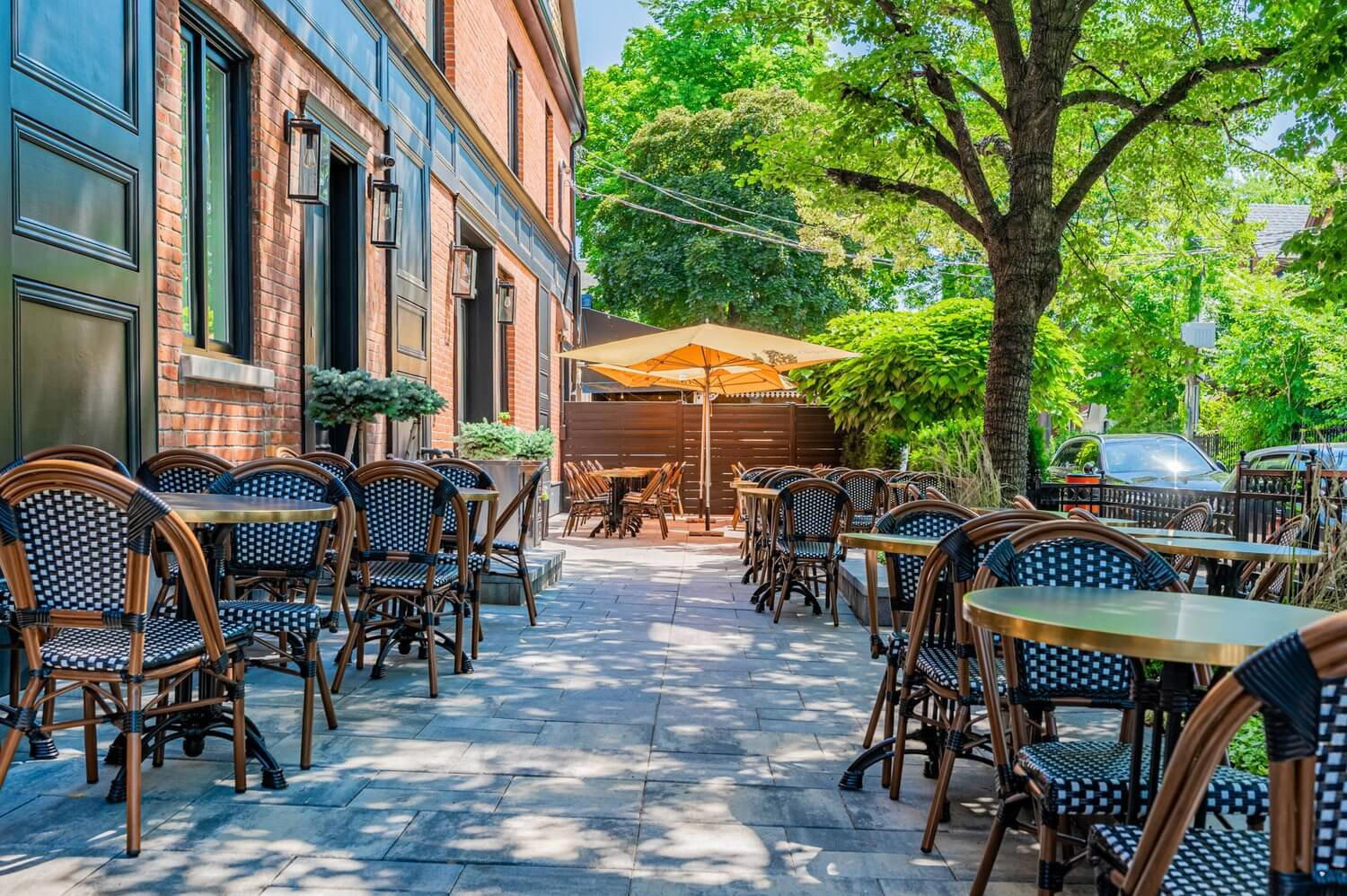
Parliament Street and the Eastward Drift of Toronto Dining
Toronto's restaurant geography has been redrawn more than once in the past two decades. The centre of gravity that once sat firmly in Yorkville and along King West has migrated steadily eastward, with Leslieville, Riverdale, and Cabbagetown each absorbing waves of independent operators priced out of higher-rent corridors. Parliament Street sits at the axis of that shift. The stretch running north from Dundas toward Bloor carries the particular character of a neighbourhood in mid-transition: century-old storefronts, a residential density that predates the condo boom, and a dining scene that has moved from utilitarian to considered without yet tipping into the self-conscious polish of, say, King Street West.
It is a product of that specific urban moment. The address is not downtown, and it does not pretend to be. That positioning is, in itself, an editorial statement about where independent dining has room to exist and develop in a city where commercial rents in the core have compressed margins to the breaking point.
The Evolution of a Neighbourhood Address
The story of most long-standing Parliament Street restaurants is one of iteration rather than arrival. A neighbourhood address in Cabbagetown earns its character through accumulated cycles: the original concept, the menu adjustments made in response to a shifting local clientele, the slow accretion of regulars who return not because a venue has been anointed by a major awards body but because it functions reliably within the rhythm of their lives. This is a different value proposition from the tasting-menu counters that dominate Toronto's award conversation, the Alos and the Sushi Masaki Saitos, and it deserves its own critical frame.
What the evolution model means in practice, for a venue at this address, is that the kitchen and format have likely been calibrated against what Parliament Street's residential population will actually support week to week. That calibration tends to produce something more durable than concept-driven openings engineered for launch press. The pivot points matter: any restaurant that has survived on this street through the disruptions of the past several years has been tested against real neighbourhood demand in a way that a high-profile downtown tasting room simply has not.
This arc is worth noting in the context of broader Canadian dining. Across the country, particularly interesting mid-tier restaurants are not in urban centres chasing Michelin validation, they are operating on residential high streets in Montreal, Vancouver, and cities like Quebec, where Tanière³ demonstrates that serious cuisine and neighbourhood embeddedness are not mutually exclusive. AnnaLena in Vancouver and Jérôme Ferrer - Europea in Montreal occupy analogous positions in their respective cities: known within their local ecosystems, operating outside the formal awards tier, and shaped by accumulated neighbourhood context rather than opening-night ambition.
Where L'avenue Sits in Toronto's Competitive Set
Toronto's dining tier structure has become more stratified in recent years. At the leading end, a cluster of omakase and tasting-menu formats, Aburi Hana, Don Alfonso 1890, DaNico, compete on credentials, chef lineage, and booking scarcity. Below that, a wider middle tier operates across the city's residential corridors with fewer formal markers and more direct accountability to their immediate communities. L'avenue on Parliament falls into that second category by geography alone. Parliament Street is not a destination dining street in the way that Ossington or the Harbord Village stretch can be; it is a neighbourhood artery, and a restaurant that survives and iterates there is answering to different pressures than one positioned for critic traffic.
The comparison table below gives practical context for how this address stacks against its most-cited Toronto peers:
| Venue | Neighbourhood | Price Tier | Format | Booking Lead |
|---|---|---|---|---|
| L'avenue on Parliament | Cabbagetown / Parliament St | Not confirmed | Not confirmed | Not confirmed |
| Alo | Spadina / Queen | $$$$ | Tasting menu | Several weeks |
| Aburi Hana | Downtown | $$$$ | Kaiseki omakase | Weeks to months |
| Don Alfonso 1890 | King West / Downtown | $$$$ | Contemporary Italian | Variable |
The Broader Ontario Independent Context
Toronto's independent dining scene does not exist in isolation from the wider Ontario and Canadian independent circuit. Venues like Eigensinn Farm in Singhampton and The Pine in Creemore demonstrate that serious food operations have colonised addresses well outside the city's commercial core, sustained by a clientele willing to travel for specificity. Within the city, the Parliament Street corridor represents a smaller-scale version of that same logic: diners who live east of the Don Valley are increasingly unwilling to commute downtown for every considered meal, and the restaurants that have positioned themselves to serve that demand operate with a different cost structure and a different relationship to their neighbourhood than downtown flagships.
Restaurant Pearl Morissette in Lincoln and Barra Fion in Burlington offer further reference points for how the Ontario independent scene has decentralised. The pattern is consistent: one interesting dining development in the province is happening at addresses that require a navigation decision rather than a reflex downtown booking.
For readers with an interest in the broader Canadian independent circuit, Narval in Rimouski and Aux Anciens Canadiens in Quebec demonstrate the range of what neighbourhood-rooted independent dining looks like across the country's culinary regions.
Planning a Visit
583 Parliament St is accessible by TTC along the Parliament corridor and is within walking distance of the 506 Carlton streetcar. The Cabbagetown location means parking is available on residential side streets in a way that is not practical in the downtown core. Reservations are recommended, particularly for weekend evenings when neighbourhood demand on Parliament Street tends to be high. Readers accustomed to the booking infrastructure of Toronto's higher-profile tasting counters, where reservation platforms manage weeks-long waitlists, should calibrate expectations accordingly: an independent at this address is more likely to operate with a direct-call or walk-in model than with a Tock or Resy integration.
A Tight Comparison
Comparable venues nearby, for context on price, style, and recognition.
| Venue | Cuisine | Price | Notes |
|---|---|---|---|
| L'avenue on ParliamentThis venue — the venue you are viewing | Cabbagetown, Classic French Bistro | $$$ | Not listed |
| La Plume | Not listed | $$$ | Fashion District, Southern French Brasserie |
| Chantecler Boucherie | Parkdale, French Bistro | $$$ | Not listed |
| Batifole | Riverdale, Authentic French Bistro | $$$ | Not listed |
| Domaine MaMo | Not listed | $$$ | Davisville Village, French-Italian Regional |
| Maison Selby | Not listed | $$$ | St James Town, French Bistro with Modern Accent |
Continue exploring
More in Toronto
Restaurants in Toronto
Browse all →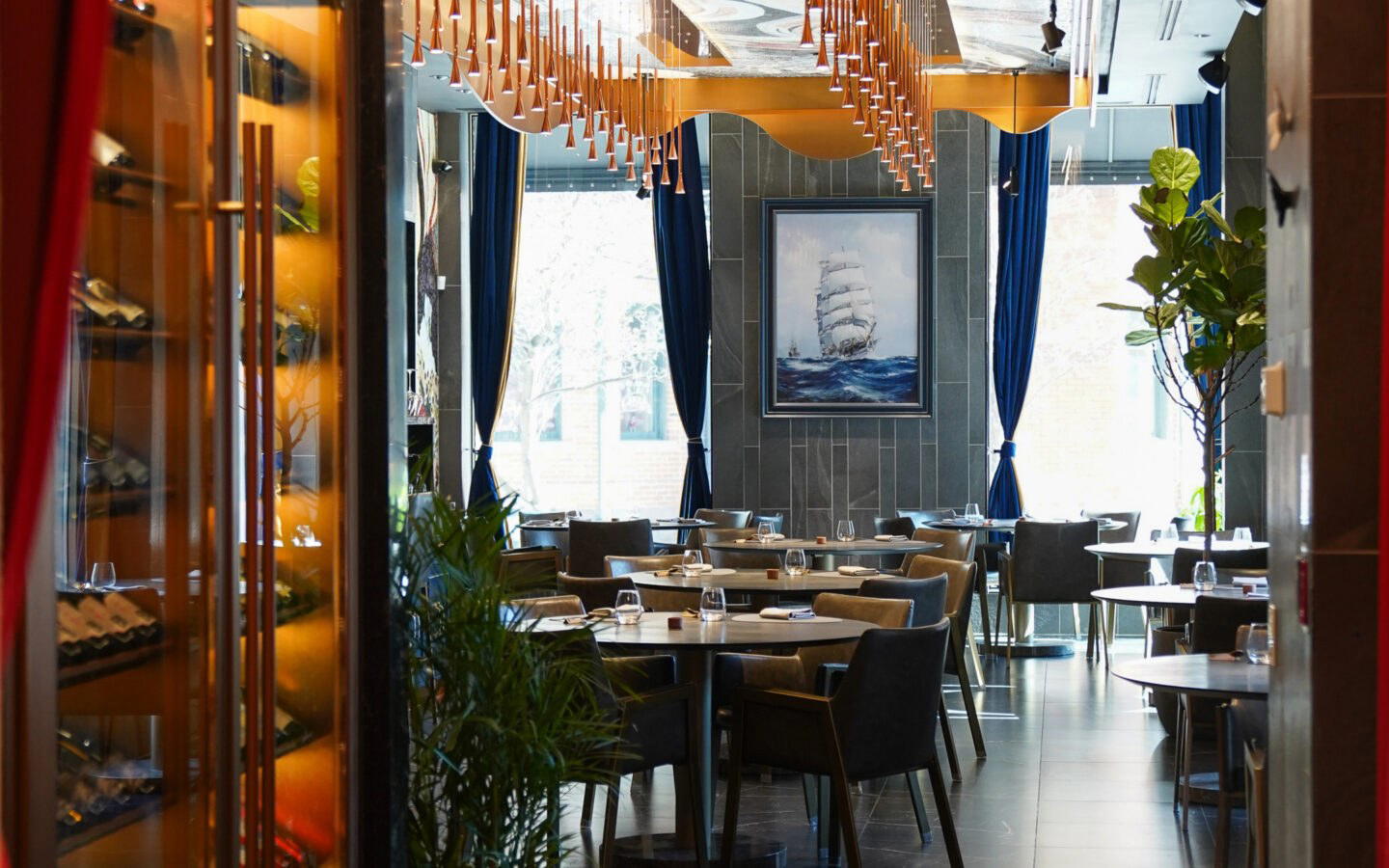
Bars in Toronto
Browse all →
Hotels in Toronto
Browse all →

At a Glance
- Classic
- Elegant
- Cozy
- Sophisticated
- Date Night
- Special Occasion
- Brunch
Current opening hours
- Monday
- 5–10 PM
- Tuesday
- 5–10 PM
- Wednesday
- 5–10 PM
- Thursday
- 5–10 PM
- Friday
- 5–11 PM
- Saturday
- 10 AM–3 PM, 5–11 PM
- Sunday
- 10 AM–10 PM
Hours can change for holidays and private events. Last verified .
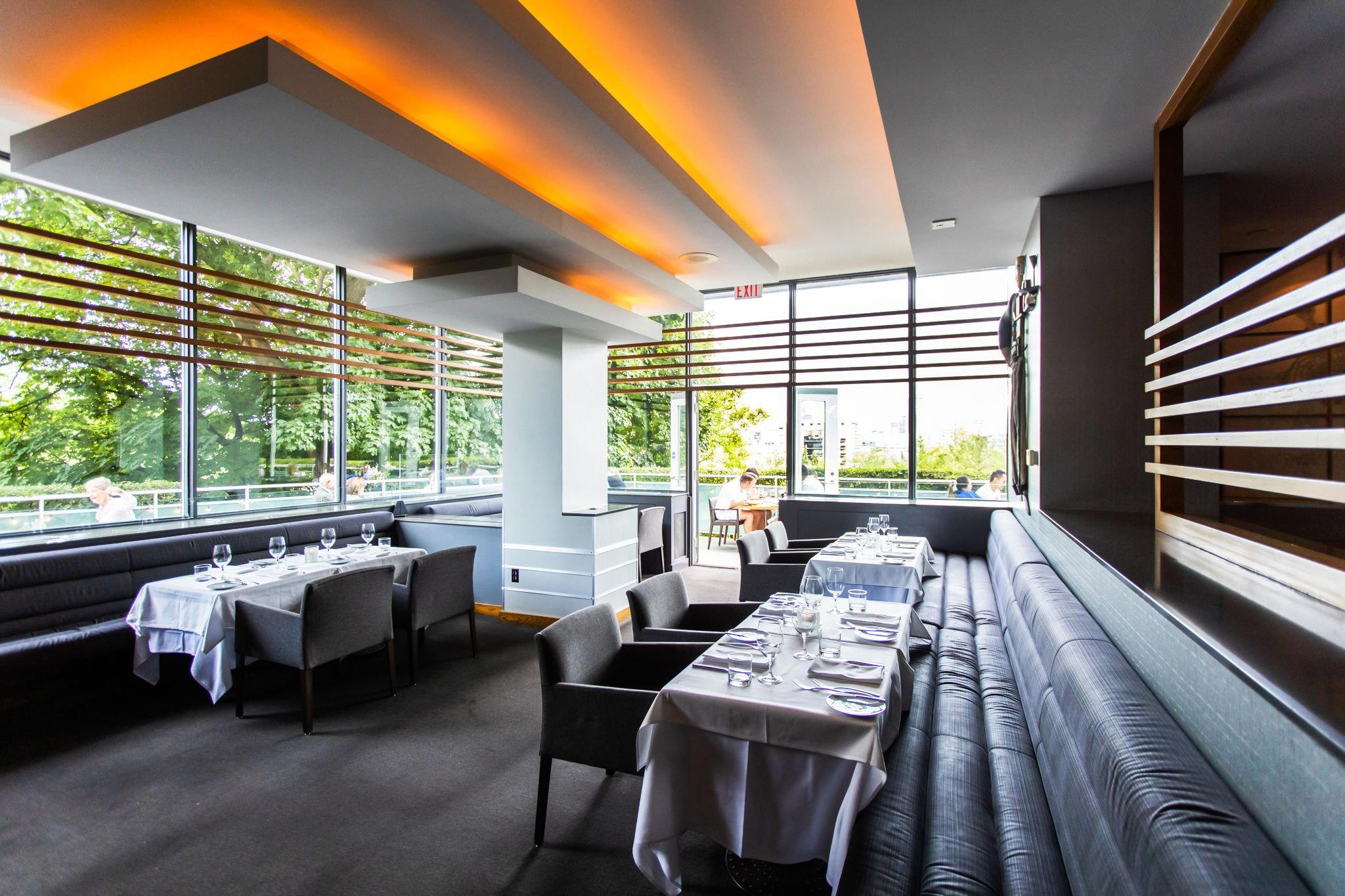
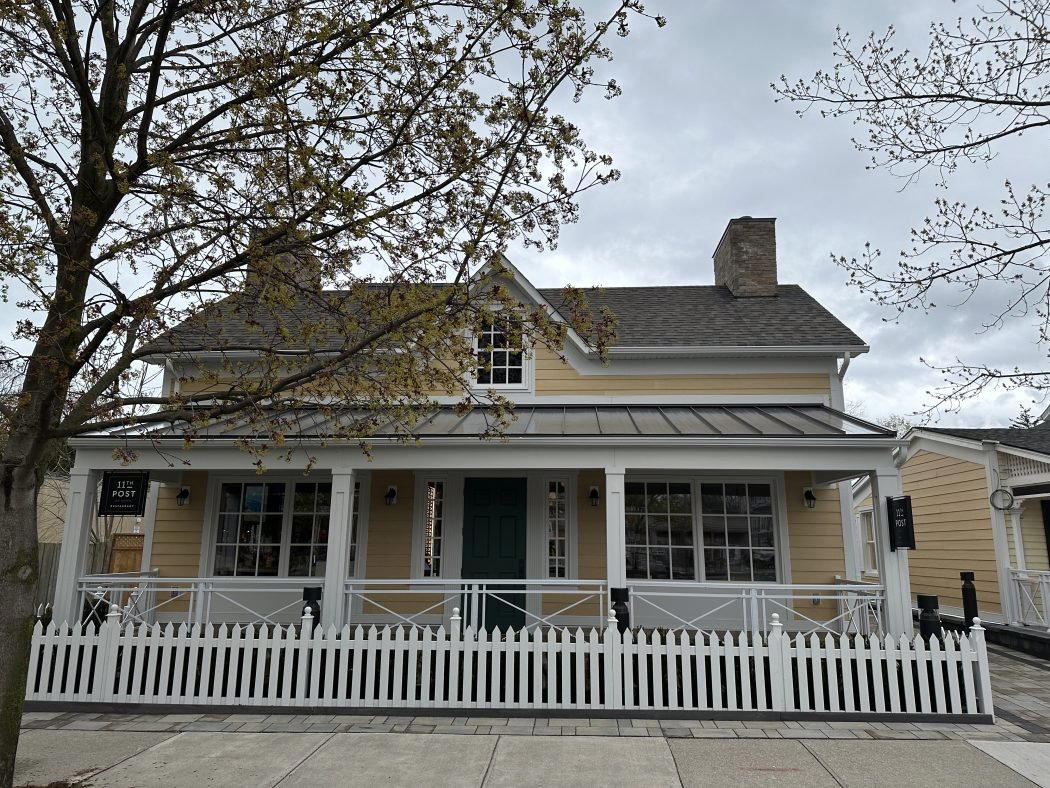
Marble wainscotting, contemporary art, pressed linen tablecloths indoors with chic bistro tables and bentwood chairs on the pretty outdoor patio.