La Platilleria sits in the Sants-Montjuïc district of Barcelona, a neighbourhood better known for working-class markets and pre-concert crowds than destination dining. That context is part of its appeal: a small plates format rooted in Catalan product, operating away from the Eixample circuit where most of the city's internationally recognised tables are concentrated.
Pearl is the En Primeur Club membership app — saves, bookings, and concierge access live there. Same editors, same standards.
- Address
- Carrer del Roser, 82, Sants-Montjuïc, 08004 Barcelona, Spain
- Phone
- +34 934 63 54 01
- Website
- facebook.com
- Directions
- Get directions
 Saves & bookings on Pearl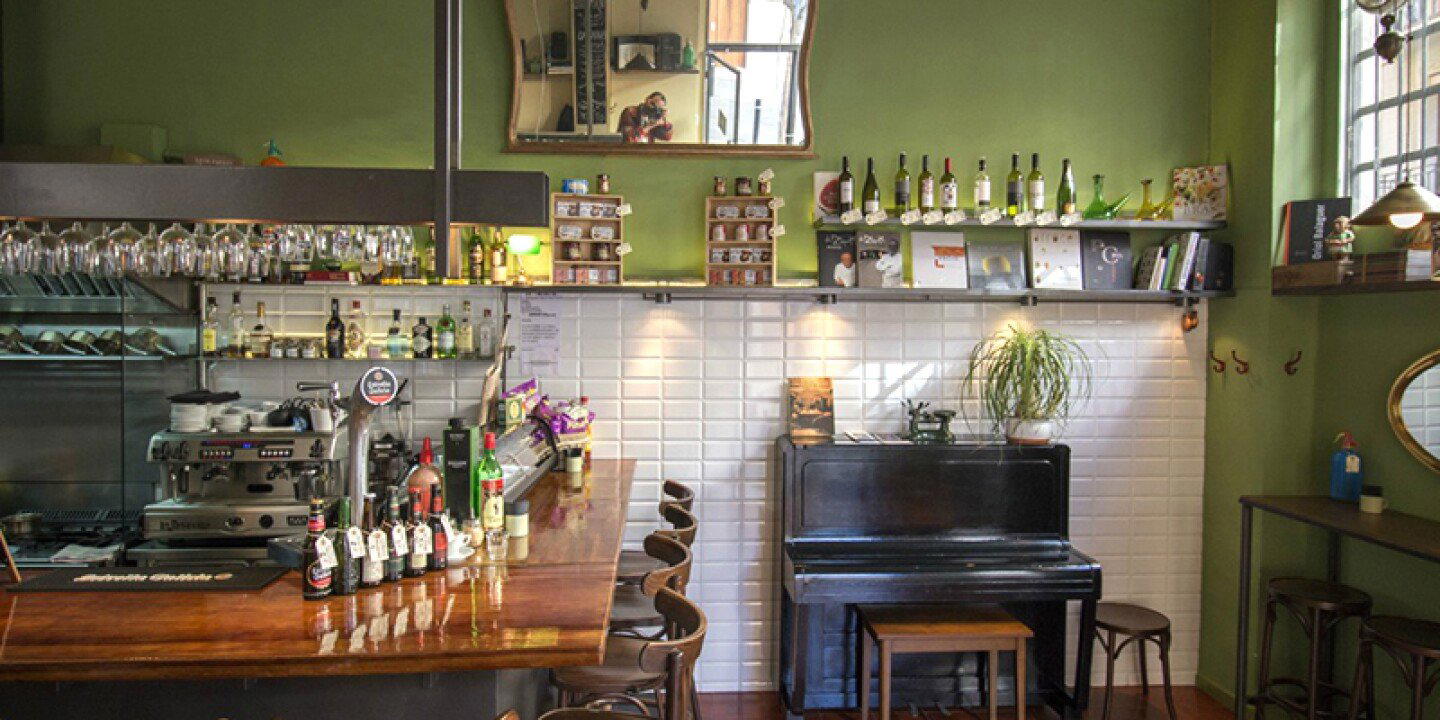
Dining Away from the Eixample Circuit
Barcelona's dining scene clusters in a predictable corridor: the Eixample grid and its immediate surrounds, where addresses like Disfrutar, Lasarte, and ABaC have consolidated the city's fine dining reputation over the past two decades. Sants-Montjuïc sits at a different angle to that geography, a district shaped by the old industrial port approach, the Montjuïc hillside, and a residential texture that most visitors move through rather than stop in. La Platilleria occupies a spot on Carrer del Roser in this context, a street-level address in a neighbourhood where the dining culture leans local and the competition comes from the market stall and the neighbourhood bar rather than the tasting menu counter.
That positioning matters editorially because it tells you something about who this restaurant is serving and why. The small plates format, common across Catalonia and the wider Spanish tradition of sharing dishes, works particularly well in areas where diners are regulars rather than first-time visitors. Portion scale, pacing, and the logic of ordering are already understood. The theatrical explanation of concept that front-of-house teams deploy at more tourist-facing tables becomes unnecessary.
The Booking Logic in a Neighbourhood Format
Small restaurants in residential Barcelona districts operate on a different booking rhythm than the city's internationally publicised tables. At venues like Enigma or Cocina Hermanos Torres, bookings open weeks or months ahead, and the reservation process involves navigating online systems built for international demand. Neighbourhood restaurants run on shorter windows, often a week out or less for weekday tables, but compress dramatically on weekends when local demand competes with visitors who have done their research.
The editorial angle here applies broadly to this category of restaurant in Barcelona: the venues that generate word-of-mouth within a district before they attract press attention tend to fill on a different timeline than those that debut with national coverage. Getting a table requires either advance planning or the willingness to walk in at the margins of service, early for lunch, late for dinner, or mid-week when local traffic drops. Spain's dining rhythm compounds this: dinner service in Barcelona rarely begins before 8:30pm, and the prime window between 9pm and 10:30pm fills fastest. A 8pm or 11pm booking at a neighbourhood table is often the practical path to a seat without a reservation.
For visitors building a Barcelona itinerary around food, the distribution question is worth considering. A week that places all its table bookings inside the Eixample misses the texture of how the city actually eats. Sants, Gràcia, Poblenou, and Sant Pere each carry distinct food cultures. La Platilleria's Carrer del Roser address places it in a neighbourhood that most food-focused guides treat as transitional territory, which is precisely what gives it its character.
Small Plates and the Catalan Sharing Tradition
The platillo, literally a small plate, a diminutive of plato, is not a concept Barcelona invented, but the city has developed a particular version of it that sits between the Basque pintxo tradition and the broader Spanish tapas format. In the Basque Country, the counter display drives ordering: you take what you see. In Madrid's tapas bars, the format tends toward casual accompaniment to drinks. Barcelona's platillo culture occupies a more considered middle ground: dishes are composed, ordered from a menu, and intended to be shared across the table in a sequence that the diner controls.
This format rewards the kind of table that knows how to order collectively, three to four dishes for two people, then reassess, rather than ordering everything at once and losing control of the pacing. It also rewards return visits more than a single tasting menu does: the menu shifts with season and product availability, and the low per-dish price of entry allows more range across a meal than a fixed progression permits. Spain's broader creative dining scene, from El Celler de Can Roca in Girona to Quique Dacosta in Dénia, operates at a different scale and price tier, but the underlying instinct toward product-led, season-responsive cooking runs through both ends of the spectrum.
Planning a Visit: What the Neighbourhood Requires
Carrer del Roser runs through the lower section of Sants-Montjuïc, within walking distance of the Paral·lel metro station on Lines 2 and 3. The neighbourhood has a different street rhythm from the tourist-heavy Gothic Quarter or the design-corridor blocks of the Eixample, quieter on weekday afternoons, more animated on weekend evenings when locals move between bars and restaurants in the area. Arriving by metro is one direct approach; the area's parking is residential-permit heavy and surface spaces fill early on weekend evenings.
Because La Platilleria's regular opening hours are Mon: Closed; Tue: Closed; Wed: 7:30–11 PM; Thu: 7:30–11 PM; Fri: 7:30–11 PM; Sat: 7:30–11 PM; Sun: Closed, reservations are recommended. This is characteristic of neighbourhood restaurants in this price and format tier across Spanish cities: they operate with lighter digital infrastructure than the reservation-platform-native venues that serve international audiences. That is not a disadvantage; it reflects a different operational model oriented toward regulars rather than first-time visitors arriving through a booking app.
Visitors who plan Sants-Montjuïc as a deliberate dining district rather than a corridor to the Montjuïc cable car or the Palau Sant Jordi will find it more rewarding. The area around Carrer del Roser and the adjacent Carrer de Blai, where the city's densest concentration of pintxos bars operates, offers a complete evening without crossing into the more trafficked central districts.
Where La Platilleria Sits in a Broader Spanish Context
Spain's restaurant culture has bifurcated sharply over the past fifteen years. At one end, internationally followed tables like DiverXO in Madrid, Mugaritz in Errenteria, and Aponiente in El Puerto de Santa María have defined Spanish cuisine internationally through radical technique and conceptual ambition. At the other end, the neighbourhood restaurant in its Spanish form remains among the more functional and pleasurable formats in European dining: product-focused, relatively informal, priced for return visits, and embedded in local life in ways that destination venues cannot replicate.
The restaurant operates in this second register. It is not competing with Martin Berasategui or Arzak for international dining attention, and it is not structured to do so. Its reference points are the neighbourhood and the Catalan product calendar rather than the global press cycle. That clarity of purpose is, in practical terms, what makes it worth finding, and worth understanding in the context of what Barcelona's dining scene looks like when you move off the itinerary most food guides hand you.
For visitors who have already worked through Barcelona's Michelin tier, or who are building an itinerary that reserves those bookings for Azurmendi, Ricard Camarena, or Atrio elsewhere in Spain, a neighbourhood table in Sants offers a different but complementary kind of evidence about how this country eats. Contrast with international peer formats is also instructive: the neighbourhood sharing-plate model here has more in common with the producer-driven approach at Lazy Bear in San Francisco or the product focus at Le Bernardin in New York City than the surface-level format differences suggest. The instinct toward honest product and a defined culinary point of view travels across categories.
Similar Picks
Comparable venues nearby, for context on price, style, and recognition.
| Venue | Cuisine | Price | Notes |
|---|---|---|---|
| La PlatilleriaThis venue — the venue you are viewing | Modern Spanish Tapas | $$ | Not listed |
| Restaurant Amaya | Traditional Basque and Mediterranean | $$ | Barri Gotic |
| THE CHIPIRON | Traditional Spanish Seafood Tapas | $$ | Port Vell |
| Casa Lola | Modern Spanish Tapas | $$ | la Dreta de l'Eixample |
| Tapes La Bona Sort | Modern Catalan Tapas | $$ | Sant Pere, Santa Caterina i la Ribera |
| Golfo De Bizkaia BCN | Traditional Basque Pintxos | $$ | Sant Pere, Santa Caterina i la Ribera |
Continue exploring
More in Barcelona
Restaurants in Barcelona
Browse all →
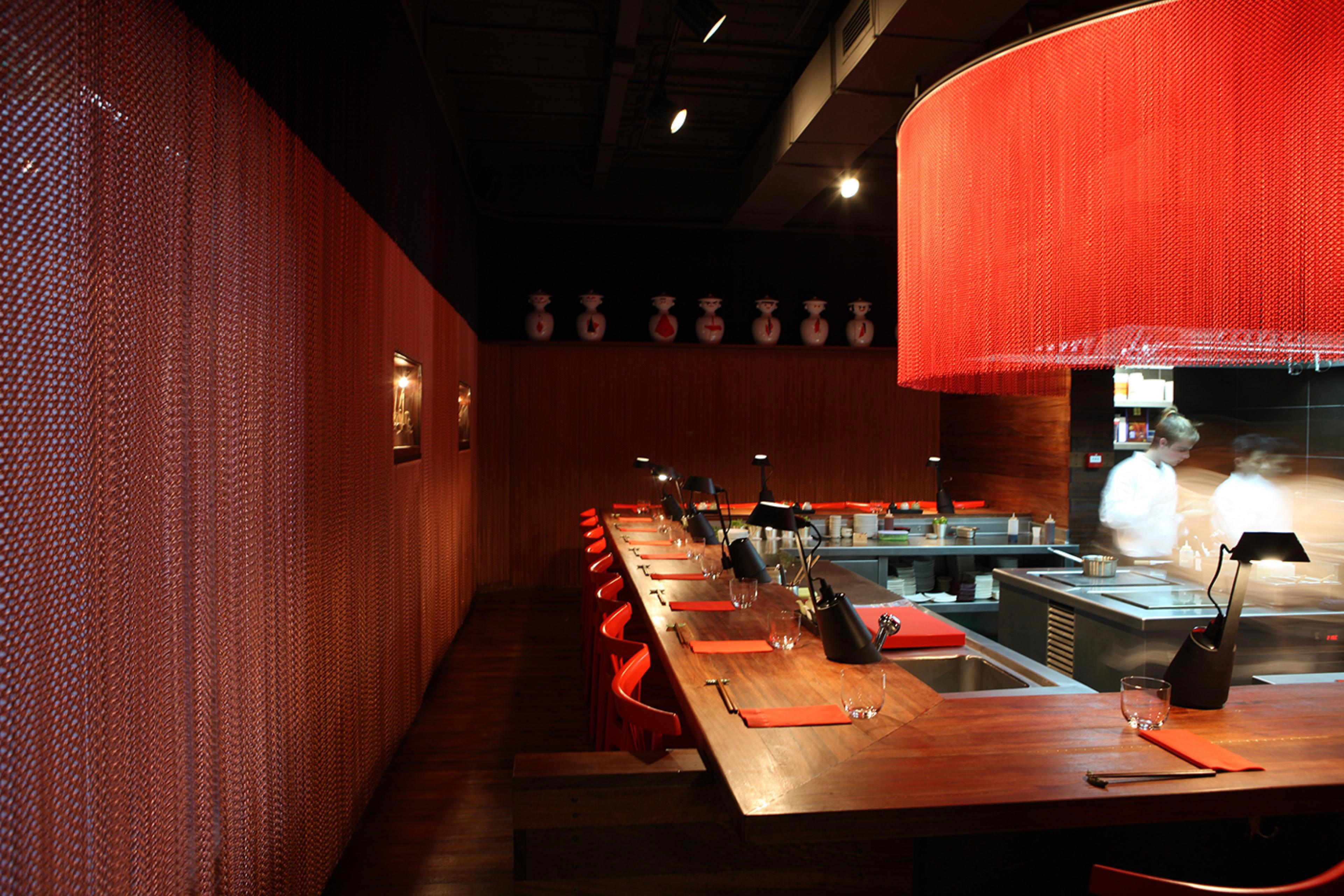
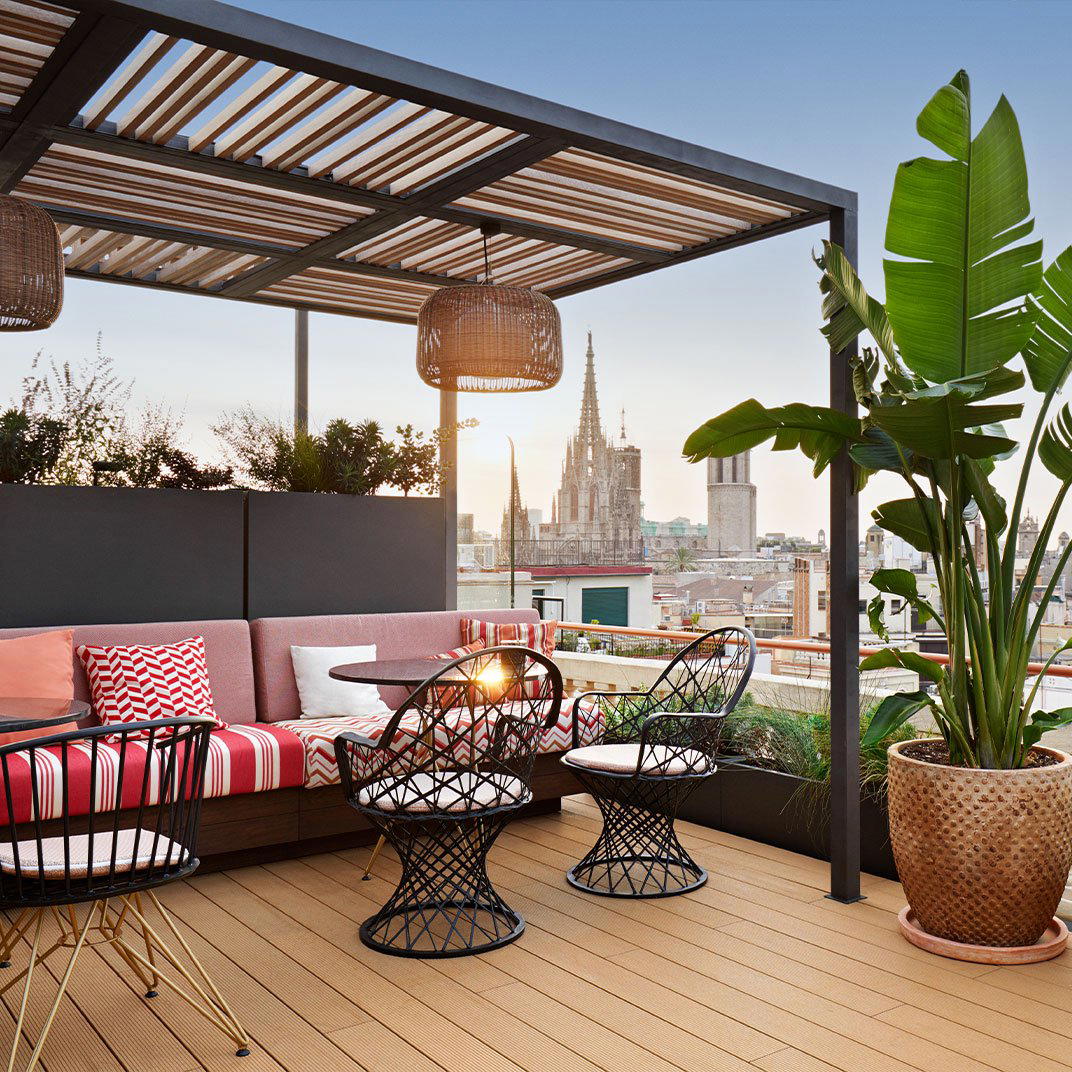
Bars in Barcelona
Browse all →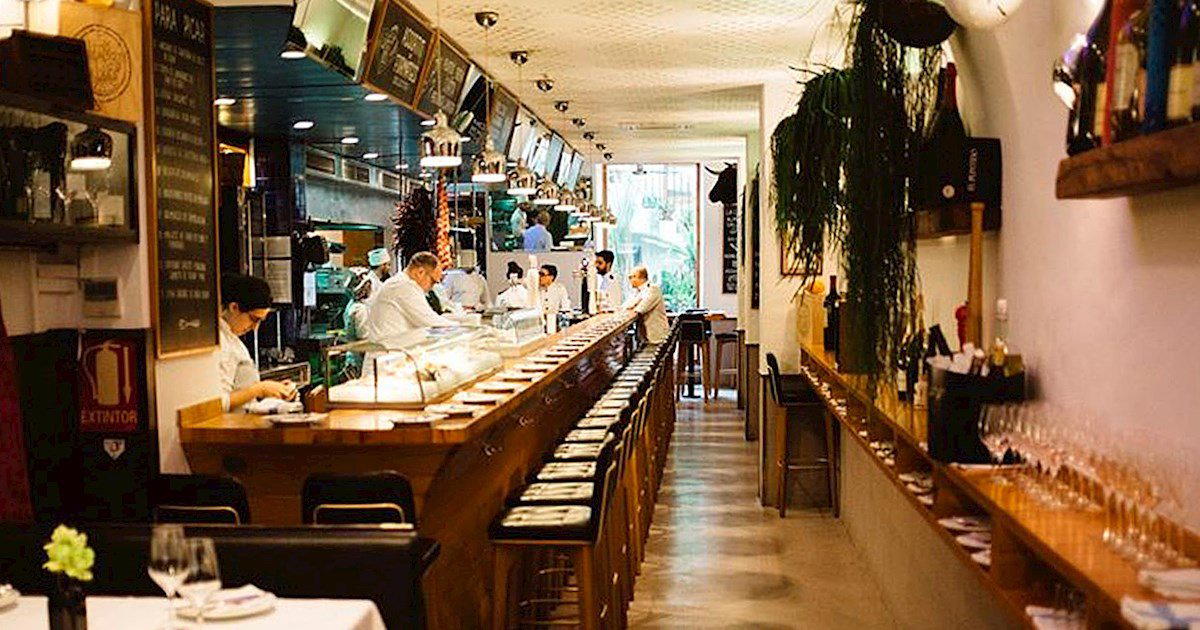
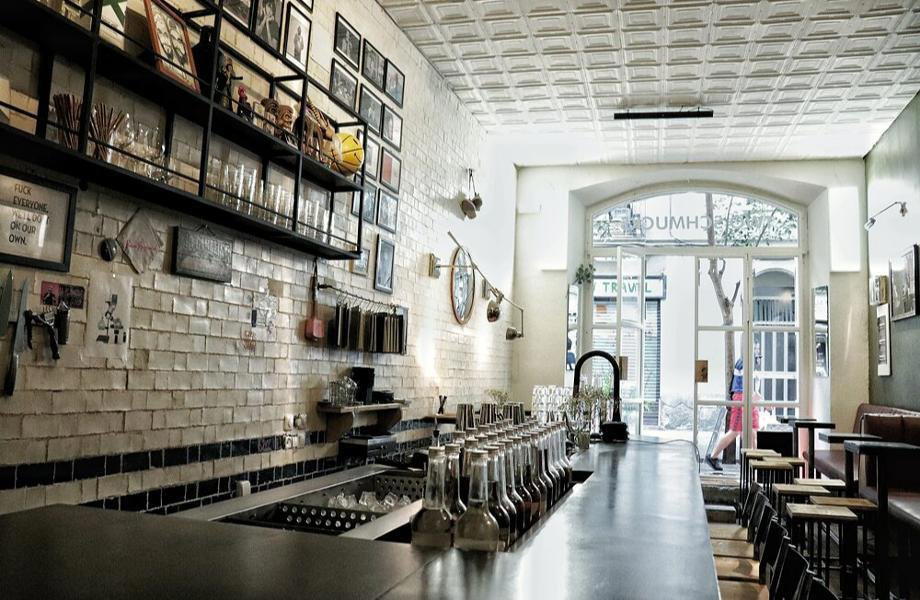
Hotels in Barcelona
Browse all →
At a Glance
- Cozy
- Intimate
- Date Night
- Casual Hangout
- Group Dining
- Open Kitchen
- Local Sourcing
Current opening hours
- Monday
- Closed
- Tuesday
- Closed
- Wednesday
- 7:30–11 PM
- Thursday
- 7:30–11 PM
- Friday
- 7:30–11 PM
- Saturday
- 7:30–11 PM
- Sunday
- Closed
Hours can change for holidays and private events. Last verified .
Cozy and welcoming neighborhood spot with bright green walls, long wood bar, high tables, and a relaxed homey atmosphere.