

A Michelin Plate bistro on Paseo de la Castellana, La Morena brings the coastal flavours of Tarifa and Cádiz north to Madrid through a sharing-format menu that fuses Andalusian, Japanese, and Latin American technique. The price point sits at €€, placing it well below the city's starred tier while drawing on the same cross-cultural ingredient logic.
Pearl is the En Primeur Club membership app — saves, bookings, and concierge access live there. Same editors, same standards.
- Address
- P.º de la Castellana, 210, Chamartín, 28046 Madrid, Spain
- Phone
- +34 914 24 36 92
- Website
- lamorenamadrid.com
- Directions
- Get directions
 Saves & bookings on Pearl
Where the Strait of Gibraltar Meets the Madrid Table
La Morena is a restaurant in Madrid’s Chamartín district serving Cádiz-Japanese-Latin American fusion at €€. The catch there moves fast, the spicing borrows from North African trade routes, and the fishing traditions predate modern restaurant categories by centuries. La Morena, on Paseo de la Castellana in Chamartín, is built around the proposition that this maritime world can travel 650 kilometres north without losing its specificity. Whether that proposition holds is the interesting question to bring to the table.
The address places it in the upper residential and business corridor of Madrid, a stretch of the Castellana where the dining offer tends toward professional lunches and neighbourhood regulars rather than tourist circuits. That context matters: it signals a room that functions on repeat visits and local word-of-mouth, which in turn shapes how the kitchen calibrates its menu. This is not a destination set up to impress on a single occasion; it is a room that earns its.
The Sourcing Logic: Tarifa, Tokyo, and Buenos Aires in One Kitchen
The fusion category in Madrid now covers a wide range of ambition levels, from surface-level eclecticism to genuinely integrated technique. La Morena sits on the more considered end of that spectrum, with its sourcing logic doing most of the editorial work. The three culinary traditions it draws on are not arbitrary: Cádiz and the Costa de la Luz supply the primary ingredient story, Atlantic tuna, dogfish, and Andalusian pantry staples; Japanese technique supplies the precision and raw-application methods that handle those ingredients at their most unmediated; and Latin American influence brings the acidic and heat-driven saucing that gives the menu its forward flavour profile.
This is not a new combination on the global stage. The Japan-South America axis has roots in the Nikkei cooking tradition developed in Peru over more than a century. What makes the restaurant's version specific is the insertion of Gaditano ingredients as the third point of the triangle. Cádiz has its own long relationship with tuna, the almadraba trap-fishing tradition off Barbate is one of the oldest sustained fishing methods in Europe, and using that catch as the raw material for Japanese-derived preparations creates a legible provenance story rather than a generic fusion framework.
The Michelin Plate recognition in both 2024 and 2025 confirms that the kitchen is executing this framework at a level that reads as coherent rather than opportunistic. A Michelin Plate does not carry the star hierarchy's weight, but its repeated award signals consistent technical delivery rather than a single strong meal.
The Sharing Format and What It Implies
The menu is designed for sharing, which is the structural choice that most directly expresses the kitchen's ingredient philosophy. Sharing formats require the kitchen to think in terms of contrast and sequence across a table rather than completeness within a single plate. At the restaurant, that means the dogfish saam arrives in citrus dressing with pork airbag and crunchy onion, the fish providing the oceanic core, the airbag adding fat and texture contrast, the citrus doing the bridging work between Andalusian and Japanese register. The red tuna tataki with roasted chilli sauce and tomato chutney follows the same logic: Atlantic-sourced protein handled with Japanese raw-application technique, sauced with Latin American heat.
Katsu-Sando with cheek meat in tonkatsu sauce and cabbage salad is one explicit expression of the format's range. Katsu-Sando is a Tokyo convenience-store staple refined into restaurant territory across much of Europe; using cheek meat rather than a standard cutlet grounds the preparation in the Iberian charcuterie and offal tradition while keeping the Japanese structural frame intact.
For comparison, ABYA and Asiakō also work cross-cultural territory in Madrid, while Bacira has built a durable reputation around Japanese-Spanish integration at a similar price tier. The restaurant's distinguishing element within that peer group is the consistent anchoring in Cádiz coastal ingredients, which gives the menu a geographic specificity that pure technique-fusion often lacks. Further afield, Ajonegro in Logroño and Arkestra in Istanbul represent how this style of multi-tradition fusion has spread across European dining cities, each grounded in a distinct regional ingredient base.
Price Tier and Positioning
At €€, the restaurant sits two full price bands below Madrid's Michelin-starred tier. DiverXO, Coque, and Smoked Room all operate at €€€€ and carry two or three Michelin stars. The gap is significant: the restaurant's proposition is specifically about making a considered, ingredient-led fusion menu accessible at bistro pricing rather than tasting-menu investment. That positioning is a deliberate editorial statement about who the kitchen is cooking for.
For the wider Spanish fine-dining frame of reference, Aponiente in El Puerto de Santa María has built its three-star reputation on Atlantic marine ingredients from the same coastal geography that restaurant draws on, which provides useful context for how seriously those southern waters are taken at the summit of the Spanish restaurant hierarchy. The distance between Aponiente's price level and the restaurant's reflects the difference in format ambition rather than a difference in ingredient respect.
Planning Your Visit
If the coastal-ingredient angle has you curious about the wider Spanish fine-dining scene, El Celler de Can Roca in Girona, Arzak in San Sebastián, and Martin Berasategui in Lasarte-Oria each represent how deeply sourcing specificity runs in Spain's upper-tier kitchens. Azurmendi in Larrabetzu and Cocina Hermanos Torres in Barcelona extend that picture further.
I+T and Doppelgänger Bar are worth noting for the same Chamartín and north-Madrid dining and drinking circuit.
A Pricing-First Comparison
Comparable venues nearby, for context on price, style, and recognition.
| Venue | Cuisine | Price | Awards | Notes |
|---|---|---|---|---|
| La MorenaThis venue — the venue you are viewing | Fusion | $$$ | Michelin Plate | Not listed |
| Kuoco | Justicia, Global Fusion | $$$ | Michelin Plate | Not listed |
| Doppelgänger Bar | Lavapies, Creative Asian-Spanish Fusion | $$$ | Michelin Plate | Not listed |
| Omeraki | Goya, Asian-Spanish Fusion Fine Dining | $$$$ | Michelin Plate | Not listed |
| Bolboreta | Lavapies, Modern Market Fusion Bistro | $$$ | Michelin Plate | Not listed |
| La Guisandera de Piñera | Not listed | $$$ | Michelin Plate | Castillejos, Traditional Asturian Spanish |
Recognition history
Dated appearances from independent guides and award organizations, with the underlying list record or original source where available.
Macarfi 7.3 Food Rating
Macarfi
Michelin Plate
Michelin
Michelin Plate
Michelin
Michelin Plate
Michelin



At a Glance
- Elegant
- Sophisticated
- Modern
- Date Night
- Business Dinner
- Special Occasion
- Celebration
- Open Kitchen
- Private Dining
- Standalone
- Extensive Wine List
- Sommelier Led
Current opening hours
- Monday
- Closed
- Tuesday
- 1:30–5 PM, 8:30 PM–1 AM
- Wednesday
- 1:30–5 PM, 8:30 PM–1 AM
- Thursday
- 1:30–5 PM, 8:30 PM–1 AM
- Friday
- 1:30–5 PM, 8:30 PM–2 AM
- Saturday
- 1:30–5 PM, 8:30 PM–2 AM
- Sunday
- Closed
Hours can change for holidays and private events. Last verified .
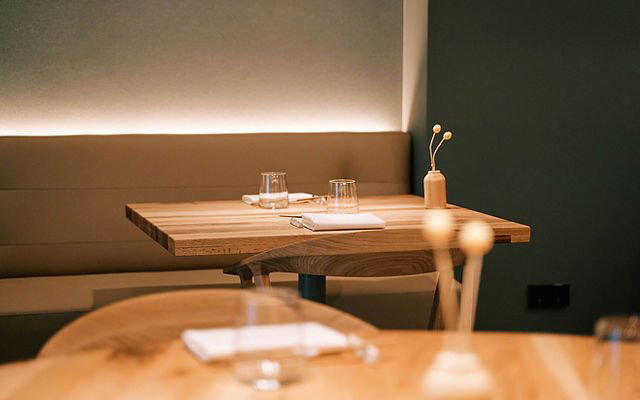
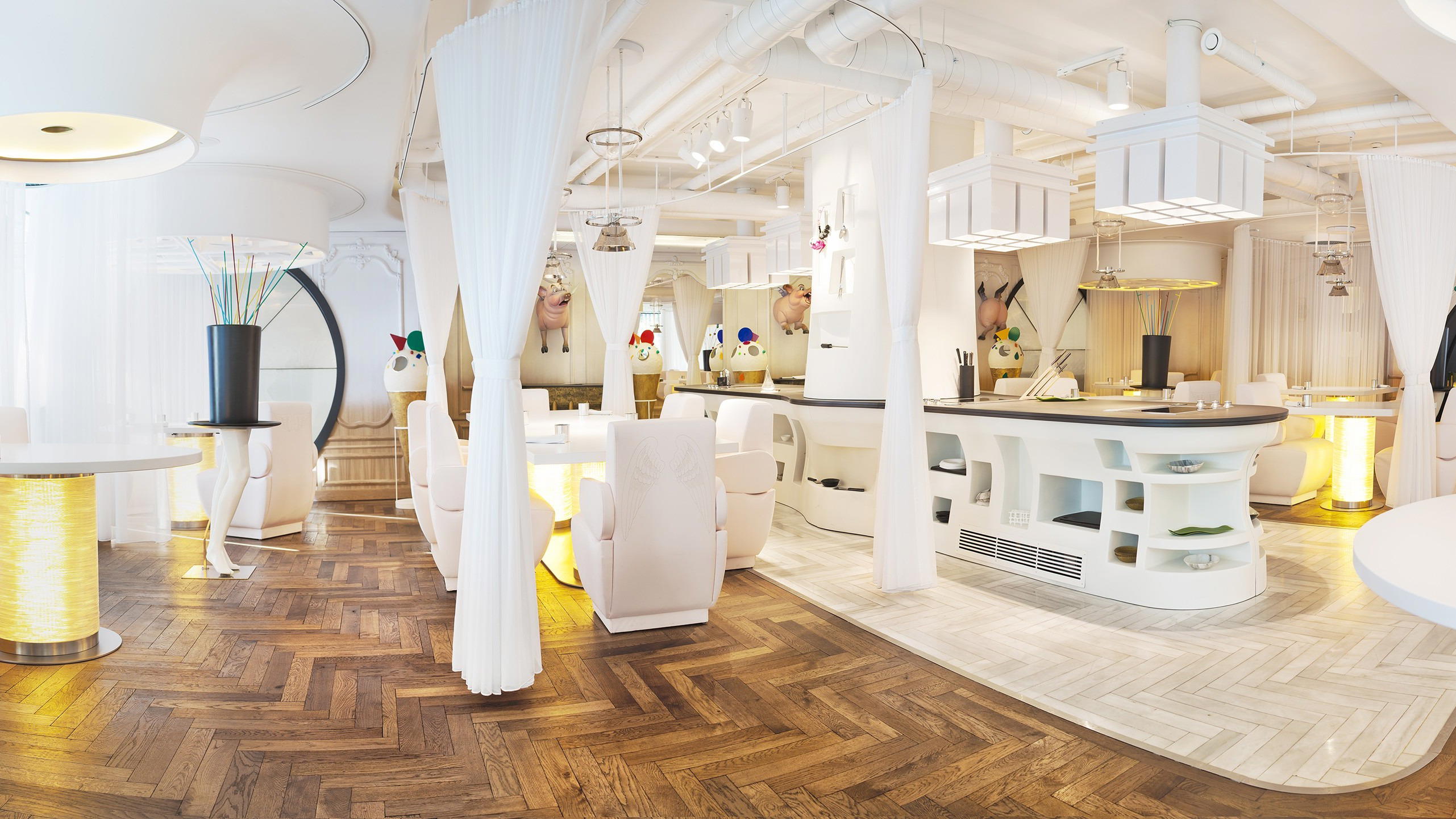
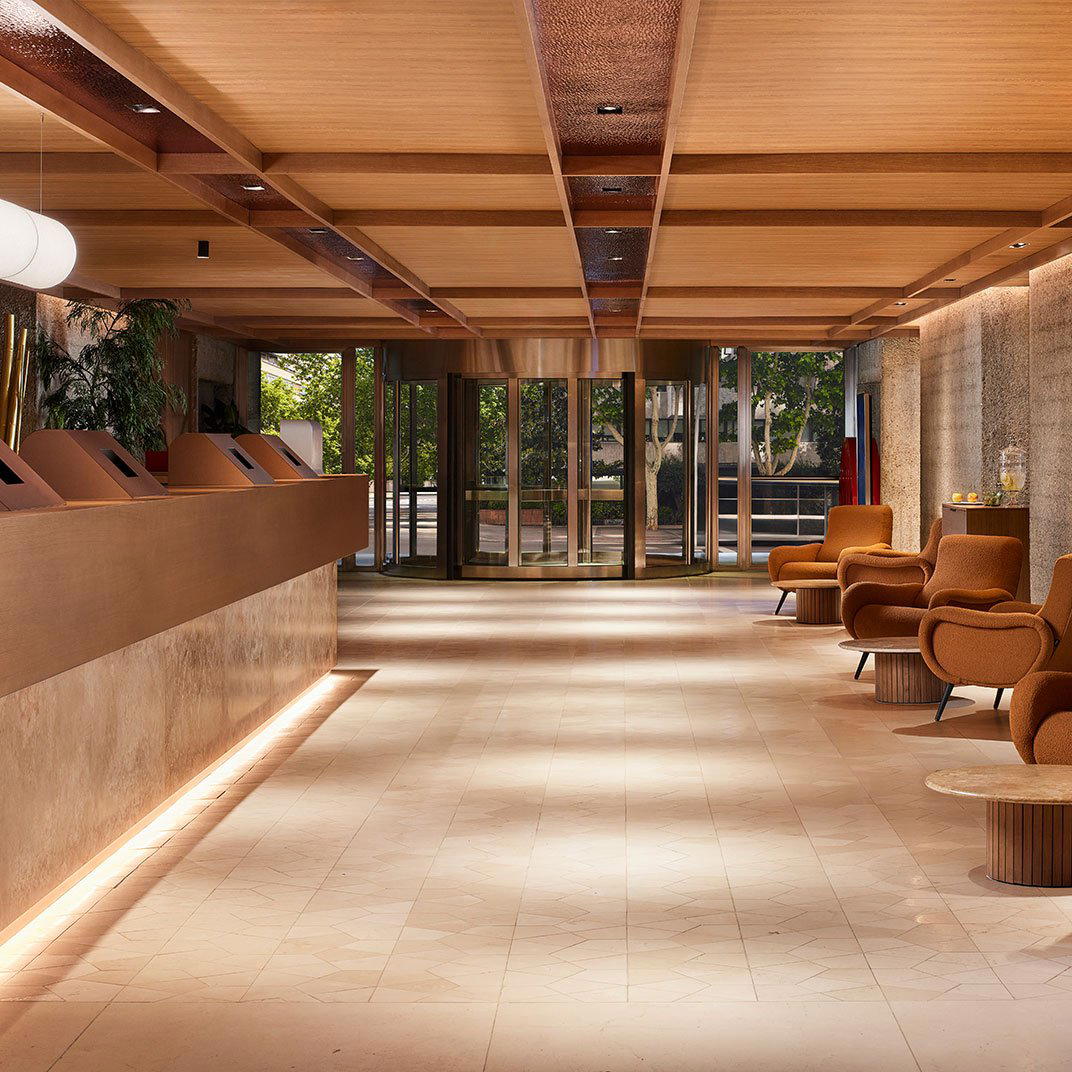
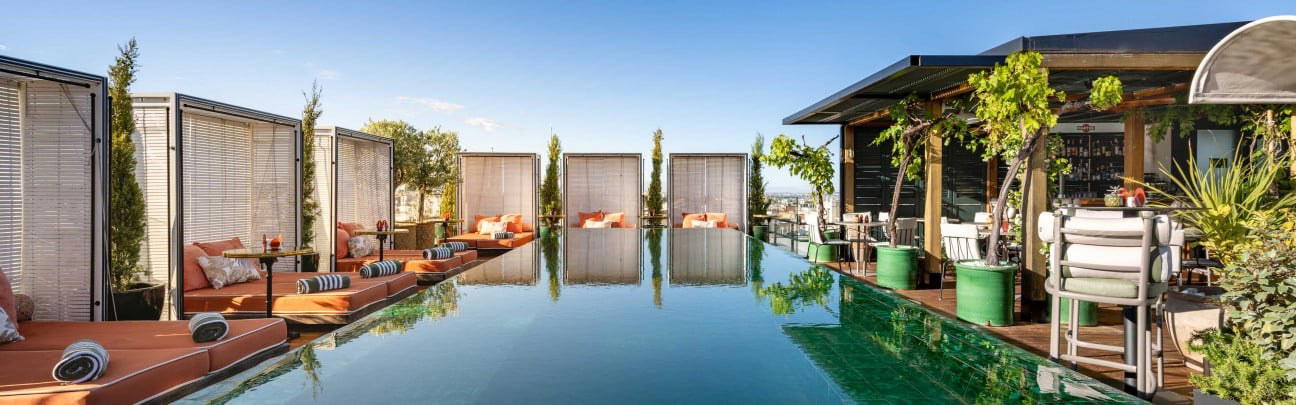
Stylish and refined setting with pretty décor, featuring light yet extremely delicious dishes in an upscale dining environment.