

A Michelin Plate-recognised fusion bar occupying a first-floor stall in Mercado Antón Martín, Doppelgänger draws threads from Iberian, Asian, and South American cooking into a compact, market-casual format. Two consecutive Michelin Plates (2024 and 2025) signal technical credibility at an accessible €€ price point, a pairing that remains rare in central Madrid.
Pearl is the En Primeur Club membership app — saves, bookings, and concierge access live there. Same editors, same standards.
- Address
- Mercado Antón Martín, C. de Sta. Isabel, 5, Puesto 44 a 47 Planta 1ª, Centro, 28012 Madrid, Spain
- Phone
- +34 915 30 54 99
- Website
- doppelgangerbar.com
- Directions
- Get directions
 Saves & bookings on Pearl
Where the Market Ends and the Kitchen Begins
Mercado Antón Martín sits on Calle de Santa Isabel in Lavapiés, the neighbourhood that has absorbed successive waves of immigration, South Asian, Latin American, Chinese, West African, and turned that demographic layering into one of Madrid's most genuinely cross-cultural food postcodes. The mercado itself was built in the early 1940s, converted through decades of gradual modernisation, and now holds a mix of traditional stalls and a more deliberately curated upper floor where the logic is closer to a food hall than a produce market. Puesto 44 to 47 on that first floor is where Doppelgänger Bar operates.
The location matters more than it might seem. Madrid has several fusion formats scattered across the city, ABYA, Asiakō, Bacira, I+T, and Kuoco all approach cross-cultural cooking from distinct angles, but embedding a Michelin-recognised kitchen inside a working municipal market changes the register of the experience considerably. You arrive through the market's ground floor, past the fish stalls and the cheese counter, and take the stairs to a space that reads as informal by design rather than by accident.
The Fusion Logic Behind the Plate Recognition
Spain has a well-documented relationship with haute fusion. DiverXO, the country's most discussed progressive kitchen, operates at the €€€€ tier with three Michelin stars and an explicit Asian-influenced framework. Further afield, El Celler de Can Roca in Girona, Arzak in San Sebastián, and Azurmendi in Larrabetzu all operate at the summit of Spain's formal fine-dining spectrum. What Doppelgänger represents is a different distribution point entirely: fusion cooking at a €€ price range, in a market stall, with two consecutive Michelin Plates as evidence that the technical standard holds.
The Michelin Plate, it should be said, denotes a kitchen producing food of good quality rather than starred distinction, but in the context of a casual market bar, two consecutive recognitions (2024 and 2025) signal that the kitchen is cooking with consistent care. For the Iberian-Asian-South American triangle the menu works across, consistency in sourcing and technique tends to be the harder constraint. Acidity balance between, say, South American citrus preparations and the fat-forward traditions of Iberian charcuterie requires calibration. The fact that Michelin has noted the kitchen twice suggests it is not improvising that balance.
For context across Spain's fusion tier, Ajonegro in Logroño operates a comparable cross-cultural format in the Rioja region, while Arkestra in Istanbul demonstrates how the market-embedded fusion model translates to other Mediterranean cities. Madrid's version, anchored in Lavapiés, has the advantage of drawing from a neighbourhood with genuine multicultural food infrastructure rather than importing it.
The Experience at the Counter
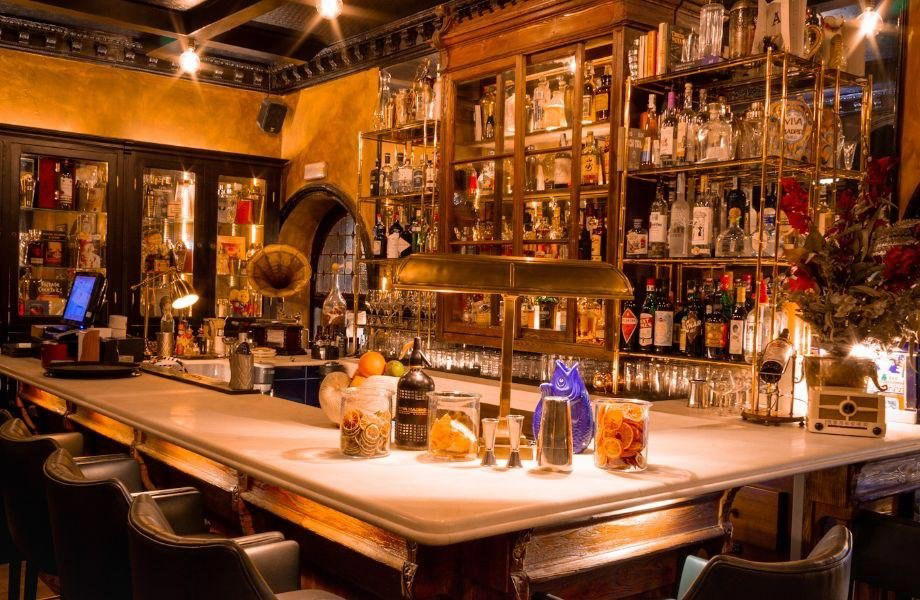
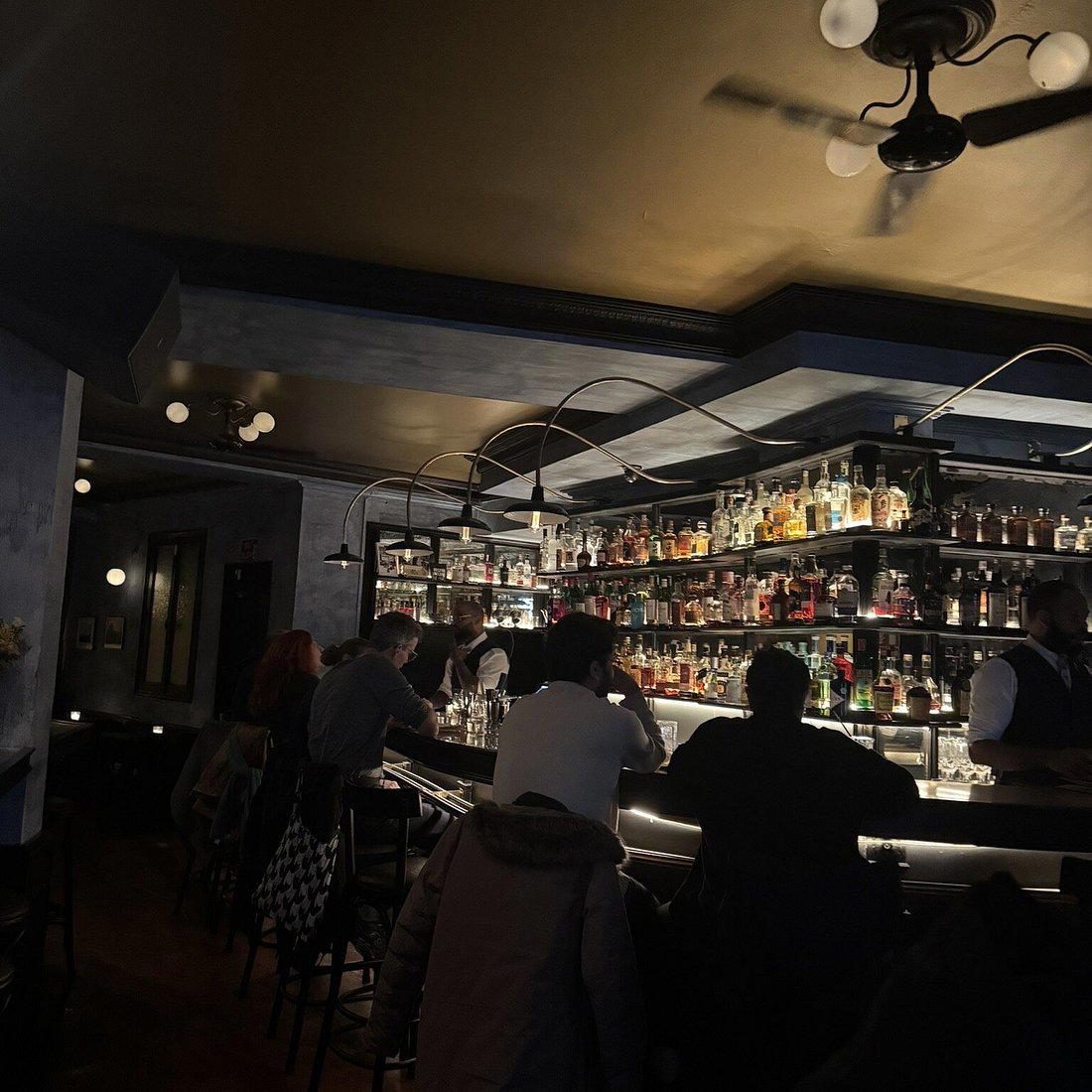
The Antón Martín market format places Doppelgänger in a category of eating that Madrid does better than most European capitals: serious cooking in an unpretentious physical container. The bar format implies counter seating and a pace set by the kitchen rather than the dining room, you are eating where the cooking happens, which at a fusion-focused stall means smells and sounds from the range are part of the context. This is a deliberate contrast to the polished tasting-menu environments where Madrid's multi-star kitchens operate.
7 across 1,236 reviews places Doppelgänger in strong territory for a market-format restaurant. At that volume of reviews, outliers average out and the signal is more reliable than smaller sample ratings. The sustained score suggests that the kitchen performs for walk-in traffic as consistently as it does for the regulars who return specifically for the cross-cultural cooking. That kind of floor-level consistency is what market formats test most directly.
Lavapiés as Context
The neighbourhood Antón Martín sits within has shaped Madrid's understanding of fusion cooking from the ground up. Lavapiés does not have the polished restaurant density of Salamanca or the gastro-bar concentration of Malasaña, but it has a street-level food diversity that the more expensive neighbourhoods replicate artificially. Peruvian cevicherías, South Asian canteens, and Chinese grocers operate on the same blocks as traditional tabernas. Doppelgänger draws from that geographic context, the Iberian-Asian-South American triangle it works across is not an abstract menu concept in this postcode, it reflects what is actually cooking on the surrounding streets.
That grounding distinguishes the format from fusion restaurants in central Madrid that build cross-cultural menus as a marketing concept rather than as a response to actual supply chains and neighbourhood character. At Antón Martín, the proximity to Lavapiés's wholesale and specialty food network makes the sourcing side of the equation more tractable than it would be in a different part of the city.
Where It Sits in the Madrid Dining Picture
Madrid's Michelin-recognised restaurant range runs from three-star spectacle to the Plate category that acknowledges quality cooking outside the starred tiers. The city's €€€€ end, where Coque, Deessa, Paco Roncero, and the Smoked Room compete, requires a different kind of planning than a market bar. Doppelgänger's €€ positioning means that the cost of entry is low enough that the decision calculus is closer to a neighbourhood bar than a booking-months-ahead tasting counter.
Within the fusion segment, Madrid offers several points of comparison. Bacira and Asiakō both operate at higher formality and price tiers with deeper Japanese-influenced frameworks. ABYA takes a Latin American-Spanish axis at mid-to-high price points. Doppelgänger's positioning, informal, market-embedded, €€, Michelin Plate-acknowledged, covers a distinct gap in that comparable set. Cocina Hermanos Torres in Barcelona and Martin Berasategui in Lasarte - Oria and Aponiente in El Puerto de Santa María each represent a higher tier of national recognition, but that comparison clarifies what the Plate tier means: technically credible cooking at accessible price points, without the formal apparatus of starred service.
Know Before You Go
- Address: Mercado Antón Martín, C. de Santa Isabel, 5, Puesto 44 to 47, Planta 1ª, Centro, 28012 Madrid
- Price range: €€
- Awards: Michelin Plate 2024, Michelin Plate 2025
- Cuisine: Fusion, Iberian Peninsula, Asian, and South American references
- Format: Informal gourmet bar inside a working municipal market 7 from 1,147 reviews
- Getting there: The market is on Calle de Santa Isabel in the Lavapiés-Antón Martín area, accessible by Metro (Antón Martín, line 1) and well-served by bus routes along Calle Atocha
Comparison Snapshot
Comparable venues nearby, for context on price, style, and recognition.
| Venue | Cuisine | Price | Awards | Notes |
|---|---|---|---|---|
| Doppelgänger BarThis venue — the venue you are viewing | Creative Asian-Spanish Fusion | $$$ | Michelin Plate | Not listed |
| TonTon | Modern French-Spanish Fusion | $$$ | Michelin Plate | Trafalgar |
| Omeraki | Asian-Spanish Fusion Fine Dining | $$$$ | Michelin Plate | Goya |
| Bacira | Asian-Mediterranean Fusion | $$$ | Bib Gourmand | Trafalgar |
| Ticuí | Modern Mexican | $$$ | Michelin Plate | Cortes |
| Llama Inn - Madrid | Modern Peruvian Fusion | $$$ | Michelin Plate | Justicia |
Recognition history
Dated appearances from independent guides and award organizations, with the underlying list record or original source where available.
Macarfi 7.3 Food Rating
Macarfi
Michelin Plate
Michelin
Michelin Plate
Michelin
Michelin Plate
Michelin
At a Glance
- Intimate
- Trendy
- Cozy
- Sophisticated
- Date Night
- Casual Hangout
- Special Occasion
- Open Kitchen
- Natural Wine
- Craft Cocktails
- Local Sourcing
Current opening hours
- Monday
- Closed
- Tuesday
- 8–11 PM
- Wednesday
- 8–11 PM
- Thursday
- 8–11 PM
- Friday
- 1:30–4:45 PM, 8–11 PM
- Saturday
- 1:30–4:45 PM, 8–11 PM
- Sunday
- Closed
Hours can change for holidays and private events. Last verified .
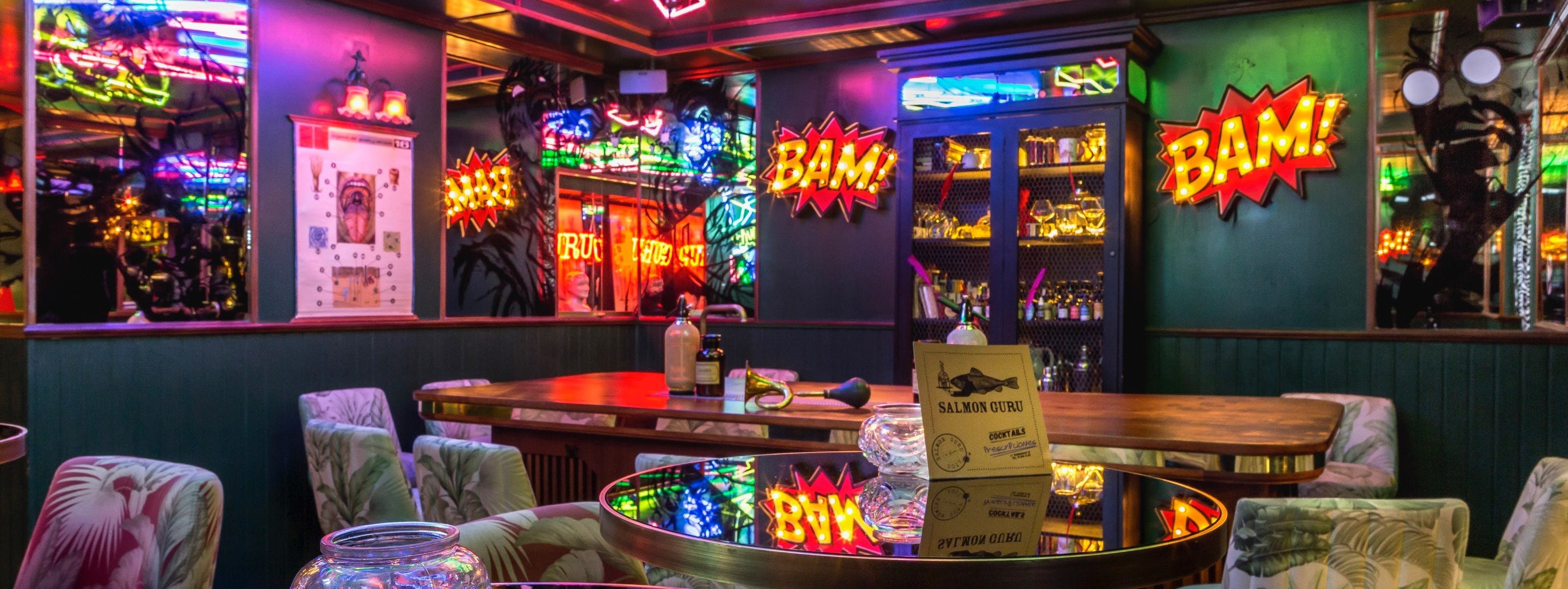
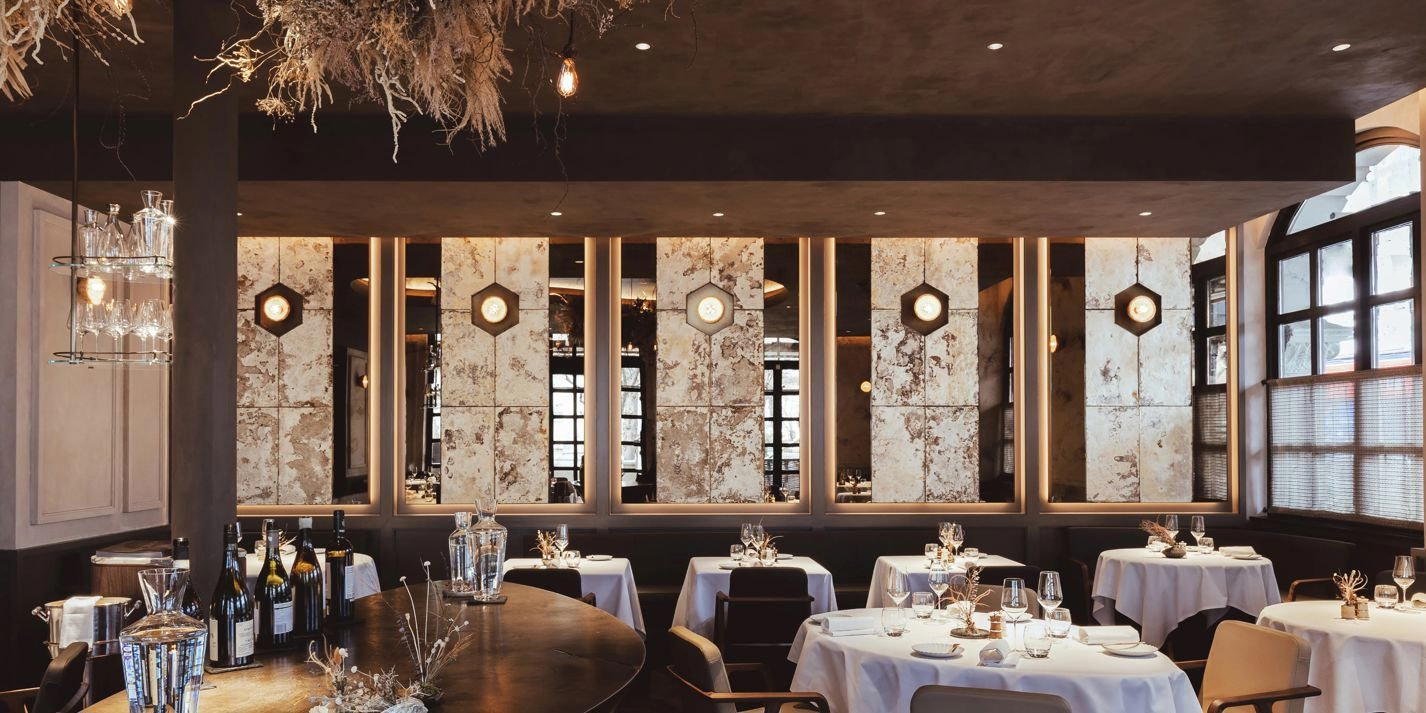
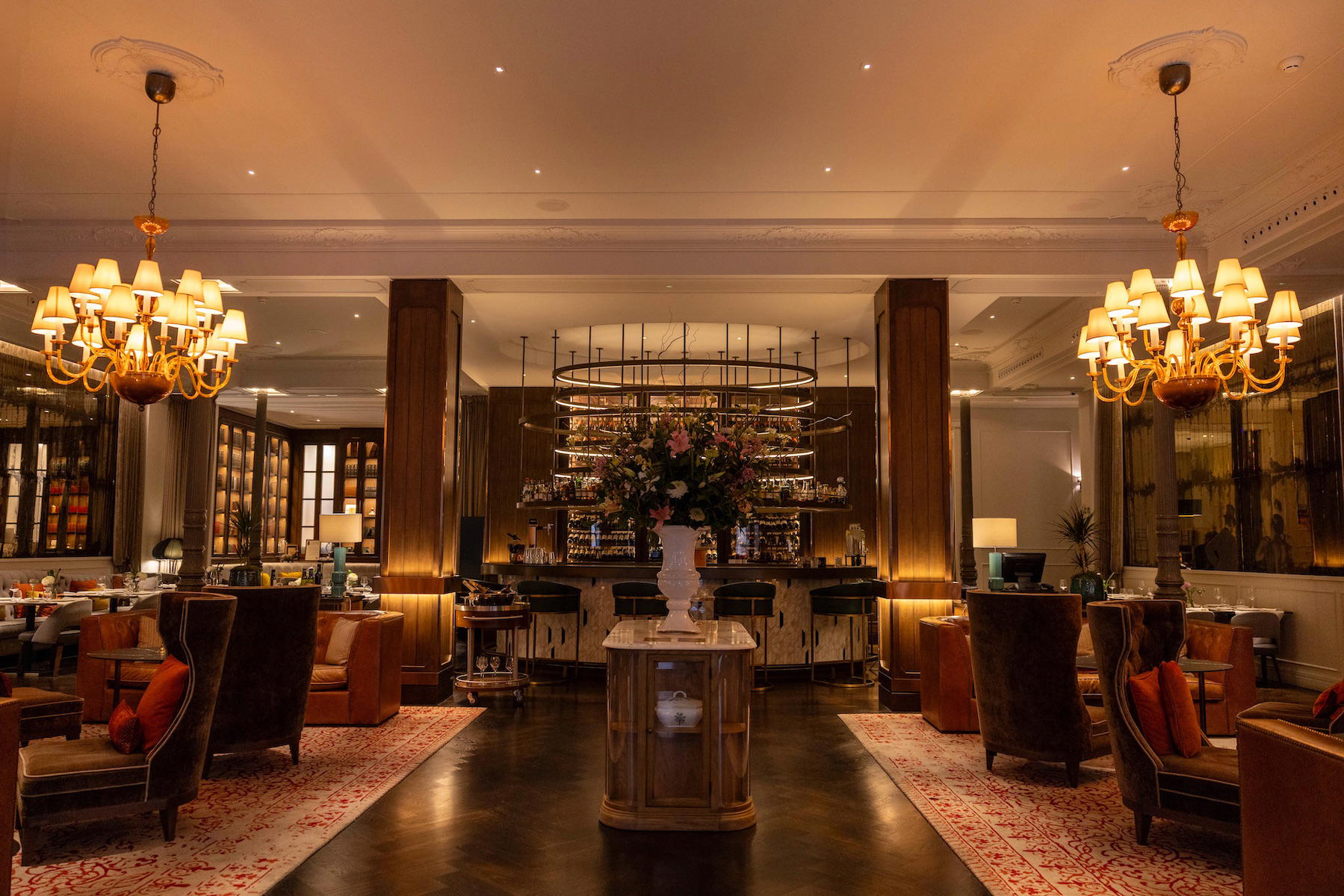
Dark, sexy speakeasy vibe with cozy, intimate lighting and an open kitchen counter for watching chefs at work.