

A Chamberí restaurant where three chefs trained in Mediterranean, Japanese, and Nikkei cooking share one kitchen and one Michelin Bib Gourmand. The menu is built for sharing, moving between Pacific scallops with jalapeño aguachile and pig's ear mollete with Korean salsa. At a mid-range price point in one of Madrid's most residential neighbourhoods, it sits apart from the city's high-formality fusion tier.
Pearl is the En Primeur Club membership app — saves, bookings, and concierge access live there. Same editors, same standards.
- Address
- C. del Castillo, 16, Chamberí, 28010 Madrid, Spain
- Phone
- +34 918 66 40 30
- Website
- bacira.es
- Directions
- Get directions
 Saves & bookings on Pearl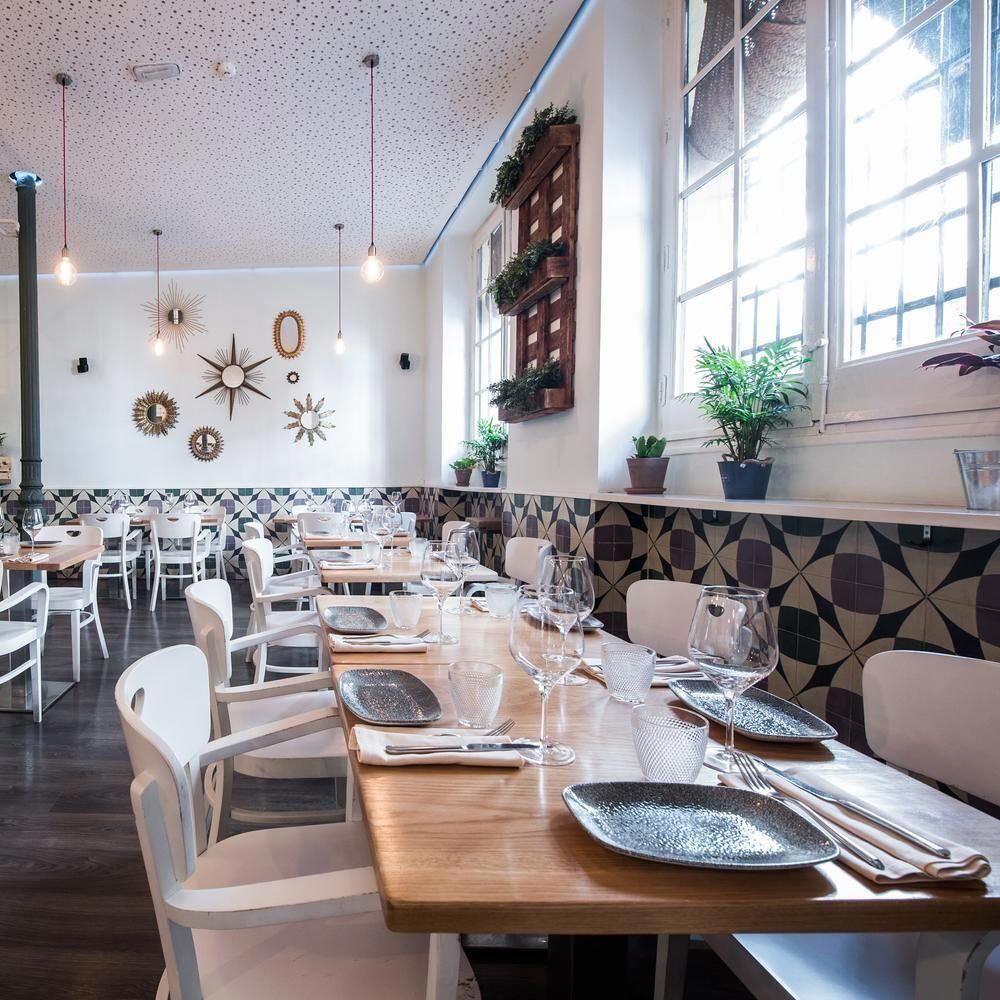
Wrought Iron, Vintage Wood, and a Menu That Refuses to Stay in One Lane
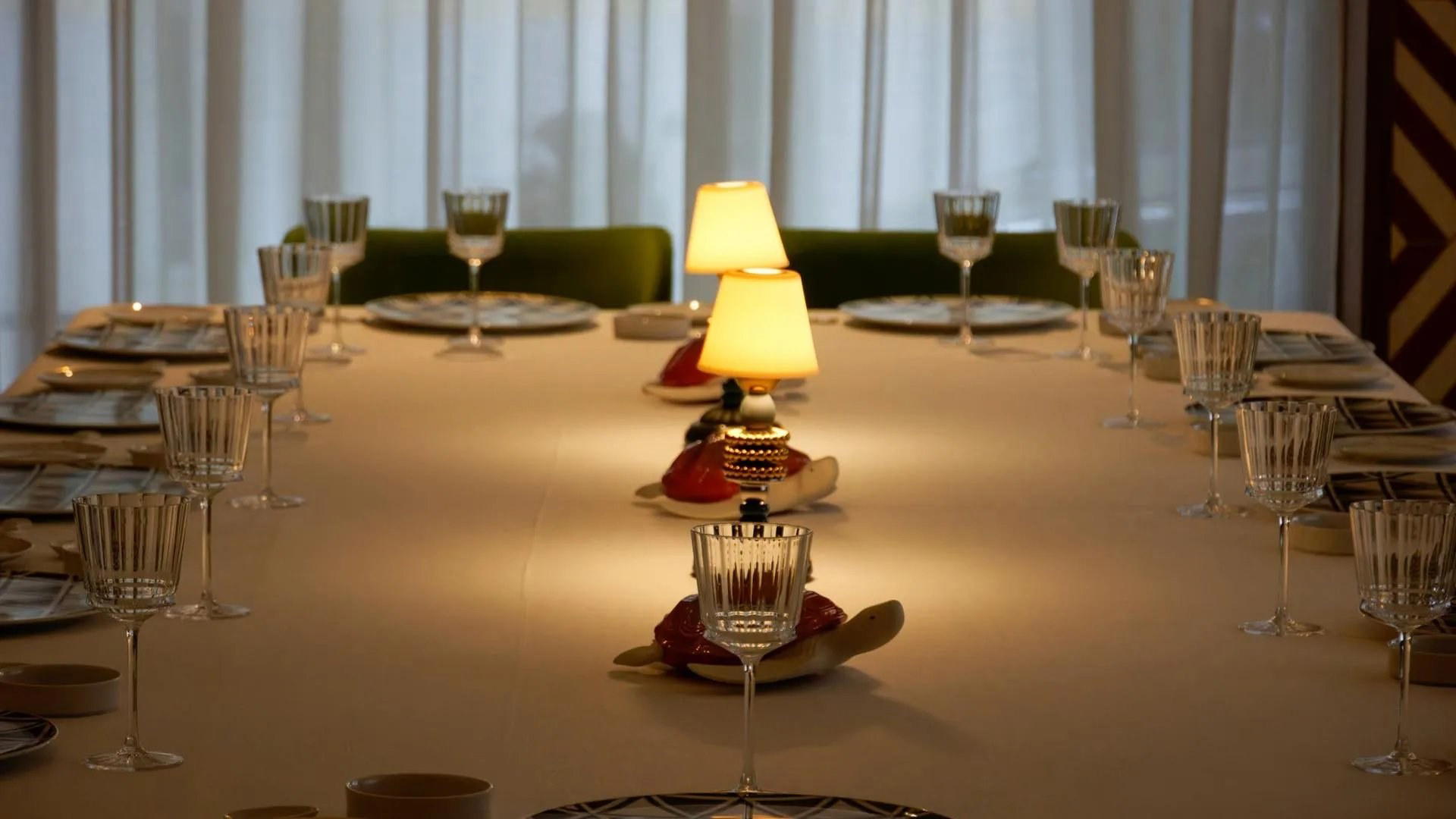
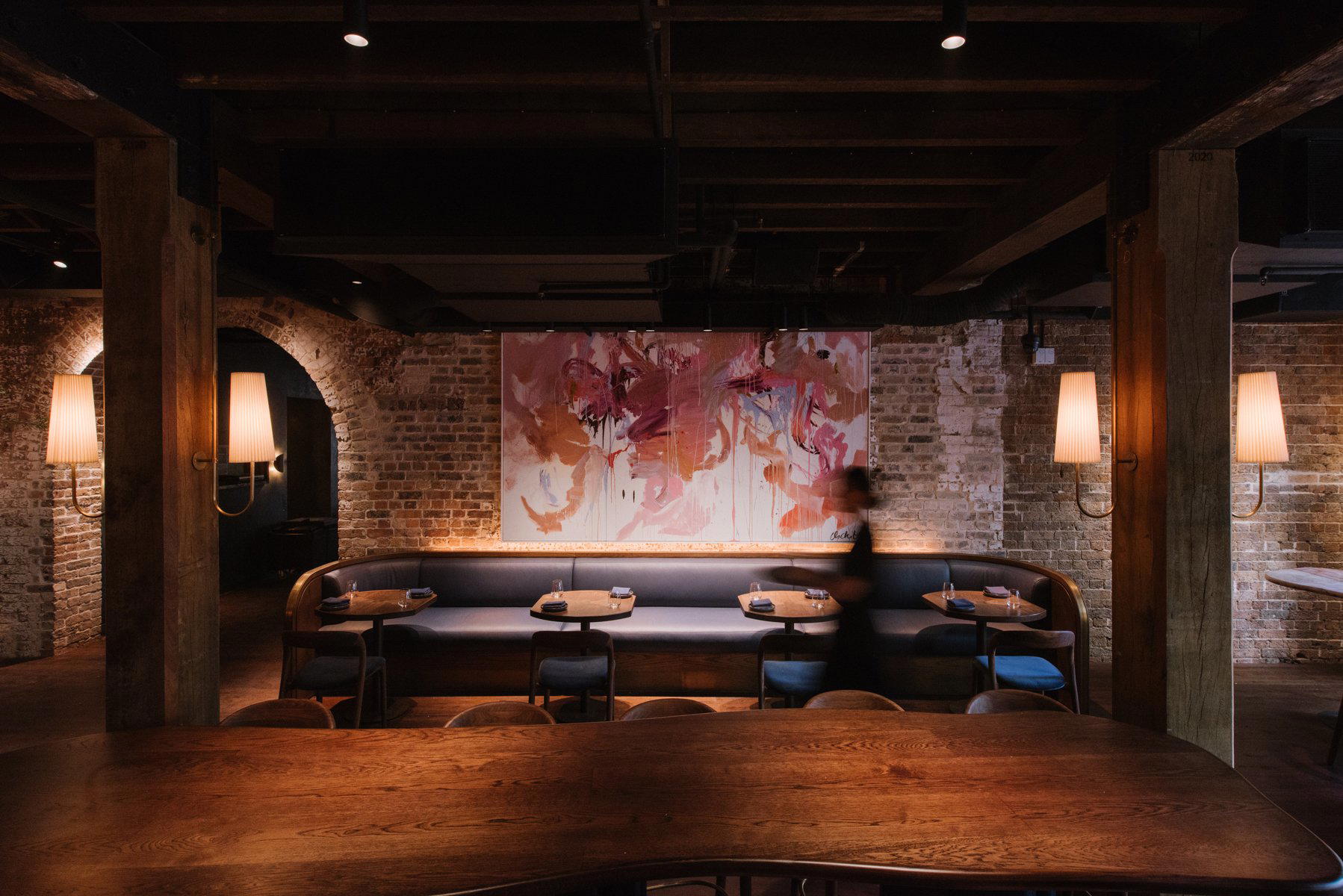
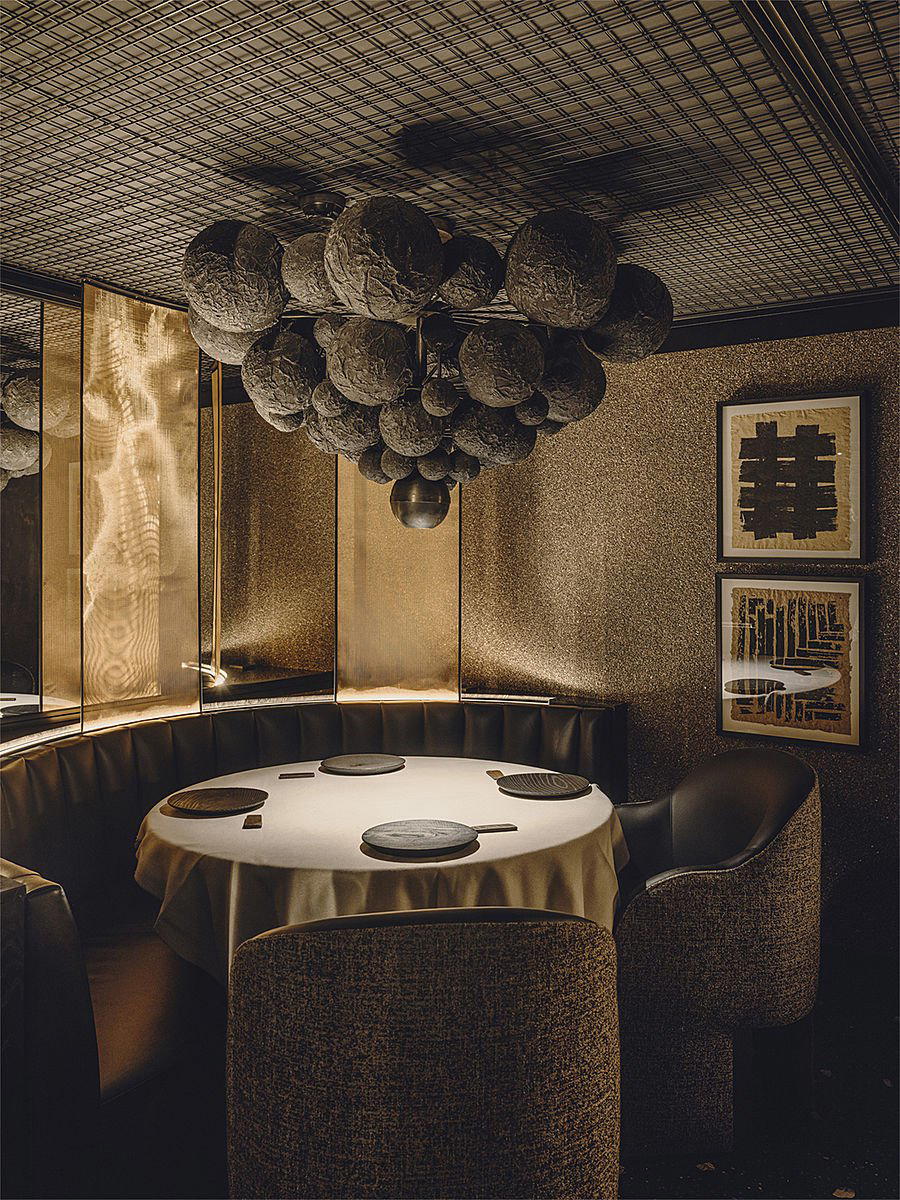
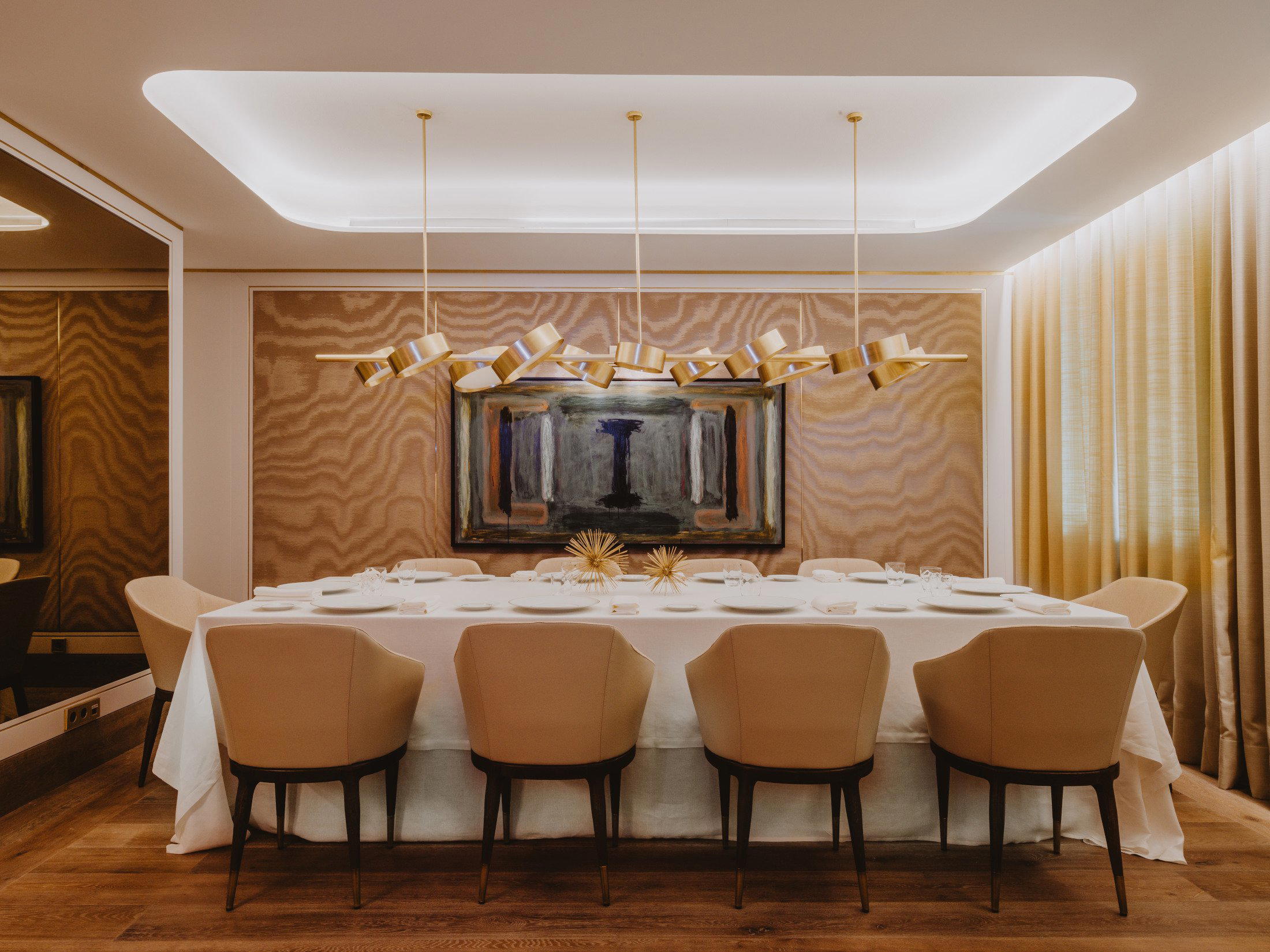
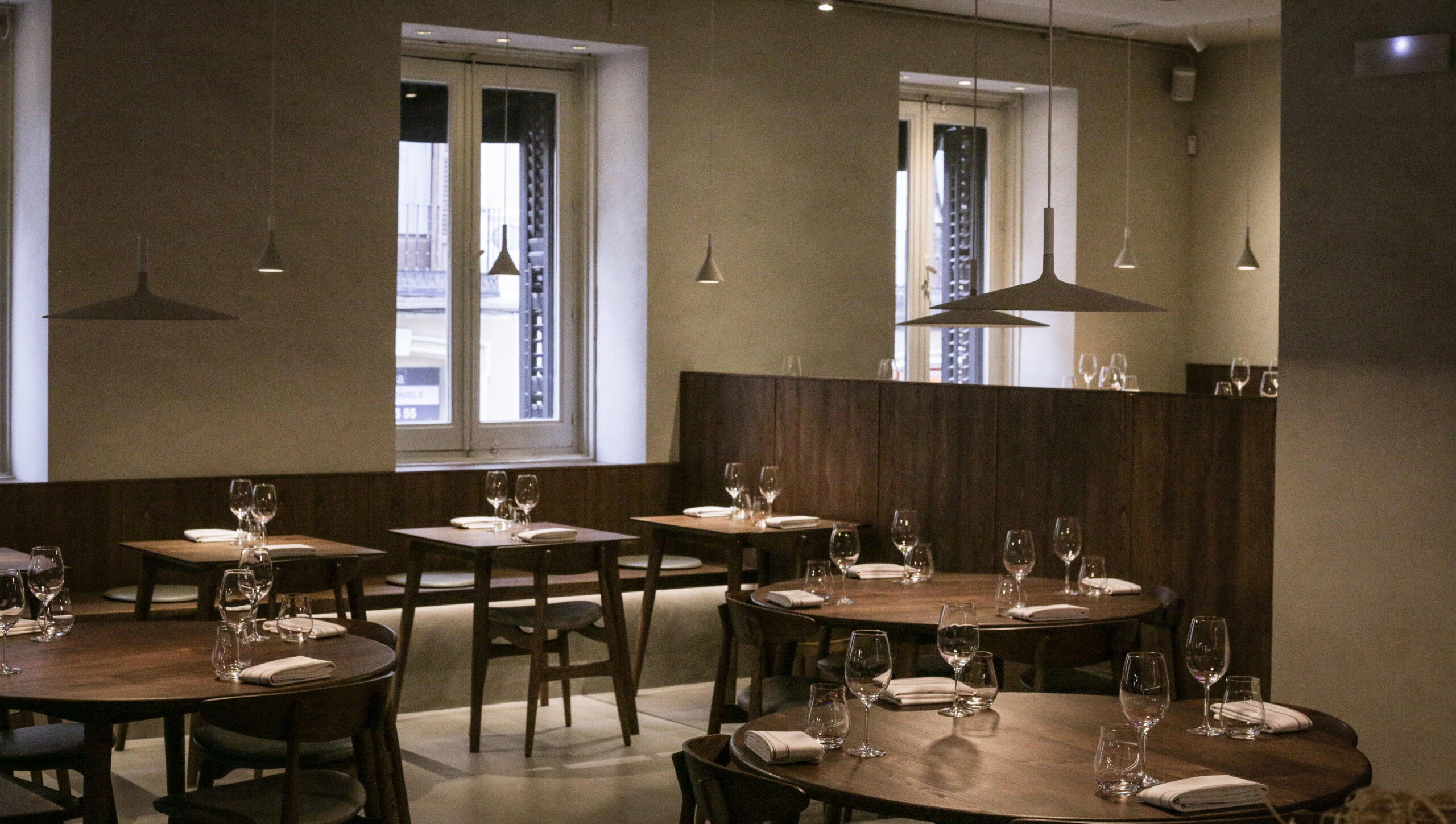
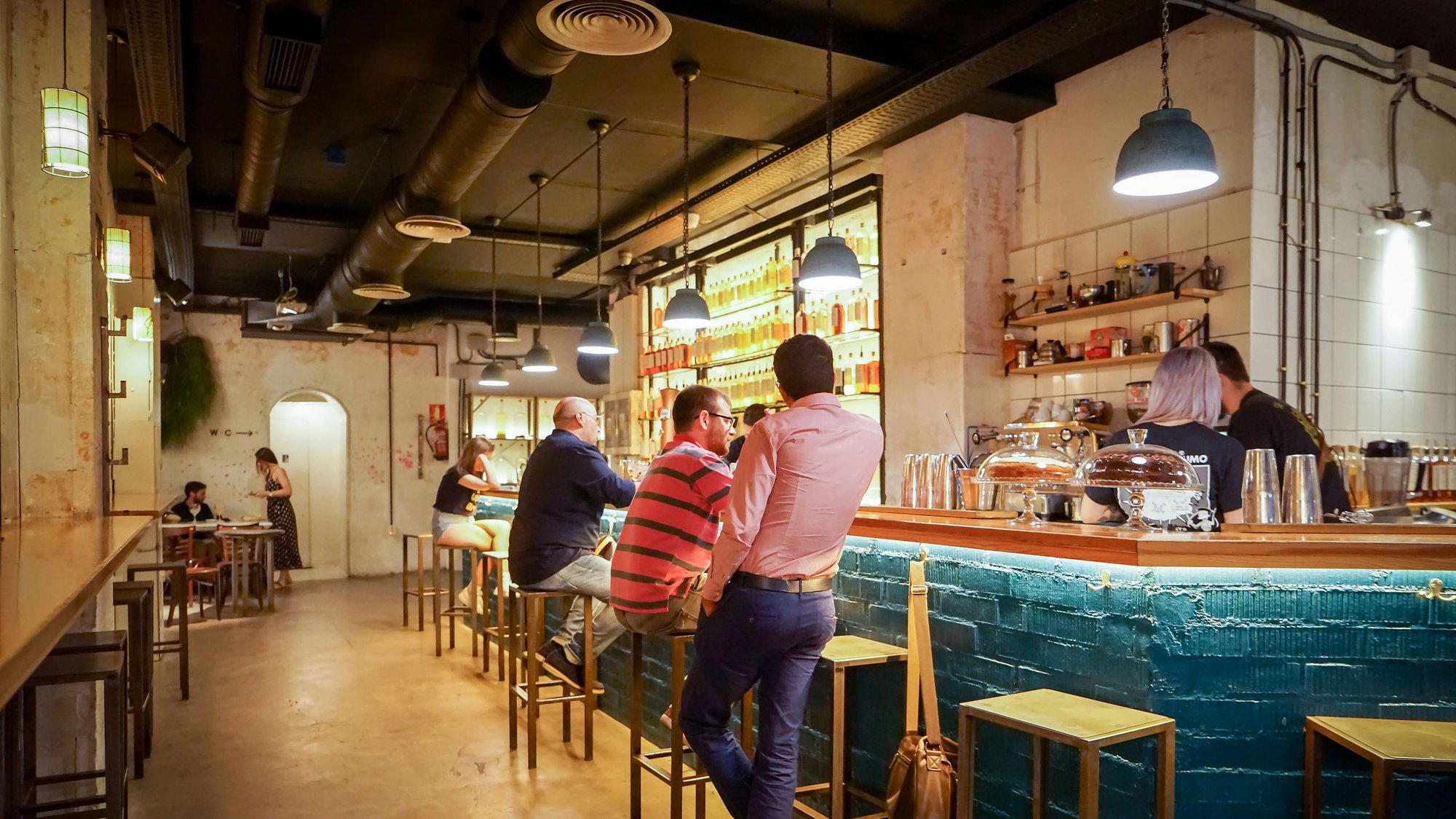
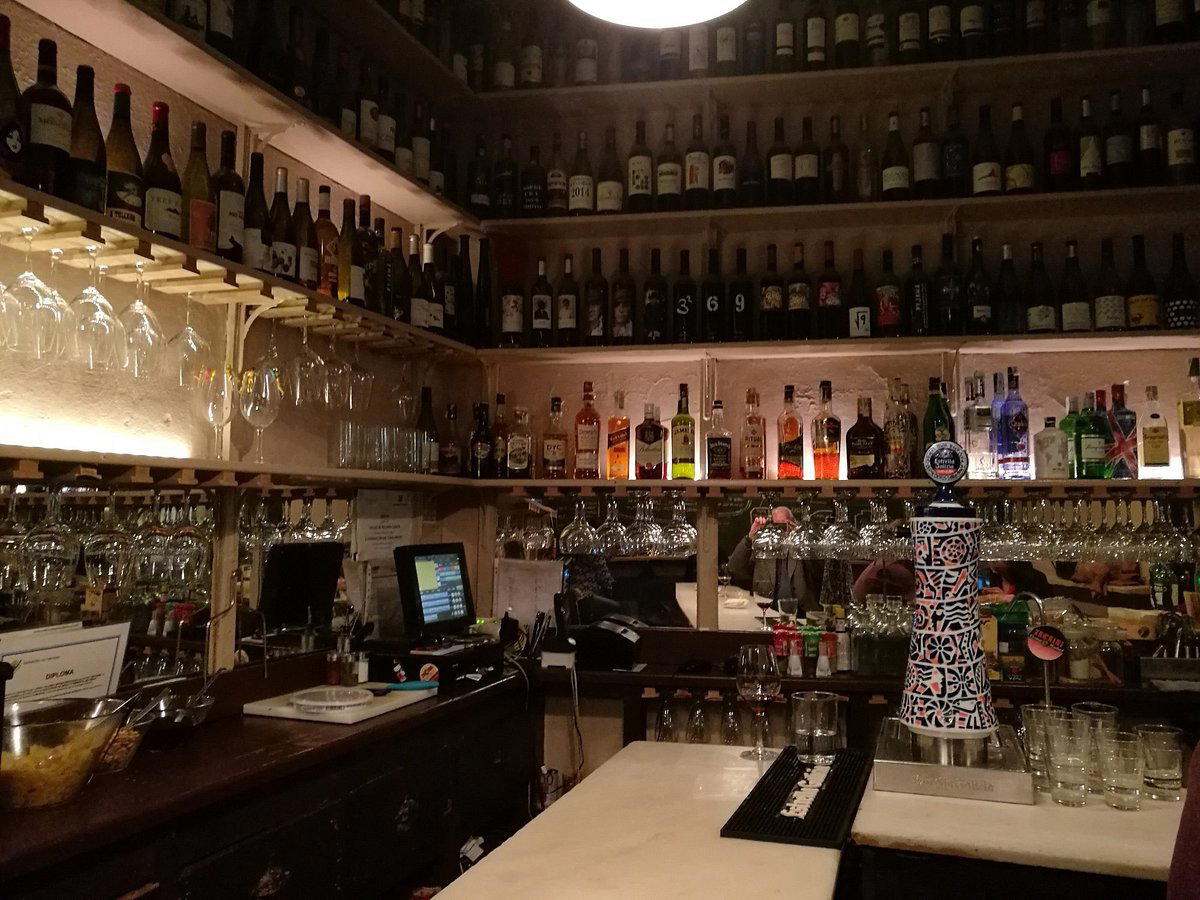
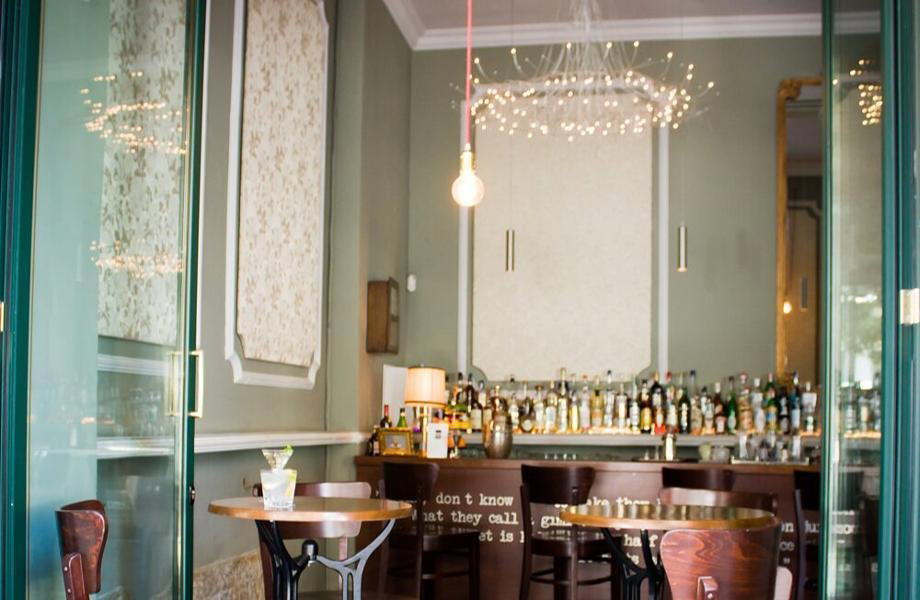
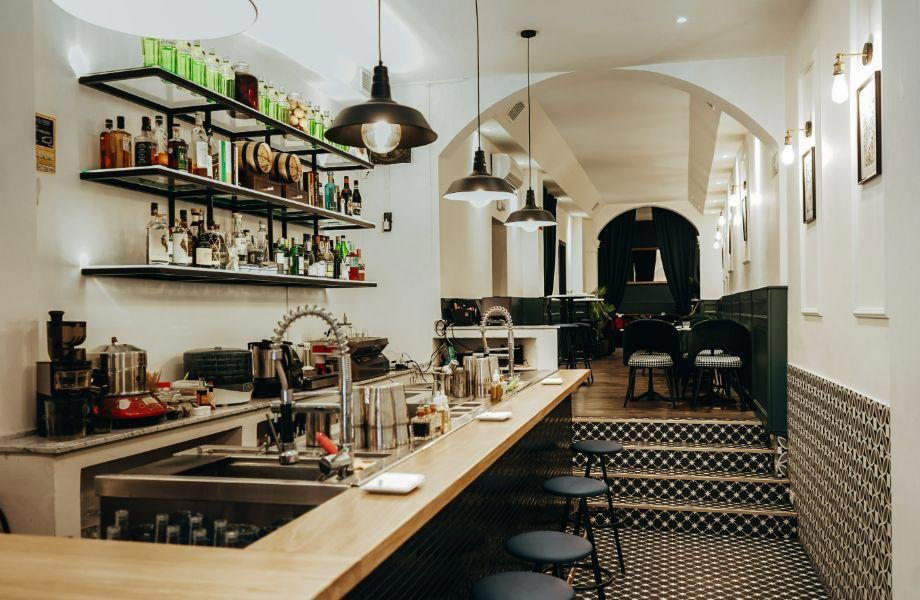
Bacira is a restaurant in Madrid's Chamberí district serving Asian-Mediterranean Fusion at a mid-range price point. Slender wrought-iron columns divide the space, the decor reads vintage without tipping into nostalgia, and the atmosphere settles into something informal without being casual. In a city where dining rooms often perform either grand tradition or deliberate minimalism, Chamberí's mid-range fusion scene has carved a quieter register: convivial, unhurried, designed for conversation rather than theatre. Bacira sits squarely in that register. C. del Castillo, 16 is a residential address in one of Madrid's most settled neighbourhoods, which already signals something about what the restaurant is and is not trying to be.
That context matters for anyone weighing occasion dining in Madrid. The city's leading table for cross-cultural ambition is DiverXO, running at €€€€ and carrying three Michelin stars, and the creative Spanish tier includes Coque, Deessa, and Paco Roncero, all at the same price ceiling. Bacira operates at €€, holds a Michelin Bib Gourmand for 2024 and 2025, and lands in a completely different conversation: suitable for a relaxed birthday dinner or a low-key evening out.
Three Kitchens of Knowledge, One Sharing Menu
The kitchen is run by three chefs, Carlos Langreo, Vicente de la Red, and Gabriel Zapata, each with a distinct culinary foundation. Langreo's grounding is in traditional Mediterranean cooking, de la Red brings Japanese technique, and Zapata contributes Nikkei, the Japanese-Peruvian tradition that has reshaped how Lima and, subsequently, much of Europe thinks about acid, heat, and raw fish. What makes this arrangement coherent rather than chaotic is that the three foundations are not presented in rotation; they inform a single menu where the influence shifts dish by dish.
Madrid's fusion scene has expanded significantly over the past decade, from the high-wire spectacle of David Muñoz's work to a broader mid-market tier that includes venues like Asiakō and ABYA, alongside newcomers like Kuoco and the more experimental I+T. Within that tier, Bacira's competitive positioning is defined by the Bib Gourmand: Michelin's signal for cooking that justifies the detour without requiring a special-occasion budget. Two consecutive years of that recognition, 2024 and 2025, suggest consistency rather than a single strong season. Google's 4.5-star average across 2,206 reviews reinforces that the cooking lands reliably across a large sample of diners, not just on its leading nights.
The Sharing Format as Social Architecture
Spain's dining culture has long understood the table as a collective project, and Bacira builds its menu around that premise. The à la carte is structured for sharing, with dishes that move between regions and techniques. Pacific scallops arrive with jalapeño aguachile and pico de gallo salsa, a preparation that draws on both Japanese attention to the raw ingredient and Peruvian-Mexican acid-heat construction. A pig's ear mollete with spicy Korean salsa, toasted garlic, and herb alioli places something deeply Iberian inside a Korean-inflected framework. Neither dish requires annotation to work, but both reward the diner who notices the layering.
For those who prefer structure over selection, two menus are available: a Short format and a Long format. This kind of dual-menu architecture has become standard across Madrid's mid-tier creative restaurants, allowing solo diners or couples to move through the kitchen's range without the overhead of a twelve-person sharing spread. For groups celebrating a birthday or marking a milestone, the à la carte sharing model allows the table to move at its own pace.
Occasion Dining Without the Formality Tax
There is a particular category of celebration that does not fit neatly into the high-formality tasting-menu tier. It involves food that is genuinely ambitious and consistent, a room that feels considered rather than generic, and a price point that does not require a spreadsheet to justify. Across Spain, particularly satisfying meals in this category come from venues that hold Bib Gourmands rather than stars: the Michelin distinction that signals value-to-quality ratio as the primary credential. In Madrid specifically, that tier includes a handful of fusion-leaning addresses, and Bacira has held its place in that group across two consecutive guide years.
For context on what Spain's broader creative dining scene looks like at higher formality and price, Arzak in San Sebastián, El Celler de Can Roca in Girona, Azurmendi in Larrabetzu, Martin Berasategui in Lasarte-Oria, Cocina Hermanos Torres in Barcelona, and Aponiente in El Puerto de Santa María represent the country's higher formality tier. Bacira is not in that conversation, nor is it trying to be. Its comparable set is the creative mid-range: smart, consistent, and built for actual evenings out rather than pilgrimage meals.
The fusion approach at Bacira also has parallels outside Madrid. Ajonegro in Logroño operates in a similar register within the Rioja context, while Arkestra in Istanbul shows how multi-influence menus read in a different cultural setting entirely. The comparison is useful: cross-cultural menus work when the underlying techniques are solid enough to carry the weight of the combination, and the Bib Gourmand at Bacira is evidence that the technique holds.
Getting There and Planning Your Visit
Bacira is at C. del Castillo, 16 in the Chamberí district of Madrid, postcode 28010. Chamberí is well connected by metro and sits north of the city centre, with a neighbourhood character that is residential and unhurried compared to the Centro or Malasaña. The €€ price range makes it one of the more accessible Michelin-recognised fusion addresses in the city, and the 4.5-star rating across 2,206 reviews suggests strong demand. For anyone planning an evening that involves dinner as the centrepiece but not the only element, the neighbourhood offers easy access to Madrid's broader evening circuit; see our full Madrid bars guide and Doppelgänger Bar for what comes after. For a broader view of where Bacira sits in the city's dining map, Madrid's restaurants range from neighbourhood trattorias to the multi-star tier.
Recognition Snapshot
Comparable venues nearby, for context on price, style, and recognition.
| Venue | Cuisine | Price | Awards | Notes |
|---|---|---|---|---|
| BaciraThis venue — the venue you are viewing | Asian-Mediterranean Fusion | $$$ | Bib Gourmand | Not listed |
| Sisapo | Contemporary Spanish Fusion | $$ | Bib Gourmand | Trafalgar |
| Kuoco | Global Fusion | $$$ | Michelin Plate | Justicia |
| La Llorería | Modern Fusion Small Plates | $$ | Michelin Plate | Chueca |
| El Señor Martín | Premium Grilled Seafood | $$$ | Michelin Plate | Justicia |
| Treze | Modern Spanish Market Cuisine | $$$ | Bib Gourmand | Goya |
Recognition history
Dated appearances from independent guides and award organizations, with the underlying list record or original source where available.
Macarfi 7.1 Food Rating
Macarfi
Michelin Bib Gourmand
Michelin
Michelin Bib Gourmand
Michelin
Michelin Bib Gourmand
Michelin

At a Glance
- Modern
- Elegant
- Quiet
- Sophisticated
- Date Night
- Special Occasion
- Celebration
- Open Kitchen
- Standalone
- Sommelier Led
- Local Sourcing
Current opening hours
- Monday
- Closed
- Tuesday
- 1–4 PM
- Wednesday
- 1–4 PM, 8:30 PM–12 AM
- Thursday
- 1–4 PM, 8:30 PM–12 AM
- Friday
- 1–4 PM, 8:30 PM–12 AM
- Saturday
- 1–4 PM, 8:30 PM–12 AM
- Sunday
- 1–4 PM
Hours can change for holidays and private events. Last verified .
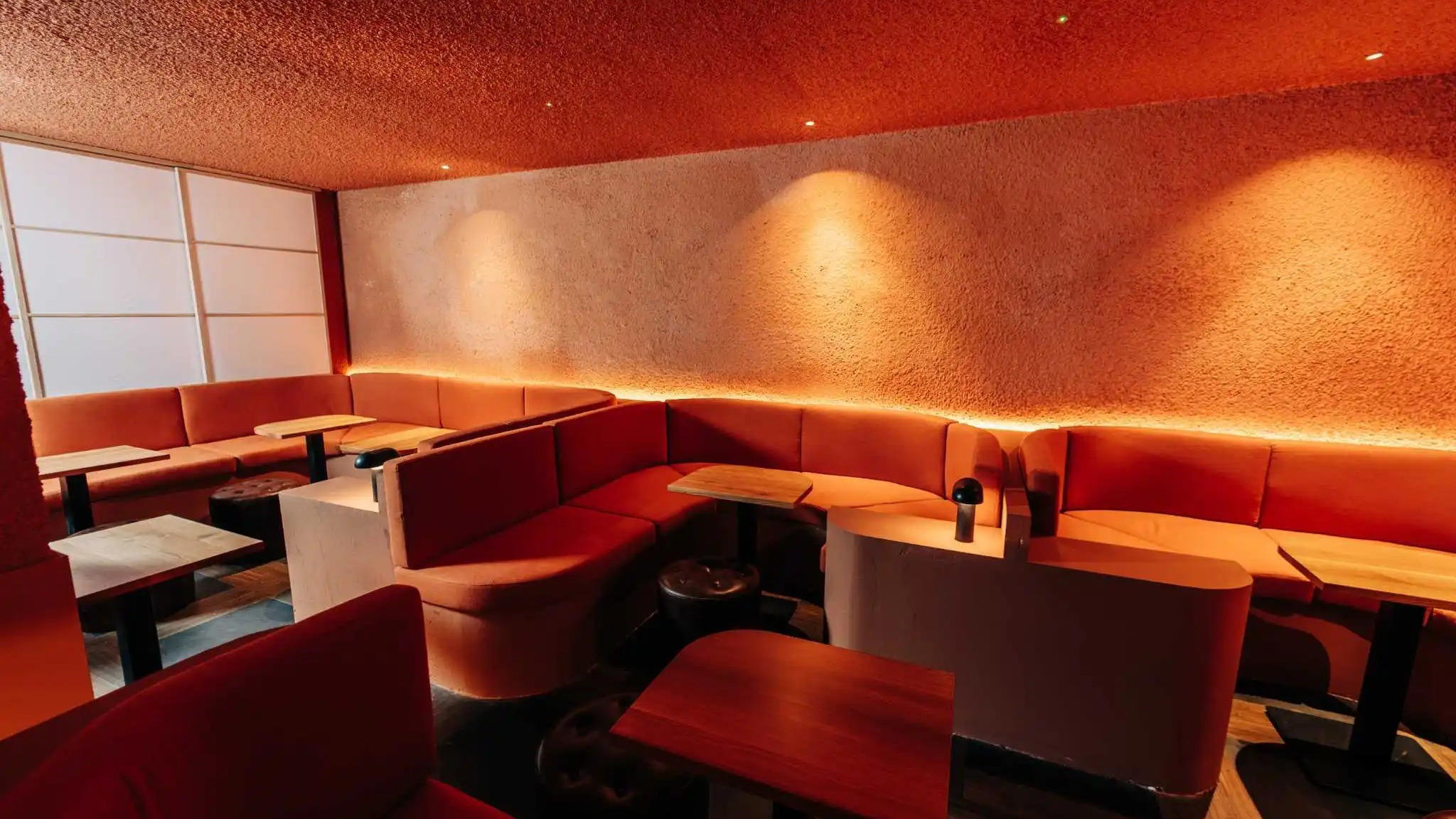
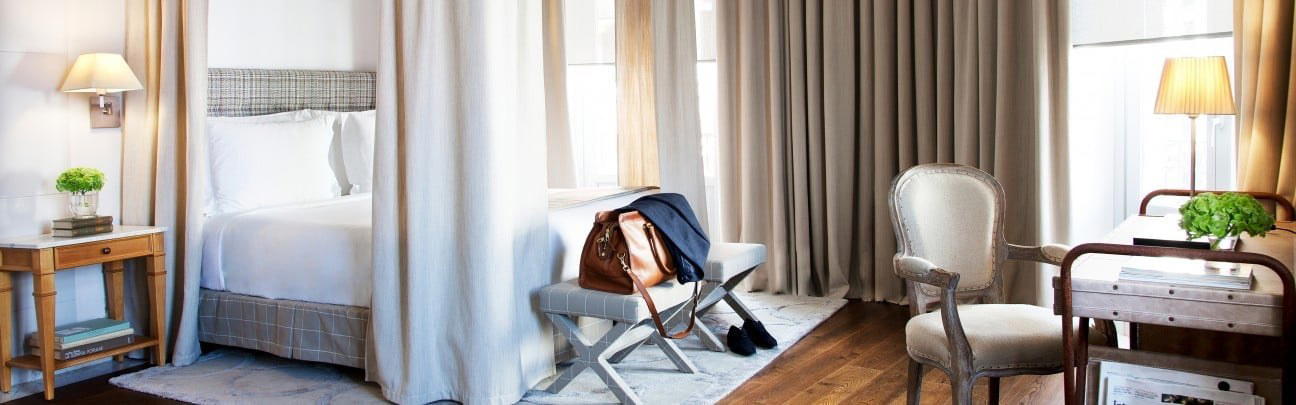
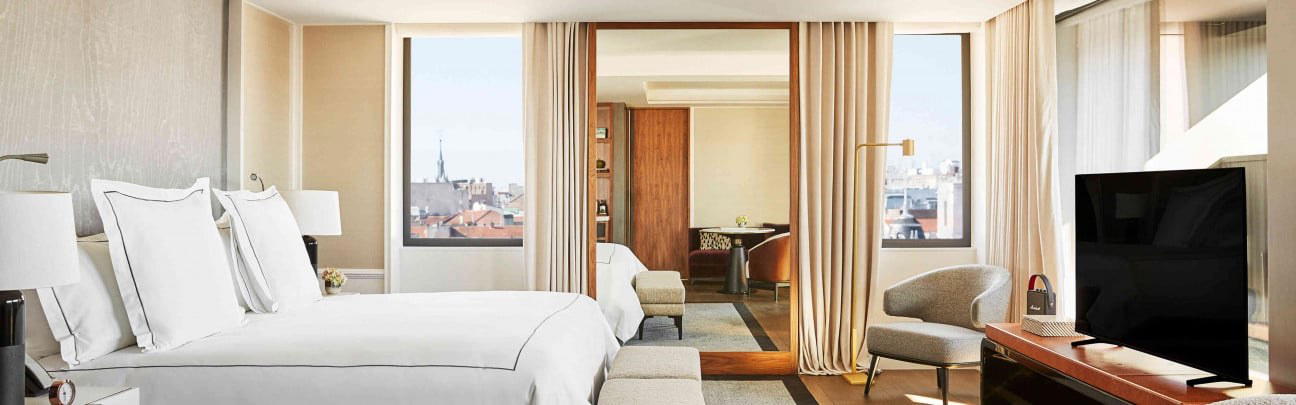
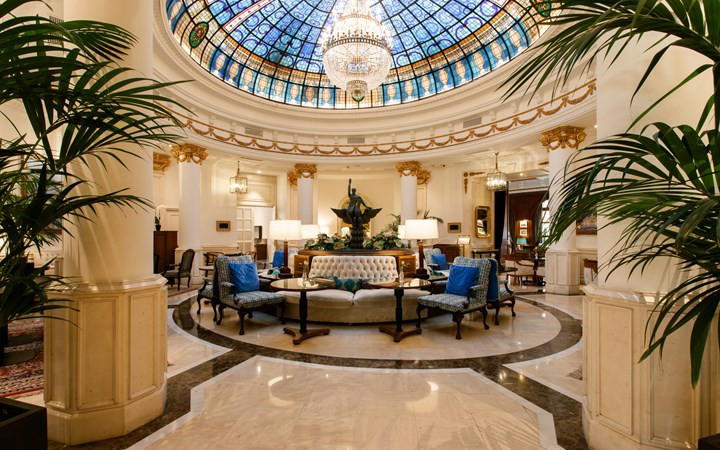
Warm, inviting modern space with vintage decor including wrought-iron columns and colorful tiles; quiet and carefully curated without pretension.