
Verdejo belongs to Madrid’s ingredient-led tavern tradition rather than the city’s high-concept tasting-menu circuit. Its 2 Soles recognition in Guía Repsol 2026 places it in a serious Spanish dining tier, while its Salamanca setting points to a polished, produce-conscious style of eating that rewards diners who care where the plate begins.
Pearl is the En Primeur Club membership app — saves, bookings, and concierge access live there. Same editors, same standards.
- Address
- Calle del General Díaz Porlier, 59, Salamanca, 28006 Madrid, Spain
- Directions
- Get directions
 Saves & bookings on Pearl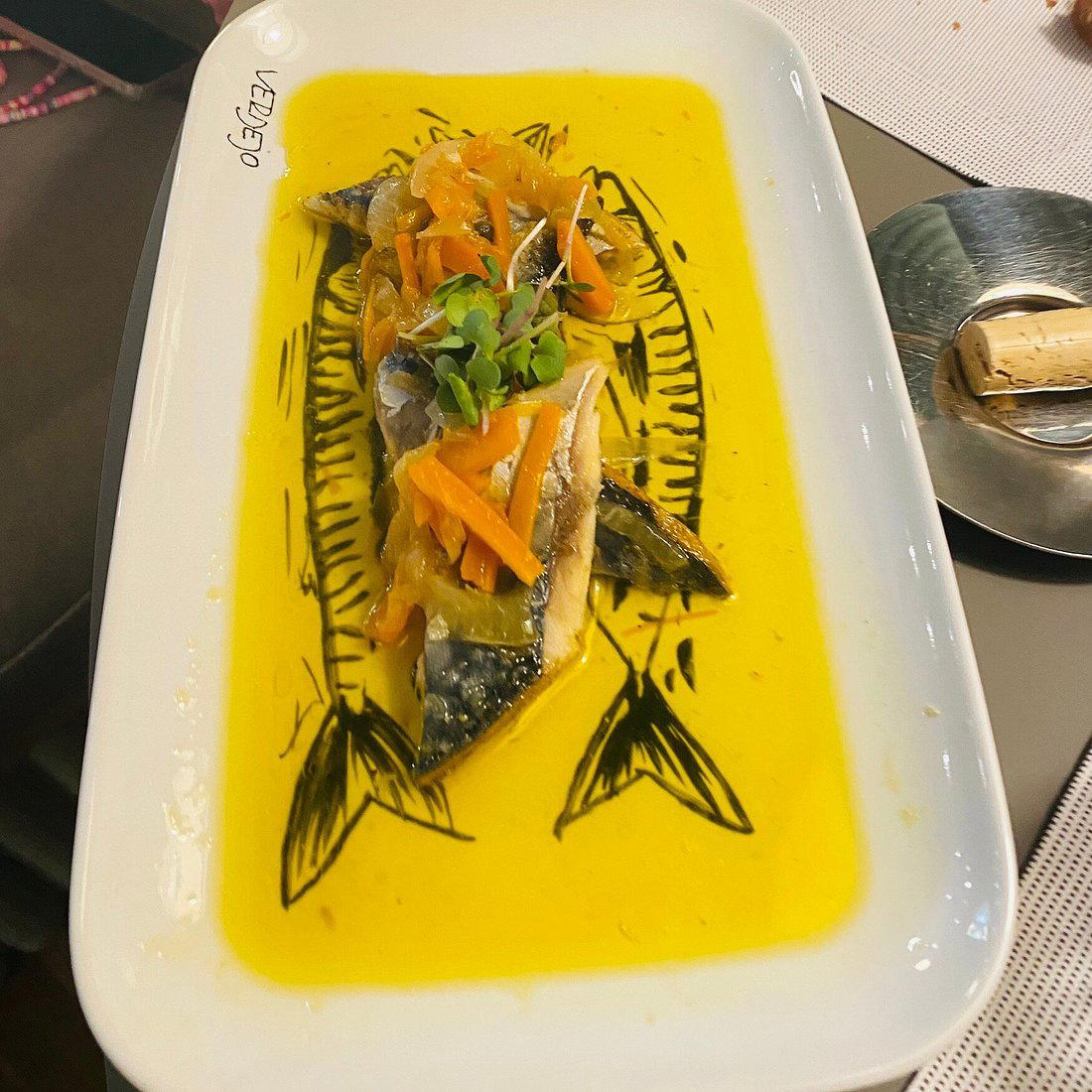
Salamanca changes the rhythm of Madrid dining. The streets are ordered, the room tone tends to be lower, and restaurants in this district often trade spectacle for product discipline. Verdejo fits that Madrid register, where the question is less what technique can do and more whether the kitchen has bought well.
That matters in Spain because ingredient sourcing is not a decorative claim. It is the core grammar of the table, from market-led cooking in Madrid to coastal seafood houses in Galicia and Andalusia, from Basque grills to Catalan produce menus. In the capital, the strongest mid-to-upper tier rooms often succeed by giving regional products a metropolitan frame. The cooking does not need to announce modernity at every course; it needs to show judgment.
For readers mapping Madrid through a wider dining itinerary, Verdejo occupies a different lane from the city’s avant-garde addresses. The capital can support maximalist tasting menus, hotel fine dining, and polished creative Spanish cooking, but it also has a durable appetite for serious tavern dining with a sharper eye on raw materials. For the broader city context, see our full Madrid restaurants guide, alongside the parallel guides to Madrid hotels, Madrid bars, Madrid wineries, and Madrid experiences.
Verdejo awards and recognition
Guía Repsol awarded Verdejo 2 Soles in its 2026 list, a meaningful Spanish signal because the guide reads the country through product, regional identity, and consistency rather than imported luxury codes. In Madrid, that distinction helps separate restaurants with a clear kitchen identity from other neighbourhood dining. It also places the address in a national conversation where sourcing, restraint, and technical control carry more weight than theatrical service formats.
Spain’s dining culture is unusually broad at the serious end: seafood temples, Basque institutions, Catalan tasting menus, and Madrid’s creative kitchens all compete for attention. Travellers building a national route may read across Aponiente in El Puerto de Santa María, Arzak in San Sebastián, Azurmendi in Larrabetzu, Cocina Hermanos Torres in Barcelona, El Celler de Can Roca in Girona, and Martin Berasategui in Lasarte - Oria. Those names belong to different traditions and scales, but they underline the same Spanish principle: product is not background material; it is the argument.
Madrid’s own high-recognition circuit also runs in several directions. DiverXO, Coque, Deessa, DSTAgE, and Paco Roncero show how far the city can stretch into creative formats. Verdejo’s appeal is quieter: it is for the diner who wants Madrid’s produce intelligence without making the evening revolve around a long-form performance.
Getting to Verdejo
This is Madrid’s polished eastern grid, where lunch can be as telling as dinner. The area suits a more measured meal: arrive with time, expect a grown-up room, and read the recognition as a cue to treat the table seriously rather than casually.
Confirm current opening times and reservation procedure before fixing the evening. Demand can tighten around weekends, holiday periods, and business-heavy midweek dinners. Vegetarian needs should be raised before arrival, since ingredient-led kitchens can be accommodating when warned and awkward when asked to improvise at the table.
The point here is not transatlantic sameness. It is the Spanish confidence that a restaurant can be serious by buying, editing, and cooking with restraint.
- Albóndigas de Sepia y Cazón sobre Caldo Ibérico
- Escabeche de Caballa
- Merluza Rellena de Queso, Aceitunas y Piparras
- Solomillo de Cerdo Ibérico Trofado
- Chuletilla de Ciervo
- Tarta de Chocolate Amargo
How It Compares
Comparable venues nearby, for context on price, style, and recognition.
| Venue | Cuisine | Price | Notes |
|---|---|---|---|
| VerdejoThis venue — the venue you are viewing | Seasonal Spanish Taberna with Modern Touches | $$$ | Not listed |
| Taberna La Gaditana | Traditional Andalusian Seafood & Rice | $$$ | Goya |
| Ramón Freixa Tradición | Traditional Spanish Cuisine | $$$ | Recoletos |
| Puerta 57 | Traditional Spanish with Seafood | $$$ | Hispanoamerica |
| El D3S3O | Modern Spanish Fusion | $$$ | Almagro |
| Terraza Tayrona Madrid | Modern Spanish Terrace | $$$ | Recoletos |
Recognition history
Dated appearances from independent guides and award organizations, with the underlying list record or original source where available.
Guía Repsol 2 Soles
Guía Repsol



At a Glance
- Cozy
- Trendy
- Modern
- Intimate
- Date Night
- Business Dinner
- Solo
- Casual Hangout
- Special Occasion
- Open Kitchen
- Standalone
- Extensive Wine List
- Beer Program
- Craft Cocktails
- Local Sourcing
- Sustainable Seafood
Current opening hours
- Monday
- 1:30–4 PM, 8:30–11:30 PM
- Tuesday
- 1:30–4 PM, 8:30–11:30 PM
- Wednesday
- 1:30–4 PM, 8:30–11:30 PM
- Thursday
- 1:30–4 PM, 8:30–11:30 PM
- Friday
- 1:30–4 PM, 8:30–11:30 PM
- Saturday
- Closed
- Sunday
- Closed
Hours can change for holidays and private events. Last verified .
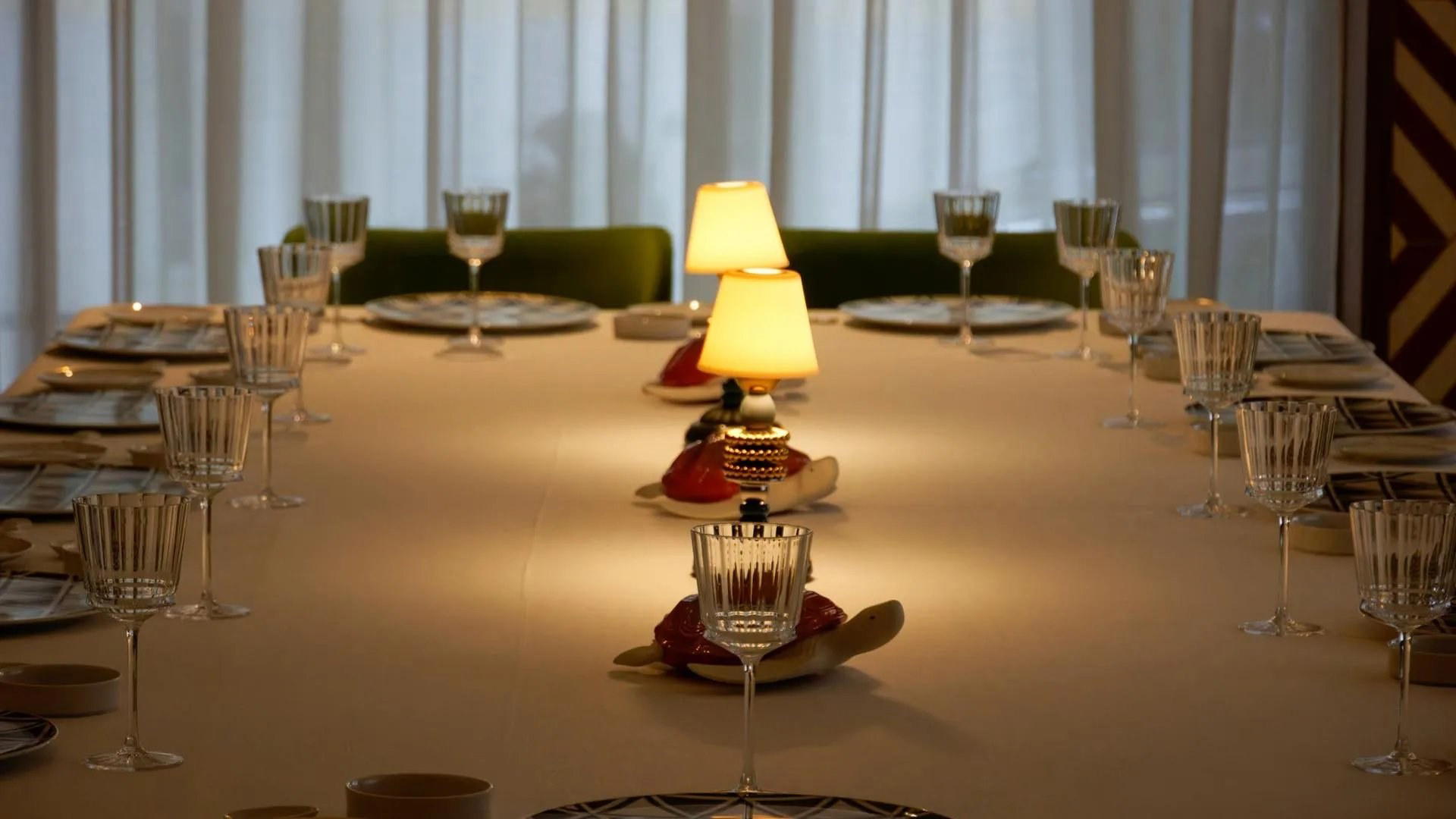
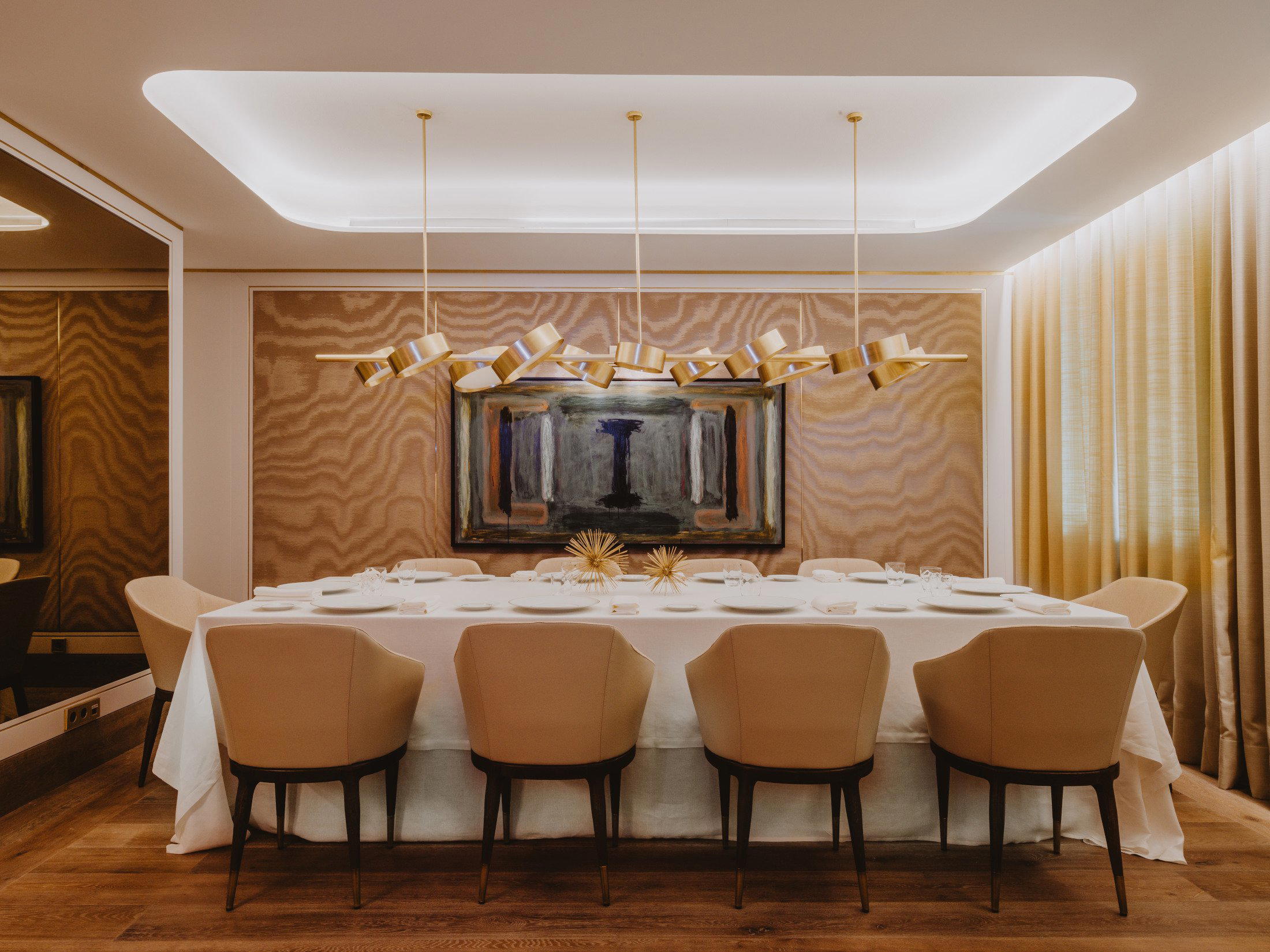
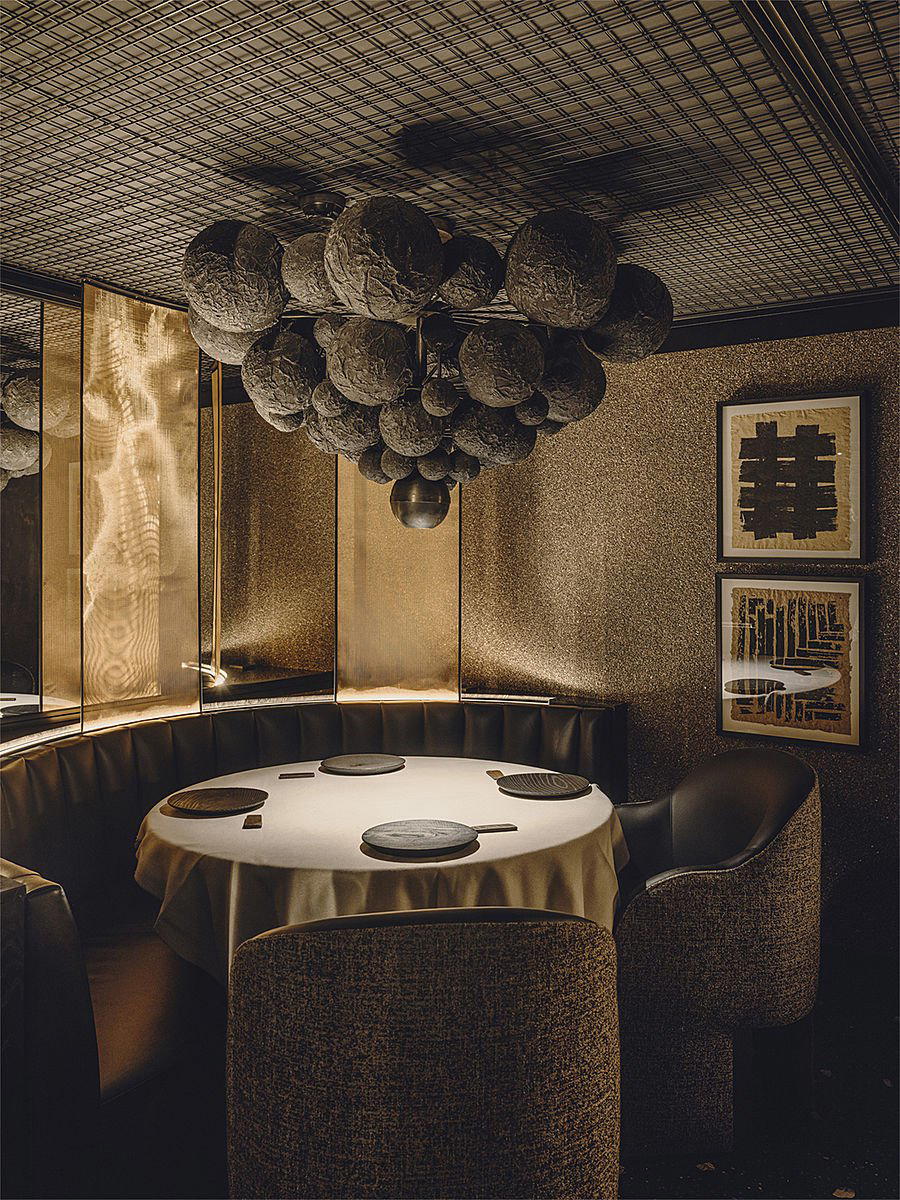
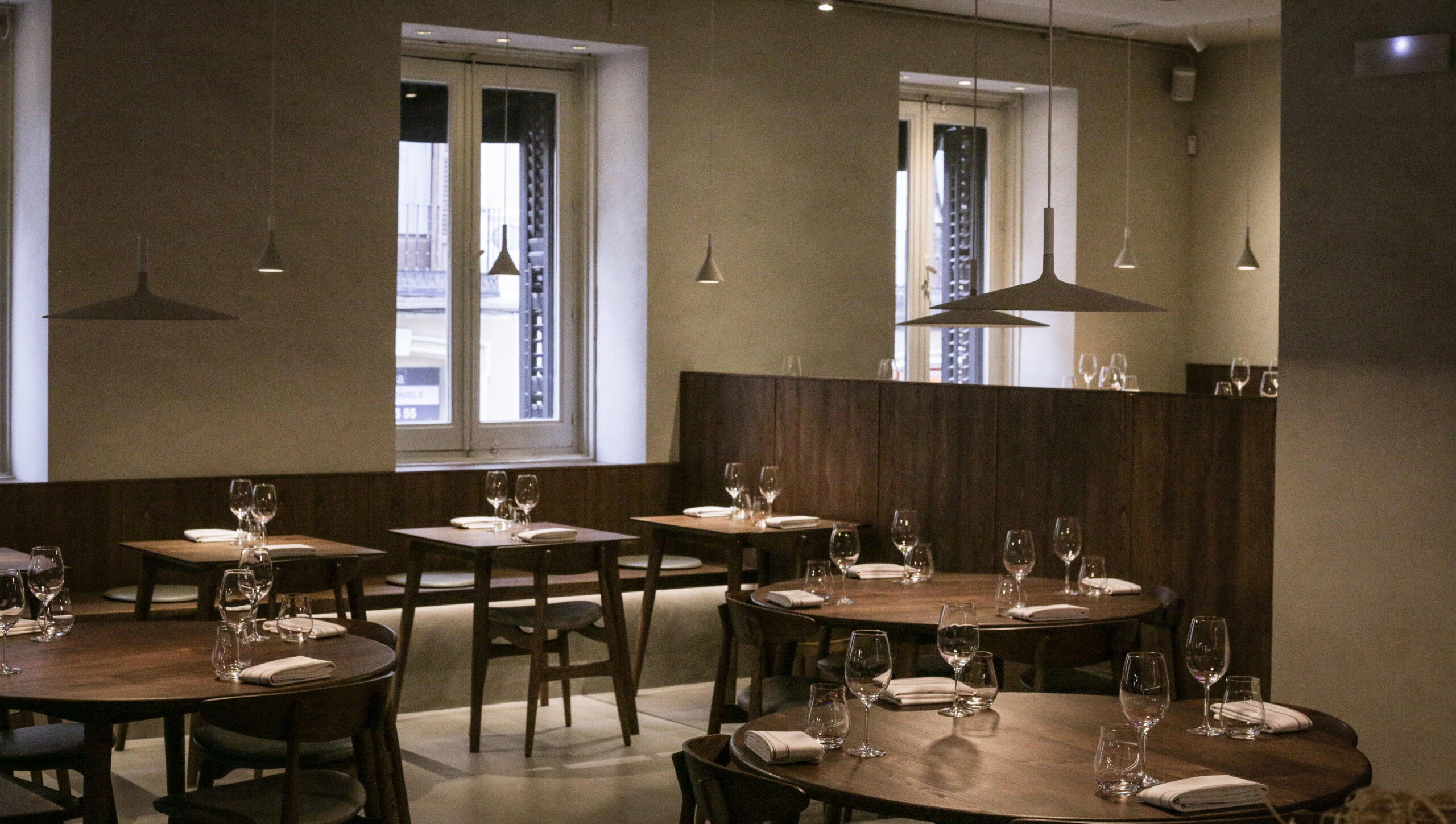
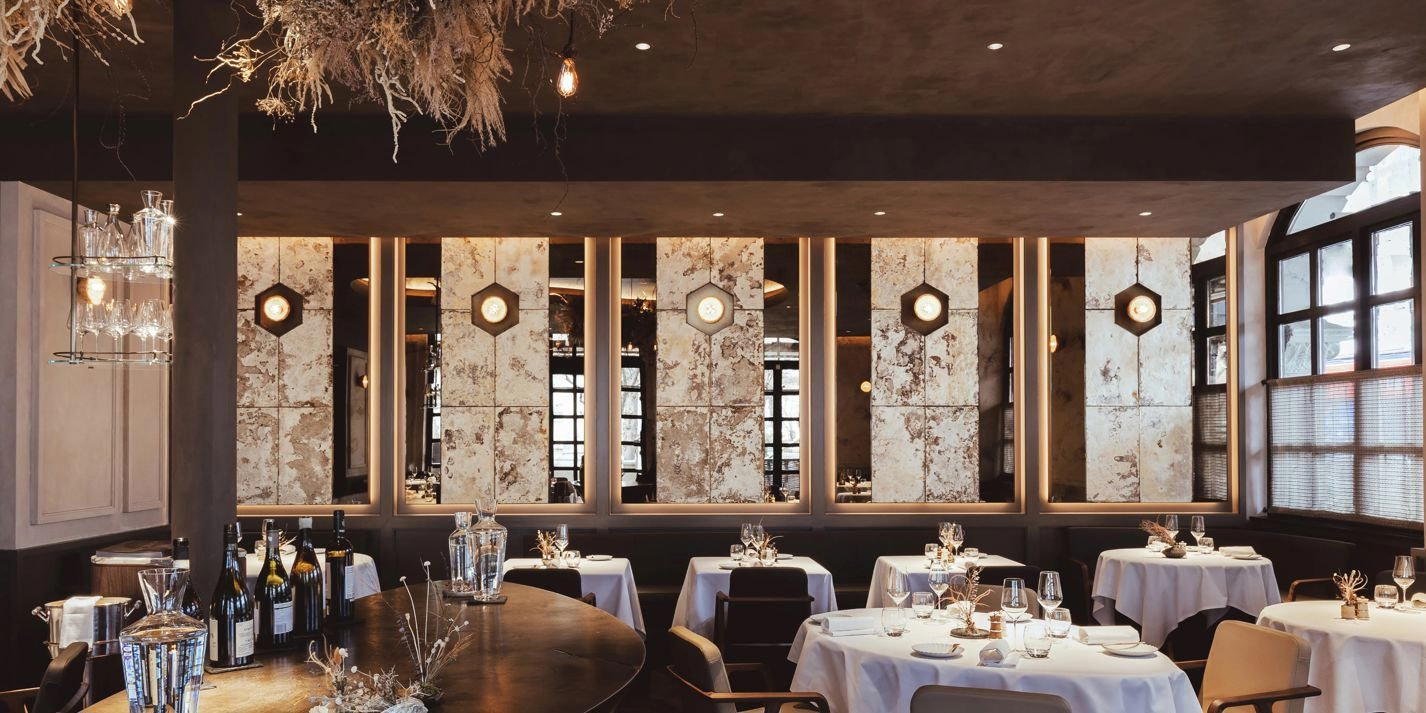
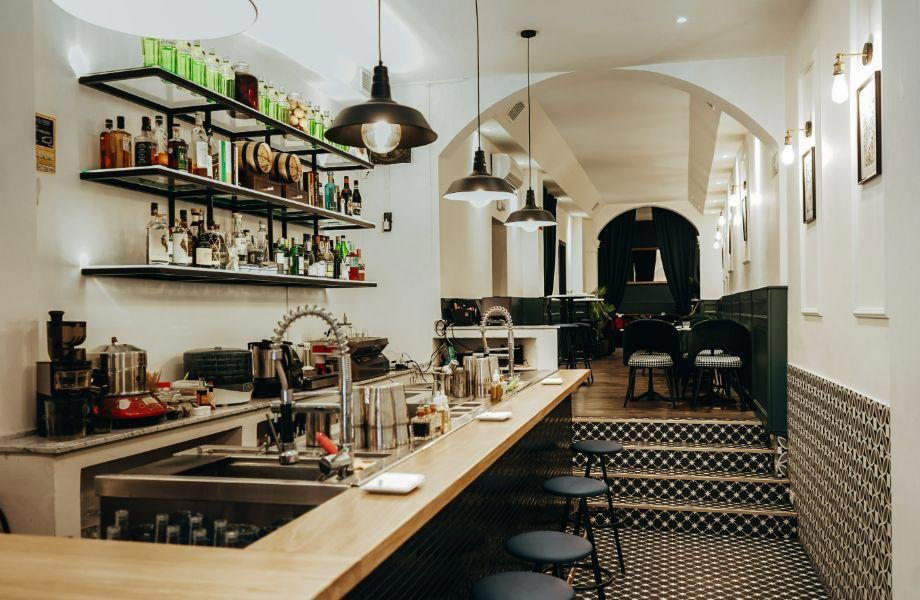
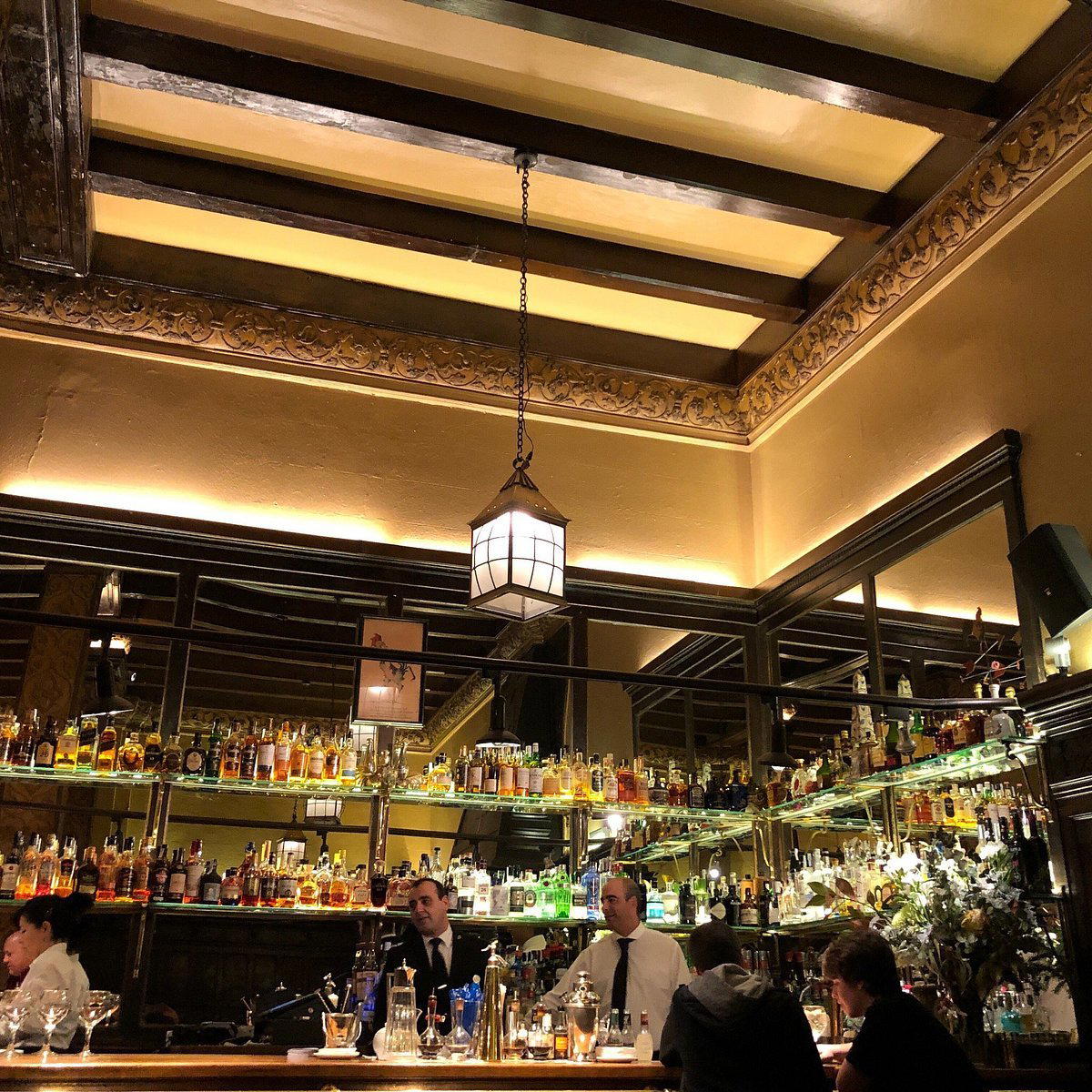
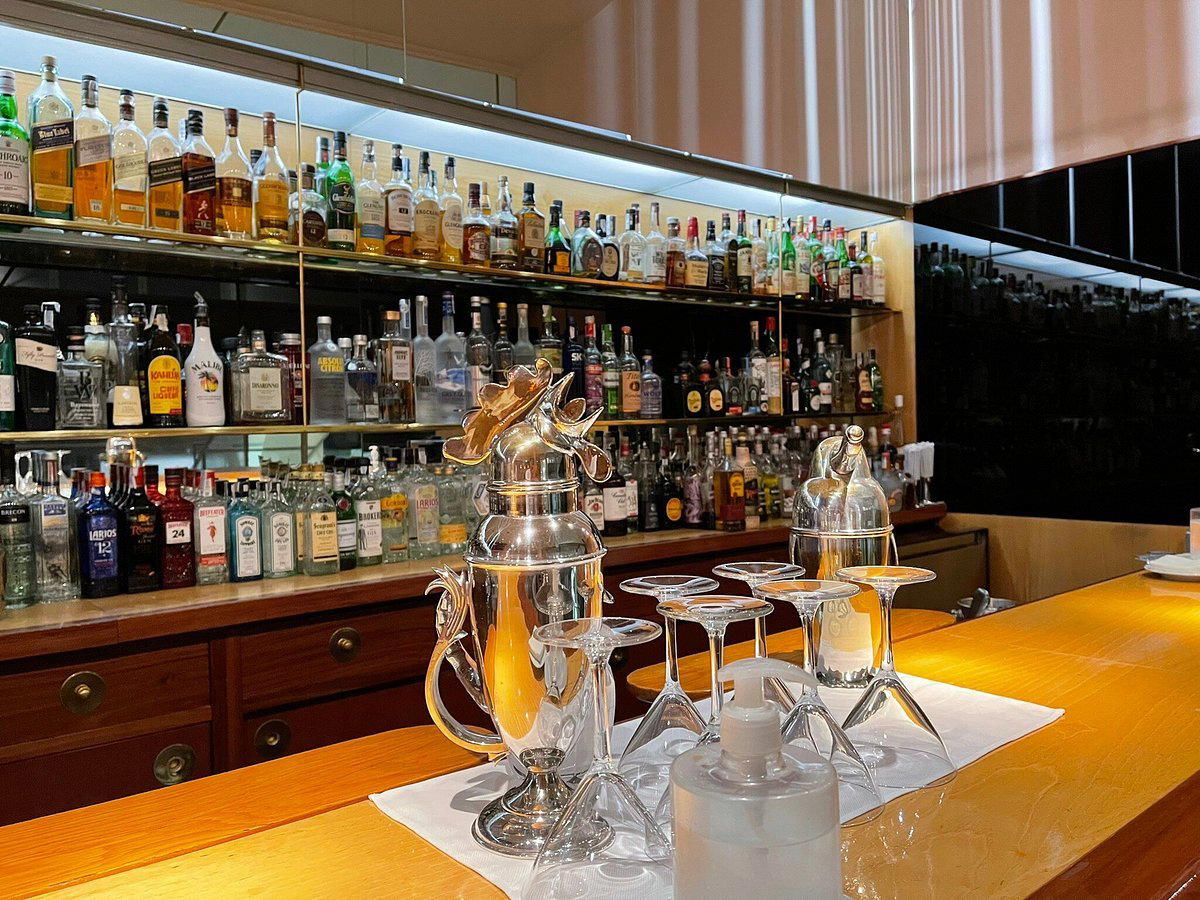
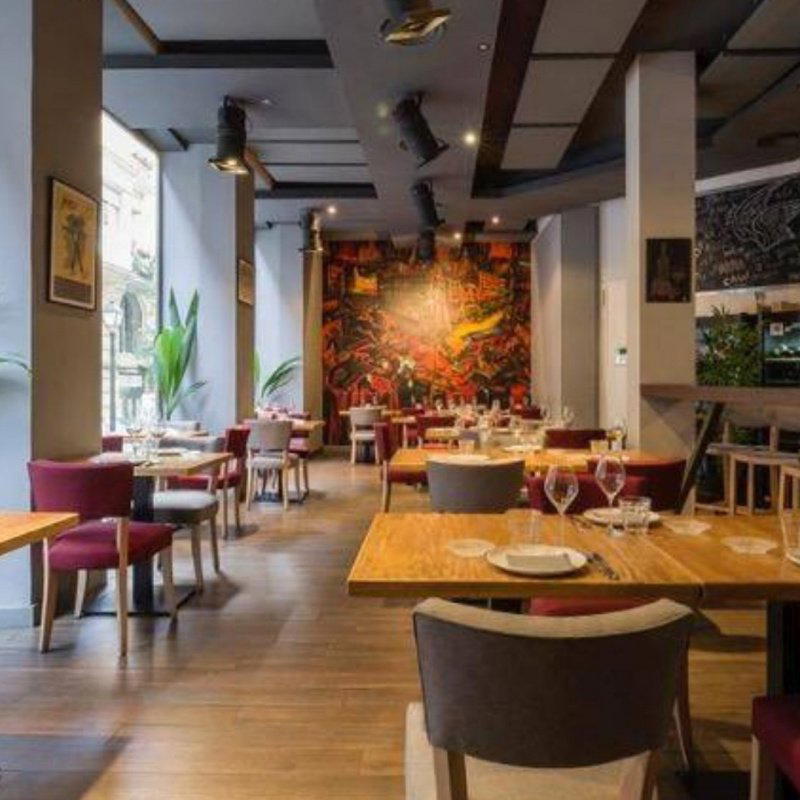
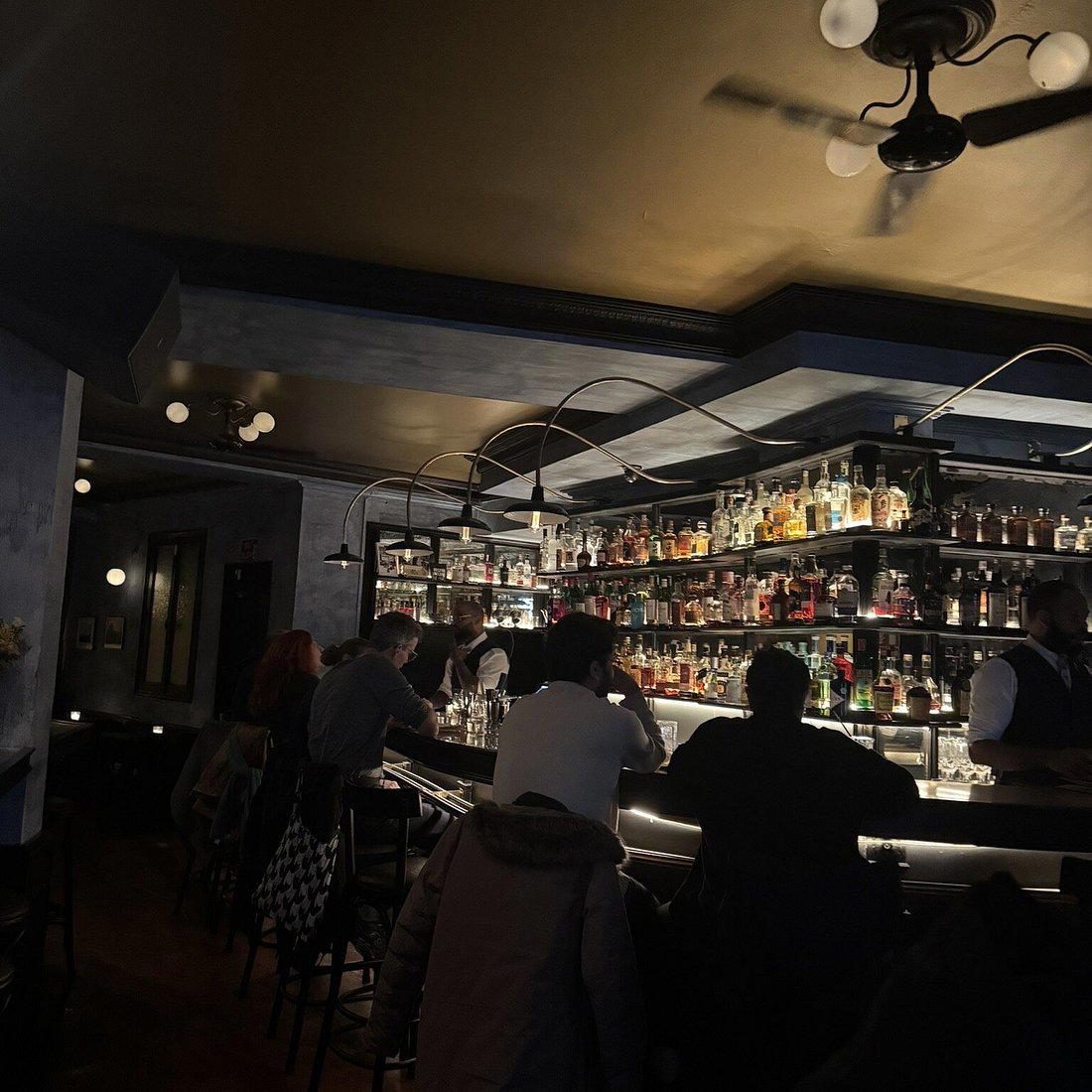
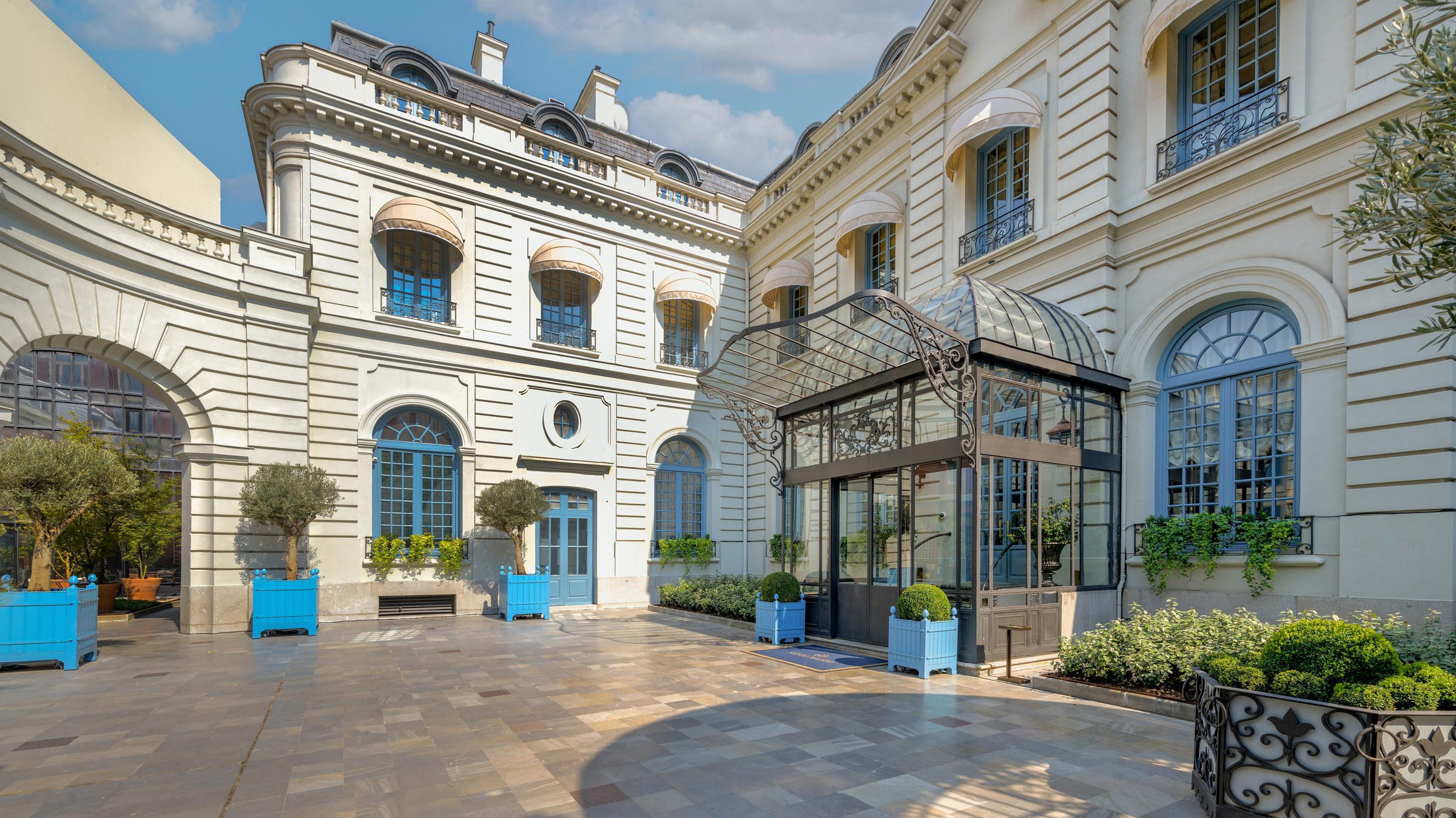
Understated and cozy yet contemporary, with a small dining room of just a few tables, warm and friendly service, and a modern tavern feel that blends casual bar energy with careful, ingredient-led cooking.