Our verdict
La Mar sits on Avenida Nueva Costanera in Vitacura, positioning itself within Santiago's most concentrated tier of upscale dining. The address places it in direct conversation with the neighbourhood's seafood-forward and coastal-inflected restaurants, where sourcing provenance and preparation discipline tend to define the competitive gap between venues at this level.

Pearl is the En Primeur Club membership app — saves, bookings, and concierge access live there. Same editors, same standards.
- Address
- Av. Nueva Costanera 4076, 7630191 Vitacura, Región Metropolitana, Chile
- Phone
- +56 2 2617 0848
- Hours
- Mon–Wed 1–11 PMThu–Sat 1–11:30 PMSun 1–10 PM
- Website
- lamarcebicheria.com
- Directions
- Get directions
- Booking
- Book on the venue's website
The menu
What to order
- Ceviche
- Tiradito
- Causa
- Pulpo a la Brasa
- Pisco Sour
Vitacura's Ceviche Counter and the Coastal Logic Behind It
Santiago sits roughly an hour and a half from the Pacific by road, a proximity that has always shaped what the city's better restaurants put on the plate. In Vitacura, where Avenida Nueva Costanera traces a green corridor along the Mapocho, that coastal pull is felt most directly in a cluster of restaurants that treat the Chilean littoral not as a theme but as a supply chain. La Mar, at number 4076, occupies that address and that argument: that a landlocked urban dining room can function as a credible expression of Pacific seafood culture if its sourcing discipline is tight enough.
The broader question of how to move fish and shellfish from Chilean fishing communities into a Vitacura dining room without compressing quality or erasing origin is one that defines this tier of Santiago dining more than any single technique or chef lineage. The short answer is cold chains, relationships with specific caletas, and menus that follow what is available rather than what is convenient. Venues that get this right sit in a different peer group than those that import consistency at the cost of provenance. La Mar's address and positioning in Vitacura places it in that more demanding bracket, alongside the sourcing-conscious approach you find at La Calma by Fredes, which has built its reputation on Chilean coastal species and seasonal availability.
The Sustainability Frame That Runs Beneath the Menu
In Latin American seafood dining, sustainability is rarely a marketing posture. It is a structural condition. Chilean waters host some of the most biodiverse fishing grounds in the Southern Hemisphere, but they are under pressure from industrial extraction, climate-driven migration of species, and the kind of demand concentration that upscale urban restaurants inevitably create. The response from serious kitchens has been to diversify away from the handful of species, such as corvina, reineta, and centolla, that dominate export markets and tourist menus, and to work instead with the fuller range of what arrives at dock-level.
This is the sustainability story that matters at this level of Santiago dining: not carbon offsets or branded certifications, but the daily editorial decision of which fish to feature and which to pass on. Kitchens that absorb less commercially attractive species, work with smaller fishing operations, and build menus around availability rather than continuity are doing something structurally different from venues that lock in a consistent product at the cost of genuine seasonality. That distinction carries weight in Vitacura, where the clientele is experienced enough to recognise the difference between a menu engineered for reliability and one shaped by what the coast actually produced that week.
The Peruvian ceviche tradition, from which La Mar draws its conceptual frame, is worth understanding in this context. Lima's cebicherías developed around a philosophy of minimal intervention and maximum freshness, where the acid in leche de tigre does the structural work and the fish needs to be good enough to stand without disguise. That is not a forgiving format for mediocre sourcing, which is precisely why it became the template for coastal dining that takes provenance seriously. For comparison at the global level, the sourcing rigour behind this tradition has parallels with what places like Le Bernardin in New York City have long argued about fish cookery: that the ingredient, not the technique, carries the final quality signal.
Where La Mar Sits in the Santiago Seafood Conversation
Santiago's premium dining scene has diversified considerably over the past decade. The city now has a recognisable tier of modern Chilean tasting-menu restaurants, led by operators like Boragó, which frames indigenous and foraged ingredients as the organising principle of a complete culinary proposition. Alongside that movement, a separate strand of more ingredient-direct, cuisine-specific restaurants has emerged, restaurants that are less interested in the avant-garde and more focused on executing a defined culinary tradition at a high level of product quality.
La Mar belongs to that second category. Its reference point is the cebichería tradition rather than the tasting-menu format, which means the competitive set is different from venues like 99 Restaurante or Demencia, and more directly comparable to coastal seafood specialists. Within Vitacura, that positions it as a lunch-anchor venue, the kind of place where the midday meal is the primary event and where the format supports a longer table and a bottle of pipeño or coastal white rather than a quick urban feed. Ambrosia operates in the same neighbourhood with a French-Chilean register, serving a different clientele appetite, which underlines how Vitacura has developed enough dining density to support genuinely distinct culinary propositions within a few blocks of each other.
If you are building a Santiago itinerary that extends beyond the capital, the coastal logic that drives La Mar's menu becomes even more relevant further from the city. Aquí Jaime in Concón operates closer to the actual source, where the Pacific sets the daily terms more directly. For wine-country dining, Lapostolle Residence in Santa Cruz and Viña Concha y Toro in Pirque offer the complementary agricultural register that pairs naturally with a Santiago seafood meal. Further afield, the sourcing philosophy that drives serious coastal and regional cooking appears in different forms at Awasi Atacama and andBeyond Vira Vira in Araucanía, both of which have built their dining propositions around the specific ecosystems they inhabit. Our full Santiago restaurants guide maps these distinctions across the city and its wider region.
Planning a Visit: What to Know Before You Go
La Mar is at Av. Nueva Costanera 4076 in Vitacura, the northern residential and commercial zone that concentrates much of Santiago's upscale dining. The neighbourhood is not walkable from the city centre; taxis or a rideshare from Providencia or Las Condes takes around fifteen to twenty minutes depending on traffic. Lunch is the format that this style of cebichería traditionally supports, and Vitacura's lunch culture reflects that: tables fill early and the room operates at a different pace than the evening service. If you are also considering Peumayen in Providencia or D.O. Restoran in Lo Barnechea on the same trip, note that each addresses a different culinary register, so sequencing them across separate meals rather than as alternatives makes more sense. For visitors also exploring central Chile's wine and coastal towns, Rosario in Rengo and Pasta e Vino Ristorante in Valparaíso round out a region-wide picture. CasaMolle in El Molle extends the sourcing-conscious thread northward into the Elqui Valley. And if the collaborative, community-driven format of Lazy Bear in San Francisco is a reference point for you, the comparison is instructive: both venues, in very different cities, have built their propositions around the idea that a specific sourcing philosophy can carry a dining room's full identity.
Frequently asked questions
What's La Mar's location?
La Mar is located at Av. Nueva Costanera 4076, 7630191 Vitacura, Región Metropolitana, Chile, Santiago.
How does La Mar in Santiago compare to other La Mar locations in Latin America?
La Mar is a Gastón Acurio concept, originating in Lima and now operating across several Latin American cities including Bogotá, Miami, and São Paulo. The Santiago outpost at Av. Nueva Costanera 4076 applies the same Peruvian coastal framework to Chilean waters, which are among the most productive in the Southern Hemisphere. That local sourcing distinction gives the Santiago menu a different raw-material base than its Lima counterpart, where Peruvian coastal species dominate.
What do regulars order at La Mar?
La Mar's reputation in Vitacura is built on its ceviches and tiraditos, the Peruvian coastal formats that anchor the menu. Regulars at the group's locations across Latin America tend to anchor their meals around the leche de tigre preparations and whichever whole-fish dishes reflect the day's supply from Chilean waters. Given the restaurant's position on Av. Nueva Costanera 4076, proximity to Santiago's seafood distribution channels means the catch-driven offerings shift with the season.
Should I book La Mar in advance?
Vitacura's dining corridor along Av. Nueva Costanera draws consistent local demand, particularly at lunch, which is the primary meal format at La Mar's other locations in the group. Reservations ahead of the weekend are advisable; walk-ins fare better on weekday afternoons. Contact details are best confirmed directly through the restaurant, as hours and booking channels are subject to change.
The Quick Read
Comparable venues nearby, for context on price, style, and recognition.
| Venue | Cuisine | Price | Awards | Notes |
|---|---|---|---|---|
| La MarThis venue — the venue you are viewing | Peruvian Cevichería with Fusion Elements | $50–100 | Not listed | Not listed |
| Restaurante 040 | Spanish Fine Dining Fusion | Not listed | Not listed | Bellavista, Spanish Fine Dining Fusion |
| Demo Magnolia | Modern Chilean Fine Dining | $50–100 | Not listed | Bellas Artes, Modern Chilean Fine Dining |
| Europeo | Modern Chilean Fine Dining | Not listed | Not listed | Vitacura, Modern Chilean Fine Dining |
| Cívico la moneda | Modern Chilean | Not listed | Not listed | Centro, Modern Chilean |
| The Singular Santiago, Lastarria Hotel | Modern French-Chilean Fine Dining | $50–100 | La Liste Top Restaurants | Lastarria, Modern French-Chilean Fine Dining |
Continue exploring
More in Santiago
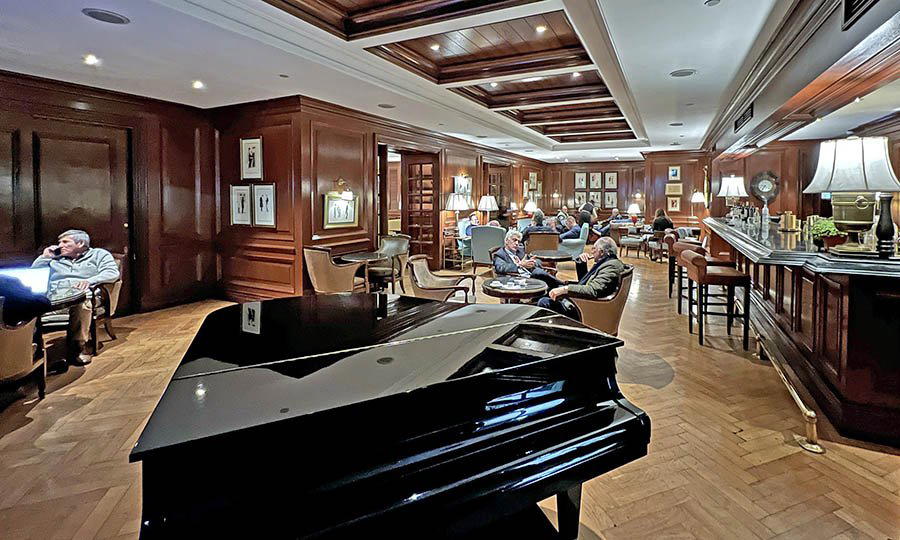
Restaurants in Santiago
Browse all →
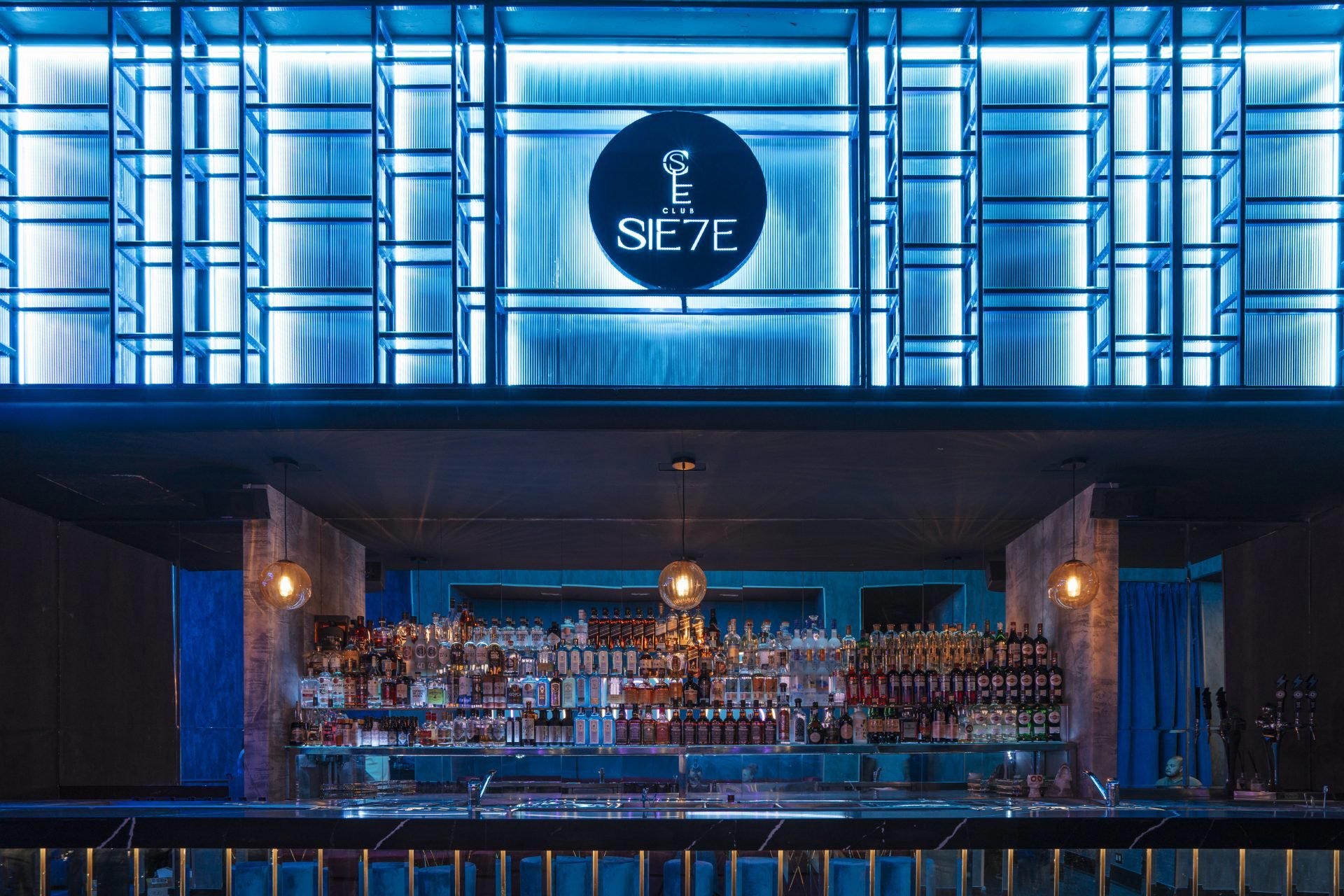
Bars in Santiago
Browse all →
Hotels in Santiago
Browse all →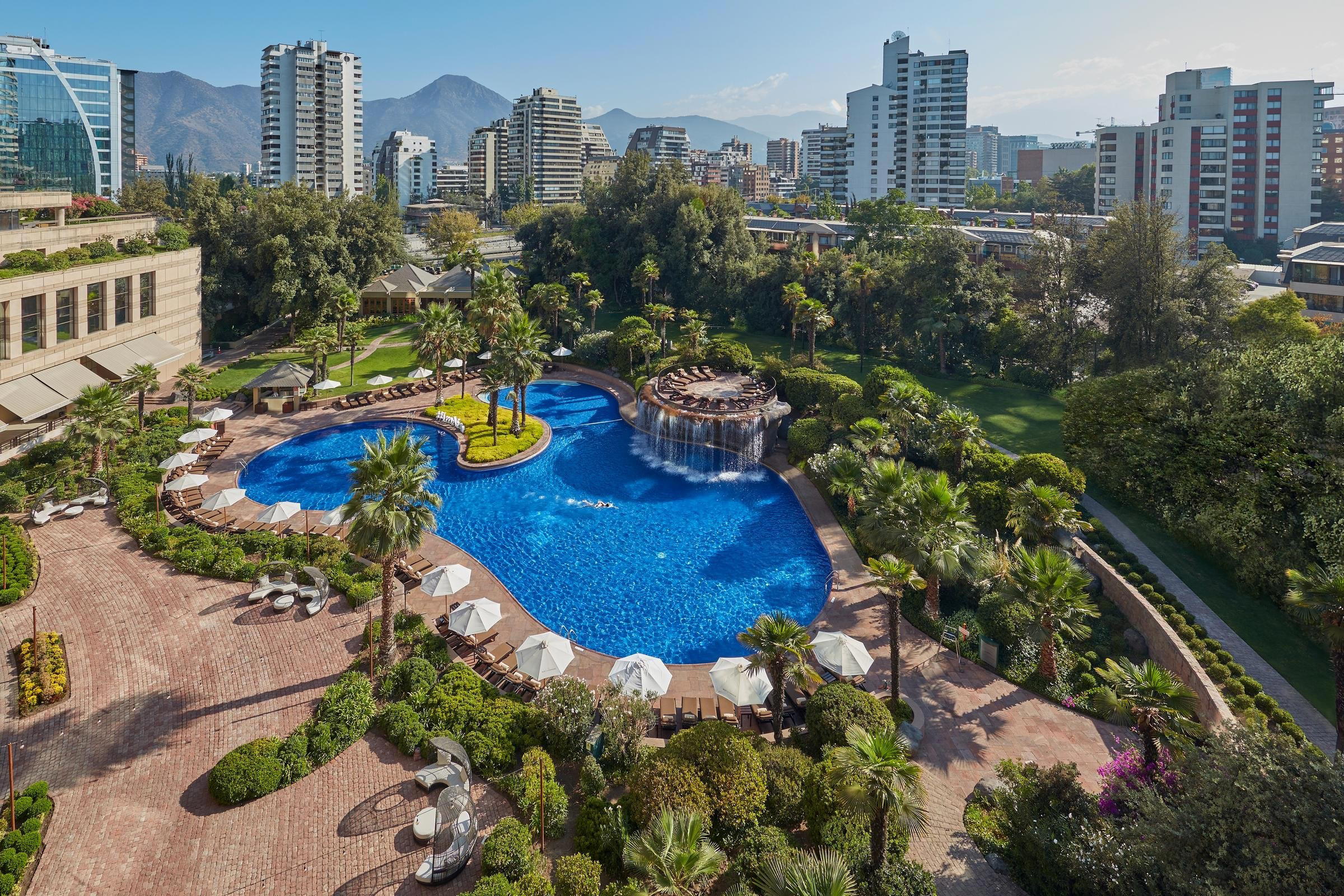


La Mar
The wine
- Wine program
- Curated wine list
- Extensive wine list
- Craft cocktails
Details
- Elegant
- Modern
- Sophisticated
- Date Night
- Business Dinner
- Group Dining
- Celebration
- Special Occasion
- Terrace
- Standalone
- Extensive Wine List
- Craft Cocktails
- Local Sourcing
- Sustainable Seafood
- A La Carte
- Small Plates
- Pisco Sour
- Wine
- Cocktails
- Vegetarian Friendly
- Gluten Free Options
- Pescatarian Friendly
Current opening hours
- Monday
- 1–11 PM
- Tuesday
- 1–11 PM
- Wednesday
- 1–11 PM
- Thursday
- 1–11:30 PM
- Friday
- 1–11:30 PM
- Saturday
- 1–11:30 PM
- Sunday
- 1–10 PM
Hours can change for holidays and private events. Last verified .
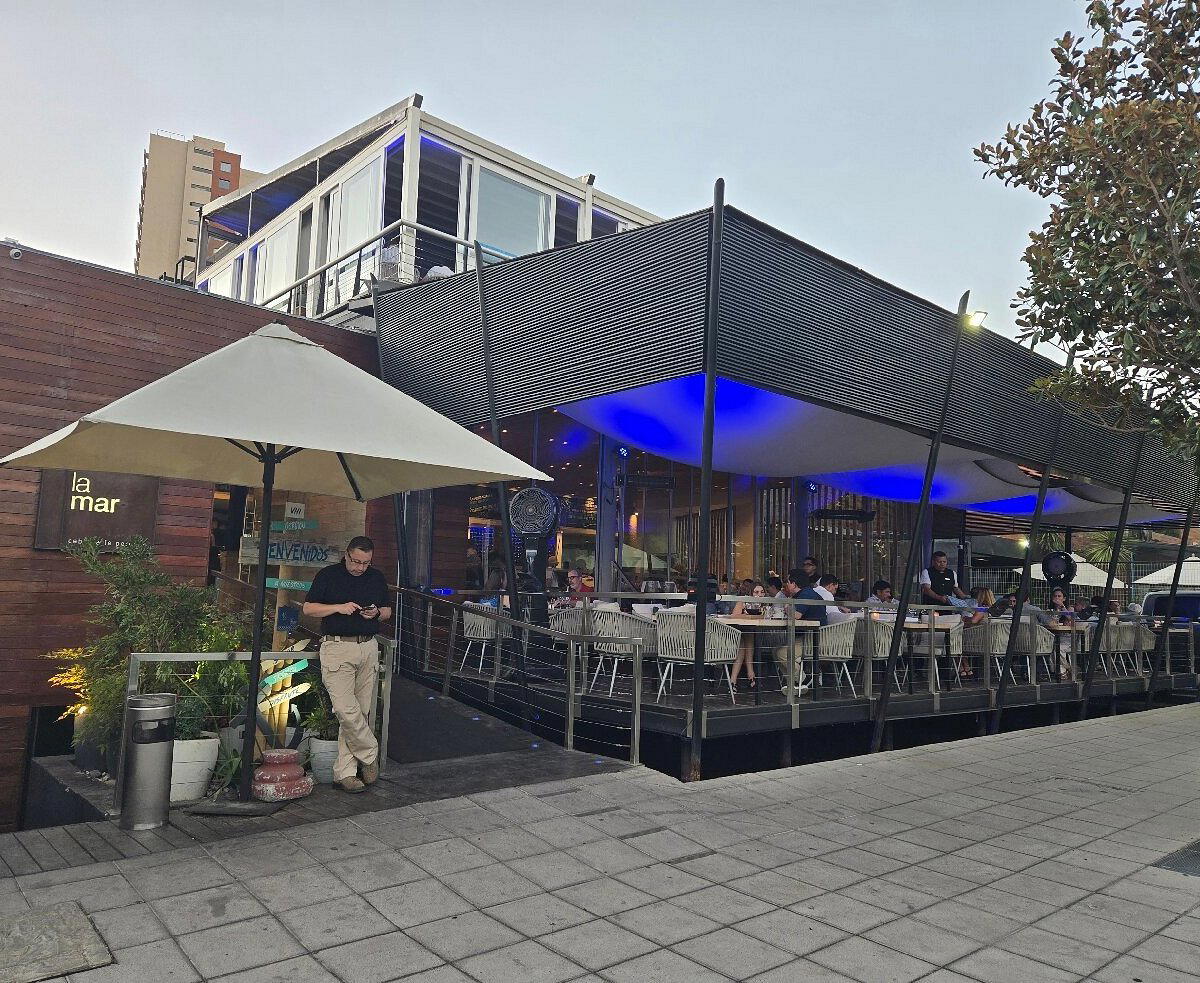
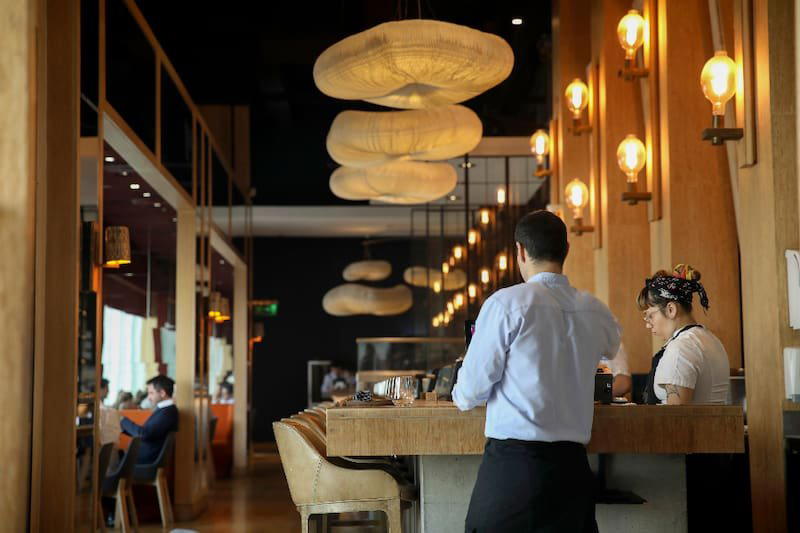
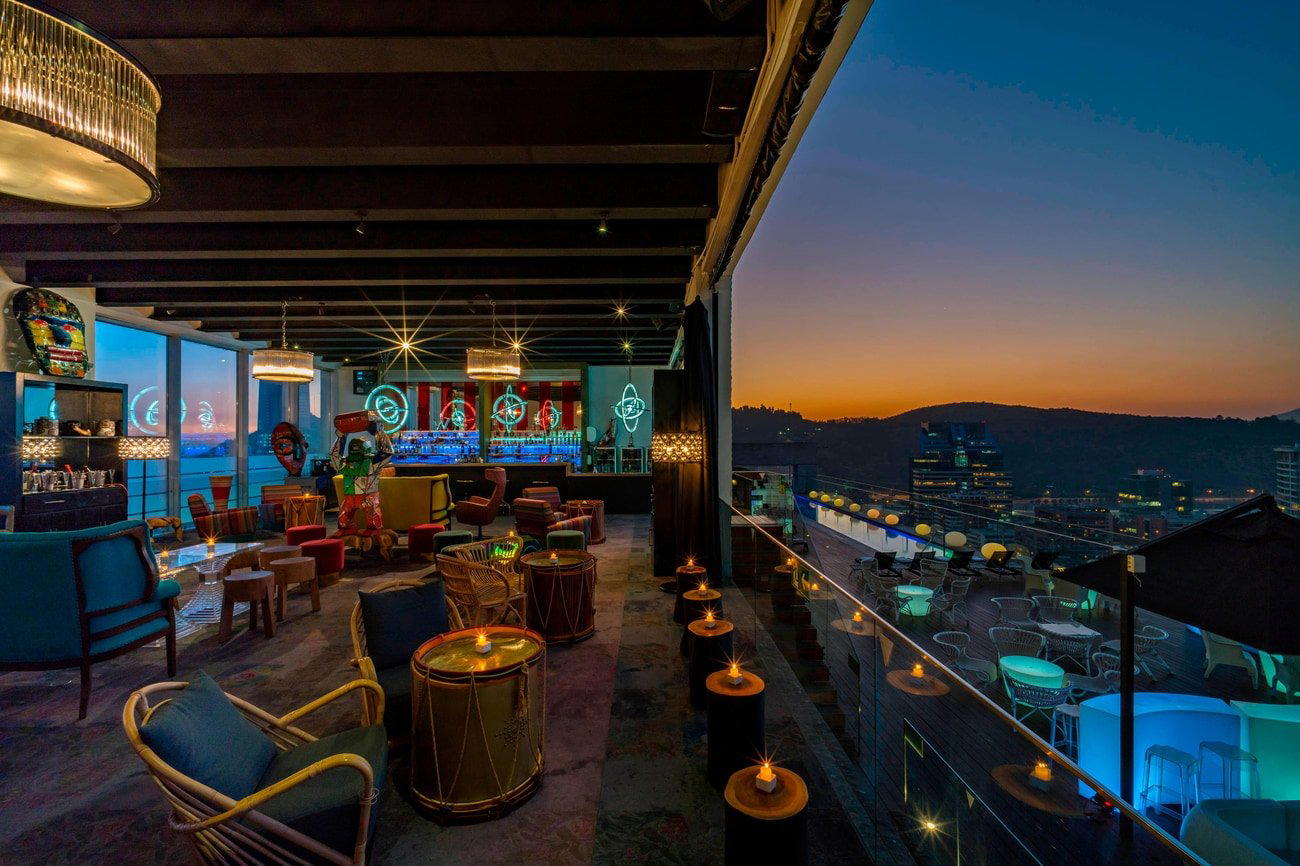
Modern glass-fronted restaurant with warm and welcoming atmosphere, combining contemporary design with lively Peruvian cultural elements and casual yet refined ambiance.